Why Is My Hibiscus Flower Not Blooming?
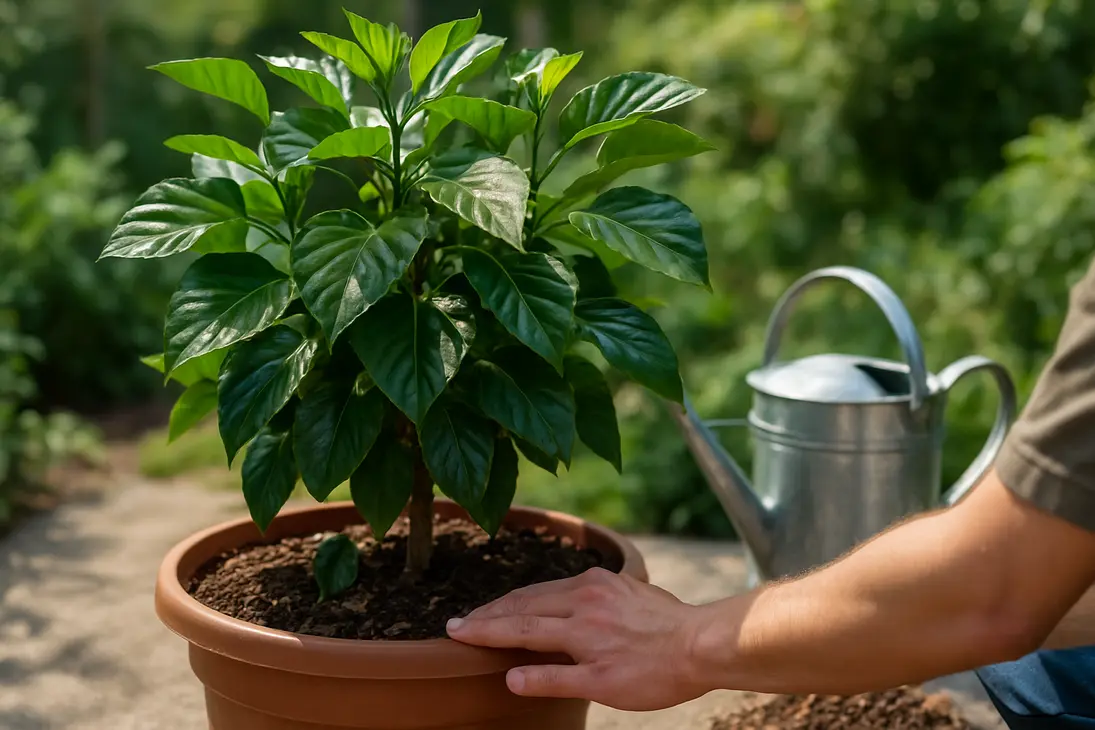
A hibiscus flower not blooming usually means the plant is putting energy into survival, leaves, or roots instead of buds. The most common causes are too little direct sun, inconsistent watering, poor fertilizer choices, root stress, cool temperatures, pests, or normal seasonal timing.
Hibiscus plants respond well when the main problem is corrected. During the growing season, a healthy plant may begin setting buds again within a few weeks. Diagnose the most likely cause first, and avoid changing everything at once.
Common Reasons a Hibiscus Won’t Bloom
Blooming requires extra energy. If conditions are only “good enough” for leaves, flowers are often the first thing a hibiscus stops producing.
Not Enough Direct Sunlight
Hibiscus need strong light to bloom well. Outdoors, most do best with at least 6 hours of direct sun daily. In very hot climates, morning sun with light afternoon protection can work, but deep shade usually leads to leafy growth and few flowers.
Indoor hibiscus often struggle because a bright room may still be too dim. A plant several feet from a window, behind curtains, or in a north-facing room may stay alive but not bloom.
Signs of low light include stretched stems, large gaps between leaves, dark green foliage with no buds, or buds only on the sunniest side. Move shaded plants into brighter light gradually to avoid sunscald.
Incorrect Watering: Too Dry or Too Wet
Hibiscus prefer evenly moist soil. If they dry out too much, they may wilt or drop buds. If soil stays soggy, roots cannot breathe, which can cause yellow leaves, weak growth, and no flowers.
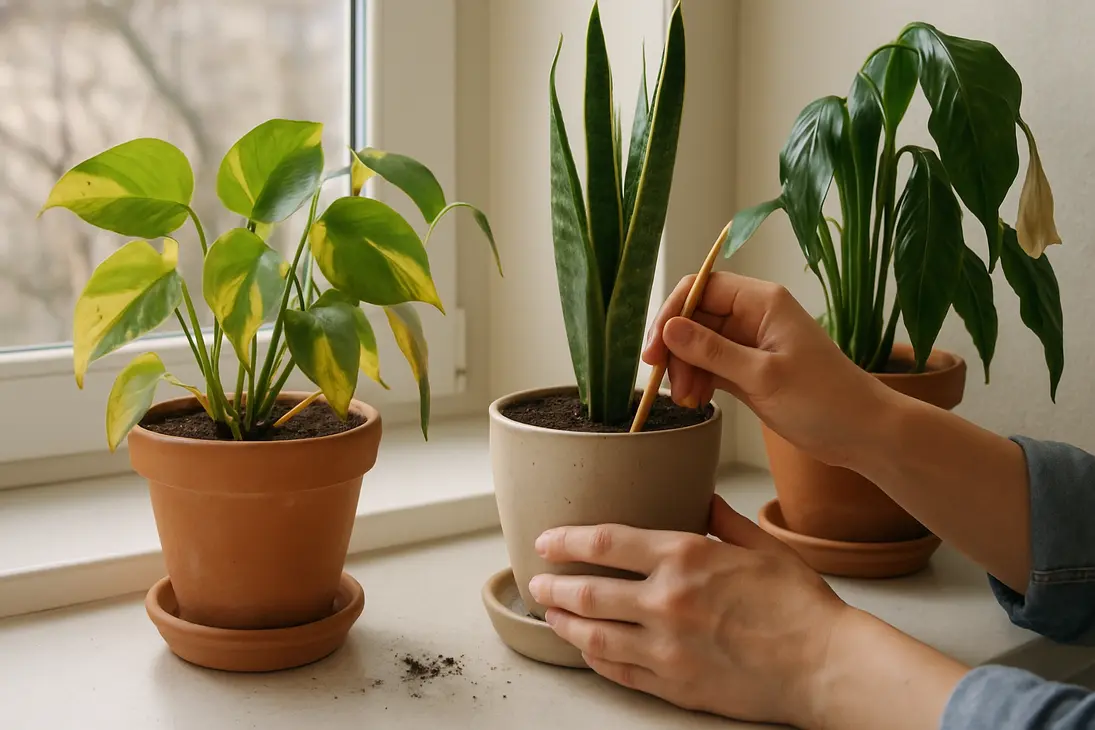
Check moisture by pushing your finger 1–2 inches into the soil. Water when the top layer begins to dry, but before the root ball is bone dry. Empty saucers under pots, and make sure containers have drainage holes.
In-ground hibiscus usually benefit from deep watering rather than frequent shallow watering. Potted hibiscus may need water often in hot, windy weather.
Too Much Nitrogen or Imbalanced Fertilizer
Lots of lush leaves with no flowers often points to too much nitrogen. Nitrogen encourages green growth, but excess nitrogen can delay or reduce bud formation.
This can happen from lawn fertilizer, frequent feeding, or high-nitrogen houseplant fertilizer. Hibiscus need moderate nitrogen, good potassium, and trace nutrients such as magnesium and iron.
If overfeeding seems likely, pause fertilizer, water normally, and restart with a hibiscus-friendly product according to the label.
Excess Phosphorus or Nutrient Lockout
“Bloom booster” fertilizers can backfire if they are very high in phosphorus. Hibiscus need phosphorus, but usually not in large extra amounts.
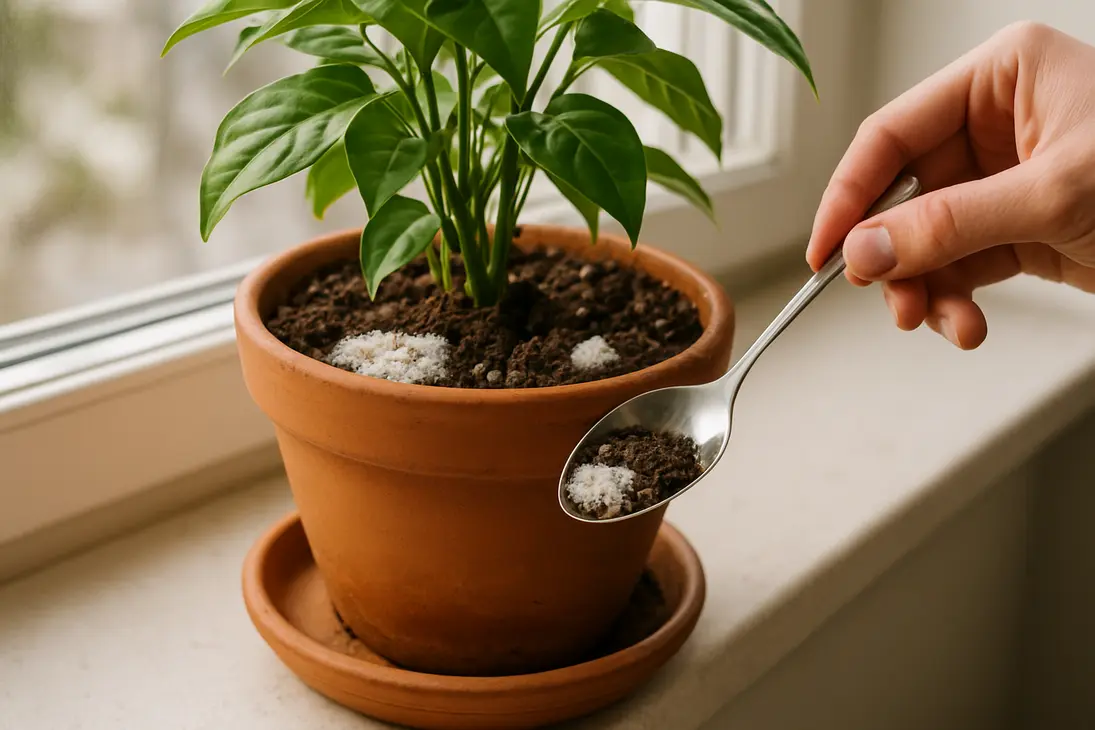
Repeated high-phosphorus feeding, especially in pots, can contribute to nutrient imbalance or salt buildup. A plant may be fed often yet still fail to bloom because roots cannot take up nutrients properly.
If you see white crust on soil, browning leaf tips, or poor growth after heavy feeding, flush the pot thoroughly with water or refresh the potting mix.
Poor Soil or Root Problems
Roots support flowering. A hibiscus may stop blooming if its roots are cramped, damaged, soggy, or growing in poor soil.
Common problems include a pot that is too small, circling roots, old potting mix, heavy garden soil in a container, poor drainage, or root rot from chronic overwatering.
A slightly snug pot is fine, but a severely root-bound plant dries too fast and struggles to absorb nutrients. Repot only one size up unless the root ball truly needs more room.
Temperature Stress or Seasonal Changes
Hibiscus bloom best in warm, stable conditions. Tropical hibiscus may stop flowering when nights are cool, when moved indoors, or when temperatures swing sharply.
Extreme heat can also pause blooming, especially if soil dries quickly or the plant sits near reflected heat from walls or patios.
Hardy hibiscus have a different rhythm. They die back in winter and often emerge late in spring. A slow hardy hibiscus may simply not be in bloom season yet.
Pests, Disease, or General Plant Stress
Pests reduce blooming by draining sap, damaging buds, or stressing new growth. Check for aphids on buds, whiteflies under leaves, spider mite webbing, thrips damage, and scale on stems or leaf undersides.
Disease, transplant shock, wind, chemical drift, and repeated moving can also cause bud drop or delayed flowering.
Check the Type of Hibiscus and Its Blooming Habits
Before assuming the plant is failing, identify whether it is tropical or hardy. Their bloom seasons and cold tolerance differ.
Tropical Hibiscus vs. Hardy Hibiscus
Tropical hibiscus often has glossy leaves and does not tolerate freezing. It can bloom for a long season in warm, bright conditions, but flowering may slow indoors because light is weaker.
Hardy hibiscus, including rose mallow types, survives winter dormancy in colder zones. It dies back to the ground and returns from the roots. It usually blooms in a defined summer-to-early-fall window rather than year-round.
Normal Blooming Season
Tropical hibiscus can bloom repeatedly through warm months and may flower much of the year in frost-free climates. Even then, it often blooms in waves.
Hardy hibiscus is not expected to bloom in spring or all year. If the plant is outside its normal season, provide maintenance care: good light, correct watering, no heavy feeding, and patience.
Why Hibiscus Flowers May Last Only a Day or Two
Many hibiscus flowers last only one day; some last two or slightly longer. That is normal. A healthy plant compensates by making new buds. The concern is not short-lived flowers, but a lack of new buds.
How to Get a Hibiscus to Bloom Again
Focus on the basics that directly support buds: brighter light, steady moisture, suitable fertilizer, timely pruning, healthy roots, and pest control.
Move It to Brighter Light
If the plant is not getting several hours of direct sun, fix light first. For potted outdoor plants, move them to a sunnier patio or garden spot. For in-ground plants, prune nearby growth if it is shading the hibiscus.
Indoors, place tropical hibiscus in the brightest window available, usually south- or west-facing in the Northern Hemisphere. A strong grow light can help if natural light is weak.
Acclimate gradually. A shade-grown hibiscus can scorch if moved straight into intense afternoon sun.
Water Consistently Without Leaving Soil Soggy
Keep soil evenly moist during active growth. Water deeply until excess drains from the pot, then let the top inch or two begin to dry before watering again.
Do not leave pots sitting in water. Check small containers daily during heat waves. Mulch in-ground plants to reduce moisture swings.
If buds are dropping, review watering first. Repeated wilting followed by heavy soaking is a common cause.
Use the Right Fertilizer for Flowering
Use fertilizer made for hibiscus or flowering tropical plants. In general, choose moderate nitrogen, lower phosphorus, and good potassium.
Feed only when the plant is actively growing. A cold, stressed, or low-light hibiscus will not use fertilizer well. Regular light feeding during the growing season is usually better than occasional heavy feeding.
Always follow the label. If salts have built up, flush the pot and pause feeding before restarting.
Prune at the Right Time
Hibiscus often bloom on new growth, so pruning can help create more flowering stems. Timing matters.
Prune tropical hibiscus in early spring or when growth restarts. Light shaping during the growing season is fine, but heavy pruning can delay flowers while the plant regrows.
For hardy hibiscus, cut dead stems back after dormancy, usually in late winter or early spring. Avoid constant trimming, because you may remove developing buds.
Repot or Refresh Soil When Needed
Repot if the plant has been in the same container for years, dries out immediately after watering, or has tightly circling roots.
Repot during active growth, preferably spring or early summer. Use well-draining potting mix, not dense garden soil, and move up only one pot size in most cases.
If the pot size is still fine, refresh the top layer or replace some old mix around the root ball to improve drainage and nutrient availability.
Treat Pests Before They Drain the Plant’s Energy
Inspect undersides of leaves, new shoots, and buds. For light infestations, rinse the plant thoroughly, especially under leaves, and remove badly damaged growth.
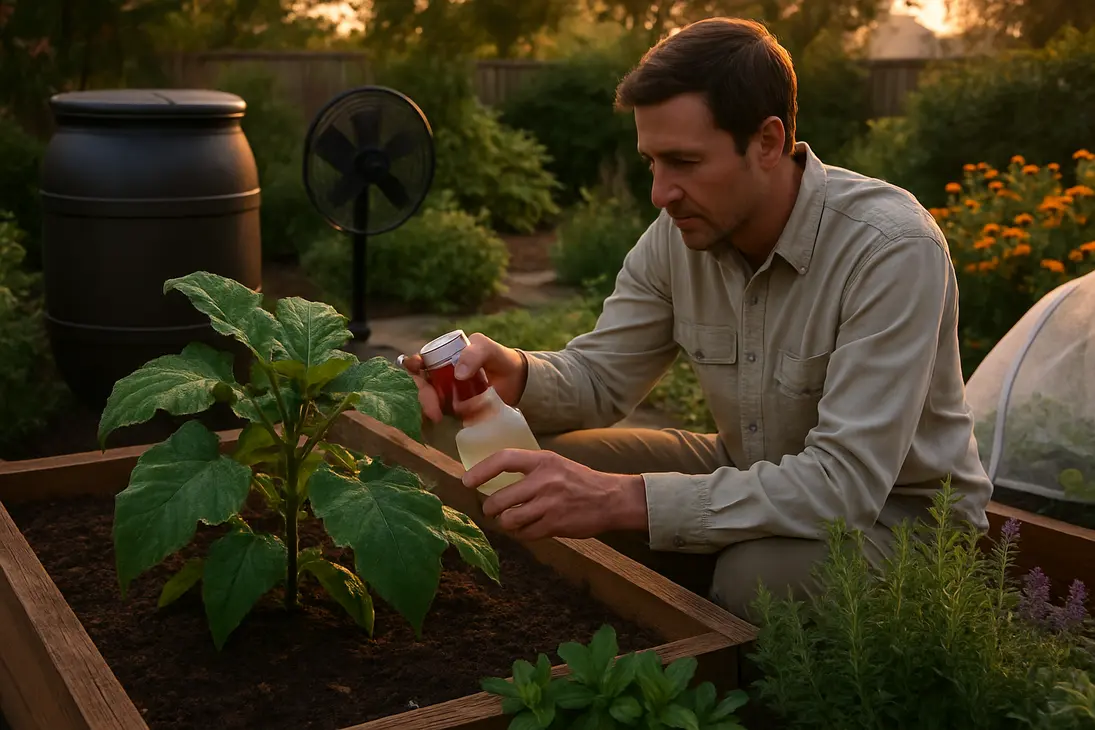
Insecticidal soap or horticultural oil can help with many soft-bodied pests, but follow the label and avoid spraying in harsh sun or extreme heat. Recheck often, because eggs and hidden pests may remain.
Common Hibiscus Care Mistakes That Stop Flowers
Many hibiscus blooming problems come from too much correction, not too little care. Hibiscus need consistency more than complicated treatment.
Feeding Too Often or With the Wrong Formula
More fertilizer will not fix low light, soggy roots, or cold stress. It may instead create salt buildup and root stress.
Avoid high-nitrogen fertilizers that push leafy growth. Also avoid repeated use of very high-phosphorus bloom boosters unless there is a clear reason. A steady hibiscus-appropriate fertilizer routine is safer.
Keeping the Plant Indoors in Low Light
A hibiscus can survive indoors without having enough light to bloom. If it flowered outside and stopped after coming inside, reduced light and seasonal change are likely causes.
Keep it in the brightest spot possible, water less than you did outdoors, and avoid heavy winter feeding. Resume stronger feeding when light, warmth, and growth increase.
Letting Buds Drop From Stress
Bud drop happens when a hibiscus gets close to flowering but reacts to stress. Common triggers include drying out, overwatering, sudden relocation, cold drafts, hot wind, pests, and abrupt light changes.
If buds drop after bringing a plant home from a nursery, keep care steady and give it time to adjust.
Overcorrecting Too Quickly
Do not move, prune, repot, heavily fertilize, and spray a non-blooming hibiscus all at once. Too many changes create stress and make diagnosis harder.
Fix the most likely issue first, usually light or watering, then watch new growth for two to four weeks during the growing season.
Troubleshooting: What Your Hibiscus Is Doing Instead of Blooming
Use symptoms to narrow the cause. Patterns matter more than one isolated leaf or bud.
Lots of Leaves but No Flowers
This usually means low light or too much nitrogen. If the plant is green and leafy but has no buds, check sun exposure and fertilizer type.
Move it to brighter light if needed, and switch away from high-nitrogen feeding. Avoid heavy pruning unless you are willing to wait for new growth.
Buds Form but Drop Before Opening
Bud drop is usually stress. The most common causes are irregular watering, sudden environmental changes, pests, or temperature swings.
| Symptom | Likely cause | What to do |
|---|---|---|
| Buds yellow and fall | Watering swings | Keep soil evenly moist |
| Buds drop after moving | Relocation shock | Keep conditions stable |
| Buds are distorted | Pests | Inspect and treat |
| Buds drop in cool nights | Temperature stress | Move tropical hibiscus warmer |
| Buds drop in extreme heat | Heat and drought | Water well; add afternoon protection |
Do not remove every bud unless pests are present. Stabilize care and let the plant try again.
Yellow Leaves and No Blooms
Yellow leaves with no blooms can result from overwatering, underwatering, pests, nutrient issues, or normal shedding of old leaves.
If a few older lower leaves yellow while new growth looks healthy, it may not be serious. If many leaves yellow at once, check soil moisture and drainage first. Soggy soil is a common cause.
Yellowing between veins may suggest nutrient availability problems, especially in old container mix. Correct watering and drainage before adding fertilizer.
Plant Looks Healthy but Still Won’t Flower
If the plant looks healthy, consider timing. Hardy hibiscus may not be in season. A recently pruned tropical hibiscus may need time to regrow. A newly repotted plant may be focusing on roots.
Also remember that individual flowers can last only a day or two. Check for spent blooms on the soil or small developing buds at stem tips.
Conclusion
A hibiscus flower not blooming is usually caused by too little direct sun, inconsistent watering, poor fertilizer choices, nutrient buildup, root stress, temperature changes, pests, or normal seasonal timing.
Start with the simplest likely fix. Give the plant brighter light, keep soil evenly moist but not soggy, feed appropriately during active growth, prune at the right time, and inspect for pests. Make one major change at a time. With steady care, hibiscus plants often respond with new buds.
FAQ
How often should a hibiscus bloom?
Tropical hibiscus can bloom repeatedly in warm, bright conditions, often in waves. Hardy hibiscus usually blooms during a summer-to-early-fall season. Individual flowers often last only one or two days, but healthy plants should keep producing buds during their bloom period.
What fertilizer makes hibiscus bloom?
Use a hibiscus or flowering tropical plant fertilizer with moderate nitrogen, lower phosphorus, and good potassium. Avoid high-nitrogen products and repeated high-phosphorus bloom boosters. Feed during active growth and follow the label.
Why does my hibiscus have buds but no flowers?
Buds that drop before opening usually mean stress. Common causes include drying out, overwatering, sudden relocation, cool nights, extreme heat, or pests such as aphids, thrips, whiteflies, and spider mites.
How can I get bigger hibiscus flowers?
Support strong growth with full sun or very bright light, consistent moisture, healthy roots, and proper feeding. Avoid drought while buds form, do not overfeed with nitrogen, and control pests. Variety also matters; some hibiscus naturally produce larger flowers than others.
You Might Also Like