How to Create a Fragrant Garden That Thrives in Summer Heat
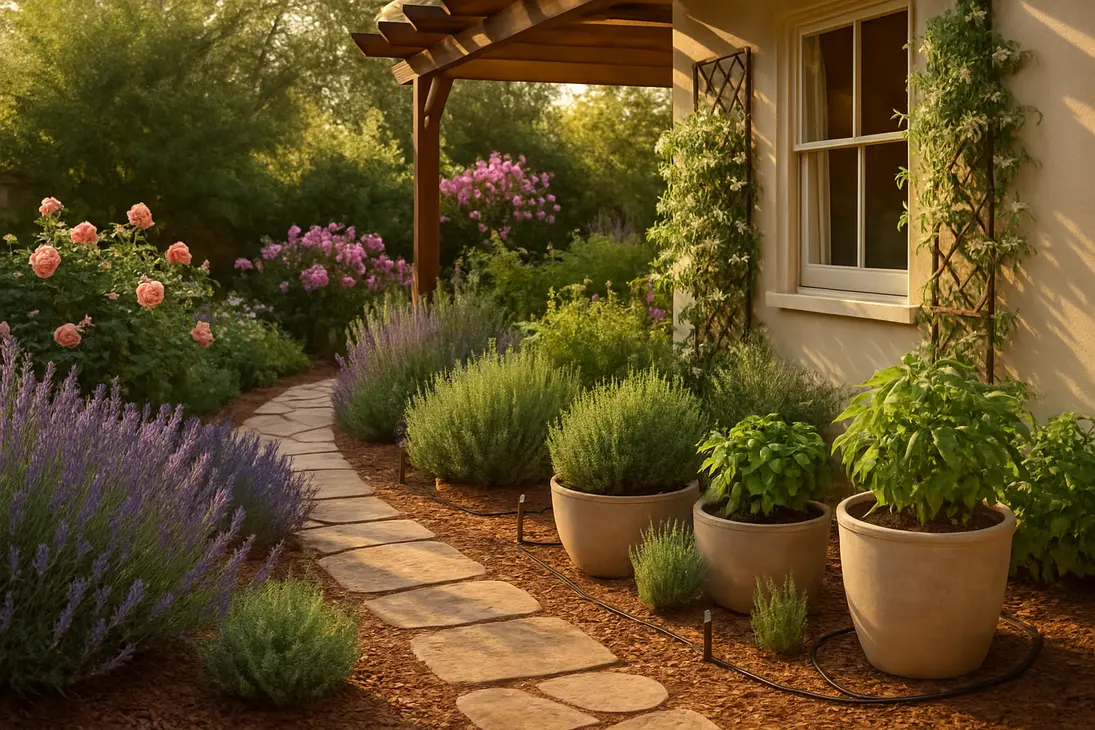
A fragrant garden in summer heat is possible when you design for heat from the start. The goal is not just to choose flowers that smell good, but to match plants to your sun, soil, wind, reflected heat, drainage, and watering routine.
The best summer fragrance gardens combine heat-tolerant flowers, aromatic herbs, shrubs, vines, and scented foliage. They also protect roots with mulch, water deeply, and avoid pushing stressed plants with fertilizer during heat waves. With thoughtful planning, your garden can smell fresh, sweet, spicy, herbal, or citrusy even when temperatures climb.
Plan Around Heat, Sun, and Where Scent Will Be Noticed
Before buying plants, observe your garden during real summer conditions. “Full sun” on a plant label does not always mean a plant will enjoy eight hours beside a south-facing wall, concrete driveway, gravel path, or reflective fence. Summer heat comes from air temperature, hard surfaces, dry wind, hot containers, and soil that dries quickly.
Note:
- How many hours of direct sun each area receives
- Whether the sun is morning, midday, or harsh afternoon sun
- Where heat reflects from walls, paving, gravel, metal fences, or glass
- Where wind dries soil and disperses fragrance
- Which beds drain quickly and which stay damp
- Where people walk, sit, open windows, or enter the home
Fragrance should be placed where you will actually enjoy it. Prioritize patios, porch steps, gates, paths, windows, outdoor dining areas, and evening seating spots. A strongly scented plant in a far corner may help pollinators, but you may rarely notice it.
Drainage matters as much as sun. Mediterranean herbs such as rosemary, thyme, oregano, and lavender prefer lean, sharply drained soil and can rot in soggy ground. Garden phlox, mint, and nicotiana usually need more even moisture. Group plants by water needs so drought-tolerant herbs are not planted beside thirsty flowers that require frequent irrigation.
Choose Fragrant Plants That Can Handle Summer Conditions
Build your summer fragrance garden around plants suited to your local climate. Heat tolerance, drought tolerance, humidity tolerance, bloom season, and scent strength vary widely.
A plant can be fragrant and heat-loving, fragrant but thirsty, or fragrant but better suited to spring and fall. Also remember that “drought-tolerant” usually applies after establishment. Newly planted lavender, rosemary, roses, jasmine, and native shrubs still need regular water while roots settle in.
Use this quick comparison as a starting point:
| Plant group | Best use in a hot fragrant garden | Watch-outs |
|---|---|---|
| Lavender, rosemary, thyme, oregano | Dry, sunny beds; paths; low-water gardens | Need excellent drainage; may struggle in humid or wet soil |
| Jasmine, star jasmine, Arabian jasmine | Entrances, trellises, patios, warm-zone fragrance | Need climate suitability and support; some need protection from cold |
| Basil, mint, lemon verbena | Containers, kitchen gardens, close-up scent | Need regular water; mint should be contained |
| Nicotiana, four o’clocks, tuberose | Evening fragrance near seating areas | Some are annuals or tender bulbs depending on climate |
| Roses, phlox, sweet alyssum | Classic floral scent and color | Need variety selection and consistent care in hot climates |
Sun-Loving Fragrant Flowers for Hot Weather
Lavender is a classic choice for hot, sunny gardens, especially in dry-summer climates. It needs full sun, low to moderate fertility, and fast drainage. In humid climates or clay soil, grow it in raised beds, gravelly soil, or containers.
Jasmine varieties suited to warm climates can provide strong summer fragrance. Some true jasmines are tender and best for mild-winter regions or containers. Most prefer warmth, sun to part sun, and consistent moisture during active growth. In very hot inland areas, light afternoon shade can help.
Garden phlox offers sweet fragrance and summer color. It prefers sun and moisture-retentive soil. In hot, humid areas, choose mildew-resistant varieties, provide good air circulation, and avoid wetting foliage late in the day.
Nicotiana is useful for evening scent near patios and porches. In very hot regions, it often performs better with afternoon shade and steady moisture.
Angelonia, or summer snapdragon, has a lighter fragrance than lavender or jasmine but flowers reliably in hot weather. It works well in beds and containers where you want color and resilience.
Sweet alyssum has a honey-like scent, but it prefers milder summers. In hot inland areas, it may perform better in spring and fall, or in morning sun with afternoon shade.
Four o’clocks are heat-tolerant, old-fashioned flowers that often open later in the day and release evening fragrance. They can self-seed, so place them where that habit is acceptable.
Tuberose has a powerful sweet scent and thrives in warmth. In colder climates, grow it as a seasonal bulb or lift and store it before winter.
Fragrant Herbs That Often Thrive in Heat
Herbs are among the most reliable fragrant plants because their leaves smell good even when flowers fade.
Basil loves warmth and belongs near kitchens, patios, and vegetable beds. It needs regular moisture and benefits from pinching or harvesting. In extreme heat, afternoon shade can help.
Rosemary handles hot, dry conditions once established. It needs sharp drainage and dislikes wet roots. In colder climates, grow it in a pot and protect it in winter.
Thyme works between stepping stones, along path edges, or in dry borders. It stays low, tolerates heat, and releases scent when touched.
Oregano is tough, aromatic, and useful for pollinators when flowering. It can spread, so give it room or contain it.
Mint smells refreshing but spreads aggressively in open soil. Grow it in containers or confined beds. In hot climates, it often looks better with morning sun and afternoon shade.
Lemon verbena offers intense lemon fragrance and thrives in warm weather with adequate water. It is frost-tender in many regions.
Scented geraniums can smell like rose, lemon, mint, apple, or spice. They are excellent in pots near seating areas where leaves can be touched.
Heat-Tolerant Shrubs, Vines, and Structural Plants
Structural plants add permanence and place scent at nose height, near windows, or along fences.
Star jasmine is a popular evergreen vine in warm and mild climates. It produces intensely fragrant white flowers and can be trained on trellises, fences, arches, or walls. It tolerates heat once established but looks best with reasonable moisture.
Arabian jasmine is prized for richly scented white flowers. It likes warmth, sun to part sun, and regular watering during active growth. In cooler climates, grow it in a container and move it indoors before frost.
Roses selected for heat resistance can be excellent, but variety choice matters. Some roses stop blooming in high heat, while others continue. Look for heat-tolerant, disease-resistant varieties recommended locally. Mulch and deep watering are especially important.
Butterfly bush can offer fragrance and pollinator interest, but it is invasive in some regions. Plant it only where it is not considered invasive, and choose sterile or non-invasive cultivars where recommended.
Texas sage or other aromatic drought-tolerant natives can be valuable in hot, dry climates. Texas sage has silvery foliage and handles heat, though its scent is more herbal than sweet.
Fragrant native plants adapted to your region are often the smartest long-term choice. Local native shrubs, perennials, and groundcovers are more likely to handle your heat, soil, rainfall, and pests.
Design for Scent From Morning to Evening
A fragrant garden is more enjoyable when scent appears in waves. Think about when you use the garden: morning coffee, afternoon watering, evening meals, or nighttime walks.
Many herbs release scent when warmed by sun or touched. Roses and lavender are often strongest in warm daylight. Nicotiana, four o’clocks, tuberose, and jasmine may be most noticeable in the evening.
Layer fragrance by height and habit:
- Low plants along paths: thyme, sweet alyssum, low lavender
- Mid-height plants in borders: basil, phlox, angelonia, scented geraniums
- Tall plants: nicotiana, garden phlox, four o’clocks
- Shrubs and vines: roses, star jasmine, Arabian jasmine, butterfly bush where appropriate
- Containers near seating: lemon verbena, mint, basil, scented geraniums, tender jasmine
Avoid packing too many powerful scents into one small area. Tuberose, jasmine, and some roses can be intense. Give them space and gentle air movement.
Place Fragrant Plants Where Heat Helps, Not Hurts
Warmth can lift fragrance into the air, but roots still need protection. Choose sites that are warm and accessible without being brutally dry.
Good placements include:
- Along paths where leaves can be brushed
- Beside benches, gates, and porch steps
- Near windows opened in the evening
- Around patios and outdoor dining areas
- In containers where moisture is easy to monitor
- On trellises that bring flowers closer to face level
Be cautious near concrete, asphalt, brick, gravel, and metal edging. These surfaces create hotter microclimates. Mediterranean herbs may enjoy that if drainage is good, but mint, phlox, nicotiana, and container plants may dry too quickly.
Wind also matters. A breezy site may need trellises, hedges, or screens to slow air movement so fragrance lingers. Avoid stagnant, crowded planting, which can encourage disease.
Containers are useful because you control soil, drainage, and placement. A pot of lemon verbena by a chair may be more noticeable than a whole border planted far away. Just remember that pots heat and dry faster than garden beds.
Mix Short-Term Bloomers With Long-Season Scent
Many fragrant flowers bloom for only part of the summer. To keep the garden scented longer, combine foliage fragrance, flowers, shrubs, and vines.
A balanced summer fragrance garden might include:
- Foliage fragrance: rosemary, thyme, mint, lemon verbena, scented geraniums
- Early to midsummer flowers: lavender, roses, sweet alyssum in mild climates
- Midsummer flowers: garden phlox, angelonia, basil flowers if allowed
- Evening and late-season scent: nicotiana, four o’clocks, tuberose, jasmine
- Structure: star jasmine, heat-tolerant roses, native aromatic shrubs
Foliage fragrance is your backup plan. Even if heat shortens flowering, herbs and scented leaves keep the garden aromatic.
Help Fragrant Plants Survive Heat Waves
Heat waves change the rules. A plant that normally thrives in full sun may wilt during extreme heat, especially if newly planted or in a container. During a heat wave, focus on stress reduction, not rapid growth.
Watch for wilting that does not recover by evening, scorched leaf edges, dropped buds, faded flowers, crispy container soil, and sudden bloom shutdown. Some midday wilting is normal, but plants should usually perk up when temperatures fall if soil moisture is adequate.
Avoid major pruning, transplanting, dividing, or heavy fertilizing during extreme heat. These tasks force plants to recover or produce new growth at the worst time.
Water Deeply Without Causing Root Rot
Deep watering encourages roots to grow downward into cooler soil. Shallow sprinkling wets the surface but often leaves deeper roots dry and may encourage disease.
Water early in the morning when possible. Aim water at the root zone instead of spraying leaves.
Frequency depends on conditions:
- Sandy soil drains quickly and may need more frequent watering.
- Clay soil holds water longer and can become waterlogged.
- Mulched beds dry more slowly than bare soil.
- New plantings need closer attention than established plants.
- Containers may need daily watering, or more during extreme heat.
Check soil several inches down with your finger, a trowel, or a moisture meter. If the root zone is still moist, wait. If it is dry, water thoroughly.
Use Mulch, Shade, and Soil Protection
Mulch helps cool soil, slow evaporation, reduce weeds, and protect roots. Keep it slightly away from plant crowns and woody stems so it does not trap moisture against them.
Use shredded bark, arborist wood chips, composted leaf mold, pine straw, or fine bark, depending on your garden. Around lavender, thyme, and other dry-loving plants, mulch lightly and keep drainage sharp.
Temporary shade can prevent serious damage during heat waves. Use shade cloth, patio umbrellas, a lightweight cover held above plants, or a temporary screen. Do not seal plants under plastic, which traps heat.
If you must plant in summer, do it in the evening or on a cloudy day. Water deeply, mulch, and provide temporary shade for several days.
Avoid Common Summer Fragrant Garden Mistakes
Many problems come from good intentions: watering a little every day, feeding a stressed plant, choosing a favorite flower unsuited to the climate, or using small decorative pots that dry too fast.
The biggest mistake is choosing fragrance first and climate second. A plant can smell wonderful and still be wrong for your summer conditions. Another common mistake is assuming every wilted plant is thirsty. Wilting can also come from root damage, waterlogged soil, or too much reflected heat.
Don’t Assume Every Fragrant Plant Likes Heat
“Fragrant” and “heat-tolerant” are not the same thing. Lilacs, lily of the valley, many sweet peas, and some cool-season scented flowers are poor choices for intense summer heat.
Match plants to:
- Your USDA hardiness zone
- Your average summer highs
- Humidity levels
- Soil type and drainage
- Sun exposure
- Winter minimum temperatures
- Local invasive plant guidance
Be realistic about establishment. A mature rosemary may handle dry heat well, while one planted last week may not. A native shrub may be drought-tolerant after a year or two but still need steady water through its first hot season.
Whenever possible, choose locally adapted varieties. Regional nurseries and native plant growers can recommend fragrant plants that already perform well in your climate.
Don’t Overfeed Plants During Heat Stress
Fertilizer is not medicine for heat stress. Heavy feeding during a heat wave can push tender new growth that needs more water and scorches easily. It can also worsen stress if salts build up in dry soil or containers.
Feed lightly only when plants are actively growing and adequately watered. Many Mediterranean herbs, including lavender, thyme, rosemary, and oregano, prefer modest fertility. Too much richness may reduce the concentrated aromatic quality of their foliage.
Flowering annuals and container plants may need regular light feeding during the season, but pause or reduce feeding when temperatures are extreme. Focus first on water, mulch, drainage, shade, and root health.
Don’t Ignore Containers and Small Urban Gardens
Containers can make a fragrant garden possible on balconies, patios, rooftops, and small lots. They also intensify heat stress because potting mix dries quickly and dark pots can become very hot.
For summer containers:
- Use larger pots where space allows.
- Choose light-colored containers in hot climates.
- Make sure every pot has drainage holes.
- Use quality potting mix, not dense garden soil.
- Group pots so they shade each other.
- Place mint and basil where they get afternoon relief.
- Check moisture daily during extreme heat.
A small container garden can still be richly scented. Try lemon verbena, thyme, basil, mint in its own pot, and a scented geranium near a chair. If you have room for a trellis, star jasmine or a suitable warm-climate jasmine can add vertical fragrance.
Conclusion
Creating a fragrant garden in summer heat comes down to matching scent with survival. Choose plants suited to your climate, soil, sun exposure, and watering habits. Place them where you will notice them: near paths, windows, entrances, patios, and evening seating areas.
Use a mix of flowers, herbs, shrubs, vines, and scented foliage so the garden does not depend on one short bloom period. During hot weather, protect the roots first. Water deeply, mulch well, provide temporary shade when needed, and avoid forcing stressed plants with fertilizer. With heat-wise choices and thoughtful placement, a summer garden can be resilient, beautiful, and quietly aromatic through the warmest months.
FAQ
What are the best fragrant plants for summer heat?
Good choices include lavender, rosemary, thyme, oregano, basil, lemon verbena, scented geraniums, star jasmine, Arabian jasmine in warm climates, heat-tolerant roses, four o’clocks, nicotiana, tuberose, and regional fragrant natives. The best options depend on whether your summer heat is dry, humid, coastal, or desert-like.
How often should I water a fragrant garden in hot weather?
Water when the root zone begins to dry, not just when the surface looks dry. In-ground plants may need deep watering once or several times a week depending on soil, mulch, plant age, and weather. Containers may need daily checks. Water early in the morning and soak the root area thoroughly.
Can I grow a fragrant garden in containers during summer?
Yes. Containers are excellent for fragrant herbs, scented geraniums, lemon verbena, mint, basil, tender jasmine, and compact roses. Use large pots with drainage holes, quality potting mix, and light-colored containers in very hot climates. Check moisture often because pots dry faster than garden beds.
Should I fertilize fragrant plants during a heat wave?
Usually, no. Avoid heavy fertilizer when plants are wilted or heat-stressed. Fertilizer encourages new growth, which needs more water. Focus on deep watering, mulch, shade protection, and healthy roots. Resume light feeding only when temperatures moderate and plants are actively growing.
You Might Also Like