How Do You Use Granular Fertilizer Properly?
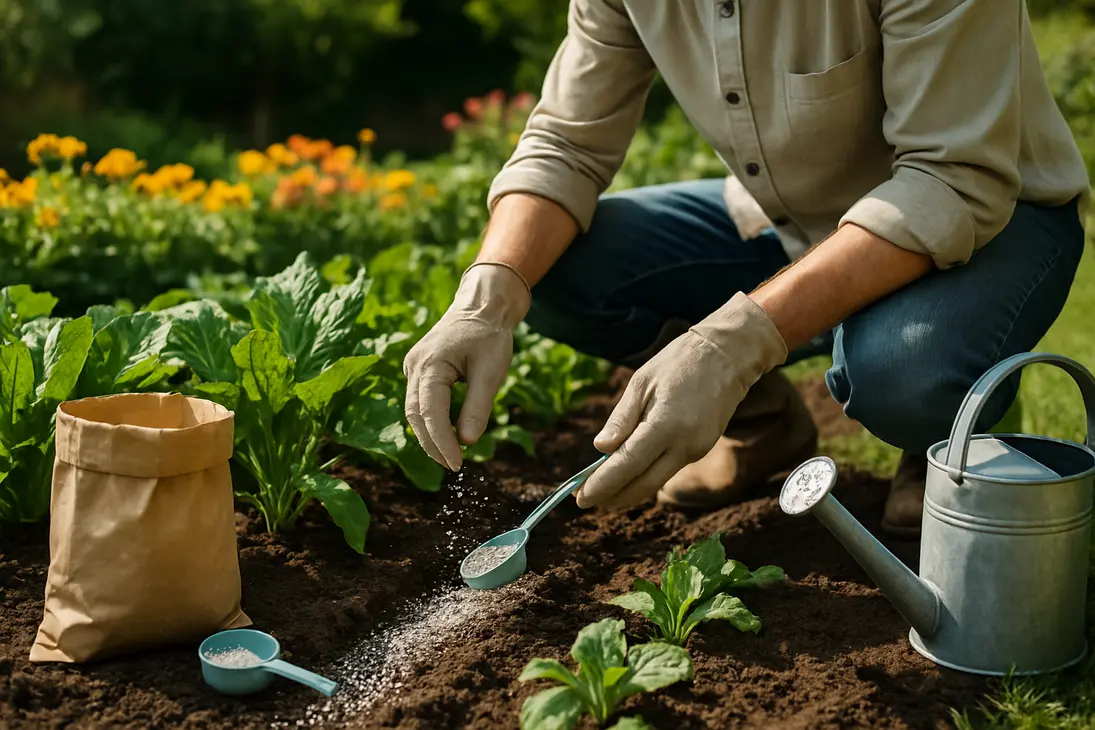
Using granular fertilizer properly means choosing the right product, measuring the correct amount, spreading it evenly where roots can use it, keeping it off tender plant parts, and watering it in. It works for lawns, vegetables, flowers, shrubs, and containers, but it is easy to overapply because the nutrients are concentrated.
The goal is steady growth, not a nutrient overload. Too much fertilizer can burn roots, scorch leaves, reduce flowering or fruiting, and leave excess nutrients to wash away.
Understand What Granular Fertilizer Does
Granular fertilizer is a dry fertilizer sold as pellets, prills, or small particles. After application, granules release nutrients as they dissolve, weather, or are broken down by soil organisms. Roots absorb those nutrients from the soil solution.
Moisture is essential. Granules left on dry soil may not become available quickly, while too much fertilizer followed by heavy watering can concentrate salts around roots and cause damage.
Release speed depends on soil temperature, moisture, texture, organic matter, and microbial activity. Warm, moist, biologically active soil usually makes nutrients available faster than cold, dry, or compacted soil.
Granular vs. Liquid Fertilizer
Granular and liquid fertilizers can provide similar nutrients, but they work differently.
Liquid fertilizer acts quickly because it is already dissolved or suspended in water. It is useful for seedlings, containers, and short-term corrections, but usually needs more frequent application.
Granular fertilizer feeds more slowly and lasts longer. It is useful for beds, lawns, shrubs, and crops that need steady feeding, but it must be measured and spread evenly.
| Fertilizer type | Best use | Main caution |
|---|---|---|
| Granular | Lawns, beds, vegetables, shrubs | Measure, spread evenly, and water in |
| Liquid | Fast feeding, seedlings, containers | Reapply more often; leaches quickly |
| Slow-release granular | Containers, lawns, long-season crops | Still possible to overapply |
| Organic granular | Soil-building systems and garden beds | Depends on microbial breakdown |
Quick-Release vs. Slow-Release Granules
Quick-release granular fertilizers dissolve relatively fast after watering. They can green up lawns or support rapid growth, but they carry a higher burn risk if overapplied or left on leaves.
Slow-release fertilizers release nutrients gradually over weeks or months. Some are coated; others break down naturally. They are often easier to manage in containers, lawns, and ornamental beds, but “slow-release” does not mean “safe at any amount.”
If a plant needs an immediate correction, liquid fertilizer may work faster while a slow-release granular product begins feeding in the background.
Organic Granular Fertilizer and Soil Microbiology
Organic granular fertilizers often rely on bacteria, fungi, and other soil organisms to convert ingredients into plant-available nutrients. They perform best in healthy garden soil with moisture, organic matter, and active microbial life.
In cold soil, dry soil, or sterile potting mix, release can be slow. In containers, where frequent watering can leach nutrients, heavy-feeding vegetables or flowers may need a modest organic granular base plus occasional light liquid feeding.
Choose the Right Fertilizer and Apply the Correct Amount
The right fertilizer is not simply the one with the highest numbers. It should match the plant, soil, growth stage, and growing situation.
Overapplying fertilizer does not improve growth. It can burn roots, encourage weak leafy growth, reduce blooms or fruit, and contribute to runoff. If unsure, use the lower end of the label rate and watch how plants respond.
Reading the Fertilizer Label
The three numbers on a fertilizer label are the N-P-K analysis:
- N = nitrogen, which supports leafy growth.
- P = phosphorus, which supports roots, flowering, and energy transfer.
- K = potassium, which supports overall plant function, stress tolerance, and fruit quality.
For example, a 10-10-10 fertilizer contains 10% nitrogen, 10% phosphate, and 10% potash by weight.
The label should explain where to use the product, how much to apply, whether to mix it into soil, how often to reapply, and whether it needs watering after application. Follow the label for that exact product, because fertilizers with similar N-P-K numbers can differ in release rate, salt concentration, ingredients, and schedule.
Matching N-P-K to Lawns, Vegetables, Flowers, and Containers
Different plants need different nutrient balances.
Lawns often need nitrogen-forward fertilizers for green leaf growth, but phosphorus may be unnecessary or restricted if soil already contains enough.
Leafy vegetables such as lettuce, spinach, kale, and chard benefit from steady nitrogen because the harvested part is foliage.
Fruiting vegetables such as tomatoes, peppers, cucumbers, and squash need enough nitrogen early, but too much later can produce leaves instead of flowers and fruit.
Flowering plants usually do best with balanced nutrition. Excess nitrogen can reduce blooming.
Containers need careful feeding because nutrients wash out with watering while roots remain confined. Use a product labeled for containers or one with clear container rates.
Measuring the Area or Pot Size Before Applying
Do not guess. For garden beds, multiply length by width to get square footage. For lawns, measure each section and exclude patios, driveways, paths, and beds. For containers, use the pot diameter or soil volume if the label gives rates by pot size.
A scoop or measuring cup is useful only after you know the correct amount for that specific fertilizer. Granules vary in density, so one cup of one product may not equal one cup of another.
When to Apply Granular Fertilizer
Granular fertilizer works best when plants are actively growing and roots can take up nutrients. Avoid feeding plants that are dormant, heat-stressed, waterlogged, drought-stressed, or newly shocked.
Before Planting or at Planting Time
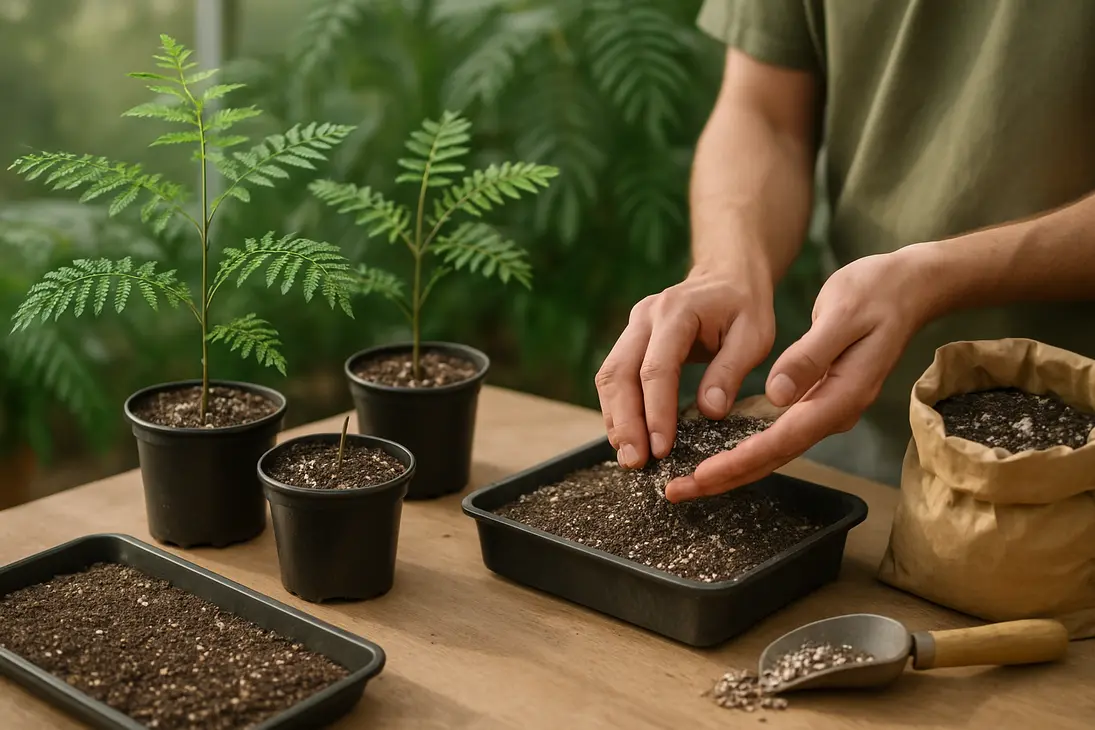
Before planting a vegetable or flower bed, granular fertilizer can often be mixed into the top few inches of soil according to the label. This spreads nutrients through the root zone.
Avoid placing strong fertilizer directly against transplant roots unless the product specifically allows it. For seeds, blend fertilizer evenly into the soil rather than leaving streaks or clumps that can damage germinating seedlings.
During Active Growth
During the season, granular fertilizer can be reapplied as a side-dressing or surface application if the label recommends it.
Vegetables may benefit when rapid growth begins, vining crops start to run, or fruiting crops begin flowering. Flowers may need feeding after establishment and during heavy bloom. Lawns should be fertilized during their active growing season, which depends on grass type and climate.
Timing Granular Fertilizer With Liquid Fertilizers
You can use granular and liquid fertilizer in the same overall program, but avoid accidental double-feeding. If both products contain nitrogen, phosphorus, and potassium, applying them close together may overload the plant, especially in containers.
A safer approach is to use granular fertilizer as the base feeding, wait to observe plant response, and add liquid fertilizer only when plants are actively growing and appear to need it. If using slow-release granules in containers, keep liquid feeding light and intentional.
When Not to Fertilize
Do not fertilize just because a plant looks bad. First check water, light, temperature, pests, disease, roots, and drainage.
Avoid granular fertilizer when:
- Soil is bone dry and plants are wilted
- Plants are heat-stressed
- Plants are dormant
- Roots are damaged by transplant shock, rot, or overwatering
- Heavy rain may wash fertilizer away
- Leaves are wet and granules may stick
- The soil was recently fertilized
Fertilizer supports growth; it does not cure every plant problem.
How to Apply Granular Fertilizer to Plants
Good application is mostly about even distribution. A small amount spread evenly is safer and more useful than a handful dumped near a stem.
Broadcasting Over Garden Beds
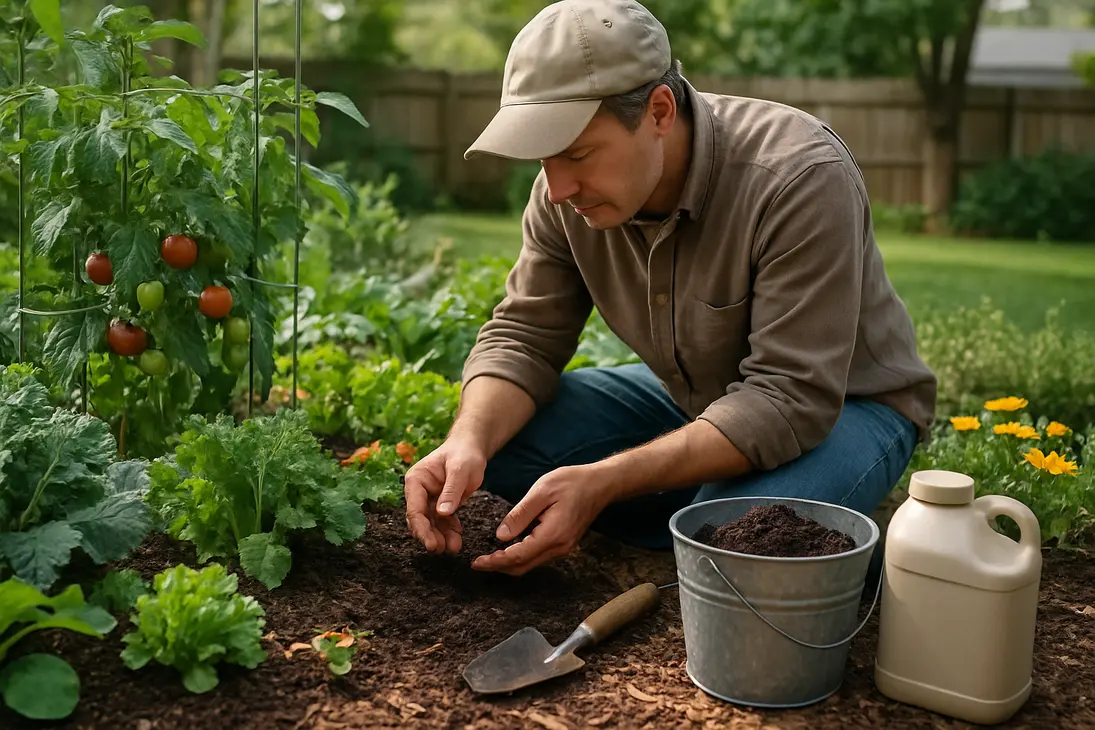
Broadcasting means spreading fertilizer evenly over the soil surface. For an empty bed, measure the correct amount, scatter it evenly, and mix it into the top few inches if the label recommends incorporation.
For an established bed, spread carefully around plants. Do not let granules collect in crowns, leaf joints, or against stems.
Basic steps:
- Measure the bed.
- Measure the fertilizer.
- Scatter half in one direction and half crosswise.
- Brush granules off leaves.
- Lightly scratch into soil if appropriate.
- Water thoroughly.
Side-Dressing Vegetables and Flowers
Side-dressing places fertilizer beside growing plants rather than across the whole bed. Apply granules in a narrow band a few inches from the stem, along the row, or near the drip line.
Keep fertilizer away from direct stem contact. Lightly scratch it into the surface without damaging roots, then water. For shallow-rooted plants, cultivate very lightly.
Applying Granular Fertilizer to Lawns
Use a spreader for lawns. Hand application often causes stripes, uneven color, or burned patches.
A drop spreader gives precise placement near sidewalks and beds. A broadcast spreader covers faster but can throw granules outside the target area. Fill the spreader on a hard surface so spills can be swept up.
For even coverage, apply half the fertilizer in one direction and the other half perpendicular to the first pass. Sweep granules off sidewalks and driveways back onto the lawn, then water as directed. Do not leave fertilizer on pavement where it can wash into storm drains.
Using Granular Fertilizer in Containers
Containers need lighter, more precise feeding because the root zone is small and salts can build up. Controlled-release granules are often mixed into potting mix at planting or sprinkled on the surface according to label rates.
For established potted plants, distribute granules evenly around the outer part of the pot, not against the main stem. If the potting mix is very dry, rehydrate it with plain water first and fertilize later so nutrients do not concentrate in dry pockets.
For edible container plants, make sure the product is appropriate for edibles and follow the reapplication interval.
Watering After Application
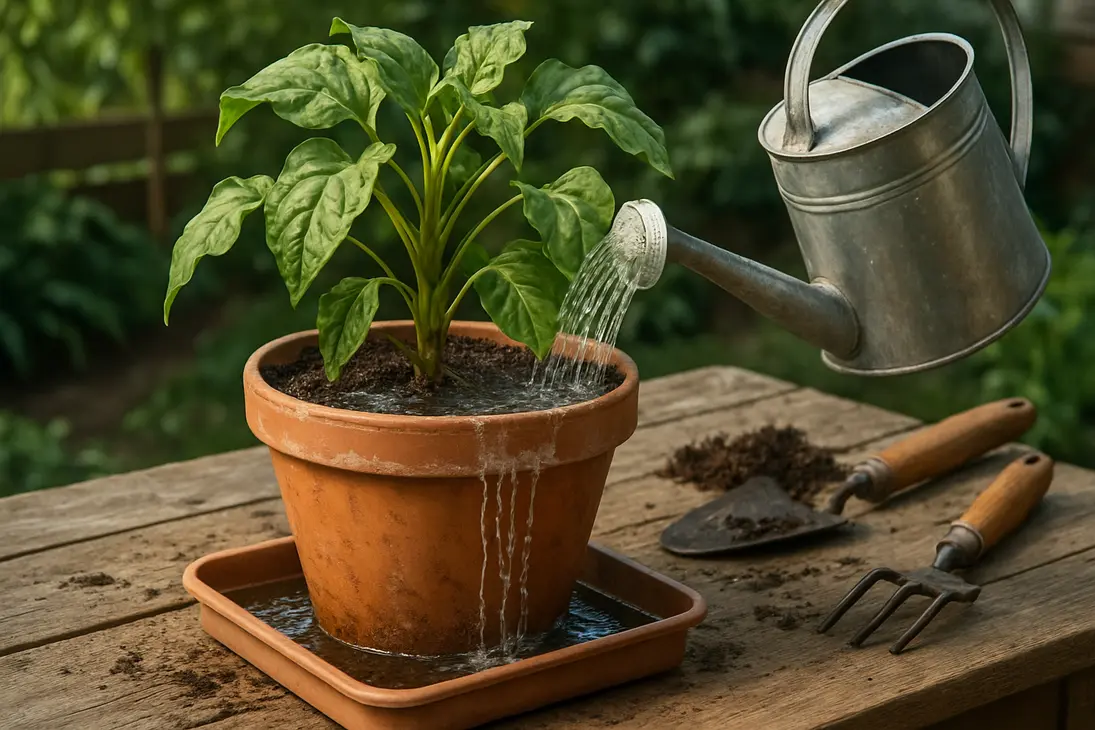
Most granular fertilizers should be watered in unless the label says otherwise. Water dissolves nutrients, moves them into the root zone, and reduces the chance of leaf or crown burn.
Water gently and deeply enough to moisten the active root area. Avoid strong streams that push granules into piles. Light to moderate rain can water fertilizer in naturally, but avoid applying before heavy storms.
Common Mistakes to Avoid
Most fertilizer problems come from using too much, applying at the wrong time, or assuming all products behave the same. Plants also need good soil, water, light, drainage, and healthy roots.
Overfertilizing or Guessing the Rate
Overfertilizing is the most serious mistake. Symptoms can include brown leaf edges, wilting despite moist soil, crust on the soil surface, sudden yellowing, poor germination, or dead turf patches.
Use these habits:
- Read the label every time.
- Measure the area or pot.
- Use lower rates for young or sensitive plants.
- Do not reapply sooner than directed.
- Keep notes on what you applied and when.
If you applied too much, remove visible granules. In containers with good drainage, flushing with water may help, but severe cases may require fresh potting mix.
Applying Fertilizer Too Close to Stems or Trunks
Granules piled against stems, crowns, or trunks can burn tissue and encourage rot. Keep fertilizer a few inches away from vegetables and flowers. For shrubs and trees, apply around the root zone near and beyond the drip line, not against the trunk.
Fertilizing Dry, Heat-Stressed, or Dormant Plants
A wilted plant on a hot afternoon does not need fertilizer first. Check soil moisture, drainage, roots, and weather stress. Fertilizing a stressed plant can worsen salt stress and force growth the plant cannot support. Wait until recovery and active growth resume.
Treating All Fertilizers as Interchangeable
A lawn fertilizer is not automatically suitable for tomatoes, and a bloom booster is not automatically better for every flowering plant. Organic, synthetic, quick-release, and slow-release products behave differently.
Before combining products, compare N-P-K numbers and release patterns. If a granular fertilizer already supplies complete nutrition, extra liquid feeding may be unnecessary.
Ignoring Soil Health and Drainage
Fertilizer cannot fix compacted soil, poor drainage, low organic matter, or chronic overwatering. Roots need oxygen as well as nutrients.
In garden beds, compost, mulch, careful watering, and good soil structure improve fertilizer performance. In containers, use quality potting mix and pots with drainage holes. Do not use fertilizer to compensate for waterlogged soil.
Conclusion
Using granular fertilizer well is about feeding accurately, not heavily. Choose a product that matches the plant, read the label, measure the area or pot, spread the correct amount evenly, keep granules away from stems and leaves, and water them in.
Granular fertilizer works best as part of overall plant care: healthy soil, proper watering, adequate light, drainage, and timing that matches active growth.
FAQ
Do you need to water after applying granular fertilizer?
Yes, in most cases. Water activates or dissolves the granules, moves nutrients into the root zone, and washes particles off grass blades and leaves. Follow the product label and avoid applying before heavy rain.
How long does granular fertilizer take to work?
Quick-release granular fertilizer may begin working after watering and show results within days to a couple of weeks. Slow-release products feed gradually for weeks or months. Organic granular fertilizers can take longer because soil organisms must break them down.
Can I use granular and liquid fertilizer at the same time?
You can, but be careful. Check the N-P-K of both products so you do not double-feed. Granular fertilizer is often best as the base feeding, while liquid fertilizer can be used lightly for containers, fast-growing plants, or short-term needs.
Is granular fertilizer safe for potted plants?
Yes, if the product is labeled for containers and applied at the correct rate. Do not use garden-bed rates in pots, pile granules against stems, or fertilize containers without good drainage. Controlled-release granules are commonly used in potted plants.
You Might Also Like