Can You Grow Roses With Coconut Husk and Cow Manure?
Short Answer: Yes, But Not in Coconut Husk and Cow Manure Alone
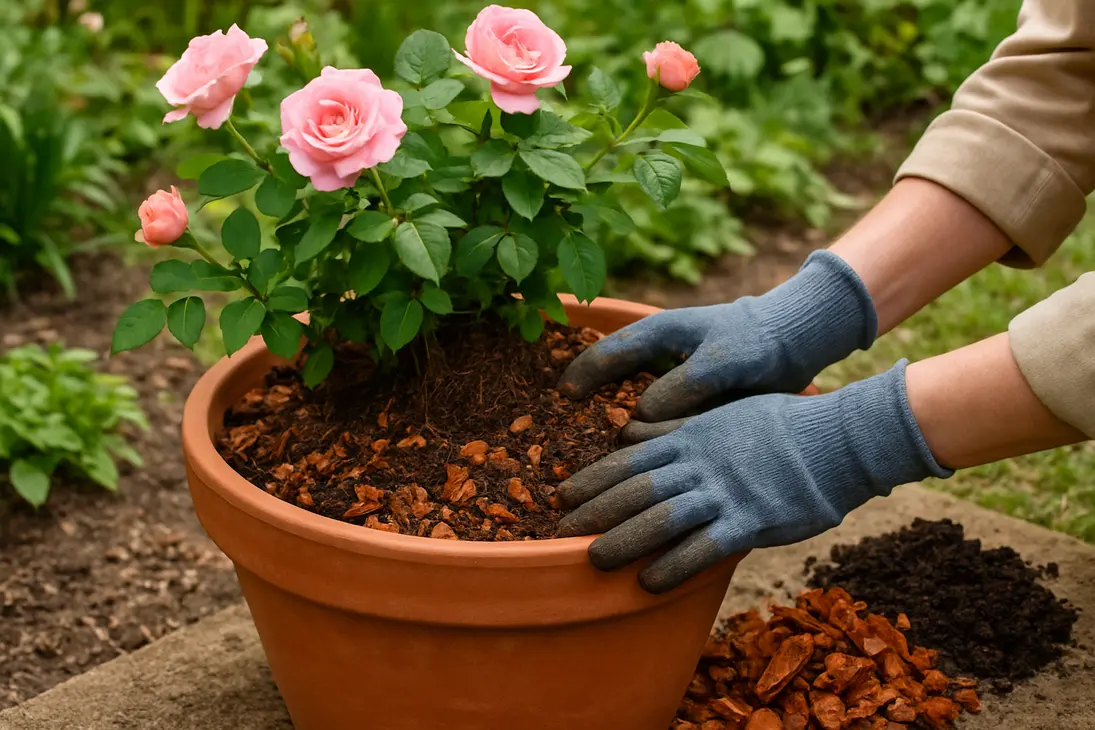
Yes, you can grow roses with coconut husk and cow manure, but they should be used as parts of a balanced growing mix, not as the whole medium.
Coconut husk helps with moisture retention, drainage, and air around the roots. Cow manure adds organic matter and modest nutrients. Together, they can improve soil structure and support healthy rose growth. But roses are heavy-feeding, long-lived shrubs, so they usually do best with a mix that also includes garden soil, finished compost, or a quality potting mix.
If you plant a rose in only coconut husk and cow manure, problems can develop:
- Coconut husk does not provide enough nutrients.
- Too much manure can make the mix overly rich, salty, or wet.
- Fresh manure can burn roots and may introduce pathogens.
- Organic-only mixes can shrink as they decompose.
- Fine coconut material can hold too much water if overused.
Use coconut husk as a soil conditioner or potting-mix ingredient and cow manure as a composted amendment or light top-dressing. Balanced properly, they can be helpful, especially in hot climates or containers where moisture management is difficult.
What Coconut Husk Does for Roses
Coconut husk is the fibrous outer covering of the coconut. In gardening, it may be processed into chips, fiber, coir, or coco peat. For roses, its main value is physical rather than nutritional: it changes how the growing medium holds air and water.
Roses need steady moisture, but they dislike stagnant, waterlogged soil. Their roots grow best where there is both oxygen and moisture. Coconut husk can help create that balance when used in moderation.
Coconut Husk vs Coco Coir vs Coco Peat
These terms are often used loosely, but they are not identical.
| Material | What it is | Best use for roses |
|---|---|---|
| Coconut husk | Fibrous outer husk, sometimes cut or shredded | Drainage, aeration, coarse organic matter |
| Coco coir | Processed fiber from coconut husk | Potting mixes, moisture retention, soil improvement |
| Coco peat | Fine, peat-like dust from processed husk | Water retention when blended carefully |
For roses, coarse coconut husk chips or coir fiber are often better than very fine coco peat if your soil is already heavy. Fine coco peat holds a lot of water and can become dense if overused, especially in pots.
If your soil is sandy and dries quickly, coco peat can help hold moisture. If your soil is clay-heavy, coarse coconut husk chips are usually better because they create more air pockets.
Benefits for Rose Roots
Coconut husk can support rose roots in several ways.
First, it helps soil stay evenly moist. Roses prefer deep, consistent watering rather than repeated drying and soaking. Coconut husk absorbs water and releases it gradually, which can reduce heat and drought stress.
Second, it improves aeration. In compacted soil, roots struggle to expand and water may collect around them. Coarse coconut husk helps open the soil so roots can breathe.
Third, it can improve drainage when blended with heavier soil. It will not fix a badly drained site where water stands for hours, but in moderately heavy soil it can make the root zone more workable.
Coconut husk also breaks down more slowly than many soft organic materials, helping potting mixes and beds keep structure longer.
Possible Problems: Salt, Compaction, and Poor Nutrition
Coconut husk is useful, but it has limits.
One concern is salt content. Some coconut coir products contain residual salts, especially if processed or stored in salty water. Too much salt can damage rose roots and cause brown leaf edges, weak growth, or poor flowering. Rinse loose husk, coir blocks, or unfamiliar products before use.
Another issue is compaction. Fine coco peat can settle into a dense mass over time, especially in containers. This reduces oxygen around the roots. If you use coco peat, blend it with structural materials such as composted bark, coarse compost, perlite, pumice, or garden soil.
The third limitation is nutrition. Coconut husk contains very little plant food. A rose planted in a mostly coconut-based medium may develop pale leaves, weak stems, and few flowers unless it receives regular feeding. Think of coconut husk as a moisture-and-structure ingredient, not a fertilizer.
How Cow Manure Helps Roses
Cow manure can be very useful for roses when properly aged or composted. It adds organic matter, improves soil texture, encourages soil life, and supplies modest nutrients.
However, cow manure is not a complete rose fertilizer. Nutrient levels vary depending on the animal’s diet, bedding, age of the manure, and composting process. It is best treated as a soil-building amendment, not the only source of nutrition.
Roses need balanced nutrients for leaves, roots, stems, and repeat flowering. Cow manure can contribute to that, but most roses still benefit from finished compost and, in many gardens, a balanced rose fertilizer or organic feeding plan during the growing season.
Use Only Well-Rotted or Composted Manure
Fresh cow manure should not be mixed directly around rose roots. It can contain high ammonia or salt levels and may burn tender roots. It may also contain weed seeds or organisms you do not want in the garden.
Well-rotted cow manure should look dark, crumbly, and soil-like. It should not smell sharply of ammonia or fresh dung. If it still has a strong manure smell, recognizable bedding, or a wet, sticky texture, let it compost longer.
Safe options include:
- Bagged composted cow manure from a garden center
- Farm manure that has been composted thoroughly
- Manure aged until dark, crumbly, and mild-smelling
- A blended compost that includes manure as one ingredient
Do not place fresh manure in the planting hole under a new rose. Concentrated organic material against new roots can do more harm than good.
How Much Cow Manure to Add
Use cow manure moderately. Roses appreciate rich soil, but an overly manure-heavy mix can stay wet, become salty, or encourage leafy growth at the expense of flowers.
For garden beds, mix a modest amount of composted cow manure into the surrounding soil before planting. For an established rose, spread a thin layer around the drip line, keeping it away from the stems.
For pots, use less. Containers have limited volume, and salts or excess nutrients can build up more easily. Composted manure can be included as a small portion of the potting mix or used as a very light top-dressing, but it should not dominate the container.
| Situation | Sensible use of composted cow manure |
|---|---|
| New garden-bed rose | Mix a small amount into the surrounding soil |
| Established garden rose | Apply a thin top-dressing around the drip line |
| Potted rose | Use only a small proportion or light top-dressing |
| Weak or stressed rose | Avoid heavy manure; fix care problems first |
Keep manure a few inches away from the crown or main stems. Piling it against the base can hold moisture and encourage rot or disease.
When to Reapply Manure Around Roses
The best time to reapply composted cow manure is usually early in the growing season, when roses are beginning active growth. In cold climates, wait until the ground is workable and the rose is waking up.
You can also add a light top-dressing after the first flush of blooms if the plant is healthy and actively growing. Avoid heavy applications late in the season in cold-winter climates, because soft late growth may be more vulnerable to damage.
For many gardens, composted manure once or twice a year is enough. If the rose has lush leaves but few flowers, or if the soil stays soggy, reduce manure and focus on sunlight, pruning, drainage, and balanced feeding.
Best Mix for Growing Roses With Coconut Husk and Cow Manure
The best mix depends on whether you are planting in a pot or in the ground. Potted roses need a lighter, freer-draining mix. Garden-bed roses need improved native soil that still connects with the surrounding ground.
In both cases, avoid using only coconut husk and cow manure. Roses need mineral structure, stable anchoring, oxygen, water, and balanced nutrients. Coconut husk and manure can help, but they should not replace the whole growing environment.
For Potted Roses
Potted roses need a mix that drains well but does not dry out too quickly. Containers are less forgiving than garden beds because roots cannot spread out in search of better conditions.
A practical container mix could include:
- A quality potting mix as the base
- Coconut husk chips or coir for moisture retention and aeration
- Finished compost for soil life and gentle nutrition
- A small amount of composted cow manure
- Perlite, pumice, or composted bark if the mix feels dense
Keep coconut-based material as a minority of the total mix rather than the main ingredient. Too much fine coco peat can stay wet and compact. Too much coarse husk can dry unevenly and lack nutrient-holding capacity.
Before planting, check drainage. Water should move through the pot freely. If water sits on the surface or drains very slowly, the mix is too dense.
Also choose a large enough container. Miniature roses can manage in smaller pots, but many shrub roses, hybrid teas, and climbing roses need generous root space. A cramped pot dries quickly, overheats, and limits flowering.
For Garden-Bed Roses
In garden beds, the goal is to improve the soil, not replace it entirely. Roses usually perform best when their roots can move from the planting hole into the surrounding soil. If you fill a hole with a very different, fluffy mix of coconut husk and manure, roots may stay in that pocket, and water movement can become uneven.
For garden-bed planting:
- Choose a sunny, well-drained location.
- Loosen the soil wider than the root ball.
- Mix compost, a moderate amount of coconut husk, and a modest amount of composted cow manure into the existing soil.
- Avoid creating a rich manure layer at the bottom of the hole.
- Plant the rose at the correct depth for your climate and rose type.
- Water deeply after planting.
- Mulch the surface, but keep mulch away from the stems.
If your soil is heavy clay, use coarse coconut husk rather than fine coco peat, and consider raising the bed slightly. If your soil is sandy, coco coir or coco peat can help retain moisture, but you will also need compost and regular feeding because sandy soils lose nutrients quickly.
Preparing Coconut Husk Before Use
Before using coconut husk with roses, prepare it properly.
If you are using dried coconut husk chips or compressed coir blocks, soak them in clean water until fully expanded and moist. Drain off the water. If the material is dusty, salty, or of uncertain quality, rinse it more than once.
A simple method:
- Place the coconut husk or coir in a bucket or tub.
- Add plenty of clean water.
- Let it soak until fully hydrated.
- Drain the water.
- Rinse again if the water looks very dark or cloudy.
- Drain until damp, not dripping.
- Mix with soil, compost, and other ingredients before planting.
Do not pack coconut husk tightly around rose roots. Keep the mix loose and evenly blended. Large chunks can improve air space, but they should not replace proper drainage holes.
Care Tips for Roses Grown in This Mix
Even a good mix will not make up for poor rose care. If a rose grown with coconut husk and cow manure is struggling, check sunlight, watering, drainage, pruning, pests, and feeding before blaming one ingredient.
Give Roses Enough Sunlight
Most roses need at least six hours of direct sun per day to bloom well. Some varieties tolerate partial shade, especially in very hot climates, but too much shade usually leads to weak stems, fewer flowers, and more disease pressure.
If your rose is tall and thin with few blooms, check the light first. A rich, moist mix in a shady location can produce soft leafy growth without strong flowering.
Morning sun is especially helpful because it dries dew from the leaves, reducing fungal problems. Good air movement also helps keep foliage healthier.
Water at the Base, Not Over the Leaves
Coconut husk can hold moisture, so do not water by habit. Check the soil first. The surface may look dry while the root zone is still moist, especially in mixes containing coco peat or coir.
Water deeply at the base rather than sprinkling the leaves. Wet foliage, especially in the evening, can encourage fungal diseases such as black spot and powdery mildew. A slow soak around the root zone is better than frequent shallow watering.
For potted roses, water until excess drains from the bottom, then let the top layer begin to dry before watering again. Do not let the pot sit in a saucer of water for long periods.
| Symptom | Possible cause |
|---|---|
| Yellow lower leaves and soggy soil | Overwatering or poor drainage |
| Wilting with dry, light potting mix | Underwatering |
| Brown leaf edges after feeding or manure use | Salt or fertilizer stress |
| Weak growth despite moist soil | Poor aeration, low light, or nutrient imbalance |
Prune at the Right Time
Pruning helps roses produce stronger stems, better airflow, and better flowering. Timing depends on climate and rose type, but many roses are pruned in late winter or early spring as they begin to break dormancy.
Remove dead, damaged, crossing, or diseased stems first. Then shape the plant according to its type. Hybrid teas are often pruned harder than shrub roses. Climbing roses are different because their main canes are often preserved while side shoots are shortened.
Use clean, sharp pruners. Make cuts just above a healthy bud or outward-facing growth point where appropriate. Remove fallen diseased leaves from around the plant rather than leaving them in place.
Watch for Pests, Fungal Disease, and Weak Growth
Roses grown in a rich organic mix can still face pests and disease. Common issues include aphids, spider mites, black spot, powdery mildew, and fungal leaf spots.
Check new growth regularly. Aphids often gather on tender shoots and flower buds. A strong spray of water, hand removal, or appropriate low-impact controls can help if caught early. Avoid overfeeding with nitrogen-rich materials, including excessive manure, because soft new growth can attract pests.
For fungal problems:
- Space roses so air can move around them.
- Water at soil level.
- Avoid wetting leaves late in the day.
- Remove infected leaves from the plant and ground.
- Prune to open crowded centers.
- Choose disease-resistant rose varieties when possible.
Weak growth may come from several causes, not just the growing mix. Check the basics in this order: sunlight, drainage, watering, root space, pests, disease, and feeding.
Conclusion
Coconut husk and cow manure can both be useful for roses, but they work best when used thoughtfully. Coconut husk improves moisture retention, drainage, and aeration, while composted cow manure adds organic matter and gentle nutrition. Neither one should be the entire growing medium.
For best results, combine them with garden soil, finished compost, or a quality potting mix. Rinse coconut husk before use, choose coarse or fine material based on your soil needs, and use only well-rotted cow manure. Keep the mix open, balanced, and not overly rich.
Success still depends on the fundamentals: enough sun, deep watering, good drainage, regular feeding, timely pruning, and early pest and disease control.
FAQ
Can roses grow in only coconut husk?
Roses may survive for a short time in coconut husk if they receive water and added nutrients, but it is not a good long-term medium by itself. Coconut husk contains very little nutrition and may not provide enough stability or nutrient-holding capacity for a mature rose. Use it as part of a balanced mix with soil, compost, and other structural ingredients.
Is fresh cow manure safe for rose plants?
No. Fresh cow manure is not safe to place directly around rose roots. It can burn roots, create salt or ammonia stress, and may contain weed seeds or pathogens. Use only well-rotted or composted cow manure that is dark, crumbly, and mild-smelling.
Is coconut husk the same as coco peat?
Not exactly. Coconut husk is the outer fibrous covering of the coconut. Coco peat is the fine, peat-like material produced when coconut husk is processed. Coco coir usually refers more broadly to processed coconut fiber. For roses, coarse husk chips improve aeration and drainage, while coco peat mainly improves water retention.
How often should I add cow manure to roses?
For most roses, composted cow manure once a year in early spring is enough. You can add a second light top-dressing after the first bloom cycle if the plant is actively growing and the soil drains well. Avoid repeated heavy applications, especially in pots, because excess manure can cause salt buildup, soggy soil, or too much leafy growth.
You Might Also Like