How to Grow a Chamomile Lawn Without Weeds, Bare Patches, or Traffic Damage
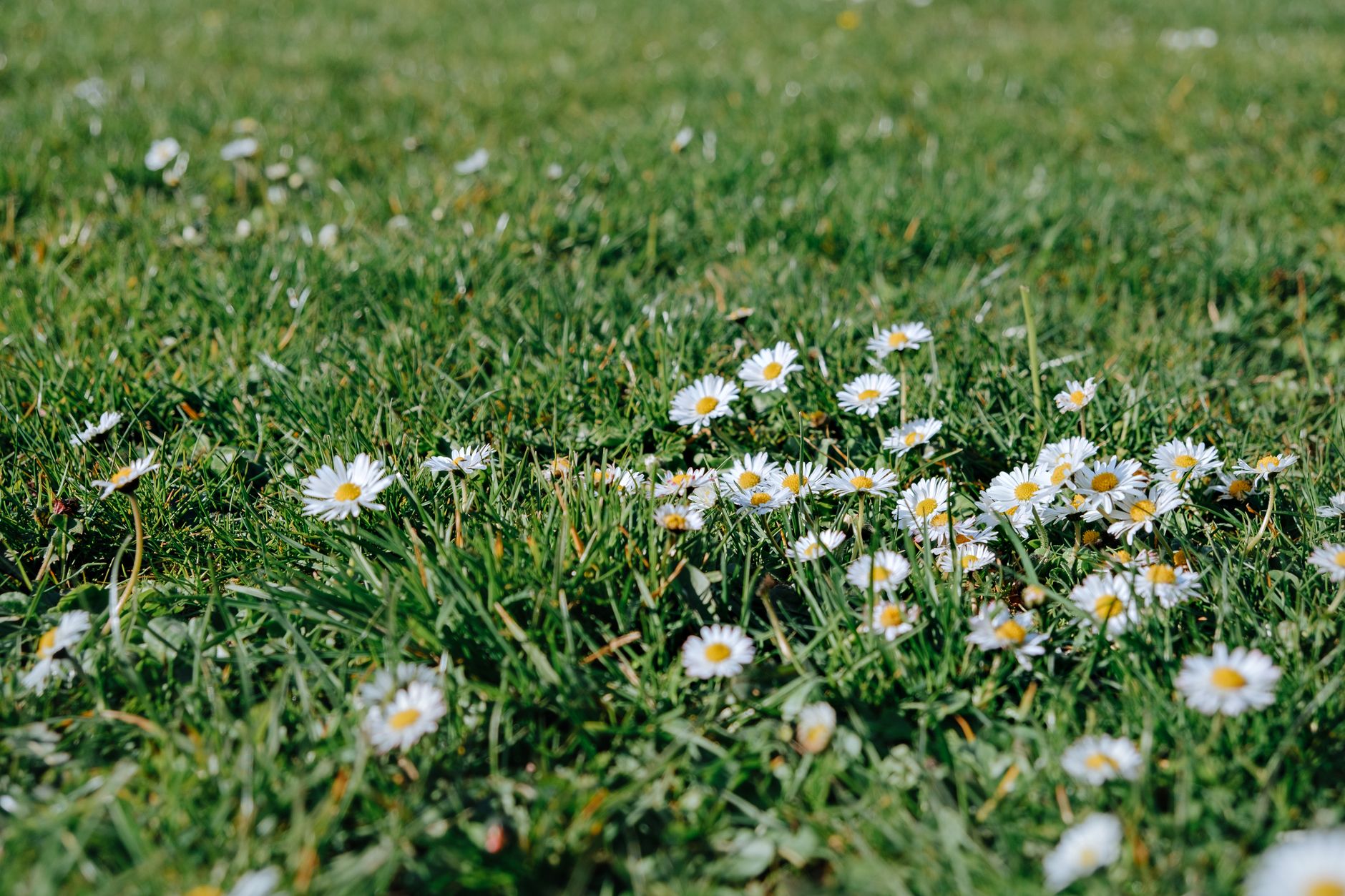
A chamomile lawn is a fragrant, low-growing ground cover suitable for the right spot, but not durable family turf. For the most lawn‑like surface, use the non‑flowering Roman chamomile Chamaemelum nobile ‘Treneague’, forming a dense, aromatic carpet that releases apple-like scent when brushed. Success depends on choosing the correct plant material, matching the site precisely, removing all competing vegetation thoroughly before planting, and protecting the young lawn from repeated traffic during its vulnerable first year. The reward is a soft, green surface that releases calming fragrance with every step—but only if you respect the plant’s natural limits. This ancient ground cover, once a staple of Elizabethan knot gardens, offers a unique sensory experience that modern turf cannot replicate, yet it demands a level of site-specific care that many gardeners underestimate.
Key Takeaways
- Choose ‘Treneague’ for a true chamomile lawn: The non‑flowering cultivar produces a low, uniform carpet from plugs or divisions—not seed. Seed‑grown Roman chamomile yields a taller, flowering, less uniform ground cover.
- Match the site before planting: Full sun, free‑draining soil, and only occasional light foot traffic are required. Heavy clay, deep shade, wet winters, and daily walking routes are deal‑breakers.
- Remove all turf and weeds before planting: Existing grass and perennial weeds will outcompete chamomile. Remove completely, allow a weed flush to germinate and remove again, then plant. Post‑planting weed control is difficult.
- Protect the lawn during its first year: Keep people and pets off for at least 12 weeks and restrict traffic to an absolute minimum for the full first year. Use stepping stones and paths to prevent bare lines.
- Expect ongoing maintenance: Hand‑weeding, gap repair, traffic management, and seasonal inspection are required. Routine mowing may be unnecessary, but total labour is not lower than a traditional lawn.
Is a Chamomile Lawn Right for Your Yard?
Assess your site, climate, and intended use before purchasing. A chamomile lawn works in small ornamental spaces, as a fragrant seat, or in low‑use front yards. It is a poor fit for heavy traffic, wet soil, deep shade, or hot sites requiring irrigation. Before proceeding, ask: Does the area receive at least six hours of direct sun daily? Is the soil free‑draining? Is foot traffic limited? Are you willing to hand‑weed regularly? If you answer no to more than one, start with a small trial patch rather than a full lawn. Also consider your time budget: chamomile demands weekly attention during the growing season, unlike a traditional grass lawn that can be left to grow. A simple pros‑and‑cons list can clarify whether the sensory reward outweighs the ongoing commitment.
Choose ‘Treneague’, Flowering Roman Chamomile, or Neither
| Plant material | How established | Expected appearance | Main maintenance | Best use |
|---|---|---|---|---|
| Chamaemelum nobile ‘Treneague’ | Plugs, runners, cuttings, or divisions | Lowest, uniform, non‑flowering aromatic carpet | Hand‑weeding, edging, patch repair | Formal small chamomile lawn or seat |
| Species Roman chamomile (Chamaemelum nobile) | Seed, plugs, or divisions | Taller, flowering, less uniform ground cover | Flower trimming, weed control | Flowering herbal lawn |
| German chamomile (Matricaria chamomilla) | Seed | Upright annual plants that flower and die | Repeated sowing | Herb bed, not a perennial lawn |
‘Treneague’ is a non‑flowering clone propagated only vegetatively. Seed-grown Roman chamomile produces flowering, less uniform plants that set seed. For a dense, low carpet, use ‘Treneague’. Species Roman chamomile from seed is acceptable for a more natural look but expect taller stems that may flop after rain and a shorter lifespan. Factor in budget and aesthetic tolerance for varied heights and white flowers. Note that ‘Treneague’ plugs cost more per square metre than seed, so if you have a large area, a flowering Roman chamomile lawn from seed may be more economical—though you will sacrifice uniformity.
Sun, Soil, Climate, and Winter Wetness
Chamomile needs full sun—at least six hours daily—and light, free‑draining soil with pH 5.6–7.5. Heavy clay or permanently wet soil is a deal‑breaker. Hot‑humid climates where foliage stays wet overnight and cold‑wet climates with prolonged winter saturation are risky; test a trial patch before a full planting. During establishment, keep soil consistently moist but never waterlogged. In cooler weather, reduce watering frequency. For heavy clay, build a raised bed with sandy loam, or improve drainage with grit and organic matter to 20 cm depth. A simple drainage test: dig a 30‑cm hole, fill with water, and see if it drains within 24 hours. If not, amend or choose a different site.
Foot Traffic, Children, Dogs, and Stepping Stones
Occasional light walking releases the pleasant apple scent, but repeated traffic flattens foliage and creates bare lines. Keep people and pets off for at least 12 weeks after planting, then restrict traffic to a minimum for the full first year. Install stepping stones at entry points and along frequent routes. Roman chamomile is toxic to dogs, cats, and horses; avoid for pet areas. For children, lightweight traffic is acceptable once fully rooted, but running and repeated play will wear bare patches. Consider laying a narrow path of flagstones through the lawn to guide footfall and protect the carpet.
When Thyme, Clover, or a Small Chamomile Feature Is Better
Creeping thyme withstands footfall better and still offers fragrance. White clover is a durable alternative that fixes nitrogen and stays green with less watering. If plugs are costlier than seed, scale back to a chamomile seat, a narrow strip, or a small accent bed. A chamomile seat offers sensory reward without full lawn upkeep. For example, a 1‑square‑metre patch near a bench provides fragrance and visual interest with minimal maintenance.
Plan the Lawn Around Plugs, Divisions, or Seed

‘Treneague’ must come from vegetative plants; order plugs, rooted cuttings, or divisions from a nursery in advance. At 10 cm spacing, you need about 100 plants per square metre. Order 10–15 percent extra for failures and a few extra for replacements. Timing is critical: plant in spring after last frost, or early autumn in mild climates. Seed‑grown Roman chamomile works if you accept flowers and less uniformity; sow directly in spring after last frost, thin to 15–20 cm apart. Do not use German chamomile for a persistent lawn—it is an annual.
Remove Existing Turf and Perennial Weeds Before Planting
Remove all turfgrass and perennial weeds. Do not plant into live sod—chamomile cannot compete with established grass roots. After initial clearing—by stripping turf, solarizing, or using herbicide—allow soil to rest for two to three weeks. A fresh flush of weed seeds will germinate; remove them before planting by light hoeing or flame weeding. Post‑planting weed control is difficult because chamomile is sensitive to most selective weedkillers. Thorough preparation is your single best investment. For large areas, solarizing with clear plastic for 4–6 weeks during hot weather can kill weed seeds and roots without chemicals.
Plant and Establish a Dense Chamomile Carpet
Prepare a firm, level, free‑draining site by raking and breaking soil to fine tilth. Plant plugs at exactly soil level—burying the crown causes rot, planting too high leaves roots exposed. Water gently immediately after planting. Maintain consistent spacing in a grid pattern; staggered rows close faster. For seed, surface‑sow thinly on finely raked soil, press gently, keep moist until germination (7–14 days). Thin to final spacing once seedlings have four true leaves. If planting in autumn, ensure at least 6 weeks of mild weather before frost to allow rooting.
Water Through Establishment Without Creating Wet Rot
Keep the root zone consistently moist for the first four to six weeks, then gradually reduce frequency as plants send out runners. Allow soil to dry slightly between irrigations—roots rot quickly in standing water. Avoid overhead watering in the evening to avoid fungal disease. Drip irrigation or careful hand‑watering at soil level is ideal. If puddles form, reduce volume and check drainage. A moisture meter can help avoid overwatering during the critical early weeks.
Keep People, Pets, Slugs, and Weeds Out During Establishment
Exclude all traffic for at least 12 weeks after planting. For the first year, restrict to occasional light stepping for inspection or weeding. Inspect regularly for slugs and snails—they can consume young plugs overnight. Remove weeds while small; a single missed weed can produce many seeds. Use organic slug pellets or beer traps as needed, and hand‑pull weeds weekly. A barrier of fine mesh or a low fence can deter pets and children until the lawn is rooted.
Judge Establishment by Rooting and Gap Closure
Look for new low shoots, rooting runners at nodes, and visible reduction in gaps. In cooler climates or poorer soils, full rooting may take 16–20 weeks rather than 12. Repair failed plugs promptly with fresh divisions from vigorous areas or reserved plants. If gaps remain after the first growing season, consider replanting at tighter spacing in spring. Patience is key: a chamomile lawn typically looks sparse in the first year but fills in substantially by the second season.
Maintain and Repair the Lawn Before Gaps Spread
Trim According to the Cultivar and Appearance Goal
For ‘Treneague’, routine mowing is unnecessary; a light trim with shears in late summer can tidy uneven shoots. For flowering Roman chamomile, clip or deadhead stems after blooming to prevent self-seeding. Do not scalp—leave at least 5 cm of growth. If you prefer a tightly manicured look, a light trim every three to four weeks during the growing season can maintain uniformity, but avoid mowing during dry spells. Always use sharp blades to avoid tearing the fine stems.
Why Fertilizer Is Usually Not the Fix
Chamomile is adapted to lean soils and rarely needs feeding. If the lawn looks thin, check sun, moisture, drainage, and traffic first—these are far more likely culprits. Excess nitrogen encourages soft growth prone to disease. Only apply a light balanced fertilizer in spring if a soil test indicates deficiency, and then at half the recommended rate. Organic options like seaweed meal can support growth without stimulating lush foliage. A yearly top‑dressing of compost (½ cm) can improve soil structure without overfeeding.
Keep Weeds Out Without Lawn Weedkiller
Inspect weekly during the growing season; remove weeds before they flower and set seed. After pulling, firm the disturbed soil and redirect runners over the area. Selective herbicides are not safe for chamomile—they damage or kill it. Hand‑weeding is permanent; plan for 15–30 minutes weekly during the main growing season. Use a narrow dandelion weeder or a small fork to minimize soil disturbance. Persistent perennials like dandelion or plantain should be dug out completely.
Diagnose Bare, Flattened, Brown, or Leggy Patches
| Symptom | Likely causes | First checks |
|---|---|---|
| Bare line through lawn | Repeated traffic, soil compaction | Daily movement pattern |
| Flowering stems lie flat after rain | Taller Roman chamomile, heavy rain | Plant identity, drainage |
| Whole plants soft or yellow in wet soil | Waterlogging | Soil moisture, drainage |
| Plants survive but remain open | Shade, wide spacing, drought | Sun hours, gap size |
| Centers die, outer growth healthy | Aging clumps | Crown center condition |
| Lawn looks poor after winter | Cold‑wet damage | Living runners, crown condition |
| Edges dry and recede | Heat, drought, irrigation gaps | Soil moisture near paving |
| Young plugs disappear overnight | Slugs, snails, desiccation | Night inspection |
Divide Healthy Growth and Repair Aging Centers
Inspect in spring and autumn. Take divisions from healthy outer growth of established plants, replant at soil level in bare areas, and water until rooted. Space about 10 cm apart for fastest re‑coverage. Correct the original cause first—whether adding stepping stones, improving drainage, or adjusting watering—or the same symptom will reappear. For aging clumps (3–5 years old), lift and replant vigorous outer pieces every few years to rejuvenate the carpet.
Know When to Reduce the Chamomile Area
Reduce where traffic cannot be rerouted, dogs run, soil stays wet, or weeding exceeds tolerance. Restrict chamomile to areas between stepping stones, create a small fragrant seat instead of a full lawn, or switch to thyme or clover for high‑traffic zones. A smaller, well‑maintained patch is far more satisfying than a struggling full lawn. For example, a 2‑metre‑wide strip along a path can provide fragrance and beauty without the challenge of a whole yard.
Conclusion
A chamomile lawn can be a beautiful, fragrant feature, but only with honest assessment of traffic, drainage, and willingness to maintain it. Choose the right plant material—‘Treneague’ for a formal carpet or species Roman chamomile for flowers. Prepare ground thoroughly, protect the young lawn from traffic and competition, and repair gaps promptly. If your site does not fit, scale back or choose thyme or clover instead. With realistic planning and consistent care, a chamomile lawn will reward you with years of quiet beauty and the unforgettable scent of summer underfoot. Begin with a small test patch, learn from the first season, and expand only where the plant thrives.
FAQ
What Are the Main Drawbacks of a Chamomile Lawn?
Low traffic tolerance, high cost of plugs, permanent hand‑weeding, strict drainage requirements, and recurring patch repair. It cannot replace a traditional play lawn and requires more seasonal attention than most expect—the total labour is not lower than a grass lawn. Also, chamomile lawns can look untidy in winter when foliage dies back slightly, and they may need annual grooming.
Is a Chamomile Lawn Safe for Dogs?
The ASPCA classifies Roman chamomile as toxic to dogs, cats, and horses. Ingestion may cause vomiting or diarrhea. Choose another surface for dog runs, or supervise closely. Creeping thyme or artificial turf are safer alternatives. Even small amounts can cause discomfort, so err on the side of caution.
Will Chamomile Choke Out Weeds?
Not reliably. A dense carpet reduces open soil but chamomile is a weak competitor in its first year and never competes with deep‑rooted perennials. Thorough site preparation and regular hand‑weeding are essential. Even a mature chamomile lawn can be invaded by clover or creeping buttercup if weeds are allowed to seed.
How Long Does a Chamomile Lawn Take to Establish?
Keep all traffic off for at least 12 weeks, and restrict to a minimum for the first full year. In ideal conditions, a dense carpet may form by the end of the first growing season. In cooler climates or poorer soils, expect two full seasons before it is resilient enough for light regular use. Full maturity, with a 90‑plus percent closed cover, often takes 2–3 years depending on spacing and care.
You Might Also Like