How to Use This Plant Spacing Calculator
Enter the length and width of your planting area, then enter the recommended plant spacing from the plant tag, seed packet, or nursery label. Spacing means the center-to-center distance between plants, not the gap between leaves.
How to Calculate Plant Spacing
For square spacing, divide 144 by the plant spacing in inches squared to get plants per square foot. Then multiply by the planting area.
For example, 12 inch spacing gives about 1 plant per square foot, while 6 inch spacing gives about 4 plants per square foot.
Square vs. Triangular Plant Spacing
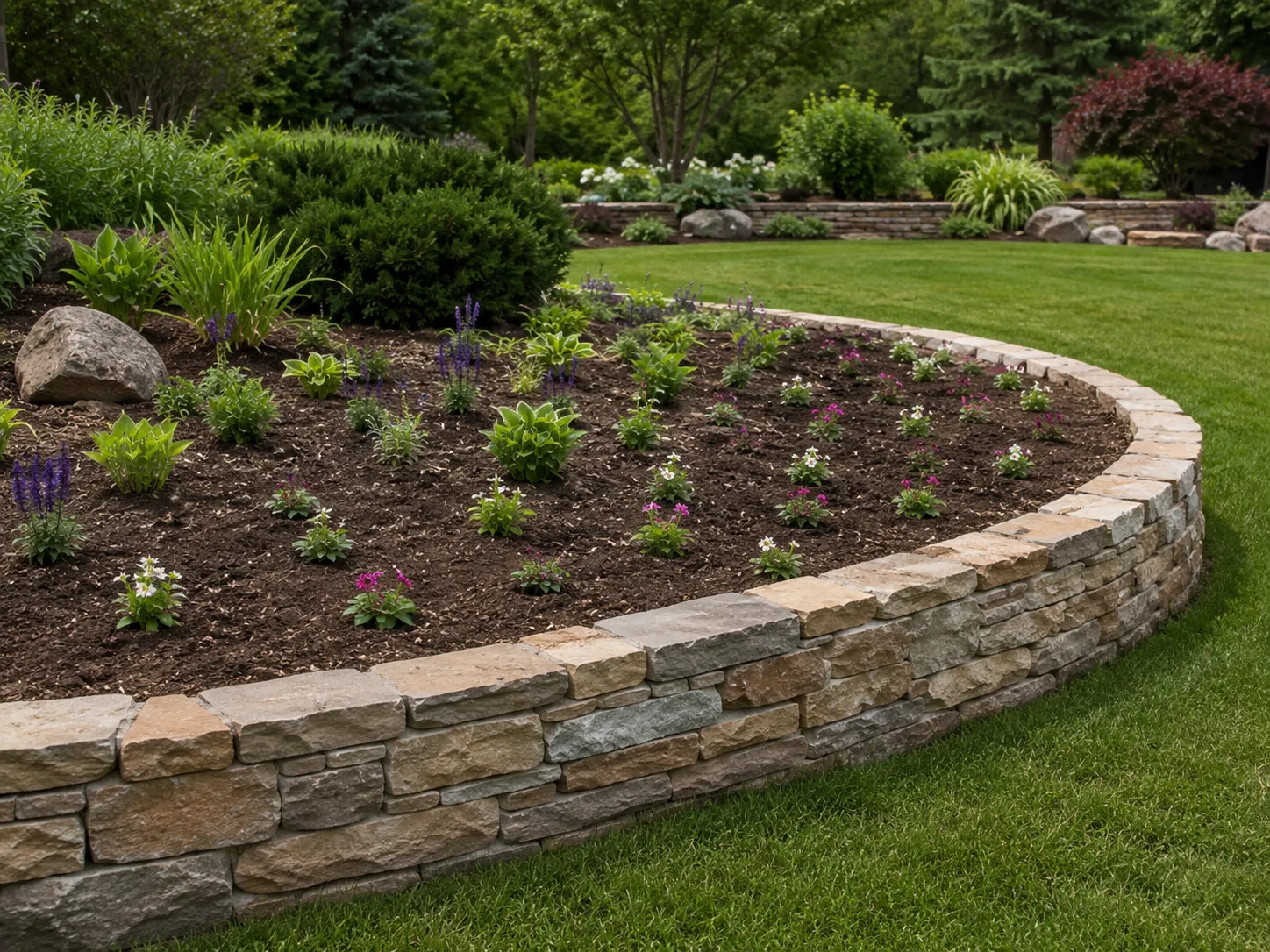
Square spacing places plants in straight rows and columns. Triangular spacing offsets every other row, which can create a fuller look and fit more plants into the same area. Use square spacing for simple garden planning and triangular spacing for mass planting, groundcovers, or flower beds where a fuller layout is preferred.
Planting Patterns
Square spacing places plants in straight rows and columns. Triangular spacing offsets every other row, which creates a fuller layout and can fit more plants into the same area.
Plant Spacing Chart
| Plant Spacing | Plants per Square Foot |
|---|---|
| 3 in | 16 |
| 4 in | 9 |
| 6 in | 4 |
| 8 in | 2.25 |
| 10 in | 1.44 |
| 12 in | 1 |
| 18 in | 0.44 |
| 24 in | 0.25 |
| 36 in | 0.11 |
Plant Spacing Calculator FAQs
What does plant spacing mean?
Plant spacing usually means the center-to-center distance between plants. Measure from the center of one plant to the center of the next.
Should I use square or triangular spacing?
Use square spacing for simple rows and grid layouts. Use triangular spacing when you want a fuller offset pattern, especially for groundcovers or mass plantings.
Can I plant closer than the plant tag says?
Sometimes, but tighter spacing can reduce airflow and increase competition for water and nutrients. Use wider spacing for larger mature plants or humid sites.
Is this calculator for vegetables or flower beds?
It can estimate plant count for garden beds, raised beds, flower beds, annuals, perennials, and groundcovers. For vegetables, always compare the result with the seed packet or plant tag.