Can You Use Old Dried Potting Soil for Transplanting a Broken Plant?
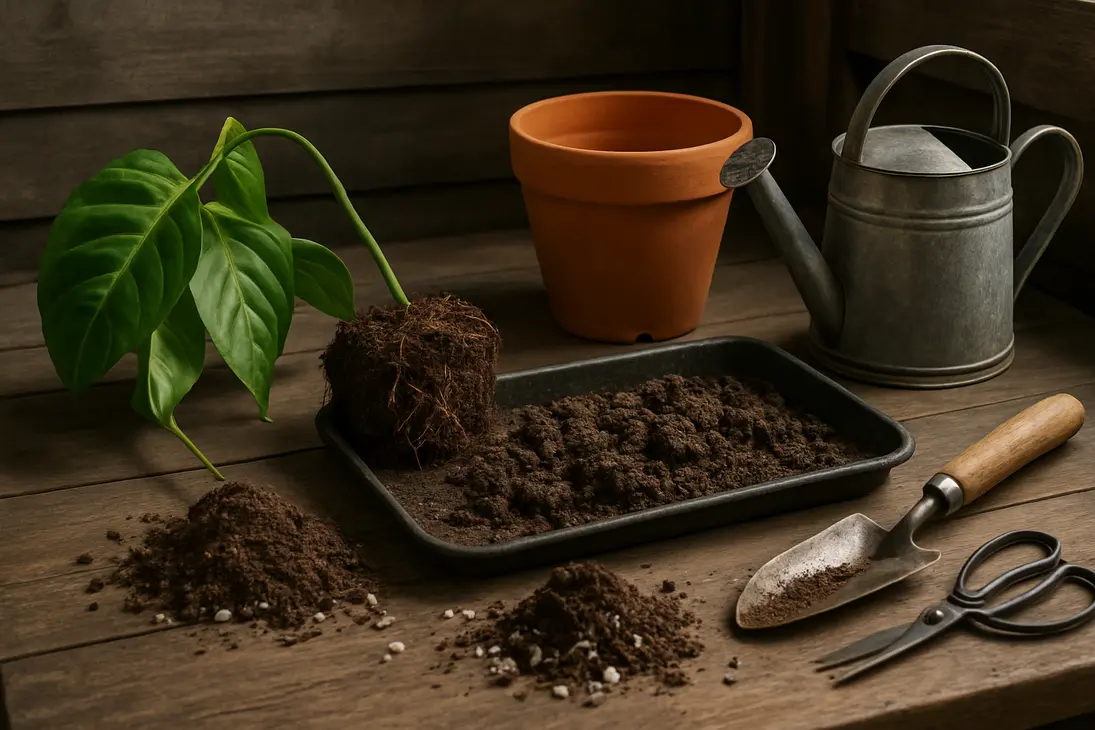
Yes, you can often use old dried potting soil for transplanting a broken plant—but only if the soil is clean, pest-free, and refreshed first. A broken plant is already stressed, so the mix should be loose, evenly moist, well-draining, and safe for damaged roots or stems.
Old potting soil is not automatically bad. It may simply be dry, depleted, or compacted. Those problems can usually be fixed. But soil that smells rotten, came from a diseased plant, contains pests, or may be contaminated is not worth using, especially for indoor plants or fragile transplants.
Can Old Dried Potting Soil Be Reused?
Old dried potting soil can be reused when it still has decent structure and no signs of pests, disease, or contamination. Potting mix is a growing medium made from ingredients such as peat, coco coir, bark, composted material, perlite, vermiculite, and sometimes fertilizer. Over time, nutrients run out, organic matter breaks down, and the mix may compact or become hard to rewet.
The main risk is using it straight from an old pot or bag without checking it. Dry peat-based mixes can repel water, so water may run down the sides while the root area stays dry. Old soil can also contain roots, fungus gnat larvae, fertilizer salts, or pathogens from a failed plant.
When it is usually okay to reuse
Old dried potting soil is usually okay to reuse when:
- It came from a healthy plant.
- It was stored dry in a bag, bin, garage, shed, or covered container.
- It does not smell sour, rotten, swampy, or mildewed.
- You do not see insects, larvae, egg clusters, webbing, or heavy mold.
- It feels crumbly after being loosened.
- Water can soak in after rehydrating.
- You plan to blend it with fresh potting mix or amendments.
A half-used bag that dried out in the garage may be fine after rehydrating and fluffing. Soil from last year’s healthy container plant may also be reusable after old roots are removed. For a broken plant, old soil is safest as part of a refreshed blend rather than the entire mix.
When it is risky or not worth using
Avoid reusing old potting soil if:
- The previous plant died from root rot, wilt, fungal disease, or an unknown cause.
- You see fungus gnats, larvae, ants, mealybugs, scale, grubs, or other pests.
- It smells foul, sour, anaerobic, or swampy.
- It sat outdoors uncovered where animals, runoff, weeds, or pests could enter.
- It has slime, heavy mold, or mushrooms with poor drainage or bad smell.
- It was exposed to herbicides, pesticides, cleaning products, oils, paint, salts, or other chemicals.
- It stays soggy and dense after watering.
A little harmless white fungal growth on stored organic mix is not always a disaster if the soil smells earthy and drains well. But for a broken plant, caution is better.
Check the Soil Before Planting
Before using old soil, spread it in a tray, bucket, wheelbarrow, or on a tarp. Do not judge it only from the surface of the old pot; problems often sit deeper where the mix stayed damp.
Look for pests, eggs, fungus, or mold
Break up clumps and inspect the soil. Watch for:
- Tiny flying insects, especially fungus gnats.
- Small white or translucent larvae.
- Ants or egg clusters.
- Grubs or beetle larvae.
- Webbing, cottony residue, or sticky patches.
- Slugs, snails, or eggs if stored outdoors.
- Thick mold mats, slime, or fungal growth throughout the mix.
Fungus gnats are common in reused indoor soil. Adults are annoying, but larvae can damage seedlings, cuttings, and weak roots. If the soil contains active pests, discard it or sterilize it before reuse. A few dried roots are not a major issue if the previous plant was healthy.
Smell for sour, rotten, or swampy odors
Healthy potting mix usually smells earthy, woody, or faintly compost-like. Do not use old soil for a broken plant if it smells like rotten eggs, swamp water, sewage, fermentation, sour compost, or mildew in a closed container.
These odors suggest the soil stayed too wet without enough oxygen. That kind of anaerobic mix can encourage root problems. If the smell is only mildly musty, spread the soil out to air and reassess. If the odor remains unpleasant, throw it away.
Check texture, drainage, and compaction
Old potting soil often fails because its structure has broken down. Potting mix should hold moisture while leaving air spaces around roots. As organic ingredients decompose, the mix can become fine, dense, and slow-draining.
Do a quick hand test:
- Moisten a handful of soil.
- Squeeze it gently.
- Open your hand.
Good potting mix should hold together lightly but crumble when touched. If it forms a dense ball like clay, it is too compact unless heavily amended. If it stays dusty and will not absorb water, it needs slow rehydration and blending.
You can also test drainage in a small nursery pot. If the top is wet but the middle stays dry, the soil is hydrophobic. If the whole pot stays soggy and heavy, it needs more coarse material or should be discarded for plants that dislike wet roots.
Consider where and how it was stored
Storage history matters. Dry soil in a closed bag is very different from soil left outside in an uncovered pot.
| Storage situation | Risk level | What to do |
|---|---|---|
| Dry mix in original bag indoors or in a garage | Low to moderate | Inspect, rehydrate, refresh |
| Soil from a healthy container plant | Moderate | Remove roots, inspect, blend |
| Soil left outside uncovered | Moderate to high | Check carefully for pests, weeds, and contamination |
| Soil from a diseased or rotted plant | High | Discard |
| Soil exposed to chemicals or unknown spills | High | Discard |
If you do not know where the soil came from, be conservative. For a broken indoor plant, fresh potting mix is often safer.
How to Refresh Old Potting Soil
Refreshing old soil means restoring moisture, air space, and fertility. Prepare the mix before handling the broken plant so the plant spends less time exposed.
Rehydrate it slowly before use
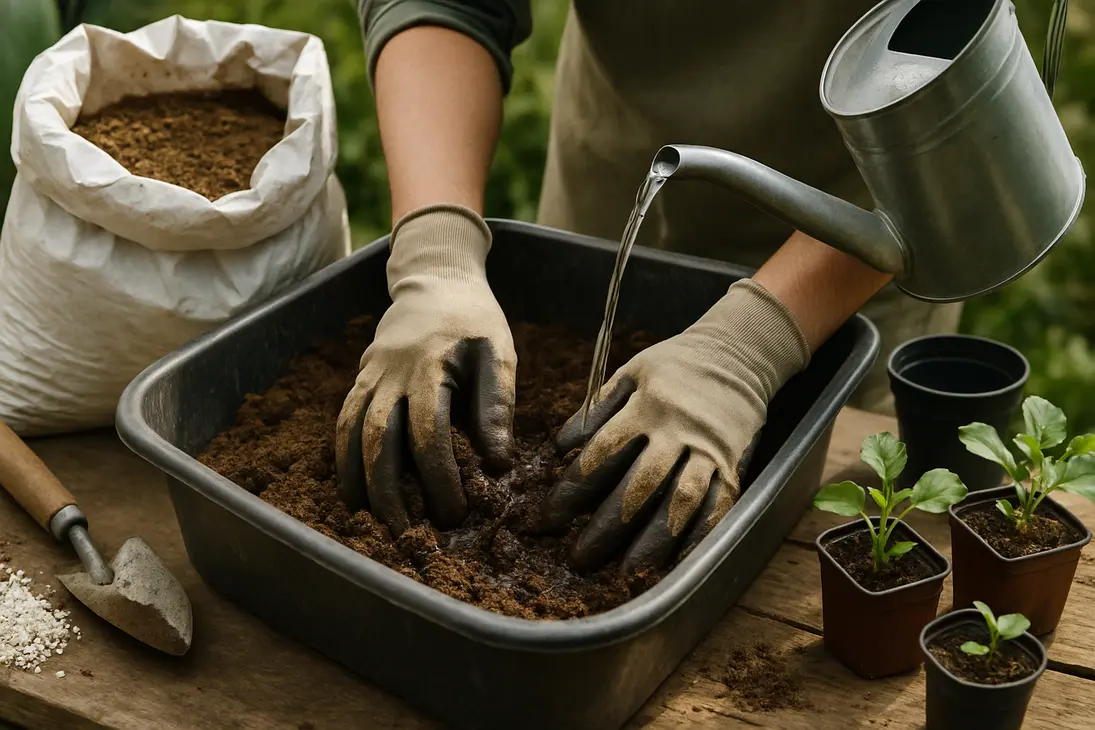
Very dry potting soil can repel water, especially if it contains peat. To rehydrate it:
- Put the dry mix in a tub, bucket, or tray.
- Add a little lukewarm water.
- Mix thoroughly.
- Let it sit for 10–20 minutes.
- Mix again and add more water as needed.
- Repeat until it is evenly damp.
Aim for the moisture level of a wrung-out sponge. The mix should feel damp, not soggy. Repeated mixing works better than drenching hydrophobic soil once.
Remove old roots, stems, and debris
Pick through the soil and remove:
- Large roots
- Stems and leaf chunks
- Plant labels, ties, plastic, or mesh
- Excess old fertilizer pellets
- Pest clusters or egg masses
- Dense root mats
A few fine roots are fine if the previous plant was healthy. But for a broken plant, cleaner soil is safer and easier for new roots to enter. If the old mix is stuck in the shape of the previous pot, break it apart completely.
Mix in fresh potting mix or compost
Old soil is often low in nutrients and structure. Blending is the simplest fix.
A practical starting blend is:
- 1 part old potting soil
- 1 part fresh potting mix
For outdoor containers, you can add a modest amount of finished compost. Do not make compost the bulk of a container mix, because it can become heavy and water-retentive.
For indoor plants, be cautious with homemade compost unless it is fully finished and pest-free. If the broken plant is a succulent, cactus, snake plant, jade, or another plant that dislikes wet soil, avoid compost-heavy mixes.
Improve drainage with perlite, bark, or similar amendments
If the old soil feels dense or fine, add coarse material to improve airflow and drainage.
Useful amendments include:
- Perlite: Lightweight and good for aeration.
- Pumice: Similar to perlite but heavier and longer-lasting.
- Fine orchid bark or pine bark fines: Adds structure for many houseplants.
- Coarse sand: Useful in gritty mixes, but avoid fine play sand.
- Coco chips: Help balance structure and moisture.
For many foliage houseplants, use refreshed potting mix with added perlite, pumice, or bark if it feels dense. For succulents, use more gritty material and less compost-rich soil. For moisture-loving plants, retain some moisture but still avoid a soggy mix.
Add fertilizer lightly after the plant settles
Do not heavily fertilize a broken plant right after transplanting. Fertilizer does not heal broken tissue, and stressed roots can be sensitive to excess salts.
Transplant into refreshed soil, water normally, and wait for signs of recovery such as new leaves, firmer stems, or root growth. Then begin light feeding at reduced strength. For many houseplants, waiting a few weeks is reasonable.
When to Sterilize or Throw Out Old Potting Soil
Sterilizing can reduce pests, weed seeds, and some disease organisms, but it is not always needed. It can smell unpleasant, kill beneficial organisms, and does not fix chemical contamination or poor structure. Often, blending clean old soil with fresh mix is simpler.
Use the risk level to decide. Tired soil from a healthy outdoor container can usually be refreshed. Soil from a rotted, pest-filled pot should not be casually reused for a broken plant.
Sterilize if pests or disease are suspected
If you suspect pests or disease but still want to reuse the soil, sterilizing is an option. Gardeners commonly use heat methods, such as baking small batches or solarizing soil in clear plastic in strong sun.
The trade-offs are:
- Heating soil can create strong odors.
- It may not treat large batches evenly.
- It kills beneficial organisms too.
- It does not restore nutrients or drainage.
- It does not make chemically contaminated soil safe.
If you sterilize, do it before adding compost or biological amendments. Let the soil cool completely, then refresh the texture and nutrients. For valuable indoor plants, buying a small bag of fresh potting mix is often simpler and safer.
Avoid soil from diseased plants
Do not reuse soil from a plant that died of root rot, stem rot, wilt, damping off, or an unknown disease. Even if it looks normal, pathogens may remain in the mix or on old roots.
This is especially important for seedlings, cuttings, recently broken stems, plants with trimmed roots, indoor plants with limited airflow, and plants already wilting.
If the previous plant simply dried out from neglect, the soil may be reusable after inspection. But if it collapsed while the soil was wet, smelled bad, or had black mushy roots, discard the mix.
Discard soil with heavy infestations, bad odors, or chemical contamination
Some soil is not worth saving. Throw it out if it has:
- Heavy insect infestation
- Repeated fungus gnat problems
- Rotten or sewage-like odor
- Slime or persistent mold throughout
- Oily residue
- Unknown chemical exposure
- Herbicide or pesticide contamination
- Pet waste contamination
- Severe salt crusting
Do not compost chemically contaminated soil unless you know the contaminant is safe to compost. In most home situations, disposal is safer.
Do not use garden soil as a direct substitute for potting mix
If you are short on potting soil, do not simply scoop soil from the garden for a pot. Garden soil is often too dense for containers. It can compact, drain poorly, carry weed seeds, and contain insects or disease organisms.
In the ground, soil has natural drainage and a larger ecosystem. In a pot, it becomes a confined root zone where excess water and compaction are more serious. For indoor plants or broken plants, do not use straight garden soil.
How to Transplant a Broken Plant Using Old Soil Safely
A broken plant needs stability, moisture balance, and time. The exact method depends on what broke, but the soil should be gentle, airy, and not overly wet.
Use old soil as part of a blended mix, not always alone
For a damaged plant, old soil is safest when blended with fresh materials. A simple rescue mix for many common houseplants is:
- 1 part inspected, rehydrated old potting soil
- 1 part fresh potting mix
- A handful or two of perlite or bark if the mix feels dense
For succulents or cacti, use less old soil and more gritty material. For moisture-loving tropicals, use a mix that holds moisture but still drains freely.
Do not bury broken stems too deeply in damp soil. Succulent pieces often need to callus before planting. Soft tropical cuttings may root better in water, perlite, or a light propagation mix than in old soil.
Choose a clean pot with drainage holes
Use a clean pot with drainage holes. A good mix can still fail if water collects at the bottom.
Before planting:
- Wash old pots with soap and water.
- Remove crusted salts and old soil.
- Rinse well.
- Make sure drainage holes are open.
- Choose a pot only slightly larger than the root system.
Oversized pots hold more wet soil than a stressed plant can use, increasing the risk of rot. Do not add a layer of rocks as a substitute for drainage holes. Rocks do not fix a pot that cannot drain.
Keep the damaged plant stable after transplanting
A broken plant may need support while roots reestablish. Movement can tear new roots and worsen the injury.
Depending on the plant, use a bamboo stake, soft plant ties, a small trellis, a chopstick, or a temporary support ring. Set the plant at the same depth it was growing before unless you are intentionally rooting a cutting. Firm the soil gently, but do not pack it hard.
If a stem is torn or crushed, trim ragged tissue with clean scissors or pruners. Remove badly damaged leaves, but keep healthy leaves when possible because they help the plant recover.
Water carefully and avoid over-fertilizing
After transplanting, water enough to settle the mix around the roots. Let excess water drain fully. Then water according to the plant’s needs, not a fixed schedule.
For most broken plants:
- Keep soil lightly moist, not soggy.
- Avoid letting a fragile root ball dry completely.
- Check the mix before watering.
- Keep the plant out of harsh direct sun while it recovers.
- Avoid fertilizer until new growth appears.
If the plant has very few roots, it cannot use much water. Constantly wet soil can rot remaining tissue, especially with succulents, overwatered houseplants, and cuttings in heavy mix.
Monitor for wilting, pests, or rot after repotting
Watch the plant closely for the first two to four weeks. Some wilting is normal after transplanting, but worsening symptoms may mean the soil, pot, or watering needs adjustment.
| Symptom | Possible cause | What to do |
|---|---|---|
| Soil stays wet for many days | Pot too large, mix too dense, low light | Increase airflow, reduce watering, or repot into airier mix |
| Leaves wilt while soil is wet | Root damage or rot | Check roots if it worsens; remove mushy tissue |
| Leaves wilt while soil is dry | Mix not fully rehydrated or plant needs water | Water slowly and evenly |
| Tiny flies appear | Fungus gnats in reused soil | Let surface dry more, use traps, consider replacing top layer |
| Stem turns black or mushy | Rot entering damaged tissue | Cut back to healthy tissue if possible |
| Plant leans or shifts | Not stable enough | Stake or reset gently |
Do not keep pulling the plant out to check it. Observe leaves, stem firmness, soil moisture, and smell. If the soil begins to smell sour, it is staying too wet or lacking air.
Conclusion
You can use old dried potting soil for transplanting a broken plant if it is inspected, rehydrated, loosened, and refreshed. Old dry soil is often not bad; it is usually depleted, compacted, or difficult to wet. Blending it with fresh potting mix and drainage amendments can make it useful again.
Do not use questionable soil. If it came from a diseased plant, smells rotten, contains pests, stayed wet and anaerobic, or may be chemically contaminated, discard it or sterilize it only when appropriate. A broken plant has the best chance of recovery in a clean, airy, evenly moist medium.
FAQ
Can I use old potting soil straight from the pot?
Sometimes, but it is not ideal for a broken plant. Old soil may be compacted, unevenly dry, depleted, or full of roots. Empty it first, inspect it, remove debris, rehydrate it, and blend it with fresh potting mix or amendments if needed.
If the previous plant died from rot, disease, or an unknown cause, do not reuse that soil for a stressed transplant.
How do I bring dry potting soil back to life?
Put the dry soil in a tub or bucket and add water gradually. Mix well, let it sit, then mix again until moisture is even throughout. Remove old roots and debris. Then refresh it with fresh potting mix, finished compost if appropriate, and drainage materials such as perlite, pumice, or bark.
The finished soil should be damp, loose, and crumbly—not dusty, soggy, or compacted.
Is old potting soil safe for indoor plants?
It can be, but be stricter indoors. Indoor pots have less airflow and pests such as fungus gnats can spread easily. Only use old soil indoors if it is clean, pest-free, odor-free, and stored in a trustworthy place.
For valuable or fragile houseplants, use old soil as part of a blend rather than the whole pot. If you are unsure, use fresh potting mix.
Should I reuse soil from a plant that died?
Only if you are confident the plant died from a non-disease reason, such as drying out or cold exposure. If it died while the soil was wet, had mushy roots, smelled bad, or declined for unknown reasons, discard the soil. Reusing soil from a diseased or rotted plant can transfer problems to the next plant, and a broken plant is especially vulnerable.
You Might Also Like