How to Celebrate Houseplant Appreciation Day
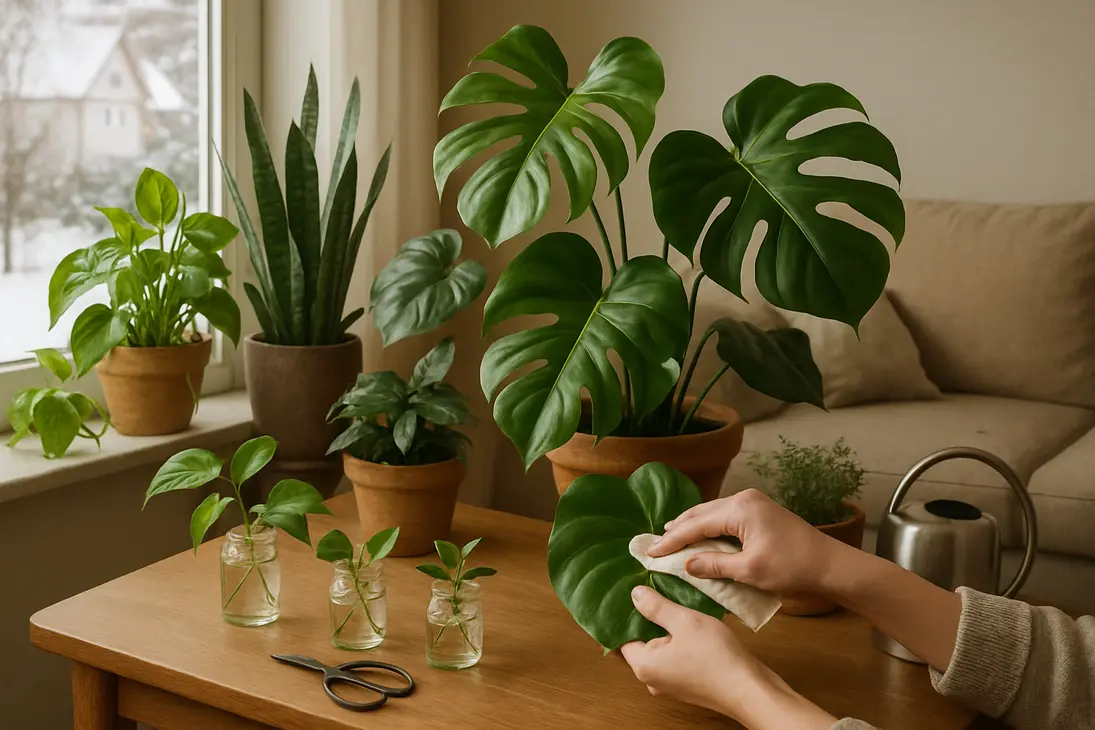
Houseplant Appreciation Day is a gentle holiday: no big plans, no decorations, and no pressure to buy anything. It is simply a reason to notice the plants already growing in your home and give them thoughtful care.
Whether you have one pothos on a shelf or a room full of foliage, the best celebrations are small: wiping dusty leaves, moving a plant into better light, taking a cutting, or enjoying a new leaf unfurling in winter.
What Is Houseplant Appreciation Day?
Houseplant Appreciation Day is observed each year on January 10. It arrives just after the holiday season, when homes can feel bare and winter conditions may be hard on indoor plants. The day encourages people to appreciate houseplants and reconnect with the simple pleasure of caring for them.
It is not a formal gardening milestone. Think of it as a reminder to check in. Your plants may have been pushed aside during holiday gatherings, exposed to dry heated air, or forgotten during travel. January is a useful time to ask: Are they getting enough light? Are they being watered too often? Are pests hiding under leaves? Does each plant still suit its spot?
At its best, the day is about noticing. Houseplants often fade into the background, but a few minutes of attention can help them thrive through the rest of winter.
Simple Ways to Appreciate Your Houseplants
Celebrating does not mean repotting every plant or buying new ones. Many houseplants prefer steady care over dramatic intervention. Choose one small activity, or make an afternoon of it with music, tea, and a gentle plant-care session.
Give Your Plants a Mini Spa Day
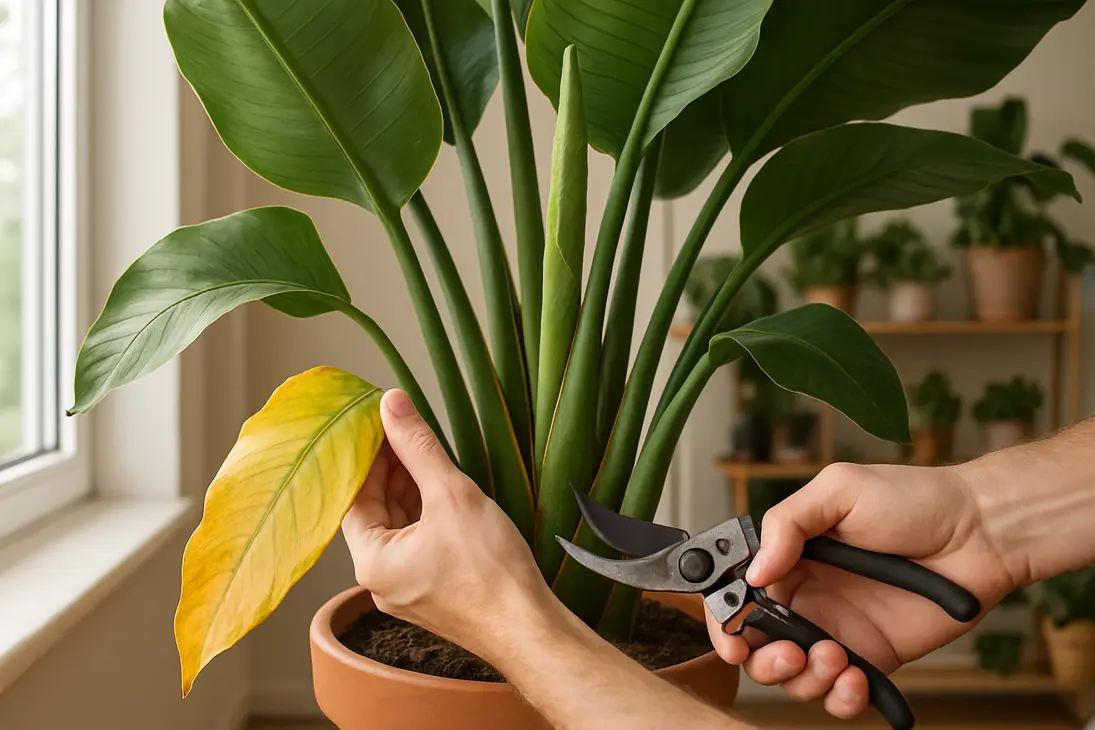
A houseplant “spa day” is really a maintenance check. Start with the leaves. Dust blocks light and makes foliage look tired, especially on broad-leaved plants such as rubber plants, fiddle leaf figs, monstera, peace lilies, and philodendrons.
Use a soft, damp cloth to wipe leaves, supporting each one from underneath. For small-leaved plants, a gentle rinse in the sink or shower can work well. Let plants drain fully afterward so water does not sit in saucers or cachepots.
A mini spa day might include:
- Removing dead, yellow, or crispy leaves with clean scissors
- Checking leaf undersides for pests
- Clearing debris from the soil surface
- Turning pots for more even growth
- Washing saucers and outer pots with mineral residue
Skip leaf-shine products. Clean water and a soft cloth are enough for most plants. For fuzzy-leaved plants, such as African violets or some begonias, use a soft, dry brush instead of a wet cloth.
Rearrange or Style Your Indoor Garden
Houseplant Appreciation Day is also a good time to look at your plants as part of your home. A plant may look attractive on a high shelf but be struggling because the light is too weak. Another may be healthy but visually lost in a cluttered corner.
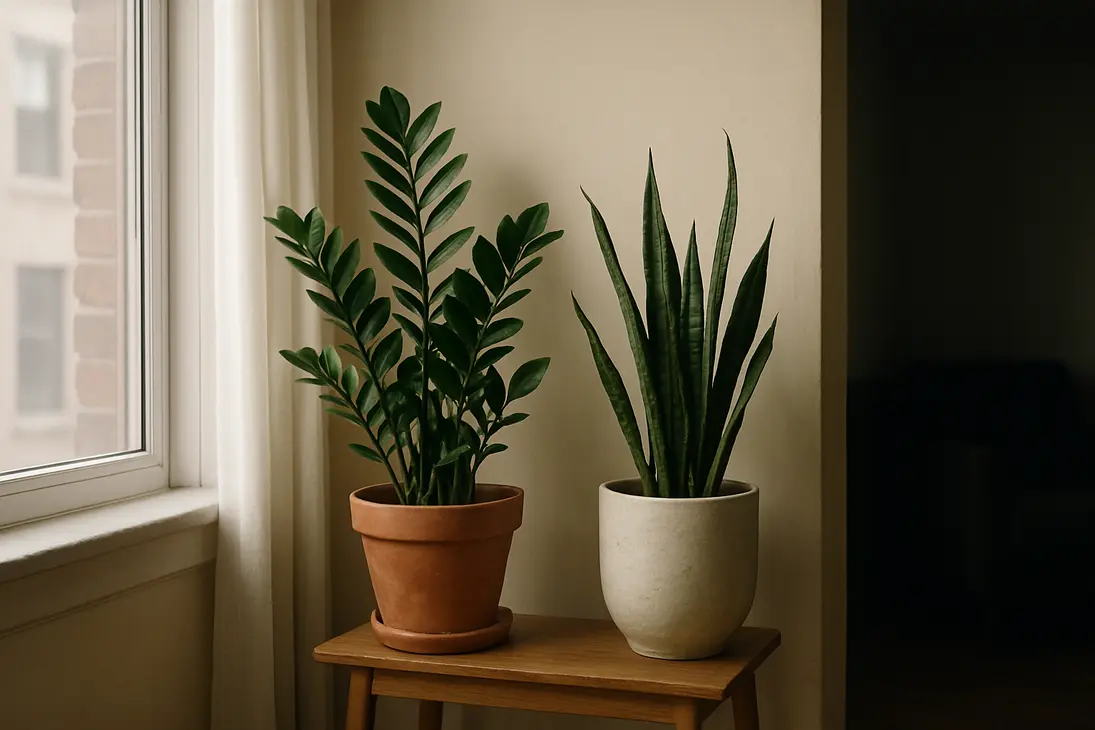
Rearrange with both style and plant health in mind. Put light-loving plants near bright windows, and save darker spots for more tolerant plants such as snake plants, ZZ plants, or pothos. Even “low-light” plants still need some natural or grow light.
Simple styling ideas include:
- Grouping plants in odd numbers
- Pairing trailing vines with upright foliage
- Using plant stands to bring plants closer to light
- Creating a small windowsill collection
- Matching cover pots by color, texture, or material
- Moving one favorite plant where you will see it daily
Avoid harsh temperature changes. Do not place tropical plants against icy glass or near heating vents, radiators, fireplaces, or drafty doors.
Share Your Favorite Plant With Others
Plants often carry stories: who gave you a cutting, where you found a plant, or which friend helped solve a problem. Houseplant Appreciation Day is a natural moment to share that enjoyment.
Post a photo, text a friend about a new leaf, or give a rooted cutting to a neighbor. If you share cuttings, label them with the plant name if you know it and a basic care note, such as “bright indirect light” or “let the top inch of soil dry before watering.”
Sharing can also mean being honest about plant struggles. A photo of yellow leaves, pests, or a recovering plant can help others learn and remind beginners that problems are normal.
Make the Day About Better Plant Care
Appreciation is not only about admiring plants. It is also about matching care to their needs. Because Houseplant Appreciation Day falls in winter in many regions, plants may be growing slowly, receiving less daylight, and coping with dry indoor air.
Inspect each plant before doing anything. Look at the leaves, stems, soil, pot, and location. Many problems come from well-intentioned overcare, especially watering on a rigid schedule or repotting a plant that is already stressed.
Check for Common Houseplant Problems
Set aside a few minutes to inspect your plants closely. Small signs are easier to correct than advanced damage.
| Sign | Possible causes | Check first |
|---|---|---|
| Yellowing lower leaves | Overwatering, low light, aging, stress | Soil moisture, drainage, recent changes |
| Crispy brown edges | Dry air, underwatering, salt buildup | Root ball moisture, vents, water quality |
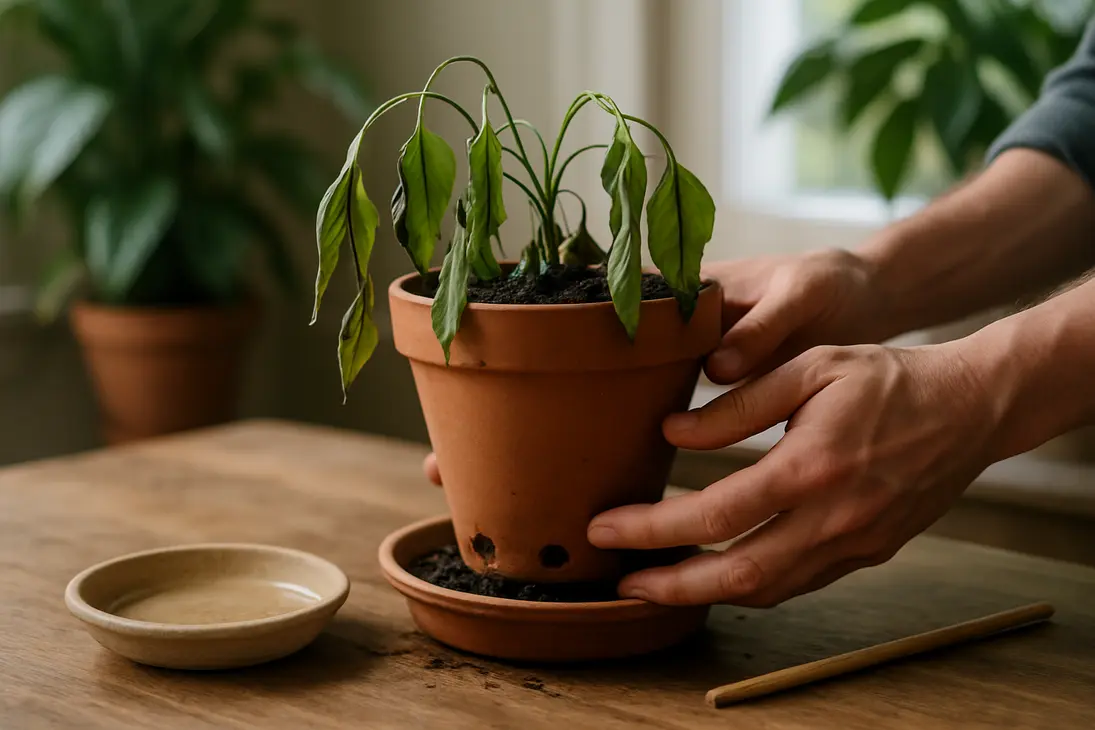
| Wilting in wet soil | Root damage, poor drainage | Pot holes, soggy smell, roots |
| Leggy growth | Not enough light | Window distance, seasonal light |
| Sticky residue | Sap-feeding pests | Undersides of leaves, stems |
| Fine webbing or speckling | Spider mites | Leaf undersides, dry warm spots |
| Small flies near soil | Fungus gnats | Constantly moist potting mix |
Symptoms can overlap. Yellow leaves do not automatically mean a plant needs more water; they can also point to too much water, poor light, root stress, or natural aging.
Before treating a problem, ask what changed recently. Did you move the plant? Did the heat come on? Did the pot sit in water? These clues are often more useful than the symptom alone.
If you find pests, isolate the plant if possible. Remove visible insects with a damp cloth or gentle rinse, then choose a treatment suited to the pest and plant. Avoid spraying every plant in panic.
Avoid One-Size-Fits-All Watering
Watering is where many houseplant problems begin. A weekly routine sounds tidy, but plants do not all dry at the same speed. Pot size, soil type, light, temperature, humidity, season, and plant species all matter.
Instead of watering because it is Saturday, water because the plant needs it. For most tropical foliage plants, check the potting mix with your finger or a wooden skewer. If the top layer has dried to the depth that plant prefers, water thoroughly until excess drains out, then empty the saucer. Succulents and cacti usually need the mix to dry much more.
Keep these basics in mind:
- Small pots dry faster than large pots.
- Terracotta dries faster than plastic or glazed ceramic.
- Bright light usually increases water use.
- Winter growth is often slower, so plants may need less water.
- Pots without drainage make overwatering more likely.
- Tiny “sips” can leave roots unevenly hydrated.
Indoor herbs show why one-size-fits-all care fails. Basil and mint usually prefer more consistent moisture than rosemary, thyme, or sage. If you grow herbs, group plants by similar needs, not just by looks.
Refresh Your Care Routine for the Season
January care should reflect winter conditions. In many homes, days are shorter, windowsills are cooler, and indoor air is drier than in summer.
Use the day to adjust:
- Light: Move stretching plants closer to windows and clean dusty glass.
- Water: Check soil before watering; slower growth often means slower water use.
- Humidity: Group humidity-loving plants together or use a humidifier if the air is very dry.
- Fertilizer: Use little or no fertilizer during low-light winter months unless plants are actively growing.
- Pruning: Remove dead leaves anytime, but save heavy shaping for active growth.
- Repotting: Repot only when needed, such as when roots are tightly circling, water runs straight through, or the plant dries out extremely fast.
A better routine should make care easier. If you forget plants, set a reminder to check them—not automatically water them. If you overwater, make a moisture check your first step.
Celebrate by Growing Your Plant Collection Thoughtfully
Buying a new plant can be fun, but it is not required. A thoughtful collection grows around your home’s real conditions and your available time. The best plant is not always the rarest one; it is the one you can care for well.
Before adding a plant, ask:
- Do I have the right light?
- Is my home too dry, cold, or dark?
- Do I have space for its mature size?
- Is it safe for pets or young children?
- Am I willing to monitor watering and pests?
- Can I isolate it briefly before placing it near other plants?
That last step is useful if you already have a collection. New plants can arrive with pests or stressed roots, and a short separation period gives you time to inspect them.
Propagate a Plant You Already Love
Propagation is a meaningful way to celebrate because it creates a new plant from one already connected to your home.
Good beginner options include:
- Pothos
- Heartleaf philodendron
- Tradescantia
- Spider plant offsets
- Snake plant leaf cuttings
- Monstera stem cuttings with a node
- Jade plant stem cuttings
For vining plants such as pothos and philodendron, cut a healthy stem just below a node, where a leaf and root can grow. Place the cutting in water or light potting mix with at least one node below the surface. Keep it in bright indirect light and refresh water as needed.
Not every cutting succeeds. Take a few only if the parent plant is healthy and large enough. Do not cut a weak or pest-infested plant.
Choose Easy-Care Plants for Beginners or Kids
If you want to involve children or help a beginner, choose plants that tolerate normal home conditions and occasional mistakes. The goal is confidence, not a demanding chore.
Good beginner-friendly choices include:
- Pothos: Fast-growing, forgiving, and easy to propagate.
- Snake plant: Tolerates lower light and infrequent watering.
- ZZ plant: Handles neglect and has glossy, sculptural leaves.
- Spider plant: Produces baby plants that children often enjoy.
- Peperomia: Compact and useful for small spaces.
- Heartleaf philodendron: Adaptable and easy to trail or train.
For children, choose plants with visible progress, such as spider plants, pothos cuttings, beans, or herbs in a bright window. Give them a simple job: checking soil moisture, turning the pot weekly, or drawing the plant once a month.
Also consider safety. Some common houseplants can be irritating or toxic if chewed by pets or children, so check suitability before bringing anything new home.
Try Indoor Herbs, But Match Their Needs
Indoor herbs feel practical because they offer fragrance, greenery, and something edible. However, many need brighter light than a typical kitchen provides, especially in winter.
Start with your conditions:
- Basil likes warmth, bright light, and consistent moisture.
- Mint tolerates more moisture and grows vigorously in its own pot.
- Parsley likes bright light and steady watering.
- Rosemary needs very bright light, excellent drainage, and less frequent watering.
- Thyme and sage prefer brighter, drier conditions than leafy herbs.
A sunny south- or west-facing window may work, but a grow light often helps in winter. Without enough light, herbs become stretched, weak, and less flavorful. If you are new to indoor herbs, grow one or two well instead of crowding a windowsill with plants that need different care.
Turn Houseplant Appreciation Into a Year-Round Habit
Houseplant Appreciation Day is one day, but the habit it encourages can last all year. Successful indoor gardeners are not necessarily the ones with rare plants. They are the ones who observe regularly and respond calmly.
A year-round appreciation habit can be simple:
- Walk through your plants once a week and look closely.
- Rotate pots every week or two if plants lean toward light.
- Keep a small plant journal with watering, pests, blooms, and repotting notes.
- Take monthly photos to track growth.
- Add seasonal reminders for fertilizing, pruning, and repotting.
- Clean leaves when they look dusty.
- Learn each plant’s needs instead of treating the collection as one unit.
Plant communities can help with pest identification and symptoms, but advice from strangers may not match your exact conditions. A plant in a humid bathroom window behaves differently from the same plant in a dry apartment corner.
Celebrate small signs of growth: a new root, a cleanly unfurled leaf, or a plant recovering after a better placement. These quiet moments are the real reward of keeping houseplants.
Conclusion
Houseplant Appreciation Day is a simple invitation to enjoy the indoor greenery already around you. Observed on January 10, it comes at a useful time for checking winter care, refreshing displays, and reconnecting with plants after the holidays.
You can celebrate by cleaning leaves, rearranging your indoor garden, sharing a cutting, starting a plant journal, or choosing one new plant thoughtfully. Just as importantly, check light, water according to need, inspect for pests, and avoid unnecessary repotting.
A houseplant does not need a grand gesture to be appreciated. Often, the best gift is attention.
FAQ
When is Houseplant Appreciation Day?
Houseplant Appreciation Day is observed every year on January 10. It is a reminder to enjoy and care for indoor plants, especially after the holiday season and during winter conditions.
What is the best way to celebrate Houseplant Appreciation Day?
Spend focused time with your plants. Wipe dusty leaves, remove dead foliage, check soil moisture, inspect for pests, rotate pots, or move plants into better light. You can also take photos, refresh your display, start a plant journal, or share a cutting.
Should I buy a new plant for Houseplant Appreciation Day?
You can, but you do not have to. Buy a new plant only if you have the right light, space, and time to care for it. Propagating a plant you already love or improving care for your current plants is just as fitting.
What are common houseplant care mistakes to avoid?
Common mistakes include watering on a fixed schedule, using pots without drainage, placing plants in too little light, repotting unnecessarily, fertilizing heavily during slow winter growth, and assuming all plants need the same care. Check each plant’s soil, light, leaves, and condition before deciding what to do.
You Might Also Like