How to Grow and Care for Green Zebra Tomatoes: Know When They're Ripe and Avoid Common Problems
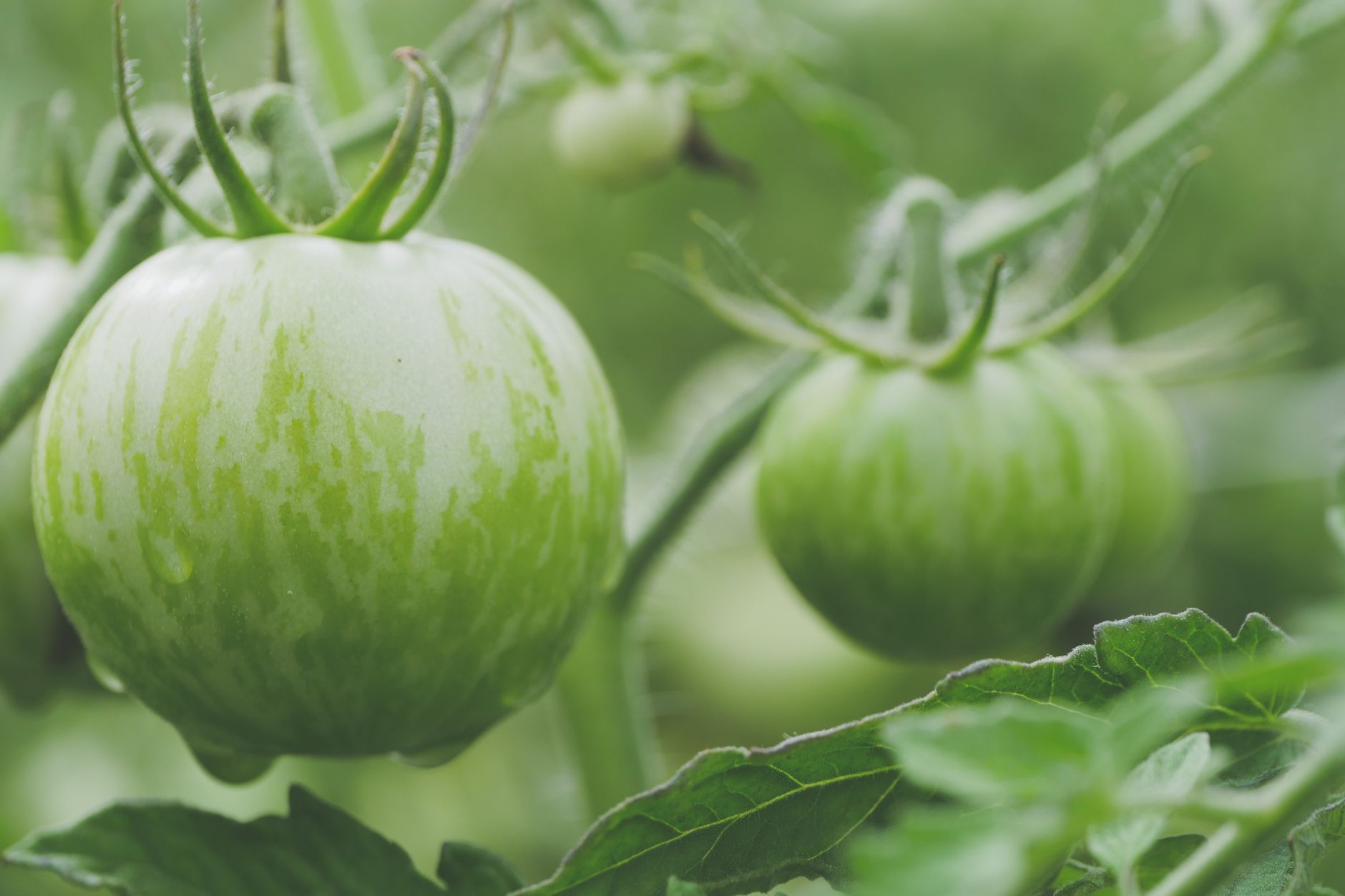
Green Zebra tomatoes stand out for their striking green-and-yellow striped appearance, but they require specific care. Unlike standard red tomatoes, Green Zebra stays green when ripe, leading to confusion at harvest. Developed by breeder Tom Wagner in the 1980s, this heirloom variety is a favorite for its unique look and tangy flavor. It has become a staple in farmers’ markets and seed catalogs, prized by gardeners who want something different from the usual red slicers. This guide covers how to grow them from seed to harvest, when to pick for peak flavor, and how to handle common problems like blossom end rot, splitting, and low yields.
Key Takeaways
- Check for yellow-green color and slight softness, not red: Green Zebra stays green when ripe. Look for the base color to shift from bright green to yellow-green or golden-green, and gently squeeze for a slight give. Rock-hard fruit needs more time on the vine. The darker green stripes remain visible even at full ripeness.
- Water consistently to prevent blossom end rot and splitting: Uneven soil moisture is the main trigger for Green Zebra’s most common problems. Water deeply and steadily, applying 1–2 inches per week, mulch the soil with straw or shredded leaves to retain moisture, and avoid letting it dry out completely between waterings. Drip irrigation or soaker hoses work best.
- Install support at planting time and prune lightly: As an indeterminate vining variety, Green Zebra needs stakes, cages, or trellises from day one to avoid root damage later. Remove only lower suckers for airflow and disease prevention, but keep upper leaves to protect fruit from sun and heat stress.
- Manage heat stress to keep flowers and fruit developing: Temperatures above 90°F cause blossom drop and can slow or halt ripening entirely. Use shade cloth rated for 30–40% shade, provide afternoon shade from taller plants or structures, and mulch deeply to cool the root zone. Avoid stripping leaves during hot weather.
Green Zebra Tomato at a Glance
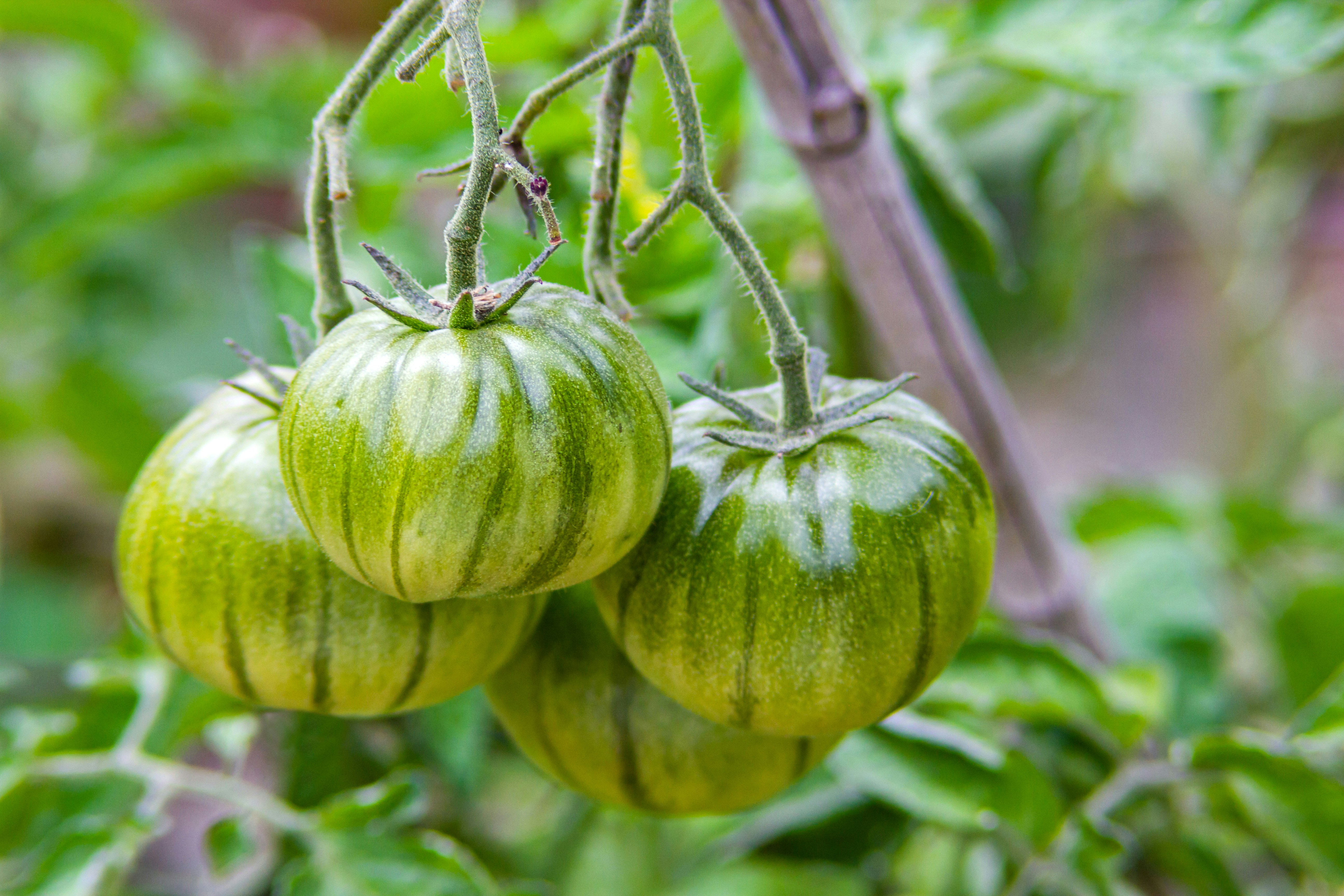
Green Zebra is a green-when-ripe tomato, meaning the fruit does not turn red when ready to harvest. This open-pollinated heirloom was introduced in the 1980s and has become a staple in farmers’ markets and home gardens. It is indeterminate, growing and producing continuously until frost. Days to maturity: 75–80 days from transplant. The plant is vigorous and can produce dozens of fruits per season, with each fruit averaging 2–3 inches in diameter. The striped skin is visually striking, and the balanced tangy flavor makes it a versatile ingredient.
Green Zebra Tomato Quick Facts
| Trait | Details |
|---|---|
| Tomato type | Green-when-ripe, indeterminate, open-pollinated heirloom |
| Days to maturity | 75–80 days from transplant |
| Plant size | Vining, needs support, 5–7 ft tall, can reach 8 ft in ideal conditions |
| Fruit size | Small to medium, typically 2–3 inches across |
| Ripe color | Yellow-green or golden-green with darker green stripes |
| Flavor | Tangy, sweet-tart, citrusy with noticeable acidity |
| Main challenges | Ripeness confusion, blossom end rot, splitting, heat stress, birds |
What Green Zebra Tomatoes Taste Like
Green Zebra has a tangy, sweet-tart flavor with noticeable acidity and bright citrus notes, sometimes reminiscent of lime or lemon zest. It stands out in salads, salsas, and sandwiches, especially when paired with sweeter varieties. The texture is firm and juicy, and its acidity also works well in cooked dishes, though its color is best appreciated fresh. Because of its striking appearance, it is often used in fancy platters or as a garnish to add visual contrast.
Green Zebra vs. Unripe Green Tomatoes
Do not treat Green Zebra like an unripe green tomato. When ripe, the base color shifts from bright green to yellow-green or golden-green, and the fruit softens slightly while holding its shape. If rock-hard and bright green, it is not ready. Do not wait for red; the fruit will overripen and crack. Unripe green tomatoes are firm, sour, and best for frying. Ripe Green Zebras are tangy but balanced, making them enjoyable raw.
How to Grow and Care for Green Zebra Tomato Plants
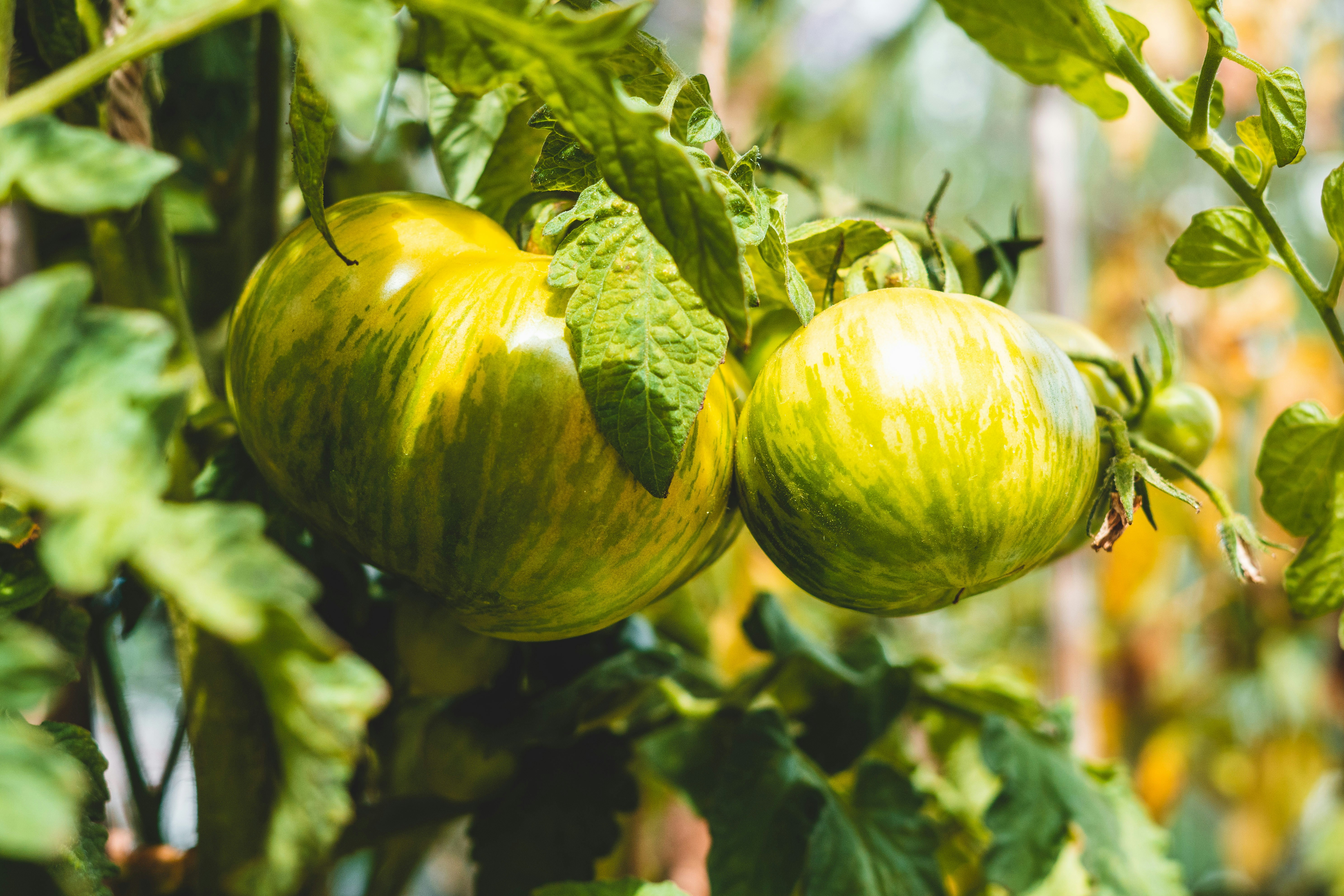
Green Zebra responds well to consistent care but is sensitive to uneven watering and heat. Start seeds indoors 6–8 weeks before the last frost date. Sow seeds ¼ inch deep in a sterile seed-starting mix, keep the medium at 70–75°F, and provide 14–16 hours of bright light once seedlings emerge. Harden off seedlings gradually over 7–10 days before transplanting after all frost danger has passed and soil temperatures reach at least 60°F. Space transplants deeply, burying the stem up to the first set of true leaves to encourage a strong root system.
Light, Soil, and Spacing for Green Zebra Tomato Plants
Full sun (6–8 hours daily) and good airflow are essential. Well-drained, loamy soil with a pH between 6.0 and 6.8 prevents root stress. Before planting, amend with 2–3 inches of aged compost. Space plants 24–36 inches apart in rows 4–5 feet apart. Raised beds are effective because they warm faster and drain better, which is especially helpful in cooler or wetter climates.
Support and Pruning for an Indeterminate Green Zebra Tomato
Install stakes, cages, or trellises at planting time to avoid root disturbance. For single-stake support, use 6–8 foot wooden or metal stakes and tie the main stem loosely every 12 inches. For cages, choose heavy-duty wire cages at least 18 inches in diameter and 5 feet tall. Prune by removing only lower suckers below the first flower cluster to improve airflow. Upper leaves should remain intact to shade fruit and prevent sunscald. Do not top the plant until about 4 weeks before the first expected frost to direct energy into ripening existing fruit.
Watering and Fertilizing Green Zebra Tomatoes Without Triggering Problems
Water consistently: 1–2 inches per week, keeping soil evenly moist but not waterlogged. Inconsistent watering is the primary cause of blossom end rot, fruit cracking, and poor flavor. Use drip irrigation or soaker hoses to deliver water directly to the root zone. Apply 2–3 inches of organic mulch such as straw or shredded leaves around each plant. Use a balanced fertilizer (5-5-5 or 10-10-10) at planting time, then side-dress every 3–4 weeks with a low-nitrogen fertilizer once flowers appear. Avoid high nitrogen, which promotes leafy growth at the expense of fruit. For organic growers, compost tea or fish emulsion works well as a low-nitrogen alternative.
Growing Green Zebra Tomatoes in Containers or Self-Watering Planters
Use at least a 5–10 gallon container with drainage holes for each plant. Self-watering planters help maintain consistent moisture but can oversaturate roots if not monitored. Use a high-quality potting mix amended with compost, not garden soil. Provide a sturdy cage or stake at planting time. Place containers in full morning sun with some afternoon shade during heat waves. Container-grown plants may need daily watering and benefit from dilute liquid fertilizer every two weeks. Because soil in containers warms faster, these plants can be set out a week earlier than in-ground plants in cool climates.
When to Pick Green Zebra Tomatoes
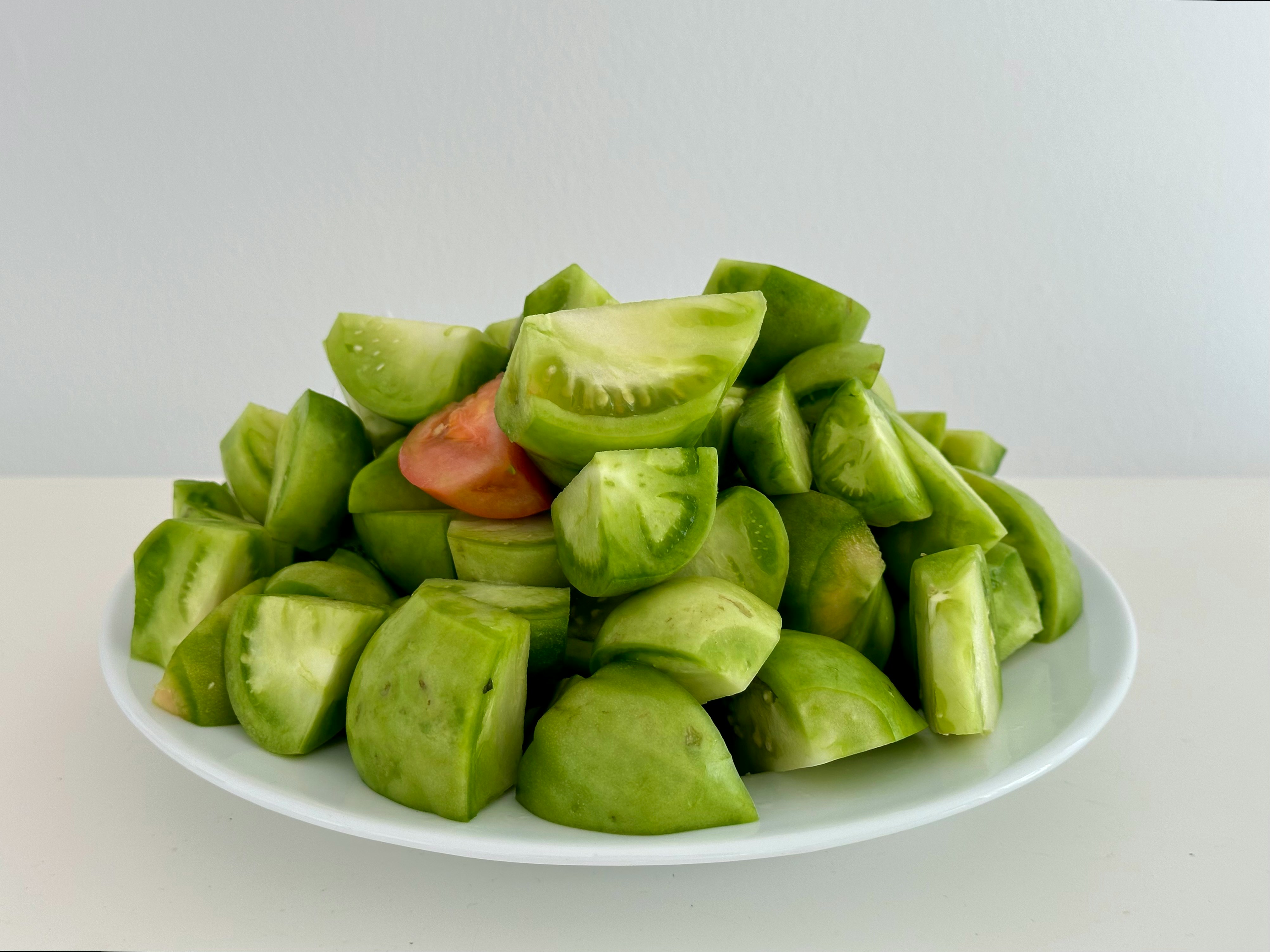
Harvest timing is the most common confusion for new growers. Use color, feel, and timing together to determine ripeness. Begin checking fruit about 75 days after transplanting.
How to Tell When Green Zebra Tomatoes Are Ripe
Look for yellow-green or golden-green base color with darker stripes still visible. The fruit should have a slight give when gently squeezed, like a ripe peach. Rock-hard fruit is underripe; mushy fruit is overripe. If unsure, taste-test: ripe Green Zebra has a balanced sweet-tart flavor, while underripe fruit is harsh and sour. Another clue is the aroma: ripe fruit has a mild, earthy tomato scent near the stem.
Should You Pick Green Zebra Tomatoes Early or Let Them Ripen on the Vine?
If weather is stable and fruit is not splitting or showing pest damage, leave on the vine for best flavor. If rain, birds, cracking, or pests become an issue, pick close-to-ripe fruit and finish indoors on the kitchen counter. Place fruit stem-side down in a single layer at room temperature and check daily. Placing them in a paper bag with a banana can speed up ripening if needed. Refrigeration below 50°F stops ripening and damages flavor, so only refrigerate fully ripe fruit you cannot use within a few days.
Best Uses for Green Zebra Tomatoes
Best fresh in salads, salsas, sandwiches, and platters for color contrast and bright flavor. Their firm texture makes them excellent for slicing. They also work well in cold soups like gazpacho. For canning, verify safe tested recipes from extension services; acidity of green-when-ripe tomatoes may differ from standard red tomatoes. They can also be roasted or grilled, which mellows the acidity and concentrates sweetness.
Green Zebra Tomato Problems: What the Symptoms Usually Mean
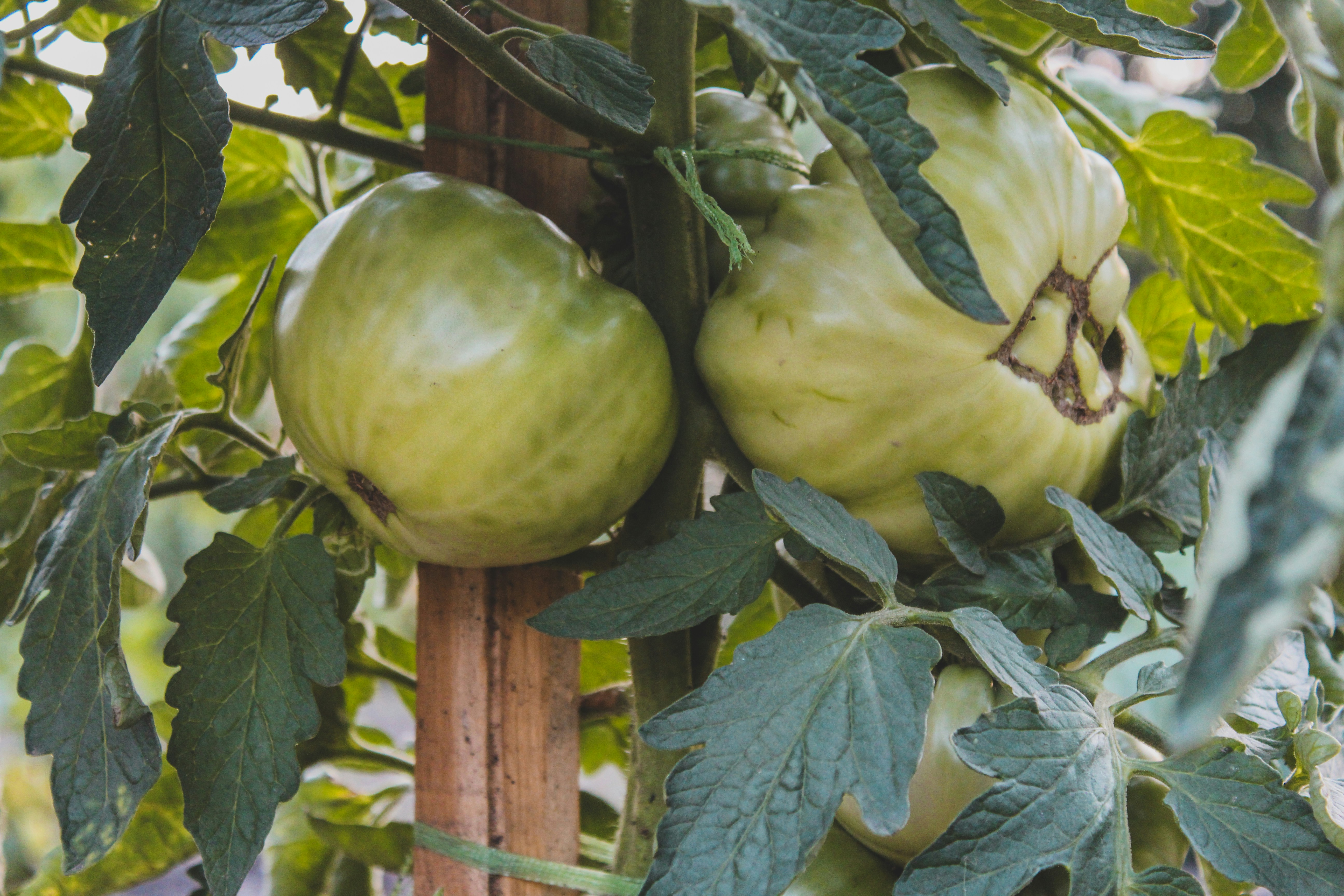
Blossom End Rot on Green Zebra Tomatoes
Blossom end rot appears as a dark, sunken, leathery spot on the bottom of the fruit. It is caused by inconsistent watering that disrupts calcium uptake, not low calcium in the soil. Removing affected fruit is recommended, as it will not heal. Prevent by maintaining steady soil moisture with mulch and drip irrigation, avoiding high-nitrogen fertilizer, and ensuring soil pH is 6.0–6.8. Foliar calcium sprays are not effective and should not be relied upon; fixing watering habits is the only reliable cure.
Why Green Zebra Tomatoes Split, Rot, or Develop Tough Skin
Splitting occurs when heavy rain or excessive irrigation follows a dry period. The fruit absorbs water faster than the skin can expand. Prevent by keeping soil moisture even with consistent watering and mulch. Rot can result from wet foliage or fruit contact with soil; use stakes or cages to keep fruit off the ground and prune lower leaves to improve air circulation. Tough skin results from heat, dryness, or fruit left too long on the vine; pick a bit earlier and water consistently. Mulching also helps maintain more uniform soil moisture.
Heat Stress, Blossom Drop, and Fruit That Stays Green
Temperatures above 90°F during the day or above 75°F at night cause blossom drop and slow ripening. Provide afternoon shade using shade cloth (30–40% light reduction) or by planting on the east side of taller crops like corn or sunflowers. Mulch deeply to cool the root zone. Keep leaves on the plant for natural shading. Normal flowering and fruit set resume when temperatures drop below 90°F. In extreme heat, you can also mist the plants lightly in the early morning to lower leaf temperature through evaporative cooling.
Why Green Zebra Plants Look Healthy but Produce Poorly
Possible causes include excess nitrogen, too little sun (less than 6 hours daily), poor pollination, heat stress, an undersized container, inconsistent soil moisture, or plant immaturity. Use a balanced fertilizer after flowering begins, ensure full sun, hand-pollinate by shaking the plant or using an electric toothbrush on flowers, and move containers if needed. Yields vary by climate; even healthy plants may produce less in their first month. Be patient: once established, Green Zebra often produces heavily through late summer and early fall.
Conclusion
Green Zebra rewards consistent care with tangy, striped fruit that adds visual appeal and bright flavor. Focus on steady watering, early installation of strong support, and careful attention to ripeness cues rather than waiting for red color. Manage heat stress with shade and mulch. With proper attention, a single plant can produce dozens of fruits from midsummer until frost. The unique appearance and balanced flavor make it a worthwhile addition to any garden.
FAQ
Are Green Zebra tomatoes determinate or indeterminate?
Green Zebra is generally indeterminate, continuing to grow and produce until frost. It needs strong support such as stakes, cages, or trellises, and benefits from pruning to manage growth and improve airflow. In short-season climates, you may need to top the plant about 4 weeks before the first frost to encourage existing fruit to ripen.
How big does a Green Zebra tomato plant get?
As an indeterminate vine, it can reach 5–7 feet tall with good care, possibly taller in ideal conditions. Height depends on the support system, pruning, and climate. In mild climates with no frost, plants can exceed 8 feet and continue producing for months.
How do you know when Green Zebra tomatoes are ripe?
Look for yellow-green or golden-green base color, visible darker stripes, and slight give when squeezed gently. Rock-hard fruit is not ready. Taste-test for confirmation: ripe Green Zebra has a balanced sweet-tart flavor, while underripe fruit is harsh and sour.
Why are my Green Zebra tomatoes getting blossom end rot?
Blossom end rot is caused by inconsistent watering that disrupts calcium transport to the fruit, not by calcium deficiency. Water deeply and regularly, apply mulch, and avoid high-nitrogen fertilizer. Affected fruit will not heal and should be removed, but new fruit will develop normally once watering is corrected.
Sources
- University of California Master Gardener Program. (2023). Tomato Growing Guidelines.
- Missouri Botanical Garden. (2022). Tomato: Solanum lycopersicum ‘Green Zebra’.
- Penn State Extension. (2023). Blossom End Rot of Tomato.
- Clemson Cooperative Extension. (2023). Growing Tomatoes in the Home Garden.
- North Carolina State Extension. (2023). Tomatoes: From Seedling to Harvest.
- Baker Creek Heirloom Seeds. (2023). Green Zebra Tomato Variety Description.
- Oregon State University Extension Service. (2023). Preventing Tomato Problems.
You Might Also Like