German Johnson Tomato: How to Grow This Southern Heirloom Slicer
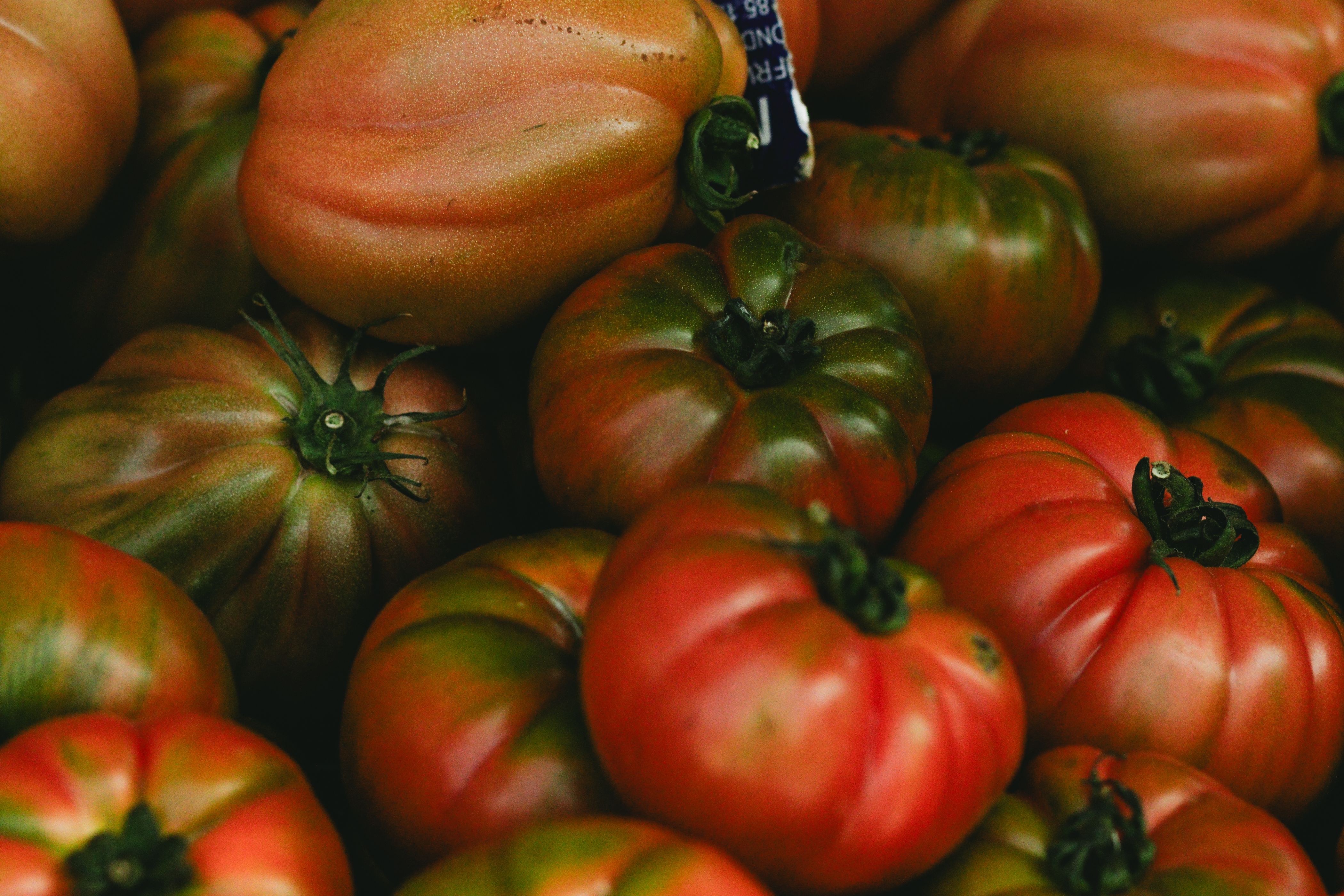
The German Johnson tomato is a Southern heirloom beefsteak prized for its large pink fruit, mild rich flavor, and reliable performance in warm climates. This guide covers everything you need to grow German Johnson tomatoes—from seed starting and staking to troubleshooting yellow leaves and saving seeds. Whether you are a first-time heirloom grower or a seasoned gardener looking to expand your harvest, this variety offers a rewarding balance of productivity, flavor, and adaptability. Its roots trace back to the Appalachian region, where it became a garden staple for its ability to produce heavy yields despite hot, humid summers.
Key Takeaways
- Large pink slicer with mild flavor – Low-acid, sweet taste and tender texture ideal for sandwiches.
- Sturdy support and consistent watering are critical – Use strong staking and deep watering to prevent cracking and blossom end rot.
- Container growing is possible but limiting – Larger containers (10–15 gallons) yield better results than a 5-gallon bucket.
- Yellow leaves require symptom-based diagnosis – Steady watering, airflow, and pruning lower leaves are the best prevention.
- Open-pollinated heirloom allows reliable seed saving – Use fermentation cleaning and thorough drying to keep seeds viable for 3–5 years.
German Johnson Tomato Variety Facts
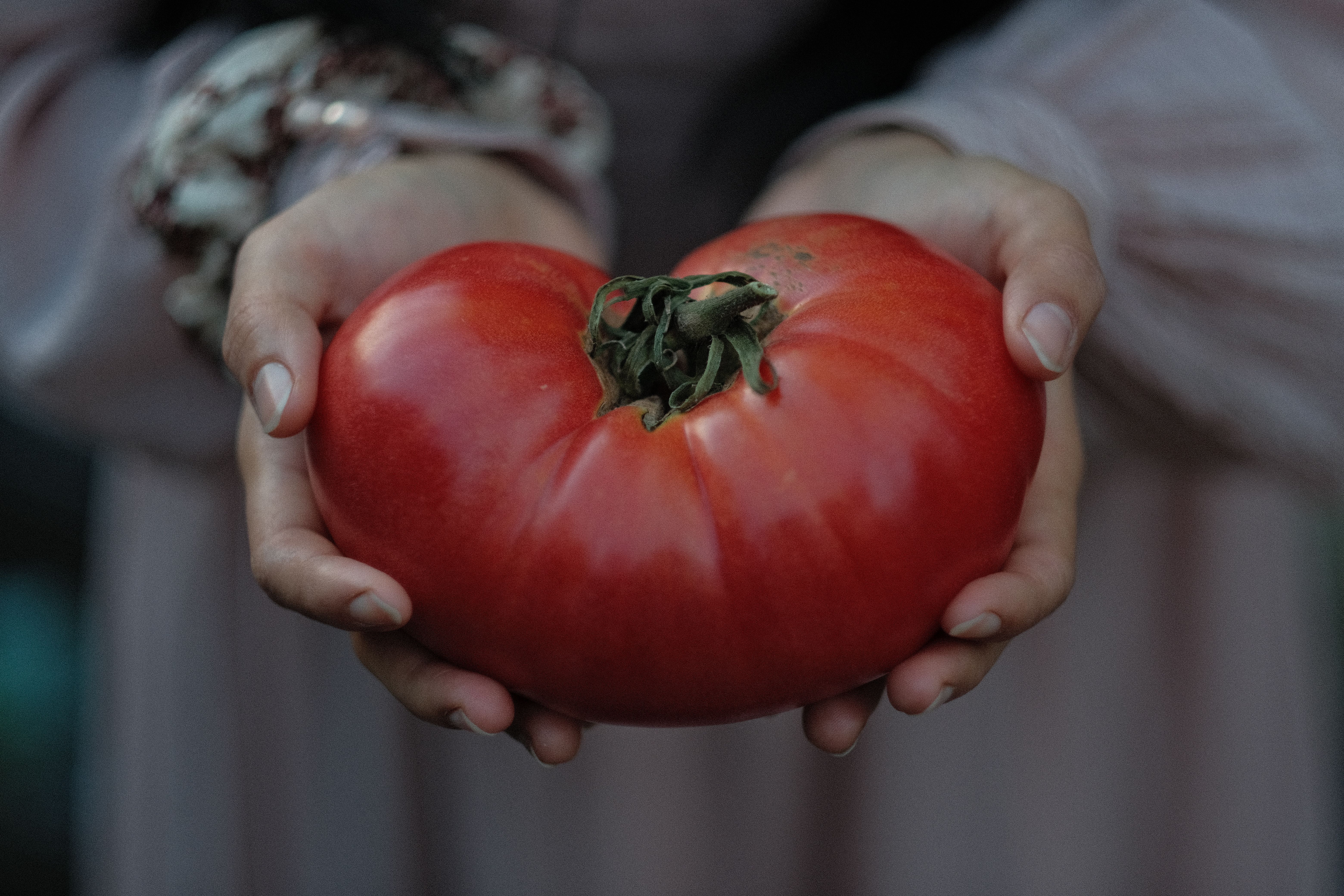
German Johnson is an indeterminate heirloom beefsteak with large, pink fruit and mild flavor. It needs strong support from the start and is best for fresh slicing. While the exact origin is debated, it is often linked to the famous Mortgage Lifter tomato but stands on its own as a productive, flavorful heirloom. Some sources suggest it was developed in West Virginia or Tennessee, and it has been passed down through generations of gardeners. Its robust growth habit makes it especially well-suited to Southern gardens, though it performs admirably in any region with a long, warm growing season. The plant is vigorous and can easily reach 6–8 feet tall, requiring consistent attention to watering and nutrition to avoid common beefsteak issues.
What German Johnson Tomatoes Taste Like
The flavor is mild and rich, low-acid, and sweet. The flesh is meaty and juicy but softer than modern hybrids, ideal for sandwiches. Some gardeners prefer its gentle sweetness over more complex heirlooms like Brandywine, which can be more tart or earthy. On a BLT or a simple tomato sandwich with mayonnaise and salt, German Johnson shines because its flavor doesn’t overpower—it complements. The texture is tender but not mushy, with few seeds and a high flesh-to-jelly ratio. If you enjoy tomatoes that taste like a classic garden tomato without sharp acidity, this variety is a perfect choice.
German Johnson Tomato Size, Color, and Days to Maturity
| Trait | German Johnson tomato details |
|---|---|
| Type | Indeterminate heirloom beefsteak / slicer |
| Days to maturity | 80–85 days from transplant |
| Fruit color | Pink to red-pink; may show yellow shoulders |
| Fruit size | 10–16 ounces, can be larger |
| Plant habit | Tall vine; needs staking or caging |
| Best use | Sandwiches, slicing, fresh eating |
| Watch-outs | Heavy vines, cracking, blossom end rot, soft fruit |
| Seed saving | Open-pollinated; seed saving possible with care |
The “indeterminate” label means the vine keeps growing all season, setting fruit clusters along the stem until frost kills the plant. Yellow shoulders are a genetic trait, not disease—they indicate high sugar content and ripeness, so don’t wait for them to turn fully pink before harvesting. The fruit size can vary depending on watering consistency and pruning; regular side-shoot removal can channel energy into fewer but larger fruits.
German Johnson vs. Mortgage Lifter
These two heirlooms are often compared. While similar, German Johnson is often more productive and heat-tolerant than Brandywine, and slightly earlier than Mortgage Lifter. Mortgage Lifter, known for its huge fruit (often 1–2 pounds), has a more complex, sweet-tangy flavor but can be slower to mature. German Johnson is more reliable in hot, humid conditions and tends to set fruit more consistently throughout the season. If you have space, try both in the same season—you’ll get a good comparison of flavor and productivity. For gardeners in short-season climates, German Johnson’s earlier maturity (80–85 days vs. 85–95 for Mortgage Lifter) gives it an edge.
How to Plant German Johnson Tomatoes
When to Start Seeds and Transplant
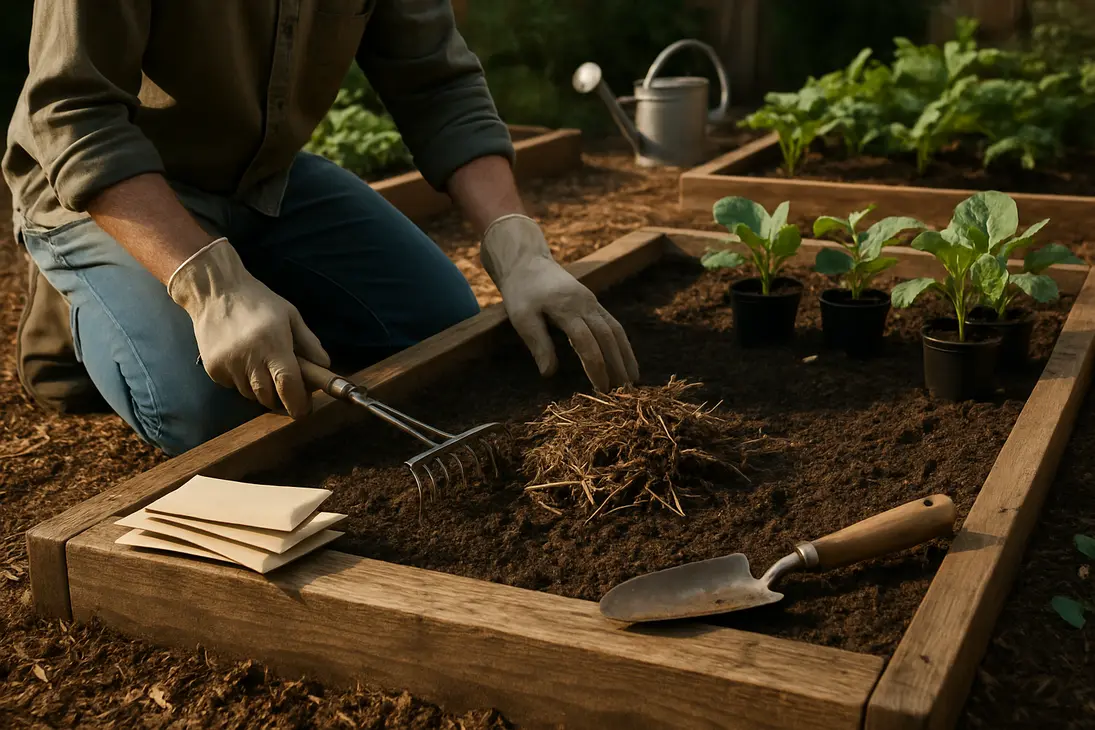
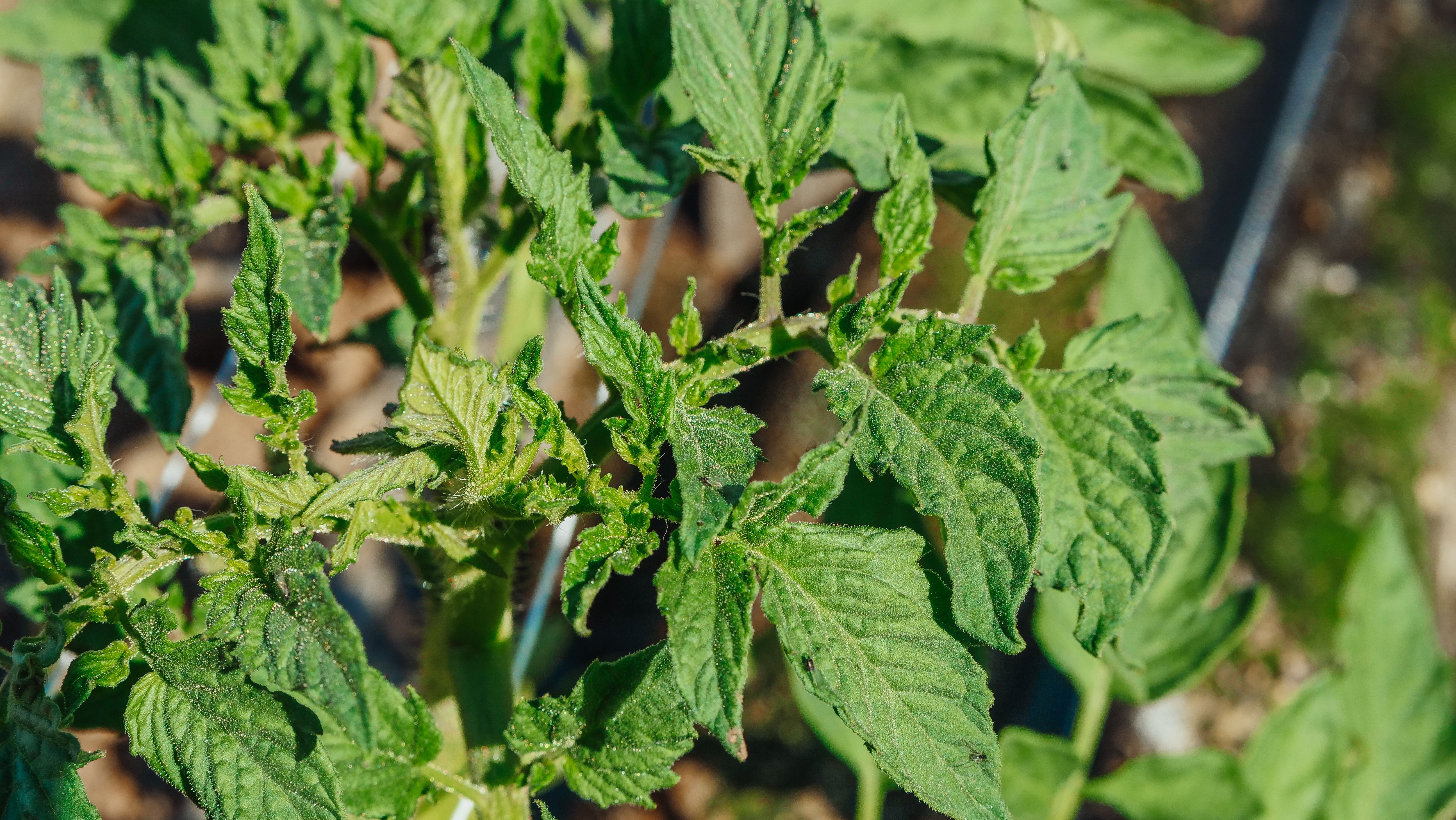
Start seeds indoors 6–8 weeks before last frost. Use a strong grow light kept 2–3 inches above the seedlings for 14–16 hours a day to prevent leggy growth. Use a sterile seed-starting mix and keep the soil consistently moist but not waterlogged. Harden off seedlings over a week by gradually exposing them to outdoor conditions—start with a few hours of shade, then increase sun and wind exposure daily. Transplant after all danger of frost has passed and when soil temperature is at least 60°F (use a soil thermometer). Bury the stem up to the first true leaves; this encourages root development along the buried stem, creating a stronger plant.
Sun, Spacing, and Staking
Full sun (6–8 hours) is essential for maximum fruit production and flavor. Space plants 24–36 inches apart in rows 3–4 feet apart to allow good air circulation. Install strong support at planting time: a 6-foot stake driven 18 inches into the ground, a heavy-duty tomato cage (the flimsy store-bought ones won’t hold up to a mature German Johnson), or a Florida weave using twine and posts. Tall indeterminate vines need sturdy support from day one because once they start producing heavy fruit, weak supports may collapse. Prune suckers below the first flower cluster to encourage a strong central leader if using a single stake.
Can You Grow German Johnson Tomatoes in a Bucket?
Yes, but with limitations. A 5-gallon bucket is the bare minimum; 10–15 gallons works better for root volume. Use a pot with drainage holes and fill with high-quality potting mix, not garden soil. Water daily in hot weather because containers dry out much faster than in-ground beds. Still use support—a stake or cage placed in the bucket. For best results, plant in the ground or a raised bed where roots can spread freely and soil moisture is more stable. Container-grown German Johnsons will often produce smaller fruit and require more frequent fertilizing (every two weeks with a balanced liquid fertilizer).
Watering and Fertilizing for Big Fruit
Water deeply at the base, use a soaker hose or drip irrigation to keep foliage dry, and mulch with 2–3 inches of straw or shredded leaves to keep soil moisture steady. Inconsistent watering is the number one cause of blossom end rot and cracking. Water 1–2 inches per week, increasing in hot dry spells. Avoid excess nitrogen, which leads to lush foliage at the expense of fruit. Use a balanced fertilizer (e.g., 5-10-10 or 10-10-10) with higher phosphorus and potassium, and side-dress when first fruit sets by working a tablespoon of fertilizer into the soil around the base of each plant. For organic growers, compost tea or fish emulsion every two weeks works well.
Common Problems With German Johnson Tomatoes
Yellow Leaves on German Johnson Tomato Plants
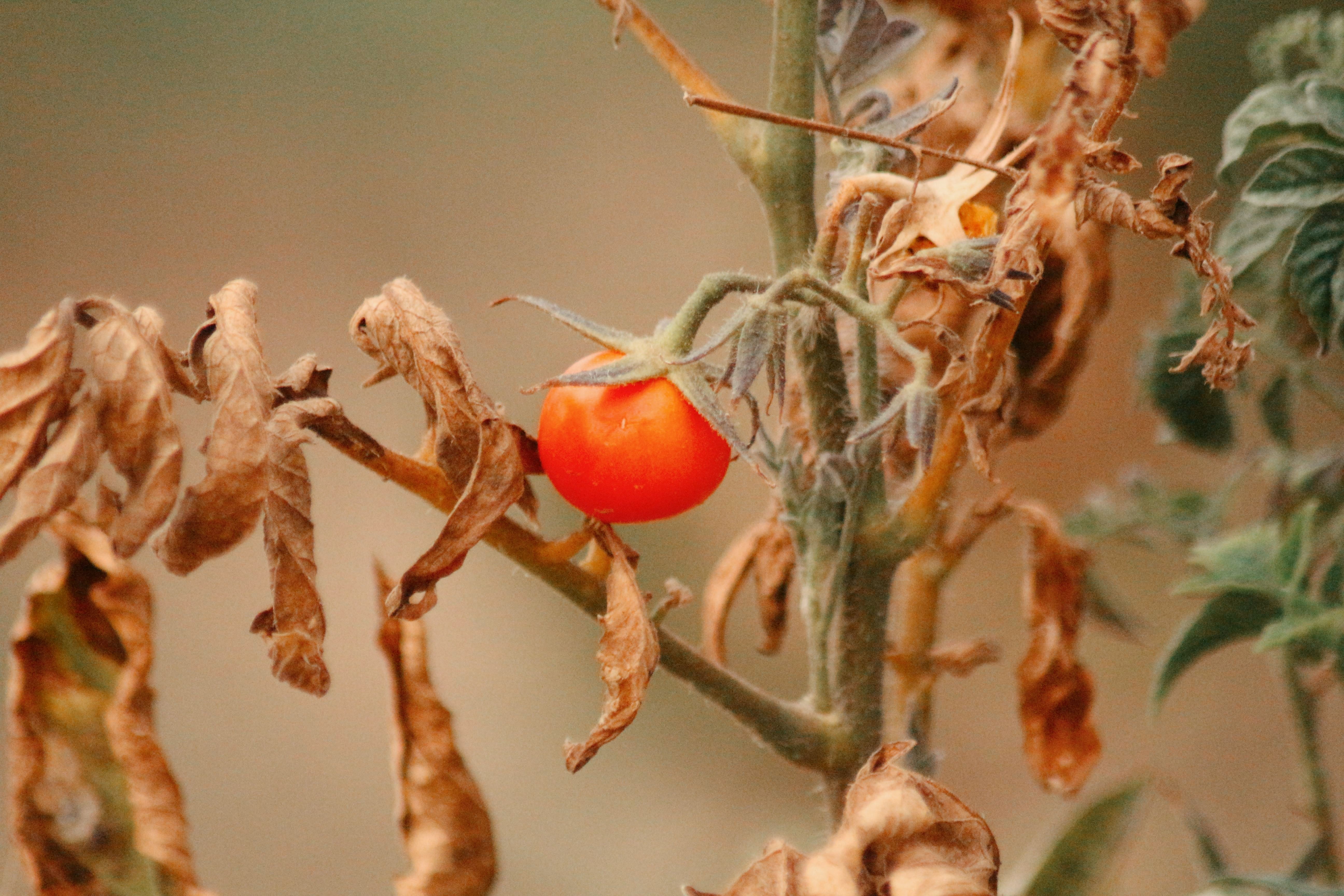
Lower leaf yellowing is normal as plants mature—those older leaves are simply finishing their life cycle. Widespread yellowing may indicate water stress (either too much or too little) or fungal disease such as early blight. Remove affected leaves with clean pruners to improve airflow, and water consistently at the base. If you see dark spots with concentric rings on the yellowing leaves, early blight is likely. Prune lower leaves that touch the soil and avoid wetting foliage. A weekly spray of neem oil or a copper-based fungicide can help if applied at the first sign of disease.
Blossom End Rot on Large Beefsteak Tomatoes
A dark leathery patch on the bottom of the fruit is caused by calcium deficiency resulting from water stress—the plant cannot transport calcium to developing fruit when water supply is uneven. It is not a soil deficiency. Pick off affected fruit to allow the plant to focus on new fruit. Keep soil moisture steady with mulch and deep watering, and avoid high-nitrogen fertilizers that promote rapid leafy growth. Adding crushed eggshells to the planting hole helps long-term calcium availability but won’t fix existing rot.
Cracking, Splitting, and Soft Fruit
Cracking often follows heavy rain after a dry period, when the fruit absorbs water faster than the skin can expand. Mulch and water consistently to avoid huge swings in soil moisture. Pick fruit close to ripe before forecasted heavy storms; they will finish ripening indoors. Soft fruit indicates overripeness—harvest when it yields slightly to gentle pressure. Check plants daily during peak season, as German Johnson fruit can go from perfect to overripe quickly in hot weather.
Disease Pressure in Humid Gardens
Fungal diseases like early blight, septoria leaf spot, and powdery mildew thrive in humidity. Space plants adequately, prune lower leaves to improve air circulation, use drip irrigation instead of overhead watering, and rotate tomatoes and other nightshades (peppers, eggplant, potatoes) to a different bed each year. If disease appears, remove infected leaves immediately and consider a copper-based fungicide after correct identification. For persistent fungal issues, choose a resistant rootstock if grafting, or plant in the sunniest, most well-ventilated spot available.
Harvesting German Johnson Tomatoes and Saving Seeds
When to Pick German Johnson Tomatoes
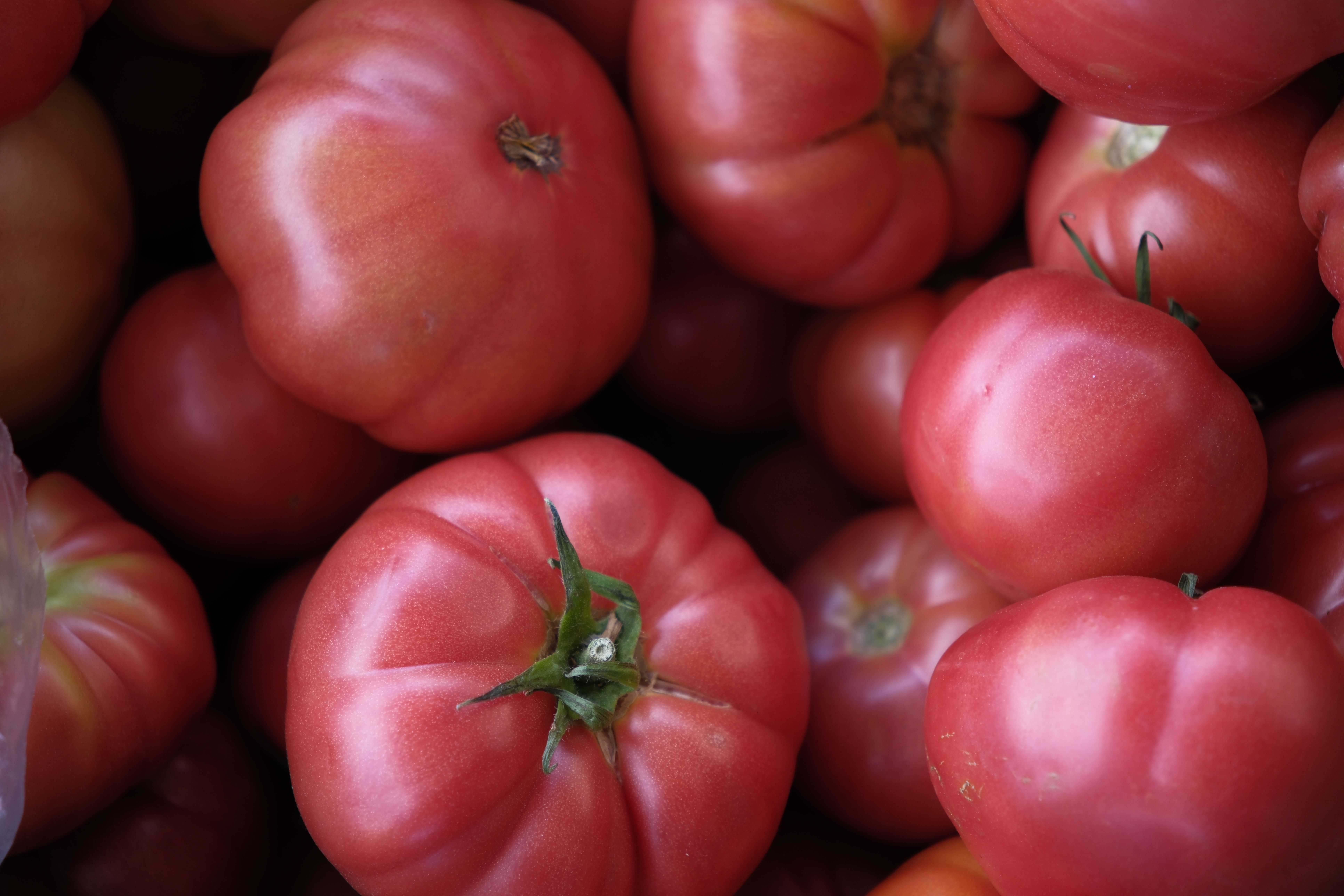
Ripe fruit is pink to red-pink with yellow shoulders; do not wait for shoulders to fully color—if you wait until the shoulders are fully pink, the fruit may be overripe and soft. Squeeze gently—a ripe tomato yields slightly without being mushy. Snip with shears to avoid tearing the stem and damaging the plant. If rain is forecast, pick almost-ripe fruit (showing color but still firm) to finish indoors on a countertop. Refrigeration halts ripening and ruins flavor, so only refrigerate fully ripe fruit you won’t use in a day or two.
Best Ways to Use German Johnson Tomatoes
This is a prime slicing tomato—perfect for sandwiches (BLT, tomato and mayonnaise, caprese), salads with basil and fresh mozzarella, or simple tomato plates with salt, pepper, and olive oil. Use within a few days due to soft texture; these are not dense storage tomatoes. They also make an excellent tomato soup or sauce when cooked down, though they require longer simmering to reduce because of their high water content. For canning whole, choose a firmer variety; German Johnson is better enjoyed fresh or processed into juice or salsa.
How to Save German Johnson Tomato Seeds
German Johnson is open-pollinated, so saved seeds grow true to type if cross-pollination is avoided—separate varieties by at least 10 feet or use blossom bags. Choose a fully ripe (even slightly overripe) fruit from your healthiest plant. Squeeze seeds and gel into a small jar, add an equal volume of water, cover with a coffee filter, and let ferment at room temperature for 2–4 days. A white mold layer on top is normal. Pour off the mold and floating seeds, rinse the viable seeds in a fine strainer, and dry thoroughly on a coffee filter or paper plate for 1–2 weeks. Store in a labeled paper envelope in a cool, dark, dry place. Viability lasts 3–5 years at room temperature, longer if refrigerated with desiccant.
Conclusion
The German Johnson tomato is a classic Southern heirloom that requires attention—consistent watering, sturdy support, and disease vigilance—but rewards with delicious pink slices that taste like a perfect summer afternoon. Whether you are a seasoned heirloom grower or trying your first beefsteak, this reliable variety is worth the space. With proper care, you’ll enjoy a steady harvest of large, sweet fruit that makes every sandwich memorable. Give it the conditions it needs, and it will reward you generously.
FAQ
Are German Johnson tomatoes good?
Yes, excellent for fresh eating with mild rich flavor and low acidity, ideal for sandwiches. They are especially prized by gardeners who find other heirlooms too tart or intense.
How tall does a German Johnson tomato plant get?
6–8 feet or more if supported; a 6-foot stake is sufficient for most gardens, but you may need to tie the vine as it grows. In particularly long seasons, it can reach 10 feet if given a tall trellis.
Are German Johnson tomatoes determinate or indeterminate?
Indeterminate—the vine grows taller and sets fruit all season until frost. Needs strong support and regular pruning to manage height and airflow.
Can I grow German Johnson tomatoes in a bucket?
Yes, but a 5-gallon bucket is the minimum; larger containers (10–15 gallons) work better. Ground or raised beds are best for maximum yield and fruit size.
You Might Also Like