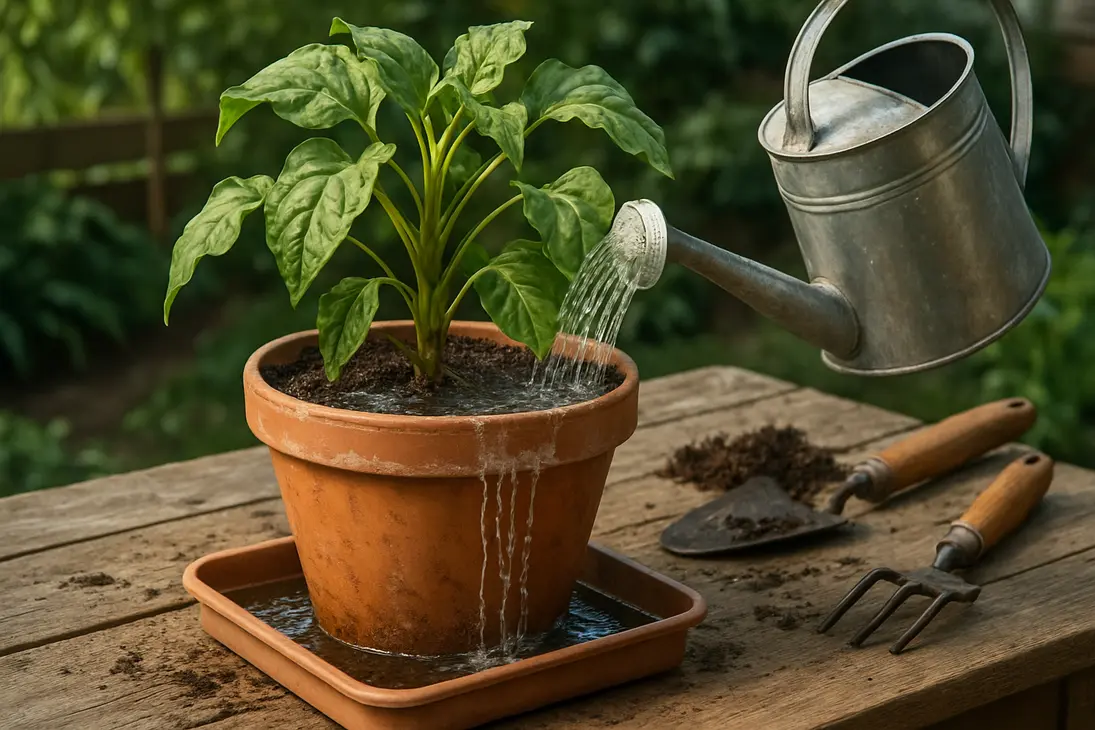
How Does Flushing Soil Benefit Plant Roots?
Flushing soil can rinse excess fertilizer salts from the root zone, helping stressed container plants recover when drainage is good.
· 12 min read
Flushing soil can rinse excess fertilizer salts from the root zone, helping stressed container plants recover when drainage is good.
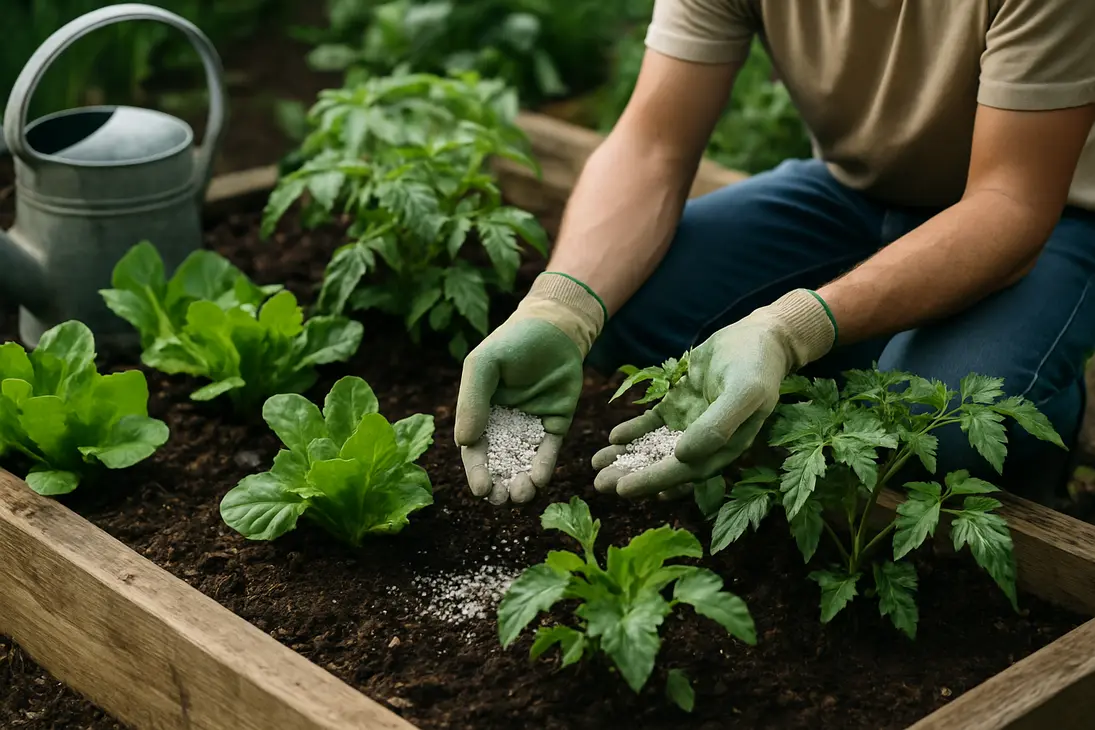
Learn what NPK fertilizer numbers mean, how nitrogen, phosphorus, and potassium affect plants and soil, and how to use them safely.
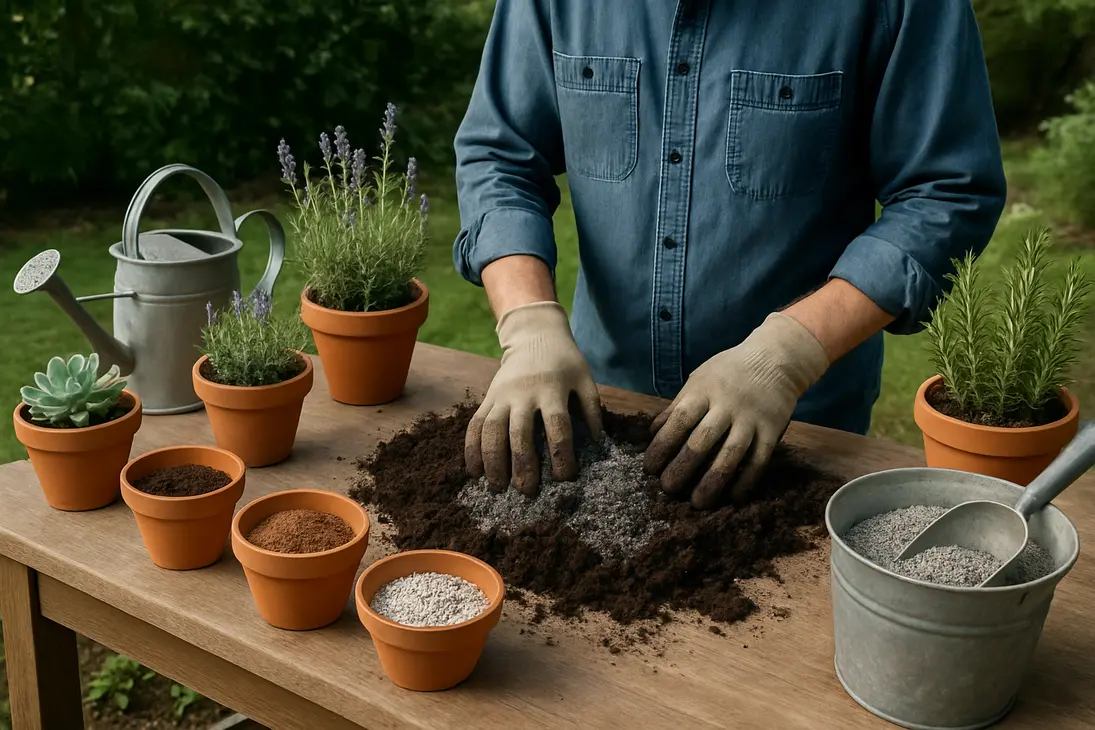
Learn how to use regolith in potting soil, safe starter ratios, what to mix it with, and when to avoid mineral fines for plant growth.
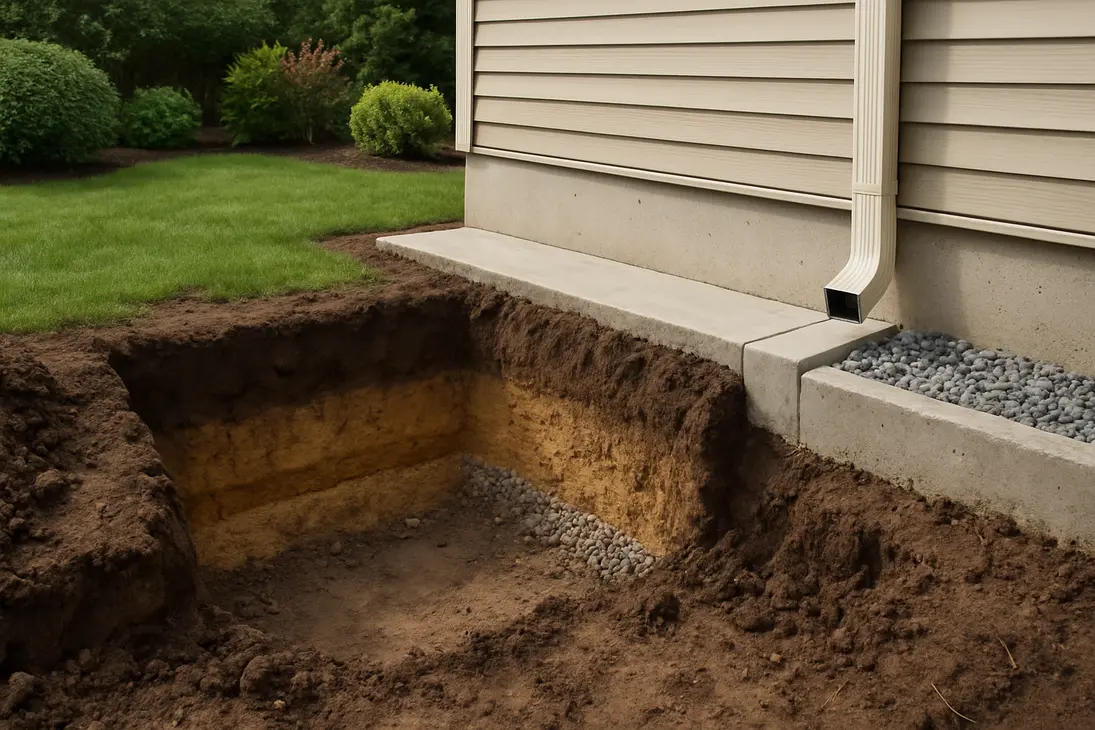
Compare slab, strip, raft, pier, and pile foundations for clay, sand, gravel, peat, fill, and wet soils, with drainage and soil test tips.
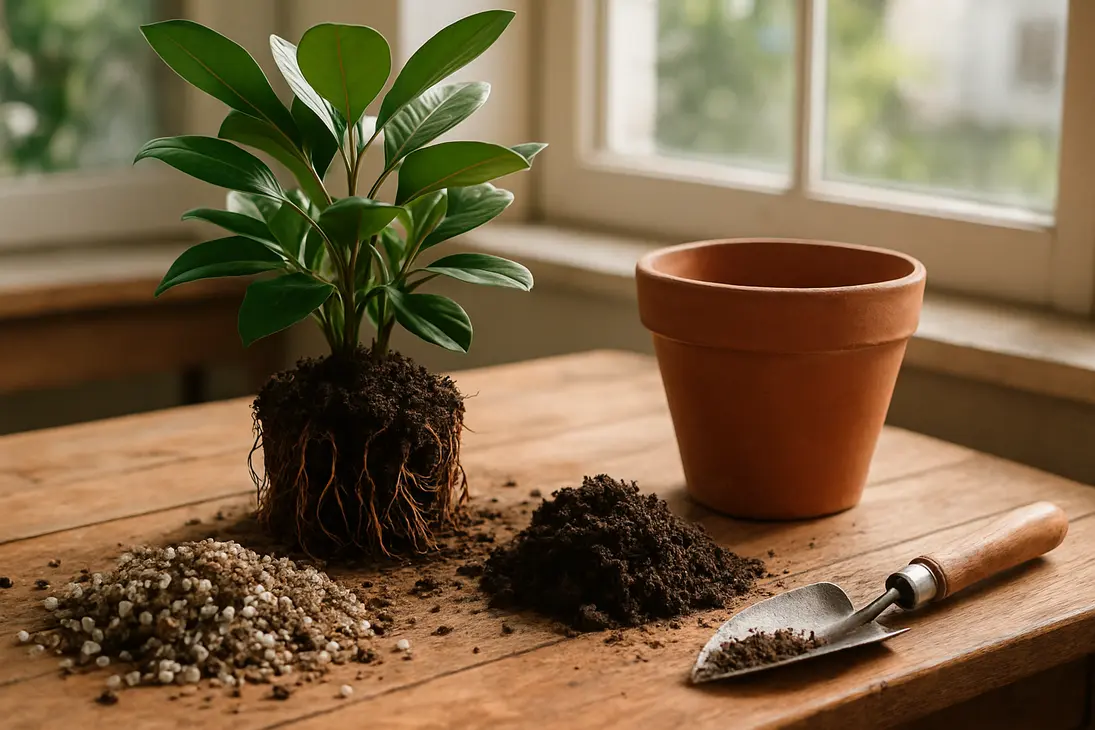
Learn why aeration for potted plants prevents soggy, oxygen-poor roots, plus signs of compacted soil and how to improve drainage.
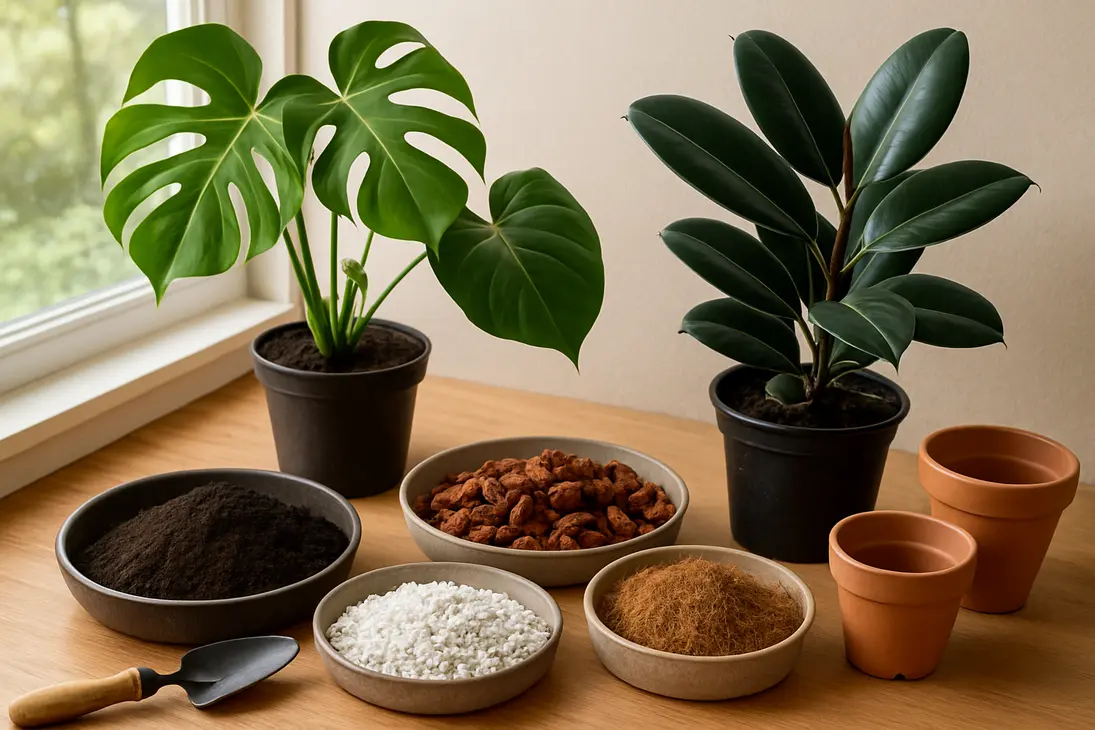
Monstera needs a chunkier aroid mix, while Ficus elastica prefers airy indoor soil that holds steadier moisture. See simple DIY ratios.
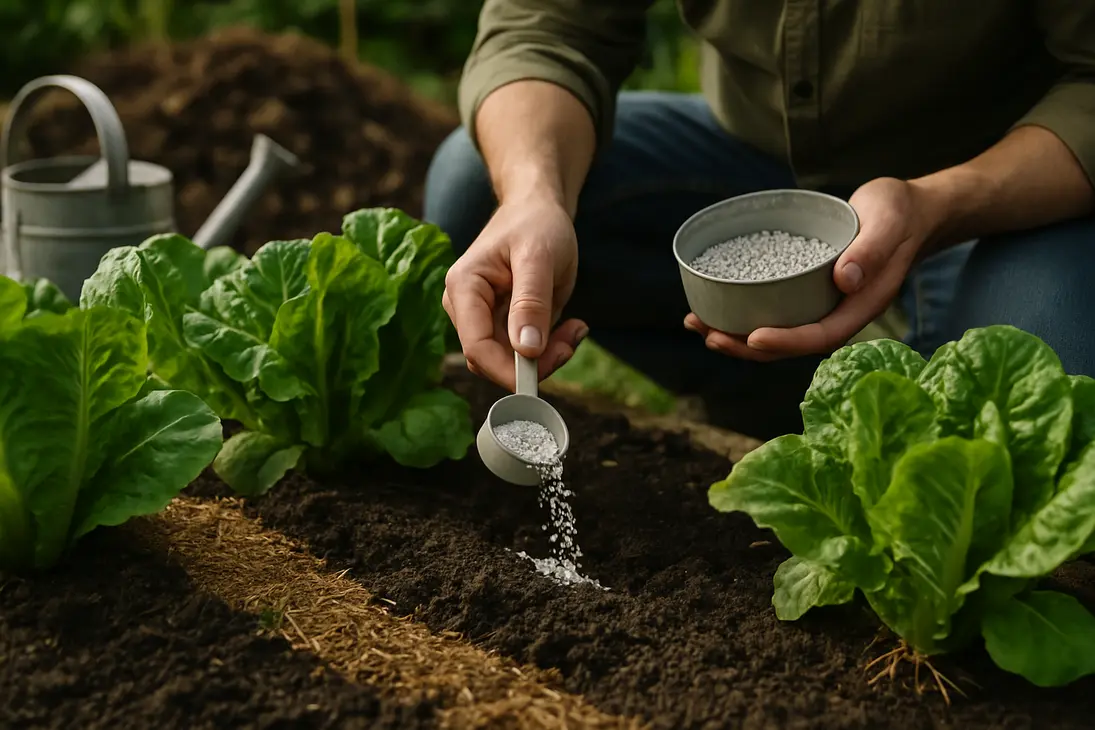
Fertilizers can boost nutrients, but overuse may harm soil biology, pH, roots, and waterways. Learn how to feed plants without damaging soil.
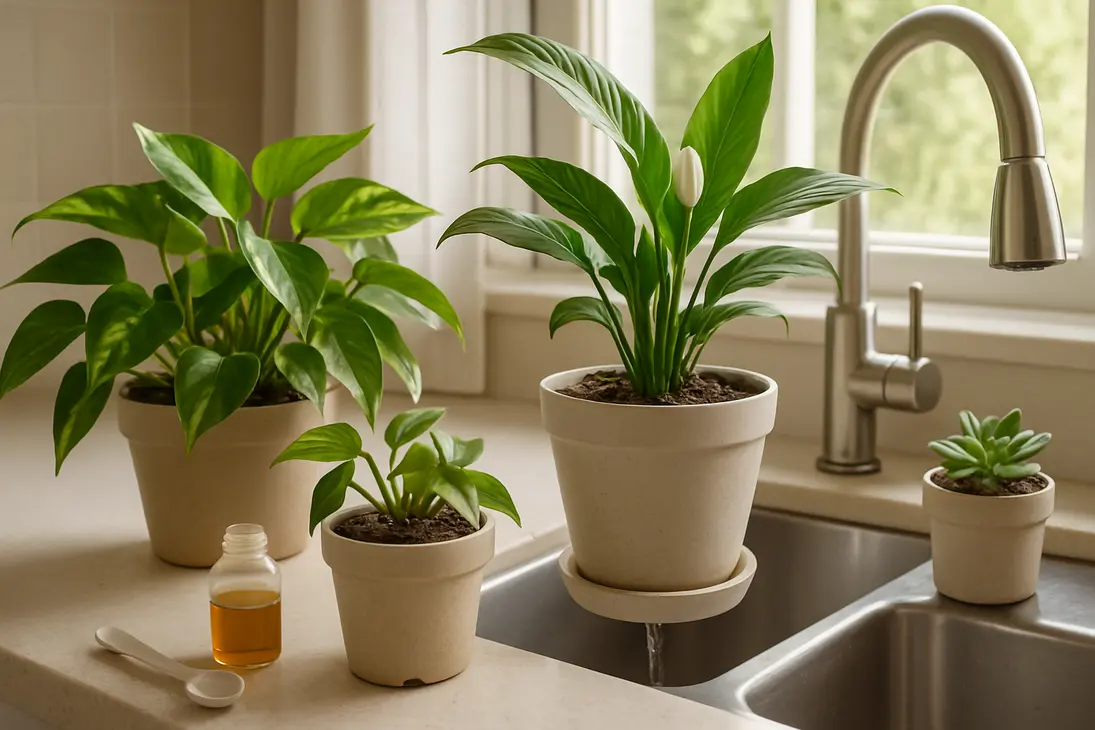
Learn common houseplant fertilizer mistakes, from overfeeding to winter feeding, plus how to flush salts and feed stressed plants safely.
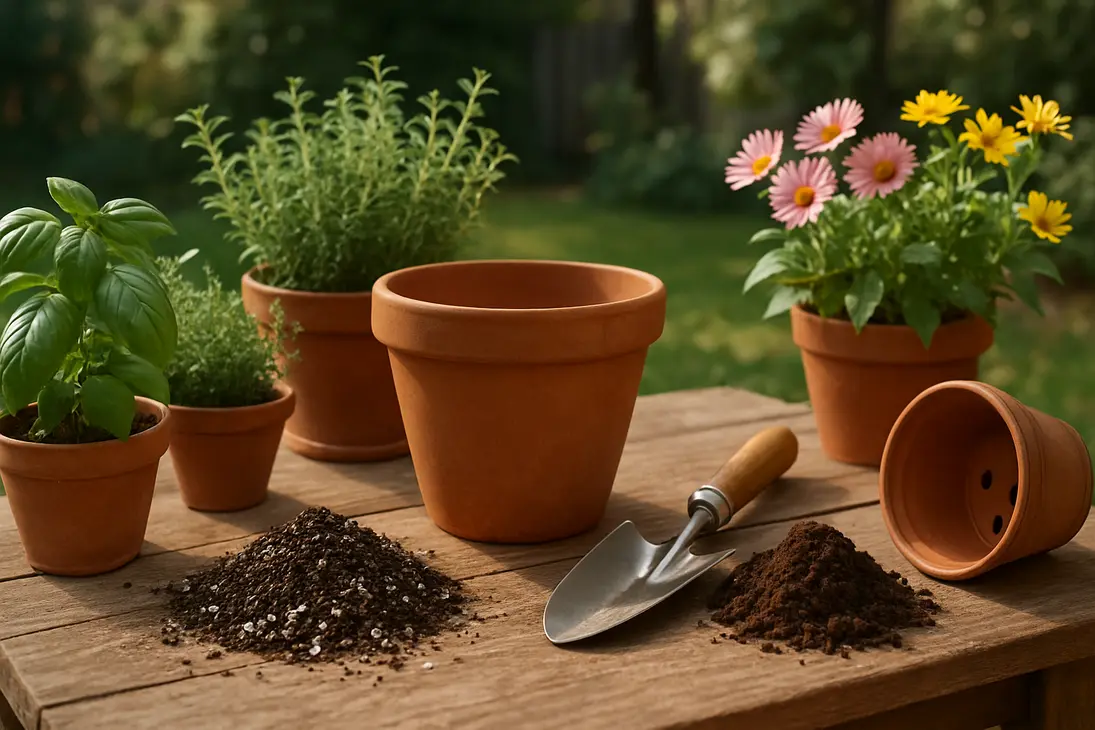
Garden soil can go in pots, but it often compacts and drains poorly. Learn when it may work, when to repot, and what to use instead.
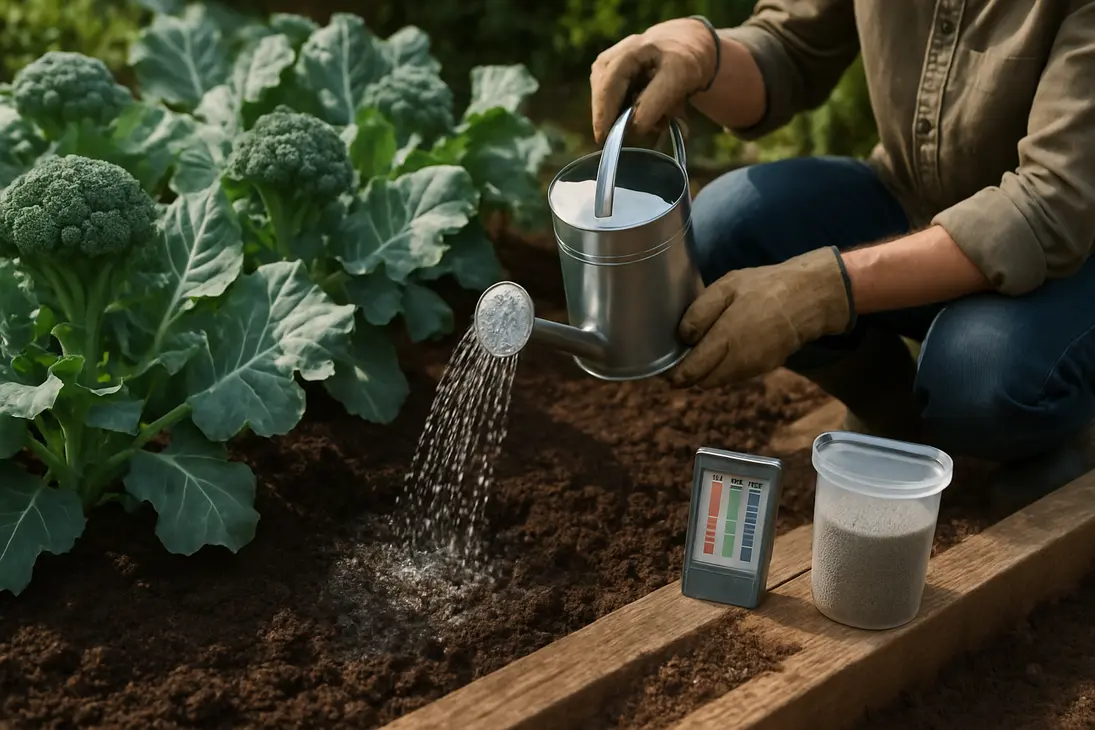
Learn when broccoli soil needs boron, why testing matters, how to apply it evenly, and how to avoid deficiency and toxicity.
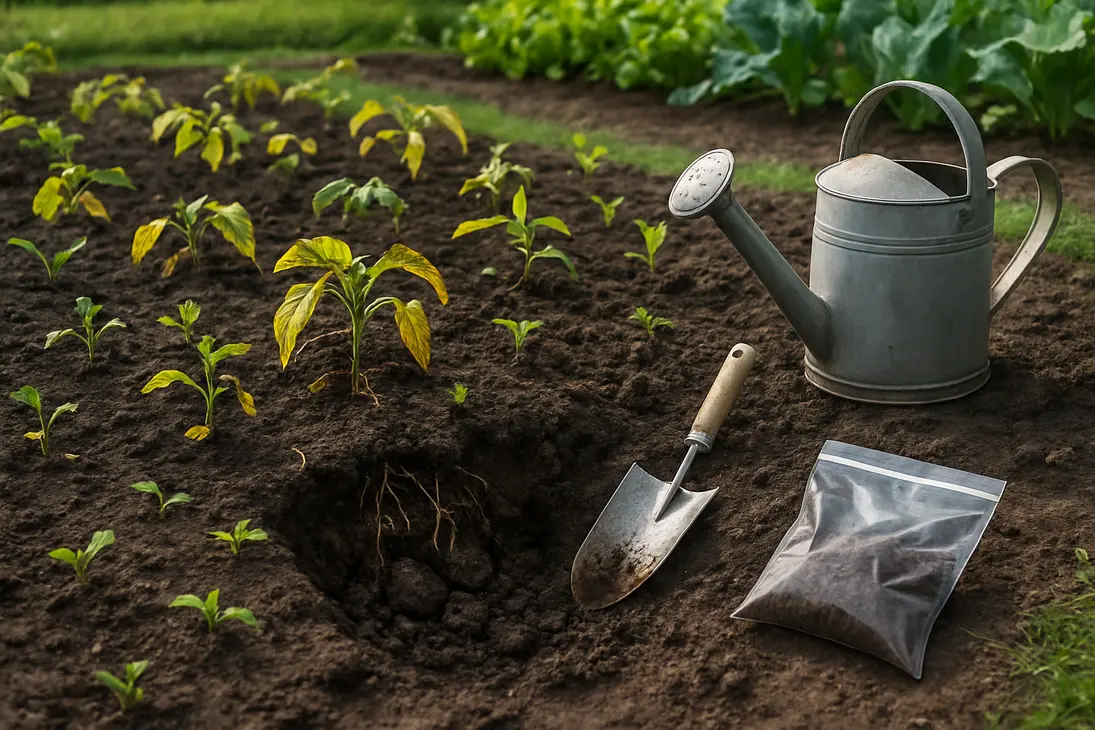
Fertile soil can underperform when compaction, poor drainage, pH, salts, drought, or crop mismatch limits roots. Learn how to diagnose it.
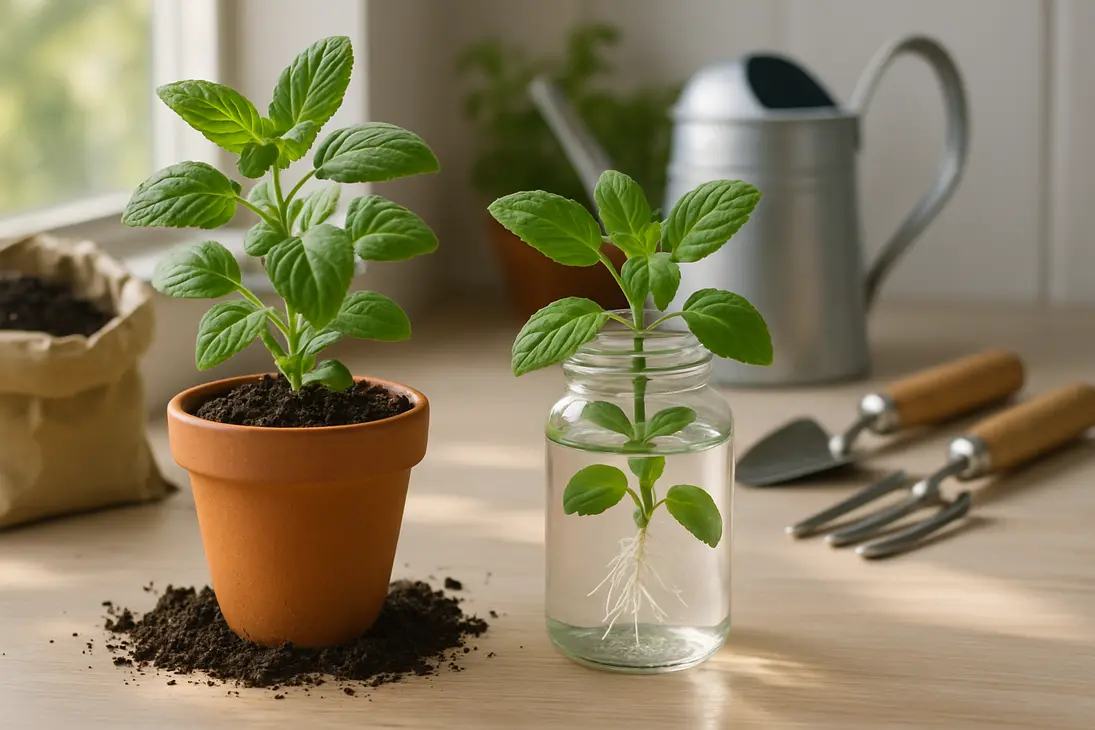
Plants usually grow better in soil or potting mix, while water works long-term only with nutrients, oxygen, support, and clean conditions.
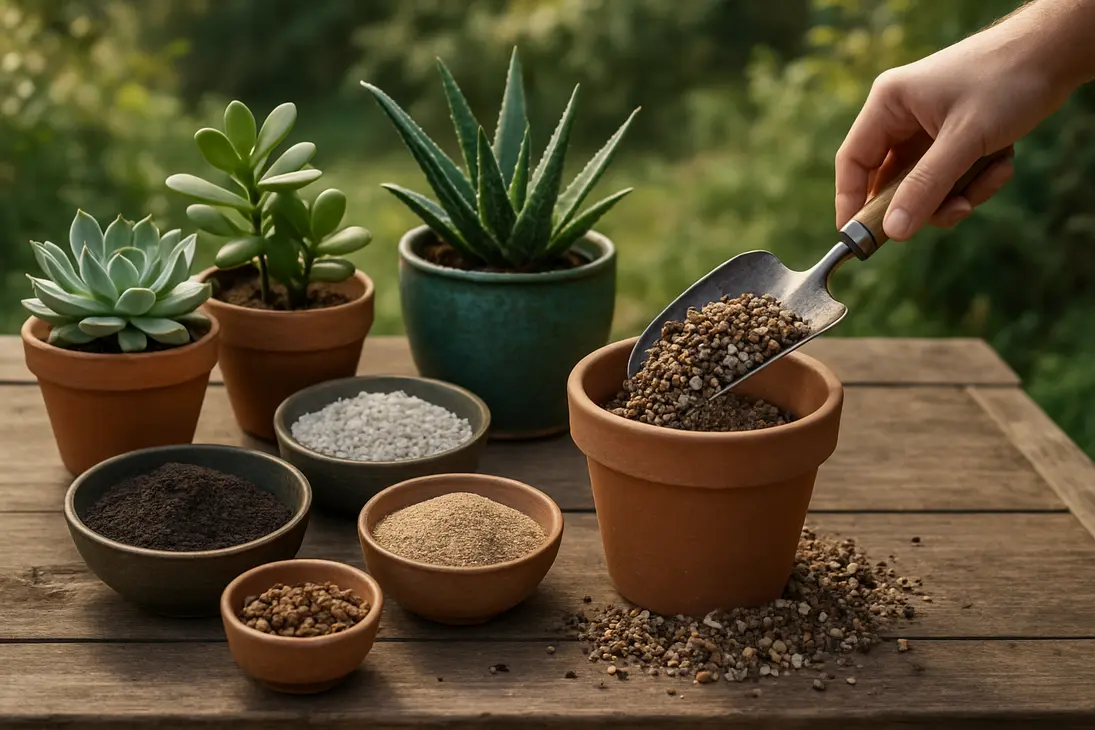
Use a 1:1 potting mix-to-grit ratio for most succulents, or 1:2 for humid, indoor, or rot-prone plants. Learn what to mix and avoid.
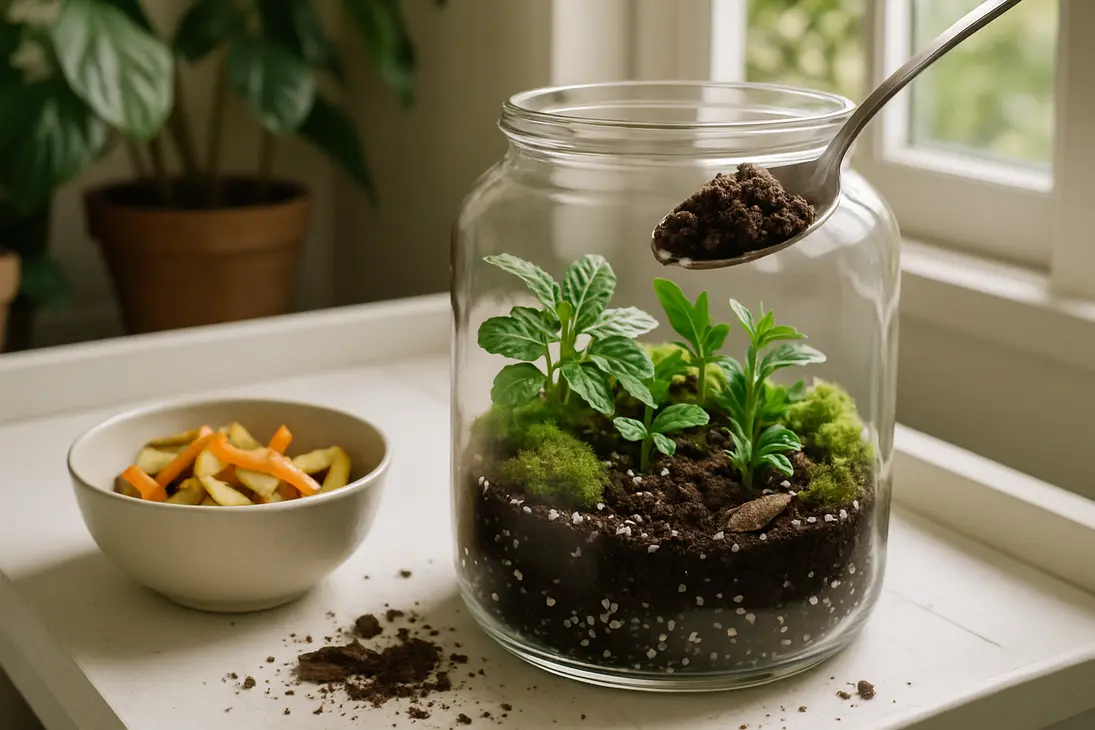
Raw veggie scraps can rot in terrariums. Learn when finished compost or worm castings can safely improve terrarium soil.
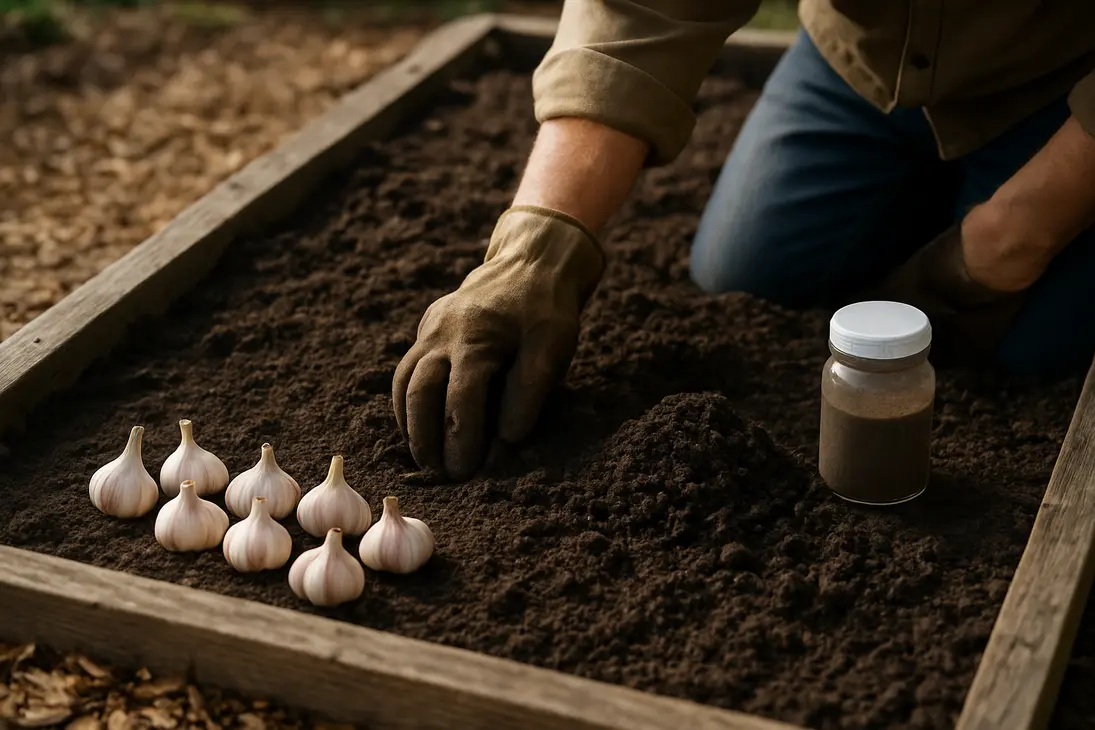
Learn the right pH for garlic, when to lower alkaline soil, and how to use sulfur, compost, drainage, and testing without over-acidifying.
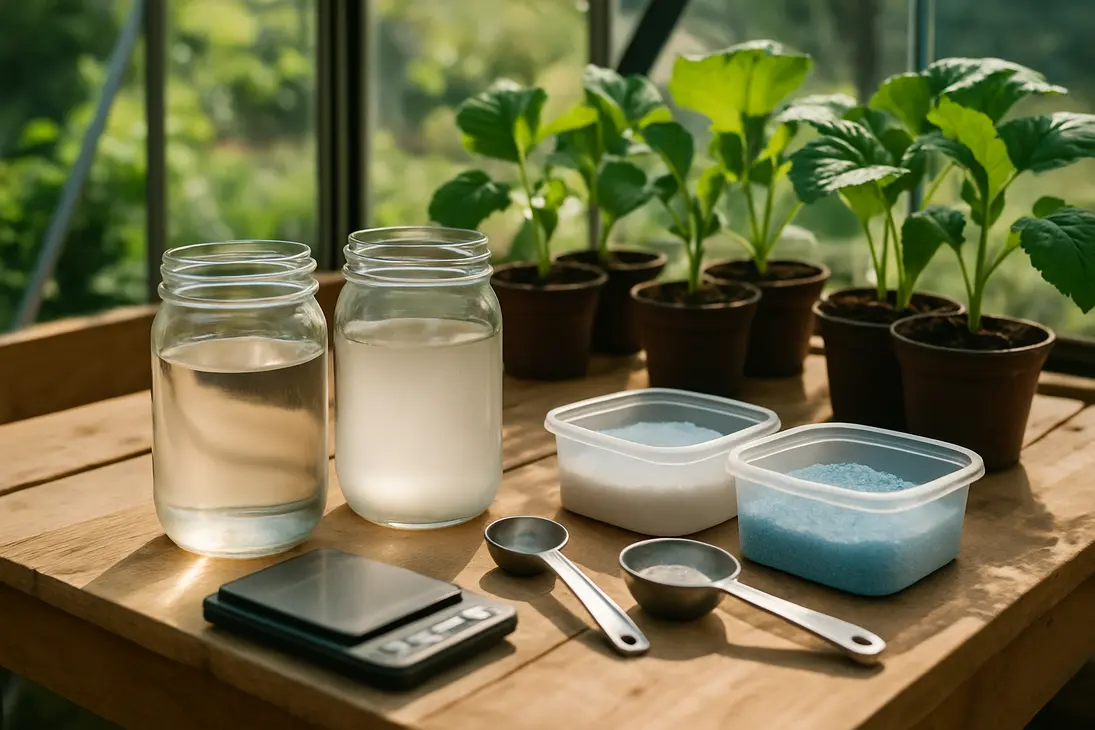
Learn how to mix clear NPK fertilizer by choosing compatible salts, separating calcium stocks, managing pH, and avoiding crystals or sediment.
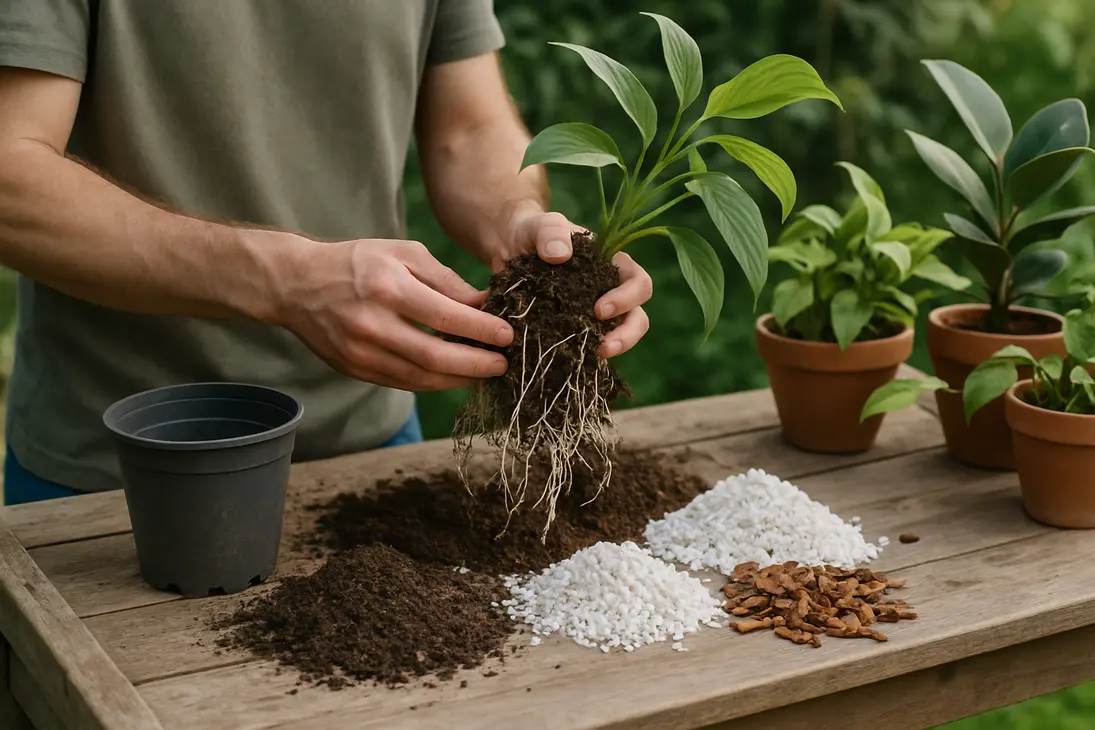
Use airy, well-draining soil with perlite, pumice, or bark to keep roots oxygenated and reduce rot in overwatered plants.
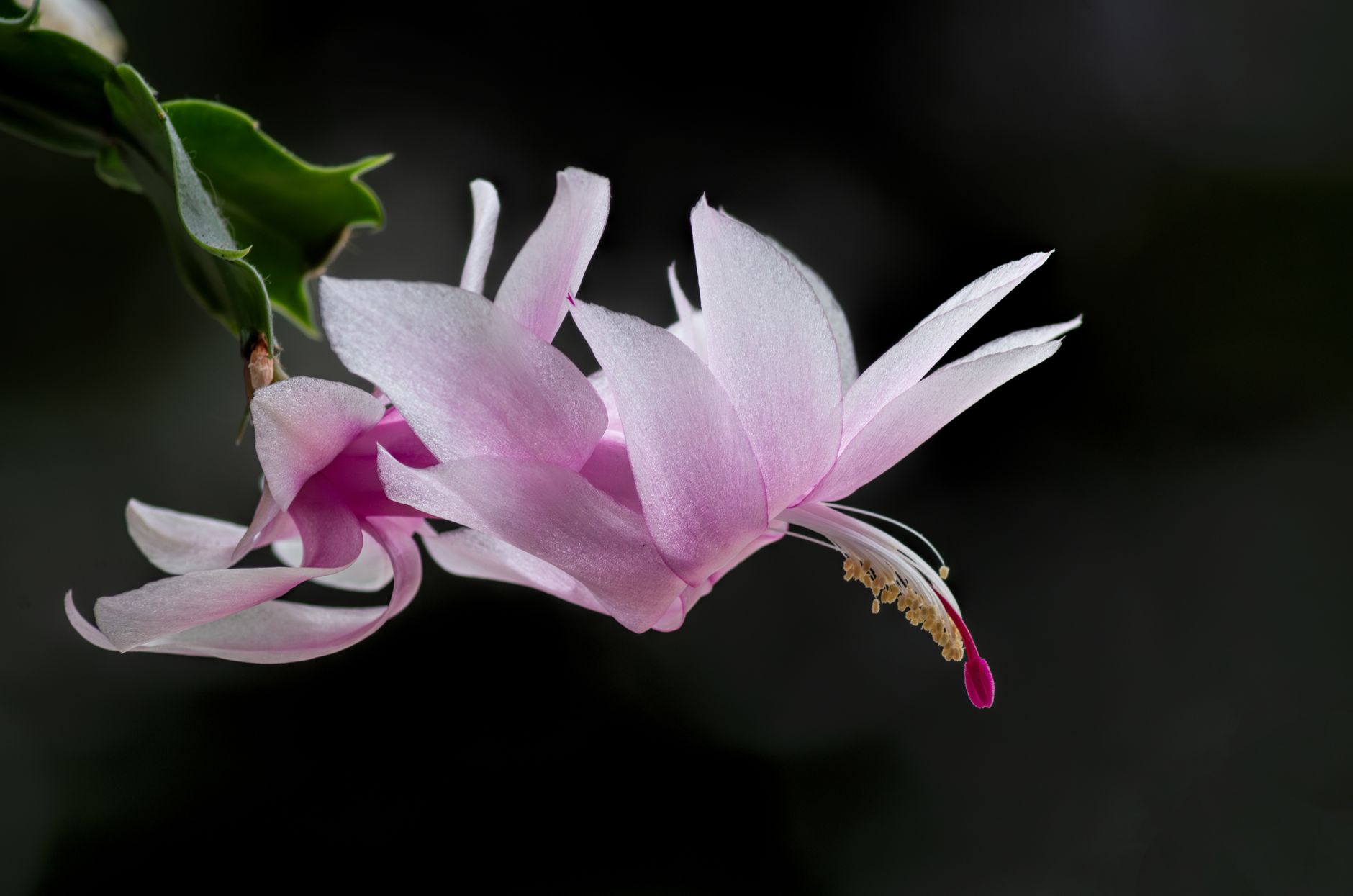
Find the right Christmas cactus fertilizer, learn when to feed at half strength, and see why fertilizer alone won't trigger blooms. Get a seasonal feeding plan.
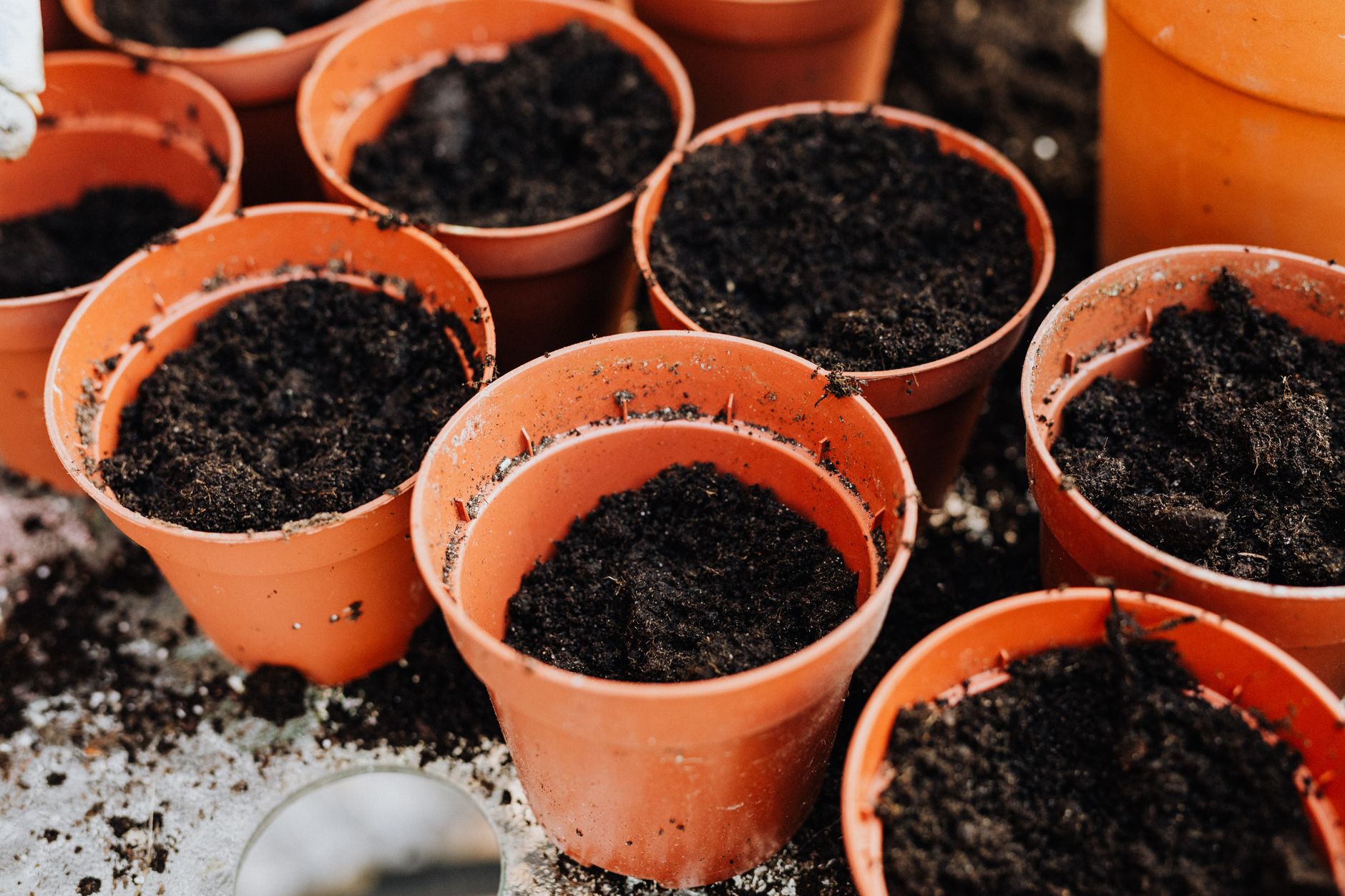
Reuse potting soil safely after each season. Check drainage, disease, and salt, then refresh old mix for vegetables. See when to repurpose or discard.
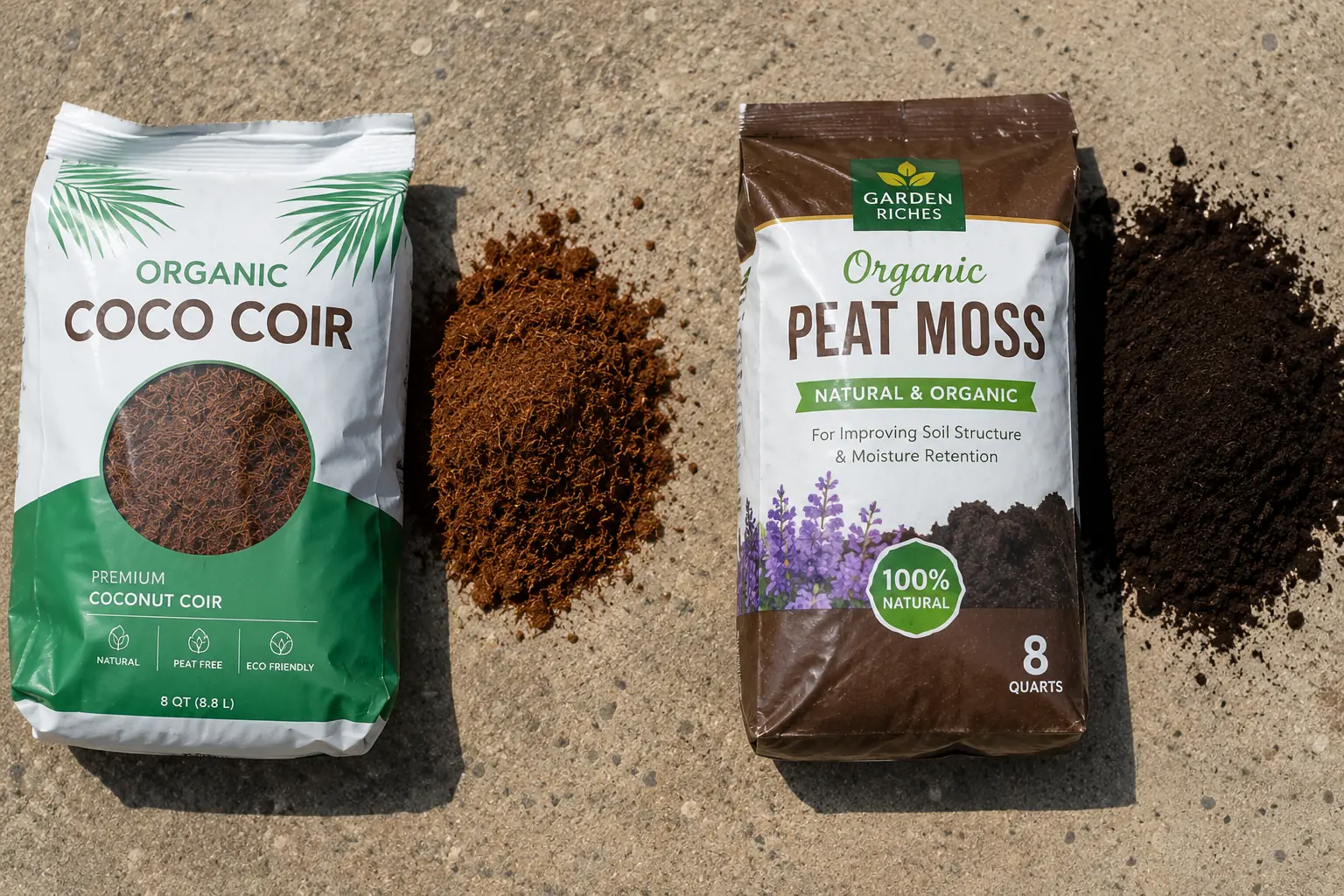
Compare peat moss and coco coir for pH, water retention, drainage, and sustainability. Learn which works best for seed starting, containers, and soil mixes.
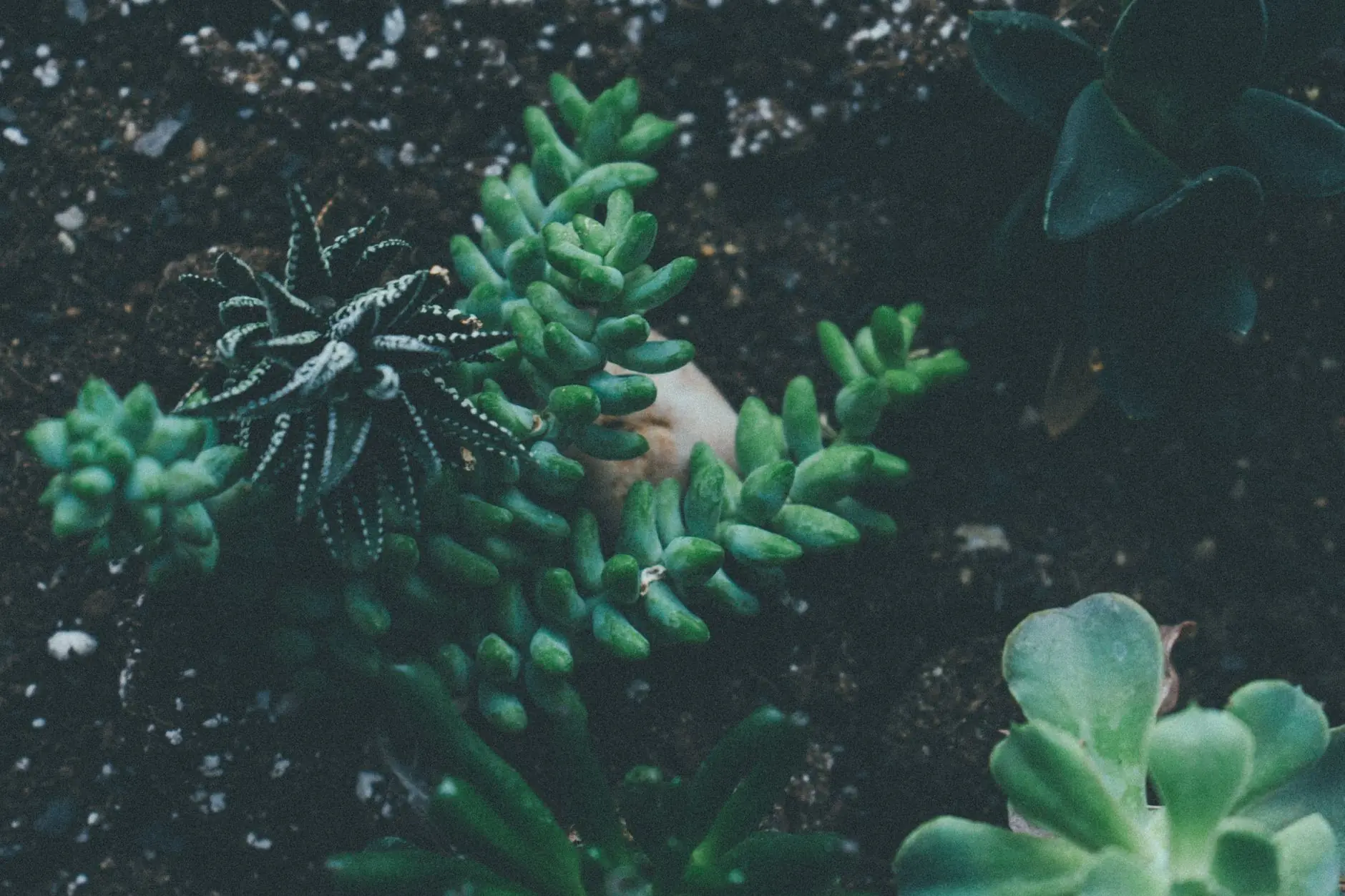
Learn how to make succulent potting mix with the right balance of drainage and aeration. Compare ingredients, climate adjustments, and DIY recipes that help prevent root rot.
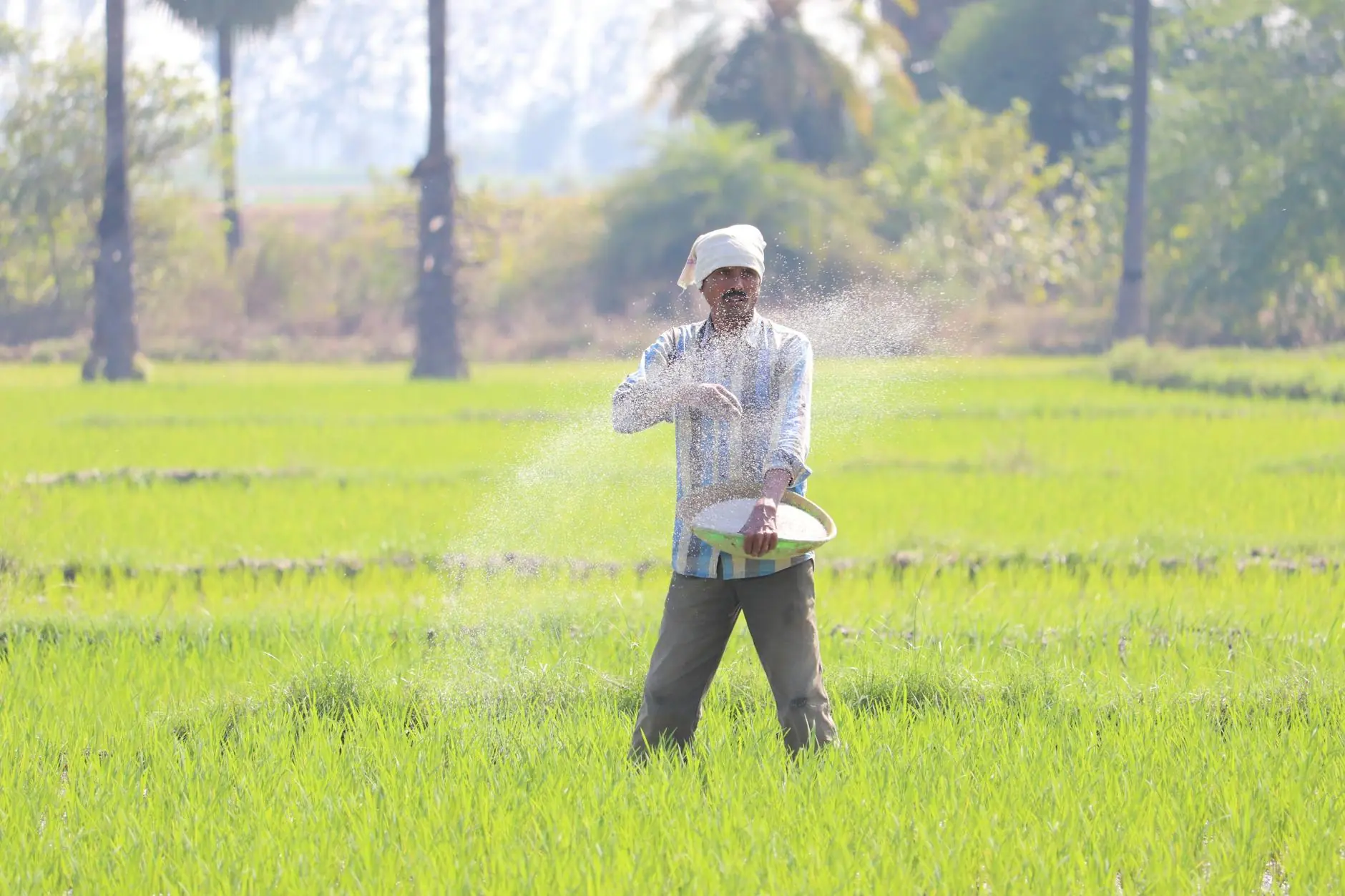
Compare water soluble fertilizers with granular options, learn how NPK ratios affect plant growth, and choose the right formula for different plants.