Can You Mix Regolith With Potting Soil for Plant Growth?
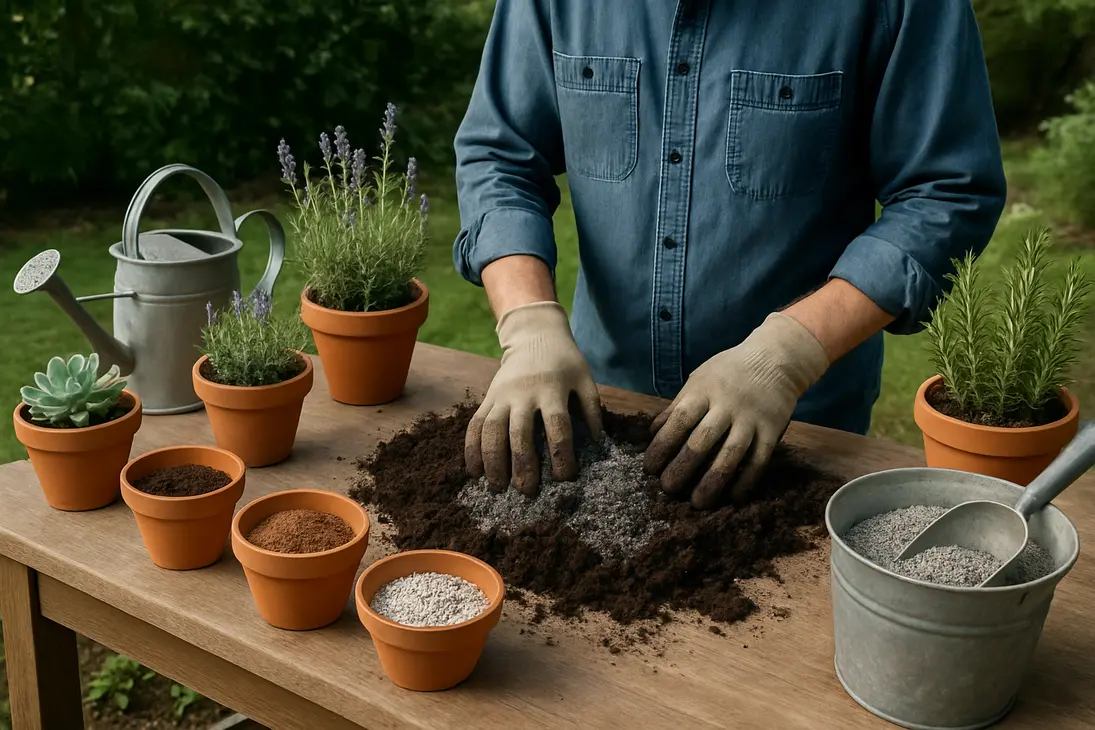
Yes, you can mix regolith with potting soil for plant growth, but use it as a mineral ingredient, not a complete growing medium. A workable regolith potting soil mix still needs organic matter, nutrients, moisture retention, aeration, and basic safety checks.
For gardeners, “regolith” usually means loose rock-derived material such as mineral dust, crushed rock, decomposed granite, volcanic grit, quarry screenings, or weathered mineral particles. In small amounts, it may improve texture or drainage. In excess, it can cause compaction, poor water behavior, nutrient problems, pH issues, or contamination risks.
Start small, know the source, and avoid unknown mineral materials for edible crops.
What “Regolith” Means in a Potting Soil Mix
Regolith is the loose mineral layer formed from weathered rock. It can include sand, silt, clay, rock fragments, and mineral particles. In space science, the term also refers to lunar or Martian surface material, which is why you may see discussions about growing plants in “regolith simulants.”
In gardening, regolith is not compost, topsoil, or regular potting mix. It is mainly a mineral fraction. It may contain useful elements, but many are locked inside particles and are not immediately available to roots.
A potting mix must hold water, drain excess water, provide air, supply nutrients, support microbes, and stay stable in a container. Raw regolith usually does only some of these jobs.
Regolith vs. regular potting soil
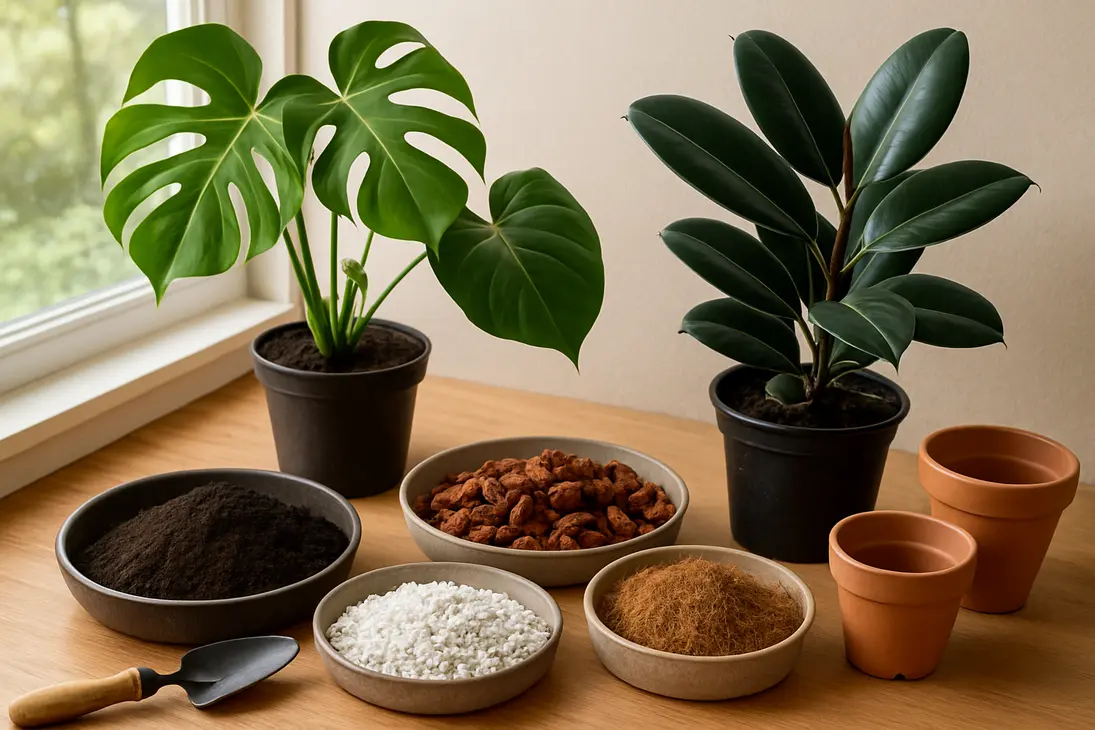
Regular potting soil is a designed blend of materials such as compost, bark fines, coir, peat moss, perlite, pumice, vermiculite, sand, fertilizer, lime, or wetting agents. The goal is balanced moisture, drainage, and root support.
Regolith is more variable. Depending on the source, it may behave like sand, silt, clay, grit, or rock dust. It usually has little organic matter and little biological activity.
| Material | Main role | Key limitation |
|---|---|---|
| Regolith-like mineral material | Texture, drainage, possible trace minerals | Variable pH, low fertility, compaction or contamination risk |
| Compost or worm castings | Nutrients and biology | Can hold too much water if overused |
| Coir, leaf mold, or peat-free compost | Moisture retention | Usually needs added nutrients |
| Perlite, pumice, or coarse sand | Aeration and drainage | Adds little fertility |
| Commercial potting mix | Balanced growing medium | Quality varies |
A regolith potting soil mix works best when the mineral portion is balanced with organic and structural ingredients.
Why regolith alone usually won’t support healthy plants
Pure regolith is usually a poor stand-alone potting medium because it lacks several things plants need:
- Available nutrients. Minerals may be present but not plant-available.
- Organic matter. Organic matter helps hold water, nutrients, and microbes.
- Nutrient buffering. Mineral-only media may leach fertilizer quickly.
- Reliable water behavior. Fine material can become dense; coarse material can dry too fast.
- Suitable pH. Some mineral materials are too alkaline or acidic.
- Safety. Road dust, mine waste, industrial fill, and some quarry materials may contain salts or heavy metals.
Plants may germinate in mineral media if water and nutrients are supplied, but germination is not the same as healthy long-term growth. For most gardeners, regolith should be blended into potting soil, not used alone.
Will Regolith Help Plants Grow?
Regolith can help plants grow when the source, texture, and ratio are right. A small amount of clean, coarse mineral material may improve drainage and structure. A large amount of fine mineral dust may make a container heavy, compacted, and hard to water.
Think of regolith like sand, grit, pumice, clay, or rock dust: useful in the right situation, but not a universal soil improvement.
Possible benefits of adding regolith
Clean, coarse mineral material may improve drainage and structure, especially for succulents, cacti, Mediterranean herbs, and other plants that dislike wet roots.
It can also add mineral diversity. Weathered rock may contain potassium, calcium, magnesium, iron, or trace elements, though availability varies and does not replace fertilizer.
Mineral particles are durable because they do not decompose quickly. Local mineral material may also reduce reliance on imported ingredients, but “local” does not automatically mean safe or useful.
Common problems when using too much regolith
Too much regolith often causes compaction. Fine particles pack together and reduce air space, which can suffocate roots even if watering seems correct.
Moisture balance can also suffer. Gritty material may drain so fast that plants wilt between waterings. Silty or clay-rich material may stay wet and dense.
Nutrient problems are common because mineral-heavy mixes may lack nitrogen and may not hold fertilizer well. Plants may show pale leaves, slow growth, or weak roots unless fertility is managed.
Other possible problems include surface crusting, hard clods, high soluble salts, unsuitable pH, unknown heavy metal content, heavy containers, and inconsistent results between batches.
Why plant type affects the results
Different plants need different moisture, air, and fertility levels. A gritty mix that suits a cactus may dry too quickly for basil. A lean blend that works for lavender may be too poor for tomatoes.
Plants adapted to rocky, sandy, or low-fertility conditions are usually better candidates. Heavy-feeding vegetables and moisture-loving ornamentals generally need richer, more buffered potting soil.
Container size matters too. Small pots dry quickly, while large containers can become very heavy if too much dense mineral material is used.
How to Make a Regolith Potting Soil Mix
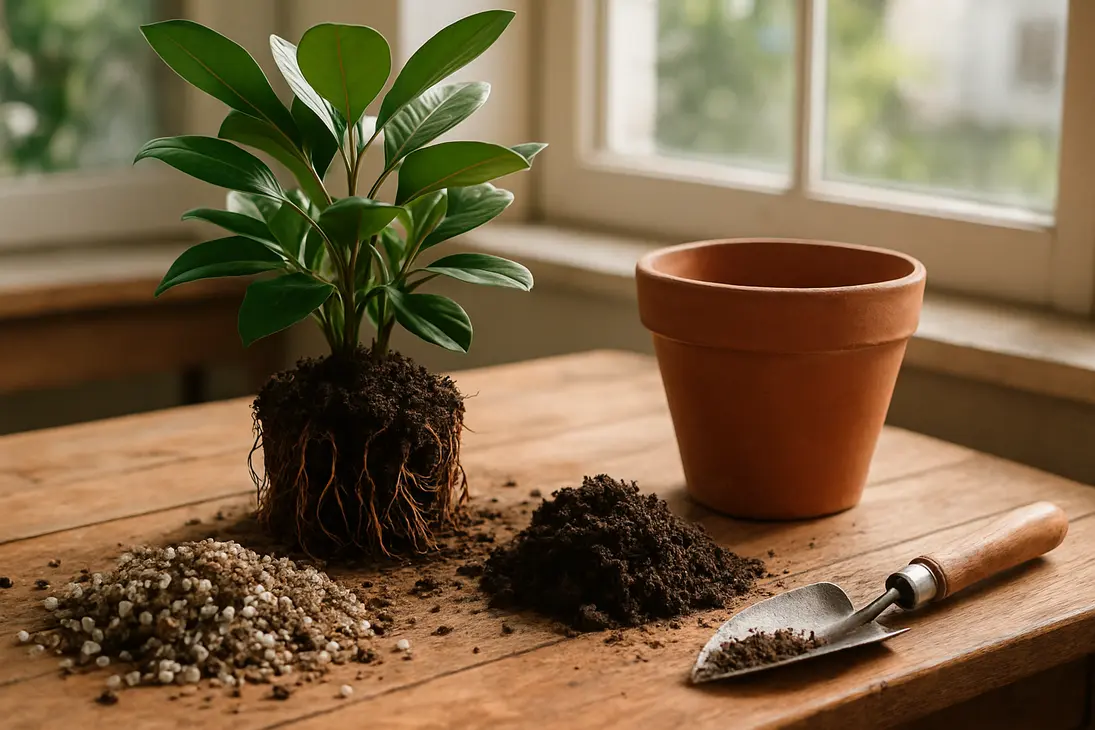
A practical regolith potting soil mix should include mineral structure, organic matter, moisture retention, and aeration. Fertility should come from compost, worm castings, or fertilizer rather than regolith alone.
Start with a small batch before filling large containers. A one-gallon or five-gallon trial can reveal drainage, compaction, or plant stress.
A simple starter ratio for experiments
For most beginners, use:
- 10–20% regolith-like mineral material
- 80–90% proven potting mix or balanced homemade blend
If the material is very fine, start at 5–10%. If it is clean, coarse, and gritty, 15–25% may work for plants that like sharp drainage.
A simple homemade trial blend:
| Ingredient | Approximate share | Purpose |
|---|---|---|
| Mature compost or worm castings | 20–30% | Nutrients and microbes |
| Coco coir, leaf mold, or peat-free compost | 25–35% | Moisture retention |
| Perlite, pumice, or coarse sand | 20–30% | Aeration and drainage |
| Regolith-like mineral material | 10–20% | Mineral texture |
If the mix feels dense, reduce regolith and increase pumice or perlite. If it dries too quickly, add slightly more coir, leaf mold, or compost.
Ingredients to combine with regolith
Compost or worm castings for nutrients and microbes
Compost and worm castings supply nutrients and microbial life that raw mineral material usually lacks.
Use mature, stable compost. Fresh compost can heat up, smell sour, tie up nitrogen, or damage roots. In containers, compost should be part of the blend, not the entire mix.
Coco coir, peat-free compost, or leaf mold for moisture retention
Coir, leaf mold, and good peat-free compost help moderate moisture in mineral-heavy mixes. Coco coir is light and water-retentive but low in nutrients. Leaf mold improves structure but is usually mild in fertility. Peat-free compost varies, so avoid coarse, woody products for small pots or seed-starting.
Perlite, pumice, or coarse sand for aeration and drainage
Do not assume regolith improves drainage. Fine mineral particles can make a mix denser. If your material is dusty or silty, add perlite, pumice, or coarse sand for air space.
Pumice is heavier and stable. Perlite is light and widely available. Coarse sand can work, but avoid fine play sand or masonry sand if it makes the mix compact.
Organic fertilizer or mineral amendments if testing shows a deficiency
A regolith blend may need added fertility. Use organic granular fertilizer, slow-release fertilizer, or specific amendments based on plant needs or test results.
Avoid adding many amendments blindly. If the material already has high salts, extreme pH, or excess minerals, more amendments can make problems worse.
How to test the mix before planting
Before using the mix for valuable plants, do a few simple checks:
- Jar texture test: Shake a sample with water in a clear jar and let it settle. If most of it is fine silt or clay, use it sparingly.
- Drainage test: Fill a small pot, water thoroughly, and make sure it drains without turning to sludge.
- Squeeze test: Moisten and squeeze the mix. It should hold lightly but crumble when poked.
- Surface test: Water several times over a week. Watch for crusting, cracking, or runoff.
- Seedling trial: Compare fast-growing seeds in the regolith blend and regular potting mix. Stunting, yellowing, poor germination, or brown roots are warning signs.
For edible crops, these home tests are not enough to rule out contamination.
Sourcing and Safety Considerations
The biggest risk with regolith-like material is not that it is rocky. It is that you may not know what is in it. Mineral fines can come from clean stone, but they can also come from roads, construction sites, industrial areas, treated materials, or contaminated fill.
For ornamentals, your risk tolerance may be higher. For vegetables, herbs, and fruiting plants, be much more cautious.
Where gardeners may find regolith-like materials
Possible sources include:
- decomposed granite sold for landscaping;
- volcanic rock fines or basalt fines from reputable suppliers;
- clean pumice or lava rock screenings;
- quarry dust from a known clean stone source;
- coarse mineral grit sold for horticulture;
- weathered mineral material from an uncontaminated area of your property.
Commercial horticultural grit, pumice, and coarse sand are usually more predictable than random collected material.
Avoid material from roadsides, painted structures, old dump areas, former orchards with unknown spray history, or places where vehicles, machinery, or chemicals were stored.
When not to use a material in potting soil
Do not use material if it:
- smells oily, chemical, sewage-like, sulfurous, or fuel-like;
- comes from a roadside, demolition site, mine tailings pile, or industrial property;
- contains ash, slag, paint chips, treated wood, glass, or metal fragments;
- forms a cement-like mass when wet and dried;
- leaves white salt crusts after watering;
- has an unknown source and will be used for edible plants;
- causes poor growth in a small trial.
Be careful with very fine rock dust. In small amounts it may be harmless, but large amounts can clog pore spaces. Moisten dusty materials lightly and avoid breathing the dust.
Why testing matters for edible plants
Food crops raise the risk because contaminants may enter the growing environment. Heavy metals, excess salts, and extreme pH are the main concerns.
A basic soil or growing media test can check pH and soluble salts. Heavy metals require more specialized testing. If you cannot test an unknown material, use it only for non-edible ornamentals or skip it.
Testing also prevents wasted effort. If the material is salty, strongly alkaline, or physically unsuitable, it is not a good container ingredient.
Which Plants Are Most Suitable for Regolith Mixes?
Regolith blends are most promising for plants that tolerate lean, mineral, sharply drained conditions. They are less suitable for plants that need steady moisture and high fertility.
Start with a few pots and compare the same plant in regular potting mix. This shows whether the regolith mix is helping, hurting, or performing about the same.
Better candidates for a trial mix
Good trial candidates include:
- succulents;
- cacti;
- sedums;
- sempervivums;
- lavender;
- rosemary;
- thyme;
- oregano;
- sage;
- dryland native plants;
- alpines and rock garden plants;
- ornamental grasses that prefer sharp drainage.
These plants usually dislike waterlogged roots. A gritty regolith blend may suit them if the material is clean and not too fine.
Mediterranean herbs still need some compost or fertilizer, especially in containers where nutrients leach with watering.
Plants that may need richer potting soil
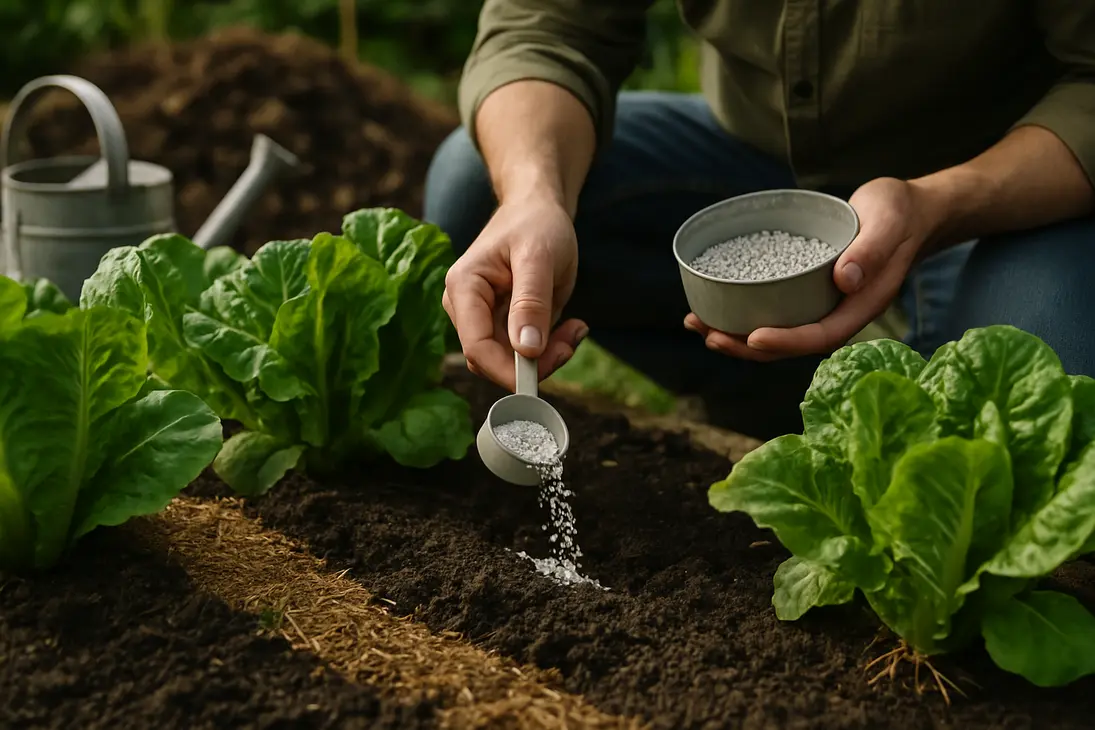
Plants that usually need richer, more moisture-retentive potting soil include tomatoes, peppers, cucumbers, squash, basil, lettuce, parsley, mint, annual flowers in small pots, moisture-loving houseplants, seedlings, and young transplants.
These plants may tolerate a small amount of regolith, but the ratio should be low and fertility must be managed. For heavy feeders such as tomatoes, a mineral-heavy blend is rarely worth the risk unless you are testing carefully.
Seed-starting is another place to be cautious. Fine roots need a light, even medium. Unless the regolith has been screened and tested, start seeds in a reliable seed-starting mix and transplant later.
Signs the mix needs adjustment
Watch the plant and the potting medium.
| Symptom | Possible cause | Practical adjustment |
|---|---|---|
| Water pools on the surface | Compaction or too many fines | Reduce regolith; add perlite or pumice |
| Pot dries out within hours | Too much coarse mineral material | Add coir, leaf mold, or compost |
| Pale leaves and slow growth | Low nitrogen or poor nutrient availability | Add suitable fertilizer |
| Brown root tips or leaf edge burn | Salts, fertilizer excess, or poor drainage | Test salts; flush or remake mix |
| Surface crusting | Fine silt or clay | Reduce fines in the next batch |
| Wilting despite wet soil | Low oxygen or root stress | Improve aeration |
| Very heavy containers | Too much dense mineral material | Use less regolith |
Adjust one variable at a time so you can tell what fixed the problem.
Conclusion
A regolith potting soil mix can support plant growth when regolith is used as a controlled mineral component. It may improve drainage, add durable structure, and make use of local mineral resources, but it should not replace ingredients that provide nutrients, organic matter, moisture regulation, aeration, and biological activity.
For most gardeners, the best starting ratio is 10–20% clean regolith-like material blended with compost, coir or leaf mold, and an aeration ingredient such as perlite or pumice. Use less if the material is dusty or clay-like. Use more only after successful trials with plants that prefer gritty conditions.
Know the source, avoid contaminated materials, and test before using unknown mineral fines for edible crops. Regolith can be useful, but it is not magic soil.
FAQ
Can plants grow in pure regolith?
Some plants may germinate or survive briefly in pure regolith if water and nutrients are supplied, but it is usually not a good long-term growing medium. It lacks organic matter, available nitrogen, microbial activity, and reliable structure.
What is the best ratio of regolith to potting soil?
A safe beginner ratio is 10–20% regolith-like material mixed with 80–90% potting soil or balanced homemade mix. Use less if the material is fine, dusty, silty, or clay-rich.
Is regolith potting soil suitable for all plants?
No. Regolith blends are better for plants that tolerate lean, mineral, well-drained conditions, such as succulents, cacti, lavender, rosemary, thyme, and rock garden plants. Heavy-feeding vegetables, seedlings, leafy herbs, and moisture-loving houseplants usually need richer potting soil.
Is using regolith more sustainable than regular potting soil?
It can be, but not always. Local mineral material may reduce reliance on transported or nonrenewable ingredients, but sustainability depends on safe sourcing, responsible extraction, contamination risk, and whether the mix actually grows healthy plants.
You Might Also Like