What Is the Best Soil for Plants Prone to Overwatering?
The best soil for overwatering-prone plants is a light, airy, well-draining mix that lets excess water escape while still holding enough moisture for roots. For most potted plants, use quality potting mix amended with perlite, pumice, bark fines, or another coarse ingredient. For succulents and cacti, use a grittier cactus or succulent mix.
The key is balance. Roots need moisture and oxygen. When soil stays saturated, air spaces fill with water, roots weaken, and rot becomes more likely.
What “Overwatering-Proof” Soil Really Means
No soil can make a plant truly overwatering-proof. If you water constantly, use a pot with no drainage hole, or leave the pot sitting in water, even gritty soil can stay too wet.
The right soil simply lowers risk. It drains quickly, resists compaction, and keeps air around the roots, giving you a wider margin for error.
The goal: damp like a wrung-out sponge
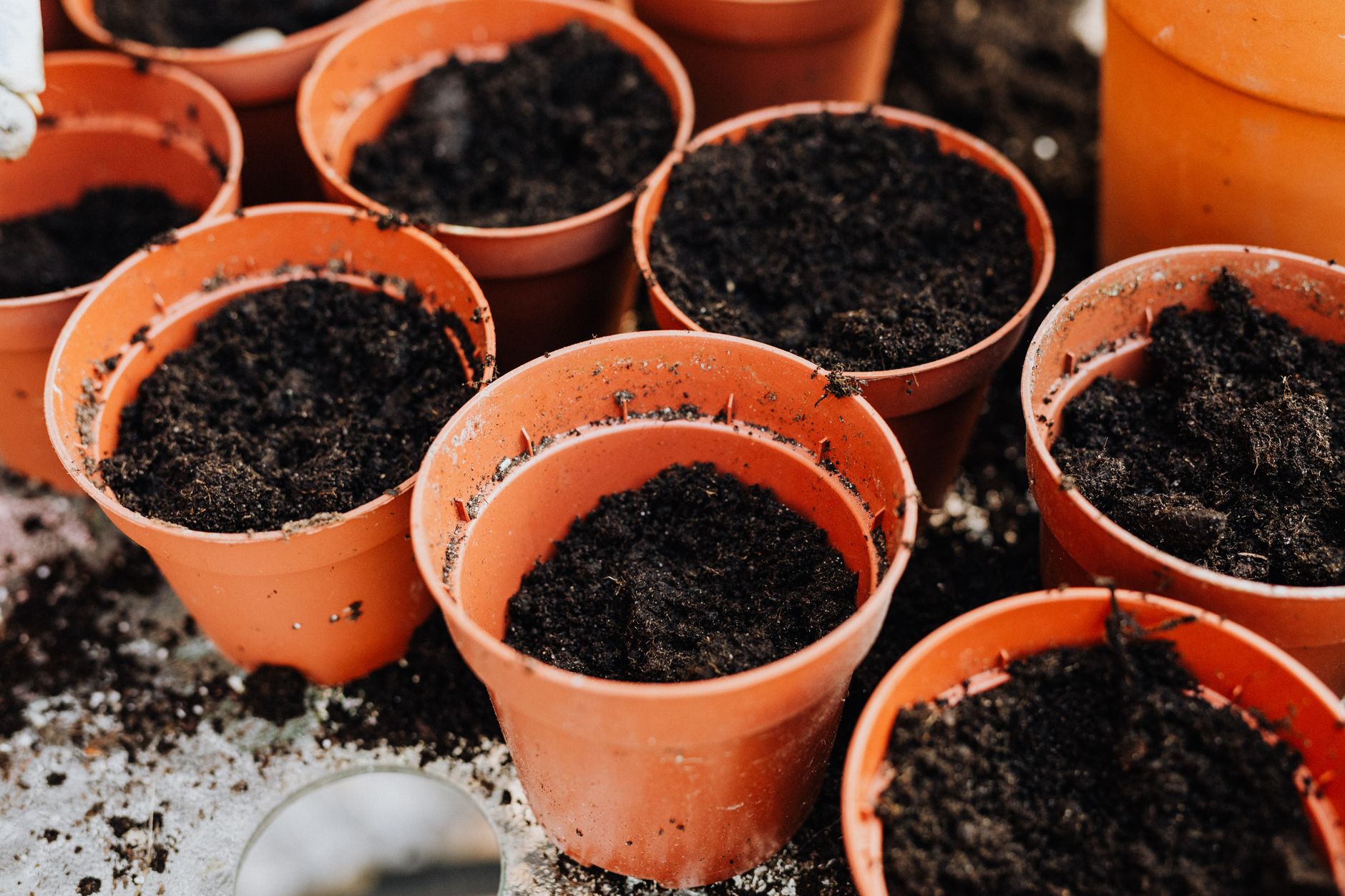
After watering, good potting soil should feel damp, not soggy—like a wrung-out sponge. It should be moist throughout but not dripping, sludgy, or sticky.
For overwatering-prone plants, soil should:
- Hold enough water to hydrate roots.
- Drain excess water quickly.
- Stay fluffy instead of collapsing.
- Let oxygen reach the root zone.
- Dry in a reasonable time.
This matters especially indoors, where lower light, less airflow, and cooler temperatures slow drying.
Why dense, compacted, or clay-heavy soil causes problems
Dense soil holds water in tiny pore spaces and limits airflow. Clay-heavy or fine-textured soil drains slowly because particles pack tightly together. In containers, garden soil often becomes heavy, compacted, and poorly aerated.
That creates common problems: roots get less oxygen, water lingers around the root ball, growth slows, and fungal or bacterial rot becomes more likely.
Many “overwatering” cases are really frequent watering plus soil that cannot release moisture fast enough.
Why drainage holes matter as much as the soil mix
A fast-draining mix still needs somewhere to drain. A pot without a drainage hole turns the bottom into a water reservoir. The surface may look fine while lower roots stay saturated.
For plants prone to overwatering, drainage holes are essential. Make sure they are open and not blocked by compacted soil, roots, a saucer, or a decorative outer pot.
If you use a cachepot, keep the plant in a nursery pot inside it. Water, let it drain fully, then return it to the decorative container. Do not let it sit in collected water.
Best Soil Mixes for Overwatered Plants
The best soil depends on the plant and setting. A cactus, fern, tomato, and shrub in clay soil do not need the same mix. Start by asking how quickly the plant naturally prefers to dry between waterings.
| Growing situation | Best soil approach | Good amendments |
|---|---|---|
| Most houseplants | Light potting mix with aeration | Perlite, pumice, bark fines |
| Succulents and cacti | Gritty cactus/succulent mix | Pumice, lava rock, coarse sand |
| Outdoor containers | Container mix, not garden soil | Compost, bark fines, perlite |
| Raised beds | Loamy, structured soil | Compost, aged bark |
| Heavy garden clay | Improve structure over time | Compost, mulch, raised beds |
For most houseplants
For most houseplants, start with a quality indoor potting mix and add aeration. Many standard mixes hold too much water in dim rooms, cool homes, or oversized pots.
A practical blend is:
- 2 parts potting mix
- 1 part perlite or pumice
- Optional: 1 part fine orchid bark or bark fines
This suits many pothos, philodendrons, monsteras, hoyas, peperomias, and dracaenas. Moisture-loving plants such as ferns and calatheas usually need less grit and more even moisture.
Avoid straight garden soil in indoor pots. It is usually too dense and compacts more than potting mix.
For succulents, cacti, and drought-tolerant plants
Succulents, cacti, jade plants, snake plants, ZZ plants, agaves, and many drought-tolerant herbs are sensitive to wet roots. Ordinary potting mix often holds too much moisture for them.
Use cactus or succulent mix, and amend it if it still feels peaty or slow to dry:
- 1 part cactus/succulent mix
- 1 part pumice, lava rock, coarse perlite, or similar gritty material
Very rot-prone succulents may need even more mineral material. Good succulent soil should feel open, grainy, and quick-draining—not rich, dark, and spongy.
For outdoor pots and raised beds
Outdoor containers dry faster because of sun, wind, and heat, but heavy rain can saturate them. Use potting mix or container mix, not garden soil.
For outdoor pots, choose a mix with both moisture-holding organic matter and drainage material. If it stays wet too long, add perlite, pumice, bark fines, or composted bark.
Raised beds need structured soil rather than fluffy potting mix. A blend of screened topsoil, compost, and coarse organic matter often works better for large beds.
For heavy garden clay soil
In the ground, do not try to fix clay by adding lots of sand. If the sand is too fine or the proportions are wrong, clay can become even denser.
Improve clay gradually:
- Add compost to the surface or top layer.
- Keep soil covered with organic mulch.
- Avoid walking on wet clay.
- Plant sensitive plants in raised mounds or beds.
- Choose clay-tolerant plants where drainage cannot be changed.
Clay can be fertile and moisture-retentive. The problem is planting drainage-loving species in low, compacted, waterlogged areas.
Soil Amendments That Improve Drainage
Amendments change how a mix holds air and water. Some create larger pore spaces, some hold moisture while staying light, and some improve structure over time. Use the right amendment for the plant; more is not always better.
Perlite
Perlite is the white, lightweight volcanic material common in potting mixes. It improves aeration and drainage by creating air pockets.
Use it when a houseplant mix feels heavy or indoor soil stays wet too long. Coarse perlite is better than fine perlite for drainage. Start with 1 part perlite to 2 or 3 parts potting mix.
Pumice or lava rock
Pumice and lava rock are heavier mineral amendments that improve drainage and stay distributed better than perlite. They are excellent for succulents, cacti, bonsai-style mixes, and plants prone to root rot.
Use them when you want a long-lasting gritty mix, extra pot weight, or stronger drainage. The main downside is cost and availability.
Coarse sand
Coarse horticultural sand can improve drainage in cactus and succulent mixes. The important word is coarse. Fine play sand or beach-like sand can fill pore spaces and make soil denser.
For most potted plants, perlite, pumice, lava rock, or bark are safer and more reliable.
Coco coir or peat moss
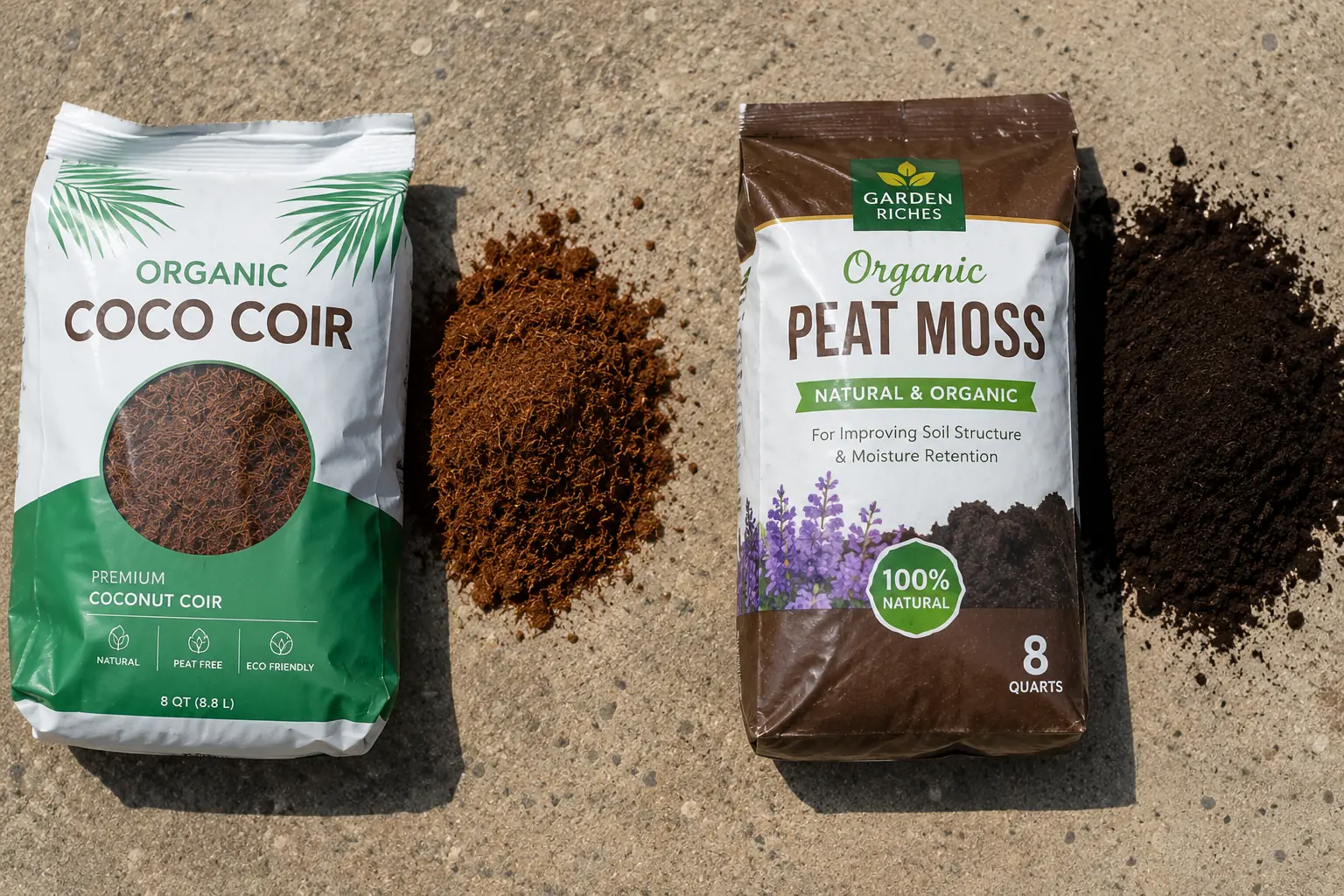
Coco coir and peat moss are moisture-holding base materials. They do not improve drainage like perlite or pumice; they help a mix retain water while staying lighter than garden soil.
For overwatering-prone plants, do not rely on coir or peat alone. Balance them with coarse amendments such as perlite, pumice, bark, or coarse sand.
Compost
Compost improves structure, nutrients, and biological activity, especially in garden beds and raised beds.
In containers, use it moderately. Too much compost can make potting mix dense, wet, and prone to shrinking as it breaks down. For indoor houseplants prone to overwatering, aeration is usually more important.
Bark fines or orchid bark
Bark fines and orchid bark add chunky structure and airflow. They are useful for many houseplants, especially aroids such as monstera, philodendron, pothos, and anthurium.
Use bark when you want a chunkier mix, the plant has thick roots, or the soil compacts quickly. Fine bark suits smaller pots; chunkier bark suits larger pots. Bark breaks down over time, so bark-heavy mixes may need refreshing.
How to Fix Soil That Stays Too Wet
If a plant is already in soggy soil, changing the mix can help. Handle stressed plants carefully, but act promptly if rot is likely.
Repot into a lighter mix
Repot if the soil stays wet for many days, smells sour, has fungus gnats, or the plant is declining despite reduced watering. Use a pot only slightly larger than the root ball because oversized pots hold extra wet soil.
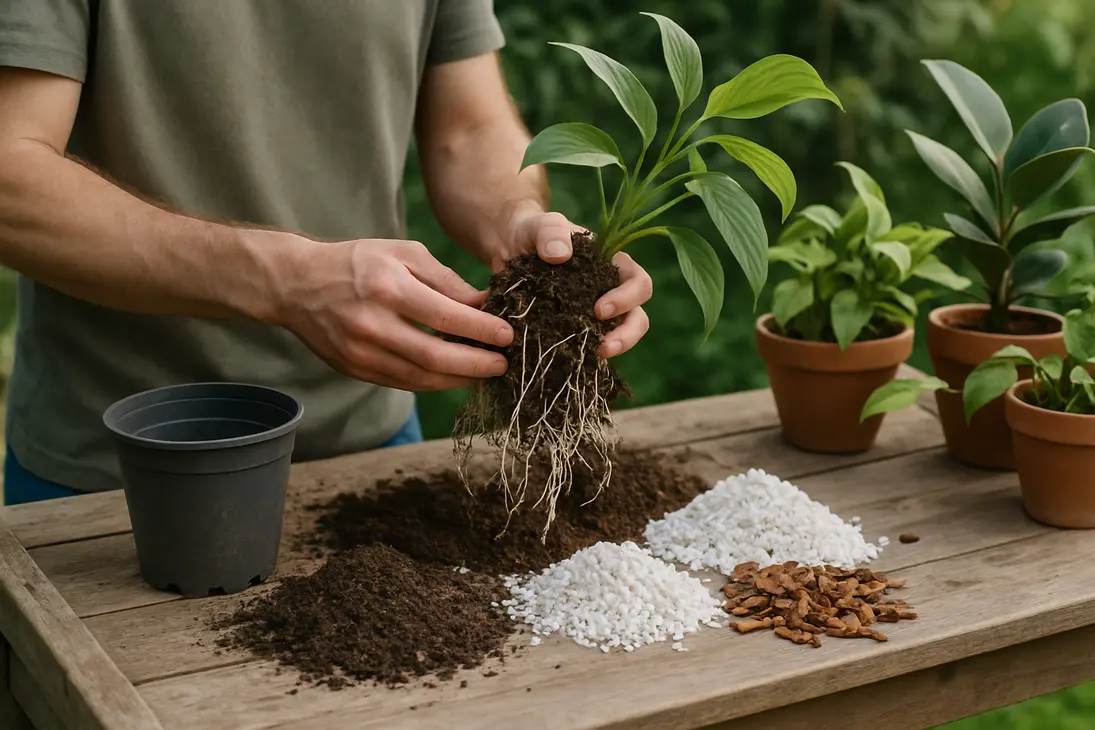
For many overwatered houseplants, use:
- 2 parts fresh potting mix
- 1 part perlite or pumice
- 1 part bark fines or orchid bark, if suitable
Use a grittier mix for succulents. For moisture-loving plants, lighten the mix without making it dry out completely between waterings.
Remove soggy or compacted soil from the roots
When repotting, gently remove the wettest, most compacted soil. You do not need to wash every root unless the soil is foul, muddy, or clearly rotting.
Trim only dead or rotten roots. Healthy roots are firm and pale, tan, or naturally colored. Rotten roots are often brown or black, mushy, hollow, slimy, or foul-smelling.
If the root ball is dense and waterlogged, loosen the outer roots so they can grow into the fresh mix.
Choose a pot with drainage holes
Move the plant into a pot with drainage holes. If the decorative pot has none, use it only as an outer cover.
Good habits:
- Keep drainage holes open.
- Do not rely on gravel at the bottom to fix soggy soil.
- Use saucers only to catch water temporarily.
- Empty saucers after watering.
A drainage hole is simple, but it prevents many chronic moisture problems.
Let the top layer dry before watering again
After repotting, adjust your watering. Good soil still fails if watered too often.
For many houseplants, wait until the top 1–2 inches feel dry. For succulents and cacti, wait until the mix is dry much deeper, often all the way through. For ferns and other moisture lovers, water when the surface begins to dry but before the entire pot dries out.
Avoid fixed watering schedules. The same plant may need water every few days in summer and every couple of weeks in winter.
Avoid letting plants sit in standing water
After watering, let the pot drain fully and empty saucers, trays, and cachepots. Standing water keeps the lower soil saturated and can defeat a well-draining mix.
If you bottom-water, remove the pot once the soil has absorbed enough moisture. Do not leave it soaking indefinitely.
Signs Your Soil Is Still Holding Too Much Water
Soil can look acceptable but still stay wet too long. Watch both the plant and the mix. One symptom does not prove overwatering, but several together are a strong clue.
Yellowing leaves
Yellowing can come from low light, nutrient issues, pests, age, underwatering, or excess water. When yellowing appears with wet soil, soft stems, or slow growth, too much moisture is likely.
Overwatered plants often yellow from the lower leaves first. Leaves may feel limp, heavy, or soft rather than dry and crisp.
Mushy stems or roots
Mushy stems are a serious warning sign. The plant base may feel soft, dark, or unstable, and severe rot can cause collapse at the soil line.
Roots are the clearest indicator. Healthy roots are firm. Rotten roots are often black, slimy, hollow, or foul-smelling. If only a few roots are affected, trimming and repotting may save the plant. If the crown or main stem is rotten, recovery is less certain.
Fungus gnats
Fungus gnats are small dark flies that hover around damp potting soil. They are attracted to moist organic matter, and their larvae live in the upper layer of the mix.
Gnats do not automatically mean the plant is dying, but they suggest the surface is staying damp. Improve drainage, let the top layer dry more, remove debris, and avoid constant moisture.
Sour or rotten soil smell
Healthy potting mix usually smells earthy. Soil that smells sour, swampy, rotten, or anaerobic is staying too wet or breaking down poorly.
If the smell is strong, repot. Remove foul soil, inspect the roots, and replace the mix with something fresher and more open.
Soil that stays wet for many days
If soil remains wet for a week or more after watering, it is probably too moisture-retentive for that plant and setting, especially indoors or for succulents.
Common causes include an oversized pot, no drainage hole, a mix with too much peat, coir, compost, or fine material, low light, cool or humid rooms, damaged roots, or slow-drying pot materials such as glazed ceramic or plastic.
A moisture meter can help, but your finger, the weight of the pot, and the plant’s appearance are often enough.
Conclusion
The best soil for overwatering is airy, well-draining, and matched to the plant. Most houseplants do well in potting mix amended with perlite, pumice, or bark. Succulents and cacti need a grittier mix with more mineral material. Outdoor containers need container mix, not garden soil. Heavy clay beds improve gradually with compost, mulch, and raised planting areas.
Good soil gives roots both moisture and oxygen. It does not replace careful watering, drainage holes, or the right pot size, but it makes all of them work better. If soil stays soggy, smells sour, attracts gnats, or remains wet for many days, lighten the mix before roots suffer.
FAQ
Can you overwater a plant if the soil drains well?
Yes. Well-draining soil reduces the risk, but it does not make a plant immune. Watering too often, using an oversized pot, growing in low light, or letting the pot sit in water can still keep roots too wet.
Is succulent soil good for overwatered houseplants?
Sometimes. Succulent soil can help plants that dislike wet roots, such as snake plants, ZZ plants, hoyas, and peperomias. It may be too dry for plants that prefer evenly moist soil, such as ferns, calatheas, and peace lilies.
For many houseplants, regular potting mix amended with perlite, pumice, and bark is a better balance.
Should I add sand to soil to stop overwatering?
Only use coarse horticultural sand, and only in the right mix. Fine sand can make soil denser, especially with clay or fine potting media.
For most potted plants, perlite, pumice, lava rock, or bark are safer choices. Coarse sand is most useful in gritty cactus and succulent mixes.
Is garden soil or potting mix better for plants in containers?
Potting mix is better for containers. Garden soil is usually too heavy and can compact after watering, leaving roots with too little oxygen.
For overwatering-prone container plants, start with potting mix and add drainage amendments as needed. Use garden soil in the ground, not as the main ingredient in pots.
You Might Also Like