Best Christmas Cactus Fertilizer: What to Use, When to Feed, and How to Get More Blooms
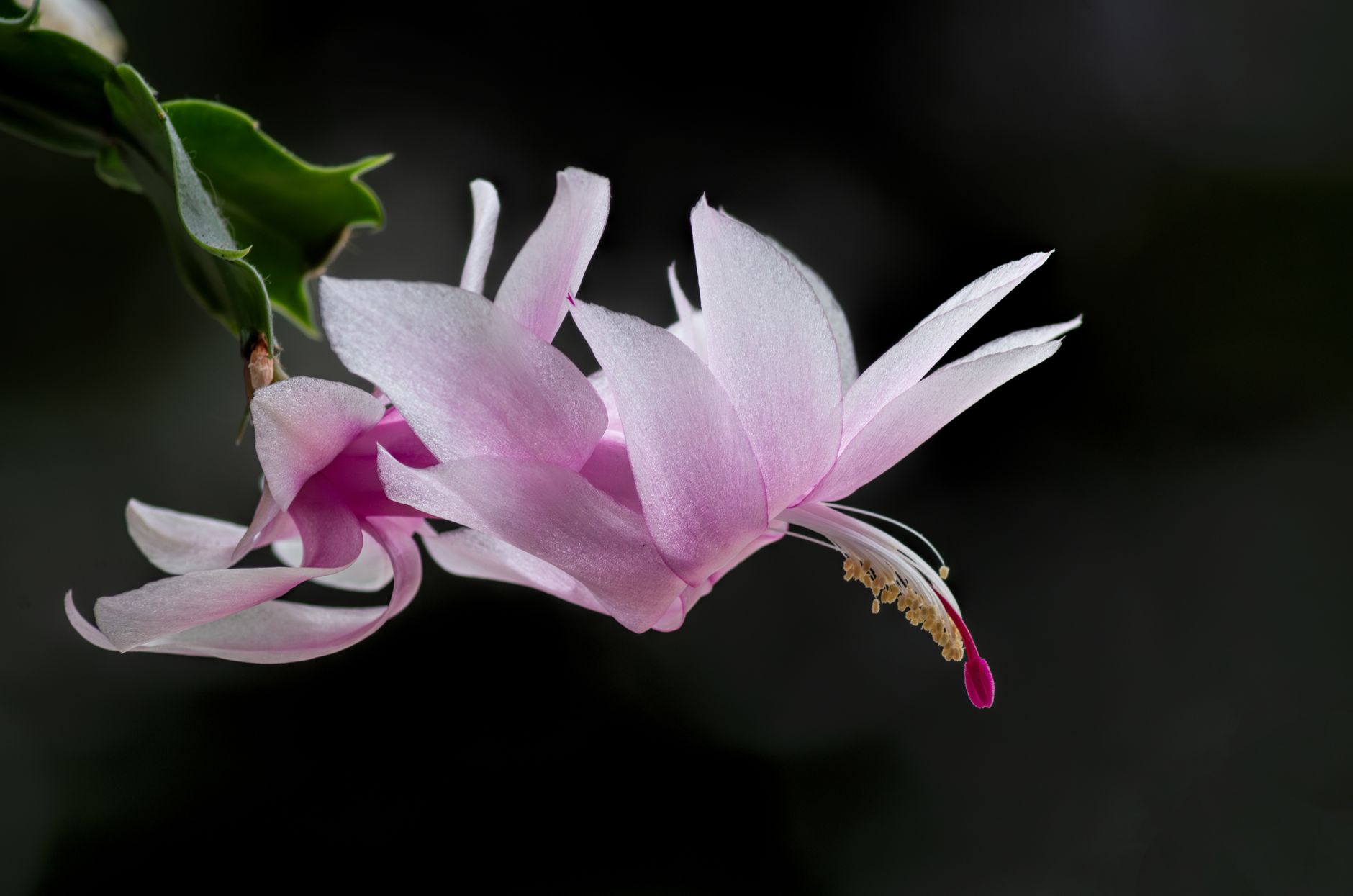
The Christmas cactus does not need a special or unusually strong fertilizer. During active growth, a complete, balanced houseplant fertilizer at reduced strength is a practical choice for most growers. Fertilizer supports healthy segment growth and supplies nutrients for flowering, but it does not trigger blooms by itself. Timing, concentration, light, temperature, and root health matter as much as the fertilizer label.
Key Takeaways
- Use a balanced houseplant fertilizer, not a special cactus food: A complete fertilizer at half strength during active growth works well for most Christmas cacti. The word “cactus” on a label does not make it better for this rainforest epiphyte.
- Feed on a seasonal schedule: Fertilize about once a month in late spring through summer, then reduce or stop in late summer and fall so the plant can shift toward bud formation.
- Dilute to half strength and water it in: Start from the label rate, halve it, and apply through the root zone with working drainage. Flush the pot periodically to prevent salt buildup.
- Fertilizer alone won’t trigger blooms: Longer nights and cooler temperatures signal flowering. A well-fed plant kept in the wrong light or a warm room with evening lights may still not bloom.
- Fix root and watering problems before feeding: For weak, wilted, or inherited plants, check roots, drainage, and potting medium first — feeding stressed roots adds salt stress instead of helping.
What Is the Best Fertilizer for a Christmas Cactus?
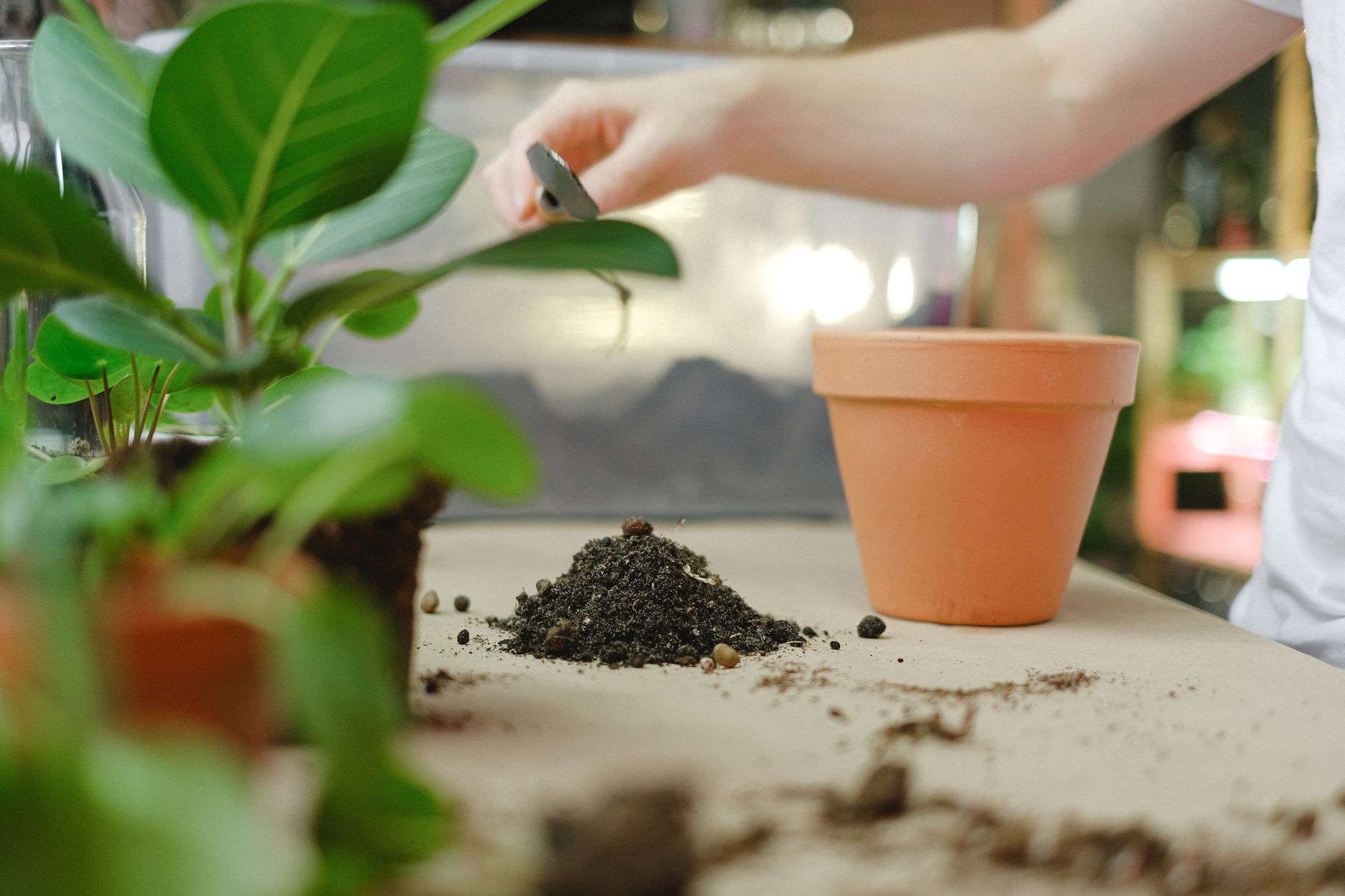
Gardeners often expect a single product recommendation. The best choice depends less on brand and more on the N-P-K ratio, mix concentration, and timing. A complete fertilizer at a reduced dose serves most Christmas cacti well.
Christmas Cactus Is a Rainforest Cactus, Not a Typical Desert Cactus
The Christmas cactus (Schlumbergera) is a tropical epiphyte that grows on trees in Brazil’s coastal mountains, not in desert sand. It is adapted to a humid forest environment where decaying leaves trap moisture and nutrients, so it needs a steady but modest nutrient supply and remains sensitive to concentrated fertilizer and salt buildup. Although it is called a cactus, it is not a desert cactus; it grows more actively with regular moisture and nutrients.
Balanced Houseplant Fertilizer vs. Cactus Fertilizer
During active growth, a balanced or near-balanced complete houseplant fertilizer is a practical default. “Balanced” means the N-P-K numbers are roughly similar, such as 10-10-10 or 20-20-20. Cactus/succulent fertilizer is not automatically wrong, but the word “cactus” does not make it better; many such products are formulated for slow-growing desert plants and may be needlessly weak.
| Fertilizer Type | Can It Work? | Best Use | Main Caution |
|---|---|---|---|
| Balanced liquid houseplant fertilizer | Yes | Regular active-growth feeding | Dilute before use |
| Cactus/succulent fertilizer | Usually | If the nutrient profile is appropriate | May be unnecessarily weak or differently balanced |
| Flowering/African violet fertilizer | Often | Alternative complete feed | Check N-P-K rather than relying on the label |
| Slow-release fertilizer | Possible | Low-maintenance feeding | Harder to adjust seasonally |
| Fertilizer spikes | Possible but less flexible | Convenience | Can concentrate nutrients in a small root zone |
For most growers, a water-soluble liquid fertilizer is easiest to control: dilute to half strength, feed during active growth, and stop before flowering. Spikes and slow-release products are convenient but offer less control over dose and timing, especially in small pots.
What N-P-K Tells You — and Why There Is No Magic Bloom Ratio
It is tempting to simplify N-P-K into nitrogen for leaves, phosphorus for flowers, potassium for roots, but the three work as an interacting system. Adequate nitrogen supports both growth and flowering, yet excessive nitrogen can delay flowering and keep the plant making segments instead of buds. Phosphorus supports flowering, but an extremely high-phosphorus “bloom booster” is not automatically better; potassium also contributes. The practical conclusion: choose a complete fertilizer and focus on timing and concentration. Consistency beats any extreme bloom formula.
When and How to Fertilize a Christmas Cactus
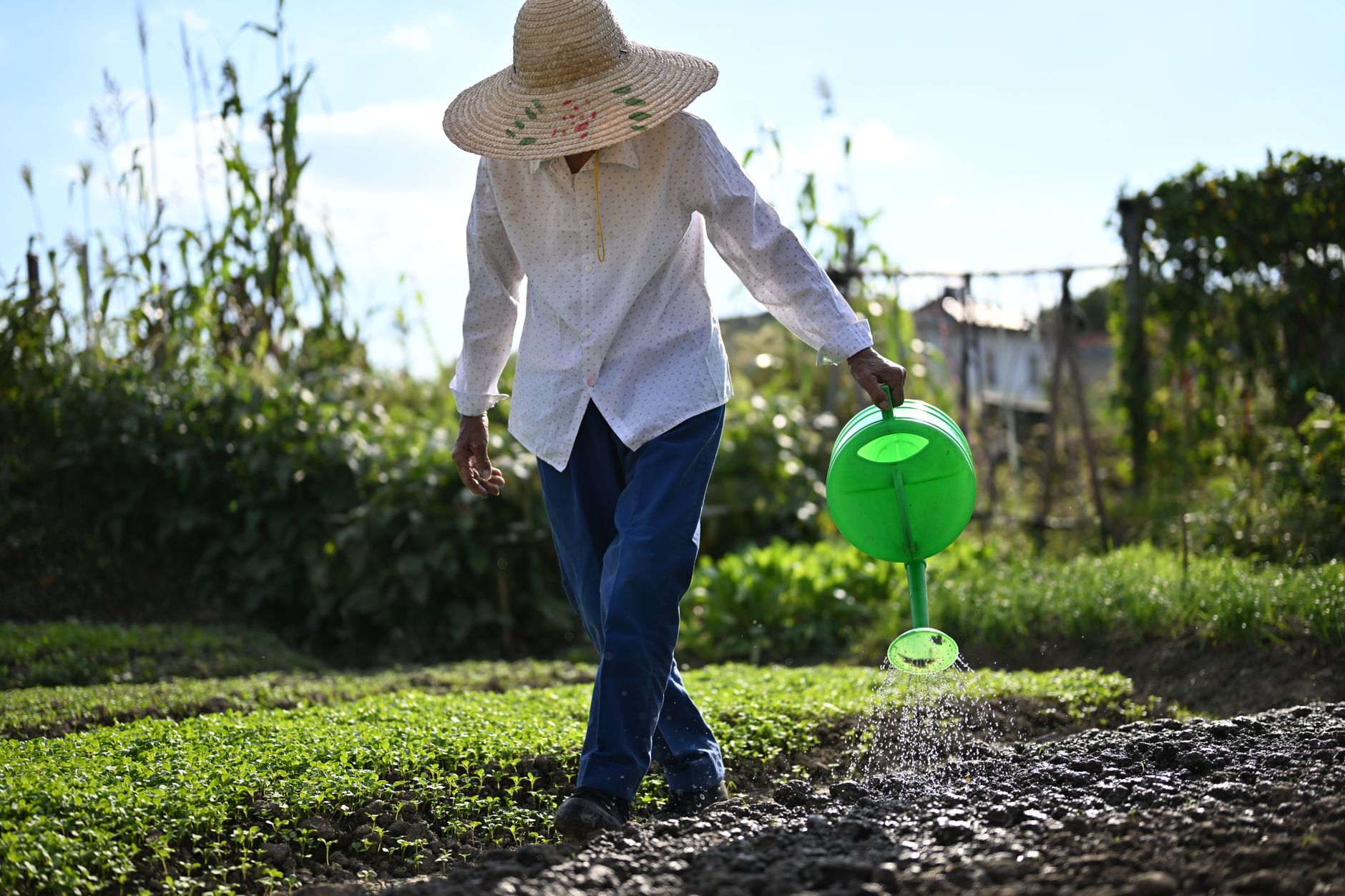
Knowing which fertilizer to use is half the job. When you feed, how often, and at what strength affect plant health and flowering more than the brand.
Spring and Summer: Feed During Active Growth
Start feeding once the plant has finished its post-bloom rest and is producing new segment growth; for most growers, late spring through summer is the main feeding period. Use a balanced complete fertilizer at half strength about once a month. More frequent feeding does not mean a stronger mix. Feed only if the plant is actually growing — new segments, healthy green color, normal water uptake. A plant recovering from stress will not use fertilizer productively.
Late Summer and Fall: When to Reduce or Stop Feeding
As the flowering period approaches, shift from vegetative growth to bud formation. Stop regular feeding as growth slows in late summer or early fall, or switch to a lower-nitrogen formulation. Heavy nitrogen feeding well into fall can delay flower bud development. A high-phosphorus product alone will not initiate buds; once the plant enters its flowering cycle, correct light, cooler temperatures, and stable care matter more than continued feeding.
How Much Fertilizer Should You Use?
Start with the manufacturer’s label rate, then cut it back. Half strength is a practical reference for most soluble houseplant fertilizers. There is no single teaspoon measurement because concentrations vary widely; read the label and halve what it recommends. If growth seems slow, resist adding more fertilizer — light, temperature, root condition, and season control growth rate, not fertilizer alone.
How to Apply Fertilizer Without Burning the Roots
Apply diluted fertilizer evenly through the root zone. Make sure the container has working drainage holes, allow excess to drain completely, and empty any solution that collects in the saucer. Do not fertilize severely dry or stressed roots; if the mix has dried out, water first, wait, then feed. Periodically give the pot a thorough watering that runs freely from the drainage holes to prevent soluble salt buildup.
Fertilizer Helps Growth, but It Won’t Make a Christmas Cactus Bloom by Itself
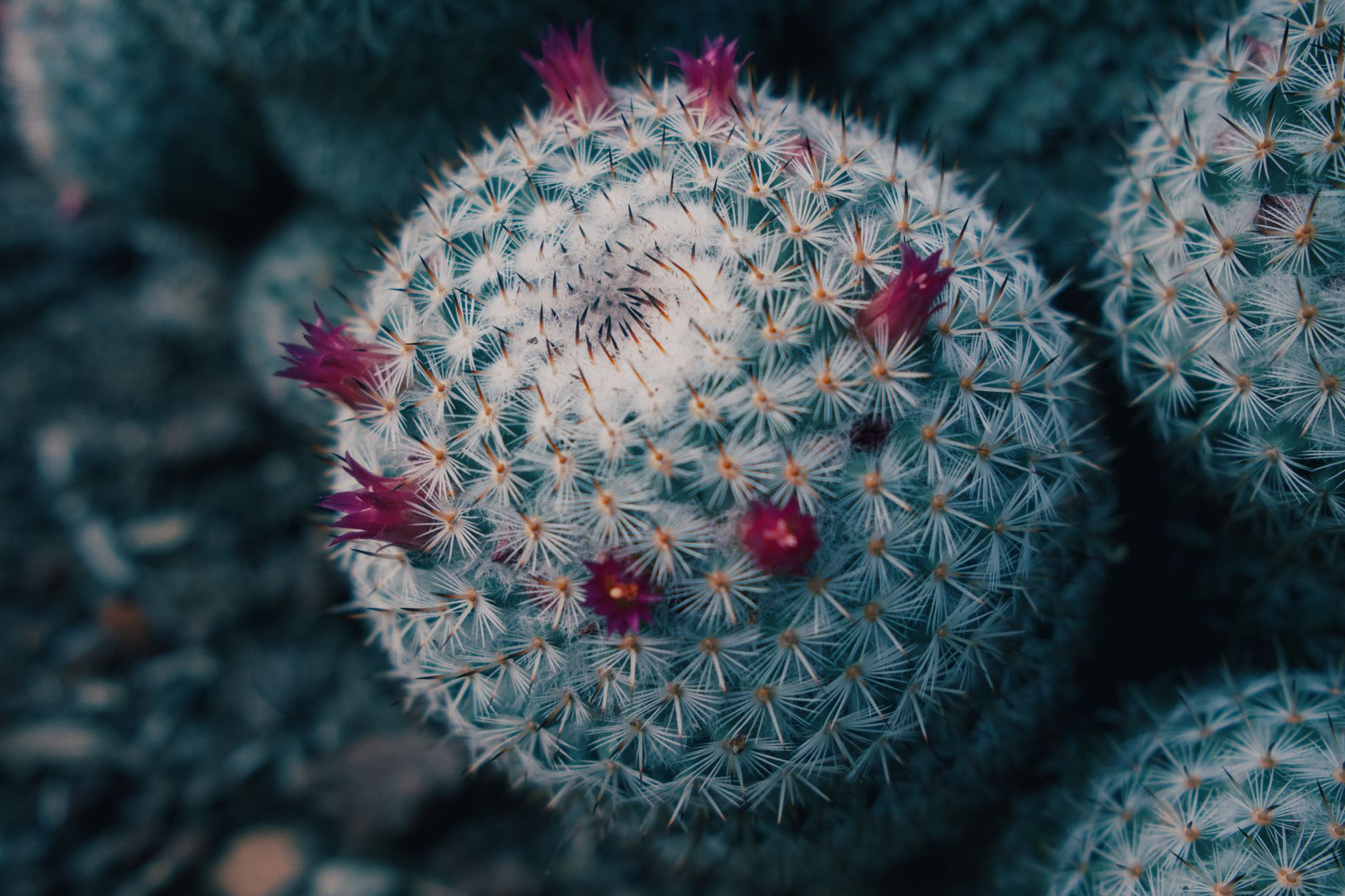
Many growers fertilize faithfully and still end up with a healthy green Christmas cactus that produces few or no flowers. The problem is usually not the fertilizer.
What Actually Triggers Christmas Cactus Flower Buds
Christmas cactus flowering is strongly influenced by environmental signals: shorter days with longer uninterrupted nights and cooler seasonal temperatures. As nights lengthen in fall, the plant forms flower buds. Fertilizer supports the plant’s nutritional condition but does not replace these signals; a well-fed plant kept in a warm room with lights on until late evening may never get the seasonal message. Artificial evening light can interrupt the dark period, which is why many growers move plants to a dark room or cover them in fall. Fertilizer helps build a plant capable of flowering; light and temperature tell it when to flower.
Why a Healthy, Fertilized Christmas Cactus Still Doesn’t Bloom
A recurring scenario: “The plant is green and growing new segments, I fertilize it, but it still won’t flower.” A healthy-looking plant that never blooms usually points to something other than nutrition. Likely explanations:
- It is still receiving long days or too much evening light, shortening the dark period.
- Night temperatures remain too warm for strong flower induction.
- High nitrogen feeding keeps vegetative growth active, so the plant makes segments instead of buds.
- The plant recently experienced a move, repotting, or another major change.
- It may actually be a Thanksgiving cactus or another holiday cactus with a different flowering schedule.
If the plant is healthy and you are feeding a balanced product, work through this list before adding more fertilizer. The fix is likely environmental.
Once Buds Appear, Stability Matters More Than More Fertilizer
Do not increase fertilizer when buds appear. Visible buds mean the plant has done its seasonal work; it needs stability, not more food. Avoid sudden changes in location, light, temperature, humidity, or watering while buds develop — bud drop is often linked to abrupt environmental stress rather than lack of fertilizer. There is no good evidence that fertilizer automatically causes bud drop, but heavy feeding is unnecessary. Consistent care protects buds better.
Before You Fertilize a Weak, Wilted, or Inherited Christmas Cactus
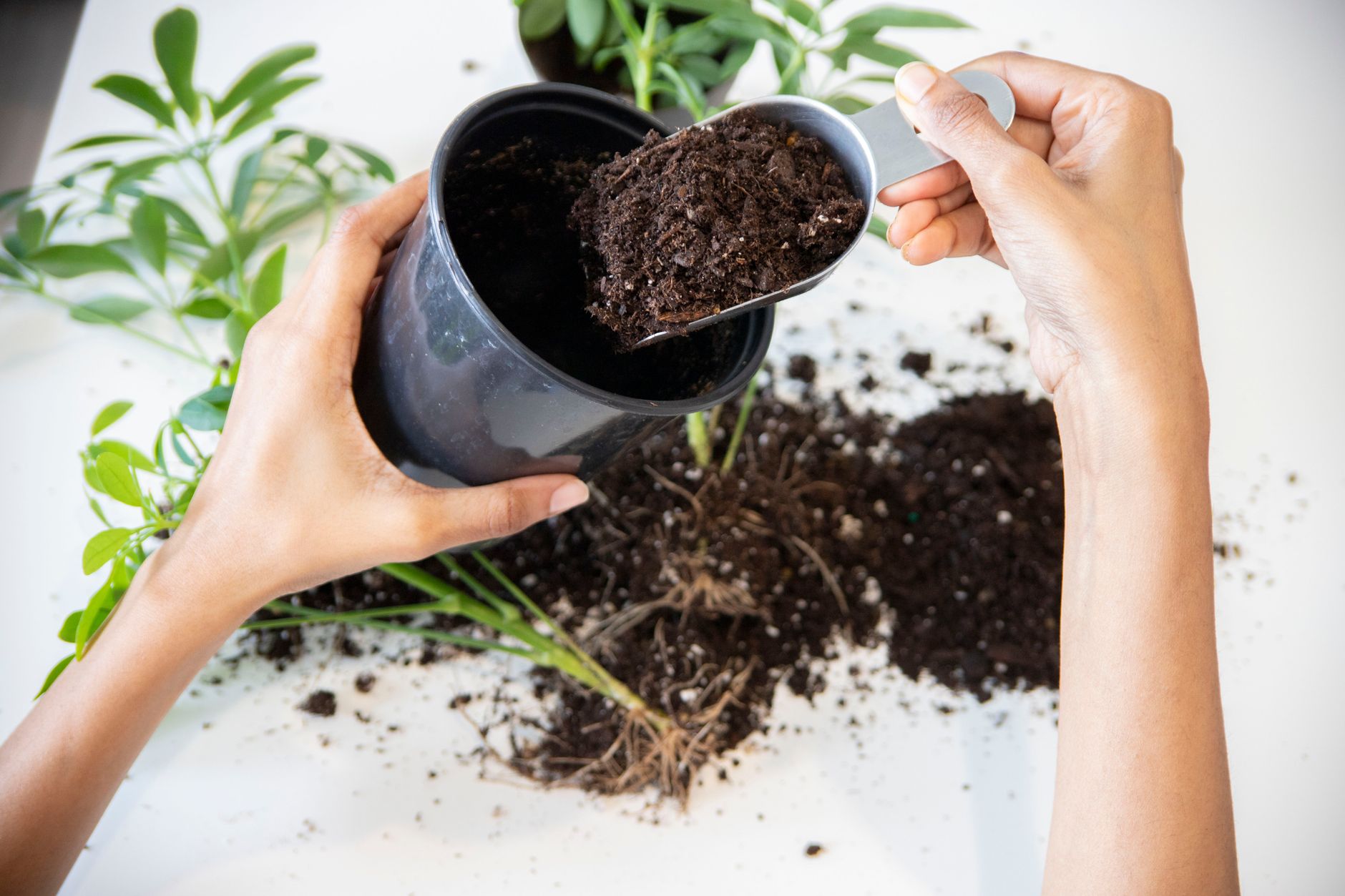
Not every Christmas cactus problem is nutritional. When a plant is weak, wilted, or newly inherited, fertilizer is often the wrong first solution.
Fix Root, Watering, and Potting Problems Before Adding Fertilizer
Check first for problems fertilizer cannot fix:
- Constantly wet potting mix or no working drainage holes
- Compacted or degraded growing medium
- Damaged or rotting roots
- Severe dehydration
- A very recent repotting
- A container too large for the root system
- Major stress after a move or care change
Damaged or oxygen-starved roots cannot use extra fertilizer, and added dissolved salts increase stress. For an inherited or wilted plant, fix the potting medium and watering routine first.
Signs You May Be Overfertilizing
Overfertilizing is more common than many growers realize, and its symptoms are easy to mistake for other problems. Look for:
- White or crusty deposits on the soil surface or pot rim
- Browning or burned-looking segment margins
- Weak or stalled growth despite regular feeding
- Wilting that does not improve with water
- A history of frequent full-strength feeding
Interpret these signs alongside your feeding history; if you have been feeding at full strength every week, salt buildup is a reasonable first suspicion.
How to Flush Fertilizer Salts From the Pot
To flush salts, stop fertilizing, run clean water through the potting medium from the top, and let it drain completely; do not let the pot sit in drained water. For severe salt accumulation or a degraded medium, fresh potting mix may be necessary. Resume feeding only after the plant returns to active, healthy growth. Flush when signs of buildup appear, not on a fixed schedule.
Coffee Grounds and Epsom Salt: Useful Supplement or Fertilizer Myth?
Two homemade ideas follow Christmas cactus care around the internet: coffee grounds and Epsom salt.
Coffee grounds contain organic material and some nutrients but are not a complete fertilizer, and their acidifying effect in a small pot is questionable. Compost them rather than adding them directly.
Epsom salt supplies magnesium and sulfur, and magnesium is essential — but essential does not mean every Christmas cactus needs extra. It is not a flowering trigger. Use it only when magnesium deficiency is suspected, and remember it adds soluble salts to the root environment.
Neither coffee grounds nor Epsom salt replaces a complete fertilizer or correct growing conditions.
Conclusion
The simple version of Christmas cactus fertilizing: use a complete fertilizer at a conservative strength during active growth, reduce or stop feeding as the plant moves into its flowering cycle, and if the plant is weak or refuses to bloom, diagnose roots, watering, light, and temperature before reaching for more fertilizer. Brand matters far less than consistency. There is no special “Christmas cactus fertilizer” — just the right care at the right time. Our guides on watering, blooming, and repotting cover what fertilizer cannot fix.
FAQ
What is the best fertilizer to use on a Christmas cactus?
A complete, balanced houseplant fertilizer at reduced strength during active growth is a practical default. Brand matters less than formulation, dilution, and timing. Feed at half strength about once a month in spring and summer, then reduce or stop in fall.
Can I use Miracle-Gro on a Christmas cactus?
Yes, depending on the formulation. Miracle-Gro is a brand with many products, so check the N-P-K and directions. Dilute an appropriate soluble houseplant fertilizer to half strength; not every product is interchangeable.
Should I fertilize a Christmas cactus while it is blooming?
Regular feeding is generally unnecessary once the plant is budding or flowering. Stable light, temperature, and watering matter more at this stage.
Does Epsom salt make a Christmas cactus bloom?
No. Epsom salt supplies magnesium sulfate, not a flowering trigger. Do not use it as a routine bloom booster unless additional magnesium is genuinely needed.
You Might Also Like