How to Improve Soil Acidity for Garlic Without Overdoing It
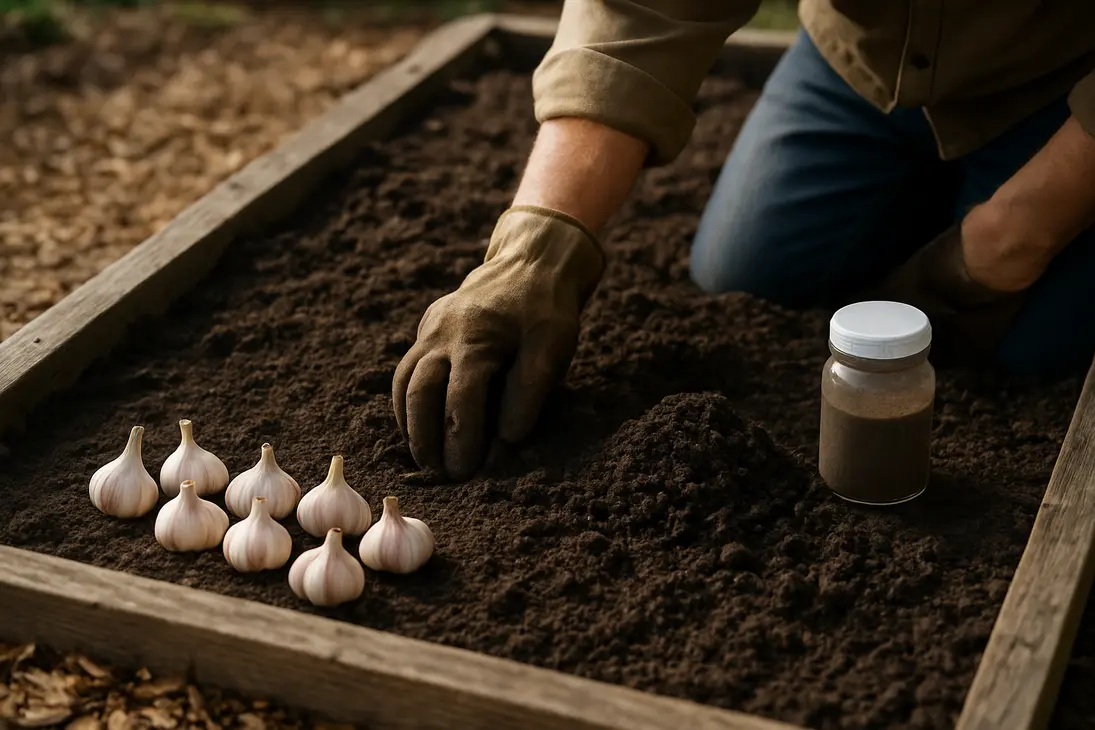
Garlic prefers soil that is slightly acidic to neutral, not strongly acidic. If you want to improve soil acidity for garlic, the goal is usually to move an alkaline bed closer to garlic’s preferred range while also improving drainage, fertility, and structure.
Do not start by adding sulfur, vinegar, peat, or other acidifying materials. Many garlic problems blamed on pH are actually caused by compacted clay, soggy soil, low organic matter, poor fertility, or disease. Test first, amend carefully, and avoid pushing soil too far.
Know the Best Soil pH for Garlic First
Garlic generally grows best at a soil pH of about 6.0 to 7.0. Slightly acidic soil is fine. Neutral soil is fine. Strongly acidic soil is not better.
If your soil is around 7.2, garlic may still grow well if drainage and fertility are good. If the soil is strongly alkaline, gradual pH reduction may help. If it is already below about 6.0, adding acidifying amendments is usually the wrong move.
What “soil acidity” means for garlic
Soil acidity is measured by pH:
- Below 7.0 = acidic
- Around 7.0 = neutral
- Above 7.0 = alkaline
Garlic is not an acid-loving crop like blueberries or azaleas. It needs a pH range where roots can take up nutrients efficiently and soil biology supports steady growth.
| Soil pH | What it means for garlic |
|---|---|
| Below 5.5 | Often too acidic |
| 5.8–6.0 | Usually acceptable |
| 6.0–7.0 | Ideal for most garlic beds |
| 7.0–7.5 | Often workable |
| Above 7.5 | May need gradual adjustment |
Your soil type, water source, organic matter, climate, and fertility all affect how garlic responds.
Signs your soil may be too alkaline or too acidic
Plant symptoms can suggest a pH issue, but they cannot prove one. Alkaline soil may contribute to pale leaves, slow growth, stunted plants, small bulbs, or nutrient deficiency symptoms even after feeding.
Overly acidic soil may cause weak roots, poor top growth, discoloration, and reduced bulb size. However, these symptoms also overlap with nitrogen deficiency, wet soil, compaction, disease, cold stress, and poor planting stock. Test before changing pH.
Why pH affects nutrient availability and bulb development
Garlic needs strong spring leaf growth to produce good bulbs. Soil pH affects how available nutrients are to the plant.
When pH is too high, some micronutrients become harder to take up. When pH is too low, nutrients can become imbalanced and soil biology may suffer. Either extreme can weaken roots and reduce bulb size.
Still, pH is only one factor. Garlic also needs healthy cloves, fall root growth, spring nitrogen, loose soil, even moisture, proper spacing, weed control, and enough time to mature.
Test Your Soil Before Adding Amendments
The safest way to improve soil acidity for garlic is simple: test first, amend second, retest later. Guessing can lead to overcorrection, and fixing soil that has become too acidic can take time.
Test the actual garlic bed, not soil from the lawn or another garden area. pH can vary near concrete, foundations, compost piles, paths, or beds that received different fertilizers.
Home pH test kits vs. lab soil tests
Home pH kits can show whether soil is generally acidic, neutral, or alkaline. For a small garden bed, that may be enough to decide whether more testing is needed.
Lab soil tests are better when:
- You are starting a new garlic bed
- Garlic has grown poorly for more than one season
- Soil seems very alkaline or very acidic
- You plan to add elemental sulfur or lime
- You want nutrient and organic matter information
- You garden in heavy clay or mineral soil with high pH
A lab test may also include buffer pH, which helps estimate how resistant your soil is to pH change. Clay soils and soils high in organic matter usually require more amendment to shift pH than sandy soils.
When to test soil for fall-planted garlic
For fall-planted garlic, test in late summer or early fall so you can prepare the bed before planting.
Elemental sulfur does not work instantly. Soil microbes convert it over time, and the process depends on warmth, moisture, and biological activity. If sulfur is added at planting, it may not change pH much before cloves need to root.
| Timing | What to do |
|---|---|
| Late summer | Test the garlic bed |
| Early fall | Add compost and recommended amendments |
| Planting time | Plant into settled, workable soil |
| Spring | Feed lightly if needed |
| After harvest | Retest if major changes were made |
If you missed the testing window, plant in the best prepared bed you have, use compost, avoid heavy fertilizer, and test before the next crop cycle.
What else to check besides pH: drainage, organic matter, and nutrients
Garlic is very sensitive to wet, compacted soil. A bed with ideal pH can still fail if roots sit in water.
Before planting, check drainage, texture, organic matter, nitrogen, phosphorus, potassium, and weeds. Water should not stand after rain, moist soil should crumble rather than form hard clods, and weeds should be controlled because garlic competes poorly.
If the bed stays sticky and wet for days after rain, drainage and structure may matter more than pH.
How to Make Soil More Acidic for Garlic
If testing shows your soil is too alkaline, lower pH gradually. The goal is not to make the bed strongly acidic; it is to move it toward garlic’s preferred slightly acidic to neutral range.
Make modest changes, monitor results, and retest. Large unmeasured applications can create worse problems than the original pH.
Use elemental sulfur for long-term pH adjustment
Elemental sulfur is a common amendment for lowering soil pH. It works gradually as soil organisms convert it into acidifying forms.
Key points:
- It is not immediate.
- It works best in warm, moist, active soil.
- Soil type affects the amount needed.
- Too much can make soil overly acidic.
- It should be mixed into soil before planting, not piled against cloves.
Use soil test recommendations or the product label. Sandy soil changes pH more easily than clay, while heavy clay often resists quick shifts.
For garlic, apply sulfur before planting when possible. If garlic is already growing, be conservative and keep amendments away from direct root contact.
Add compost and organic matter to support mild acidity
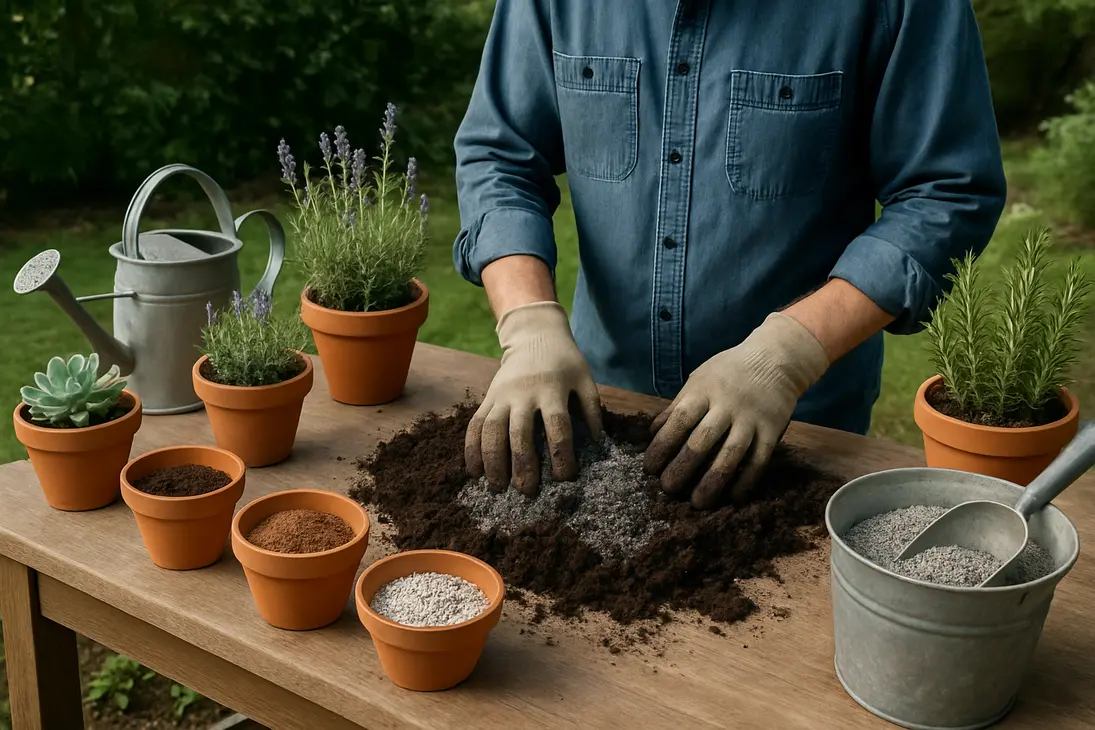
Compost is not a strong pH-lowering amendment, but it improves the soil garlic needs: loose, fertile, moisture-retentive, well drained, and biologically active.
Compost may be slightly acidic, neutral, or slightly alkaline depending on its ingredients. Its main value is soil improvement, not dramatic pH change.
Use finished compost before planting or as a top-dressing. Avoid unfinished compost around cloves because actively decomposing material can temporarily tie up nitrogen or create uneven conditions.
Consider acidic mulches carefully
Pine needles, leaf mold, bark, and similar materials may have a mild local effect over time, but they usually do not dramatically acidify garden soil.
Mulch is still useful for garlic because it can protect fall-planted cloves, reduce weeds, limit crusting, moderate moisture, and add organic matter as it breaks down.
The main caution is wetness. Heavy mulch can keep clay soil cold and soggy in spring. If shoots struggle to emerge or the bed stays too wet, pull mulch back slightly.
Avoid quick fixes that can damage garlic roots
Avoid harsh or unpredictable acidifying tricks, including:
- Vinegar poured into soil
- Large amounts of fresh coffee grounds
- Heavy acidifying fertilizer applications
- Unmeasured sulfur
- Amendments mixed directly into planting holes
- Correcting symptoms without testing
Garlic roots need steady conditions. If soil is only slightly alkaline, compost, good drainage, and balanced fertility may improve growth while you adjust pH slowly over time.
Improve Heavy Clay Soil Before Planting Garlic
Many gardeners who want to improve soil acidity for garlic are also dealing with heavy clay. Clay can be fertile, but it is often slow to drain, compacted, and hard to harvest from. Garlic bulbs may be smaller or misshapen when soil is dense.
In clay, structure is the priority. A well-drained clay bed with organic matter can grow good garlic even if pH is not perfect. A waterlogged clay bed can fail at the ideal pH.
Add compost to loosen clay and improve drainage
Finished compost helps clay form better aggregates, creating space for air and water. Over time, this makes soil easier to plant, weed, and harvest.
Work compost into the top layer before planting, but do not till wet clay. Wet clay smears and compacts, making drainage worse.
A quick test: squeeze a handful of soil. If it forms a sticky ribbon or shiny clump, wait. If it crumbles when pressed, it is workable.
For lasting improvement, add organic matter every year instead of relying on one large application.
Use raised beds if the soil stays wet or compacted
Raised beds are often the easiest solution for garlic in heavy clay. They can be wooden beds, mounded rows, or raised ridges. The goal is a looser root zone and better drainage.
Raised beds help when water sits after rain, soil warms slowly, clay dries brick-hard, bulbs are hard to harvest, or foot traffic compacts the bed.
Keep beds narrow enough to reach the center without stepping in them. Walking on garlic beds quickly destroys improved soil structure.
Be cautious with gypsum: when it helps and when it doesn’t
Gypsum is not a universal clay fix. It can help certain soils, especially those with sodium-related structure problems, but it may do little in ordinary garden clay.
Gypsum also does not significantly lower soil pH. If your goal is to acidify soil for garlic, elemental sulfur is the more relevant amendment.
Use gypsum only when a soil test or local guidance suggests it. Do not use plaster of Paris as a garden amendment.
Why adding sand to clay can backfire
Adding a small or moderate amount of sand to clay rarely creates loam. It can make soil denser and harder, especially when compacted.
To truly change clay texture with sand, you would need a very large amount. For garlic, compost, leaf mold, cover crops, reduced compaction, and raised beds are safer and more practical.
Fertility and Planting Practices That Support Garlic in Slightly Acidic Soil
Once pH is reasonable, garlic success depends on crop management. Soil acidity supports nutrient availability, but it does not replace good planting practices.
Garlic roots in fall, rests through winter in cold climates, and grows rapidly in spring. The more healthy leaves it produces before bulbing, the better the potential bulb size.
Balance nitrogen without overfertilizing
Garlic needs nitrogen, especially during spring growth. Too much, however, can cause soft lush growth, increase disease risk, delay maturity, or contribute to nutrient imbalance.
Use a soil test when possible. Otherwise, add compost before planting, use moderate fertilizer if soil is poor, emphasize nitrogen during active spring growth, reduce heavy nitrogen once bulbs begin forming, and keep concentrated fertilizer away from cloves.
Late-season yellowing of lower leaves is normal. Early yellowing may mean nitrogen deficiency, poor drainage, root damage, cold stress, or disease, so inspect the whole bed before feeding heavily.
Keep soil evenly moist but not waterlogged
Garlic needs consistent moisture during active growth, especially while bulbs size up. Drought can reduce bulb size, but waterlogged soil can cause rot.
Aim for evenly moist soil, not saturated soil. Check moisture a few inches down before watering. Sandy beds dry quickly; clay beds may stay wet below even when the surface looks dry.
Reduce watering as harvest approaches and lower leaves begin to brown. Very wet soil near harvest can make curing harder and increase bulb problems.
Rotate garlic with compatible crops
Rotation reduces disease pressure and balances soil demands. Garlic is an allium, like onions, leeks, shallots, and chives. Avoid planting alliums in the same bed year after year.
Useful rotation crops often include leafy greens, brassicas, carrots or beets in loose soil, summer cover crops, tomatoes, or peppers if disease history allows.
Do not overthink companion rules. Timing, bed space, drainage, and disease history usually matter more than strict pairings.
Avoid planting garlic where alliums struggled recently
If onions, garlic, or leeks recently failed in a bed, do not assume pH was the only cause. Replanting garlic there can repeat the problem.
Avoid beds where alliums recently had rotting bulbs, severe stunting, persistent yellowing, white fungal growth, major pest damage, or drainage-related collapse.
If disease is suspected, rotate out of alliums for several years and improve drainage. If the issue was low fertility or compaction, compost and better preparation may help. Always plant firm, healthy cloves; large cloves usually produce larger plants.
Conclusion
To improve soil acidity for garlic, start with a soil test and aim for a pH around 6.0 to 7.0. Garlic likes slightly acidic to neutral soil, not strongly acidic soil.
If soil is too alkaline, use measured amendments such as elemental sulfur, supported by compost and organic matter. Avoid vinegar, excessive coffee grounds, and other quick fixes that can damage roots or destabilize the bed.
Also fix the physical soil conditions. Loose, well-drained soil, balanced fertility, even moisture, raised beds where needed, and crop rotation often matter as much as pH.
The best garlic soil is not simply “more acidic.” It is tested, fertile, well structured, and easy for roots and bulbs to grow through.
FAQ
What pH is best for growing garlic?
Garlic usually grows best at 6.0 to 7.0. Slightly acidic to neutral soil supports good nutrient availability and root growth.
How can I lower soil pH naturally for garlic?
Use elemental sulfur according to a soil test or product directions. Compost supports healthy soil but may not lower pH enough in very alkaline beds. Avoid vinegar and harsh quick fixes.
Can garlic grow in clay soil?
Yes, if the clay drains well and contains enough organic matter. Add finished compost, avoid working clay when wet, and use raised beds if water sits after rain.
Should I use gypsum to improve soil for garlic?
Only if a soil test or local guidance suggests it. Gypsum may help certain clay soils, but it does not significantly acidify soil. Compost, raised beds, and reduced compaction are usually more dependable.
You Might Also Like