Roma Tomatoes: How to Grow Paste Tomatoes for Sauce, Canning, Containers, and Fewer Fruit Problems
Roma tomatoes are the workhorse of the tomato garden. If your goal is a thick sauce, a freezer full of paste, or a reliable canning tomato, Roma is likely the answer. But many first-time growers run into confusion about which variety to plant, how to support them, and why fruit problems appear despite their best efforts. This guide covers what makes Roma tomatoes different, how to grow them well, and how to handle the most common issues you may encounter.
Key Takeaways
-
Check your variety’s growth habit first — Not all Roma tomatoes are determinate. Roma VF and Sunrise Sauce are usually determinate, while San Marzano and Amish Paste are often indeterminate. The seed packet label determines how you prune, support, and plan your harvest window, so always verify before planting.
-
Prevent blossom end rot with steady moisture, not quick fixes — BER is common in paste tomatoes and caused by inconsistent watering that disrupts calcium uptake. Mulch, even soil moisture, and appropriately sized containers are the real solution. Quick fixes like eggshells or Tums rarely address the underlying cause.
-
Prune determinate Roma plants lightly or not at all — Heavy sucker removal on determinate varieties reduces yield because those side branches produce the fruit. Only prune lower leaves touching the soil and any dead foliage. Reserve more aggressive pruning for indeterminate types, and always leave enough leaf cover to prevent sunscald.
-
Safe canning requires tested recipes and acidification — Roma tomatoes are excellent for canning due to their meaty, low-moisture fruit, but this does not make them safe without acid. Always use tested recipes from extension services and add the proper amount of bottled lemon juice or citric acid as directed.
-
Some imperfect fruit is normal, especially early in the season — A few cracked, misshapen, or BER-affected tomatoes are typical, particularly in early flushes. First-time growers often worry unnecessarily. Focus on improving growing conditions rather than expecting every fruit to be perfect, and the plant often resolves issues on its own as it matures.
Roma Tomatoes at a Glance: What Makes Them Different
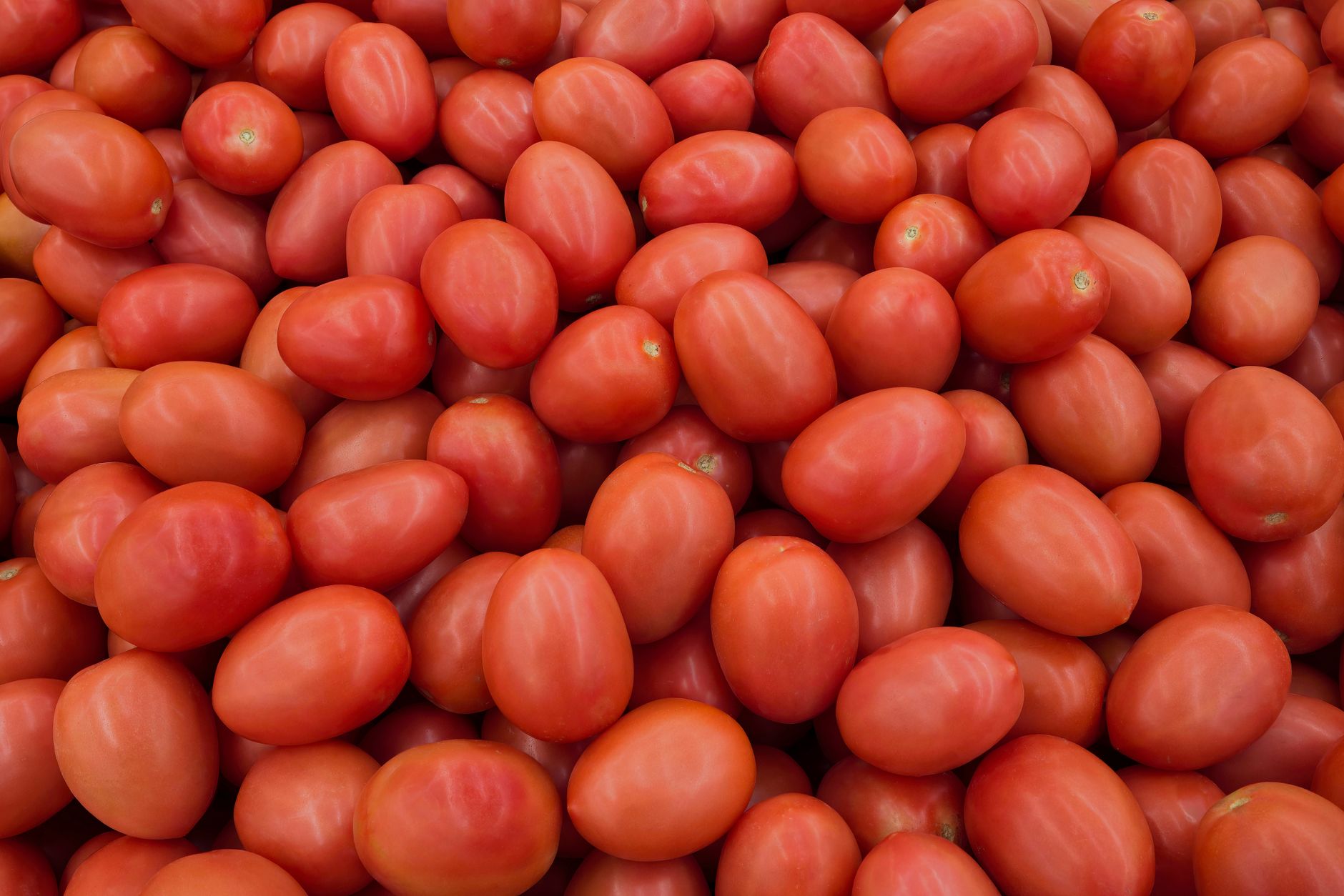
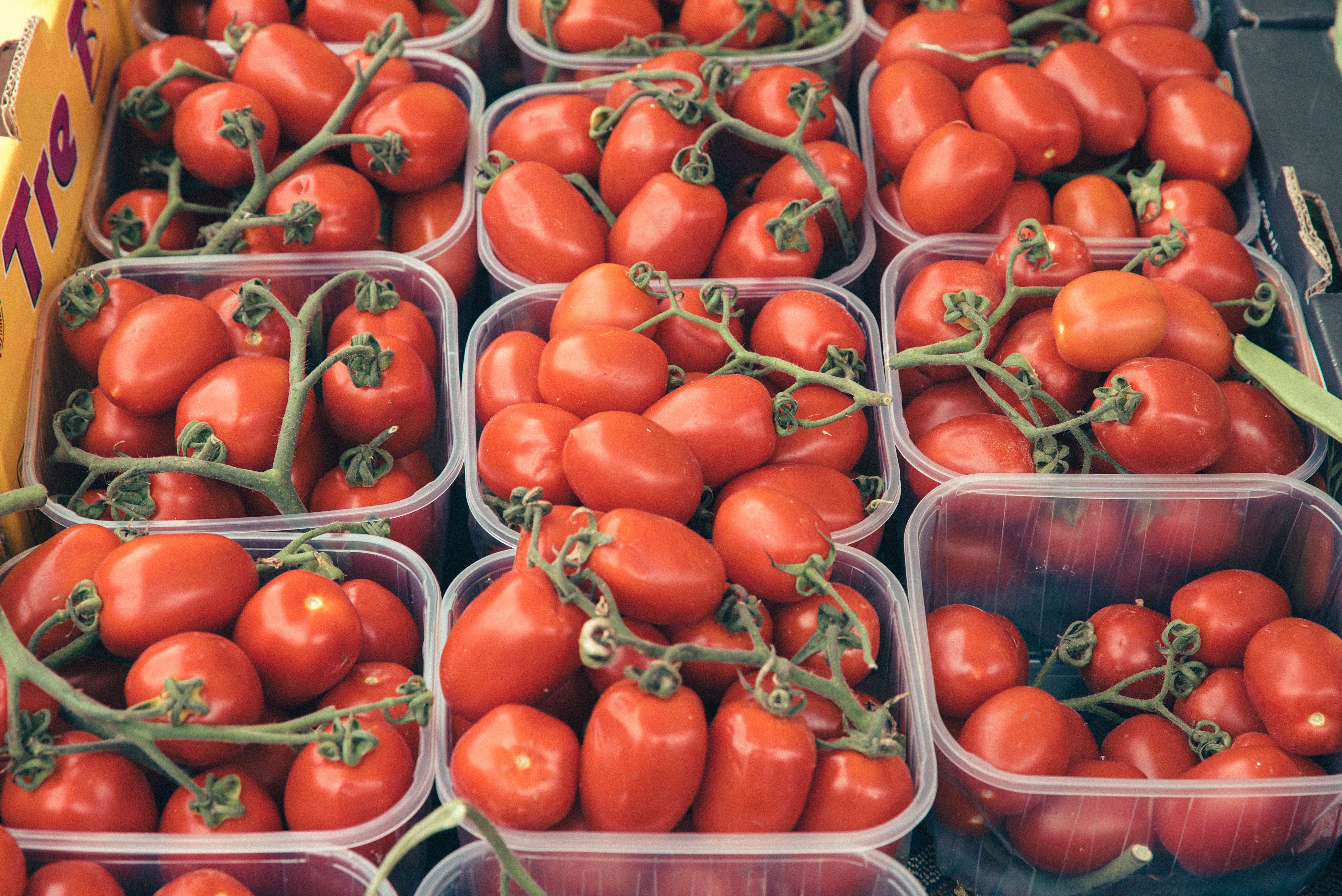
Roma tomatoes are paste tomatoes bred for cooking, canning, and sauce-making. Their oblong shape, thick flesh, and lower water content set them apart from round slicing tomatoes. You may also hear them called Italian plum tomatoes. These traits make them ideal for producing concentrated tomato products with minimal cooking time.
When gardeners talk about Roma tomatoes, they refer to a group of related varieties rather than a single cultivar. The name originated from a breeding line developed in the 1950s, but many paste-type tomatoes are sold under the Roma label today.
Roma Tomatoes vs. Regular Tomatoes: Paste Tomato Differences
Roma tomatoes have meatier flesh, thicker walls, fewer seeds, and less juice than standard slicing tomatoes. This lower moisture content means they cook down faster into a thick sauce without long simmering. A pound of Roma yields about the same sauce as two pounds of slicing tomatoes. They hold their shape better in cooking and canning but are not the best for fresh eating.
Why Roma Tomatoes Are Good for Sauce, Paste, Salsa, and Canning
Their low moisture means more tomato solids per pound, so you need less time and energy to reach a thick consistency. This makes Roma tomatoes the top choice for homemade sauce, tomato paste, ketchup, and salsa. The reduced water content also means fewer seeds to strain out, saving preparation time. They also work well for roasting, freezing, and canning.
Important safety note: If you plan to can Roma tomatoes, you must follow tested recipes and add proper amounts of bottled lemon juice or citric acid. Even though Roma tomatoes are low in moisture, they may still be borderline in acidity. Use reliable canning guidance from extension services or the National Center for Home Food Preservation.
Roma VF, San Marzano, Amish Paste, Plum Regal, and Other Roma-Type Tomatoes
One common mistake is treating all Roma tomatoes as a single variety. The table below compares several popular Roma-type tomatoes, including their growth habits and best uses.
| Roma-type tomato | Growth habit | Best use | Strength | Watch-out |
|---|---|---|---|---|
| Roma VF | Usually determinate; verify packet | Sauce, canning, compact gardens | Fusarium/Verticillium resistance where verified | Concentrated harvest, still needs support |
| San Marzano | Often indeterminate, but verify strain | Sauce, paste, cooking | Classic paste tomato reputation | Needs more support; BER can be common |
| Amish Paste | Often indeterminate heirloom | Sauce and slicing crossover | Large, meaty fruit | More irregular fruit, longer vines |
| Plum Regal | Determinate hybrid | Disease-resistance focused paste tomato | Useful where disease pressure is high | Verify resistance claims |
| Sunrise Sauce | Compact determinate | Containers and small spaces | Good for small gardens | Orange fruit, not classic red Roma |
Each variety brings unique strengths. Roma VF is a reliable all-purpose choice, while San Marzano offers premium flavor for authentic Italian sauces. Amish Paste produces oversized fruits that also work for slicing. Sunrise Sauce is excellent for patios due to its compact size. Check the specific variety’s label for growth habit and maturity days before buying seeds or transplants.
Are Roma Tomatoes Determinate or Indeterminate?
Many Roma varieties (e.g., Roma VF, Sunrise Sauce) are determinate, meaning they grow to a set height and ripen in a concentrated window. Others (e.g., San Marzano, Amish Paste) are often indeterminate, producing fruit until frost. The only reliable way to know is to read the seed packet. Mixing up growth habit leads to unhelpful pruning and disappointed yields. Determinate types are better for smaller gardens and for making large batches of sauce at once, while indeterminate types provide a steady supply over weeks.
How to Plant and Grow Roma Tomatoes Without Hurting Your Harvest
When and Where to Plant Roma Tomatoes
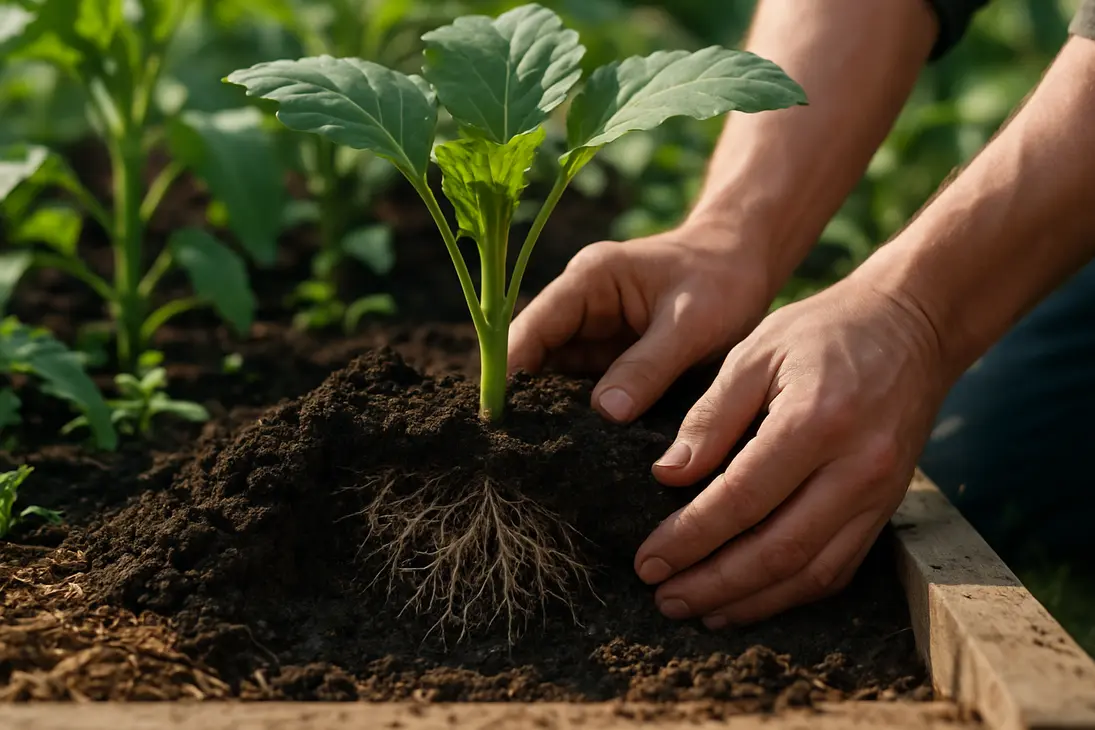
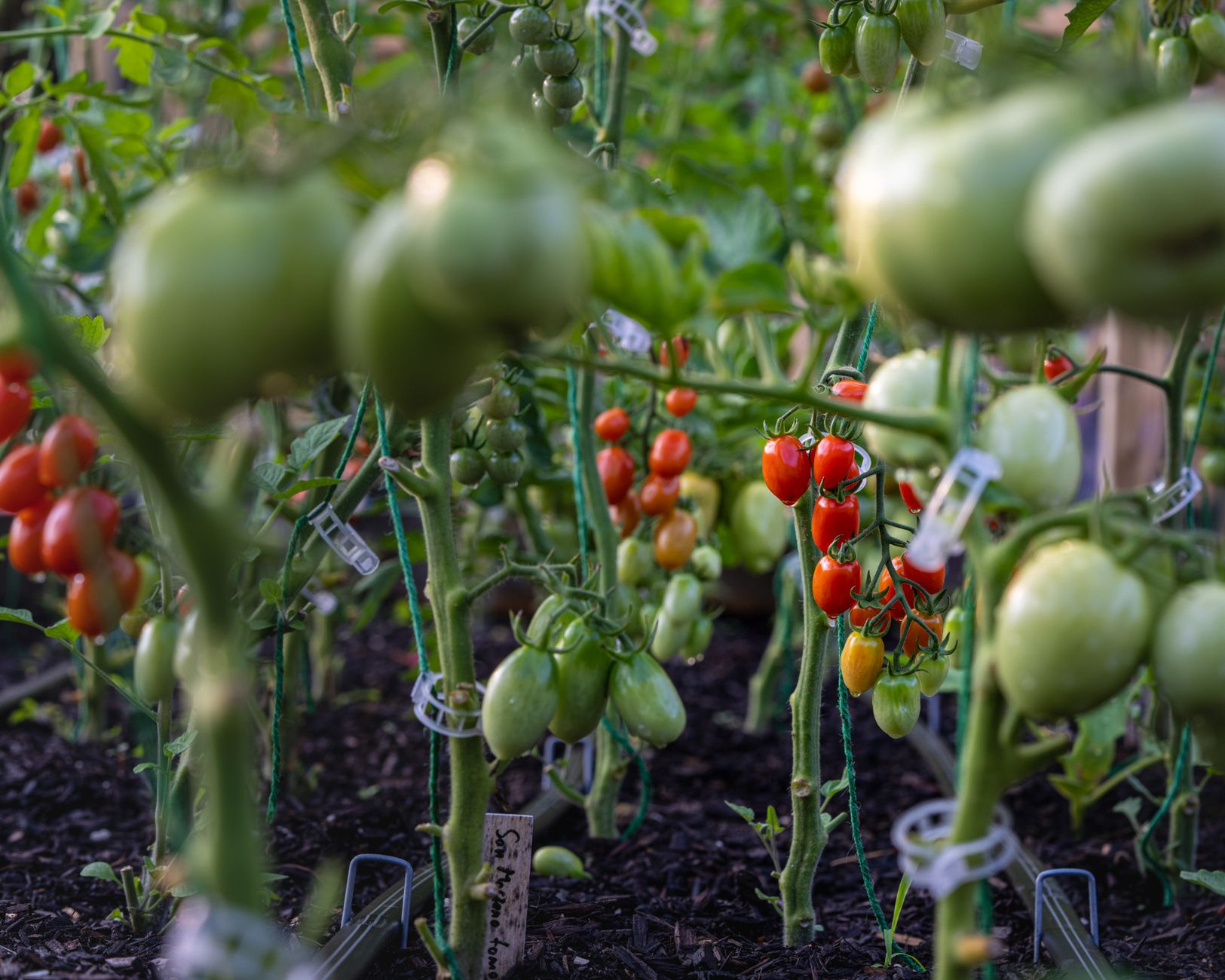
Plant outdoors after the last frost when soil is at least 60°F (16°C). Choose full sun (6–8 hours daily) and good drainage. Prepare soil by working in compost or aged manure a few weeks before planting. Bury the stem deeply up to the first true leaves. Space determinate plants 24–36 inches apart, indeterminates 36–48 inches. Rotate away from nightshades for at least three years if disease was an issue. Raised beds can improve drainage and warm soil faster in cool climates.
Cages, Stakes, and Trellises for Roma Tomato Plants
Even determinate Roma plants need support—heavy fruit clusters can snap branches or bend stems to the ground. Install support at planting time to avoid damaging roots later. Use standard cages (at least 18 inches tall) for determinate types; tall stakes (5–6 feet) or a Florida weave for indeterminate types. Support improves airflow, reduces fungal risk, and keeps fruit off the soil.
Growing Roma Tomatoes in Pots or 5-Gallon Buckets
Compact determinate varieties like Sunrise Sauce are more container-friendly. A 5-gallon bucket is minimally adequate; a 10-gallon or larger container is easier for a meaningful harvest. Use quality potting mix, not garden soil. Drill drainage holes in buckets. Container plants need more frequent watering—possibly daily in hot weather—and feeding with a balanced liquid fertilizer every two weeks.
Watering and Fertilizing Roma Tomatoes for Meaty Fruit and Less Blossom End Rot
Consistent watering is critical for meaty fruit and to prevent blossom end rot. Water at the base using soaker hoses or drip irrigation; overhead watering increases disease risk. Apply mulch (straw, shredded leaves, or wood chips) to slow evaporation and keep soil moisture steady. Use a balanced vegetable fertilizer (e.g., 5-10-10 or 8-8-8) at planting and again when fruits set. Avoid high nitrogen. The real cause of BER is inconsistent moisture affecting calcium uptake. Deep, regular watering is the best prevention.
Should You Prune Roma Tomatoes?
Determinate Roma: Do not prune suckers heavily—they produce fruit on those side branches. Only remove lower leaves touching the soil and dead foliage. Removing too many leaves reduces yield and exposes fruit to sunscald.
Indeterminate Roma-type: Prune lightly for airflow. Remove suckers below the first flower cluster; let upper suckers grow. Keep one or two main stems if staking tightly.
For both types, remove leaves touching the ground but leave enough cover to prevent sunscald.
Roma Tomato Problems: Blossom End Rot, Small Fruit, Cracking, and Sunscald
Blossom End Rot on Roma and Paste Tomatoes
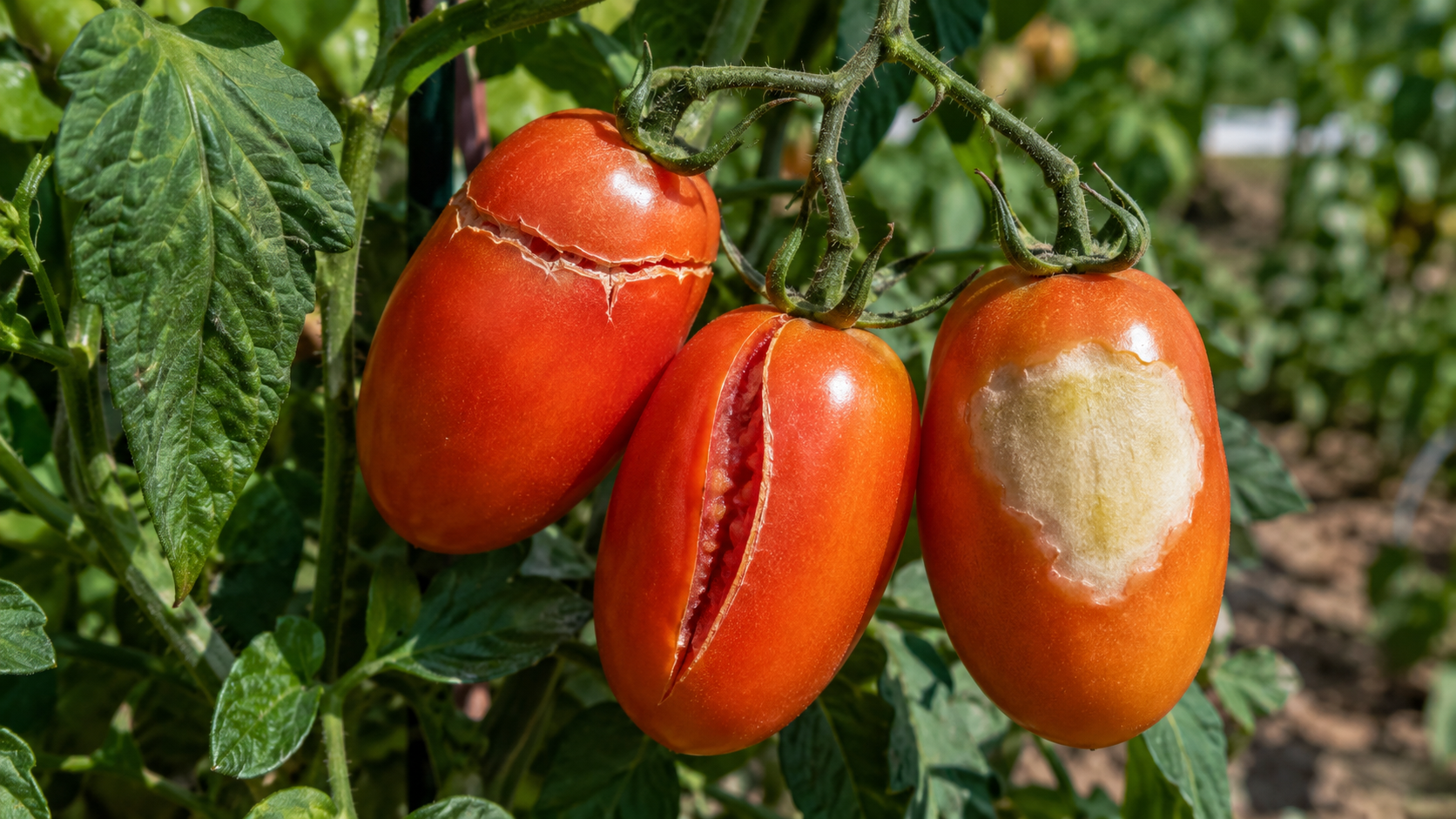
BER shows as a dark, sunken patch on the fruit bottom—a physiological disorder from inconsistent watering disrupting calcium uptake. Roma tomatoes are especially prone due to their dense, fast-growing fruit. Remove badly affected fruit to allow the plant to focus on healthy ones. Prevent with steady moisture, mulch, appropriate pot size (containers 10 gallons or larger), and balanced fertilizer. Early fruit is often affected more; the problem often resolves as plants mature.
Why Roma Tomatoes Crack, Split, or Get Sunscalded
Cracking and splitting happen after heavy rain following a dry spell. Pick nearly ripe fruit before storms to salvage them. Sunscald is a pale, papery patch from sun exposure after heavy leaf removal—leave enough leaf cover to protect the fruit. Cracked or sunscalded fruit can still be used if damaged parts are cut away.
Why Roma Tomatoes Are Small, Weird-Shaped, or Low-Yielding
A few oddly shaped or small fruits are normal, especially early in the season. If a pattern appears, check the following:
| Symptom | Likely cause | What to do |
|---|---|---|
| Small fruit | Heat, root stress, low fertility | Improve consistency; verify variety |
| Weird shape | Weather, pollination issues | Use if sound; monitor next flush |
| Many BER fruits | Moisture swings | Stabilize moisture |
| Low yield | Over-pruning determinate, low sun, excess nitrogen | Adjust pruning/feed next season |
| Sunscald | Too much exposed fruit | Avoid heavy pruning; protect fruit |
Some fruit loss is typical. Focus on improving conditions, not perfection.
Roma Tomato Diseases and Pests to Watch For
Common diseases: early blight (brown spots on leaves), Septoria leaf spot (small spots with dark borders), Fusarium/Verticillium wilt (yellowing and wilting). Reduce risk with good spacing, base watering, mulch, and crop rotation. Tomato hornworms can be hand-picked. Aphids and whiteflies can be washed off with a strong spray. Resistant varieties (e.g., Roma VF) help. Remove and destroy infected plant material at season end.
Harvesting, Storing, and Using Roma Tomatoes
When and How to Harvest Roma Tomatoes
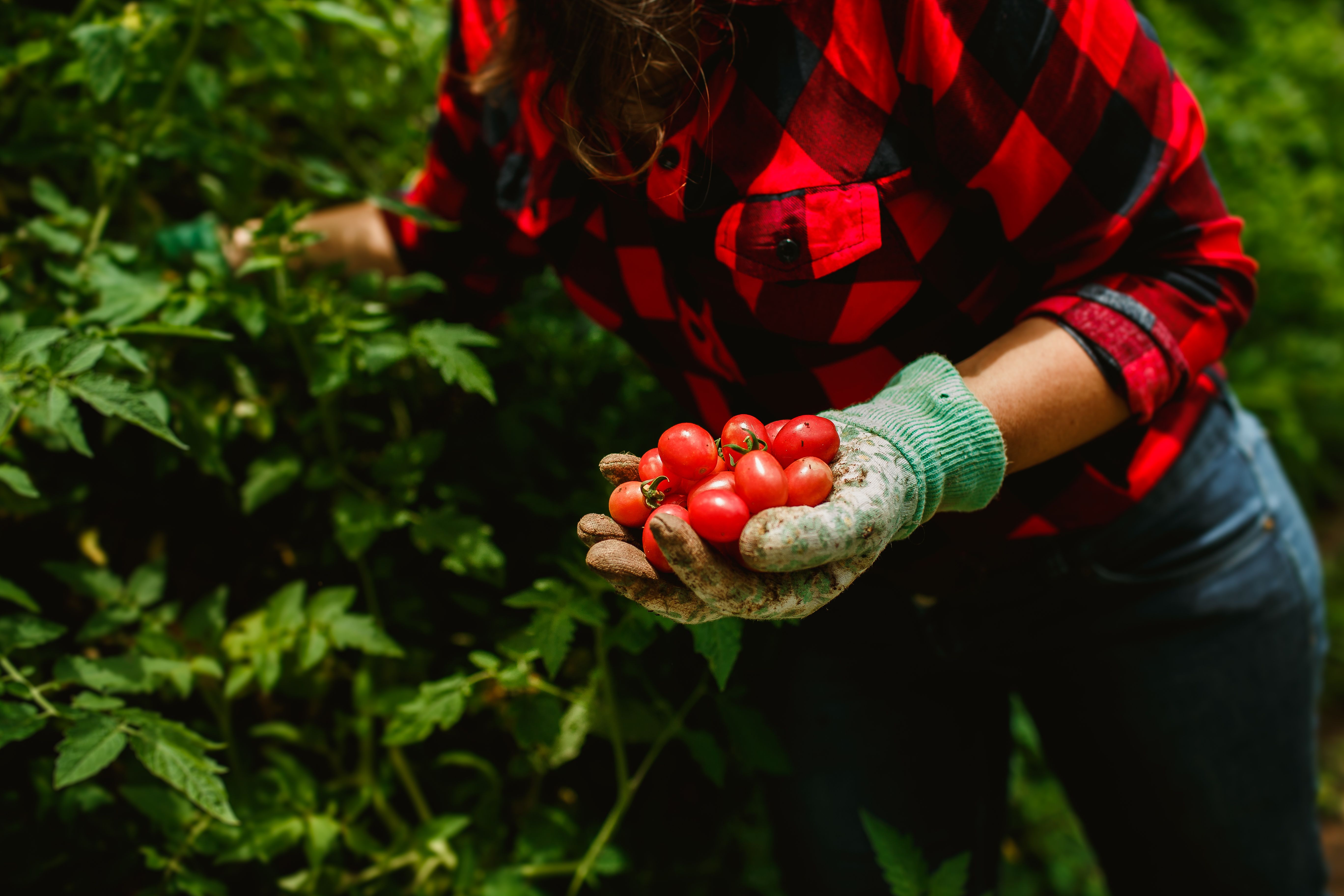
Harvest when fully colored and firm with slight give. Roma tomatoes hold their shape well, so you can let them ripen fully on the vine. Pick regularly; determinate types produce many fruits in a short window. End-of-season green mature fruits can ripen indoors in a paper bag away from direct light.
Storing Roma Tomatoes: Room Temperature, Refrigeration, and Cut Tomatoes
Keep whole ripe tomatoes at room temperature for a few days. Store them stem-side up on a counter away from direct sun. Refrigeration damages texture and flavor. Cut tomatoes must be refrigerated in a covered container for food safety. For longer storage, freeze whole Roma tomatoes—just wash, dry, and place in freezer bags.
Roma Tomatoes for Canning: Use Tested Recipes and Acidification
Roma tomatoes are excellent for canning due to their low moisture. But all home-canned tomato products require acidification to prevent botulism. Use tested recipes from extension services or the National Center for Home Food Preservation. Add bottled lemon juice (typically 2 tablespoons per quart) or citric acid as directed. Do not use fresh lemon juice as acidity varies. Pressure canning is required for low-acid additions like vegetables or meat. Water bath canning is safe only for properly acidified tomato products.
Best Ways to Use Roma Tomatoes in the Kitchen
Use for marinara, pizza sauce, salsa, tomato paste, and roasting. They cook down quickly, making them ideal for quick weeknight sauces. Roast halved Roma tomatoes with olive oil, garlic, and herbs for a concentrated side dish. Freeze whole or chopped for later use. Their dense texture holds up in casseroles and on the grill.
Can You Save Seeds from Roma Tomatoes?
Open-pollinated varieties (e.g., Amish Paste, heirloom San Marzano) come true from saved seed. Hybrids (e.g., Plum Regal) do not—they produce variable offspring. Use the fermentation method: squeeze seeds into a jar of water, let sit 2–3 days until a mold layer forms, then rinse and dry. Store in a cool, dark place in a paper envelope.
Conclusion
Roma tomatoes reward attention to a few key details: know your variety’s growth habit, support plants properly, maintain even soil moisture, and prune according to type. They are purpose-grown for sauce, paste, salsa, and canning. Start with a variety suited to your space and climate, and you’ll have a harvest of meaty, firm tomatoes perfect for the kitchen. Enjoy the satisfaction of turning homegrown Roma tomatoes into your own signature sauces and canned goods.
FAQ
What is the difference between a Roma tomato and a regular tomato?
Roma tomatoes are paste tomatoes with meatier flesh, thicker walls, fewer seeds, and lower moisture content than round slicing tomatoes. They are better for sauce, paste, and cooking but less juicy for fresh eating.
Are Roma tomatoes determinate or indeterminate?
Many Roma varieties are determinate, but not all. Determinate Roma plants produce fruit in a short window; indeterminate types (like some San Marzano strains) produce until frost. Always check the seed packet.
Why are my Roma tomatoes getting blossom end rot?
BER is usually caused by inconsistent watering disrupting calcium uptake. Fix it with steady moisture, mulch, healthy roots, and appropriate pot size. Quick fixes like Tums rarely address the root cause.
Are Roma tomatoes good for canning?
Yes, they are excellent due to their meaty, low-moisture fruit. However, safe canning requires tested recipes and proper acidification with bottled lemon juice or citric acid.
Sources
For varietal specifics, consult seed packet details and the Cornell University Vegetable Varieties database. For canning safety, refer to the National Center for Home Food Preservation or your local cooperative extension service. For general tomato growing guidance, the University of California Integrated Pest Management program offers reliable fact sheets.
You Might Also Like