Growing San Marzano Tomatoes: Pots, Pruning, Sauce Fruit, and Common Problems
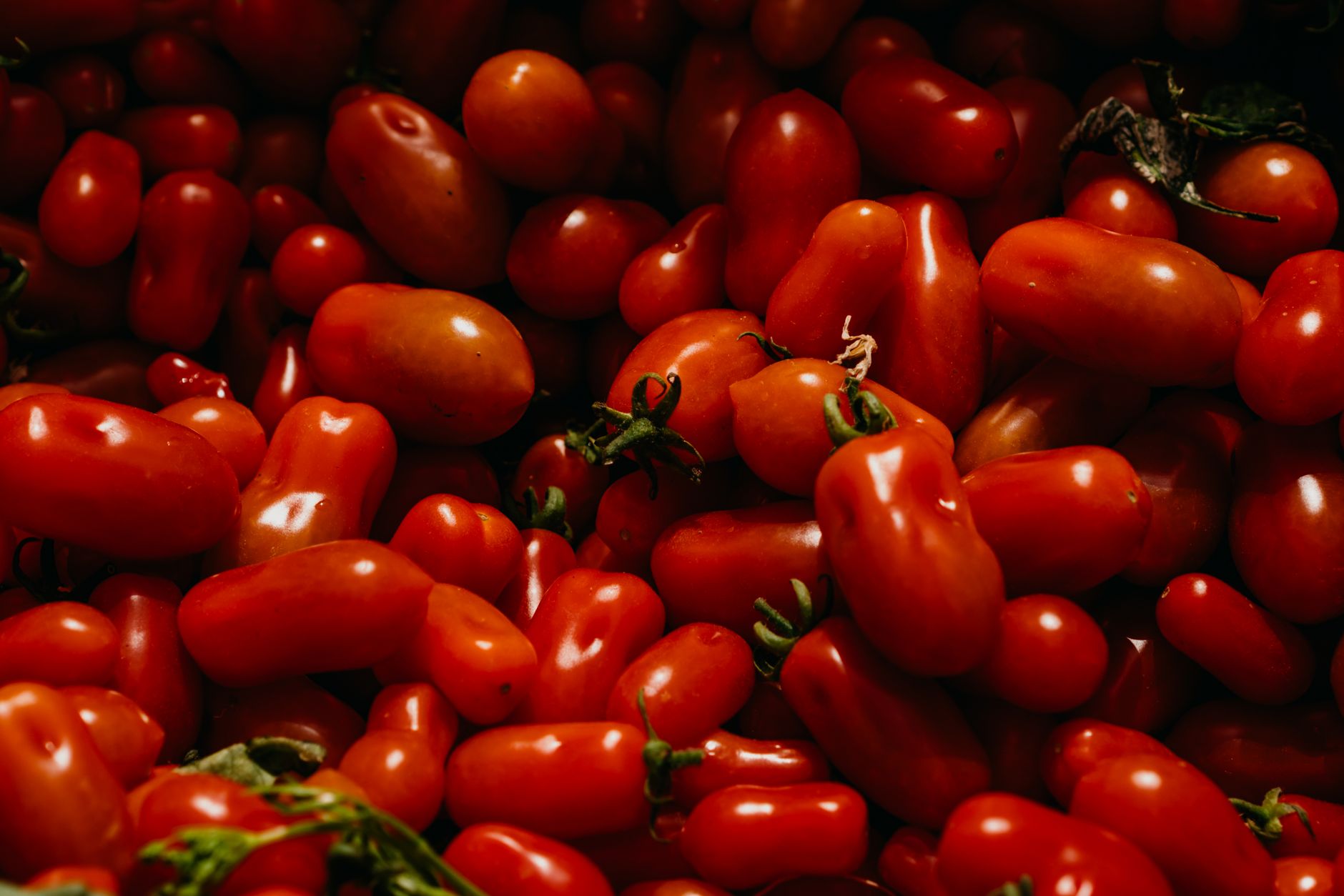
If you’ve ever tasted a rich, slow-simmered tomato sauce, San Marzano tomatoes were likely involved. These elongated, meaty fruits are prized for their dense flesh, low seed count, and concentrated flavor. Growing them at home comes with specific decisions: choosing the right seed or seedling, selecting the best container or garden spot, pruning for sauce-ready fruit, and managing common problems. This article covers those practical choices and sets realistic expectations before you plant.
Key Takeaways
- Seed source determines fruit color and type: Saved seeds from hybrid or unknown grocery fruit may produce yellow, orange, or misshapen tomatoes. Buy open-pollinated seeds from a reputable supplier for consistent, true-to-type San Marzano results.
- Container size directly affects yield: A 5-gallon bucket limits root space and dries out fast. A 10- or 20-gallon pot or in-ground bed provides better moisture stability and stronger growth.
- Consistent watering prevents blossom end rot: Irregular moisture disrupts calcium uptake, causing the sunken brown patches common on paste tomatoes. Keep soil evenly moist and avoid over-fertilizing with nitrogen.
- Prune by growth habit, not by rule: Indeterminate plants benefit from sucker removal to one or a few stems, while determinate types lose yield if pruned aggressively. Check your seed packet before cutting.
- Homegrown San Marzano will not taste like DOP Italian cans: Certified DOP fruit comes from a specific region near Naples under strict regulations. Your backyard harvest can still be excellent for sauce—just set realistic expectations.
Focus on full sun, sturdy support installed early, and steady care through the season.
San Marzano Tomato Basics Before You Plant
What Makes San Marzano Tomatoes Different from Roma and Other Paste Tomatoes?
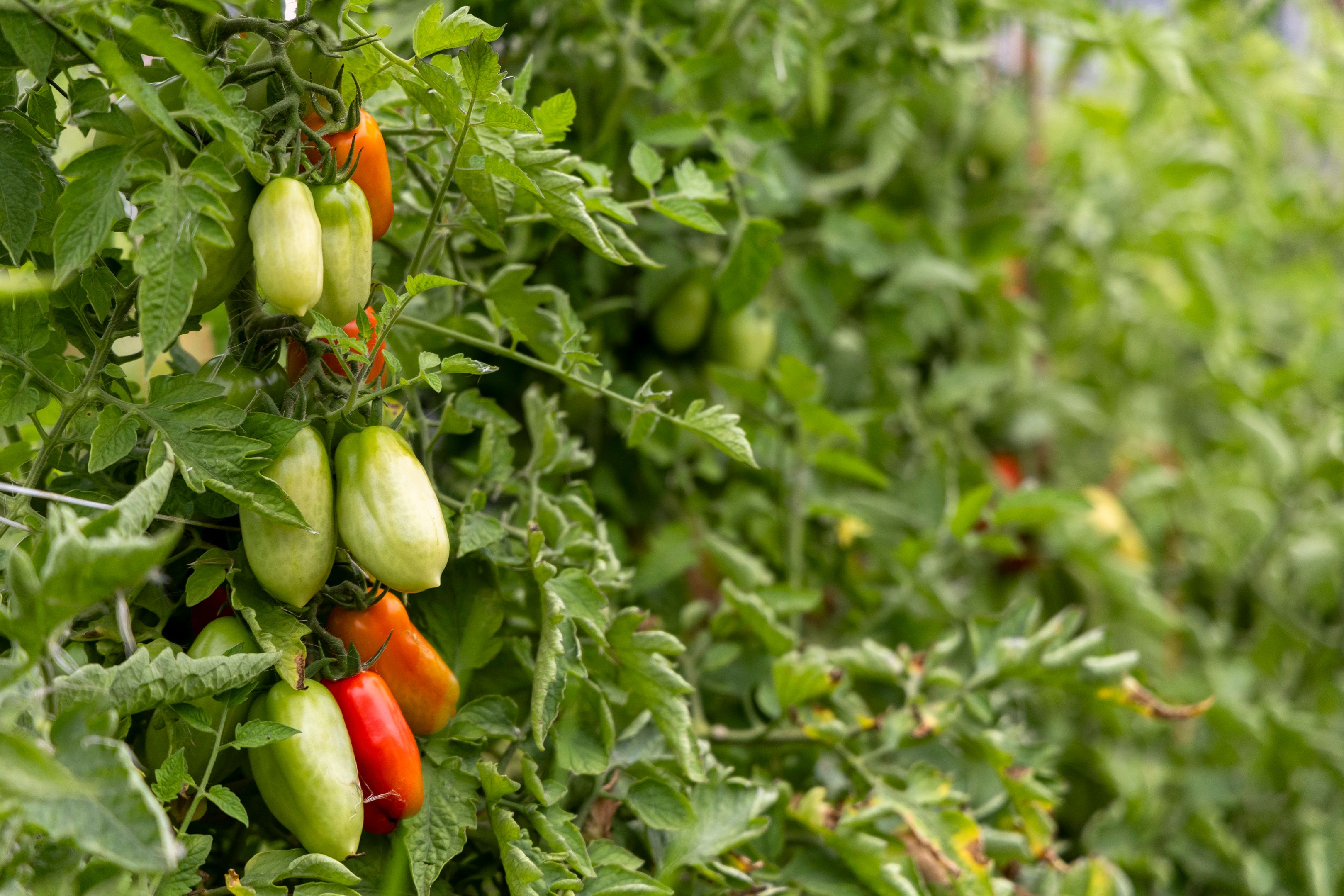
San Marzano is a paste tomato bred for sauce, canning, and cooking. The fruit is long, narrow, and plum-shaped, with thick walls, meaty flesh, and fewer seeds than round slicing tomatoes. Roma plants tend to be more compact and forgiving for beginners, while San Marzano plants are typically more vigorous, often indeterminate, and require more consistent care. In many gardens, Roma produces more fruit under less-than-ideal conditions, while San Marzano may deliver superior flavor when everything goes right. Flavor depends heavily on sun, soil, consistent watering, and ripeness—not variety alone.
Can You Grow “Authentic” San Marzano Tomatoes Outside Italy?
You can buy San Marzano seeds and grow them in your backyard. The plants will produce fruit that looks and cooks like San Marzano tomatoes. However, certified DOP San Marzano comes from a specific region near Naples under strict regulations. No fruit grown outside that region can legally be labeled DOP. For home use, your homegrown San Marzano will not taste identical to imported DOP cans, but gardeners consistently report great results with enough sun, warmth, and consistent care.
San Marzano Tomato Quick Facts: Growth Habit, Fruit, Days, and Best Use
| Trait | San Marzano tomato details |
|---|---|
| Tomato type | Paste / sauce tomato |
| Fruit shape | Long, narrow, plum-shaped |
| Best use | Sauce, paste, canning, roasting, cooking |
| Growth habit | Varies by seed strain; many are indeterminate |
| Days to maturity | Verify seed packet; commonly 75–85 days |
| Support need | Usually needs support, especially indeterminate types |
| Main challenges | Blossom end rot, slow ripening, container stress, disease pressure, pruning confusion, seed/variety confusion |
| Seed saving | Possible from open-pollinated types; not reliable from hybrids |
Always check the seed packet for growth habit and days to maturity.
Start San Marzano Tomatoes from the Right Seedling or Seed Source
San Marzano Seeds vs. Seedlings: Which Is Better for Home Gardeners?
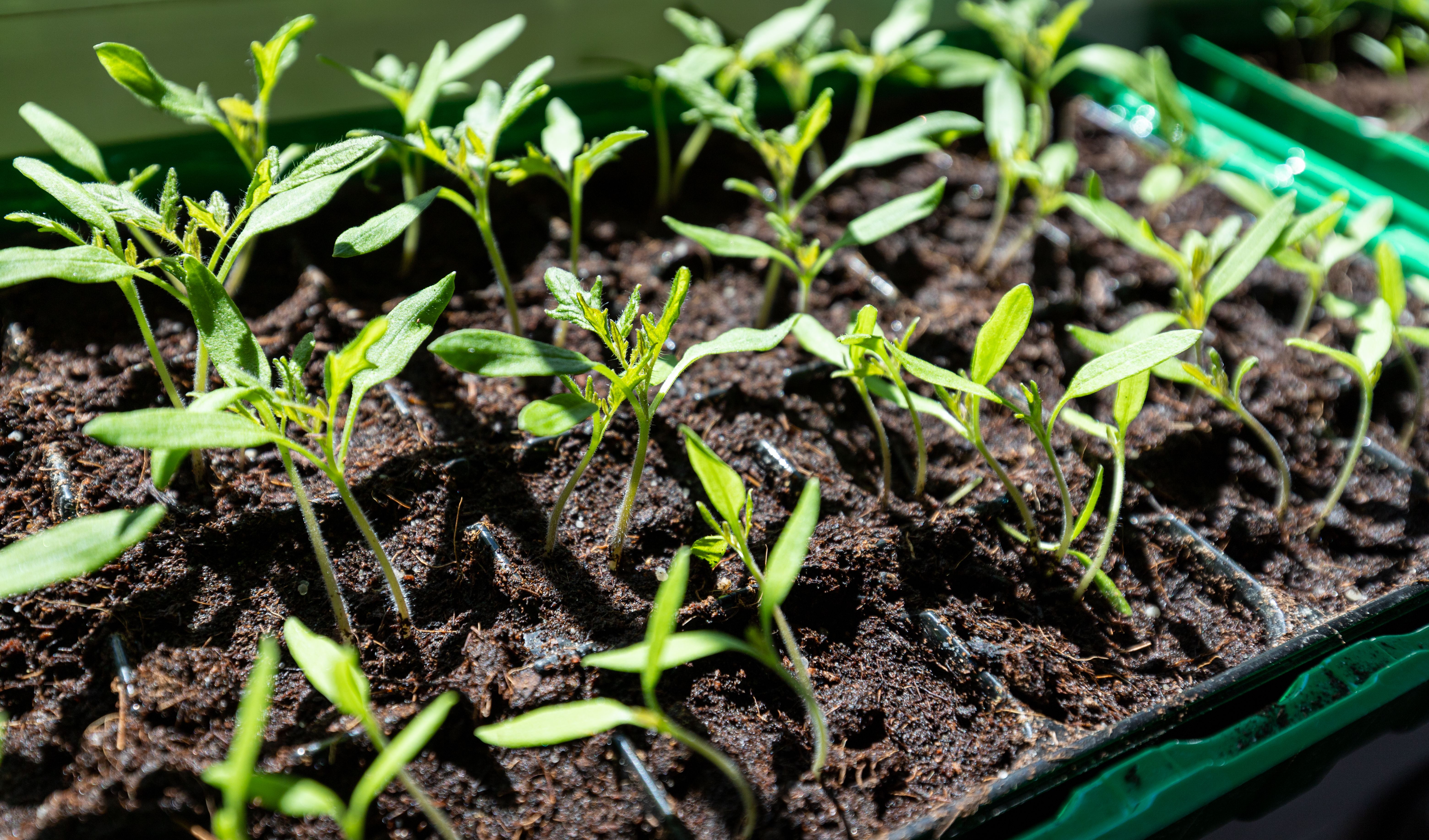
Seeds give you control over the exact cultivar, open-pollinated or hybrid, and you know the growth habit. Seedlings are easier for beginners but nursery labels often list only “San Marzano” without specifying growth habit. If buying seedlings, look for tags with full variety name, days to maturity, growth habit, and disease resistance notes.
Starting San Marzano Tomatoes from Seed
Start seeds indoors 6–8 weeks before your last frost date. Use seed-starting mix and strong grow lights. Harden off seedlings over a week before transplanting after all frost risk and soil has warmed to at least 60°F. Saving seed from unknown store-bought or hybrid plants may produce offspring that do not resemble the parent. Buy seeds from a reputable supplier for consistent, true-to-type plants.
Why Saved San Marzano Seeds May Produce Yellow, Orange, or Unexpected Fruit
Cross-pollination affects the next generation, not the fruit currently on the plant. If you save seeds from a hybrid (F1) or from a plant that crossed with another variety, the offspring can vary widely in color and shape. Seed mix-ups from mislabeled packets also cause surprises. To avoid this, buy from a seed company that specifies open-pollinated status and isolate different tomato varieties if saving seeds.
5-Gallon Bucket, Large Pot, or In-Ground Bed: Where San Marzano Actually Performs Best
Can You Grow San Marzano Tomatoes in a 5-Gallon Bucket?
Yes, but it is not ideal. Five gallons limits root room, dries out faster, and requires more frequent feeding. Indeterminate plants will likely be stunted. If using a bucket, drill drainage holes, use potting mix, water daily (twice in hot weather), and support with a sturdy stake. Expect smaller yields than larger containers or garden beds.
10-Gallon vs. 20-Gallon Pots for San Marzano Tomatoes
A 10-gallon pot provides better moisture stability and is a solid choice for indeterminate plants. A 20-gallon pot offers even more stability but is heavy and expensive to fill. Larger pots reduce the risk of moisture stress and blossom end rot, but do not fix poor sunlight or weak support.
In-Ground and Raised-Bed San Marzano Growing Tips
San Marzano performs best in rich, well-draining soil in the ground or large raised beds with at least 8 hours of full sun. Space plants 24–36 inches apart. Practice crop rotation, install support early, water at the base, and mulch to keep moisture even and reduce weeds.
Can You Grow San Marzano Tomatoes Indoors?
Indoor growing is challenging for standard indeterminate San Marzano. They outgrow typical indoor setups. Consider compact patio or dwarf paste varieties instead, though yields will be modest. Indoor growing is rarely worth the effort for sauce-quality yields.
Pruning, Support, Watering, and Feeding for San Marzano Plants
Support San Marzano Tomatoes Before the Vines Sprawl
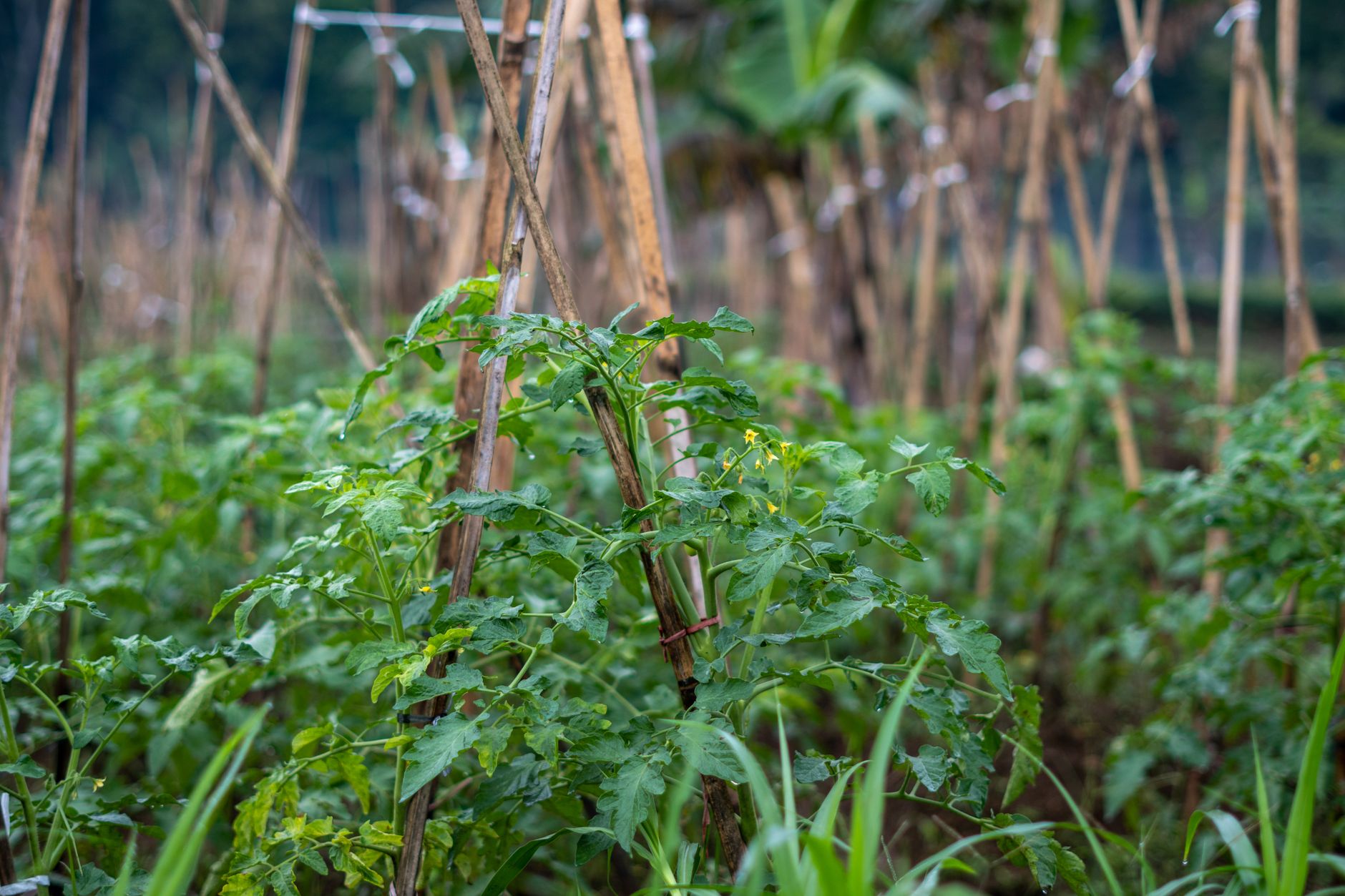
Most San Marzano types are indeterminate vines that can grow 6+ feet and produce heavy fruit clusters. Without strong support, plants sprawl, causing fruit rot and disease. Install support at transplant time: sturdy cages (4+ feet tall), single stakes with twine, Florida weave, or vertical trellises.
Prune San Marzano by Growth Habit: Suckers, Lower Leaves, and Sunscald Tradeoffs
Know whether your plant is determinate, indeterminate, or semi-determinate. For indeterminate plants, prune to one or a few main stems by removing suckers in leaf axils to improve airflow and concentrate fruit. For determinate types, aggressive sucker removal reduces harvest—only remove lower leaves touching the soil. For all types, remove oldest bottom leaves to prevent soil splash but keep upper canopy to avoid sunscald on fruit.
Watering and Feeding San Marzano Tomatoes to Prevent Blossom End Rot
Blossom end rot (BER) appears as a sunken brown-black patch on the blossom end, caused by irregular watering disrupting calcium uptake. Keep soil evenly moist; in containers this means daily checks. Use a balanced vegetable fertilizer, avoid high nitrogen. Mulch in-ground plants. If BER appears on early fruit, remove those and focus on consistent watering—later fruit often develops normally. Adding calcium is rarely effective; most BER is from watering patterns, not calcium deficiency.
Baking Soda Around Tomato Plants: Myth, Risk, and Better Alternatives
Sprinkling baking soda around tomatoes to sweeten fruit or prevent disease is not reliable. It can alter soil pH and accumulate salts harmful to roots. Tomato flavor depends on genetics, full sun, consistent watering, and full ripeness. For disease prevention, focus on good airflow, crop rotation, and keeping foliage dry.
San Marzano Tomato Problems: Blossom End Rot, Yellow Fruit, Slow Ripening, and Poor Yield
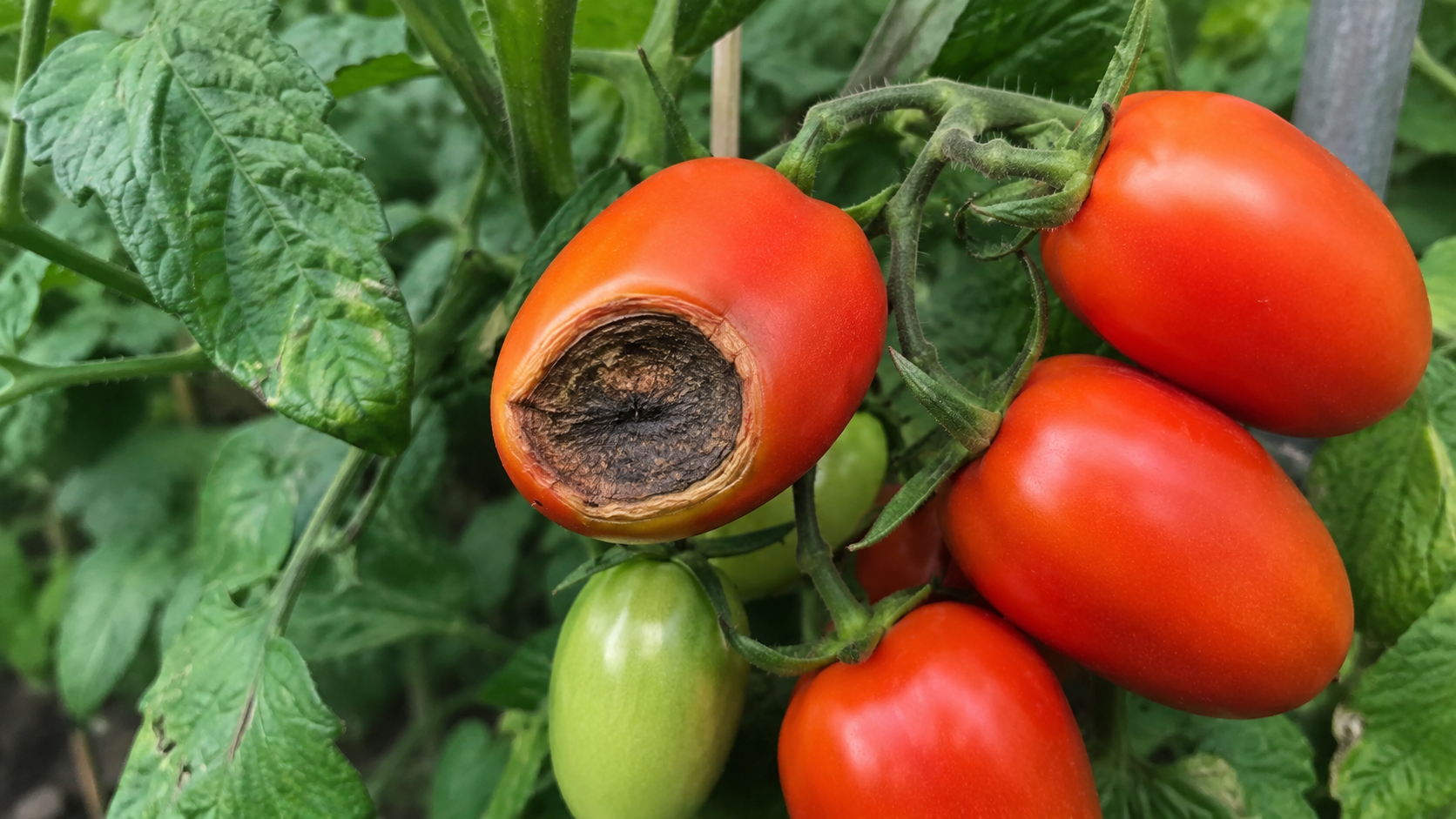
Blossom End Rot on San Marzano and Other Paste Tomatoes
BER is especially common on elongated paste tomatoes. The first fruit to set is often affected. Once a fruit has BER, it will not heal. Remove badly affected fruit and prevent further problems by watering consistently, avoiding excess nitrogen, and ensuring adequate root space.
Yellow, Orange, or Not-Red San Marzano Fruit
If fruit is yellow, orange, or striped instead of deep red, possibilities include: seed mix-up or wrong variety, hybrid or saved-seed genetics producing diverse offspring, or ripening delay due to high temperatures (above 90°F). Cross-pollination affects the next generation, not the current fruit.
Why San Marzano Tomatoes Won’t Ripen
Slow ripening can result from cool nights (below 55°F), extreme heat (above 90°F), short growing season, heavy fruit load, or insufficient sunlight. If frost threatens, pick fruit at the “breaker” stage (first color) and ripen indoors on a counter.
Why San Marzano Plants Grow Poorly While Other Tomatoes Thrive
Common issues: too much nitrogen causing tall plants with few fruits; moisture swings causing BER; small container leading to stress; variety sensitivity to conditions. Compare pot size, watering, and seed source. Adjust expectations or try a different paste tomato variety.
Harvesting, Sauce Use, and Saving San Marzano Seeds
When to Pick San Marzano Tomatoes for Sauce
Pick fruit when fully colored for the variety, firm but starting to soften. For sauce, ripe fruit has better flavor. If frost or rain threatens, pick mature green or partially colored fruit and ripen indoors at room temperature.
Best Uses for San Marzano Tomatoes
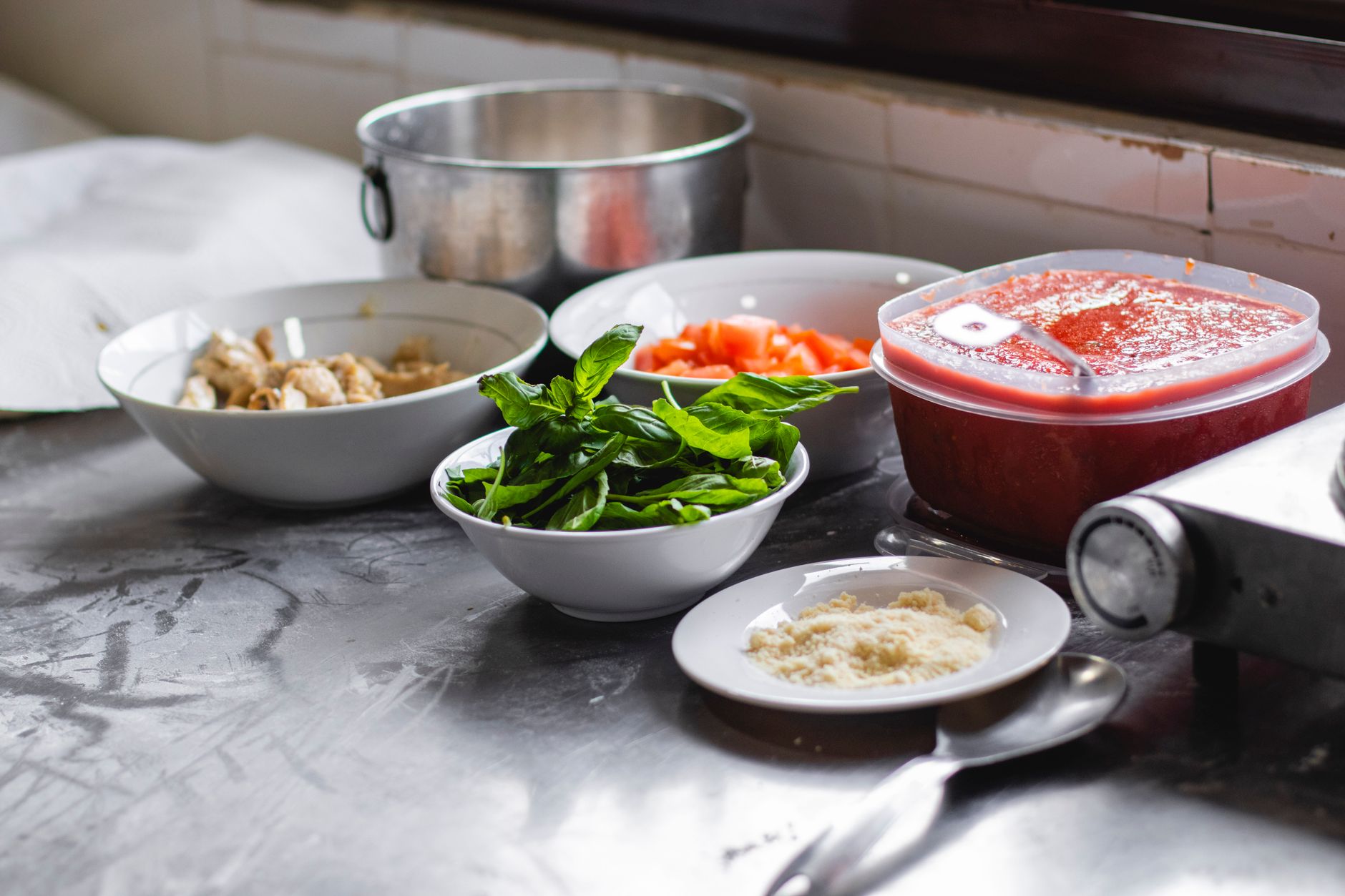
Their thick flesh and low seed content make them excellent for tomato sauce, paste, passata, roasting, canning, and pizza sauce. Homegrown will not taste identical to canned DOP, but can be very good with proper growing conditions.
Can You Save Seeds from San Marzano Tomatoes?
Yes, but only from open-pollinated (non-hybrid) plants for true-to-type offspring. Do not save from store-bought or hybrid fruit. Ferment seeds in water for a few days, rinse, dry, and store in a labeled envelope in a cool, dark place. If purity matters, isolate varieties by at least 10 feet.
Conclusion
Growing San Marzano tomatoes at home is rewarding for sauce enthusiasts. Start with the right seeds or seedlings, provide strong support, water consistently, and understand their particular needs compared to slicing varieties. Set realistic expectations about authenticity and container limitations to get the most from your plants season after season.
FAQ
Are San Marzano tomatoes difficult to grow compared to other tomato varieties?
San Marzano tomatoes are not impossible to grow, but they are less forgiving than many standard slicing or cherry tomatoes. They require steady watering to prevent blossom end rot, strong support for their vigorous indeterminate vines, and plenty of sun. Container growing can make them harder, especially in small pots. For a first attempt, keep them in the ground or in a large raised bed with consistent care.
Are San Marzano tomatoes determinate or indeterminate?
It depends on the strain or seed source. Many San Marzano types are indeterminate, meaning they keep growing and producing fruit until frost. However, some seed companies sell determinate or semi-determinate strains labeled as San Marzano. Always check the seed packet or plant tag before planting so you know how much space and support the plant will need.
Can I grow San Marzano tomatoes in a 5-gallon bucket?
Yes, but it is often limiting. A 5-gallon bucket dries out quickly, requires frequent watering and feeding, and may restrict root growth for vigorous indeterminate plants. If you use a bucket, drill drainage holes, use good potting mix, support the plant well, and be prepared for smaller yields. Larger containers (10 gallons or more) generally make container growing easier.
How many San Marzano tomatoes can I expect per plant?
There is no single answer because yield depends on the specific variety, container or garden size, sunlight, pruning, watering, and the length of your growing season. A well-grown indeterminate San Marzano in a large container or garden bed can produce several dozen fruit over the season. Expect less in small containers or with poor conditions. Focus on quality fruit for sauce rather than a specific count.
You Might Also Like