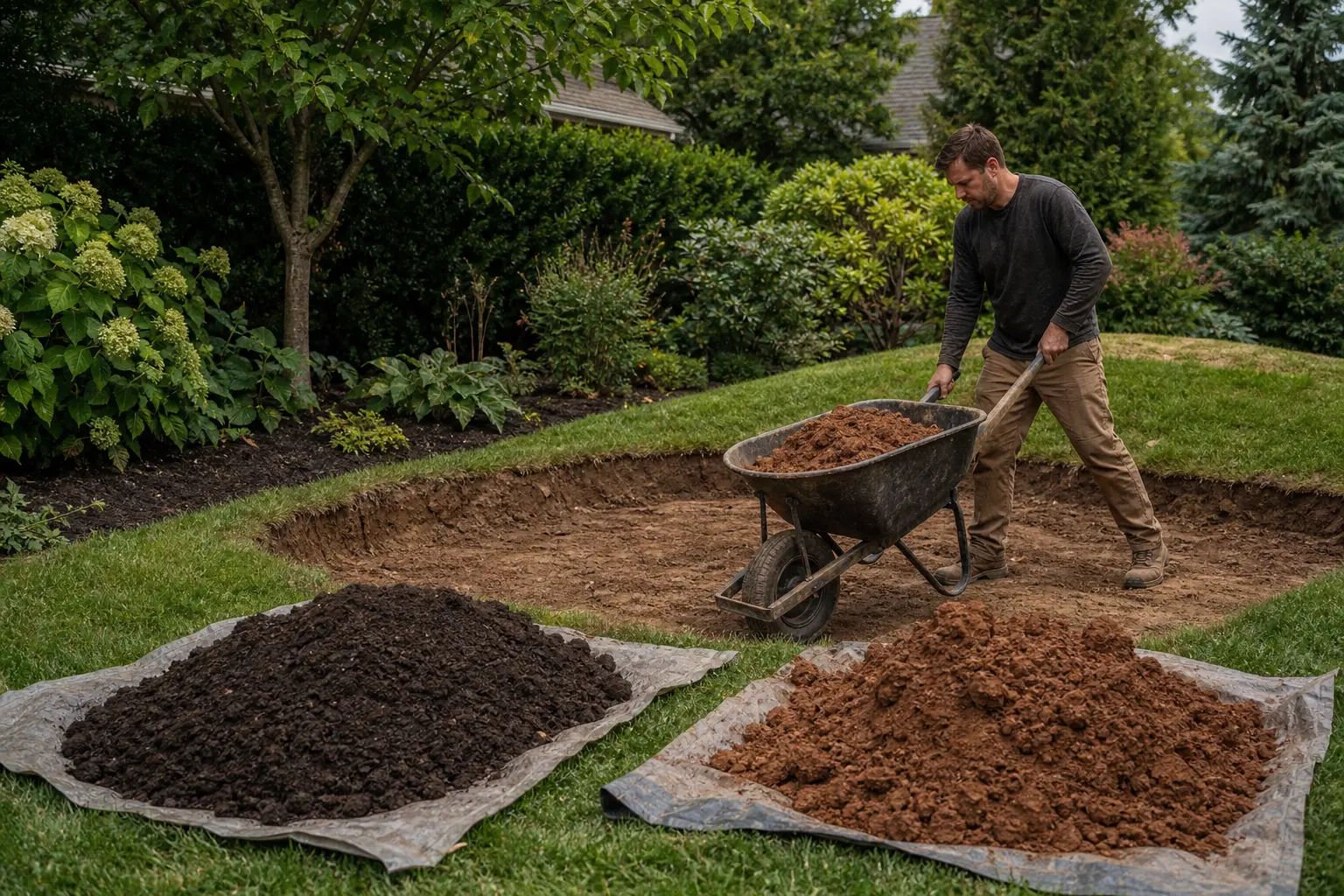
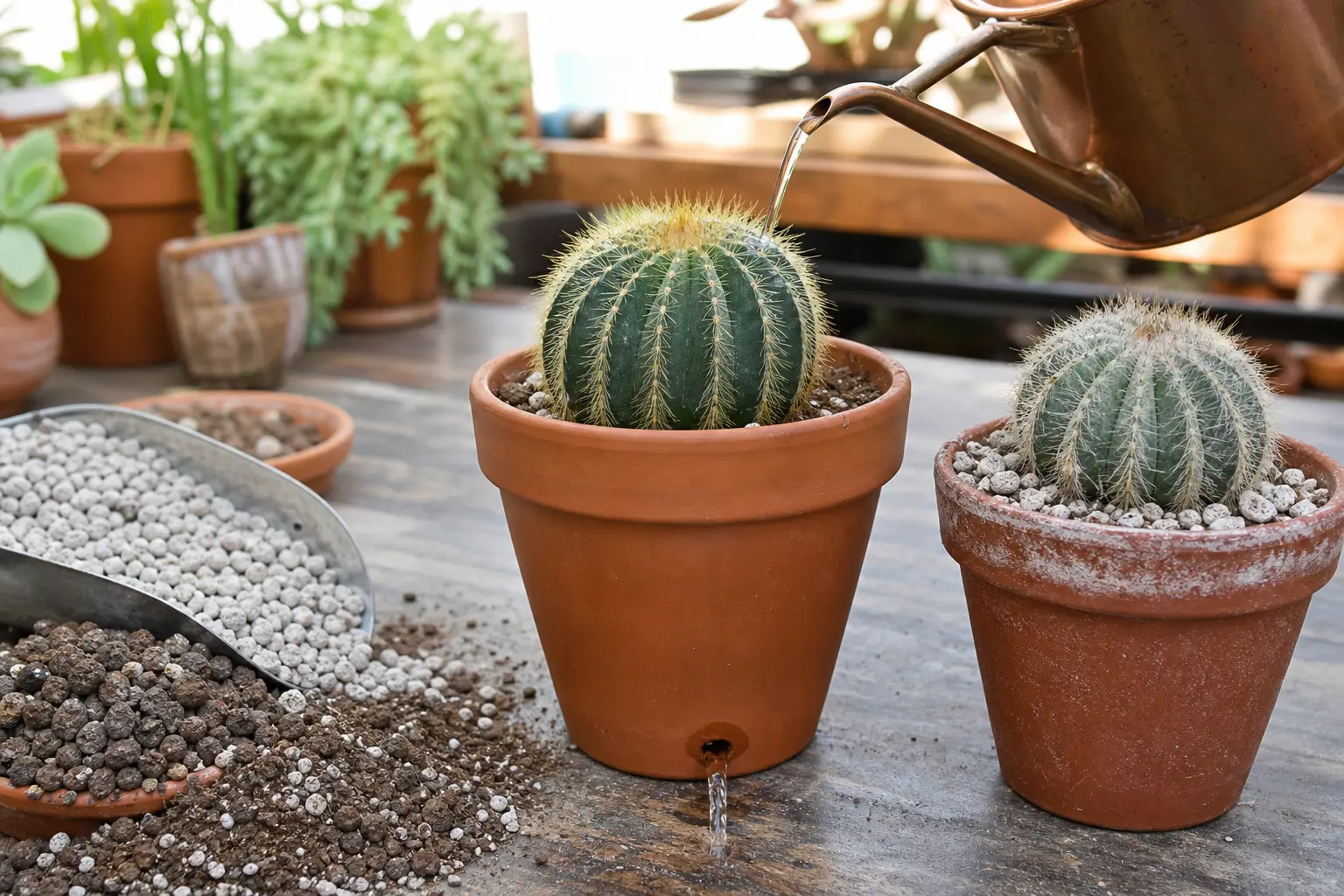
Is Fertilizer Necessary in Farming, and How Does Organic Farming Feed Crops?
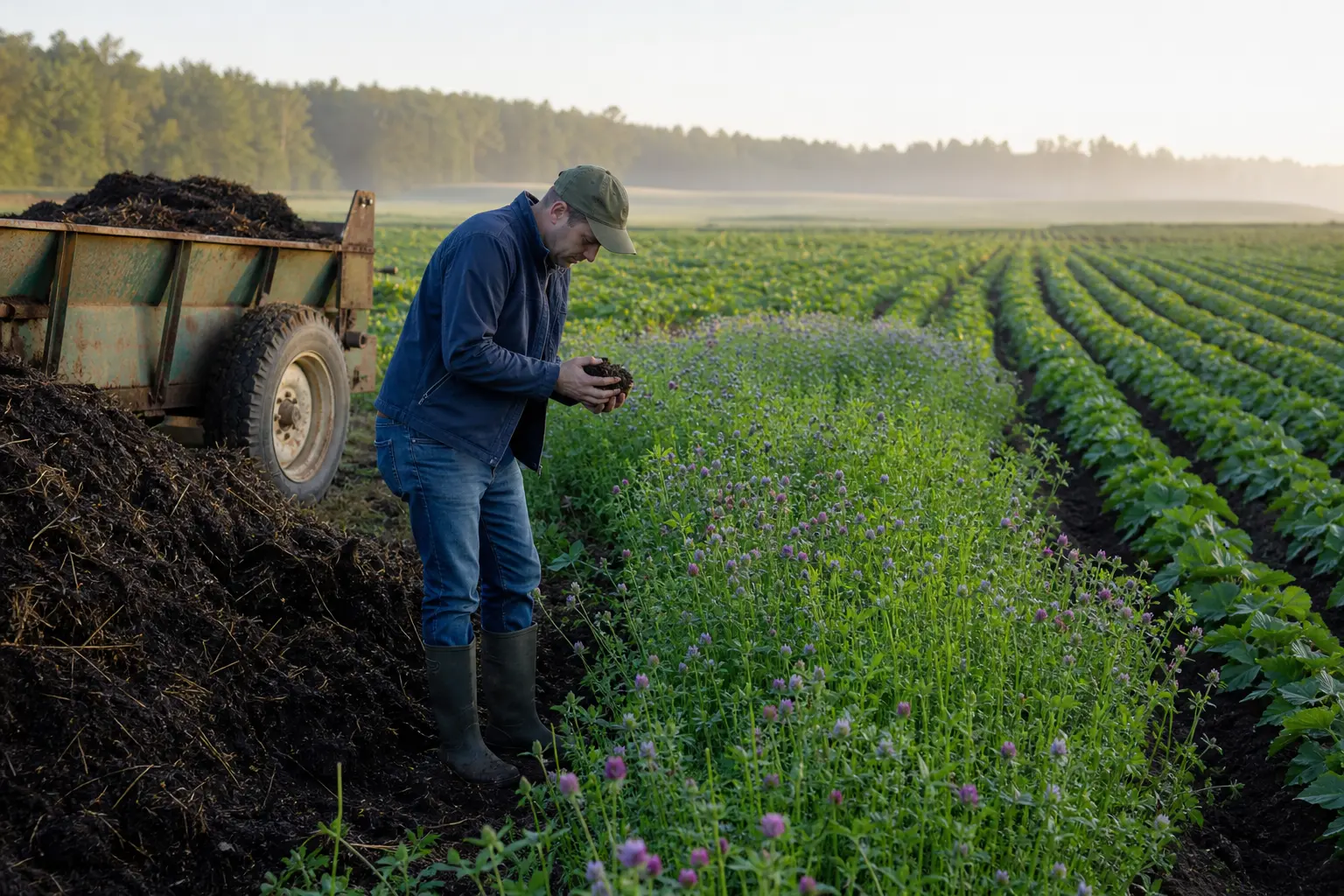
Fertilizer is not automatically necessary every time a crop is grown. What is necessary is an adequate supply of essential plant nutrients in forms the crop can use when it needs them. If soil already provides enough nutrients and losses are low, additional fertilizer may not be needed that season.
However, harvested grain, vegetables, fruit, forage, and fiber remove nutrients from fields. Rain can leach nutrients below roots, erosion can remove topsoil, and repeated cropping can reduce reserves. Farmers therefore need a dependable nutrient plan, which may include conventional fertilizer, manure, compost, cover crops, crop residues, or a combination.
Organic farming does not mean crops grow without nutrients being added or replaced. It relies on approved organic materials, biological processes, rotations, and soil-building practices rather than readily soluble conventional synthetic fertilizers.
When Fertilizer Is Necessary—and When It May Not Be
Crops Need Nutrients, Not Always Purchased Fertilizer
Every crop needs essential nutrients. The largest quantities are usually nitrogen (N), phosphorus (P), and potassium (K), but crops also require calcium, magnesium, sulfur, iron, zinc, boron, and others. Plants obtain carbon, hydrogen, and oxygen mainly from air and water; most mineral nutrients come from soil.
The key distinction is between plant nutrition and purchased fertilizer. Nutrients can come from:
- Native soil minerals and organic matter
- Previous manure or compost applications
- Crop residues
- Nitrogen fixed by legumes
- Irrigation water
- Commercial fertilizers, synthetic or organic
A fertile field with a history of manure use or a legume-rich rotation may need little or no purchased fertilizer in a given year. Sandy, eroded, intensively cropped, or nutrient-poor fields may need added nutrients immediately.
Why Fertilizer Needs Differ by Soil Fertility, Crop Type, and Yield Goal
No single fertilizer schedule fits every farm. A hay field, intensive vegetable operation, and high-yield grain field have very different nutrient demands.
Important factors include:
- Soil texture and organic matter: Sandy soils often hold fewer nutrients and lose nitrate more easily. Organic matter improves nutrient and water storage.
- Soil pH: Nutrients may be present but unavailable if pH is unsuitable. Correcting pH can sometimes help more than adding fertilizer.
- Crop species: Corn, brassicas, onions, potatoes, and many vegetables can have high nutrient demand. Legumes can obtain part of their nitrogen through nitrogen-fixing bacteria.
- Harvested portion: Removing grain, fruit, tubers, or leafy vegetables exports nutrients from the field.
- Yield target: Higher marketable yields generally require greater nutrient supply.
- Weather and water management: Heavy rain, drought, flooding, and irrigation affect nutrient movement and uptake.
A weak crop does not always need fertilizer. Poor drainage, compaction, disease, root damage, low pH, and moisture stress can resemble nutrient deficiency.
Why Wild Plants, Home Gardens, and Commercial Farms Have Different Nutrient Cycles
Wild ecosystems often recycle nutrients internally: leaves fall, plants die back, animals return waste, and decomposition releases nutrients over time. Farming changes this cycle because harvested products carry nutrients away.
Home gardens can often remain productive with compost, mulch, grass clippings, crop residues, and modest fertilizer additions. But intensive vegetable beds, especially raised beds, can lose fertility quickly when several crops are harvested each year.
Commercial farms face a scale challenge. Returning compost or manure to a few beds is manageable; supplying enough material for hundreds of acres requires storage, hauling, equipment, labor, and planning.
How Fertilizer Supports Crop Growth and Farm Production
Nutrients Removed by Harvest Must Be Replaced Over Time
Fertilizer supplies nutrients that are absent, unavailable, or being removed faster than soil can replenish them.
Nitrogen supports leafy growth, chlorophyll, and proteins. Phosphorus is important for energy transfer, roots, flowering, and seed formation. Potassium helps regulate water balance, enzyme activity, and resilience.
Harvest effects differ by product:
| Crop product removed | Typical nutrient-cycle effect |
|---|---|
| Grain | Removes nutrients in grain; returning straw retains some nutrients |
| Hay or silage | Removes most of the plant and often substantial nutrients |
| Vegetables | Can remove large amounts through frequent, intensive harvests |
| Fruit | Removes nutrients in fruit while leaves and prunings may remain |
| Root and tuber crops | Remove storage organs and may disturb soil significantly |
Crop residues return some nutrients and carbon, but they do not replace nutrients contained in the harvested product.
Deficiency Risks When Soil Cannot Meet Crop Demand
When nutrient supply falls short, crops may grow slowly, yield poorly, or produce lower-quality harvests. Nitrogen deficiency often causes general yellowing of older leaves. Phosphorus shortages may contribute to weak early growth, while potassium shortages can affect leaf margins, water regulation, and crop quality.
Visual symptoms are only clues. They can overlap with pest injury, disease, drought, and compaction. Diagnosis should consider:
- Crop and growth stage
- Soil-test results
- Recent weather and irrigation
- Field patterns, such as low spots or compacted areas
- Fertilizer, manure, and cover-crop history
Waiting for visible symptoms can be costly because some deficiencies reduce yield before they are obvious.
The Risks of Applying Too Much Fertilizer
More fertilizer is not better. Excess nutrients waste money and can harm crops and the environment.
Excess nitrogen can encourage weak, overly lush growth, delay maturity in some crops, and increase nitrate loss through drainage water. Excess phosphorus can accumulate in soil and reach waterways through erosion or runoff. High rates of fertilizer or manure can also create salt stress, especially in dry soils, containers, greenhouses, or poorly drained fields.
Overapplication can also create imbalances. For example, manure applied to meet nitrogen needs may supply more phosphorus than the soil requires.
The goal is to use the right nutrient source, rate, placement, and timing.
How Organic Farming Supplies Nutrients Without Conventional Synthetic Fertilizer
Organic farming may be chosen to build soil health, reduce reliance on synthetic inputs, support biological diversity, or meet organic-market standards. It is not simply a system of withholding fertilizer.
Organic farms still must manage nutrient removal and deficiencies. They generally emphasize slower-release nutrient sources, biological nitrogen fixation, rotations, and improvement of soil organic matter.
Manure, Compost, and Other Organic Nutrient Sources
Animal manure can supply nitrogen, phosphorus, potassium, micronutrients, and organic matter. Its nutrient content varies with animal type, bedding, feed, moisture, storage, and handling. A load of manure is not a precise fertilizer rate unless it has been analyzed or estimated carefully.
Compost can improve soil structure, water-holding capacity, and biological activity while adding nutrients. Its nutrients are usually less concentrated and released more gradually than those in commercial fertilizers. Compost may not provide enough immediately available nitrogen for a heavy-feeding crop on low-fertility soil.
Other organic sources include approved plant meals, animal by-products, mineral amendments, and processed organic fertilizers. These may be more concentrated and predictable than raw manure or compost, though they can be costly or limited.
Cover Crops and Legumes for Nitrogen Supply
Legumes such as clover, vetch, peas, beans, and alfalfa can work with rhizobia bacteria to bring atmospheric nitrogen into the farm nutrient cycle.
A legume cover crop does not create instant nitrogen for the next cash crop. Its contribution depends on establishment, growth, species, weather, termination timing, and residue decomposition. A thin or early-terminated stand contributes much less than a vigorous stand allowed to grow longer.
Non-legume cover crops such as rye, oats, radish, and grasses do not fix nitrogen, but they can capture leftover soil nitrogen, reduce erosion, add organic matter, and limit winter nutrient losses. Mixtures often combine a legume for nitrogen with a grass or cereal for biomass and soil cover.
Crop Rotation, Residue Management, and Building Soil Organic Matter
Rotation is a central fertility tool in organic systems. A rotation may alternate nutrient-demanding crops with legumes, cover crops, deep-rooted crops, or lower-demand crops. It can also help interrupt pest, disease, and weed cycles.
Returning straw, leaves, roots, and other residues recycles nutrients and carbon. High-carbon materials such as mature cereal straw can temporarily tie up available nitrogen while microbes decompose them, which matters before planting a nitrogen-hungry crop.
Building soil organic matter improves water and nutrient retention and supports biological activity. It does not eliminate the need to replace nutrients removed in harvest, but it can make nutrient release and soil performance more resilient.
Limits of Organic Inputs: Nutrient Content, Timing, Labor, and Supply
Organic nutrient management has real constraints. Manure and compost are bulky compared with concentrated fertilizer, making transport and spreading expensive. Nutrient content can vary, and nutrient release may not match peak crop demand.
A grower may have enough compost for a market garden but not enough for all acres of a larger farm. Cover crops require seed, moisture, labor, and a planting window that may compete with cash crops.
Organic materials must also be handled carefully. Raw manure and poorly made compost can create food-safety, weed-seed, odor, runoff, and nutrient-loss concerns. Farmers should follow local rules and crop-specific practices, especially for crops eaten raw.
How Farmers Can Decide What and How Much Fertilizer to Use
Start With Soil Testing and Field History
A soil test is the best starting point for a fertilizer decision. It identifies soil pH and estimates availability of key nutrients. Samples should represent the actual field or garden area; mixing clearly different soils or management zones can hide important variation.
Pair soil tests with field history:
- Recent crops and yields
- Whether residues were removed or returned
- Manure, compost, or fertilizer applications
- Deficiency or excessive-growth symptoms
- Drainage, erosion, or compaction problems
- Legume cover-crop use
A soil-test result is not a complete prescription. It must be interpreted for the crop, expected yield, climate, and management history.
Match Nutrient Applications to the Crop and Growing Season
Nutrients should be available when roots can use them. Applying nitrogen long before crop uptake increases loss risk, especially on sandy soils or before heavy rain. Splitting nitrogen applications can sometimes better match demand than applying everything at planting.
Placement matters as well. Applying nutrients near active roots can be more effective than broadcasting across the entire surface, depending on the crop and equipment. Incorporation may reduce runoff risk, while surface application may be appropriate where tillage would increase erosion.
Slow-release sources may need earlier application, while readily available sources can be reserved for rapid growth periods. Timing depends on the material and crop, not simply whether an input is organic or synthetic.
Reducing Fertilizer Costs Without Reducing Soil Fertility
When fertilizer prices rise, cutting rates across every field can cause yield loss or mine soil nutrients. Improving efficiency is usually a better first step.
Practical strategies include:
- Soil-test regularly and avoid nutrients already present at adequate levels.
- Prioritize fields with the greatest likely yield response.
- Credit nutrients from manure, compost, legumes, residues, and irrigation water where relevant.
- Correct pH problems.
- Use cover crops to reduce erosion and capture nutrients.
- Improve application timing and placement.
- Set realistic yield goals.
The least expensive nutrient is often one already in the field that is protected from erosion, runoff, leaching, or poor management.
Why Household Products Are Not Reliable Fertilizer Substitutes
Household products are not designed around crop nutrient needs, soil chemistry, or safe application rates. Vitamin tablets, baby formula, random food scraps, and similar materials do not provide a balanced or predictable fertility program. They may add salts, attract pests, or fail to correct the actual problem.
Kitchen scraps are generally better composted before use. If a crop needs nutrients, use a soil test and a known input, such as mature compost, analyzed manure, a suitable organic amendment, or a fertilizer with a clear nutrient analysis.
Conclusion
Fertilizer necessity depends on the balance between what soil and the farm system can supply and what crops remove or require. Crops do not inherently need purchased fertilizer every season, but they need reliable access to essential nutrients.
Conventional fertilizers can provide targeted, concentrated nutrients. Organic farms feed crops through manure, compost, approved organic fertilizers, legumes, cover crops, rotations, residue recycling, and soil-building practices. Neither system succeeds by ignoring nutrient removal.
The practical question is whether a farm has a realistic, measured plan to maintain soil fertility while producing healthy crops over time.
FAQ
Can crops grow without any added fertilizer?
Yes. Crops can grow without added fertilizer when soil already supplies enough available nutrients, moisture, and suitable growing conditions. This may occur in fertile soils, fields following legumes, or gardens with sufficient past compost or manure applications.
But repeated harvests remove nutrients. Soil testing and yield records help show whether no-input production is sustainable or merely using stored fertility.
Is manure enough to replace chemical fertilizer?
Sometimes, but not always. Manure can provide major nutrients and organic matter, especially where reliable livestock supplies are available. Its nutrient content varies and may not match crop needs or timing.
Repeated manure use to meet nitrogen needs can also create excess phosphorus. Analysis, careful application, rotations, and occasional supplemental nutrient sources may be needed.
Why do organic farms still use fertilizer?
Organic farms still need to replace nutrients removed in harvested crops. They use fertility inputs allowed under organic standards, including compost, manure, cover crops, mineral amendments, and approved processed organic fertilizers.
The difference is not that organic farms avoid all nutrient inputs. They rely more heavily on nutrient cycling, soil biology, rotation, and slower-release sources rather than conventional synthetic fertilizers.
How can a farmer reduce fertilizer use safely?
Start with soil testing and field history. Account for nutrients already supplied by manure, compost, crop residues, legume cover crops, and previous applications. Apply nutrients where soil tests and crop needs indicate a likely response.
Improving timing, placement, pH management, erosion control, and irrigation can reduce waste without reducing fertility. Avoid large cuts based only on price, and monitor crop performance and soil-test trends to prevent long-term nutrient depletion.
You Might Also Like