What Can You Plant in Mid-August?
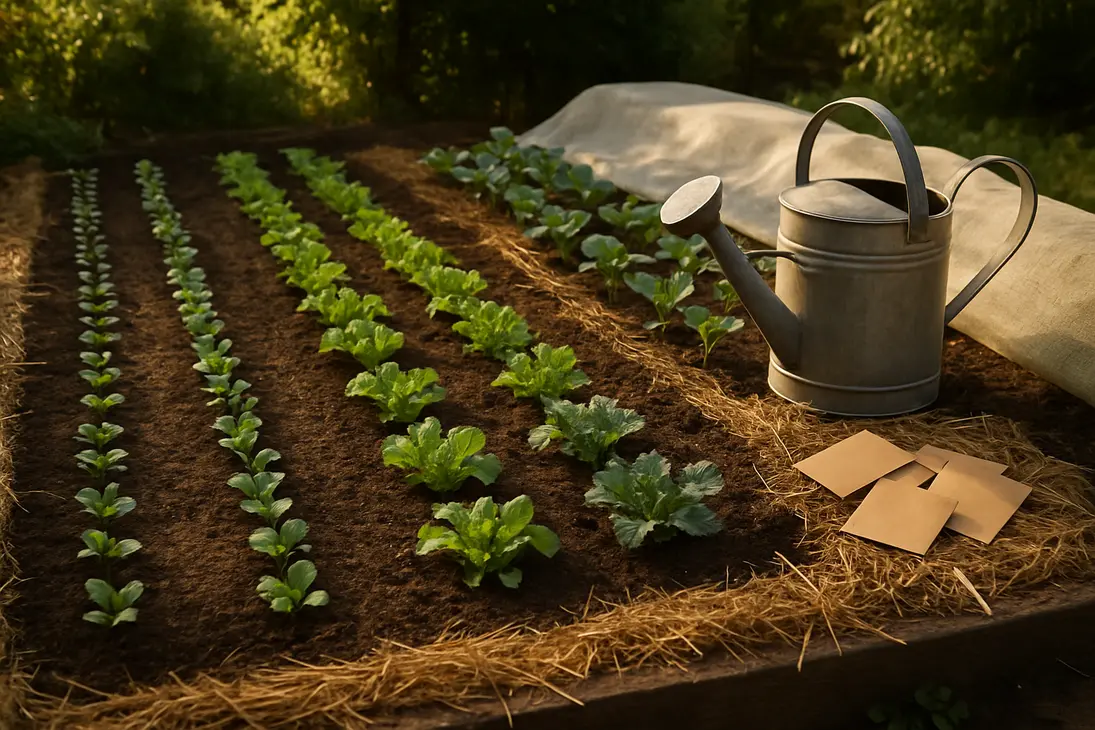
Mid-August planting works best when you treat it as the start of a fall garden, not the end of summer. Many warm-season crops are slowing down, but there is still time for fast vegetables, cool-season greens, herbs, hardy flowers, and some transplants.
Good choices include radishes, arugula, lettuce, spinach, turnips, baby kale, bok choy, cilantro, dill, mustard greens, beets for baby roots or greens, and transplants of broccoli, cabbage, cauliflower, parsley, chives, and perennials. In warm climates, mid-August may be the beginning of the main fall planting season.
Start With Your Climate and First Frost Date
Mid-August means very different things by region. In a cold northern garden, frost may be 45 to 60 days away. In a mild coastal or southern garden, you may have months of growing weather left. USDA zone helps, but elevation, wind, urban heat, soil temperature, and frost pockets matter too.
Day length is also shorter, so fall crops often grow more slowly than the seed packet suggests. A lettuce listed at 45 days may need 50 to 55 days in late-season conditions. In hot regions, August soil may be too warm for spinach or lettuce to germinate unless you provide shade and steady moisture.
How to count backward from your frost date
Find your average first fall frost date, then count backward using the crop’s days to maturity. Add a buffer because growth slows as days shorten.
A simple guide:
| Crop type | Add this buffer |
|---|---|
| Radish, arugula, mustard greens | 5–7 days |
| Lettuce, spinach, beets, carrots | 7–14 days |
| Broccoli, cabbage, cauliflower transplants | 10–21 days |
| Perennials and divisions | Plant 4–6 weeks before hard frost |
If frost usually arrives around October 15, a 25-day radish planted in mid-August has plenty of time. A 75-day carrot may still work only as a baby crop or in a mild fall.
When to use seeds vs. transplants
Use seeds for quick crops: radishes, arugula, mustard greens, turnips, spinach, lettuce, cilantro, dill, bok choy, and most root vegetables. Direct sowing is best for root crops because transplanting can distort roots.
Use transplants for crops that need more time but like cool weather, such as broccoli, cabbage, cauliflower, kale, parsley, chives, and many perennials. Transplants need careful watering because they are going into warm soil during a stressful season.
You can also start lettuce, kale, bok choy, and kohlrabi in trays in a shaded spot, then transplant them once they have true leaves.
What to avoid planting too late
Avoid starting long-season warm crops from seed in most climates: tomatoes, peppers, eggplant, melons, pumpkins, winter squash, sweet corn, and long-season cucumbers. They usually need more heat, light, and time than mid-August can provide.
Also be realistic with large storage crops. Full-size carrots, mature beets, big cabbages, and main-season cauliflower may not size up in short-season gardens unless you use strong transplants and have a long fall.
Best Vegetables to Plant in Mid-August
The best mid-August vegetables are quick, compact, and tolerant of cool nights. In short seasons, aim for baby harvests. In mild climates, many of these can grow through fall and even into winter with protection.
Leafy greens
Leafy greens are reliable because they can be harvested young.
- Lettuce: Choose loose-leaf or romaine types instead of slow heading varieties. Sow shallowly, keep evenly moist, and use shade in hot weather. Baby leaves may be ready in about a month.
- Spinach: Spinach prefers cool soil and may germinate poorly in heat. Sow in shade, pre-sprout seeds, or wait for cooler weather. Established plants tolerate light frost.
- Arugula: Fast, easy, and ideal for fall. It germinates quickly and can be cut young.
- Swiss chard: Handles heat better than spinach and can be grown for baby leaves if the season is short.
- Kale: Excellent for fall. Sow for baby kale or use transplants for larger leaves before winter.
- Mustard greens: Fast and productive, with stronger flavor in heat and milder flavor in cool weather. Use row cover if flea beetles are a problem.
Root crops
Root crops do well if they have loose soil and enough time. Remove stones and keep seedbeds damp until germination.
- Radishes: The safest root crop for mid-August. Many mature in three to four weeks. Sow small batches every week or two.
- Beets: Grow them for greens, baby roots, or full roots in long falls. Thin seedlings so roots have room.
- Turnips: Quick and useful because both roots and greens are edible. Salad turnips are faster than storage types.
- Carrots: Possible but less forgiving. Choose short, fast varieties and keep the row moist until seedlings emerge.
Brassicas and fall crops
Brassicas are classic fall crops, but heading types need time. In mid-August, transplants are often safer than seeds.
- Broccoli transplants: Plant sturdy, non-root-bound plants in rich soil. Smaller heads or side shoots may be more realistic in short seasons.
- Cabbage transplants: Choose early or compact varieties. Large storage cabbages often need too much time.
- Cauliflower transplants: More demanding than broccoli. Avoid drought, heat stress, and uneven growth.
- Kohlrabi: Faster than many brassicas. Sow or transplant, and harvest while bulbs are tender.
- Bok choy: Quick and useful for baby harvests. It may bolt in heat, so provide light shade or plant after the hottest spell.
Herbs that still work in late summer
Some herbs prefer the cooler conditions that follow August heat.
- Cilantro: Often bolts in summer but performs better in fall. Sow small successions if your season allows.
- Parsley: Slow from seed, so transplants are best. Once established, it handles cool weather well.
- Dill: Quick from seed and useful even if plants stay small before frost.
- Chives: Best planted as divisions or nursery plants. Water well so they establish before winter.
Flowers and Ornamentals to Plant in Mid-August
Mid-August is useful for refreshing containers, filling border gaps, and establishing hardy ornamentals while soil is still warm. Some choices provide quick color; others are mainly an investment in next year’s garden.
Annuals for late-season color
- Pansies in cooler areas: Good for fall color where nights are cooling. In hot climates, wait until temperatures drop.
- Calendula: Direct-sow in many gardens for cool-season yellow and orange flowers.
- Nasturtiums: Useful in containers and edges once extreme heat eases.
- Marigolds: Transplants can still brighten beds. Starting from seed is usually too late in short-season climates.
Perennials to plant or divide
Late summer can be a good time to plant or divide perennials if you water consistently. Warm soil encourages roots, but new plants still need time before hard frost.
- Coneflower: Plant nursery-grown plants in sun and well-drained soil.
- Black-eyed Susan: Tough, but water well while it establishes.
- Sedum: Drought-tolerant once established, but not while newly planted.
- Coreopsis: Plant in full sun and avoid soggy soil.
- Daylilies: Plant or divide in late summer, leaving enough time for roots to settle.
Bulbs and plants to plan for fall
- Fall crocus: Plant fall-blooming crocus and similar bulbs promptly after purchase.
- Spring-blooming bulb planning: Tulips, daffodils, hyacinths, and other spring bulbs are usually planted later, when soil cools. Mid-August is better for ordering or buying.
- Hardy mums, where appropriate: Mums planted in mid-August root better than mums planted close to frost, but in very cold regions they may still be best treated as seasonal color.
How to Help Mid-August Plantings Survive Heat
Late-summer plantings often struggle because of heat, dry soil, pests, depleted nutrients, and shorter days. Success depends on reducing stress from the start.
Prepare soil before planting
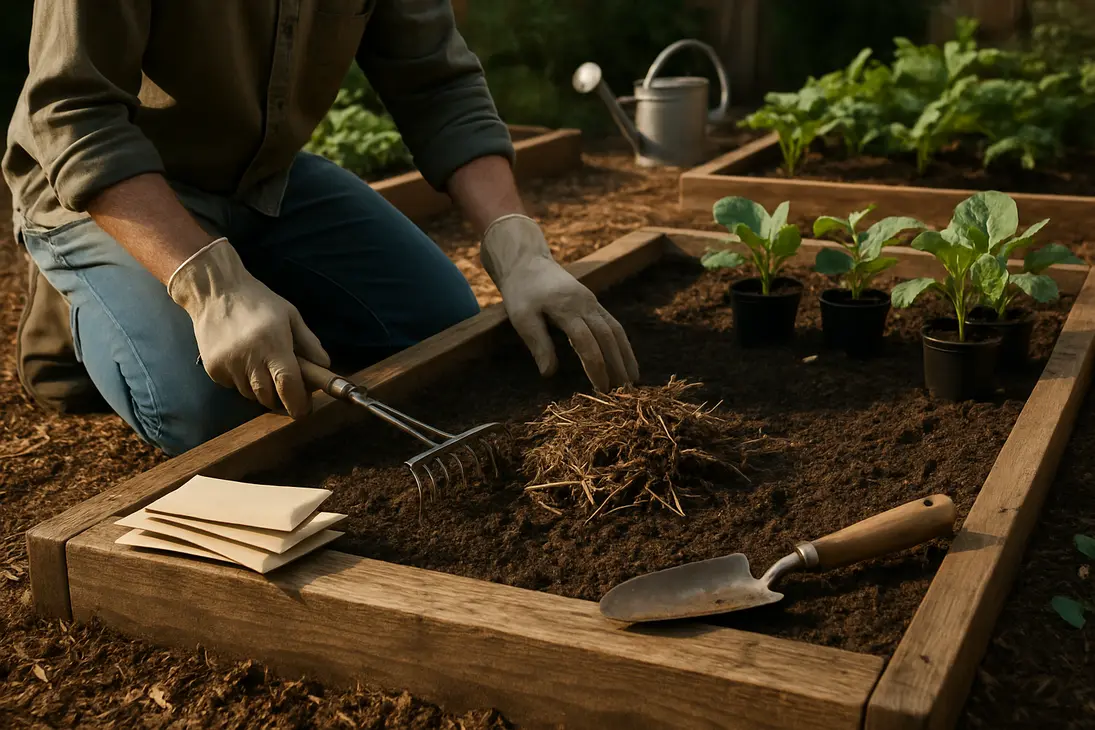
Remove finished crops, weeds, and diseased debris. Add compost to refresh beds that already produced a summer crop. If soil is dry, water deeply the day before planting.
For root crops, loosen the top several inches and remove stones. For greens and brassicas, mix in compost and use a balanced garden fertilizer if the soil is poor. Late crops need enough fertility to grow quickly, but not excessive nitrogen.
Water deeply and consistently
Shallow watering is a common reason August seedlings fail. Seeds need the top layer kept consistently damp until germination, which may require light watering once or twice a day in hot weather.
After seedlings establish, water more deeply and less often. Transplants need daily checking for the first week. A brief shower may wet the surface without soaking the root ball.
Use mulch to cool soil and hold moisture
A light mulch of straw, shredded leaves, untreated grass clippings, or fine bark helps moderate soil temperature and reduce evaporation.
Keep mulch thin around tiny seedlings. Once plants are a few inches tall, increase the layer. Around transplants, leave a small gap at the stem to reduce rot and pest problems.
Provide temporary shade for seedlings
Cool-season crops often establish better with afternoon shade in August. Use shade cloth, a window screen, supported row cover, or another temporary barrier.
Aim for bright light without harsh afternoon heat. Remove shade gradually as plants grow and temperatures cool.
Choose the right garden location
Fall vegetables need good light once weather cools, but in August a bed with morning sun and light afternoon shade can help lettuce, spinach, cilantro, and young seedlings. Root crops and brassicas need more sun to size up.
Avoid low frost pockets if cold weather is near. Raised beds, south-facing spots, or containers can buy time, though containers dry out faster.
Rotate vegetable crops when replanting beds
Avoid planting the same crop family in the same spot repeatedly. Rotation reduces disease buildup and pest carryover.
For example, do not follow cabbage with kale, bok choy, or broccoli if you can avoid it. Do not plant beets or chard after diseased chard. After peas or beans, try lettuce, spinach, carrots, or brassicas. After tomatoes or potatoes, choose greens, radishes, or a cover crop rather than more nightshades.
What Not to Plant in Mid-August
Mid-August can be productive, but some crops need more warm, bright growing time than most gardens have left.
Crops that usually need too much time
In most temperate climates, it is too late to start these from seed outdoors:
- Tomatoes
- Peppers
- Eggplant
- Melons
- Pumpkins
- Winter squash
- Sweet corn
- Okra
- Pole beans for a full harvest
- Long-season cucumbers
Bush beans may still work in warm regions with a late frost, but they are risky in short-season areas. Summer squash grows quickly, yet pests and frost often make August sowing unreliable outside mild climates.
Plants that may work only in mild-winter regions
In mild-winter or long-fall regions, you may still be able to plant beans, cucumbers, summer squash, potatoes, or additional herbs. In very warm climates, mid-August may even be suitable for fall tomatoes or peppers from transplants, not seeds.
Use your frost date and expected fall heat rather than a national planting calendar. A crop that is impossible in a northern garden may be normal in a southern or coastal one.
When to wait for fall planting instead
Some plants are better planned in mid-August and planted later. Spring-blooming bulbs usually prefer cooler soil. Garlic is normally planted after temperatures cool but before the ground freezes. Trees and shrubs may establish better once heat and drought ease.
If the forecast calls for extreme heat, dry wind, or no rain, wait a week. A slightly later planting in better conditions often outperforms an earlier planting that struggles immediately.
Conclusion
Mid-August planting is about matching crops to the time and conditions you have left. Sow fast greens, radishes, turnips, baby beets, bok choy, cilantro, and dill. Use transplants for broccoli, cabbage, cauliflower, parsley, chives, and many perennials. For flowers, choose annual transplants for quick color and hardy perennials for long-term value.
Start with your first frost date, add a buffer for slower fall growth, and protect new plantings from heat while they establish. With the right choices, mid-August can be one of the most useful planting windows of the year.
FAQ
Is mid-August too late to plant vegetables?
No. It is too late for many long-season warm crops in cold and moderate climates, but it is a good time for fast cool-season vegetables such as radishes, arugula, lettuce, spinach, mustard greens, turnips, baby beets, kale, bok choy, and kohlrabi. Use transplants for broccoli, cabbage, cauliflower, and parsley if frost is not too close.
What seeds grow fastest when planted in mid-August?
Radishes, arugula, mustard greens, turnips, baby lettuce, bok choy, cilantro, and dill are among the fastest. Keep the seedbed evenly moist and provide light afternoon shade during hot weather.
Why has my garden stopped growing in August?
August gardens slow because of heat stress, dry soil, depleted nutrients, pests, compacted soil, aging summer crops, and shorter days. Refresh beds with compost, water deeply, mulch, and replant with crops suited to late summer and fall.
Can I plant flowers in mid-August?
Yes. Use transplants of marigolds, pansies in cooler areas, calendula, nasturtiums, or hardy mums where suitable. You can also plant or divide tough perennials such as coneflower, black-eyed Susan, sedum, coreopsis, and daylilies if you water consistently. Spring bulbs are usually planned or bought in mid-August, then planted later when soil cools.
You Might Also Like