Minnesota Native Plants: How to Build an Eco-friendly, Low-Maintenance Garden
If you live in Minnesota and want a garden that supports local wildlife, reduces water use, and cuts down on mowing, native plants are a practical choice. Minnesota native plants are species that grew in this region before European settlement. They are adapted to the state’s climate, soil, and seasonal patterns. This guide gives you a clear starting point: what native plants are, how to begin a garden, which species are easiest for beginners, what to expect during the first few years, and how to handle common problems.
Key Takeaways
- Start small and assess your site first: Before buying plants, measure sunlight hours, test soil texture, and note drainage. Matching plants to your specific conditions is the top success factor.
- Use the 70/30 rule for plant selection: Aim for 70% forbs (wildflowers) and 30% grasses and sedges. This ratio mimics natural communities and provides structure, erosion control, and winter wildlife cover.
- Expect an ugly first year and patience through year three: Year one focuses on root growth, not blooms. Regular weeding is needed. Real flowers appear in year two, and true low-maintenance starts in year three.
- Choose beginner-friendly natives from local sources: Prairie smoke, little bluestem, New England aster, and showy goldenrod are forgiving species. Buy from local native plant nurseries or watershed district sales for best results.
- Cost-share programs can help fund your garden: The Lawns to Legumes program and local watershed districts offer mini-grants and reimbursements for native plantings. Apply in winter or early spring.
What Are Minnesota Native Plants and Why They Matter
Native plants are species that occur naturally in a specific region without human introduction. For Minnesota, that means plants that were part of the local ecosystem before farming and development. They include forbs (wildflowers), grasses, sedges, shrubs, and trees. Because they evolved here, they are adapted to Minnesota’s cold winters, variable rainfall, and diverse soils.
Native plants support the local food web. Insects, especially native bees and butterfly larvae, have co-evolved with these plants. A monarch caterpillar, for example, can only eat milkweed species native to North America. Native plants also have deep root systems that improve soil structure, absorb stormwater, and reduce erosion. For homeowners, this means less watering, less fertilizing, and less maintenance once established.
The Difference Between Native Plants, Wildflowers, and Invasive Species
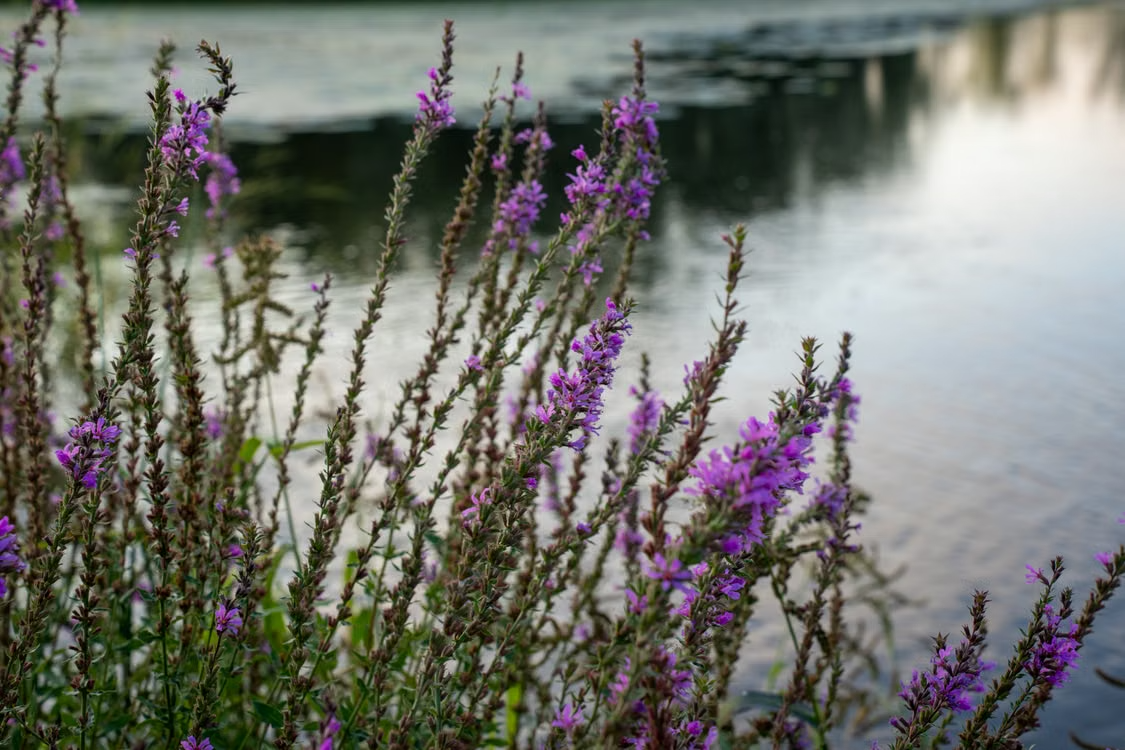
Many people confuse these terms. Native plants historically grew in a specific area. Wildflowers are simply flowers that grow in the wild, but can be native or non-native (e.g., dandelions are not native to North America). Invasive species are non-native plants that spread aggressively and harm local ecosystems. Purple loosestrife, for instance, is beautiful but invasive in Minnesota wetlands. Not every wildflower is native, and not every native plant is showy—grasses and sedges are critical native components.
Common Misconceptions About Native Plant Gardening
A few beliefs stop beginners. One is that native plants require constant maintenance. In reality, they need the most work in the first two years, then become largely self-sufficient. Another misconception is that any plant sold at a local nursery is native to Minnesota. Many nurseries sell cultivars or non-native species that lack ecological value. Check the scientific name and ask for straight species native to your region. Also, native gardens don’t have to look tidy immediately; they grow in clumps and drifts and go through dormancy. Finally, you don’t need a large rural property—even a 10-foot by 10-foot patch can support pollinators.
Why Minnesota Native Plants Support Pollinators and Local Biodiversity
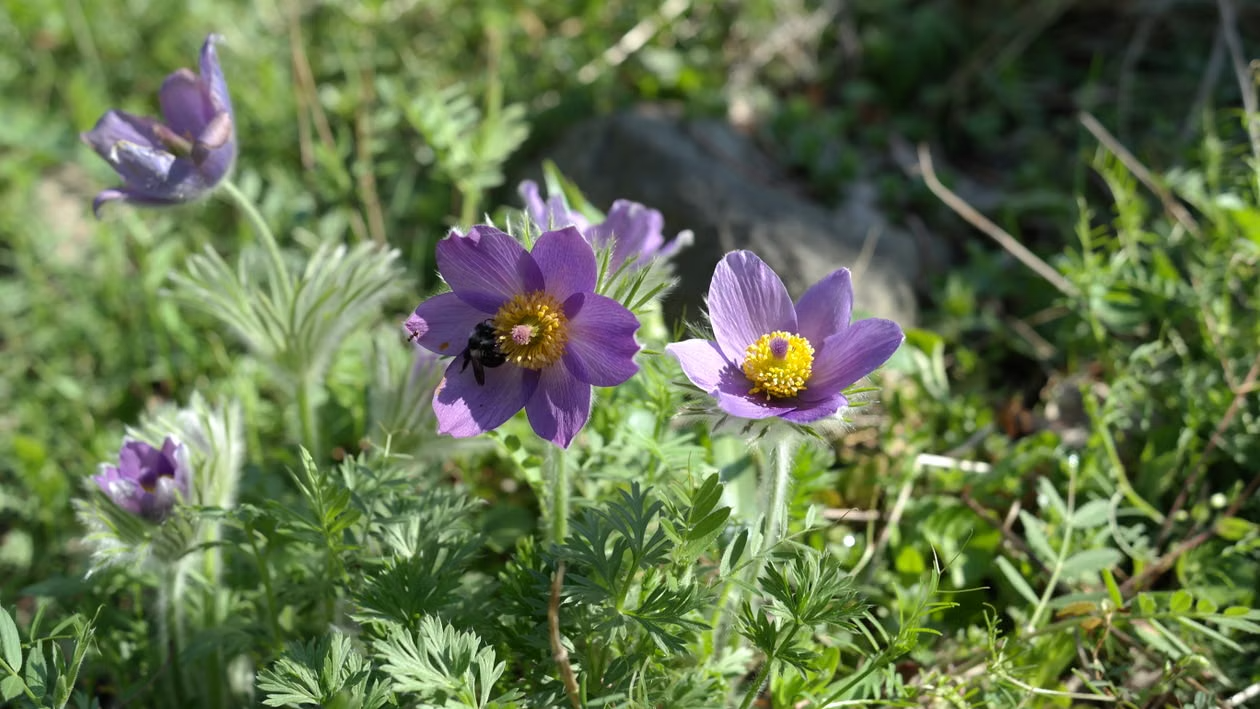
Pollinators in Minnesota have evolved with native plants. Bloom timing matches insect life cycles: early spring flowers like pasqueflower feed queen bumblebees; late-blooming asters and goldenrods fuel monarchs migrating south. Native plants also support specialist bees that rely on a single plant family. In addition, native plantings create stepping stones between larger natural areas, helping wildlife move. This matters because Minnesota has lost over 98% of its original prairie—every backyard patch helps restore habitat.
How to Start a Minnesota Native Plant Garden: A Beginner Roadmap
Starting a native garden does not require a grand plan. Begin small and expand. The following steps work for small urban and suburban yards.
Assessing Your Site: Sun, Soil, Moisture, and Available Space
Before buying plants, understand your growing conditions. Sun exposure is most important. Full sun means six or more hours direct light; part shade means three to six hours; shade means less than three hours. Most prairie natives need full sun; woodland natives tolerate shade.
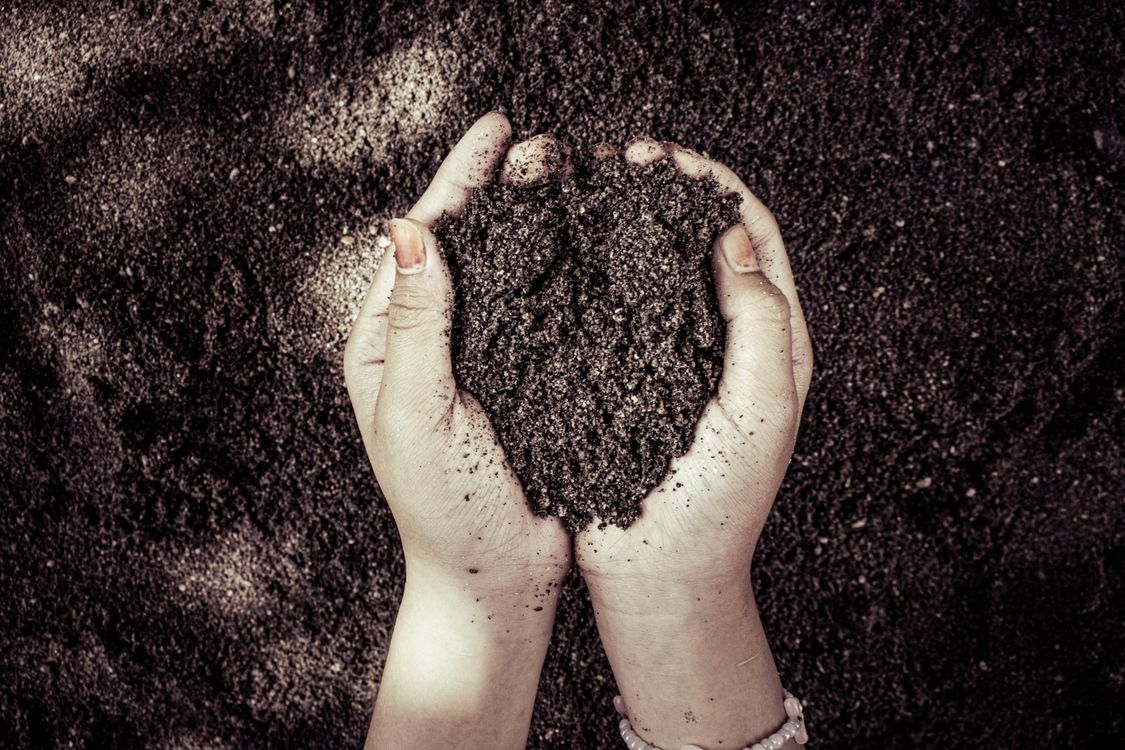
Test your soil type. Minnesota soils range from heavy clay to sandy loam. A simple squeeze test: wet a handful of soil. If it forms a sticky ball, it’s clay; if gritty and falls apart, it’s sand. Native plants are adapted to both, but match moisture needs—e.g., butterfly milkweed prefers dry sandy soil, swamp milkweed likes moist soil. Drainage is also critical. If water pools after rain for over 24 hours, many prairie natives won’t tolerate it. A small garden of 50 square feet is enough to start.
Choosing Plants with the 70/30 Rule (Forbs, Grasses, and Sedges)
A common recommendation is 70% forbs (wildflowers) and 30% grasses and sedges. This mimics natural communities. Grasses provide structural support, hold soil, and create visual texture even when flowers are not blooming. They also provide cover for ground-nesting bees and overwintering insects. For beginners, choose at least one grass like little bluestem or side-oats grama. For the forb portion, pick a mix of spring, summer, and fall bloomers for continuous color.
Where to Buy Minnesota Native Plants and Seeds by Region
Reliable sources include local native plant nurseries, watershed district sales, and online retailers specializing in Minnesota ecotypes. Many Soil and Water Conservation Districts (SWCDs) hold annual plant sales. The Blue Thumb program provides lists of native plant suppliers across Minnesota. Prairie Moon Nursery is a well-known online source—select ecotypes suited to your region. Local sourcing is best because those plants are adapted to your specific climate. Avoid big-box garden centers unless they specifically label plants as native Minnesota species with scientific names.
Top 10 Easiest Minnesota Native Plants for Beginners
Some natives are more forgiving. These ten species are low-maintenance, adapt to a range of conditions, and provide visible rewards each season.
Best Spring-Blooming Natives for Early Pollinators
- Prairie smoke (Geum triflorum) – Pinkish-purple flowers in May; dry to medium soil, full sun.
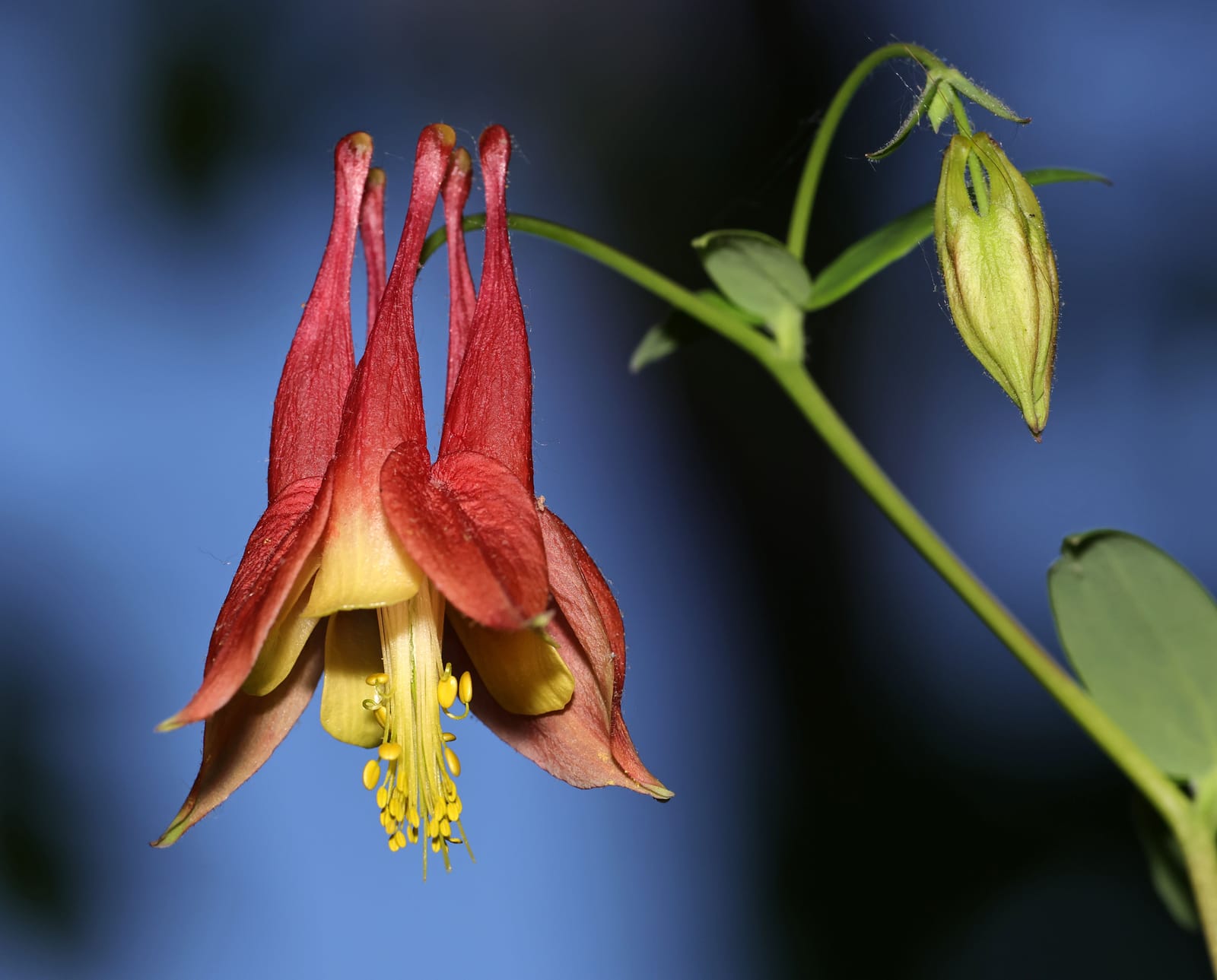
- Wild columbine (Aquilegia canadensis) – Red and yellow flowers that hummingbirds love; part shade and sandy soil.
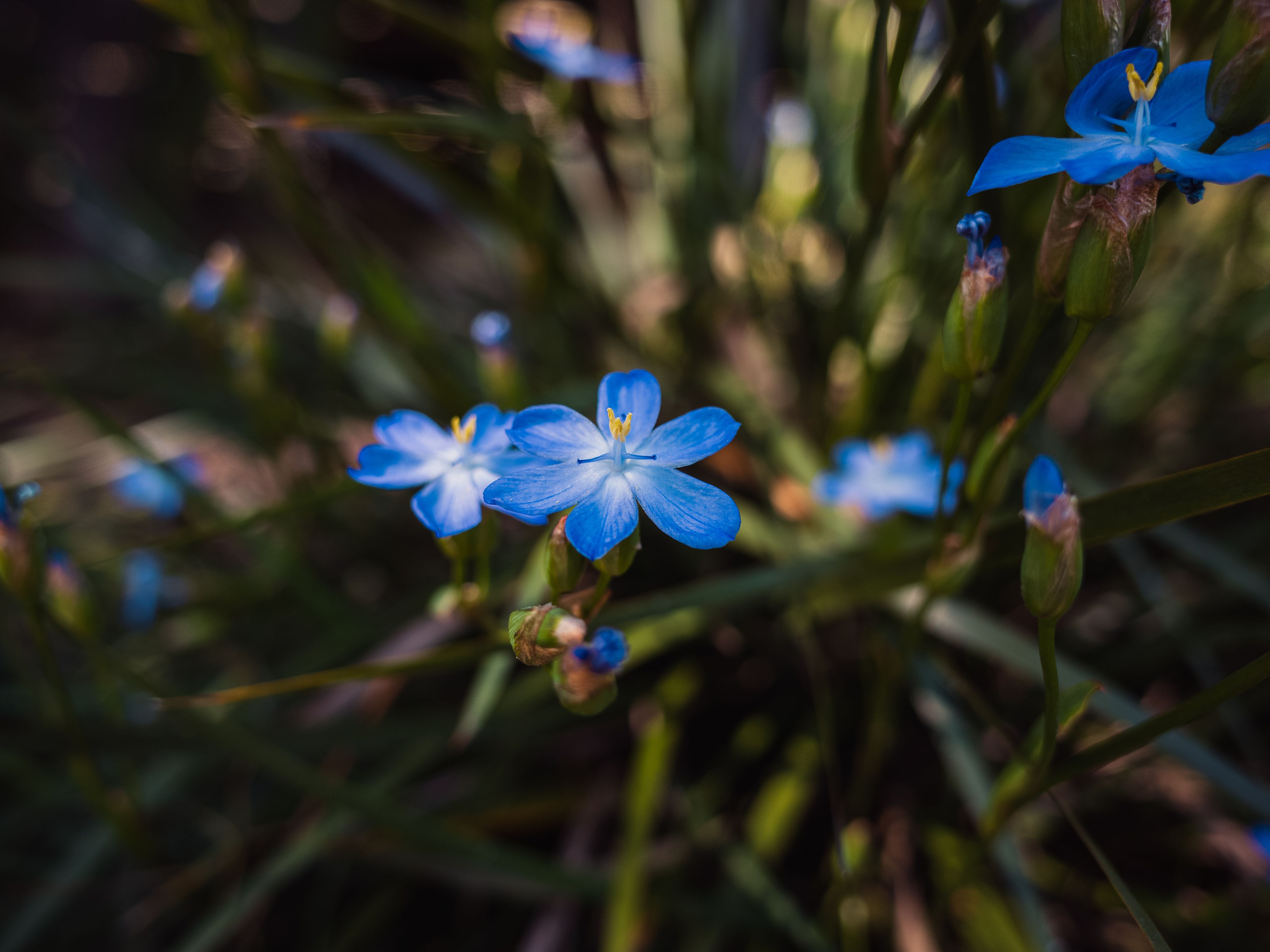
- Blue-eyed grass (Sisyrinchium angustifolium) – Small iris with blue flowers; moist soil, full sun.
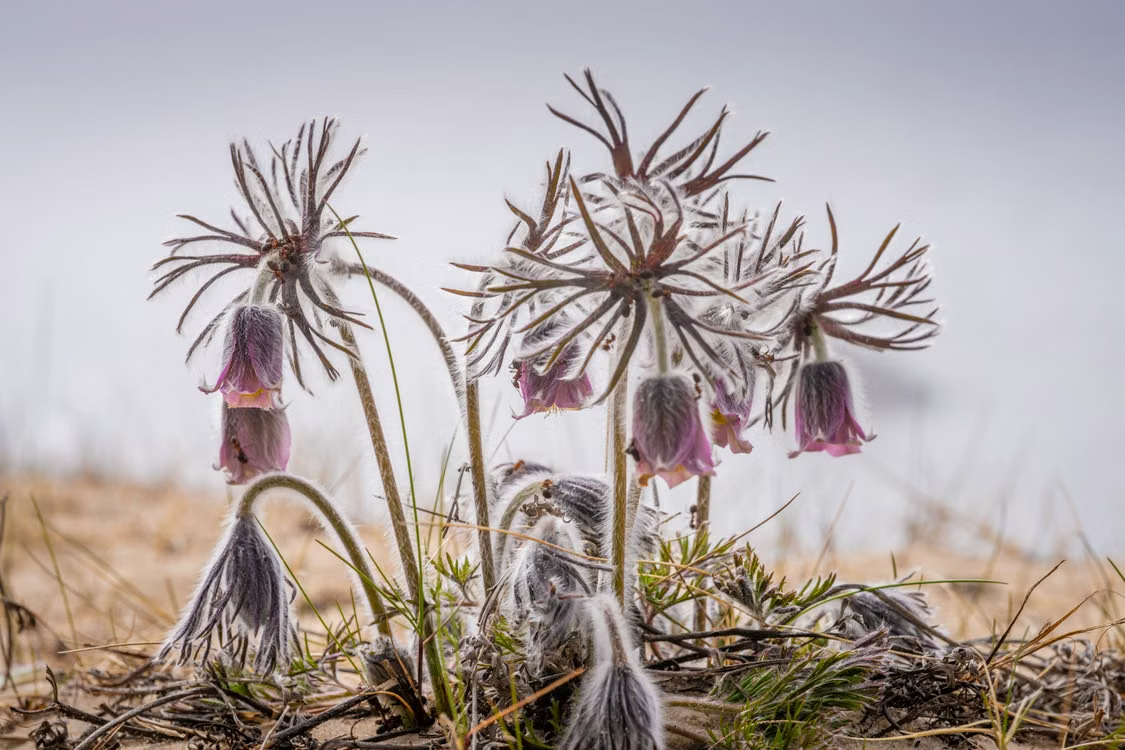
- Pasqueflower (Pulsatilla patens) – One of the earliest bloomers (April); well-drained soil, full sun.
Best Summer Grasses and Sedges for Structure
- Little bluestem (Schizachyrium scoparium) – Warm-season grass turning copper-red in fall; dry soil, full sun.
- Side-oats grama (Bouteloua curtipendula) – Clumping grass with dangling seeds like oats; dry to medium soil.
- Pennsylvania sedge (Carex pensylvanica) – Low-growing ground cover for shade or part shade; stays green longer than many grasses.
Best Fall-Blooming Natives for Continuous Color
- New England aster (Symphyotrichum novae-angliae) – Purple flowers attracting monarchs; full sun, average soil.
- Showy goldenrod (Solidago speciosa) – Dense yellow plumes in September; tolerates clay soil (not a hay fever culprit—that’s ragweed).
- Rough blazing star (Liatris aspera) – Tall spikes of purple flowers; prefers sandy soil but adapts.
What to Expect: The First Three Years of a Native Garden
Patience is the hardest part. Native plants spend the first year or two growing roots underground. Above ground, they may look small.
Year 1: Establishment, Weeding, and Managing Expectations
Plants focus on root development. You may see only a few leaves or small rosettes; some may not flower at all. Weeds compete aggressively. Pull regularly, especially the first few months. A layer of straw or wood chips between plants helps, but avoid covering crowns. This is the ugliest phase—remember roots are growing deep. Do not fertilize; most natives don’t need it and weeds love it. Water only during extended dry periods.
Year 2: Root Development, First Blooms, and Growth
By year two, roots are better established. Plants grow taller, some forbs bloom (but not robustly), and grasses form clumps. Weeds still appear but are easier to manage as natives start shading them. Do not cut down dead stems in fall—they provide winter seed for birds and insect habitat.
Year 3: Maturity, Stability, and True Low Maintenance
In year three, the garden reaches stability. Plants outcompete most weeds. Full blooms appear throughout the growing season, and pollinators visit visibly. Maintenance drops to occasional spot weeding and spring cleanup (cut stems to a few inches). You should not need to water unless severe drought. The garden looks intentional—this is when the low-maintenance promise becomes real.
Common Problems with Minnesota Native Plant Gardens (and How to Fix Them)
How to Tell Natives from Invasive Weeds
Learn a few common invasive species. Purple loosestrife (Lythrum salicaria) has square stems and opposite/whorled leaves, unlike native blazing star (Liatris) with narrow alternate leaves. Spotted knapweed has pinkish-purple flowers in dry areas. Use a field guide or the Minnesota DNR’s native plant encyclopedia. For absolute beginners, take photos and use trusted apps. If you cannot identify a plant, wait until you are sure before pulling.
My Native Garden Looks Ugly: What Went Wrong?
If the garden looks sparse or weedy, you likely haven’t done anything wrong—the first-year ugly phase is universal. If year two or three still looks bad, consider: too much shade, too-rich soil (natives prefer lean soil), or a heavy infestation of quackgrass or creeping Charlie. Solutions: thin aggressive plants, add more grasses to fill gaps, remove perennial weeds by hand, and overseed with grass seeds in spring.
Is Minnesota Paying Homeowners to Plant Native Wildflowers? (Cost-Share Programs Explained)
Yes. The Lawns to Legumes program (run by the Minnesota Board of Water and Soil Resources) offers mini-grants and technical assistance for converting lawn to pollinator habitat. Local watershed districts (e.g., Ramsey-Washington Metro Watershed District) also have cost-share programs that reimburse part of plant and site preparation costs. Eligibility varies and funding is limited. Check with your local SWCD or watershed district; applications often open in winter or early spring.
Conclusion
Starting a garden with Minnesota native plants requires patience and a willingness to work with nature. Key steps: start small, pick easy species matching your site, buy from reputable sources, and accept that the first year will be weedy. By year three, you will have a resilient, low-maintenance garden that supports pollinators, reduces runoff, and connects your yard to the larger landscape. Every native plant you add makes a difference.
FAQ
What is the 70/30 rule in gardening for native plants?
The 70/30 rule recommends a mixture of 70% forbs (wildflowers) and 30% grasses and sedges. This mimics natural communities—grasses add structure, reduce erosion, and provide winter cover, while forbs supply nectar and pollen. Beginners often focus only on flowers, but including grasses makes the garden more resilient and visually interesting year-round.
What is the invasive purple flower commonly seen in Minnesota?
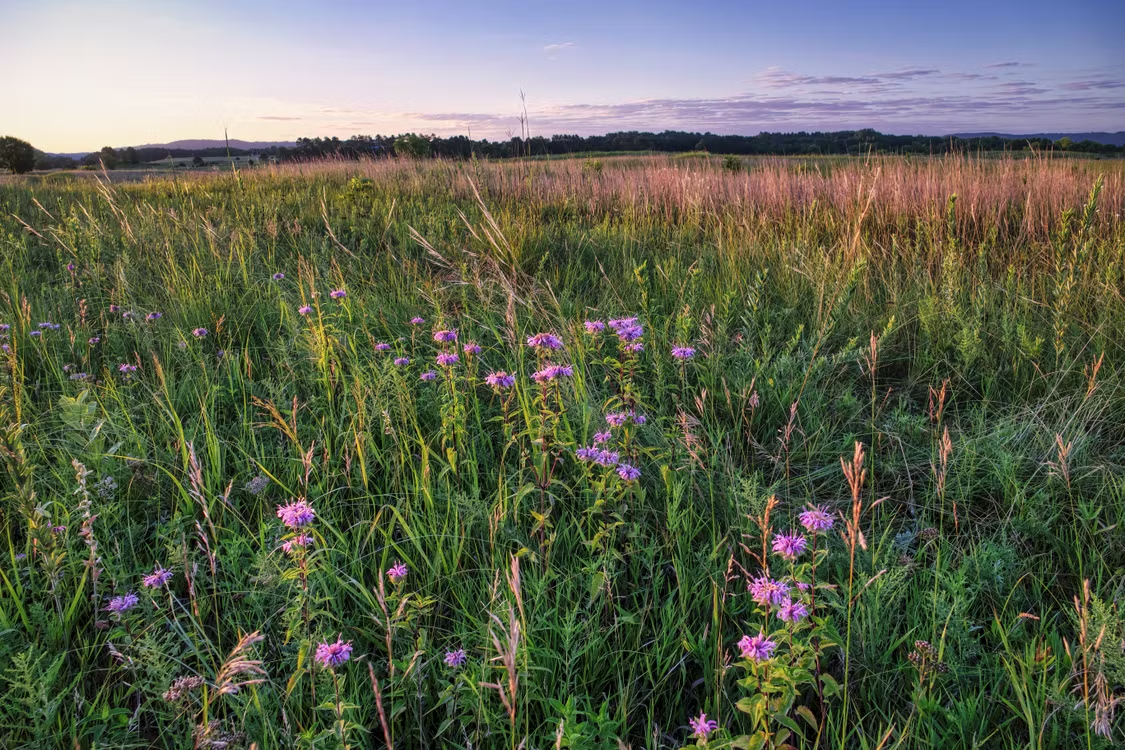
Most likely purple loosestrife (Lythrum salicaria)—tall spikes of magenta flowers in wetlands. It displaces native cattails and sedges. Another possibility is spotted knapweed (Centaurea stoebe) in dry areas. Both are noxious weeds in Minnesota. Compare with native purple flowers like blazing star (Liatris) or bee balm by checking leaf arrangement and stem shape. Use a field guide if unsure.
Can I plant Minnesota native plants in a small city yard, or do I need acreage?
You can absolutely plant natives in a small city yard. A 10-by-10-foot bed can host a dozen species and support dozens of pollinator species. Use shorter species or those that can be pruned, and avoid aggressive spreaders like Canada goldenrod. Container gardening is an option for balconies. Include diverse shapes and bloom times to maximize ecological benefit in a limited area.
Do Minnesota native plants come back every year?
Most commonly used Minnesota natives are perennials—they live for many years, dying back to the ground each winter and regrowing in spring. This includes wildflowers like columbine and blazing star, and grasses like little bluestem. Some take two years to bloom from seed, but once established, they return reliably. A few are biennials or short-lived perennials, but the majority are long-lived.
You Might Also Like