Microclover Lawn: How to Plant It and Avoid Patchy Results
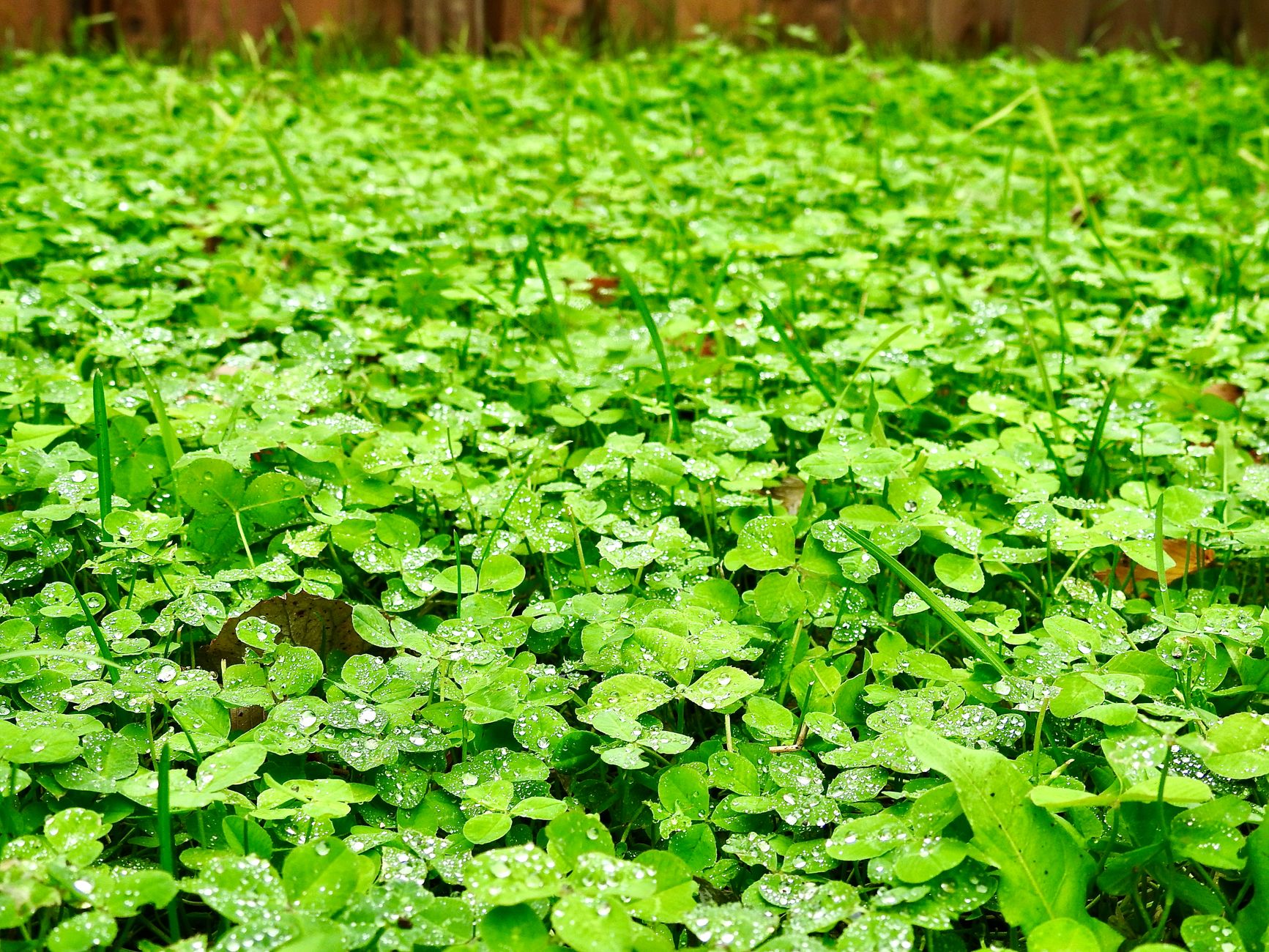
A microclover lawn can reduce fertilizer inputs, add seasonal flowers, and improve the diversity of a cool‑season lawn, but it is not a self‑sustaining or maintenance‑free grass replacement. In most regions, the strongest evidence supports using microclover as part of a compatible grass mixture rather than assuming a 100% microclover stand will remain dense through summer and winter.
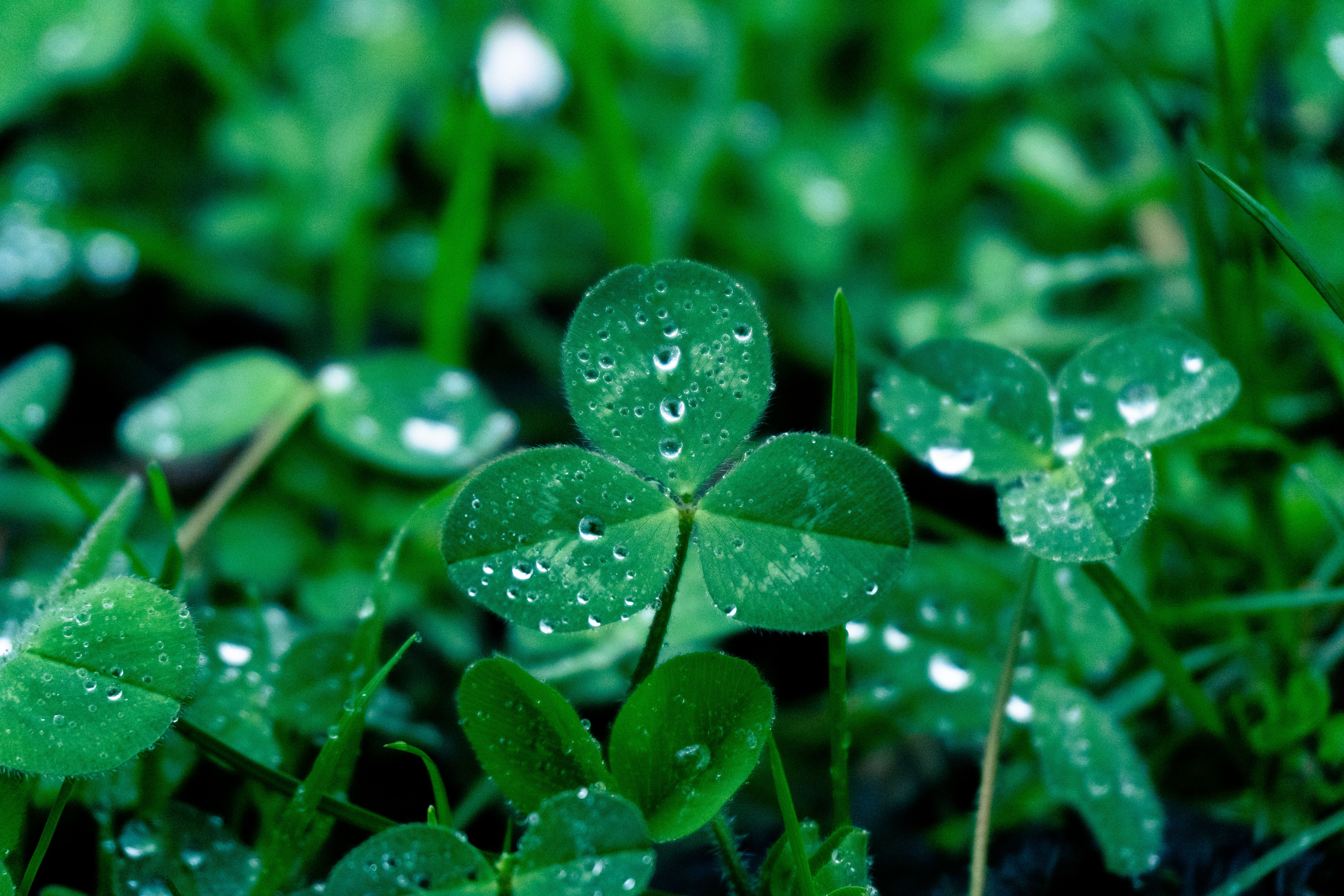
Microclover refers to small‑leaved, low‑growing cultivars of white clover (Trifolium repens)—not a separate species. Before buying seed, choose between two different lawn goals:
- Add microclover to an existing or newly seeded cool‑season grass lawn.
- Establish a clover‑dominant or 100% microclover lawn.
These goals require different site preparation, seeding rates, expectations, and weed‑control methods. A grass–microclover mixture is usually the more resilient starting point in cool‑season lawn regions.
What microclover may offer: smaller leaves than ordinary white clover; lower, uniform growth when managed with turfgrass; nitrogen fixation; reduced nitrogen‑fertilizer dependence; flowers for pollinators; and less frequent mowing under informal management. Main limitations: poor performance in deep shade; summer thinning in high heat or drought; winter top‑growth loss in cold climates; bare areas that invite weeds; broadleaf herbicides that can kill microclover; relatively expensive seed; periodic reseeding that may be required; and concentrated traffic that can create bare areas.
Key Takeaways
- Pure stand or grass mixture is the central decision: A grass–microclover mix offers more seasonal stability, traffic tolerance, and research support than a pure microclover stand. Pure stands are best limited to a small trial in low-traffic areas with local evidence of success.
- Seasonal thinning is normal, not a failure: Microclover top growth can thin during summer heat or disappear in winter. A compatible grass mixture covers these gaps, while pure stands expose bare soil that invites weeds.
- Seed contact and moisture determine establishment success: Microclover seed needs firm seed-to-soil contact with consistent surface moisture but not saturation. Use a named cultivar, local seeding windows, and the correct rate for your specific project type.
- Weed control changes when clover is in the lawn: Most broadleaf herbicides that kill dandelions and clover also kill microclover. Remove perennial weeds before seeding, hand-pull after establishment, and maintain dense coverage to minimize bare soil.
Is a Microclover Lawn Right for Your Yard?
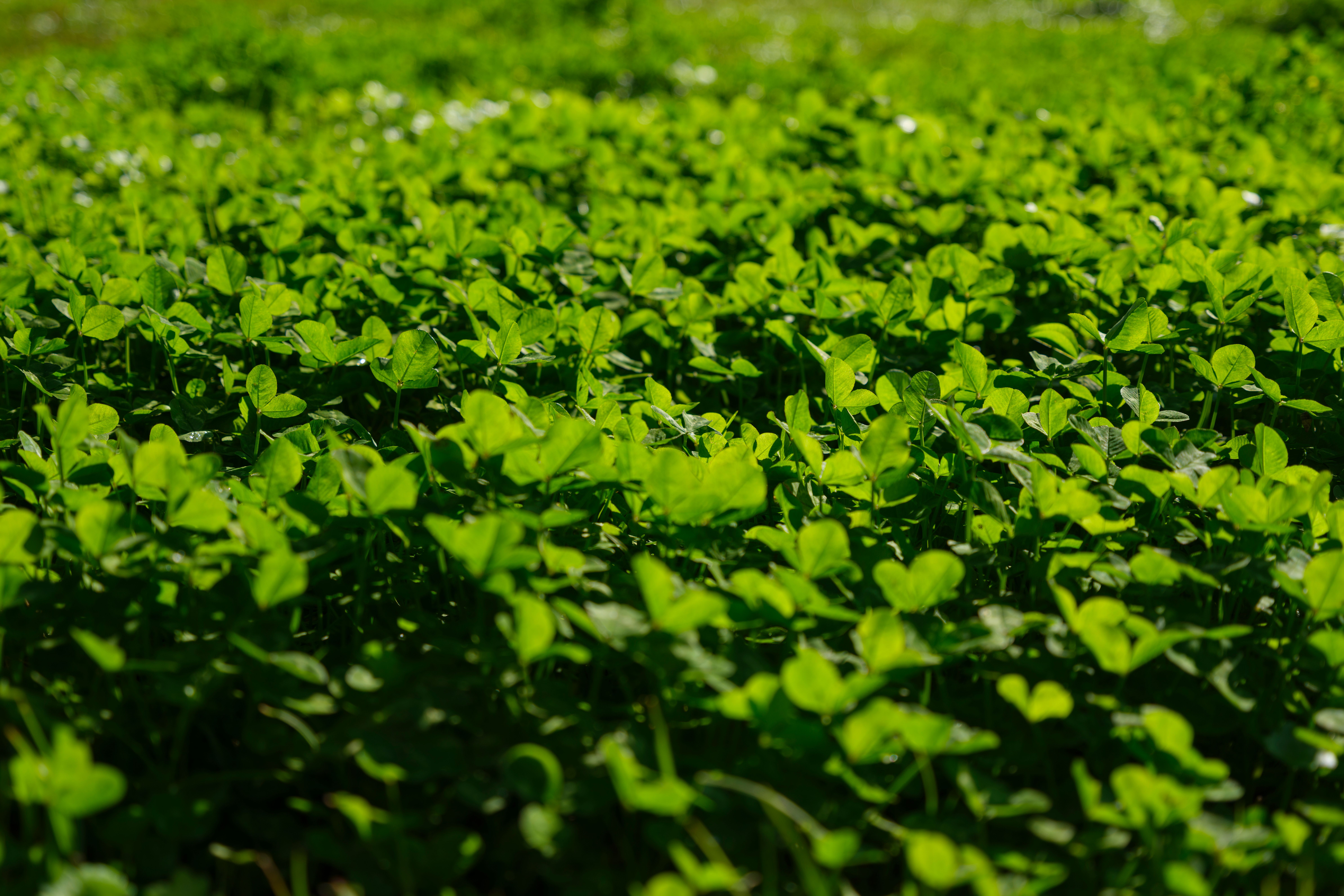
Assess your site and intended lawn use: sunlight (full sun best; deep shade poor), climate (cool‑season regions only), summer heat/drought (irrigation needed for pure stands), winter dormancy (top growth disappears in cold), soil drainage, irrigation availability, foot traffic (pure microclover wears poorly), year‑round greenness expectations, tolerance of flowers and bees, and reliance on broadleaf herbicides (most will kill microclover). A lawn can succeed ecologically but fail the owner’s visual or recreational standards—be honest about what you want before seeding.
What Microclover Is—and How It Differs From White Clover
Microclover is Trifolium repens, the same species as white clover. Cultivars such as ‘Pirouette’ and ‘Pipolina’ have been selected for smaller leaves, lower habit, fewer flowers, and less clumping when grown with turf. Appearance still depends on management: mowing height, grass competition, fertility, light, and seeding rate all influence leaf size. Microclover remains capable of flowering and spreading by stolons. When buying seed, check the label for the specific cultivar name, purity and germination percentage, coating status, inoculant status, and weed‑seed content.
Pure Microclover or a Grass–Microclover Mix?
This is the central decision. A grass–microclover mixture generally offers more seasonal stability and traffic tolerance than a pure stand.
| Decision factor | Grass–microclover mix | Pure or clover‑dominant lawn |
|---|---|---|
| Research support | Stronger for cool‑season lawns | Regionally limited |
| Winter/summer gaps | Grass may cover clover decline | Bare soil more visible |
| Foot traffic | Generally more resilient | Concentrated traffic damages stand |
| Weed management | Complex; must preserve both | Broadleaf control difficult |
| Long‑term balance | Grass or clover may dominate | Depends entirely on clover persistence |
The case for a mixture: Grass covers gaps when clover declines in summer or winter. Turf improves traffic resistance. You still get nitrogen‑fixing benefit and pollinator flowers when allowed.
Risks of pure microclover: Seasonal dieback exposes soil; traffic damage is visible and slow to recover; repair depends on reseeding every year or two; limited regional research supports it.
When a pure stand may be considered: Low‑traffic areas in mild climates with successful local examples, owners who accept seasonal changes and manual weed management. A small test section is safest.
Grass compatibility matters: Tall fescue and Kentucky bluegrass have performed well in mixtures. Fine‑fescue combinations may be dominated by microclover.
Sun, Heat, Drought, and Winter Conditions
- Sun: Full sun supports densest growth; deep shade is poor.
- Heat: Sustained high temperatures can thin or kill top growth; hot, humid nights increase disease risk.
- Drought: Microclover may remain green longer than stressed grass in some locations, but pure stands are exposed when clover declines.
- Winter: Top growth may disappear or turn brown; a grass mixture provides seasonal structure.
- Soil: Good drainage and seed‑to‑soil contact matter more than rich soil.
Do not rely on USDA hardiness zones for planting decisions—zones measure winter minimum temperature, not summer heat or local seeding windows. Check your local Extension lawn calendar.
Kids, Pets, Bees, and Property Lines
Children and bees: A mixed lawn suits repeated play better than a pure clover stand. Clover flowers attract bees at ground level. Mowing removes flowers but also pollinator forage. Families with serious sting allergies may need a different management plan.
Dogs: Microclover is not immune to dog urine. Concentrated urine, repeated use, and running can create bare areas. Create a designated toilet zone and rinse repeatedly used spots with water.
Traffic: Repeated running on one path wears through clover. Use stepping stones or turf‑dominant lanes on concentrated routes.
Neighbors and garden beds: Microclover spreads by stolons and seed. Install a defined, inspectable edge between lawn and beds. Remove runners while patches are small.
How to Seed Microclover Into a New or Existing Lawn
General process: (1) Check local seeding timing; (2) Test soil if needed; (3) Select compatible seed; (4) Remove weeds that cannot be controlled later; (5) Expose soil for seed contact; (6) Apply seed evenly; (7) Press seed into soil; (8) Keep surface consistently moist during germination; (9) Limit traffic until seedlings root.
Choose the Seed and Calculate the Mixture Correctly
Select a named microclover cultivar (‘Pirouette’ or ‘Pipolina’). Coated seed is easier to distribute but weighs more per seed. Uncoated seed contains more seeds per pound but may need inoculation. Do not compare packages by weight alone.
For a grass mixture: Use locally recommended turf species. For example, University of Maryland research supports ~3–5% coated microclover by weight with tall fescue—this is a regional example, not a national formula. Adjust for your grass.
For a pure lawn: Follow supplier’s directions for the specific cultivar and coating; check against independent regional guidance.
Cost: Calculate total seed from your actual lawn area. Include the likely cost of reseeding every few years.
Choose a Local Seeding Window Instead of a Zone Calendar
Hardiness zones are not reliable for seeding timing. General timing: seed during cool, moist conditions. Avoid planting immediately before severe heat. Allow enough growing time before hard frost.
Cool‑season regions: Late summer to early fall is best; early spring is a second option. Exact dates come from your local Extension office.
Warm or transition regions: Microclover persistence may be limiting. Confirm summer survival through local examples or a small trial.
Prepare Bare Soil or Overseed an Existing Lawn
For an existing thin lawn: Mow lower than normal, remove clippings, rake excessive thatch. Use core aeration or slit seeding. Confirm seed reaches mineral soil.
For a dense lawn: Slit seeding is often more effective than surface broadcasting.
For a clover‑dominant lawn: Remove or suppress existing turf thoroughly. Correct grading, drainage, and perennial weeds first. Avoid deep tilling unless necessary.
Before seeding, identify weeds difficult to control after clover establishes. Avoid residual broadleaf herbicides that could prevent germination. Only correct lime or nutrients based on a soil test. Do not cover microclover seed deeply.
Keep Seed Moist Without Creating Disease Conditions
After seeding, press or roll lightly for good seed‑to‑soil contact. Apply gentle irrigation that does not wash seed. Keep the upper seedbed consistently moist during germination. Gradually reduce watering frequency after seedlings root. Common causes of uneven germination: poor seed contact, dry patches, excess water, washed seed, thick grass competition, old seed, or wrong planting window.
Maintain the Grass–Microclover Balance Through the Seasons
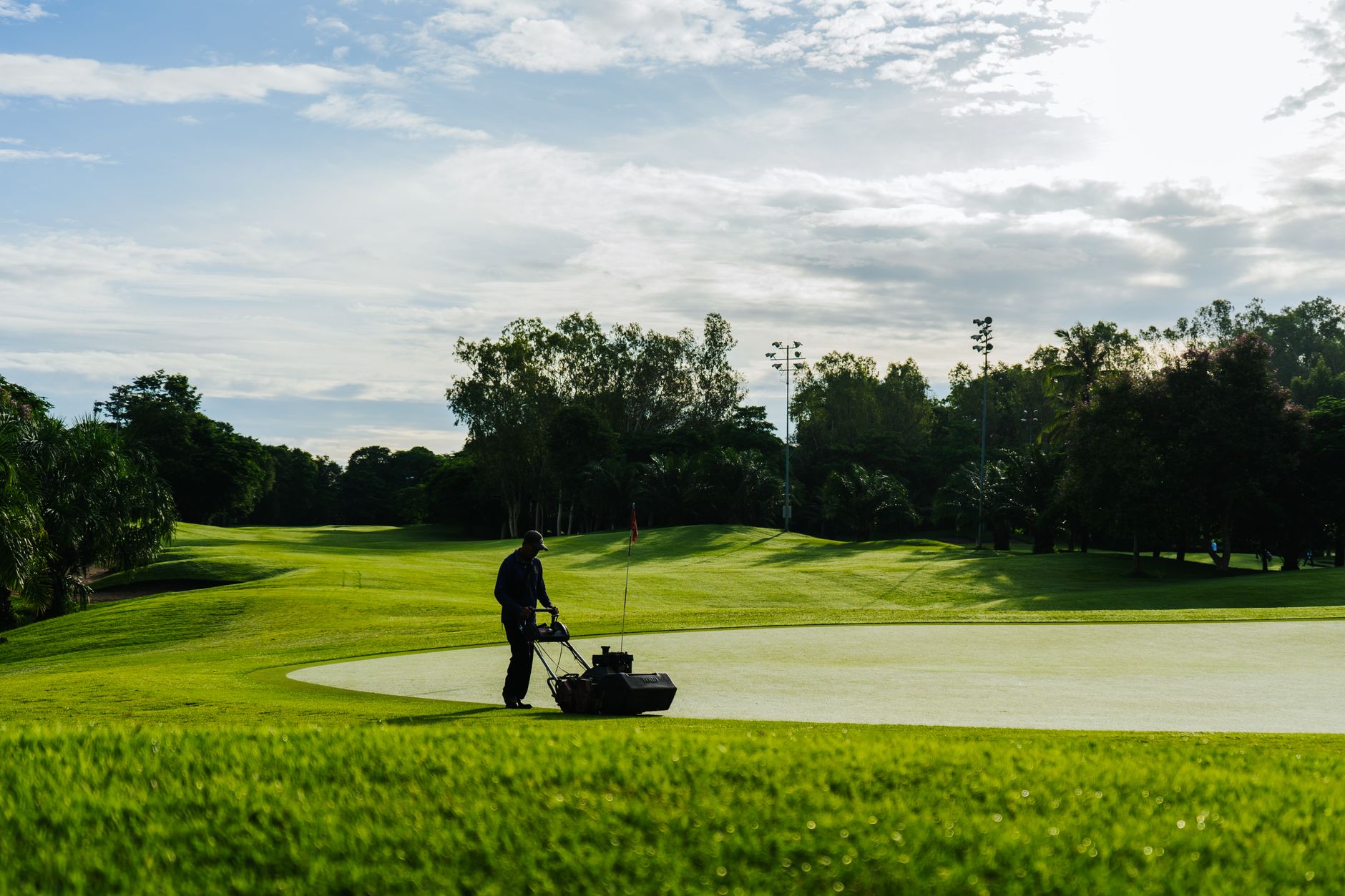
A microclover lawn changes over time. Management can favor grass or clover. Decide your goal before adapting mowing, irrigation, fertilizer, weed control, and reseeding.
Mowing Changes Leaf Size, Flowers, and Plant Balance
Regular mowing encourages a lower, turf‑like appearance and removes flowers. Too‑low mowing can favor grass over clover. Infrequent mowing produces taller petioles and more flowers. Avoid scalping, mowing before seedlings root, or mowing during severe heat. Follow the height needs of the grass component.
Water for Establishment, Then Adjust for Summer Stress
During establishment, maintain surface moisture. For an established mixed lawn, transition to deeper, less frequent watering. Distinguish between temporary wilt, dormancy, and plant death. Microclover may thin during high heat. For pure lawns, monitor closely—no grass remains to cover declining clover. Avoid continuously saturated conditions during hot, humid weather.
Reduce Nitrogen Inputs Without Assuming Fertility Is Automatic
Rhizobium bacteria fix nitrogen, but much of it stays in clover tissue. Research shows grass–microclover mixtures may reduce annual nitrogen needs, but supplemental nitrogen can improve grass appearance. High nitrogen may increase grass competition and reduce clover. Perform a soil test for pH, phosphorus, and potassium. Avoid unnecessary high‑nitrogen feeding.
Control Weeds Without Killing the Microclover
Microclover is a broadleaf plant—most broadleaf herbicides will kill it. Weed management begins before seeding: remove perennial weeds, reduce weed seed production, improve thin areas. After establishment, hand‑pull isolated weeds, use a weeding tool, or spot‑treat only with a label that allows use over clover. Avoid weed‑and‑feed products. Maintain dense grass and clover to reduce open soil.
Reseed When the Population Declines, Not on a Fixed Anniversary
Microclover is perennial but its proportion changes over time. Inspect during active spring and fall growth. Reseed specific thin areas when clover falls below the desired level. Correct the original cause—shade, compaction, traffic, herbicide injury, or grass competition—before reseeding. Some climates need frequent reseeding; others maintain clover longer.
Why Microclover Lawns Turn Patchy, Brown, or Overgrown
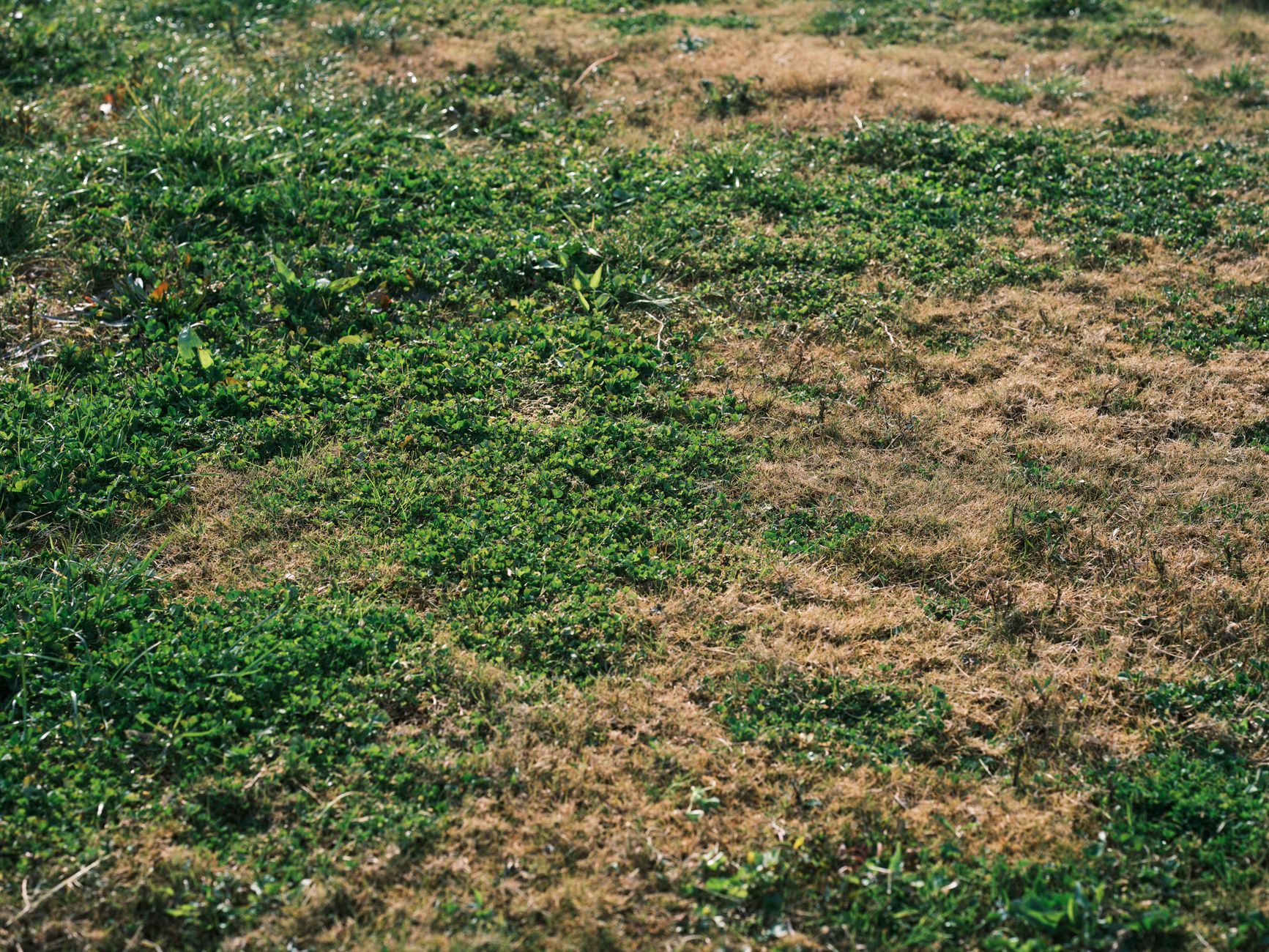
Before adding seed, fertilizer, or water, record when the problem began, whether the soil is wet or dry, whether the patch follows traffic or dog use, and whether the problem occurred after heat, frost, herbicide, or humid nights.
| Symptom | Likely causes | First check |
|---|---|---|
| Clover thins during summer | Heat, drought, grass dormancy | Soil moisture and temperature |
| Top growth disappears in winter | Seasonal dieback | Crown and stolon survival |
| Thin lawn in shade | Insufficient light | Hours of direct sun |
| Bare line through yard | Repeated foot/pet traffic | Movement pattern |
| Circular dead patches | Disease, urine, drainage | Soil moisture and stems |
| Grass dense, clover gone | Grass competition, nitrogen, herbicide | Management history |
| Clover dominates grass | High clover rate, weak grass, low nitrogen | Original mixture and grass condition |
| Bare spots fill with weeds | Seasonal decline or poor establishment | Canopy density |
| Clover spreads into beds | Stolons root outside | Edges and bare soil |
Summer Thinning and Winter Dieback Are Different Problems
Summer thinning occurs during sustained heat or drought; repair after heat passes if clover survives. Winter dieback is normal in cold climates—top growth browns, but roots and stolons may regrow in spring. A grass mixture provides seasonal insurance. Wait for active growth before judging permanent loss.
Shade, Traffic, and Dog Use Create Repeatable Patterns
Shade: Microclover remains sparse; choose a genuine shade groundcover where light is inadequate. Traffic: Concentrated routes create lines; mixed turf is more resilient. Dogs: Repeated urination and running in the same spots can still damage clover; dilute with water and designate a toilet area. Compaction: Core aeration may help mixed lawns.
Southern Blight and Other Sudden Lawn Loss
Southern blight can affect microclover during prolonged warm, humid weather. Signs include rapidly collapsing patches, soft crowns, and fungal structures near the soil surface. If suspected, inspect drainage, irrigation frequency, and recent weather. Remove and diagnose affected material before repeatedly adding seed.
When the Clover Disappears—or Takes Over the Grass
If microclover disappears, check for heat, winter loss, grass competition, high nitrogen, herbicide, shade, mowing stress, or traffic. Correct the cause and reseed in the local window. Reassess site suitability.
If microclover dominates, check the original seed percentage, weak grass, fine‑fescue compatibility, low fertility, or bare areas. Improve the grass component, avoid adding more clover, adjust mowing. Accept clover‑dominance only if it matches your goal.
Repair the Cause Before Reseeding the Bare Spot
- Identify stress pattern and season.
- Check soil moisture and drainage.
- Verify sunlight.
- Review traffic and pet routes.
- Review fertilizer/herbicide use.
- Inspect crowns and roots.
- Correct compaction or grading.
- Choose grass, clover, or mixture per site.
- Reseed during correct window.
- Protect repair until rooted.
Conclusion
Keep microclover where it remains balanced and useful. Shift toward a grass mixture where seasonal gaps or traffic are severe. Replace with another groundcover where light or climate is unsuitable. With honest expectations and careful establishment, microclover can be valuable in a lower‑input lawn.
FAQ
What Is the Biggest Downside of a Microclover Lawn?
The main disadvantage is instability: microclover thins during heat or winter, is killed by common broadleaf herbicides, and requires reseeding. Other drawbacks include poor shade performance, difficult weed control, bee activity near children, and high seed cost. The biggest downside depends on your yard—bees for play lawns, heat for warm climates, winter bare soil for cold wet regions.
Can You Grow a 100% Microclover Lawn?
It may be possible in some sites, but a pure stand has less research support and less seasonal resilience than a grass mixture. The University of Maryland does not recommend pure microclover as a proven lawn alternative. If trying, start with a small test section. Accept seasonal thinning, manual weed management, periodic reseeding, and low traffic tolerance.
Is Microclover Good for Dogs and Kids?
A grass–microclover mixture is generally better than a pure stand for active yards. Clover flowers attract bees at ground level; separate play zones from flowering zones or mow regularly. Dog urine and concentrated traffic still create bare areas. Use paths on repeated routes.
How Often Does Microclover Need to Be Reseeded?
There is no universal interval. Microclover is perennial, but the lawn percentage can change. Inspect after winter, peak summer, herbicide injury, heavy traffic, or disease. Correct the cause of decline first, then reseed in the appropriate window. Some climates need frequent reseeding; others maintain clover longer.
You Might Also Like