What to Plant in Wet Soil: Choose Plants by Flooding, Sun, and Season
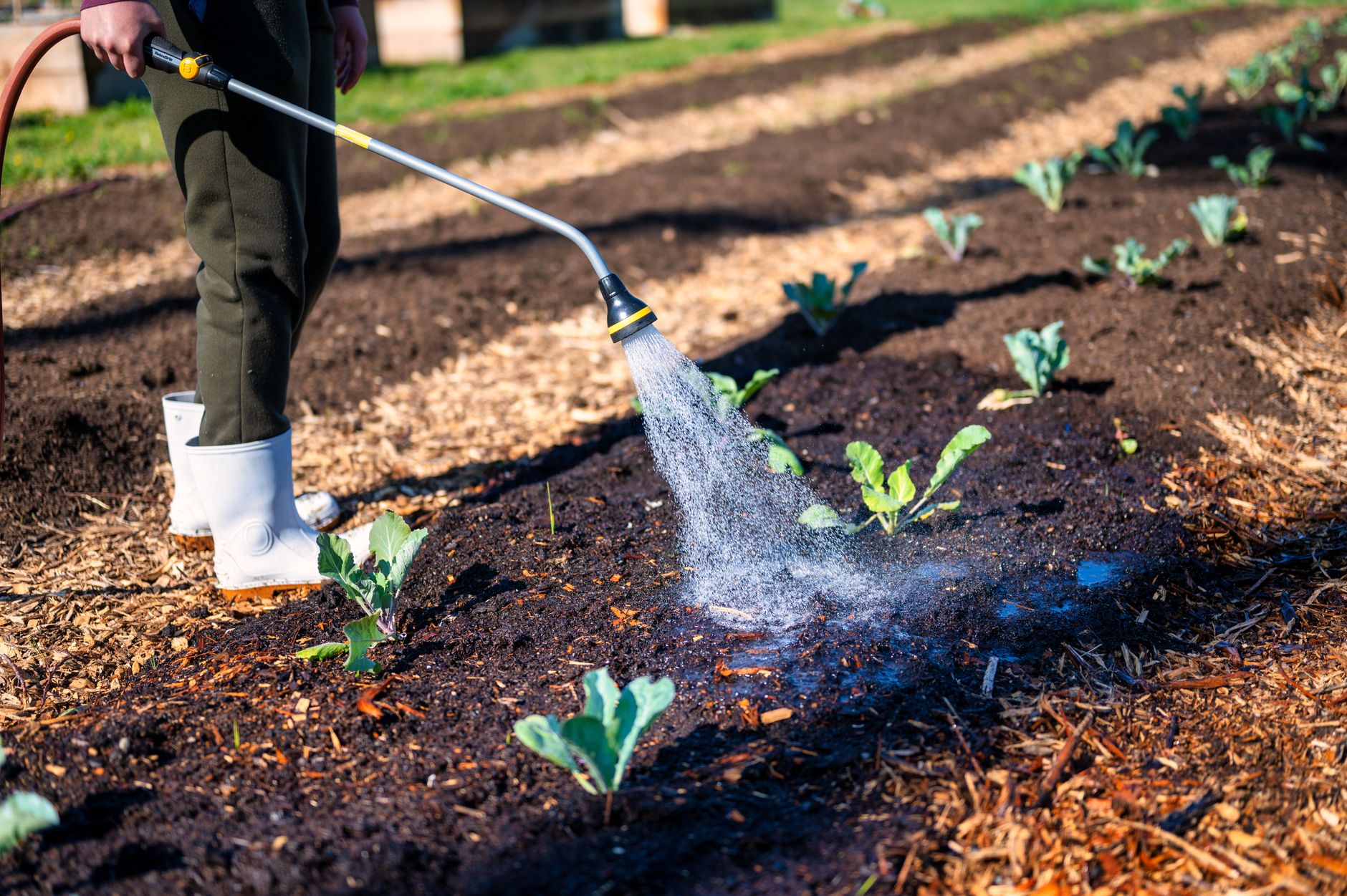
The best plants for wet soil depend on the actual water pattern, not the word “wet.” Check how long water sits, whether the ground dries in summer, how much sun the spot receives, and what grows natively in your region. Wet sites range from moist but aerated ground to shallow standing water; flooded ground fills the pore spaces roots need for oxygen, so moisture-loving plants can still rot in permanently saturated soil.
Before buying, record the cause, duration, and season of wetness, plus sun and runoff source; verify native range and invasive status; and check mature size, roots, and spread. Wet-site plants use water and improve infiltration, but no plant fixes a high water table, bad grading, foundation leak, failed septic system, or blocked drain. Keep trees away from foundations, septic fields, and utilities, and do not grow edibles in runoff of uncertain quality.
Key Takeaways
- Identify the water pattern before choosing plants: “Wet soil” spans moist, seasonally wet, flooded, waterlogged, and shallow standing water — record how long water actually stays.
- Match species to duration, sun, and season: Full sun, damp shade, saturated ground, pond margins, and wet-winter/dry-summer sites each call for different plants; verify native range and invasive status by botanical name.
- Build layered plantings on a matrix of sedges and ferns: Cover soil between taller perennials, shrubs, and trees with repeated groups of Carex, Juncus, or ferns instead of one of everything.
- Know what water-loving plants cannot fix: Plants use water and improve infiltration, but no plant corrects a high water table, bad grading, foundation leak, or septic problems.
- Raise edibles and fix drainage separately: Most vegetables need oxygenated, well-drained soil, so use raised beds, keep crops out of uncertain floodwater, and call a professional for structural water issues.
First Determine What Kind of Wet Site You Have
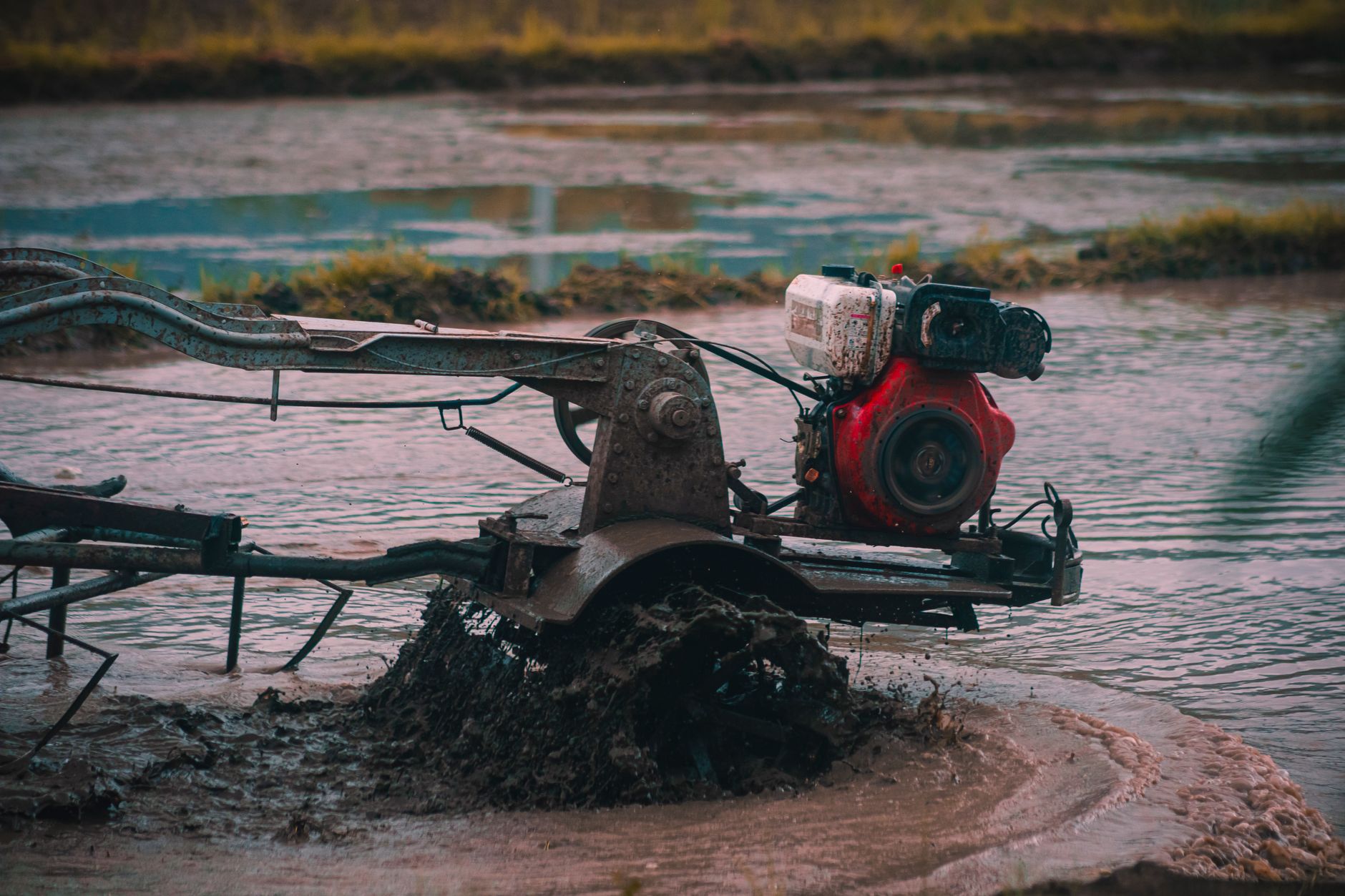
Observe the site across more than one storm and season. Record water depth, drain-down time, winter and spring conditions, summer dry-down, sun and shade, slope, runoff sources, and nearby foundations, utilities, and septic systems. The same low spot can be wet in winter and dry in summer, wet only after storms, or permanently saturated.
Quick guide: moist but aerated ground supports moisture-loving perennials; seasonally wet sites need wet-dry species; temporarily flooded ground needs flood-tolerant plants; prolonged waterlogging requires species documented for that condition; shallow standing water should be planted with pond-margin or emergent species; and any pooling around foundations, septic, or natural wetlands needs a site assessment before planting.
Distinguish Moist Soil From Waterlogged Soil
Moist soil retains water but still holds oxygen-filled pore space; waterlogged soil has most pores filled with water, limiting root respiration. Surface dryness does not prove the root zone has drained; foul smells, bluish-grey soil, shallow roots, and prolonged standing water indicate poor aeration.
Measure How Long the Water Stays
Record standing-water depth, time until surface water disappears, and time until the soil is no longer saturated. A few hours, several days, and several weeks of flooding require different tolerances, and woody-plant tolerance shifts with age, season, water temperature, and previous stress. For rain gardens, run a separate infiltration test because they must drain between storms.
Identify Why the Soil Is Wet
Common causes are heavy clay, compaction, construction fill, hardpan, low grade, downspout discharge, irrigation leaks, runoff, high groundwater, springs, blocked drainage, and septic failure — each needs a different response. Organic matter and reduced traffic help soil structure, but they cannot correct a high water table, incorrect grade, leaking pipe, or foundation drainage. Do not add a thin layer of sand to clay or till saturated soil.
Add Sun, Summer Dryness, Soil Chemistry, and Runoff Source
Compare light, seasonal moisture, soil type and pH, and runoff source. Driveway and road runoff may add salt, sediment, and vehicle residues. Full-sun sites dry faster in summer; shaded sites may stay saturated longer.
Check Region, Native Range, Invasive Status, and Mature Size
Verify the botanical name, state or ecoregion native range, invasive-plant status, mature size, roots, suckering, and self-seeding. A North American native is not necessarily native to your region, and one genus can include species with very different moisture needs. Creeping Jenny escapes in many areas, and yellow flag iris is regulated or invasive in some states, so check by full botanical name.
Choose Plants by Water Duration and Light
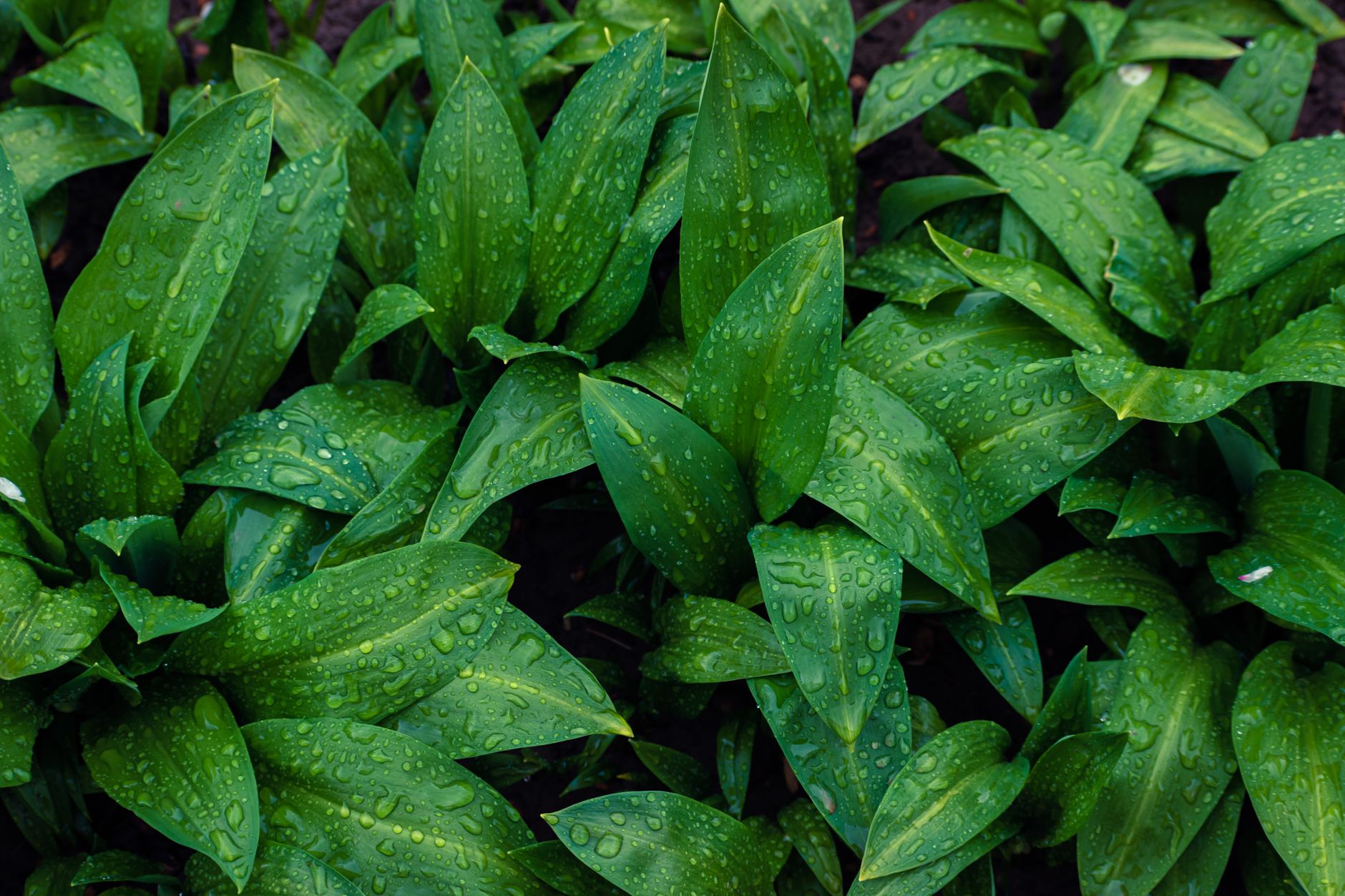
Prefer locally native species where practical. The lists are organized by water duration, light, and seasonal pattern; every plant includes a botanical name for regional verification.
Plants for Moist to Seasonally Wet Soil in Full Sun
Swamp milkweed (Asclepias incarnata) — eastern/central North America; moist to seasonally wet soil, full sun; tolerates short saturation, not permanent waterlogging; 3–5 ft; monarch host.
Switchgrass (Panicum virgatum) — full sun; tolerates short saturation and summer dryness; 3–6 ft; a useful matrix grass for wet meadows.
Other full-sun choices to verify locally: cardinal flower, hardy hibiscus, turtlehead, Joe-Pye weed, blue vervain, and native sedges.
Plants for Moist or Wet Shade
Damp, aerated shade suits astilbe, hosta, ligularia, rodgersia, and summersweet, but none tolerate permanent shallow water.
Cinnamon fern (Osmundastrum cinnamomeum) — moist to wet shade; 2–3 ft; slow colonies; needs reliable moisture.
Golden ragwort (Packera aurea) — moist to wet shade; tolerates seasonal flooding; low groundcover spreading by rhizomes and seed.
Verify regionally for wetter shade: sensitive fern, ostrich fern, spicebush, winterberry, and Virginia sweetspire. Some wet-shade plants go dormant in summer and leave gaps.
Plants for Saturated Soil and Short-Term Flooding
Blue flag iris (Iris versicolor) — saturated soil or shallow water; tolerates short flooding; clumping, 2–3 ft.
Buttonbush (Cephalanthus occidentalis) — saturated soil and shallow water; tolerates short and longer inundation; 6–12 ft shrub, strong pollinator, too large for a narrow bed.
Also consider soft rush, fox sedge, tussock sedge, silky dogwood, and black chokeberry; marsh marigold for flooded edges (it may go dormant if summer soil dries); and red-osier dogwood or elderberry for wet thickets. Dogwoods and elderberries sucker, so give them room.
Plants for Shallow Standing Water or a Pond Margin
Use these only where water actually remains above the soil surface; ordinary wet-soil perennials will rot.
Pickerelweed (Pontederia cordata) — shallow water and pond margins, full sun to part shade; 2–3 ft; crowns can sit in a few inches of water.
Arrowhead (Sagittaria latifolia) — shallow water and pond margins; grows in a few inches of water; 2–3 ft; spreads by tubers.
Blue flag iris, soft rush, marsh marigold, and native sedges also grow at pond margins; bald cypress suits a large site. Avoid yellow flag iris, invasive cattails, purple loosestrife, and restricted non-native aquatics. A permanently wet hole beside a foundation is not automatically a pond-garden opportunity.
Trees and Large Shrubs for Bigger Wet Sites
Woody plants add structure, but they are not drainage systems — mature size, root space, and infrastructure caution matter most.
| Plant | Flood tolerance | Mature size | Caution |
|---|---|---|---|
| Bald cypress (Taxodium distichum) | High | 50–70 ft | Large site |
| River birch (Betula nigra) | Moderate | 40–70 ft | Not long-term flooding |
| Swamp white oak (Quercus bicolor) | Moderate to high | 50–60 ft | Wet-dry zones |
| Black gum (Nyssa sylvatica) | Moderate | 30–50 ft | Consistent moisture |
| Red maple (Acer rubrum) | Moderate | 40–60 ft | Surface roots |
| Native willow (Salix spp.) | High | 30–40+ ft | Weak wood; invasive roots |
River birch and red maple are not equivalent to bald cypress under long-term flooding. Keep all woody plants away from sewer lines, septic fields, and foundations; never choose a tree only because it “absorbs a lot of water.”
Plants for Soil That Is Wet in Winter and Dry in Summer
This common condition needs plants that tolerate both wet and dry extremes; true bog plants decline when summer soil dries. Candidates to verify regionally include swamp white oak, river birch, ninebark, red-osier dogwood, switchgrass, serviceberry, and wet-dry-zone sedges and grasses. Use mulch, dense groundcover, and shallow mounds and dips to vary moisture.
Build a Stable Wet-Site Planting, Not a Collection of Isolated Specimens
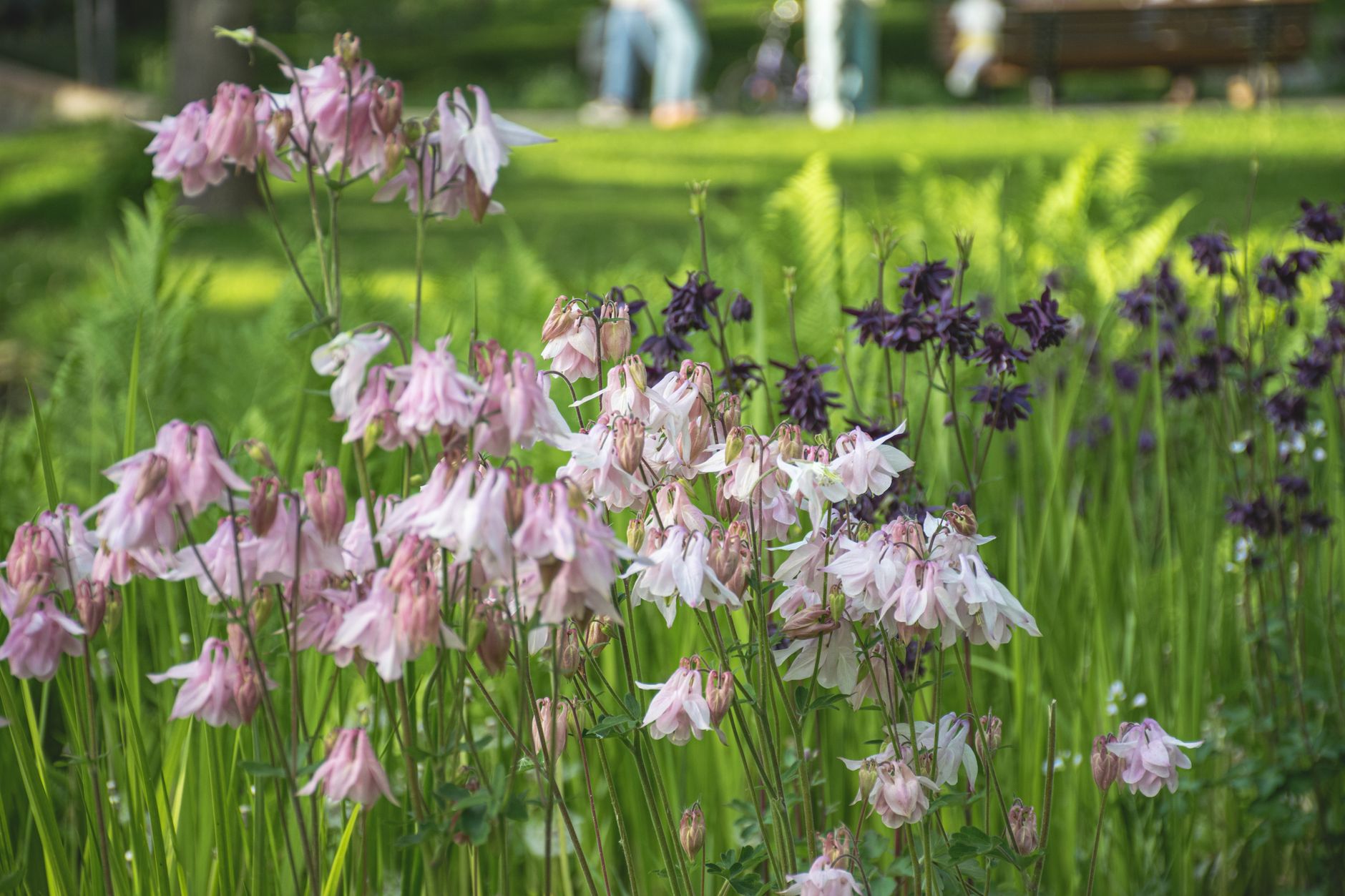
A successful wet-site planting needs dense root coverage, several height layers, more than one species, seasonal succession, and maintenance access. Avoid one-of-everything planting, keep water paths visible, and prefer a small well-matched planting over a long list of unsuitable plants.
Start With Sedges, Rushes, Ferns, or Other Matrix Plants
Matrix plants cover soil between taller specimens and reduce mud and weeds. Use repeated groups of local Carex, Juncus, wet-tolerant grasses, fern colonies, or low native perennials, and avoid invasive groundcovers planted just for fast coverage.
Layer Flowers, Shrubs, and Trees by Mature Size
Build layers: sedges, ferns, and groundcovers below; turtlehead, cardinal flower, iris, and swamp milkweed mid-height; Joe-Pye weed, hardy hibiscus, and tall grasses above; shrubs and trees only where space allows. Check mature canopy, root space, view lines, path width, and drain access before planting.
What Water-Loving Plants Can—and Cannot—Do for Drainage
Growing plants take up water, slow runoff, protect soil, and create root channels that improve infiltration. They cannot lower a high water table, repair bad grading, stop a foundation leak, fix a septic system, or maintain peak water use while dormant. Large established woody plants generally use more water than new perennials, but safety and mature size matter more than any single “thirstiest plant.”
Control Spreaders Before They Dominate the Wet Area
Fast growth helps on erosion-prone banks, wet meadows, or contained basins, but it is risky in small borders, near waterways, or around inlets. Classify plants by habit — clumping, rhizomatous, suckering, self-seeding, or aquatic spread — and watch creeping Jenny, horsetail, obedient plant, willow suckers, and cattails. Check your state invasive-plant list rather than assuming an entire genus behaves the same.
Plant and Maintain Without Compacting the Soil
Plant when the soil is moist enough to dig but not saturated. Avoid repeated walking on wet soil, heavy equipment, smeared clay planting-hole walls, deeply buried crowns, and planting holes that act as sumps. For woody plants, keep the root flare visible and water only as needed; a wet site can still dry around new roots. After storms, check for erosion, uprooting, exposed roots, and longer-than-expected water duration.
Use Raised Beds or Drainage Corrections When Planting Alone Is Not Enough
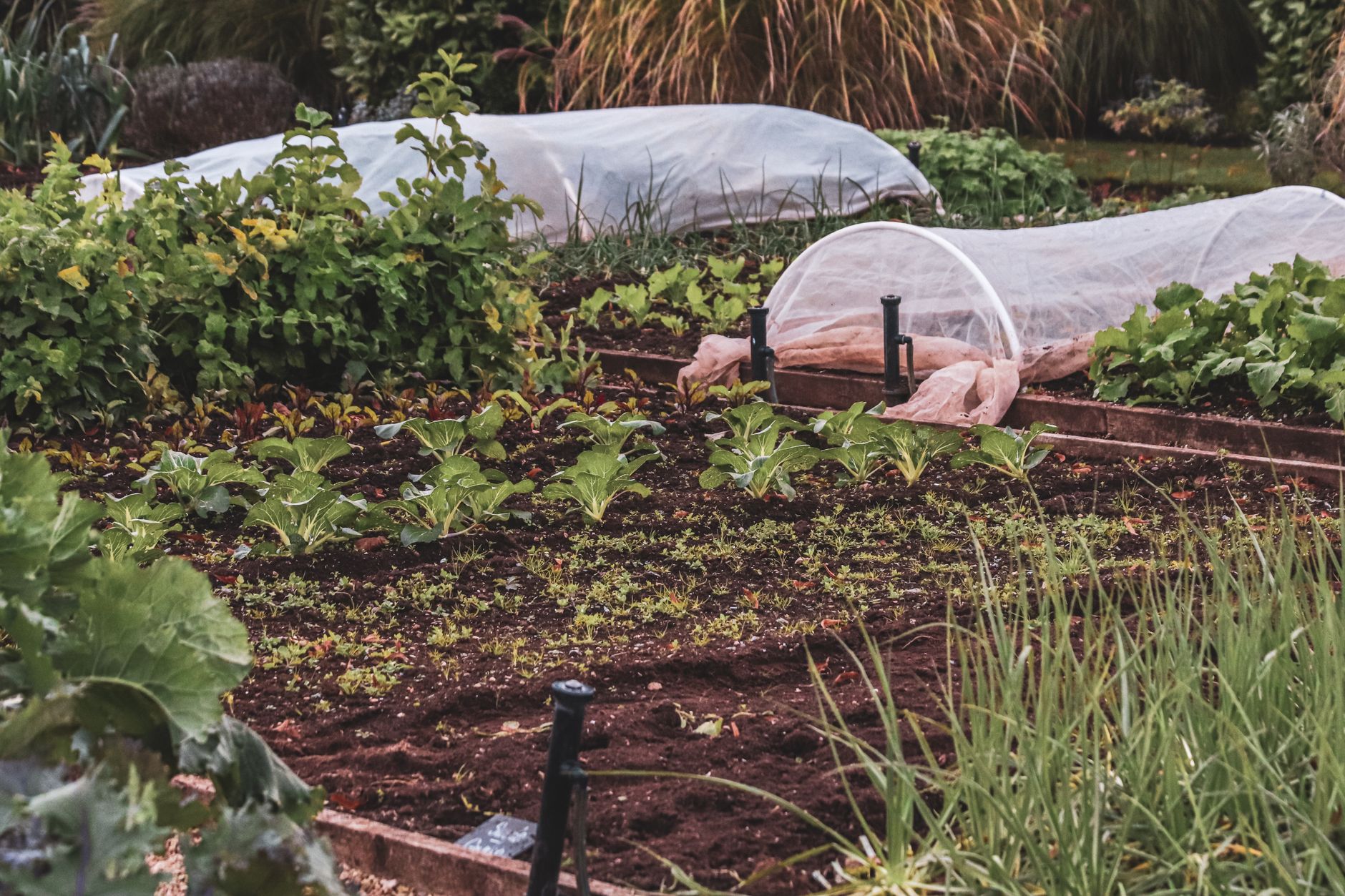
Separate ornamental adaptation, food production, surface-water management, and foundation or infrastructure problems before deciding whether to plant, raise, drain, or call for help.
Grow Most Vegetables and Berries in Raised or Mounded Beds
Most vegetables need consistent moisture, root-zone oxygen, and good drainage. Use raised or mounded beds when native soil stays saturated, spring planting is delayed, or root crops would rot. Blueberries need moist, acidic, well-drained soil — not standing water — and tomatoes, peppers, carrots, onions, and potatoes do not belong in saturated ground.
Keep Edible Crops Out of Contaminated Floodwater
Floodwater can carry road runoff, septic overflow, petroleum, animal waste, and industrial residue. Produce touched by floodwater may not be safe to eat, so keep edible beds separate from stormwater-treatment areas and do not plant aquatic edibles in untested drainage ditches.
Improve Soil Structure Without Mixing Sand Into Clay
Wait until the soil is workable, reduce traffic, and add organic matter over a broad area where appropriate. Roots and mulch protect soil aggregation, and shallow mounds help selected plants where the water table is high. A little sand cannot transform heavy clay, gravel under a planting hole creates a sump, and organic matter does not fix high groundwater.
Use a Rain Garden Only for Temporary Runoff
A rain garden works when water comes from storm runoff, the site is away from foundations and septic systems, the soil drains between storms, an overflow route exists, and local rules permit it. It is wrong for permanently waterlogged sites, high groundwater, foundation threats, regulated wetlands, or areas without a safe overflow.
Know When to Fix Grading or Call a Professional
Call for help when water flows toward the house, a basement or crawlspace leaks, standing water smells like sewage, a septic field stays saturated, water appears without recent rain, runoff arrives from neighbouring property, or the area may be a natural wetland. Help can come from a drainage contractor, landscape architect, civil engineer, certified arborist, septic professional, extension office, or local permitting authority. Never install an underground drain without a legal outlet, and do not redirect water onto a neighbour’s property.
Monitor the Site After Storms and Through One Full Season
Track flood depth, drain-down time, erosion, plant survival, root exposure, summer drying, winter ice, spreaders, bare soil, and drain access. Move or replace plants only after identifying the failure pattern, and do not treat one storm as the long-term pattern.
Conclusion
Start with the site, not the plant list. Identify whether the ground is moist, seasonally wet, flooded, waterlogged, or under shallow water; note how long water stays; then choose plants by duration, sun, summer dryness, and regional suitability. Build layered plantings on a matrix of sedges, ferns, or rushes, and reserve raised beds and drainage corrections for vegetables, structures, and water that should not be there. Observe through a full season and adjust where plants fail.
FAQ
What Plants Grow Best in Very Wet Soil?
For saturated or repeatedly flooded soil, verify locally: sedges, rushes, blue flag iris, marsh marigold, buttonbush, red-osier dogwood, and, on a large site, bald cypress. Astilbe, hosta, hydrangea, and many ferns prefer moist soil but may not tolerate permanent waterlogging.
What Plant Absorbs the Most Water?
There is no universal ranking. Large established wet-site trees may use more water than small plants during active growth, but actual uptake varies with tree size, climate, season, leaf area, and root health. No plant replaces grading or drainage, and willow roots can threaten sewer and septic lines.
What Can I Plant in Wet Soil and Shade?
In moist, aerated shade, try astilbe, hosta, ligularia, or rodgersia. In wetter shade, check regionally native options such as cinnamon fern, sensitive fern, spicebush, winterberry, summersweet, and golden ragwort. Deep shade slows drying, so the soil may stay saturated longer than expected.
Can Vegetables Grow in Soggy Soil?
Most conventional vegetables decline in saturated, oxygen-poor soil. Use raised beds, mounded rows, and clean, well-drained growing media. Blueberries and cranberries are not simple wet-yard crops, and food should not be grown where floodwater quality is uncertain.
Sources
No external source links were available for citation in this article. Verify plant choices, local native ranges, invasive-plant status, and flood-safety guidance with your state cooperative extension service, native plant society, or soil and water conservation district before planting.
You Might Also Like