How Long Does It Take a Snake Plant to Grow New Leaves?
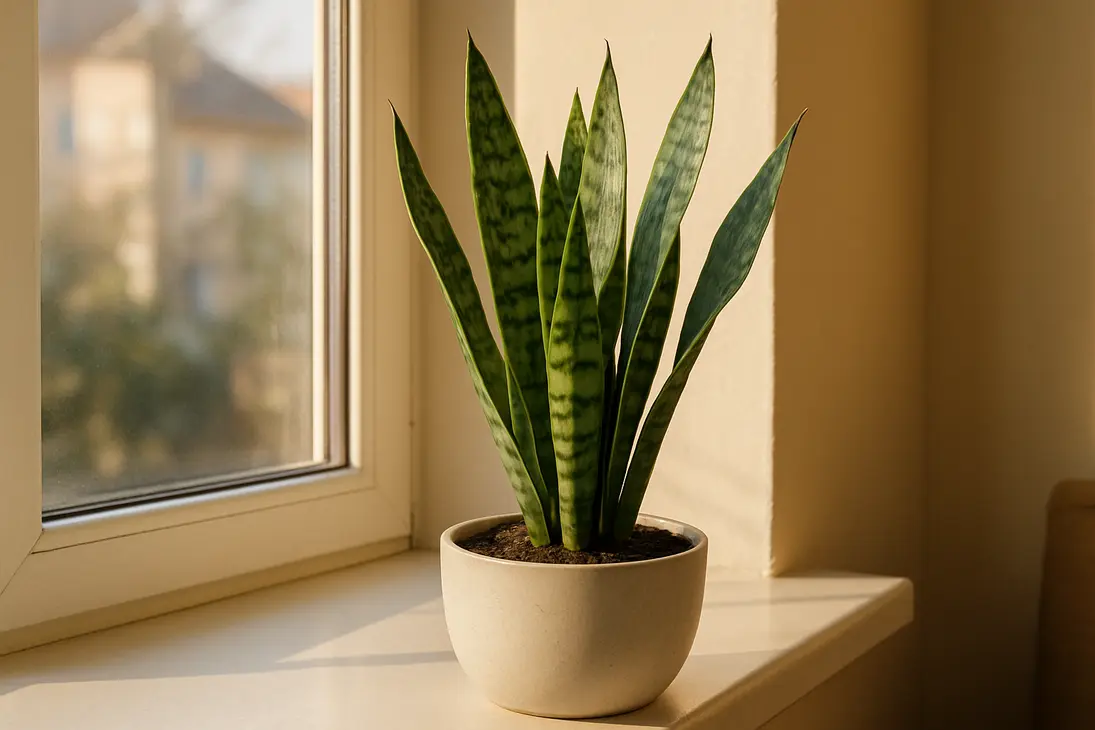
Snake plants are naturally slow growers. In most homes, a snake plant takes several weeks to several months to produce a visible new leaf, and many indoor plants grow only a few new leaves per year.
Snake plants, now commonly classified as Dracaena trifasciata and still widely sold as Sansevieria, grow from underground rhizomes. Instead of constantly pushing out soft foliage like a pothos, they grow in bursts. A pointed spear emerges from the soil, lengthens slowly, and eventually becomes a firm upright leaf.
The exact snake plant new leaves growth time depends mainly on light, warmth, root health, watering, and season. A bright, warm plant in spring or summer may show a new shoot within a month or two. The same plant in a dim winter room may stay healthy for months with no visible growth.
Typical Snake Plant New Leaf Growth Timeline
Snake plants do not grow on a precise schedule. Indoors, growth is often uneven: nothing happens for weeks or months, then a narrow green spear appears near the base.
| Situation | Typical new leaf growth pace |
|---|---|
| Bright indirect light, warm room, active season | New shoots may appear within several weeks to a few months |
| Average indoor light | A few new leaves or pups per year |
| Low light | Very slow growth; sometimes no new leaves for months |
| Fall and winter indoors | Little to no visible growth |
| Recently repotted, divided, or stressed plant | Growth may pause while roots recover |
A healthy snake plant may produce two new leaves one year and several the next, depending on conditions.
How many new leaves to expect per year
For a typical indoor snake plant, expect a handful of new leaves per year, not weekly growth. In bright, warm conditions, an established plant may produce several leaves or pups during the growing season. In lower light, one or two new leaves in a year may be normal.
Small divisions and rooted cuttings are often slower because they spend months building roots before making much top growth. Mature, crowded pots may produce multiple shoots because several rhizomes are active.
Variety also matters. Tall upright types can seem especially slow because each leaf takes time to gain height. Compact bird’s nest types may make shorter leaves more often, but overall size still changes gradually.
How long a new shoot takes to become a visible leaf
Once a new shoot breaks the soil surface, it usually takes weeks to a few months to look like a full leaf. At first it may be a small pointed nub or tight green spear. In good conditions, it slowly gains height, color, and firmness.
A simple timeline is:
- Underground growth: Roots and rhizomes develop before anything is visible.
- First shoot: A spear appears at soil level.
- Early leaf: The shoot lengthens over several weeks.
- Mature leaf: The leaf thickens, stiffens, and reaches most of its height over the following months.
Cool rooms, low light, or wet soil can slow this process dramatically.
Why pups and rhizome shoots are often the main form of new growth
Snake plants grow from rhizomes, which are thick horizontal stems below or near the soil surface. These rhizomes send up new leaves and offsets, often called pups. That is why new growth usually appears beside the mother plant, not from the tip of an old leaf.
A cut or damaged leaf will not regenerate into a new pointed leaf. New leaves come from growing points at the base and along rhizomes. A plant may look inactive above the soil while roots and rhizomes are expanding below.
What Affects How Fast New Leaves Grow?
Snake plant growth depends on energy and root function. The plant needs enough light to photosynthesize, warm enough temperatures to stay active, and roots that can access moisture without sitting in soggy soil.
The goal is not to force rapid growth. Snake plants conserve water and tolerate lean conditions. Good care helps them grow steadily, but they are still slow indoor plants.
Light: low light survival vs. active growth
Snake plants tolerate low light, but low light does not encourage fast growth. In a dim corner, a plant may stay alive and attractive while producing very few new leaves.
For better growth, place it in bright indirect light, such as:
- Near an east-facing window
- A few feet from a bright south or west window
- Beside a filtered window with a sheer curtain
- Under a suitable grow light if natural light is weak
Some morning sun is usually fine if introduced gradually. Avoid moving a shade-grown plant straight into harsh afternoon sun, which can scorch leaves.
Watering and drainage
Watering affects growth because roots need both moisture and oxygen. Too much water can suffocate roots and cause rot. Too little water for too long can leave the plant too depleted to grow.
The safest routine is to water thoroughly, then let the potting mix dry well before watering again. Do not rely on a fixed weekly schedule. A plant in a warm, bright room dries faster than one in a cool, dim room.
Use a pot with drainage holes, a gritty fast-draining mix, and a saucer that is emptied after watering. Avoid oversized pots and decorative cachepots that hold standing water around the roots.
Temperature and growing season
Snake plants make the most visible progress in spring and summer, when days are longer and rooms are warmer. In fall and winter, growth often slows or stops even if the plant remains healthy.
Cold windows, exterior doors, drafty halls, and unheated rooms can stall growth. Cool soil also stays wet longer, raising the risk of root problems. For steadier growth, keep the plant in a warm, stable indoor location.
Pot size, roots, and crowding
Snake plants tolerate being somewhat snug in their pots. A lightly crowded plant can still grow well and may produce pups as rhizomes fill the container. Severe crowding, however, can slow growth.
Repot if roots are tightly circling with little soil left, water runs straight through, the pot is bulging or cracking, or new shoots have no room to emerge. Choose a pot only one size larger than the current one.
Avoid moving a small plant into a very large pot. Extra soil holds extra moisture, which can slow growth and increase rot risk. After repotting, expect a temporary pause while roots adjust.
Fertilizer: helpful, but not a shortcut
Fertilizer can support new leaves, but it cannot compensate for poor light, soggy soil, or damaged roots. Snake plants are not heavy feeders.
During spring and summer, feed lightly with a balanced houseplant fertilizer according to the label, often at diluted strength. Do not fertilize a rotting, stressed, or newly repotted plant until it is stable. Avoid winter feeding if the plant is not actively growing.
Why Your Snake Plant Has Slow Growth or No New Leaves
No new leaves does not automatically mean something is wrong. The key difference is whether the plant is stable and firm or declining.
A firm plant with upright leaves may simply be growing slowly because of low light, cool temperatures, season, or normal growth habits. A plant with yellowing, mushy, or collapsing leaves needs closer inspection.
“It’s alive but not growing”
If your snake plant looks unchanged month after month but remains firm and upright, common causes include low light, winter slowdown, cool conditions, or recovery after repotting or division.
Check these basics:
- Is it far from a window?
- Is the room dim most of the day?
- Is it fall or winter?
- Was it recently repotted or moved?
- Is the soil staying wet for more than a week or two?
If you want more growth, gradually move the plant into brighter indirect light and judge results over the next growing season, not within a few days.
Only one leaf or shoot is growing
One new shoot is usually normal. Snake plants often activate one rhizome growing point at a time, especially when young, recently divided, or growing in moderate light.
A single spear may be the plant’s main investment for weeks or months. As long as it is firm and the older leaves look healthy, there is usually nothing to fix. More shoots may appear later in the season or the following year.
New growth appears, then dies off
New growth that turns brown, soft, or collapses often points to stress at the roots or crown. The most common cause is excess moisture, especially in dense soil or a pot without drainage.
Possible causes include overwatering, poor drainage, root rot, cold wet soil, a buried crown, or severe drought stress. Healthy roots and rhizomes should feel firm. Rotten roots are usually soft, dark, mushy, or foul-smelling.
If rot is present, remove affected tissue with clean tools, repot into fresh gritty mix, and water cautiously while the plant recovers.
Yellow, brown, or soft leaves alongside slow growth
Slow growth plus leaf damage deserves more attention than slow growth alone.
| Symptom | Likely issue | What to do |
|---|---|---|
| Soft, mushy, yellowing base | Overwatering or rot | Check roots, remove rot, repot into well-draining mix |
| Dry brown tips or edges | Inconsistent watering, old damage, dry stress, or mineral buildup | Review watering pattern |
| Wrinkled or curling leaves | Prolonged dryness or root loss | Check soil and roots before watering more |
| Pale, weak growth | Insufficient light | Move gradually to brighter indirect light |
| Scorched patches | Too much direct sun too quickly | Move out of harsh sun and acclimate slowly |
Yellow leaves will not turn green again, and brown scars will not heal. Focus on correcting the cause so future leaves grow healthier.
How to Encourage Healthy New Leaves Safely
The best way to speed up snake plant growth is to improve conditions without overcorrecting. Most problems happen when people try to help with more water, a bigger pot, heavy fertilizer, or sudden full sun.
Think in months, not days. A good care change made in spring may show results later in spring or summer.
Best care routine for faster snake plant growth
For stronger new leaves:
- Give brighter light. Use bright indirect light and move low-light plants gradually.
- Water only after the mix dries well. Check below the surface before watering.
- Use a fast-draining mix. A cactus-style mix with perlite, pumice, or bark works well.
- Keep the pot modestly sized. Use drainage holes and avoid oversized containers.
- Feed lightly in active growth. Fertilize only when the plant is healthy and growing.
- Keep it warm and stable. Avoid cold windowsills and drafts.
- Be patient after repotting. Root adjustment can temporarily pause leaf growth.
This routine will not guarantee monthly new leaves, but it gives the plant the conditions it needs.
What not to do when trying to speed up growth
Avoid these common mistakes:
- Do not water more just because it is not growing. Slow growth is often due to light or season.
- Do not move it into harsh sun overnight. Sudden intense sun can scorch leaves.
- Do not keep repotting repeatedly. Frequent disturbance delays growth.
- Do not use a huge pot for a small plant. Excess soil stays wet too long.
- Do not heavily fertilize a struggling plant. Fertilizer is not medicine.
- Do not cut healthy old leaves just to “make room.” Healthy leaves feed the plant.
Signs your snake plant is healthy and ready to grow
A snake plant ready to grow usually looks stable before it looks active. Good signs include firm upright leaves, no mushy base, soil that dries between waterings, firm pale or tan roots, steady leaf color, and pointed shoots or pups emerging from the soil.
If those signs are present, patience is part of good care.
Conclusion
Snake plants grow slowly, especially indoors. A realistic snake plant new leaves growth time is measured in weeks to months, and many plants produce only a handful of new leaves per year. Growth is usually strongest in spring and summer and may nearly stop in fall and winter.
If your plant is firm, upright, and not declining, slow growth may be normal. To encourage new leaves, provide bright indirect light, warmth, well-draining soil, careful watering, and a pot that is not oversized.
FAQ
How often do snake plants grow new leaves?
Indoors, snake plants may grow new leaves a few times per year, mostly in spring and summer. Bright, warm plants may produce several leaves or pups in a good season, while low-light plants may produce only one or two leaves in a year.
Do snake plants grow faster in low light?
No. Snake plants can survive in low light, but they usually grow more slowly there. For active new leaf growth, they need bright indirect light, healthy roots, and soil that does not stay wet too long.
Why is only one new snake plant leaf growing?
That is usually normal. Snake plants grow from rhizomes, and one growing point may become active before others. A single spear can be the plant’s main growth for a while, especially on a young, stressed, or moderately lit plant.
Should I cut old leaves to make new ones grow?
No. Do not cut healthy old leaves just to force growth. They help the plant photosynthesize and store energy. Remove leaves only if they are badly damaged, mushy, diseased, or too unattractive to keep. New leaves come from the base and rhizomes, not from cut leaf tips.
You Might Also Like