Frogfruit Lawn: How to Plant, Maintain, and Decide If It Fits Your Yard
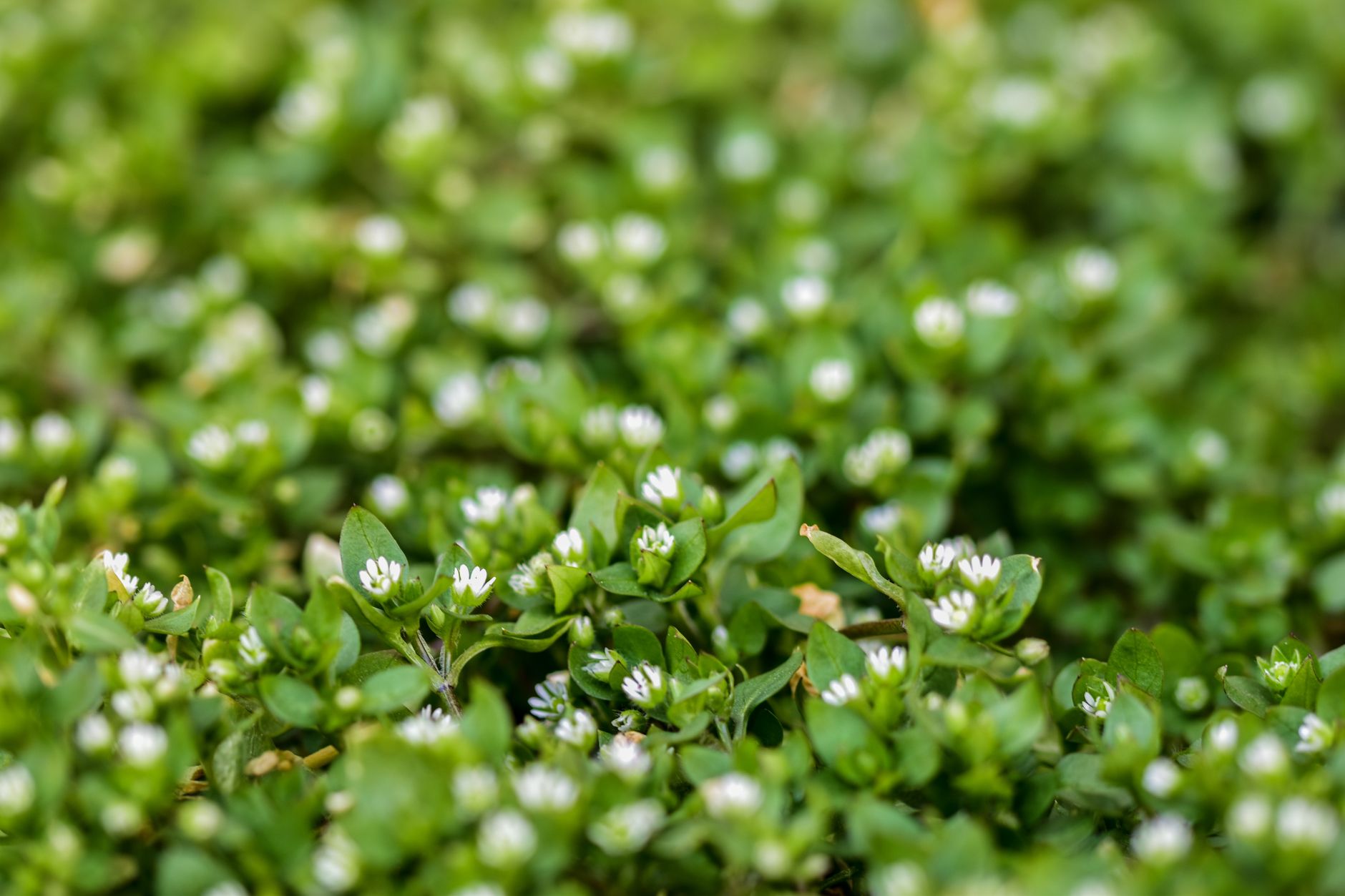
Frogfruit (Phyla nodiflora) forms a flowering, low-growing lawn alternative in warm regions with low to moderate traffic. It spreads by runners, needs careful weed control during establishment, may brown in winter, and requires a choice between a mowed lawn appearance and maximum pollinator value. Realistic expectations matter: it will not resemble fine-bladed turfgrass, flowers bring insect activity, runners may spread beyond boundaries, and weed management is most intensive before the canopy closes. For homeowners seeking an eco-friendly alternative to traditional grass, frogfruit offers significant ecological benefits including nectar for pollinators and larval host support for butterflies, but these come with trade-offs in appearance and maintenance demands.
| Yard condition | Frogfruit fit | Why | Better adjustment |
|---|---|---|---|
| Sunny, light traffic | Good | Full sun promotes denser growth | Add stepping stones on repeated routes |
| Part-shade | Conditional | Stems may lengthen, flowering decreases | Plant closer together |
| Occasional children/pets | Conditional to good | Tolerates dispersed light traffic | Keep high-use zones separate |
| Daily dog run | Poor | Concentrated traffic creates bare tracks | Use hardscape or durable turf |
| Pollinator habitat | Excellent | Flowers provide nectar and support butterfly larvae | Mow less |
| Formal, flower-free lawn | Conditional | Frequent mowing reduces ecological value | Consider Kurapia or different alternative |
| Active Bermudagrass | Poor until grass is controlled | Grass re-emerges between plugs | Remove grass before planting |
| Cold-winter, year-round green | Poor to conditional | Winter color varies by ecotype | Confirm local performance |
| Feature | Local frogfruit | Kurapia | Traditional turfgrass | Clover lawn |
|---|---|---|---|---|
| Plant type | Flowering broadleaf ground cover | Sterile Phyla/Lippia selection | Grass | Broadleaf legume |
| Pollinator flowers | Yes when allowed to bloom | Yes when allowed to bloom | Usually minimal | Yes |
| Foot traffic | Light to temporary moderate | Light; not intensive | Species-dependent | Light to moderate |
| Mowing | Optional | Optional | Routine | Optional |
| Main establishment problem | Grass and weeds between plants | Grass and weeds between plugs | Water, weeds | Weed competition |
Key Takeaways
- Match frogfruit to your lawn function, not the other way around: Frogfruit works best in full sun with low to moderate foot traffic, where you accept flowers, insect activity, and a more informal look. It performs poorly on dog runs, sports zones, cold-climate year-round green lawns, or sites with active Bermudagrass that hasn’t been removed first.
- Distinguish native frogfruit from Kurapia before you buy: Local Phyla nodiflora ecotypes and sterile Kurapia selections differ in height, seed production, winter color, spread rate, and ecological value. Kurapia is not a locally native ecotype, and not every nursery frogfruit is Kurapia.
- Remove existing grass completely before planting — plugs cannot overpower a lawn: Established Bermudagrass and other stolon-forming grasses re-emerge between frogfruit plugs. Sod removal, solarization, or multi-step control is more reliable than expecting plugs to smother an active turf lawn.
- Weed pressure is highest before the canopy closes, so stay ahead of it: Open gaps between plugs invite weeds and grass invasion. Weekly inspection, early hand removal, and regular edging are essential during the first season until runners fill the bare soil.
- Choose one of three maintenance styles — turf-like, pollinator-first, or zoned: Frequent mowing creates a tighter surface but removes flowers and reduces pollinator value. Letting frogfruit bloom supports bees and butterflies but attracts insects near the ground. A zoned approach with mowed paths and flowering edges works for most households.
Is Frogfruit a Good Lawn Alternative?
Frogfruit is a creeping broadleaf perennial in the verbena family. It forms coverage through horizontal stems that root at nodes, producing a low mat with small leaves and white to pink flower heads. Lawn performance depends on plant genetics, sun, soil contact, moisture, temperature, mowing, traffic, and weed pressure. No single factor guarantees success. Understanding how frogfruit behaves across different conditions helps homeowners decide whether this unconventional ground cover fits their landscape goals.
Native Frogfruit vs. Kurapia
Native frogfruit (Phyla nodiflora, synonym Lippia nodiflora) occurs naturally across warm-temperate and tropical regions. Local ecotypes differ in height, winter dormancy, flowering density, and water response. Kurapia is a sterile cultivated Phyla/Lippia ground cover from Japan, selected for low, dense utility performance. It does not produce seed but spreads via runners. Before sourcing, ask about local origin, mature height, winter color, and intended use. Kurapia should never be called a native ecotype, and roadside collection is illegal and risky. The distinction matters because native ecotypes provide greater ecological value to local pollinator populations, while Kurapia offers more uniform growth and potentially faster coverage for larger installations.
| Plant material | Advantages | Limitations | Best fit |
|---|---|---|---|
| Locally sourced frogfruit | Ecological value, pollinator support | Less uniform growth | Native landscapes |
| Nursery frogfruit (unknown origin) | More available | Uncertain traits | Small trials |
| Kurapia plugs | Uniform, flexible spacing | Higher cost, establishment weeds | Large installations |
| Kurapia sod | Fast coverage | Highest cost, regional limits | Rapid uniform appearance |
Sun, Soil, Climate, and Winter Appearance
Full sun produces the densest growth and most flowers. Partial shade can be tolerated but yields longer runners, fewer flowers, and less lawn-like surface. Frogfruit grows in sand, loam, clay, and compacted soil. Rich amendment is less important than removing competition and achieving good root-to-soil contact. Establishing plugs need consistent moisture; established plants can survive dry conditions but may thin or brown. Climate matters: winter color ranges from green to brown or fully dormant depending on ecotype and microclimate. Test a small area in shade, cold-winter sites, or saline conditions before full conversion. In regions with hard frosts, expect significant browning and potential dieback in exposed areas, while sheltered microclimates may retain some green color through mild winters.
| Site factor | Best performance | Acceptable | Poor fit |
|---|---|---|---|
| Sun | Full sun | Light shade | Deep shade |
| Soil | Sand, loam, clay | Compacted after competition removed | Anaerobic soil |
| Moisture | Moist establishment, then deeper less frequent | Temporary flooding or seasonal drought | Continuous saturation |
| Winter | Mild or frost-free | Seasonal browning accepted | Year-round green required in cold |
| Traffic | Dispersed light to moderate | Occasional family play | Concentrated running/sports |
Foot Traffic, Flowers, and Spreading Runners
Frogfruit tolerates occasional walking but not sports turf. Create stepping-stone paths for frequently crossed areas. When flowering, watch for bee activity near the ground. Mowing in selected activity zones reduces flowers where a tighter surface is wanted. Runners root where they contact soil; install an inspectable edge and clip runners before they enter beds. Define two maintenance styles: turf-like (more mowing, fewer flowers) or pollinator-first (less mowing, more flowers). A zoned approach works best: keep shorter near doors and play areas, leave flowering around edges. This zoning strategy allows households to enjoy both functional pathways and habitat value without conflict.
How to Start a Frogfruit Lawn
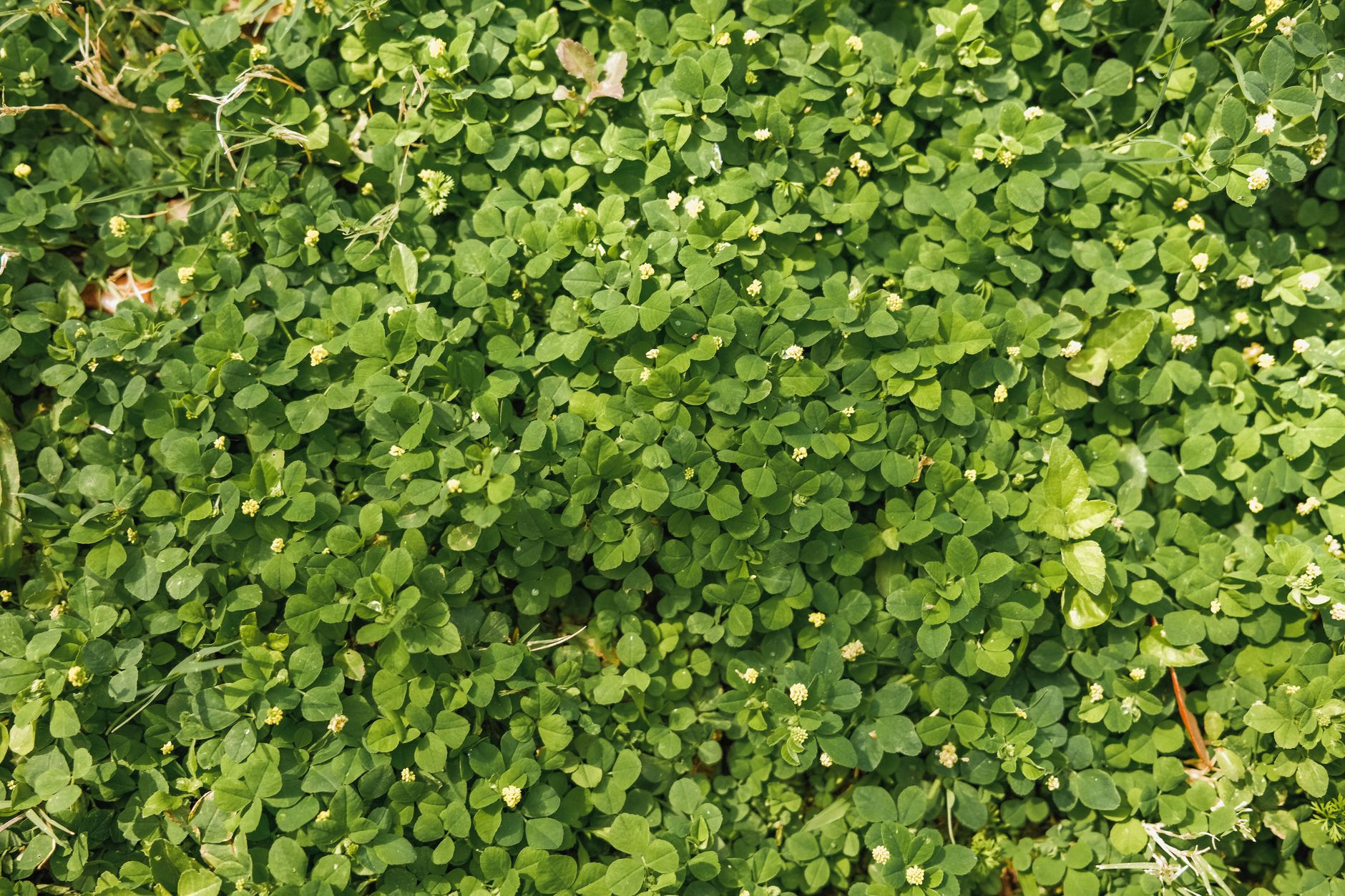
Begin with a small pilot area when local winter performance is unknown, the site includes shade, or the household needs a play surface. Sequence: map sun, traffic, irrigation; select material; remove existing grass; correct drainage; install irrigation; plant plugs; maintain moisture; weed before runners close; reduce irrigation gradually. Proper planning prevents the most common establishment failures and saves significant time and effort during the first growing season.
| Stage | Main goal | Common failure |
|---|---|---|
| Planning | Match plant to yard function | Choosing only from “low-water” label |
| Grass removal | Eliminate competition | Leaving active Bermuda roots |
| Planting | Root-to-soil contact | Planting into loose mulch |
| Early establishment | Keep plugs alive | Alternating drought and overwatering |
| Gap-closing | Encourage lateral growth | Allowing weeds to dominate |
| Established | Deeper roots, defined edges | Continuing shallow daily irrigation |
Remove Existing Grass and Weeds First
Established turf, especially Bermudagrass, regrows through spaces between plugs. Options: repeated physical removal, sod cutting, solarization (in suitable heat/season), sheet mulching, or label-approved herbicide. Tilling can fragment rhizomes. Solarization may damage tree roots. Wait for regrowth and remove returning grass before planting. Nutsedge and other persistent weeds need separate treatment. The most successful conversions invest significant effort in grass removal before planting, as post-planting grass control is far more difficult and often damages frogfruit.
| Existing condition | Preferred direction | Main caution |
|---|---|---|
| Thin annual weeds | Remove before seed set | New weeds emerge between plugs |
| Removable sod lawn | Cut and remove | Roots may remain at edges |
| Bermudagrass lawn | Multi-step control | Fragments and neighbors reinvade |
| Lawn under trees | Minimize root disturbance | Deep cultivation may injure roots |
Choose Plugs, Divisions, Cuttings, or Sod
Plugs are most practical. Closer spacing costs more but shortens open-gap stage. Divisions from a legal source work well if kept moist. Cuttings are suitable for small-scale propagation but rooting varies. Sod offers rapid coverage but costs more and still requires establishment irrigation. Seed availability is uncertain. Spacing around 12 inches is a common reference; adjust for shade, short growing seasons, or budget. For homeowners willing to invest more upfront, closer spacing of 6 to 8 inches can close the canopy in half the time, reducing weed pressure and visible bare soil.
| Material | Upfront cost | Installation speed | Establishment risk |
|---|---|---|---|
| Rooted plugs | Moderate | Moderate | Weeds between plugs |
| Rooted divisions | Low | Moderate | Transplant stress |
| Unrooted cuttings | Low | Slow | Desiccation, uneven rooting |
| Kurapia plugs | Moderate to high | Moderate | Weed management, irrigation |
| Kurapia sod | High | Fast | Cost, handling, site prep |
Plant, Water, and Weed Until the Lawn Fills In
Plant during active warm-season growth. Set plugs at soil level, firm soil around roots, water immediately. Keep root zone consistently moist but not saturated. Gradually increase watering intervals as roots establish. Weed weekly during open-gap stage; remove grass before it spreads through frogfruit. Limit foot traffic until runners have joined. Mow only after rooting, when needed to encourage branching. Consistent attention during the first 8 to 12 weeks determines whether the lawn establishes successfully or struggles with persistent weeds and poor coverage.
| What you see | Likely cause | First response |
|---|---|---|
| Plug wilts | Root ball dried or poor soil contact | Refirm soil, correct moisture |
| Center bare, runners growing outward | Nodes not rooted | Redirect runners, improve contact |
| Weeds faster than frogfruit | Open soil | Increase hand weeding |
| Grass returns between plugs | Old lawn not fully controlled | Remove early, reinforce boundaries |
How to Maintain a Frogfruit Lawn
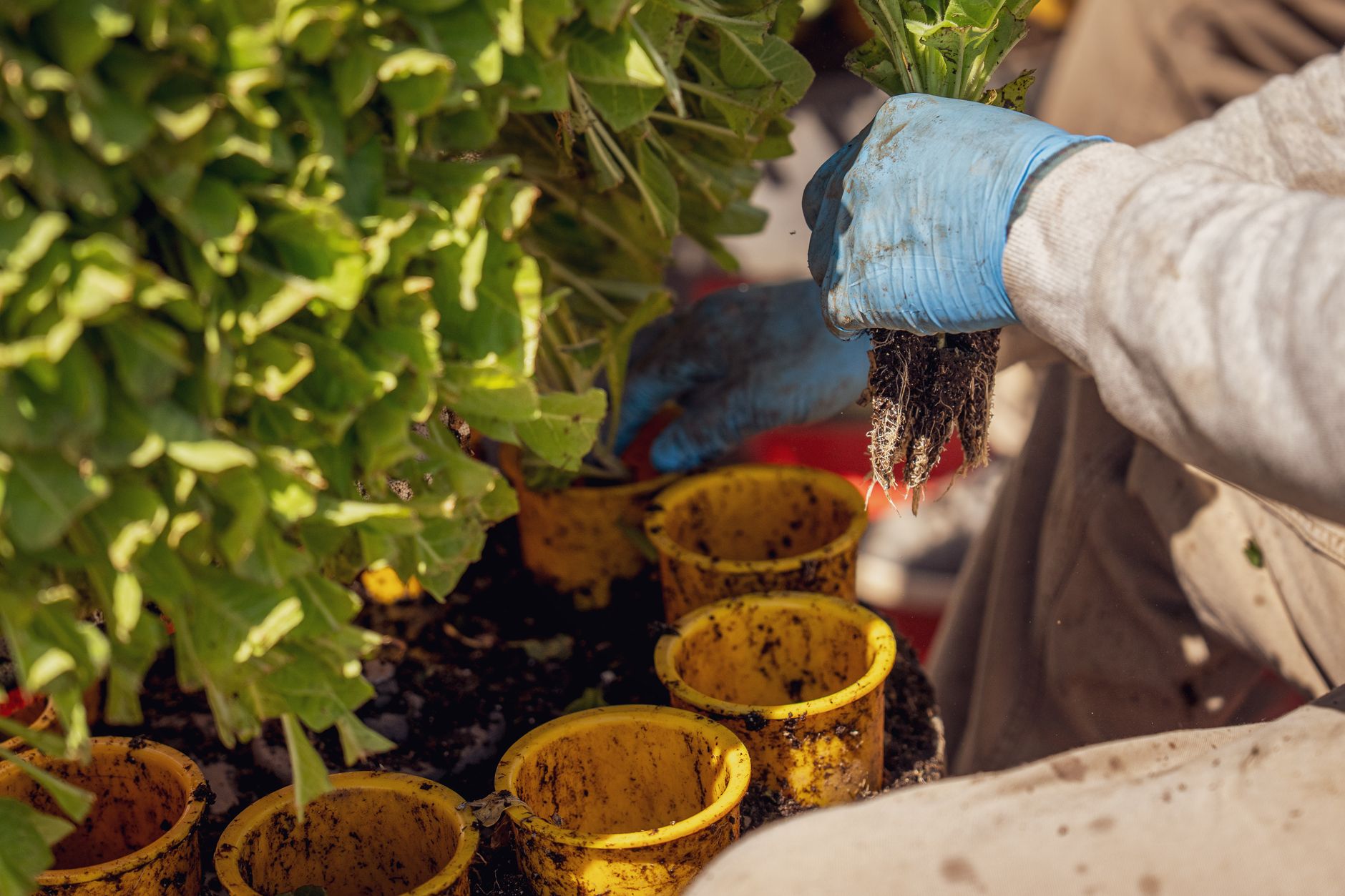
Maintenance style depends on whether you want turf-like, informal ground cover, or pollinator-first. Largest recurring tasks are edging and grass removal. Once established, frogfruit requires notably less water and fertilizer than traditional turfgrass, but the trade-off is ongoing vigilance against invading grass and runners escaping into adjacent beds.
| Season | Main task |
|---|---|
| Active spring growth | Remove debris, control early weeds |
| Warm growing season | Adjust irrigation, mow or leave flowers, edge |
| Prolonged drought | Decide survival vs. green appearance |
| Autumn cooling | Reduce irrigation, final edging |
| Frost/winter | Leave dormant cover |
| Early regrowth | Check dead patches, grass, drainage |
Water, Mow, and Fertilize for the Look You Want
Established plants need less water than conventional lawns, but demand varies. Let upper soil dry between watering cycles; water deeply. Distinguish survival water from appearance water. Mowing is optional; it reduces height but removes flowers. Do not scalp dormant or stressed plants. Fertilizer is not routinely needed; excess fertility creates loose, coarse growth. Over-fertilized frogfruit becomes floppy and attracts more weed competition, defeating the purpose of a low-maintenance ground cover.
| Desired result | Mowing approach | Pollinator value |
|---|---|---|
| Closest turf-like | Mow when uneven | Lower |
| Informal ground cover | Occasional trim | Moderate |
| Maximum flowering | Little mowing during bloom | Highest |
| Family zones + habitat | Mow paths, leave edges flowering | Balanced |
Control Grass, Weeds, and Escaping Runners
Weed pressure continues after fill-in. Neighboring turf and Bermudagrass can re-emerge. Manual control works best when invaders are small. Inspect edges regularly; clip runners before they root. Herbicide selection is tricky because frogfruit is a broadleaf plant; common lawn herbicides may injure it. Dense cover suppresses some weeds but not established turf. A 4 to 6 inch deep edging strip buried along borders reduces runner escape and grass invasion significantly over the long term.
| Problem | Best first action |
|---|---|
| Bermudagrass returns | Remove small patches immediately, review preparation |
| Grass enters from next door | Install inspectable edge |
| Annual weeds in gaps | Hand weed, accelerate establishment |
| Runners enter beds | Cut before rooting |
| Weed pulling creates bare holes | Refirm soil, redirect runners |
Troubleshoot Thin, Leggy, Brown, or Bare Frogfruit
Check season, temperature, soil moisture, sunlight, and traffic first. Do not assume every brown patch needs water or that thin growth needs fertilizer.
| Symptom | Likely causes | First check |
|---|---|---|
| Long runners, wide leaf spacing | Shade or low mowing | Hours of direct sun |
| Dry beige leaves, green stems | Drought stress | Irrigation coverage |
| Soft brown patches in wet soil | Overwatering or disease | Drainage, stem condition |
| Bare line through lawn | Repeated traffic | Usage pattern |
| Green but few flowers | Frequent mowing or shade | Mowing timing, sunlight |
| Grass above frogfruit | Surviving or invading turf | Edges, grass roots |
| Brown after frost | Seasonal dormancy | Local ecotype, stem viability |
| Spring regrowth patchy | Winter injury, compaction | Soil and crown condition |
Conclusion
Frogfruit succeeds when matched to the right function. It fits warm climates with full sun, low to moderate traffic, acceptance of flowers, and willingness to edge and weed. Confirm material, match climate, reserve hard paths for high use, remove grass, plant rooted material into clean soil, water consistently, weed before gaps close, reduce irrigation, and choose a maintenance style. Remember it is not maintenance-free, not grass-replacing, and not zero-water.
FAQ
Will Frogfruit Take Over Grass?
Not reliably. Established Bermudagrass re-emerges between plugs. Remove grass before planting. A mixed lawn is possible if uniform coverage is not needed. Expect to manage grass invasion for at least the first two seasons.
How Fast Does Frogfruit Spread?
Depends on material, spacing, season, sun, water, soil contact, and weed pressure. Closer spacing shortens the open-gap phase. Cold, shade, drought, and grass competition slow spread. Under ideal conditions, plugs can fill a 12-inch gap within 8 to 12 weeks.
Does Frogfruit Choke Out Weeds?
Dense mature cover can suppress some weeds but not established grass or all perennials. The establishment period is vulnerable. Early hand removal and boundary control are essential.
Can You Walk on a Frogfruit Lawn?
Yes, with conditions. It tolerates light to moderate dispersed traffic but not sports or concentrated dog runs. Use stepping stones on repeated routes. Flowering lawns attract bees; mow activity zones and let edges flower.
You Might Also Like