Does Soil Moist Really Keep Plants Hydrated While You’re Away?
Yes, Soil Moist can help keep plants hydrated while you’re away—but it is not a magic substitute for watering, drainage, shade, or a realistic vacation plan. It works best as a moisture buffer: it absorbs water when you irrigate, then releases some of that stored moisture back into the potting mix or soil as conditions dry.
For a weekend trip, a hot spell, or containers that normally wilt between waterings, Soil Moist can be genuinely useful. For a two-week summer vacation with thirsty plants in small pots, it should be treated as one tool in a broader plan, not the whole plan.
What Soil Moist Is and How It Helps With Hydration
Soil Moist is a water-absorbing polymer product, often sold as dry crystals or granules. When watered, the crystals swell as they absorb many times their dry volume in water. As the surrounding soil or potting mix dries, they gradually release some moisture back into the root zone.
In practice, Soil Moist can smooth out the wet-dry cycle. Instead of water draining straight through a hanging basket or evaporating quickly from a sunny container, some of that water is held in reserve. Roots can then access moisture for longer than they would in the same potting mix without the crystals.
But Soil Moist does not create water. It must be fully hydrated before it can help. If you sprinkle dry crystals into already-dry soil and leave town without watering deeply, they will not provide meaningful protection.
It also does not fix every watering problem. If a plant is root-bound, sitting in a tiny pot, growing in compacted soil, exposed to extreme heat, or has no drainage, Soil Moist may make only a small difference—or may contribute to stress if used incorrectly.
How Effective Soil Moist Is During Vacations
Soil Moist can extend the time between waterings, but the amount of time depends on the plant, container size, weather, potting mix, and how well the product was applied.
In containers, it may buy a few extra days of moisture, especially when paired with thorough watering and mulch. In hanging baskets, window boxes, and balcony pots, that buffer can be valuable because these plantings dry out quickly. During moderate weather, it may be enough for a long weekend or short trip. During hot, windy weather, the benefit may be much shorter.
Soil Moist is most useful when the main problem is that soil dries slightly too quickly between normal waterings. It is less useful when the problem is severe dehydration, intense heat, or a plant that needs more water than the container can hold.
| Situation | How Soil Moist Usually Performs |
|---|---|
| Short weekend trip with healthy containers | Often helpful, especially if watered deeply before leaving |
| Hanging baskets in summer | Helpful, but best combined with shade, mulch, or backup watering |
| Houseplants in bright indoor light | Can reduce drying stress if the plant likes consistent moisture |
| Large garden beds | Less dramatic unless placed near active roots |
| Tiny pots in full sun | Limited benefit because there is little soil volume |
| Long summer vacation | Not reliable as the only watering method |
The biggest mistake is assuming “moisture crystals” means “no watering needed.” Soil Moist delays drying; it does not remove the plant’s need for water.
Best Situations for Soil Moist
Soil Moist tends to be most useful where soil volume is limited and drying happens quickly. These are the situations where extra moisture-holding capacity can make a noticeable difference.
Good uses include:
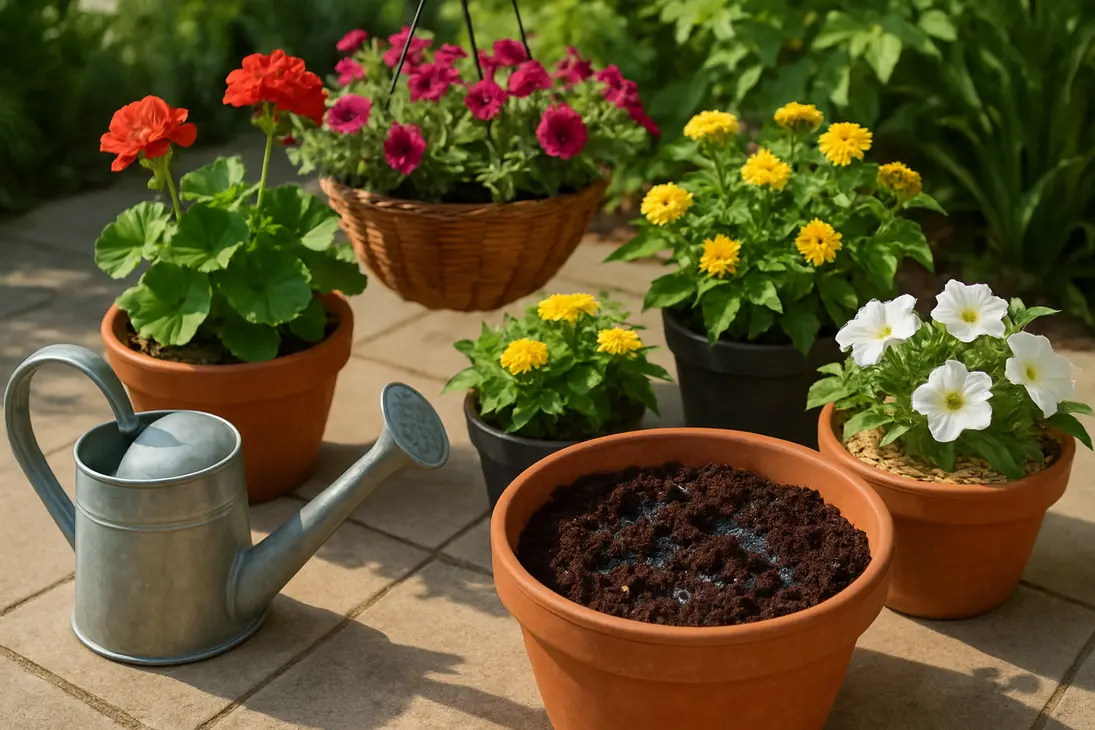
- Potted annuals, such as petunias, impatiens, coleus, and begonias that wilt quickly in warm weather.
- Hanging baskets, which are exposed to sun, wind, and heat on all sides.
- Balcony and patio gardens, especially where pots sit on hot concrete, decking, or railings.
- Window boxes, which often have shallow soil and high exposure.
- Newly planted ornamentals, where roots have not yet spread widely.
- Moisture-sensitive containers, such as ferns, tropicals, and mixed planters that dislike drying completely.
- Houseplants that prefer evenly moist soil, provided the pot has drainage.
It can be especially helpful for gardeners whose containers look fine in the morning but wilt by late afternoon. In that case, Soil Moist may reduce the sharp midday moisture drop, especially when used with a high-quality potting mix.
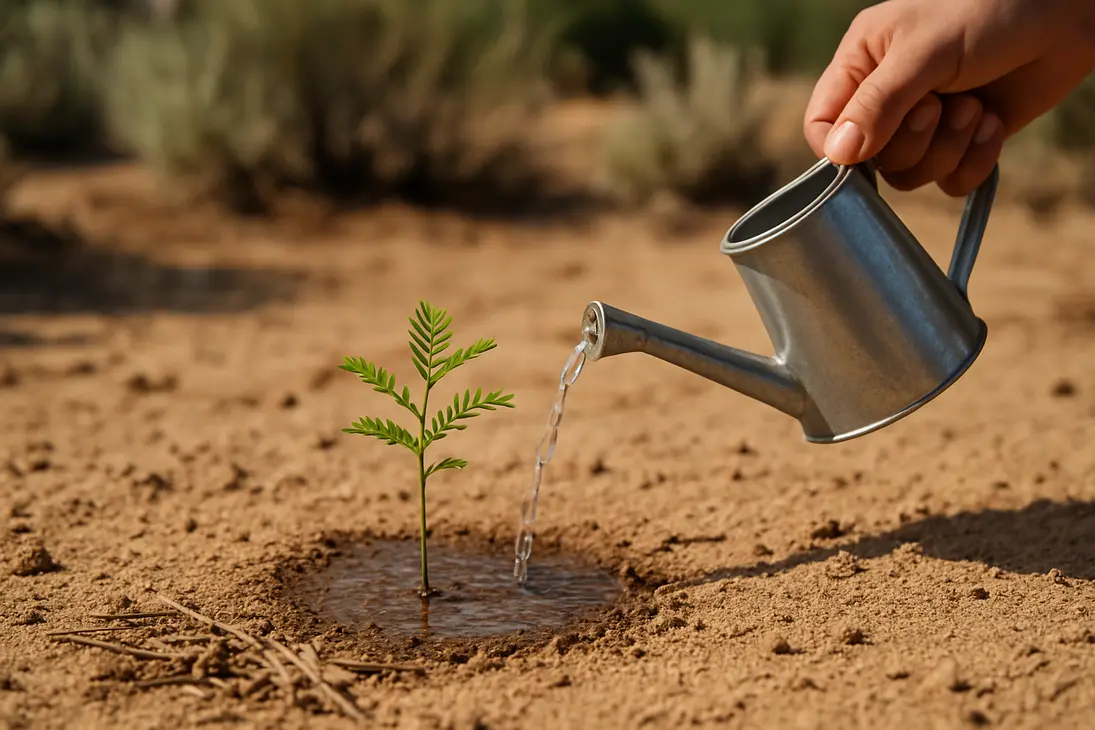
It also has value in newly planted outdoor ornamentals. A young shrub or perennial has a limited root system, so hydrated crystals in the root zone can buffer short dry periods while the plant establishes. New plantings still need deep watering, though. Soil Moist should not be used as an excuse to plant and walk away.
Where Soil Moist Has Limits
Soil Moist has limits, and knowing them keeps expectations realistic.
It is less effective in very large garden beds because the crystals only help where they are actually present. If scattered thinly over a large area, they may not be close enough to active roots to matter. In open soil, mulch, compost, deep watering, and drip irrigation are often more effective.
It also has limited value for plants with very high water demands, such as large tomatoes in small pots, cucumbers in summer heat, or lush tropical plants in full sun. These plants can use water quickly, and the extra stored moisture may not last long.
Other situations where Soil Moist may disappoint include:
- Extreme heat or wind, which increases evaporation and plant water use.
- Tiny pots, where there is too little soil volume for meaningful water storage.
- Root-bound containers, where roots have replaced most of the potting mix.
- Poor soil structure, such as compacted soil that sheds water or drains unevenly.
- Long trips, especially in summer.
- Plants that prefer dry conditions, such as many succulents, cacti, Mediterranean herbs, and dormant bulbs.
Fertilizer salts and mineral-rich water can also affect how water-absorbing polymers perform. In real garden conditions, they may not swell or release water as dramatically as they do in a demonstration cup of clean water.
How to Use Soil Moist Before Leaving Town
If you want Soil Moist to help during a vacation, apply it before the trip—not the morning you leave without testing it. The best results come from mixing it into the root zone, watering thoroughly, and observing how the plant responds.
General steps:
- Read the label first. Use the recommended rate for your container size, planting type, and plant category.
- Mix crystals into the root zone. They need to be where roots can access the released moisture.
- Avoid overapplication. Dry crystals expand. Too much can push potting mix upward, create wet pockets, or reduce air space.
- Water deeply after applying. The crystals must hydrate before they can store water.
- Let the container drain. Soil Moist holds water; it does not replace drainage.
- Test before traveling. Use it at least a week or two before leaving so you know whether the plant stays evenly moist or becomes too wet.
If you are leaving soon and have never used it before, be conservative. It is safer to use the label rate, water well, move containers into bright shade, and arrange a backup check than to overapply crystals at the last minute.
For Containers and Houseplants
For new container plantings, the easiest method is to mix the recommended amount of Soil Moist evenly into the potting mix before planting. Concentrate it through the main root area rather than leaving it all at the bottom. If crystals sit only at the bottom of a pot, roots may not benefit until they grow down, and the lower potting mix may stay too wet.
For existing containers, work the product into several small holes around the root area. Use a pencil, dibber, chopstick, or narrow trowel to make holes spaced around the plant, keeping some distance from the main stem. Add a small amount according to the label, cover the holes, and water thoroughly.
Be careful with shallow-rooted plants and tight houseplants. If the pot is already packed with roots, repotting into a slightly larger container with fresh potting mix may be more effective than trying to force Soil Moist into the old root ball.
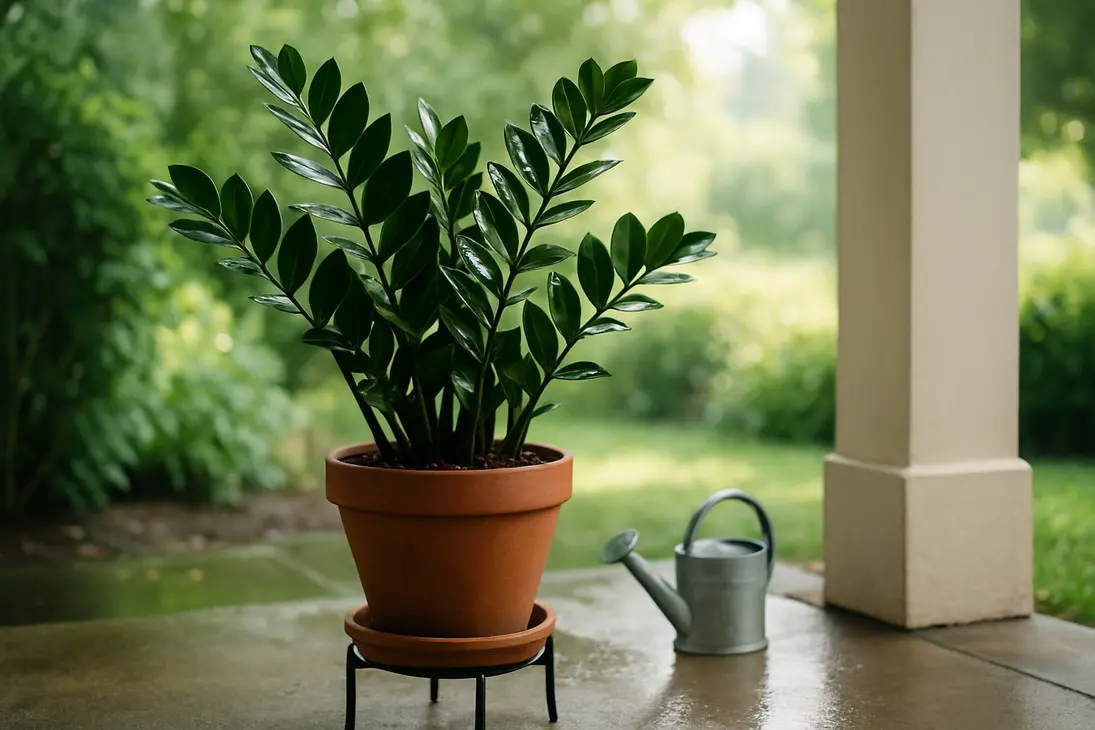
Drainage holes still matter. A container with no drainage can turn soggy and low in oxygen, especially if water-absorbing crystals are added. “Moist” soil is not the same as healthy soil. Roots need both water and oxygen. If excess water cannot escape, the plant may yellow, wilt, or rot even though the soil feels wet.
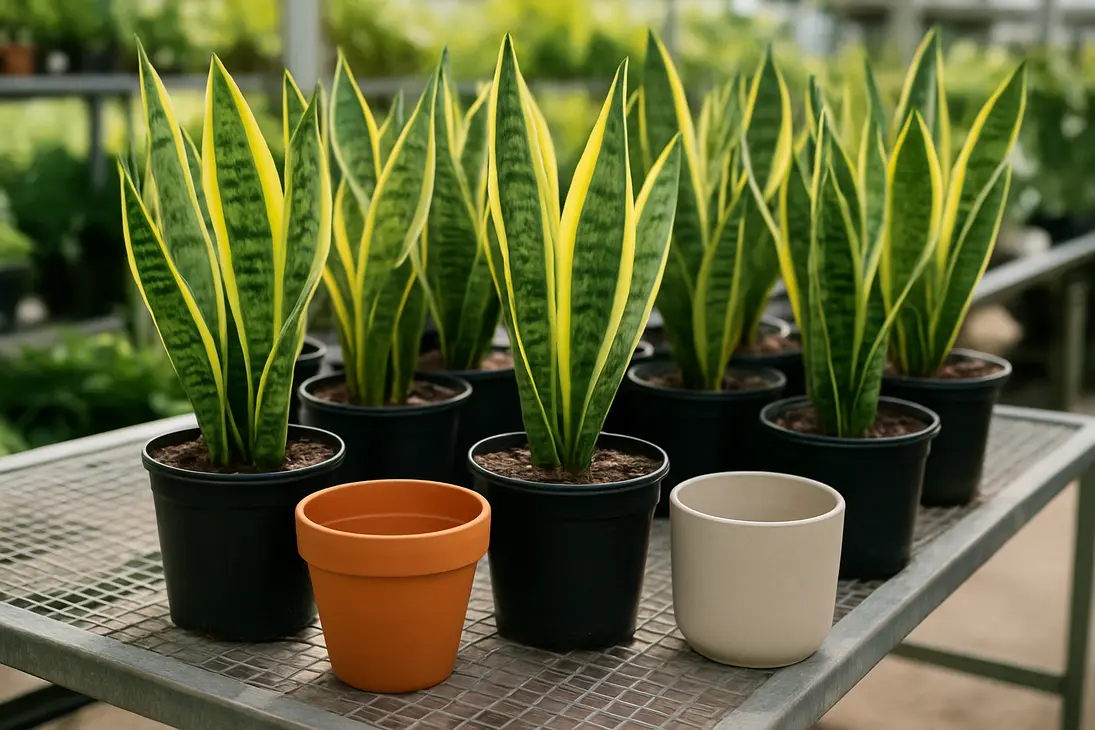
For houseplants, be plant-specific. A peace lily or fern may appreciate more even moisture. A snake plant, jade plant, cactus, or succulent usually will not.
For Garden Beds and Outdoor Plants
In garden beds, Soil Moist works best when placed near active roots rather than broadcast randomly over the surface. For new plantings, mix the recommended amount into the backfill soil around the root zone. Avoid dumping a concentrated layer directly under the root ball; you want even moisture, not a wet pocket.
For existing outdoor plants, work it gently into the soil around the drip line or near the outer root area, where feeder roots are most active. Try not to damage major roots. Water deeply afterward so the crystals hydrate and the surrounding soil is moist before dry weather arrives.
Pairing Soil Moist with mulch usually gives better results than using it alone. A 2- to 3-inch layer of organic mulch, kept slightly away from stems and trunks, helps reduce evaporation and moderate soil temperature. Soil Moist stores some water below the surface; mulch helps slow water loss from above.
Before leaving town, water garden beds deeply rather than giving a quick surface sprinkle. Deep watering gives both the soil and the polymer reservoir a better starting point.
Avoiding Overwatering and Plant Stress
One common misconception is that if soil is moist, the plant must be fine. In reality, both underwatering and overwatering can cause stress, and symptoms can overlap.
Overwatering is not just “too much water.” It is often a lack of oxygen around the roots. When soil stays saturated, roots cannot breathe properly. Damaged roots then struggle to take up water, which can make the plant wilt even though the soil is wet.
Watch for signs such as:
- Yellowing lower leaves
- Soft or mushy stems
- Fungus gnats around houseplants
- Sour-smelling potting mix
- Leaves dropping while still soft
- Wilting in wet soil
- Roots that are brown, black, or mushy instead of pale and firm
Soil Moist can contribute to overly wet conditions if too much is used, if the plant prefers drier soil, or if the pot lacks drainage. The goal is evenly available moisture, not constantly saturated soil.
Plant type matters. Bulbs such as tulips, daffodils, and many ornamental bulbs often dislike “wet feet,” especially when dormant or in cold, rainy weather. Many drought-tolerant herbs—lavender, rosemary, thyme, sage—prefer sharp drainage and may resent extra water retention. Cacti and succulents are generally poor candidates unless the product label specifically supports that use and the potting mix remains very free-draining.
For vacation care, sort plants by water needs instead of treating everything the same. Moisture-loving plants may benefit from Soil Moist, shade, and a reservoir system. Dry-loving plants may simply need one proper watering before you leave and protection from rain.
Other Ways to Keep Soil Moist While You’re Away
Soil Moist works best when combined with other sensible watering strategies. The right approach depends on how long you will be away and how vulnerable the plants are.
| Method | Best For | Main Caution |
|---|---|---|
| Mulch | Outdoor beds, large containers | Keep mulch away from stems and crowns |
| Self-watering pots | Containers, herbs, annuals, houseplants | Reservoirs still run dry; test before travel |
| Drip irrigation | Vegetable beds, borders, many containers | Needs setup, pressure control, and leak checks |
| Watering spikes | Individual pots | Flow rate can be inconsistent |
| Clay bottle or olla-style irrigation | Beds and large containers | Works best when buried near roots and tested first |
| Grouping pots in shade | Patio and balcony plants | Too much shade can reduce flowering temporarily |
| Plant sitter | Valuable collections, long trips | Leave clear instructions |
Mulch is one of the simplest complements. It reduces evaporation and keeps the root zone cooler. For containers, even a light topdressing of bark fines, compost, or decorative mulch can slow surface drying.
Self-watering pots are often more reliable than Soil Moist alone for longer absences because they provide an actual water reservoir. They are especially useful for thirsty container plants, though they still need drainage, aeration, and testing.
Drip irrigation with a timer is usually the strongest solution for larger outdoor plantings. It delivers water at the root zone and can be scheduled while you are gone. The trade-off is setup time and the need to check for clogged emitters, leaks, or timer problems before relying on it.
Watering spikes and bottle systems can help with individual pots, but they are inconsistent if the soil is too compacted, too dry, or not in good contact with the device. Clay bottle or olla-style irrigation can work well in beds and larger containers, especially in hot climates, but it also needs testing.
For a short trip, a practical setup might look like this:
- Add Soil Moist at the proper rate well before leaving.
- Water deeply the day before departure.
- Move movable pots into bright shade or morning sun only.
- Add mulch to containers and beds.
- Group pots together to reduce heat and wind exposure.
- Ask someone to check the highest-risk plants if you will be gone longer than a few days.
The point is redundancy. If one method underperforms, another helps reduce stress.
Conclusion
So, does Soil Moist really keep plants hydrated while you’re away? It can help, especially in containers, hanging baskets, balcony gardens, and newly planted ornamentals that dry faster than you can comfortably water them. Used correctly, it stores some of the water you apply and releases moisture as the root zone dries.
But it is not a standalone guarantee. It will not rescue severely root-bound pots, replace deep watering, overcome extreme heat, or keep thirsty plants alive indefinitely. It can also cause problems if overused or applied to plants that prefer dry, sharply drained soil.
For best results, treat Soil Moist as part of a vacation watering plan: apply it at the label rate, place it near roots, water thoroughly, maintain drainage, mulch where appropriate, and test the setup before you leave. That layered approach gives your plants a much better chance of looking healthy when you return.
FAQ
How long will Soil Moist keep plants watered?
It varies widely. In many real garden situations, Soil Moist may extend watering by a few days, especially in containers or hanging baskets. In mild weather and larger pots, the benefit may last longer. In extreme heat, wind, tiny pots, or with very thirsty plants, the extra time may be much shorter.
Do not rely on a fixed number of days unless you have tested it with your own plants. Water use changes with pot size, sun exposure, plant growth, humidity, and temperature.
Can Soil Moist cause overwatering?
Yes. It can contribute to overwatering if too much is used, if drainage is poor, or if the plant prefers drier conditions. Soil Moist holds extra water in the root zone, which is helpful for moisture-loving plants but risky for plants that need fast drainage.
Always follow the label rate, use pots with drainage holes, and avoid adding it to plants such as many succulents, cacti, bulbs, or Mediterranean herbs unless you are certain they need that extra moisture retention.
Is Soil Moist safe for all plants?
No product is ideal for all plants. Soil Moist is generally best suited to plants that like consistent moisture, especially in containers. It may not be appropriate for drought-tolerant plants, plants prone to root rot, bulbs that dislike wet soil, or containers without drainage.
Also check the product label for restrictions, especially if you plan to use it around edible crops, seedlings, ponds, pets, or specialty plants.
Should I use Soil Moist or a self-watering system for vacation plants?
For a short trip or plants that only need a small moisture buffer, Soil Moist may be enough when combined with deep watering and shade. For longer trips, thirsty plants, or valuable containers, a self-watering pot, drip irrigation, or reliable plant sitter is usually more dependable.
The best answer is often both: Soil Moist in the potting mix to reduce drying swings, plus a tested watering system to provide an actual water supply while you are away.
You Might Also Like