Edible Cactus: Which Types You Can Eat and How to Prepare Them Safely
Can you eat cactus? Yes—several cactus species have edible fruits, pads, or flower buds. But never eat an unidentified cactus. The edible part, preparation method, and harvesting rules differ by species. The safest starting points are store-bought prickly pear fruit, cleaned nopales, or dragon fruit. Wild cactus requires expert identification, legal permission, and careful handling; even then, many cactus species are toxic, protected, or unpalatable.
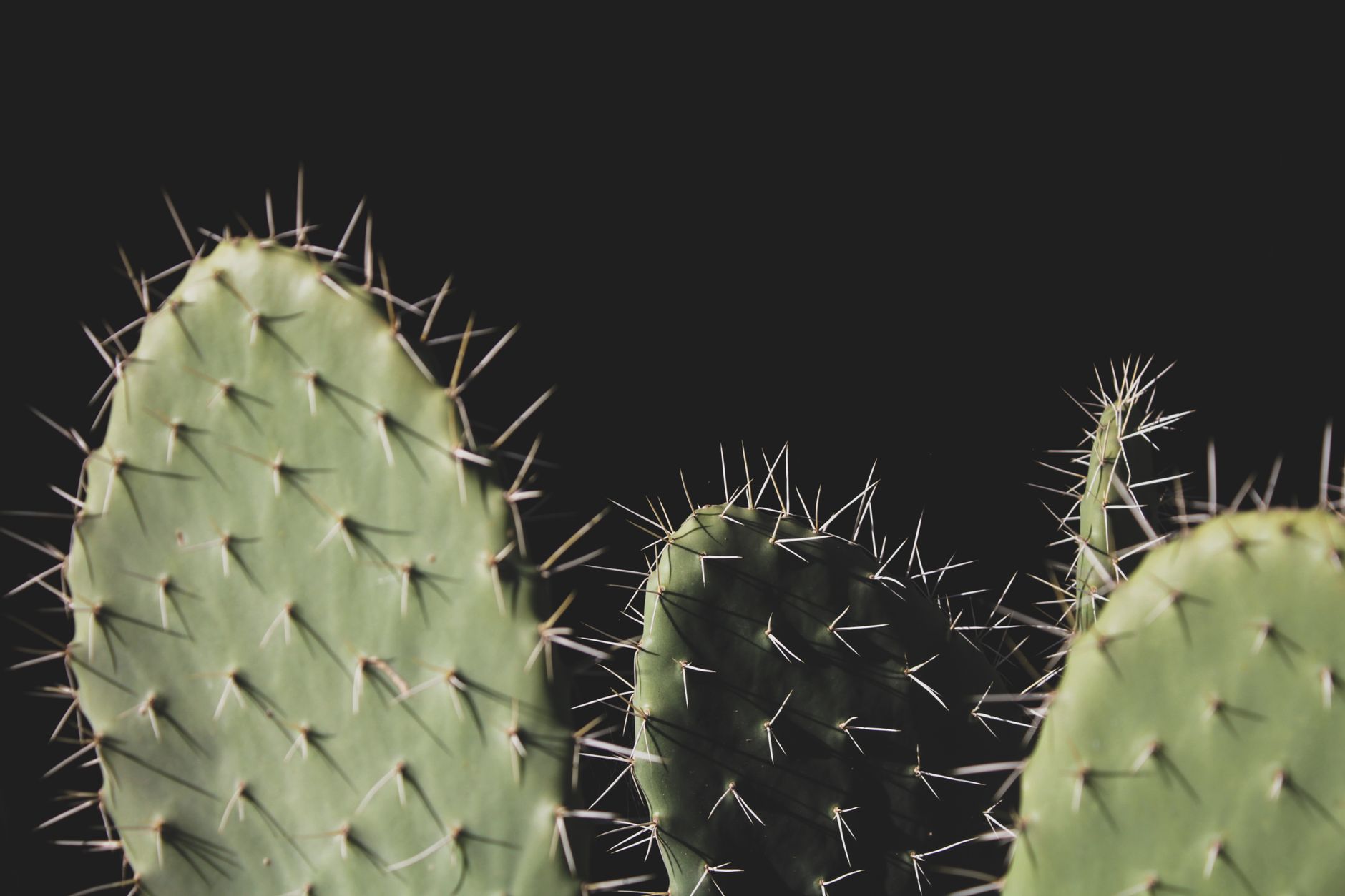
When people talk about “edible cactus,” they usually mean nopales (young Opuntia pads), tunas (prickly pear fruit), or dragon fruit (Hylocereus fruit). Before eating any cactus, confirm the species, the edible part, and safe handling. Also remember: “spineless” does not mean free of glochids—tiny barbed bristles that are nearly invisible. Even commercial “spineless” varieties often retain glochids around the areoles, so inspection under strong light is essential.
Key Takeaways
- Start with store-bought produce: The safest way to try edible cactus is professionally cleaned nopales, prickly pear fruit, or dragon fruit from a market, not a wild or unidentified plant.
- Identify the species and edible part: Only specific cacti have edible parts. Prickly pear pads (nopales) and fruits (tunas) are most common. Barrel, cholla, and saguaro are traditional foods, not beginner options.
- Glochids are nearly invisible: Even spineless Opuntia can carry tiny barbed glochids. Always inspect under strong light, use gloves and tongs, and remove spines before washing.
- Preparation affects nopal texture: Nopales release mucilage that grilling or dry sautéing reduces. Young tender pads produce the best texture while older pads become woody and fibrous.
- Eat cactus as food, not medicine: Edible cactus provides fiber and nutrients, but evidence does not support exaggerated health claims. Start with normal portions and consult a professional before using concentrated products.
Which Cacti Are Edible?
The best-known edible cacti belong to Opuntia (prickly pear). Other cacti produce edible fruits or buds, but are not beginner options. The table below covers key food cacti. Beginners should limit themselves to prickly pear and dragon fruit until they gain experience with identification and handling.
| Cactus | Commonly used part | Ease for beginners | Typical use | Main caution |
|---|---|---|---|---|
| Prickly pear | Young pads and ripe fruit | Moderate | Vegetable dishes, raw fruit, juice, jelly | Glochids on pads and fruit |
| Dragon fruit | Fruit | Easy | Raw, salads, smoothies | Confirm exterior spines are removed |
| Peruvian apple cactus | Fruit | Moderate | Usually eaten fresh | Verify identity |
| Organ pipe cactus | Fruit | Advanced | Fresh or traditional preparation | Protected-land and harvesting rules |
| Barrel cactus | Fruit and seeds | Advanced | Tart fruit or toasted seeds | Do not use the cactus body as drinking water |
| Cholla | Buds or fruit in traditional use | Advanced | Regional traditional preparations | Dense spines and specialized processing |
| Saguaro | Fruit | Advanced and culturally sensitive | Traditional fruit, syrup, and preserves | Current land rules and cultural context |
Prickly Pear Cactus: Nopales and Tunas
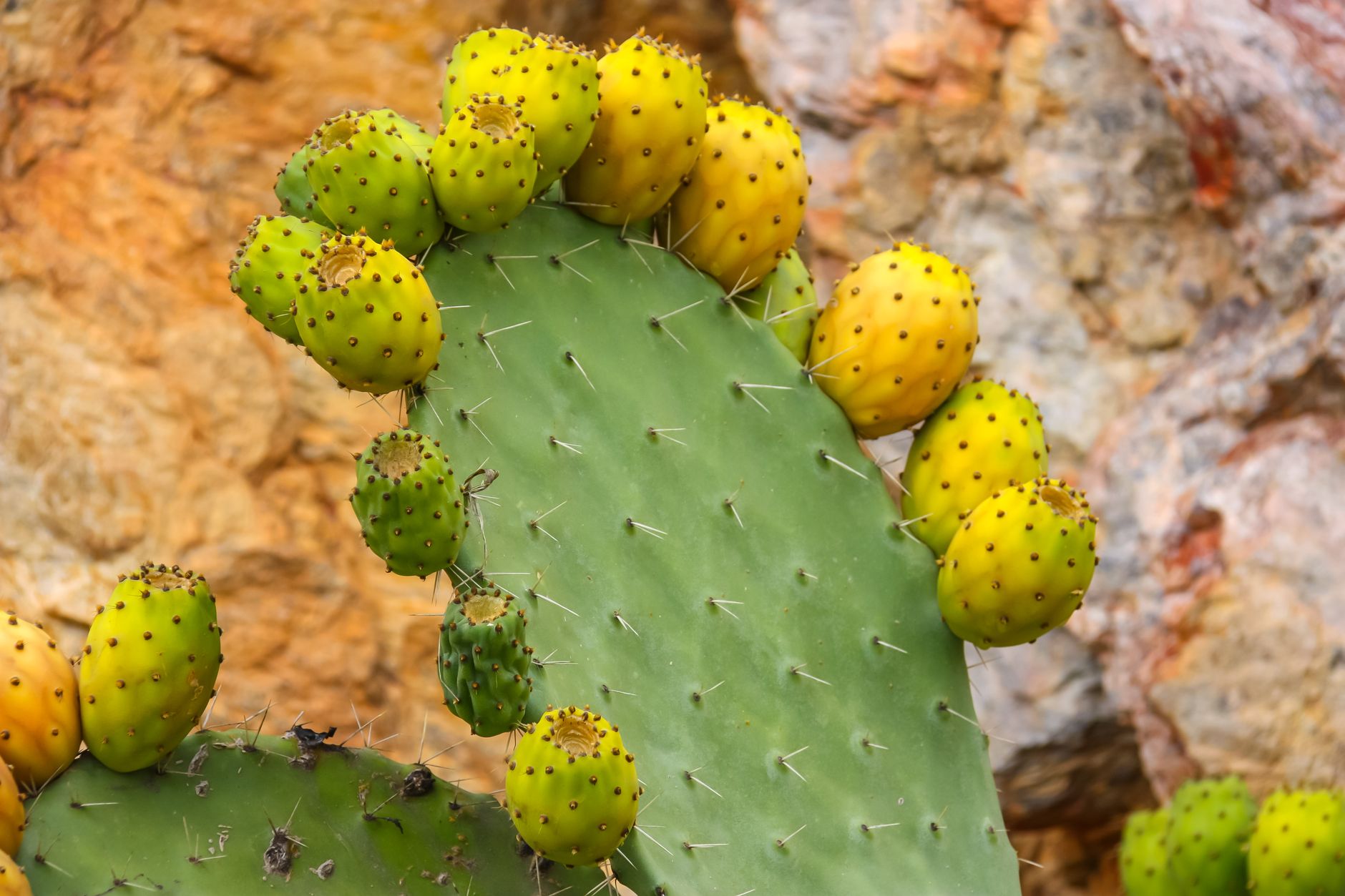
Prickly pear (Opuntia spp.) is the most common culinary cactus. Both young pads and fruits are used. Terminology: nopales (pads), nopalitos (cut pads), tunas (fruits). Young pads are tender; older pads become woody. Fruits must be fully mature when harvested—look for deep color (red, orange, or purple depending on species) and slight softness when gently squeezed. Both pads and fruits may contain glochids. Not all Opuntia species have the same culinary quality; Opuntia ficus-indica is the most widely cultivated for food, but other species like Opuntia streptacantha and Opuntia robusta also produce edible pads and fruits. Wild Opuntia species may be smaller, spiner, or tarter—always research the specific species before harvesting.
Dragon Fruit and Other Edible Cactus Fruits
Dragon fruit (pitaya) comes from climbing cacti (Hylocereus). Cut in half and scoop flesh; seeds are edible. Yellow varieties (e.g., Hylocereus megalanthus or Selenicereus megalanthus) may retain exterior spines—inspect carefully and brush or peel them away. Dragon fruit is the easiest edible cactus for beginners because it is typically sold cleaned and requires no de-spining. Peruvian apple cactus (Cereus repandus) and organ pipe cactus (Stenocereus thurberi and Lemaireocereus spp.) produce edible fruits but are less common outside their native regions. For barrel cactus (Echinocactus or Ferocactus spp.), only the fruit and seeds are edible—do not cut the body, which is bitter and may contain alkaloids. Cholla buds or fruits are part of Indigenous food traditions; handling is difficult due to dense spines and glochids, and harvesting ethics require attention. Saguaro fruit has profound cultural significance; harvest rules vary by land status (e.g., Saguaro National Park prohibits removal). Do not include psychoactive cacti (e.g., Echinopsis pachanoi (San Pedro), Lophophora williamsii (peyote)) as food—they contain mescaline and are not safe for consumption outside traditional ceremonial contexts.
Confirm It Is a True Cactus Before You Eat It
True cacti have areoles—small structures from which spines, glochids, flowers, or new growth emerge. This distinguishes them from non-cactus succulents like agave, aloe, or euphorbia (which may contain irritating milky sap). One quick test: look for the presence of glochids or barbed bristles, which only occur in cactus (specifically the subfamily Opuntioideae). However, not all cacti have glochids, so do not rely solely on this. Do not rely on a single photo or app. Contact an expert (local extension office, botanical garden, or experienced forager) for identification. Always confirm legal permission and pesticide history before harvesting. Public lands often require permits; private property needs owner consent. Avoid areas that may have been treated with herbicides or adjacent to roadways where contaminants accumulate.
How to Harvest and Prepare Edible Cactus Safely

The safest option is to purchase cleaned nopales or cactus fruit from a market. Even then, inspect for remaining glochids. Many markets sell pre-cleaned nopales that are already de-spined—but double-check under good light.
Remove Spines and Glochids Before Washing or Cutting
Spines are large and visible; glochids are tiny barbed bristles that are nearly invisible. Use thick gloves (leather or rubber), long tongs, a stable cutting board, and strong side lighting (a flashlight or desk lamp at an angle). Remove spines before rinsing to avoid spreading glochids into water or onto tools.
Removal methods:
- Scrape areola areas with a blunt knife (butter knife works well).
- Trim edges and areole spots with a sharp knife, cutting about 1/4 inch deep around each areola.
- Peel fruit after removing visible spines; use a vegetable peeler or knife starting from the cut end.
- Singe over an open flame (gas stove or torch) for 10–15 seconds per side—this burns off glochids but does not cook the pad fully. Keep a fire extinguisher nearby.
- Use a stiff brush (e.g., toothbrush) to dislodge loose glochids after scraping.
No method removes 100% of glochids. Inspect from multiple angles with strong light. Clean all tools and surfaces thoroughly after handling—glochids can cling to dishcloths, sponges, and cutting boards.
If glochids get in skin: do not rub (forces them deeper). Remove visible superficial spines with tweezers under strong light. Apply a layer of white glue (like Elmer’s) or adhesive tape, let dry, and peel off to remove some tiny glochids. Seek medical help if eye, mouth, deep, or widespread exposure occurs—glochids in the eye require immediate irrigation and evaluation.
Prepare Nopales Without the Slimy Texture
Nopales release mucilage (not spoilage)—it is a natural polysaccharide similar to that of okra. Select young, tender pads (4–6 inches long, bright green, firm). Older pads (>8 inches) become fibrous and woody; they may still be edible if peeled, but texture is inferior. After de-spining, trim edges and slice as desired (strips, cubes, or whole pads).
Preparation methods:
- Grilling – reduces mucilage, adds char. Brush with oil, grill 3–4 minutes per side at medium-high heat.
- Dry sautéing – evaporates moisture. Cook in nonstick pan over medium-high heat without oil until liquid evaporates and pads begin to brown, about 5 minutes.
- Boiling – softens texture, but leaches nutrients. Boil in salted water for 5–10 minutes, then drain. Do not cover during boiling to allow volatiles to escape.
- Pickling – tangy, less mucilaginous. Combine vinegar, water, salt, sugar, and spices; add raw or blanched nopal strips; refrigerate 1+ hours.
- Roasting – similar to grilling but oven-based: roast at 400°F for 15–20 minutes.
Avoid overboiling (makes mushy) or overcrowding the pan (steams instead of browns). If pad is fibrous after cooking, it was too mature. If bitter after cooking, do not mask with salt or seasoning—discard the batch, as bitterness may indicate a wrong species or contamination.
Peel, Juice, and Store Prickly Pear Fruit
Select ripe fruit from a known edible variety. Ripe fruit gives slightly under gentle pressure and has even color. After removing glochids (scrape, singe, or peel under running water), trim both ends, make a shallow cut lengthwise through the skin only, and peel away the leathery skin in strips. Eat flesh raw; seeds are hard (swallow whole or strain for juice/syrup). Common uses: fresh, juice, syrup, sauce, sorbet, jelly, or added to salads and cocktails. To make juice: blend peeled fruit, then strain through a fine-mesh sieve or cheesecloth to remove seeds and pulp. The juice can be boiled down for syrup. Refrigerate cut fruit in an airtight container up to 3–4 days; freeze for up to 6 months. For canning, use tested recipes only—cactus fruit has low acidity, so pressure canning is generally required for shelf-stable preserves.
Taste, Nutrition, and Side Effects of Edible Cactus

What Do Nopales and Cactus Fruit Taste Like?
Nopales taste vegetal and mildly tart—similar to green beans or okra but with a slightly tangy, green flavor. Grilling reduces sliminess and adds a smoky note. Younger pads are crisp; older pads become fibrous. Prickly pear fruit is sweet with a juicy texture, like a melon or berry with subdued sweetness. The flavor varies by species and ripeness—some have hints of watermelon, strawberry, or fig. Dragon fruit is mild and lightly sweet, often compared to kiwi or pear with a floral note. If bitter, soapy, or irritating, stop eating—this may indicate an incorrect species or contamination.
Is Eating Cactus Good for You?
Nopales provide fiber (especially soluble fiber like pectin and mucilage), vitamin C, magnesium, calcium, and potassium. Prickly pear fruits contain carbohydrates, fiber, betalains (antioxidant pigments), and micronutrients. Some small studies suggest effects on blood glucose and lipid levels—mostly in animal models or small human groups. Results vary widely, and long-term robust trials are lacking. Do not replace medical treatment or medication adjustments based on cactus consumption. Concentrated products (powders, extracts, juices with added sugar) are not equivalent to fresh food and may have unpredictable effects. Consult a healthcare professional before using cactus-based supplements, especially if you have diabetes, kidney disease, or are taking diuretics.
Side Effects, Portion Size, and Medication Considerations
Properly prepared edible cactus is safe for most people. Large amounts of high-fiber nopales (more than 1–2 cups cooked) may cause bloating, gas, or loose stools, especially for those unaccustomed to high-fiber diets. Start with half a cup of cooked nopales or one whole fruit. Seeds are hard—if you have diverticulitis, chew thoroughly or avoid seeds. Concentrated products (powders, extracts) may have stronger effects on blood sugar or blood pressure; consult a doctor if using glucose-lowering medication, insulin, or antihypertensives. Not all cactus products are safe for pregnant, nursing, or gastrointestinal patients—ask your physician. There are no well-documented allergic cross-reactions, but individuals with known latex allergies may experience cross-reactivity with some fruits (including prickly pear) due to similar proteins.
Conclusion
Start with a known food species from a market. Follow: confirm identity, edible part, permission, and contamination history; remove spines completely using gloves, tongs, and strong light; prepare pads and fruits differently—grill or sauté nopales, peel prickly pear fruit; eat as food, not medicine. “Edible” does not mean the entire plant is safe or that it can be harvested anywhere. For your first experience, buy from a market—it’s the easiest, safest way. As you gain confidence, you can explore wild species under expert guidance, always respecting cultural and legal boundaries.
FAQ
Can You Eat Any Cactus?
No. Only specific species have edible parts. Well-known food cacti include Opuntia pads and fruits, dragon fruit, and certain others. Avoid psychoactive, irritating, protected, or unidentified plants. Euphorbia is not a true cactus and may contain irritating sap. Even among food cacti, only designated parts (pads, fruits, seeds, or buds) are edible—the body, roots, or flower parts may be toxic or unpalatable.
Which Cactus Do Mexicans Eat?
The most common are nopales and tunas from prickly pear (Opuntia). Nopales are used in eggs (nopal con huevo), salads (ensalada de nopales), tacos, or grilled (nopal asado). Tunas are eaten fresh or made into juice, syrup, and preserves. These are daily ingredients, not survival food. Other traditional uses include cholla buds (cocidos in spring) and barrel cactus candied fruit.
Can You Eat Cactus Raw?
It depends. Known edible prickly pear fruit can be eaten raw after safe peeling. Young nopales can be eaten raw in some dishes (e.g., diced into salsas or salads), but cooking improves texture and reduces mucilage. Dragon fruit is eaten raw. Cooking does not make an unidentified cactus safe—heat does not destroy all toxins or reduce the effects of psychoactive alkaloids.
What Should You Do if Cactus Glochids Get in Your Skin?
Stop handling. Do not rub. Remove visible superficial spines with tweezers under strong light. Apply a thin layer of white glue or adhesive tape, let dry, peel off to remove tiny glochids. Repeat as needed. Clean tools and surfaces thoroughly. Seek medical help if eyes, mouth, large area, or persistent irritation occur. Do not rely on tape or glue as guaranteed remedies; for deeply embedded glochids, a doctor may need to use a sterile needle or topical treatment.
You Might Also Like