How to Choose Plants for an Arid Climate
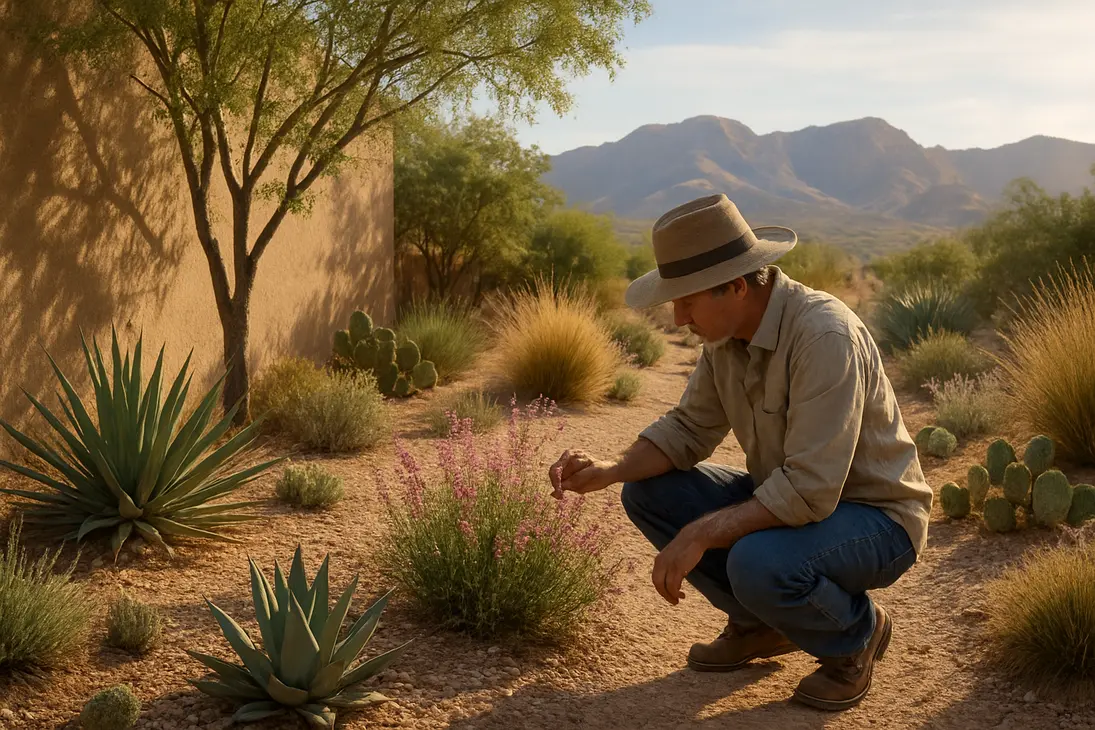
Choosing plants for an arid climate is less about finding a “drought-tolerant” label and more about matching each plant to your actual site: heat, cold, soil, sun, wind, reflected heat, and available water. In places like New Mexico and the broader Southwest, a plant may face intense summer sun, alkaline soil, drying winds, monsoon rain, and winter freezes in the same year.
The best arid-climate gardens start with the conditions you have, then use plants naturally equipped to live there.
Start With Your Site Conditions, Not the Plant Tag
A nursery tag can help, but it cannot describe your yard. Two homes in the same town may have very different conditions: one with sandy soil and afternoon shade, another with compacted clay, reflected heat from a wall, and constant wind.
Before buying plants, observe your site. This helps prevent scorched leaves, root rot, winter dieback, and plants that survive but never thrive.
Know Your Climate Zone and Local Extremes
Your USDA hardiness zone tells you the average annual minimum winter temperature. It helps you choose plants that can survive winter outdoors, but in arid regions it is only one factor.
When selecting plants, consider:
- USDA hardiness zone: A plant rated for your zone is more likely to survive winter lows.
- Summer heat intensity: Some plants tolerate drought but struggle with prolonged triple-digit heat or high-desert sun.
- Winter cold and frost risk: Agaves, aloes, palms, and cacti vary widely in cold tolerance.
- Monsoon or seasonal rainfall patterns: Some plants must handle sudden heavy rain after long dry periods; others need dry winters.
A plant that grows well in Phoenix may not survive a cold night in northern New Mexico. A Mediterranean plant that likes dry summers may dislike summer monsoon humidity or heavy clay. Always check heat and cold tolerance, not just drought tolerance.
Map Sun, Shade, Wind, and Reflected Heat
“Full sun” in a mild coastal climate is very different from full sun against a west-facing wall in Albuquerque, Las Cruces, Tucson, or El Paso.
Walk your garden at different times of day and note:
- Where morning sun falls
- Where the hottest afternoon sun lands
- Which areas receive part shade
- Where wind funnels through the property
- Which surfaces radiate heat
South- and west-facing walls are often the harshest sites. Stucco, gravel, concrete, asphalt, and masonry can reflect and store heat, creating a microclimate hotter than the surrounding air. Some desert plants love this; others scorch even if they are drought-tolerant.
Wind also matters. Dry wind increases water loss from leaves and soil and can damage young plants before they establish. In windy sites, choose tough shrubs, grasses, and trees first, then use them to shelter more delicate plants later.
Test Your Soil Before Buying Plants
Arid-climate soils are often mineral-rich, low in organic matter, and alkaline. They may be sandy and fast-draining, heavy clay, rocky, compacted, or layered with caliche.
Before planting, check:
- Soil texture: Sandy, clay-heavy, rocky, silty, or compacted?
- Drainage speed: Does water disappear quickly, sit for hours, or form a crust?
- Soil pH and alkalinity: Many arid soils are alkaline, which affects nutrient availability.
- Salt buildup: Mineral-heavy irrigation water and evaporation can leave salts in the root zone.
For a simple drainage test, dig a hole about a foot deep, fill it with water, let it drain, then fill it again and watch how quickly the second filling drains. If water lingers for many hours, avoid plants that need sharp drainage unless you plant on mounds, berms, or raised areas.
Do not assume all desert plants want the same soil. Many cacti, agaves, yuccas, and desert shrubs need excellent drainage, while some arroyo-edge or riparian natives tolerate more moisture.
Choose Plants Built for Heat, Drought, and Low Water
A successful arid garden uses plants adapted to dry conditions, not just plants that can survive an occasional missed watering. These plants manage heat, light, and water stress through their leaves, roots, stems, growth cycles, or dormancy habits.
Prioritize Native and Regionally Adapted Plants
Local native plants are often reliable because they evolved with the region’s rainfall patterns, soils, wildlife, and temperature swings. In New Mexico, many native grasses, penstemons, sages, yuccas, desert willows, and four-wing saltbushes suit low-water landscapes.
Native plants often offer:
- Lower irrigation needs once established
- Better tolerance of local soil chemistry
- Support for native pollinators, birds, and beneficial insects
- Resilience through seasonal extremes
Still, “native” is not magic. A plant native to a shady canyon may fail in a hot gravel front yard, and a plant native to the southern low desert may not tolerate high-elevation winter cold. Choose natives from conditions similar to your site.
Non-native dryland plants can also work when they are not invasive and match your climate. Many agaves, ornamental grasses, Mediterranean herbs, dryland salvias, and Australian or South African plants can be good choices if their cold tolerance, water needs, and soil preferences line up.
The key distinction: drought-tolerant may mean a plant endures short dry spells, while adapted means it is built to thrive with your region’s normal stresses.
Look for Desert Survival Traits
Plants suited to dry climates often show visible adaptations. Learning to recognize them helps at the nursery.
Look for plants with:
- Small leaves: Less surface area means less water loss.
- Silver or gray foliage: Light-colored leaves reflect sunlight.
- Waxy leaves: A coating helps reduce evaporation.
- Hairy or fuzzy leaves: Tiny hairs shade the leaf surface and slow moisture loss.
- Deep roots: Some plants tap moisture far below the surface.
- Wide-spreading roots: Others quickly capture light rainfall.
- Succulent leaves or stems: Stored water helps plants endure dry periods.
- Seasonal dormancy: Some plants pause growth during extreme heat or drought, then rebound later.
These traits do not guarantee success, but they are useful clues. Lavender-gray foliage often performs well in hot, dry gardens, while large, thin, lush leaves usually signal higher water needs or a preference for shade.
Match Plants to Water Zones
Hydrozoning—grouping plants by water need—is one of the most practical strategies in an arid climate. It lets you water efficiently without drowning desert plants or starving thirstier ones.
| Water Zone | Best For | Examples of Plant Types | Irrigation Approach |
|---|---|---|---|
| Low-water zone | Outer areas, gravel gardens, native plantings | Yucca, agave, cactus, desert grasses, many native shrubs | Deep but infrequent once established |
| Moderate-water zone | Entry areas, pollinator beds, mixed borders | Flowering perennials, some sages, desert-adapted shrubs | Occasional deep watering during dry stretches |
| Higher-water zone | Small patios, vegetable beds, fruiting plants, containers | Herbs, vegetables, select ornamentals | More regular irrigation and closer monitoring |
Avoid mixing high-water plants with desert-adapted plants in the same irrigation zone. A rose, vegetable bed, and agave may all be beautiful, but they should not receive the same watering schedule.
Match Plant Choices to Your Garden Goals
An arid garden does not have to be sparse or colorless. It can provide shade, screening, wildlife habitat, flowers, fragrance, movement, and structure. Decide what job each plant needs to do before you buy it.
For Shade, Structure, and Wind Protection
In hot, dry regions, shade is valuable. A well-placed tree can cool a patio, protect smaller plants, reduce reflected heat, and make the garden more comfortable.
Good structural choices may include:
- Desert trees: Such as desert willow, mesquite, palo verde in suitable climates, or other regionally appropriate dryland trees.
- Large shrubs: Useful for screening, wildlife habitat, and wind reduction.
- Evergreen or semi-evergreen plants: Helpful where year-round structure matters.
- Tough grasses and shrubs: Effective in open, windy spaces.
When choosing trees and large shrubs, pay attention to mature size. A small nursery plant can become a broad tree or dense shrub that overwhelms a walkway. Also consider root space, overhead lines, proximity to walls, and whether the plant drops pods, flowers, leaves, or thorns.
For windbreaks, avoid a solid wall of vegetation. A slightly porous windbreak slows wind more effectively and creates less turbulence. Layering shrubs, grasses, and small trees usually works better than one row of identical plants.
For Color, Pollinators, and Seasonal Interest
Dry gardens can be colorful if you plan bloom times across the year instead of buying only what is flowering at the nursery that week.
Useful plant groups include:
- Flowering perennials: Penstemon, salvia, gaura, desert marigold, evening primrose, and other adapted choices.
- Native wildflowers: Excellent for seasonal color, especially where rainfall triggers bloom.
- Pollinator-friendly shrubs: Many sages, rabbitbrush, apache plume, and similar plants provide flowers and habitat.
- Seed heads and grasses: These add winter texture and food for birds.
Aim for spring flowers, summer heat performers, fall bloomers, and plants with winter structure. Pollinators benefit from a long season of nectar and pollen, and the garden looks more intentional.
Be realistic about dormancy. Some arid-adapted perennials look tired during extreme heat or drought. Pair them with structural plants, grasses, or evergreens so the garden still has form when flowers pause.
For Low-Maintenance Xeriscaping or Gravel Gardens
Low-maintenance does not mean no maintenance, but xeriscaping can greatly reduce watering, mowing, and replanting when designed well.
Strong candidates include:
- Yuccas
- Agaves suited to your winter lows
- Cold-hardy cacti
- Desert grasses
- Tough salvias
- Native shrubs
- Heat-tolerant perennials
- Ground-hugging plants for erosion control
- Succulents where drainage and cold tolerance are appropriate
Gravel gardens work best when plants have room to mature. A common mistake is planting too densely because young drought-tolerant plants look small. In a few seasons, those same plants may need far more space. Crowding reduces airflow, increases maintenance, and can make the garden look messy.
Use negative space intentionally. Open gravel, rock, or decomposed granite can highlight plant shapes and reduce competition for water. In arid design, space is part of the composition.
Buy Healthy Plants and Establish Them Correctly
Even the right plant can fail if it starts in poor condition or is planted at the wrong time. The first season is critical because roots must grow into the surrounding soil before the plant can handle full drought stress.
What to Look for at the Nursery
Choose plants that look sturdy, not just pretty. A plant covered in flowers may be tempting, but root health and overall vigor matter more.
At the nursery, check for:
- Healthy green or naturally colored foliage
- No widespread yellowing, wilting, browning, or mushy stems
- No visible pests, sticky residue, webbing, or disease spots
- A root ball that holds together but is not severely rootbound
- Plants grown or hardened for outdoor conditions
- Labels listing sun exposure, water needs, mature size, and cold tolerance
If possible, gently slide the plant from its pot. Roots should be visible but not circling thickly around the container. Severely rootbound plants can struggle because roots keep circling instead of growing outward.
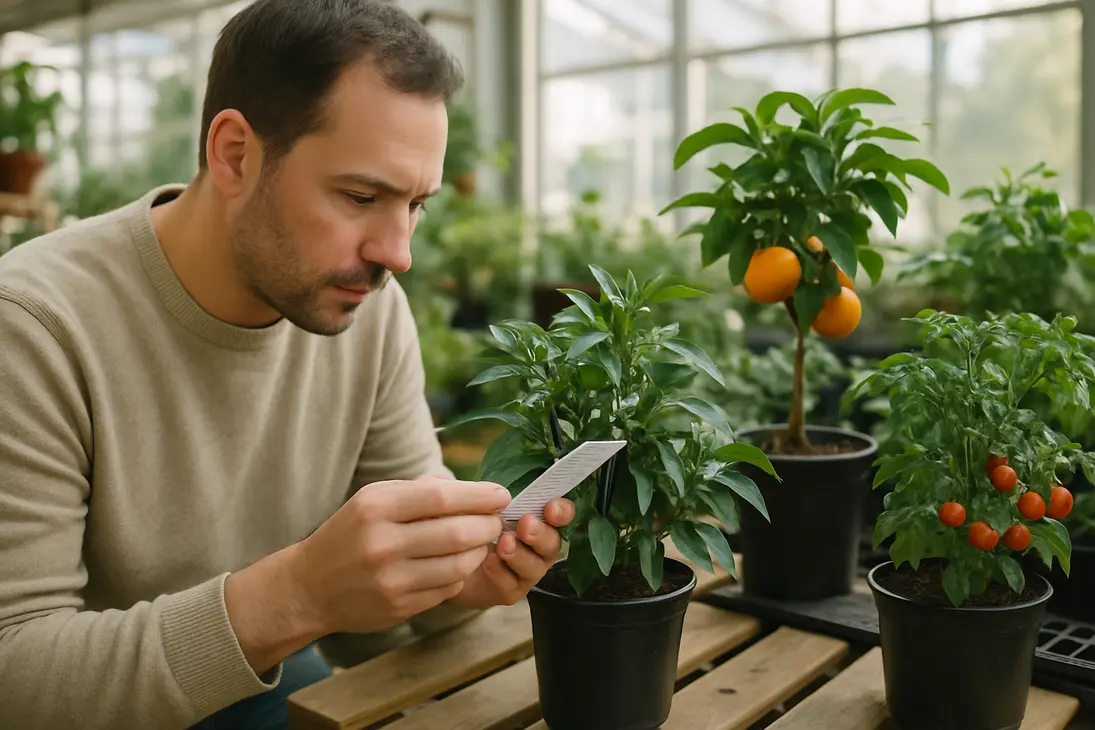
Be cautious with greenhouse-grown display plants placed suddenly into full desert sun. They may need gradual acclimation or may not be suitable for exposed conditions.
Plant at the Right Time
In many arid climates, fall and spring are the best planting seasons because they let roots grow before the most stressful weather arrives.
- Fall planting is often excellent for trees, shrubs, and many perennials because soil may still be warm while air temperatures are cooler.
- Spring planting works well when plants need time to settle before winter cold.
- Peak summer planting is risky unless you can provide careful watering and temporary shade.
- Hard-freeze periods are poor planting windows because roots cannot establish well in cold or frozen soil.
Avoid planting during heat waves, high winds, or just before a severe freeze. If you buy plants during extreme weather, keep them sheltered and watered in their pots until conditions improve.
Water Deeply While Plants Establish
Drought-tolerant does not mean “no water.” Almost all new plantings need regular water until roots expand into the surrounding soil.
Water deeply enough to encourage roots downward and outward, then let the soil partially dry before watering again. Frequent shallow watering keeps roots near the surface, where soil dries fastest.
A practical approach:
- Water newly planted shrubs and perennials more often during the first few weeks.
- Gradually lengthen the time between waterings as roots establish.
- Check soil moisture below the surface.
- Adjust for season, soil type, plant type, and rainfall.
- After the first growing season, reduce irrigation for truly drought-adapted plants.
Overwatering is one of the most common ways gardeners kill desert plants. Yellowing, wilting, leaf drop, or collapse can occur when roots are suffocating or rotting in wet soil. If a cactus, agave, yucca, or desert shrub is declining, do not automatically add more water. Check drainage and root-zone moisture first.
Common Mistakes When Choosing Plants for Arid Climates
Most failures in arid gardens come from mismatches: the wrong plant in the wrong light, soil, temperature range, or water zone. Avoiding a few common mistakes will save money and frustration.
Choosing Plants for Looks Alone
Nursery plants are often sold when they look their best. That does not mean they are right for your yard.
Before buying, ask:
- How large will this plant be in five or ten years?
- Does it need full sun, part shade, or protection from afternoon heat?
- Can it survive my winter lows?
- Can it handle my summer heat?
- Does it tolerate alkaline soil?
- Does it need excellent drainage?
- Will it fit my irrigation zone?
A plant that looks beautiful for two months but struggles for years is not a good choice. In arid climates, suitability matters more than impulse.
Assuming All “Drought-Tolerant” Plants Need the Same Care
“Drought-tolerant” is a broad term. It can describe plant groups with very different needs.
For example:
- A cactus may rot with too much water.
- A Mediterranean herb may want dry summers but dislike heavy clay.
- A native wildflower may bloom after seasonal rain and then go dormant.
- A desert tree may need deep watering during establishment but little supplemental water later.
- A succulent may handle drought but not winter cold.
Read the details. A low-water perennial and a true desert succulent may both be drought-tolerant, but they may not belong on the same irrigation schedule.
Improving Soil the Wrong Way
In arid regions, soil improvement must be careful. A common mistake is digging a planting hole and filling it with rich compost or imported soil. In clay soil, this can create a “bathtub effect,” where water collects in the amended hole and causes root problems.
Instead:
- Choose plants suited to your existing soil whenever possible.
- Improve broad planting areas rather than isolated holes.
- Use raised mounds or berms for plants needing sharper drainage.
- Avoid burying crowns or planting too deeply.
- Keep mulch away from the base of plants that dislike constant moisture.
Mulch is useful, but choose it thoughtfully. Organic mulch can conserve moisture around trees and shrubs, but it may hold too much moisture against cactus or agave crowns. Gravel or rock mulch suits many desert plants, but it can increase heat around less heat-tolerant plants.
Planting Too Much Too Soon
It is tempting to transform an entire yard at once, but arid sites have a learning curve.
Start with a manageable area. Watch how plants respond through:
- Late spring wind
- Peak summer heat
- Monsoon rain
- Winter cold
- Dry spells
- Irrigation adjustments
Once you know which plants thrive in your specific conditions, repeat successful combinations. This approach is less expensive and usually leads to a more coherent garden.
Conclusion
Choosing plants for an arid climate means matching plants to the reality of your site: climate zone, summer heat, winter cold, soil, drainage, sun exposure, wind, reflected heat, and water availability. A drought-tolerant label is only a starting point.
The most reliable arid gardens use native and regionally adapted plants, group them by water need, plant them at the right time, and water carefully while they establish. When you choose plants for function as well as beauty—shade, structure, pollinators, screening, seasonal color, or low maintenance—you create a garden that can handle dry conditions without constant rescue.
FAQ
What are the best types of plants for an arid climate?
The best plants are adapted to heat, low water, intense sun, and your local winter temperatures. Good options often include native shrubs, desert trees, yuccas, agaves, cold-hardy cacti, ornamental grasses, salvias, penstemons, and other dryland perennials. Exact choices depend on soil, elevation, cold tolerance, and irrigation.
Are native plants always the best choice for dry climates?
Native plants are often excellent because they are adapted to local conditions and support wildlife. However, they still need to match the exact site. A native from a cool canyon may not thrive beside a hot west-facing wall. Regionally adapted non-native plants can also work if they are non-invasive and suited to your climate, soil, and water zone.
How often should newly planted drought-tolerant plants be watered?
Newly planted drought-tolerant plants need regular water while they establish. Water deeply, then allow the soil to partially dry before watering again. Frequency depends on temperature, soil type, plant size, season, and rainfall. After the first growing season, many drought-adapted plants can be watered much less often.
What is the biggest mistake people make when gardening in a desert climate?
The biggest mistake is choosing plants without matching them to the site. Many failures come from ignoring mature size, sun exposure, drainage, soil alkalinity, winter cold, or water needs. Overwatering is another common problem, especially with cactus, agave, yucca, and other plants that need dry, well-drained root zones.
You Might Also Like