Best Indoor Air-Purifying Plants for a Fresher Home
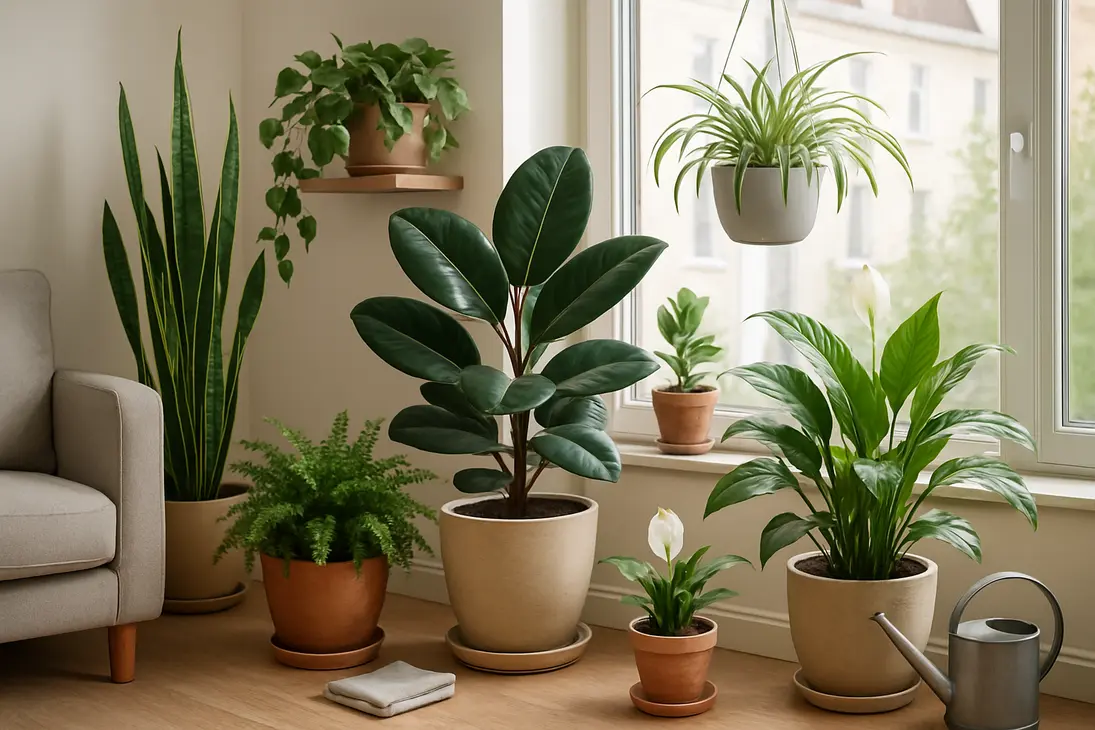
Indoor plants can make a home feel calmer, greener, and fresher, but they are often given more air-cleaning credit than they deserve. The best indoor air-purifying plants are not a replacement for ventilation, source control, or a quality air purifier. They work best as attractive living additions that support a more pleasant indoor environment.
Below are reliable houseplants often linked with air-purifying claims, plus practical advice on light, care, and safety.
Do Indoor Plants Really Purify the Air?
Houseplants gained their air-purifying reputation largely from controlled studies, including the NASA Clean Air Study, where certain plants removed some volatile organic compounds, or VOCs, in sealed chambers. Snake plant, peace lily, pothos, dracaena, and spider plant became popular because of these findings.
A sealed chamber is very different from a normal home. Real rooms have changing airflow, HVAC systems, open doors, dust, furniture, cooking fumes, outdoor pollutants, and varying humidity. A few plants will not clean air at the speed or scale of a mechanical air purifier with a HEPA filter.
That does not make plants useless. Healthy plants add greenery, may slightly increase local humidity, collect dust on leaves, and make people more attentive to their indoor environment. Think of them as a supportive layer, not the main air-quality system.
Best Indoor Air-Purifying Plants to Consider
The best plant is one you can keep healthy. A stressed plant in soggy, moldy soil is not helping your home feel fresh. Choose based on light, watering habits, space, and household safety.
| Plant | Best for | Light | Care | Safety note |
|---|---|---|---|---|
| Snake plant | Beginners, low light | Low to bright indirect | Very easy | Toxic if chewed |
| Spider plant | Pet-conscious homes | Bright indirect to medium | Easy | Generally pet-friendly |
| Peace lily | Shady rooms, flowers | Low to medium indirect | Moderate | Irritating/toxic if ingested |
| Pothos | Shelves, offices | Low to bright indirect | Very easy | Toxic if chewed |
| Rubber plant | Larger statement plant | Medium to bright indirect | Easy/moderate | Irritating sap |
| Dracaena | Upright floor plant | Medium indirect | Easy | Toxic to pets |
| Boston fern | Humid rooms | Bright indirect | Moderate | Generally pet-friendly |
| Areca or bamboo palm | Larger soft greenery | Bright indirect | Moderate | Generally pet-friendly |
| Aloe vera | Sunny windowsills | Bright light | Easy | Toxic to pets if ingested |
Snake Plant
Snake plant, also sold as Sansevieria and now often classified under Dracaena, is one of the easiest indoor plants. Its upright leaves tolerate neglect, dry air, low light, and irregular watering.
Give it low to bright indirect light. It survives in dim spots, though growth slows. Water only when the soil is fully dry, then let it drain well. Overwatering is the main risk.
Safety: snake plant is toxic to cats, dogs, and people if chewed.
Spider Plant
Spider plant is a classic beginner plant with arching green-and-white leaves and small plantlets on long stems. It is forgiving, easy to propagate, and a good choice for pet-conscious homes.
It prefers bright indirect light but tolerates medium light. Water when the top inch or two of soil feels dry. Brown tips are common and may come from dry air, inconsistent watering, minerals in water, or old leaves.
Safety: spider plants are generally considered non-toxic to cats and dogs, though eating large amounts can still cause vomiting.
Peace Lily
Peace lily is popular for its glossy leaves, shade tolerance, and white spathes. It is often listed among air-purifying plants because of controlled VOC-removal studies.
At home, its main value is as a lush, lower-light plant that clearly shows thirst: leaves droop, then usually recover after watering. Peace lilies prefer low to medium indirect light and bloom better with brighter indirect light. Water when the top layer of soil starts to dry.
Safety: peace lily can irritate the mouth, throat, and stomach if chewed.
Pothos
Pothos is dependable for shelves, hanging baskets, offices, and apartments. Its trailing vines grow quickly, tolerate many indoor conditions, and are easy to trim.
It handles low to bright indirect light. Variegated types need brighter light to keep their color, while all-green types tolerate lower light better. Let the top half of the soil dry before watering. Yellow leaves often point to overwatering, poor drainage, or natural aging.
Safety: pothos is toxic if chewed and can irritate the mouth and digestive tract.
Rubber Plant
Rubber plant, Ficus elastica, is a bold indoor tree with thick, glossy leaves that are easy to wipe clean. It works well as a larger statement plant.
It prefers medium to bright indirect light. Lower light is tolerated for a while, but growth may become sparse. Water when the top few inches of soil dry out, and use a pot with drainage. Sudden leaf drop can follow changes in light, temperature, watering, or location.
Safety: rubber plant has milky sap that can irritate skin and is unsafe to chew.
Dracaena
Dracaenas are upright, architectural plants for corners, offices, and narrow spaces. Common types include corn plant, dragon tree, and striped dracaena.
Most prefer medium indirect light, though some handle lower light. Avoid harsh direct sun. Let the top portion of soil dry between waterings. Brown tips can come from dry air, inconsistent watering, overwatering, or minerals in tap water.
Safety: dracaena is toxic to cats and dogs if eaten.
Boston Fern
Boston fern has soft, feathery foliage and a lush indoor-garden look, but it is more demanding than snake plant, pothos, or spider plant.
It likes bright indirect light, evenly moist soil, and higher humidity. Dry, heated winter rooms often make it shed or turn crispy. A bright bathroom, kitchen, or humid room is usually better than a dry office corner.
Safety: Boston fern is generally considered pet-friendly.
Areca Palm or Bamboo Palm
Areca palm and bamboo palm add height, softness, and a tropical feel. They are useful when you want more visual impact than a small tabletop plant.
Both prefer bright indirect light and evenly moist, well-drained soil. They dislike staying bone-dry but also suffer in soggy soil. Brown tips may come from dry air, underwatering, mineral buildup, or aging fronds.
Safety: areca palm and bamboo palm are generally considered pet-friendly. Do not confuse bamboo palm with “lucky bamboo,” which is a dracaena and toxic to pets.
Aloe Vera
Aloe vera is a succulent with gel-filled leaves and appears on many air-purifying plant lists. It is best for sunny windowsills and people who prefer infrequent watering.
Aloe needs bright light, ideally several hours of direct or very bright sun indoors. In dim rooms, it stretches and weakens. Use a gritty, fast-draining mix and water deeply only when the soil is dry.
Safety: aloe should not be eaten by pets, and the leaf edges can be mildly sharp.
Best Choices by Room, Light, and Household Needs
The best indoor air-purifying plants depend on your home. A peace lily may thrive in a shaded apartment but be risky with a plant-chewing cat. A fern may love a humid bathroom but fail in a dry bedroom.
Best Beginner-Friendly Air-Purifying Plants
For beginners, choose plants that tolerate missed waterings, average humidity, and imperfect light:
- Snake plant for low maintenance and low-light tolerance.
- Pothos for fast growth and easy pruning.
- Spider plant for forgiving care and pet-conscious homes.
- Rubber plant for a larger glossy plant in brighter light.
- Aloe vera for sunny windows and infrequent watering.
Avoid starting with several moisture-loving plants at once. Boston ferns and palms can be rewarding, but they are less forgiving in dry air or inconsistent care.
Best Low-Light Options
No plant thrives in total darkness, but some tolerate lower light better than others:
- Snake plant
- Pothos
- Peace lily
- Certain dracaena varieties
Low light means slower growth and less water use. Do not water a dim-room plant as often as one near a bright window; wet soil lingers longer and raises the risk of root rot and fungus gnats. For windowless rooms, use a grow light or choose another location.
Best Plants for Bedrooms, Offices, and Apartments
For bedrooms, snake plant, pothos, and spider plant are strong choices because they are compact and low maintenance. If pets sleep in the room, spider plant is safer.
For offices, pothos, snake plant, dracaena, and rubber plant work well because they tolerate occasional neglect. Avoid ferns unless humidity and watering are reliable.
For apartments, match plants to window direction and space. Pothos works well on shelves or in hanging planters. Snake plant fits narrow corners. Areca or bamboo palm can soften a bright living area.
For bathrooms, Boston fern and peace lily may do well if there is natural light. Humidity helps, but darkness does not.
Child- and Pet-Conscious Plant Choices
If you have children, cats, dogs, or rabbits, safety matters as much as appearance.
More pet-conscious options include:
- Spider plant
- Boston fern
- Areca palm
- Bamboo palm
Plants to keep out of reach include:
- Snake plant
- Peace lily
- Pothos
- Rubber plant
- Dracaena
- Aloe vera
Even non-toxic plants can cause stomach upset if eaten in large amounts. Use heavy pots, plant stands, hanging baskets, or pet-free rooms if needed.
How to Care for Indoor Air-Purifying Plants
Healthy plants are better for your home than struggling ones. Good care also helps prevent moldy soil, fungus gnats, stale water, and dusty leaves.
Match each plant to suitable light. “Low light” usually means a plant tolerates low light, not that it prefers darkness. Most houseplants grow better in bright indirect light.
Water based on soil moisture, not a calendar. Snake plant, pothos, rubber plant, dracaena, and aloe should dry at least partly before watering again. Ferns and peace lilies prefer more consistent moisture but still need oxygen around the roots.
Use pots with drainage holes whenever possible. If using a decorative cachepot, keep the nursery pot inside it and empty excess water after watering. Constantly wet soil is a major cause of root rot.
Wipe leaves every few weeks with a damp cloth, especially on rubber plant, peace lily, and snake plant. Dust blocks light and makes foliage look dull.
To prevent moldy soil and fungus gnats:
- Water only when needed.
- Remove dead leaves from the soil.
- Improve airflow around crowded plants.
- Use fresh, well-draining potting mix.
- Empty saucers after watering.
- Quarantine new plants briefly.
If a plant smells sour, wilts despite wet soil, or has blackened roots, overwatering is likely. Mild cases may improve if the soil dries; severe root rot often requires repotting and trimming damaged roots.
What to Use Alongside Plants for Better Indoor Air Quality
Plants can support a pleasant indoor environment, but they should not be your main air-quality strategy, especially if someone has asthma, allergies, respiratory symptoms, or sensitivity to smoke, mold, or pollutants.
The most effective steps are:
- Source control: Avoid smoking indoors, limit heavy fragrance use, store paints and solvents properly, and choose low-VOC products when possible.
- Ventilation: Open windows when outdoor air is good, use kitchen and bathroom exhaust fans, and maintain HVAC systems.
- Filtration: A properly sized HEPA air purifier removes airborne particles far more effectively than houseplants.
- Humidity management: Keep humidity comfortable; too dry can irritate, while too humid can encourage mold and dust mites.
- Regular cleaning: Dust, vacuum with a good filter if possible, wash bedding, and clean soft furnishings.
- Mold prevention: Fix leaks quickly, dry damp areas, and avoid overwatering plants.
For wildfire smoke, heavy traffic pollution, mold, or ongoing respiratory symptoms, prioritize proven filtration and professional advice over adding more plants.
Conclusion
The best indoor air-purifying plants are the ones that suit your home and stay healthy with realistic care. For most people, the best all-around choices are snake plant, pothos, spider plant, and rubber plant. If pet safety is a priority, spider plant, Boston fern, areca palm, and bamboo palm are better options. For low light, snake plant, pothos, peace lily, and dracaena are the most forgiving.
Indoor plants may remove small amounts of certain pollutants under controlled conditions, but they will not replace ventilation or a HEPA air purifier in a typical home. Use them for greenery, gentle humidity, visual calm, and a fresher-feeling space.
FAQ
What is the best indoor plant for air purification?
The best all-around choice is usually snake plant or pothos because both are tough, widely available, and tolerant of typical indoor conditions. If you have pets, spider plant is often a safer first choice.
For meaningful indoor air quality improvement, use plants alongside ventilation, cleaning, and proper filtration.
Do snake plants really purify the air?
Snake plants have been associated with air-purifying research and can remove some compounds in controlled test conditions. In a normal home, one snake plant will not noticeably purify a room.
Its real value is that it is easy to keep healthy indoors, tolerates low light, and adds long-lasting greenery with little maintenance.
How many plants do I need to clean the air in a room?
More than most people can reasonably fit or care for. Research from sealed chambers does not translate neatly to rooms with normal airflow. You would likely need an impractically large number of plants to match ventilation or a mechanical air purifier.
Use plants for comfort and aesthetics, and use source control, ventilation, and HEPA filtration for air-quality improvement.
Which air-purifying plants are safest around children or pets?
More pet-conscious options include spider plant, Boston fern, areca palm, and bamboo palm. These are generally better choices than pothos, peace lily, snake plant, dracaena, rubber plant, or aloe vera in homes with pets that chew foliage.
Even with safer plants, keep pots stable, discourage chewing, and prevent children or pets from digging in the soil.
You Might Also Like