Can You Reuse Seeds for Planting?
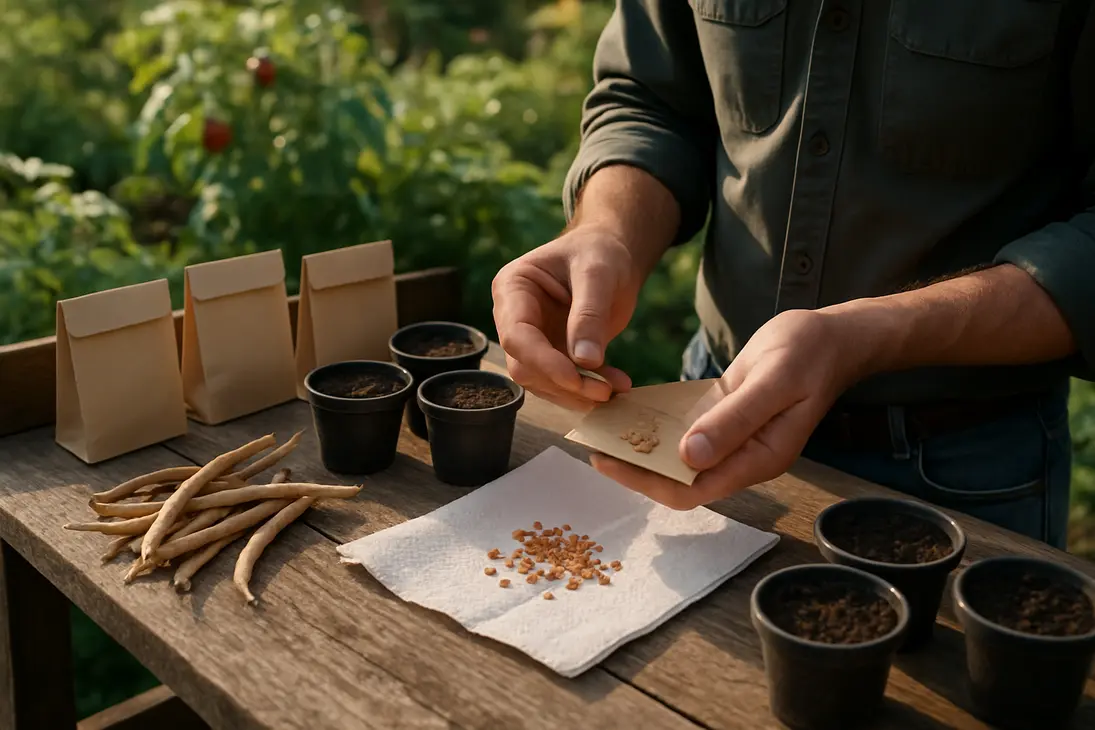
Yes, you can reuse seeds for planting if you mean saving seeds from a plant and sowing them later. You cannot reuse the exact same seed after it has sprouted. Once germination begins, the seed uses its stored food and becomes a seedling.
Gardeners usually mean one of three things when they ask about reusing seeds:
- Saving seeds from this year’s plants for next season
- Planting leftover seeds from an old packet
- Planting seeds from store-bought produce
All can work, but results depend on seed type, maturity, pollination, genetics, and storage.
What “Reusing Seeds” Actually Means
A seed is a one-time package containing an embryo, stored energy, and a protective coat. It is not like a bulb, tuber, or cutting that can keep producing from the same plant part. After a seed germinates, it is no longer dormant and cannot be reset.
The reusable part comes later, when the mature plant produces new seeds.
Reusing saved seeds vs. replanting the same seed
Reusing saved seeds means collecting mature seeds from a plant, storing them, and planting them later. Examples include:
- Saving bean seeds from dry pods
- Collecting marigold seeds from dry flower heads
- Saving tomato seeds from ripe fruit
- Letting basil, lettuce, cilantro, or dill flower and set seed
Replanting the same seed means trying to plant a seed that already sprouted. That does not work. Once the root emerges, the seed has already started turning into a plant.
There is one exception worth noting: a seed that was planted but never germinated may still be viable if it stayed firm and unrotted. If it sat in cold, wet soil, softened, molded, or was damaged by pests, it is unlikely to grow later.
What happens to a seed after germination
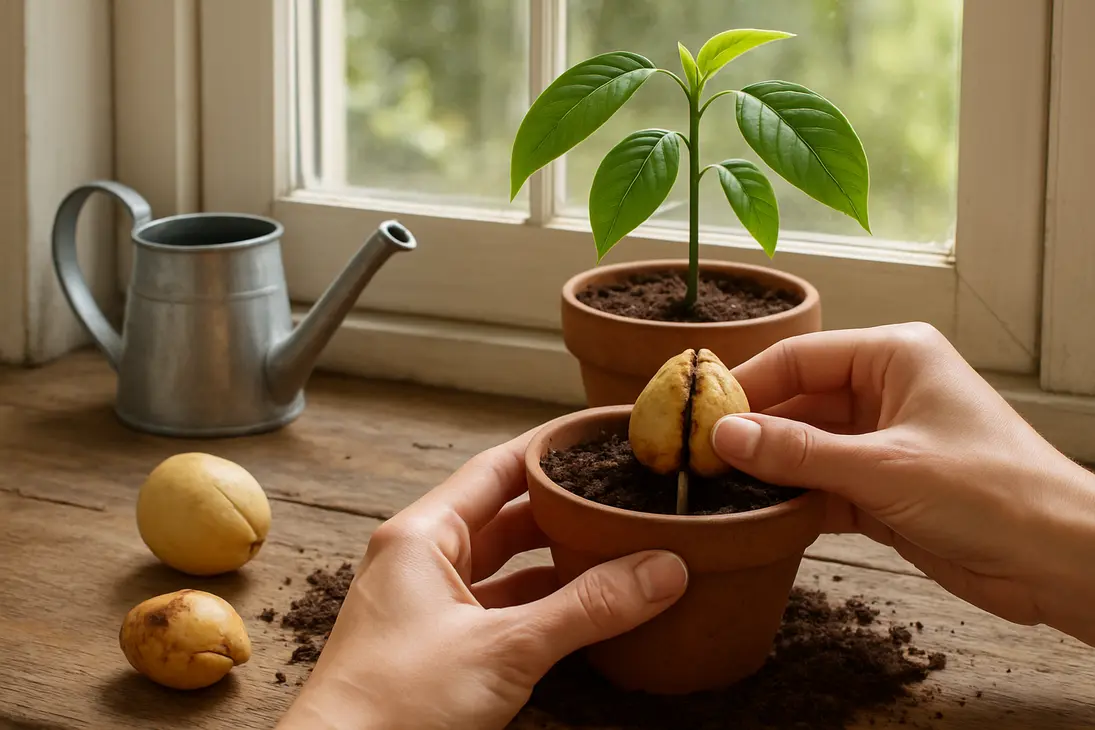
During germination, the seed absorbs water, activates enzymes, and begins using stored starches, oils, or proteins. The seed coat softens or splits, and the first root, called the radicle, emerges.
The seed’s stored reserves feed the seedling only until leaves can begin photosynthesis. After that, the original seed coat may remain briefly, but it is no longer a reusable seed.
How Many Times Can Seeds Be Reused for New Plant Growth?
Seeds from open-pollinated plants can often be saved and replanted for many generations. The key questions are whether the plant breeds true, whether it crossed with nearby varieties, and whether you keep selecting healthy parent plants.
Some crops are easy to save year after year. Others, especially squash, cucumbers, melons, pumpkins, and corn, can cross-pollinate readily and produce unexpected results.
Open-pollinated and heirloom seeds
Open-pollinated seeds come from plants pollinated naturally by wind, insects, or self-pollination. If kept isolated from compatible varieties, they usually produce plants similar to the parent.
Heirloom seeds are open-pollinated varieties maintained over time, often for flavor, regional adaptation, appearance, or family history. All heirlooms are open-pollinated, but not all open-pollinated seeds are heirlooms.
Good candidates for seed saving include:
- Beans
- Peas
- Lettuce
- Tomatoes
- Peppers
- Basil
- Cilantro/coriander
- Dill
- Marigolds
- Calendula
- Zinnias
Beans and peas are especially beginner-friendly because they mostly self-pollinate and produce obvious mature seeds. If you save seed repeatedly, choose from your healthiest, most productive plants. Saving from weak or diseased plants can gradually reduce quality.
Hybrid seeds and why they may not “breed true”
Hybrid seeds, especially F1 hybrids, are created by crossing selected parent lines. The first generation is usually predictable, but seeds saved from that plant may produce a wide mix of traits.
A saved seed from a hybrid tomato may grow into a tomato plant, but the fruit may differ in flavor, size, shape, timing, yield, or disease resistance. A hybrid flower may produce different colors, heights, or forms.
Hybrid seeds are not useless; they can be fun experiments. But if you need the same performance next season, buy fresh seed or save from open-pollinated varieties. Seed packets or plant tags that say “F1” or “hybrid” are a warning that saved seed may be variable.
Seeds from store-bought fruits and vegetables
Seeds from store-bought produce can grow, but they are unpredictable. The fruit may have come from a hybrid plant, may have been harvested before seeds fully matured, or may not suit your climate.
Tomatoes, peppers, winter squash, pumpkins, melons, and some citrus seeds may sprout from store-bought fruit. Cucumbers, summer squash, eggplant, and some peppers are often harvested before seeds are fully mature. Seedless watermelons and seedless grapes may have few or no viable seeds.
If you want an experiment, plant a few. If you are planning your main food garden, use reliable seed from a known variety.
How to Tell If Saved Seeds Are Still Viable
Seed viability means the seed is alive and able to germinate under suitable conditions. A seed may look normal but be dead, or look old and still sprout if stored well.
Viability depends on seed age, storage temperature, humidity, light exposure, pests, and the natural lifespan of the species.
Typical seed lifespan by storage quality
Seed lifespan varies widely. Onion, leek, parsnip, and parsley seeds are often short-lived. Tomatoes, beans, brassicas, squash, cucumbers, and many flowers can last several years if kept cool, dry, and dark.
| Seed type | Often best used within | May last longer if stored very well |
|---|---|---|
| Onion, leek, parsnip | 1 year | 2 years |
| Parsley, carrot, sweet corn | 1–2 years | 3 years |
| Lettuce, spinach, pepper | 2–4 years | 5 years |
| Bean, pea, squash, cucumber, melon | 3–5 years | 6+ years |
| Tomato, brassicas, many annual flowers | 4–6 years | 7+ years |
A packet left in a hot shed or damp greenhouse can lose viability much faster than seed stored dry indoors.
Signs seeds may no longer be good
Warning signs include:
- Soft, mushy, or collapsed seeds
- Musty, sour, or rotten smell
- Visible mold
- Holes, dust, webbing, or insect fragments
- Seeds stuck together from moisture
- Cracked, crushed, or badly shriveled seed coats
- Storage in heat, humidity, or direct sun
Some seeds are naturally wrinkled or oddly shaped, so appearance alone is not enough. The best test is germination.
How to do a germination test before planting
A germination test helps you decide whether old or saved seed is worth sowing.
- Count 10 seeds, or 20 for a better estimate.
- Dampen a paper towel so it is moist, not dripping.
- Place seeds on the towel and fold it over them.
- Put the towel in a plastic bag or covered container.
- Label with the variety and date.
- Keep it at a suitable temperature for that crop.
- Check every day or two.
- Count how many seeds sprout within the normal germination window.
If 8 out of 10 sprout, germination is about 80%. Sow normally or slightly thicker. If 4 out of 10 sprout, sow heavily or replace the seed. If none sprout, the seed is likely dead, unless that plant needs special treatment such as cold stratification, light, or scarification.
Best Practices for Saving Seeds to Plant Again
Good seed saving depends on parent plant selection, maturity, drying, and storage. The better the seed is collected and stored, the better it is likely to perform.
Choose healthy parent plants
Save seeds from plants you would want to grow again. Look for:
- Strong growth
- Good flavor or flower form
- Productivity
- Disease resistance
- Reliable maturity
- Good size, color, and quality for the variety
Avoid saving from weak, diseased, or poor-quality plants when possible. Some diseases can be seed-borne, and selecting from unhealthy plants rarely improves a seed line.
For leafy crops and herbs, consider timing. If you save seed from the first lettuce or cilantro plant to bolt, you may select for earlier bolting. Save from plants that performed well before flowering.
Let seeds mature fully before collecting
Seeds need to mature before collection. Dry seed crops include beans, peas, lettuce, brassicas, grains, and many flowers. Let pods, seed heads, or stalks dry on the plant as much as possible. Beans and peas should be hard and dry inside brittle pods.
Wet seed crops include tomatoes, peppers, cucumbers, melons, squash, and pumpkins. Their seeds mature inside fruit, and the fruit often needs to be fully ripe or overripe for seed saving.
For example:
- Tomatoes should be fully ripe.
- Peppers should reach mature color.
- Cucumbers for seed should become large, yellowish, and overmature.
- Winter squash and pumpkins should have hardened skins.
Summer squash and eating cucumbers are usually harvested immature, so their seeds may not be developed unless the fruit was left much longer.
Dry seeds thoroughly before storage
Moisture is one of the biggest threats to stored seed. Damp seeds can mold, rot, or begin germinating.
After collection:
- Remove pulp, chaff, and debris.
- Spread seeds in a single layer.
- Keep them in a dry, airy place out of direct sun.
- Stir or separate clumps as they dry.
- Allow extra drying time for large seeds.
Tomato seeds are often fermented before drying to remove the gel coating. Place seeds and pulp in a small container with a little water for a few days, rinse away the loosened gel, and dry the seeds well. Do not leave them so long that they sprout or become excessively foul.
Before storage, seeds should feel hard and dry.
Store seeds in a cool, dry, dark place
Store dry seeds where conditions stay stable. Good options include paper envelopes inside airtight jars, labeled packets in sealed containers, glass jars with tight lids, or indoor seed boxes if humidity is low.
Label each batch with:
- Plant type
- Variety name, if known
- Year collected
- Source or parent plant notes
- Any useful details
A cool closet is usually better than a garage, shed, greenhouse, or windowsill. Refrigeration can work only if seeds are very dry and sealed against moisture. Avoid repeated temperature changes that cause condensation.
Preparing Saved Seeds for Planting
Saved seeds are planted much like purchased seeds, but you may need to account for age, uncertain germination, or dormancy needs. If unsure, test first or sow slightly thicker.
For indoor sowing, use clean seed-starting mix. Outdoors, prepare a fine seedbed and keep moisture consistent until germination.
When soaking seeds is useful
Soaking can help some large or hard-coated seeds absorb water faster. It may benefit:
- Peas
- Beans
- Nasturtiums
- Morning glories
- Sweet peas
- Some squash or melon seeds
- Beet or chard seed clusters
Soak in room-temperature water for several hours or overnight, then plant promptly. Soaking can speed germination, but it will not revive dead seed or fix poor storage.
When not to soak seeds
Do not soak every seed. Avoid soaking seeds that are:
- Very small
- Dust-like or delicate
- Pelleted or treated
- Prone to rotting in cool soil
- Surface-sown
- Dependent on cold stratification or another dormancy treatment
Small seeds can clump, drown, or become hard to sow. If reliable instructions do not recommend soaking, it is usually safer to skip it.
Starting saved seeds indoors vs. direct sowing
Start indoors when the crop needs a long season, the outdoor season is short, pests are a problem, or you have only a few valuable seeds. Tomatoes, peppers, eggplants, and many flowers often benefit from indoor starting.
Direct sow crops that dislike root disturbance or grow best in place, such as beans, peas, carrots, radishes, corn, and many cucurbits.
Plant at the correct depth. A common rule is two to three times as deep as the seed’s width. Very small seeds may need surface contact or only a light covering. Keep the medium evenly moist, not soggy. Cold, wet conditions can rot large seeds before they sprout.
Conclusion
Reusing seeds for planting usually means saving seeds from one generation and sowing them in the future. An individual seed cannot be reused after germination.
Open-pollinated and heirloom seeds can often be saved for many years if you choose healthy parent plants and avoid unwanted crossing. Hybrid seeds may sprout, but the next generation may not resemble the parent.
For best results, collect fully mature seeds, dry them thoroughly, label them clearly, and store them in a cool, dry, dark place. Before relying on older seed, run a germination test.
FAQ
Can you reuse seeds from hybrid plants?
Yes. Hybrid seeds can often germinate, but the plants may not match the parent. They may vary in size, flavor, vigor, color, yield, or disease resistance.
Plant them if you enjoy surprises. For predictable results, buy fresh hybrid seed or save from open-pollinated varieties.
Can you plant seeds that did not germinate the first time?
Sometimes. If the seeds stayed firm and were not moldy, rotten, eaten, or damaged, they may still be viable. This is more likely if conditions were simply too cold or too dry.
Seeds that sat in wet soil for a long time are often no longer good. Test them before relying on them.
How long do saved seeds last?
Many saved seeds last 1–5 years, depending on the plant and storage. Onion and parsnip are best used quickly. Tomatoes, beans, brassicas, squash, cucumbers, and many flowers can last longer when stored well.
Cool, dry, dark storage is the key.
Should you soak saved seeds before planting?
Only for certain seeds. Soaking can help peas, beans, nasturtiums, and some squash absorb water faster. Plant them promptly afterward.
Do not soak all seeds automatically. Small, delicate, pelleted, surface-sown, or rot-prone seeds may do worse.
You Might Also Like