How to Grow Cherokee Purple Tomatoes: Care, Ripening and Problems
Few tomato varieties inspire as much devotion and frustration as Cherokee Purple. Growers describe slicing into their first ripe fruit as a genuine revelation, but the same gardeners often admit to seasons where the plant produced huge vines and little ripe fruit, or where blossom end rot ruined what did set. This is a large-fruited indeterminate heirloom bred for flavor, not for packing or disease resistance. Its distinctive dusky color and complex taste have earned it a cult following, yet its quirks test the patience of even experienced growers. Understanding the plant’s specific needs is the key to enjoying that first perfect slice.
Key Takeaways
- Flavor-first commitment: Cherokee Purple rewards growers who prioritize taste over yield. Expect rich, sweet, smoky fruit but lower production and more cosmetic flaws than modern hybrids.
- Consistent watering prevents most failures: Blossom end rot, cracking, and poor ripening are usually caused by uneven soil moisture. Mulch well, water deeply, and avoid letting soil dry out completely between waterings.
- Judge ripeness by feel, not color: Ripe Cherokee Purple fruit gives slightly at the base, similar to a ripe avocado. Color ranges from dusky rose to brownish-purple, and green shoulders near the stem are normal.
- Big vines with no fruit have clear causes: Excess nitrogen, extreme heat, or late-season timing are the usual culprits. Check fertilizer balance, provide afternoon shade during heat waves, and top the plant late in the season if needed.
Is Cherokee Purple Tomato Worth Growing?
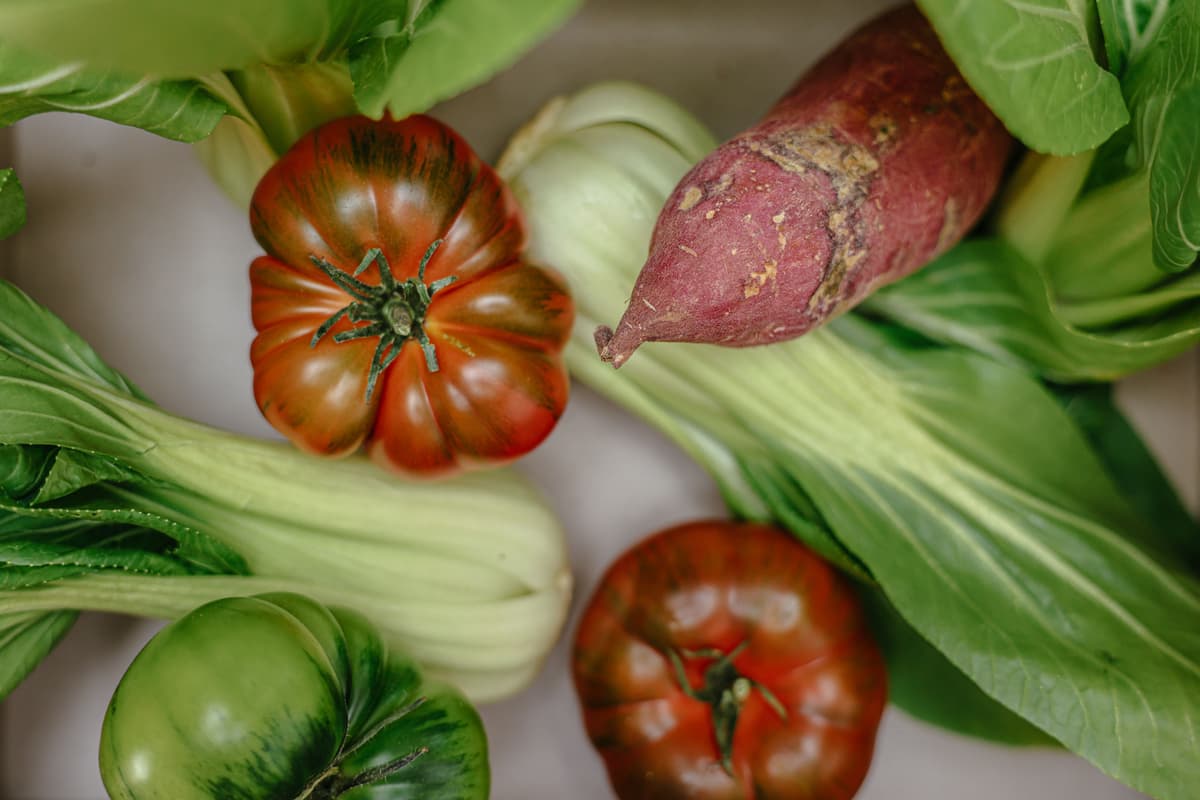
If your priority is maximum yield per square foot and uniform fruit, there are better choices. If you want a slice that tastes deeply sweet with a complex, smoky-earthy finish, Cherokee Purple is worth the extra attention. The vines can reach 5 feet or taller and need strong support early. The fruit is prone to cracking, catfacing, and blossom end rot, and yield per plant is often lower than most hybrid beefsteaks. However, one vine can provide enough for fresh eating and sandwiches all summer if conditions are right. The trade-off is clear: you grow this tomato for its unique flavor, not for a perfect harvest.
What Cherokee Purple Tastes Like and Why It Looks “Ugly-Ripe”
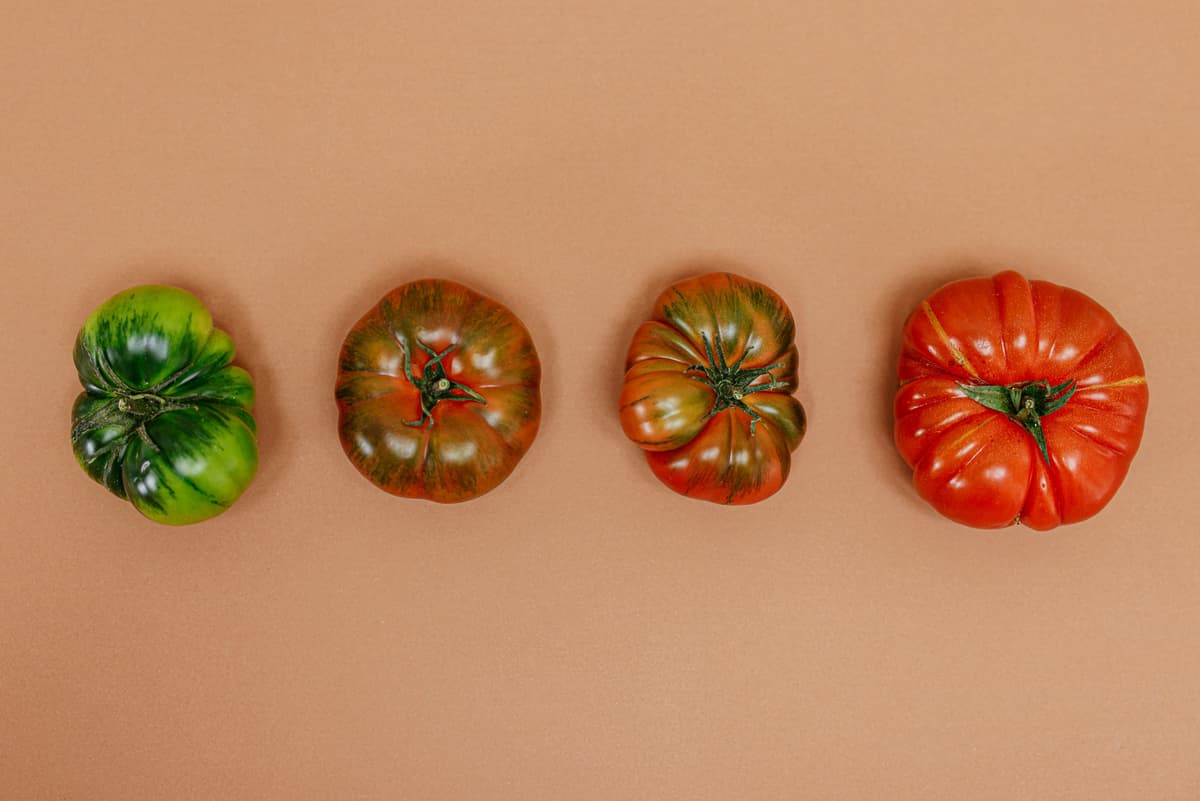
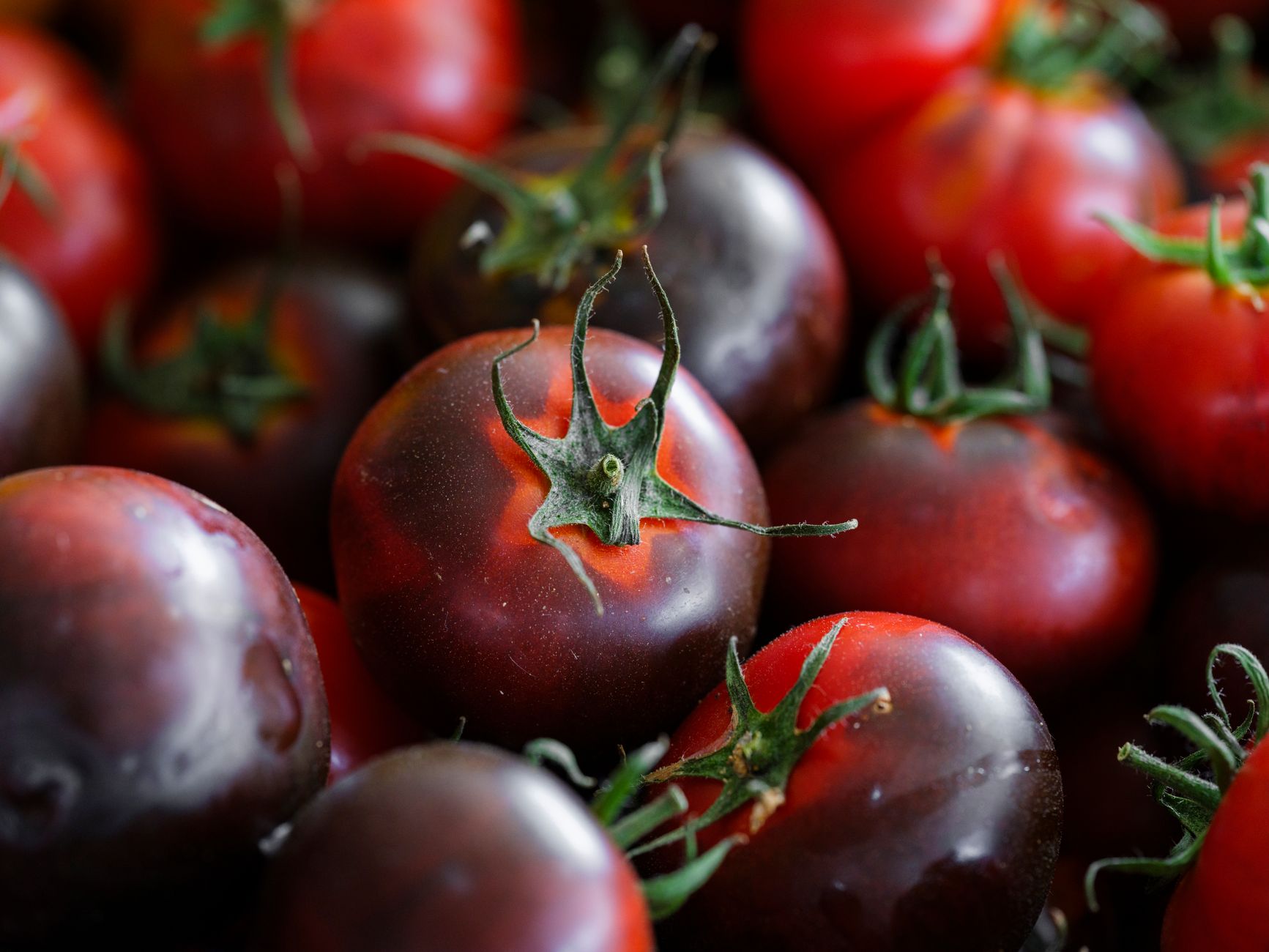
Cherokee Purple offers a rich, sweet taste with a noticeable smoky or earthy undertone that lingers on the palate. The texture is dense and meaty, with few seeds, making it ideal for thick slices on burgers or in Caprese salads. The color is not a clean purple: ripe fruit looks dusky rose, brownish-purple, or dark pink, often with green or dark shoulders near the stem. This is normal—the green shoulders come from lingering chlorophyll, and brownish tones from lycopene and anthocyanins. Rely more on feel and a bit of give at the base than on pure color. Many first-time growers mistakenly pick too early because they expect a uniform hue.
Is Cherokee Purple Hard to Grow? Yield, Cracking, and Disease Expectations
Cherokee Purple is more temperamental than many common hybrids. The plant can grow huge yet produce few ripe fruits by the end of the season. Common complaints include cracking (from heavy rain after dry periods) and blossom end rot (linked to uneven watering). The fruit also tends to catface in cool weather, leaving cosmetic scars that don’t affect taste. Yield per plant is typically 10–20 fruits over the season, while a hybrid beefsteak might produce twice that. If you are willing to check moisture daily, stake properly, and accept some imperfect fruit, this variety can be rewarding. Its flavor is unmatched, and each ripe fruit feels like a small victory.
Cherokee Purple Tomato Quick Facts: Days to Maturity, Size, Support, and Color
| Trait | Cherokee Purple tomato details |
|---|---|
| Tomato type | Indeterminate heirloom beefsteak |
| Days to maturity | Usually 75–85 days from transplant |
| Fruit size | Often 10–12 oz, sometimes larger |
| Ripe color | Dusky rose, brownish-purple, dark pink, often with green shoulders |
| Plant size | Often 5 ft or taller; needs sturdy support |
| Best use | Fresh eating, sandwiches, slicing, salads |
| Main challenges | Cracking, blossom end rot, catfacing, uneven ripening, lower yield |
How to Grow Cherokee Purple Tomatoes from Seedling to First Fruit
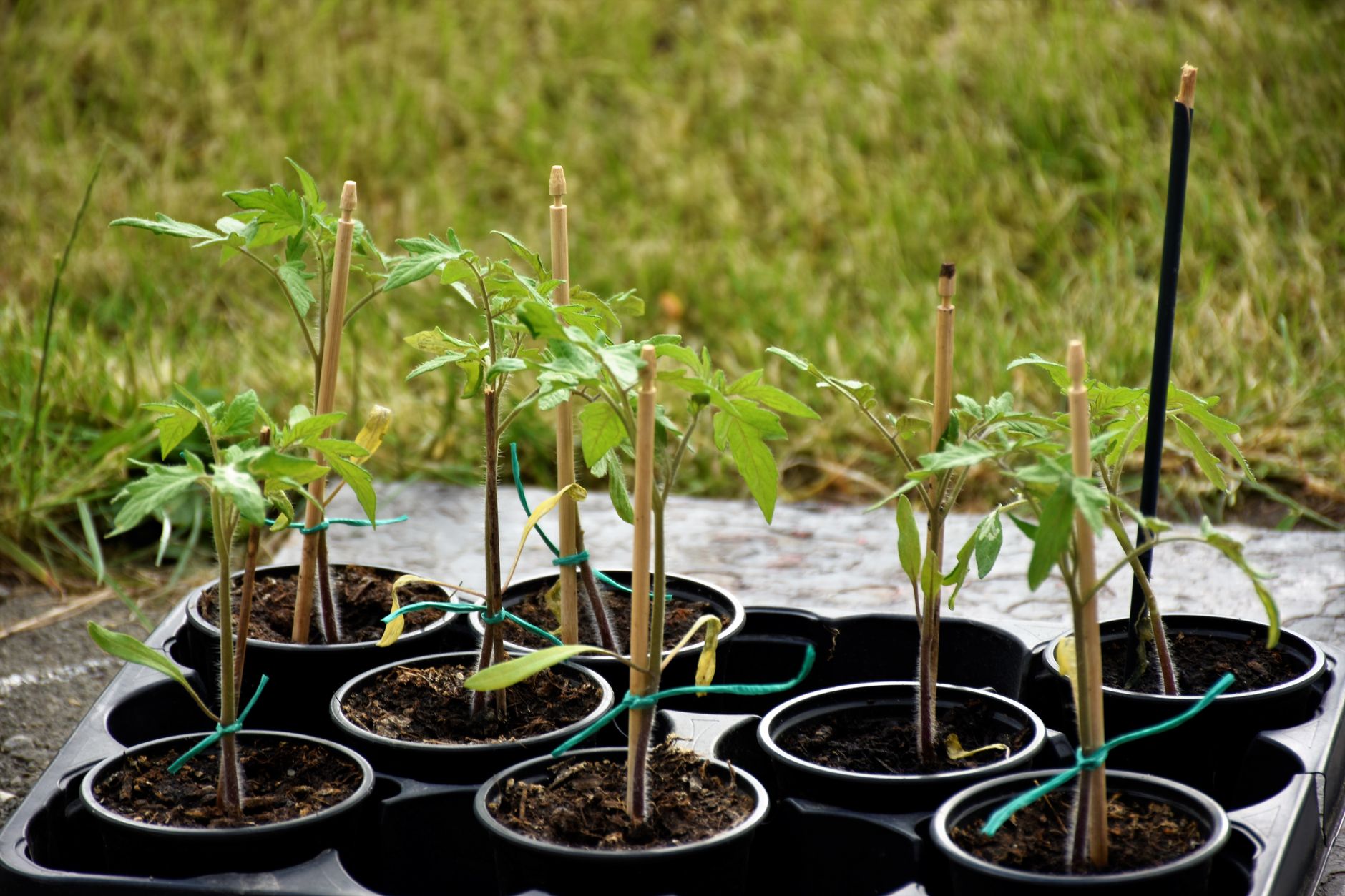
Most failures come from inconsistent watering, weak support, or planting too late. A little planning goes a long way.
When to Start Cherokee Purple Seeds and Transplant Outdoors
Start seeds indoors 6–8 weeks before the last frost date. Keep soil warm (70–75°F) for germination, using a heat mat if needed. Seedlings need strong light—a bright windowsill may not be enough; consider grow lights for 14–16 hours daily. Harden off transplants over a week before moving them outside when soil and night temperatures are consistently above 55°F. When transplanting, bury the stem deep—tomatoes root along buried stems, creating a stronger root system. Remove the lower leaves and plant so two-thirds of the stem is underground. This encourages more roots and a sturdier plant.
Full Sun, Spacing, Container Size, and Strong Support for Heavy Vines
Cherokee Purple needs 6–8 hours of direct sun daily. Less sun reduces yield and slows ripening. Space plants 3 feet apart in rows 4–5 feet apart to allow good airflow, which helps prevent disease. Use a sturdy stake, heavy-duty cage, or trellis installed at transplanting time—waiting until the plant is large risks damaging roots. A Florida weave or a tall stake with soft ties works well. For containers, use at least 5 gallons; 10 gallons is better for root development and moisture retention. Containers dry out faster and need more frequent watering and feeding. Use a high-quality potting mix, not garden soil.
Watering and Fertilizing Cherokee Purple Without Causing Leafy Growth or Blossom End Rot
Consistent soil moisture is the single most important factor. Water deeply and evenly—a long soak twice a week is often better than daily light sprinkles. Check soil moisture by sticking a finger 2 inches deep; water when it feels dry. Mulch 2–3 inches deep with straw or shredded leaves to slow evaporation and keep soil temperature steady. Blossom end rot is caused by inconsistent moisture disrupting calcium uptake, not by lack of calcium in the soil. Use a balanced fertilizer low in nitrogen (like 5-10-10 or a tomato-specific formula) to avoid excessive leafy growth. Fertilize container plants more often—every two weeks with half-strength liquid fertilizer. Side-dress with compost mid-season for a slow-release nutrient boost.
Fixing Cherokee Purple Tomato Problems Before the Season Is Lost
Why Your Cherokee Purple Plant Is Huge but Not Setting Fruit
| Symptom | Likely cause | What to do |
|---|---|---|
| Huge green plant, few flowers | Too much nitrogen, not enough sun, young plant | Reduce nitrogen, improve sun, be patient |
| Flowers form but drop | Heat, high humidity, poor pollination | Improve airflow, shade during heat waves, keep moisture steady |
| Small fruits stall | Heat, stress, heavy fruit load | Keep plant healthy, wait for cooler weather |
| Fruit stays green late in season | Short season, cool nights, heat delay | Pick mature fruit to ripen indoors if needed |
Heat above 90°F day or 70°F night often causes flower drop. Provide afternoon shade and keep soil consistently moist. In hot climates, plant where morning sun hits and afternoon shade from a building or shade cloth. Prune some lower leaves to improve air circulation, which can help with pollination.
Blossom End Rot, Cracking, and Catfacing on Cherokee Purple Tomatoes
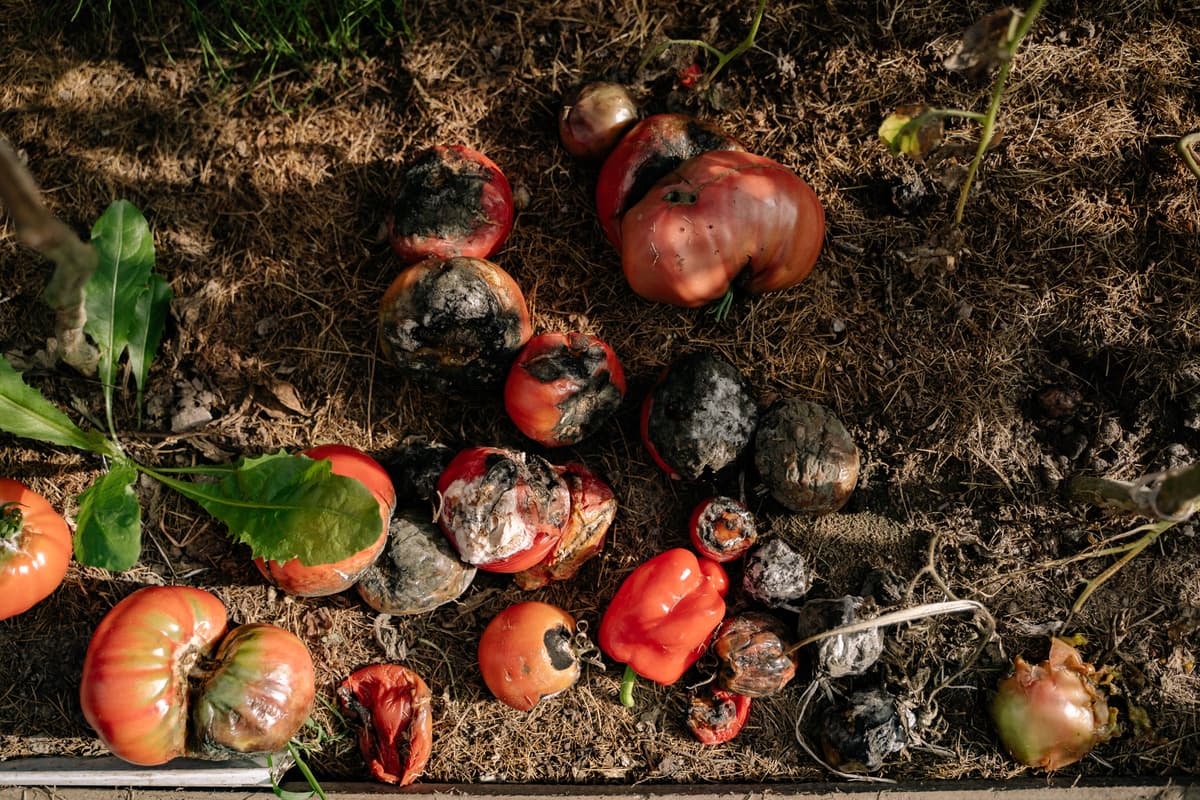
Blossom end rot (a dark, sunken patch at the bottom of the fruit) is triggered by inconsistent watering. Pick and discard affected fruit; later fruit may be fine if watering improves. Do not add extra calcium; it rarely helps and can harm soil balance. Cracking occurs when the fruit takes up water faster than the skin expands—mulch helps, and pick fruit early if heavy rain is forecast. Radial cracks are common and usually heal into scars that don’t affect eating quality. Catfacing (misshapen fruit with scars and folds) often results from cold stress during flowering; the fruit is safe to eat. Most of these issues are cosmetic, not fatal.
Growing Cherokee Purple in Heat, Humidity, Containers, or Short Seasons
In hot climates, plant where it gets morning sun and afternoon shade; use shade cloth during heat waves to lower temperature by several degrees. In humid climates, space plants generously, prune lower leaves to improve airflow, and water at the base to avoid wetting foliage, which invites fungal diseases like early blight. In short-season climates, start seeds early, use season extension tools like row covers or a mini hoop house, and choose earliest-ripening seed sources (some strains ripen a week earlier). In containers, use at least 5 gallons, high-quality potting mix with perlite for drainage, and sturdy support from day one. Container plants need daily watering in hot weather and weekly feeding.
When to Pick Cherokee Purple Tomatoes and What to Do If They Won’t Ripen
How to Tell When Cherokee Purple Tomatoes Are Ripe: Color, Shoulders, and Feel
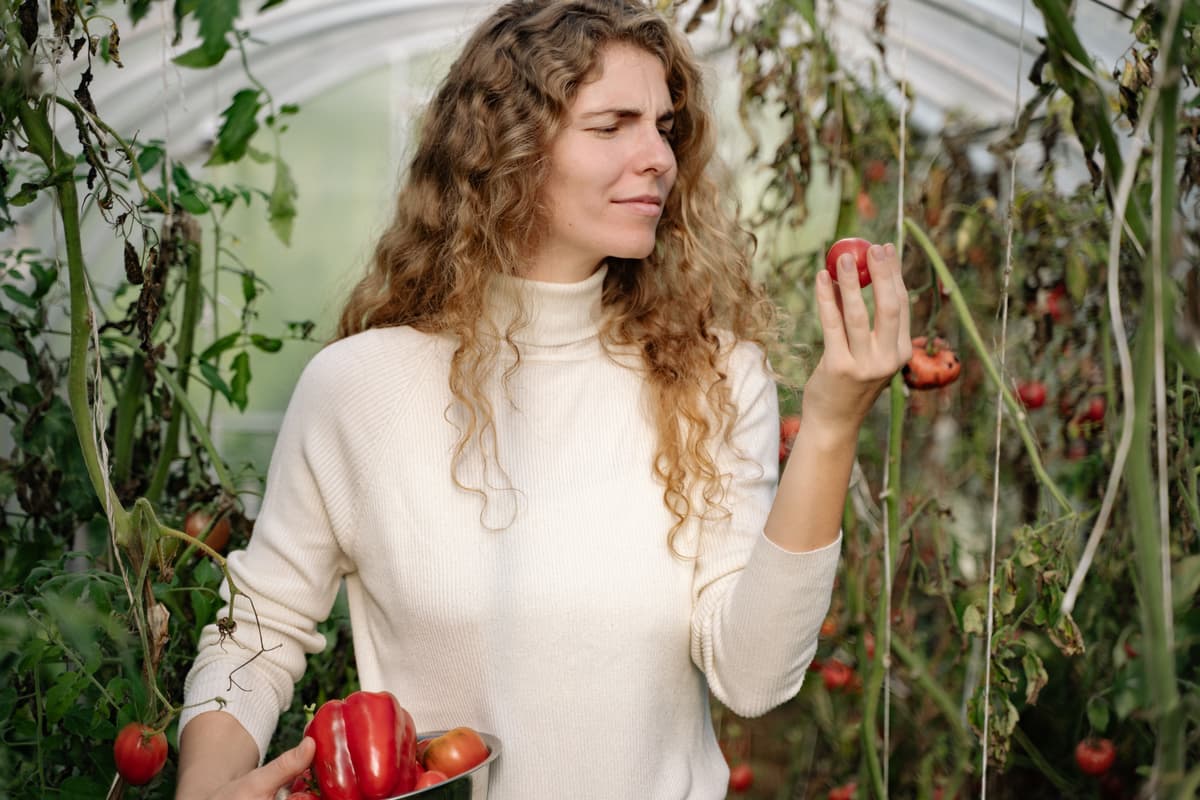
Color alone is not reliable. Ripe fruit gives slightly at the base when pressed, like a ripe avocado. The color range runs from dusky rose to deep brownish-purple; shoulders often stay green or dark. An underripe fruit feels firm; an overripe fruit is very soft and may weep at the stem end. The best test is the gentle squeeze at the blossom end—if it yields, pick it. Also check the underside: if it has a slight orangish or pinkish blush, it’s likely ripe or nearly so.
Why Cherokee Purple Tomatoes Stay Green or Ripen Unevenly
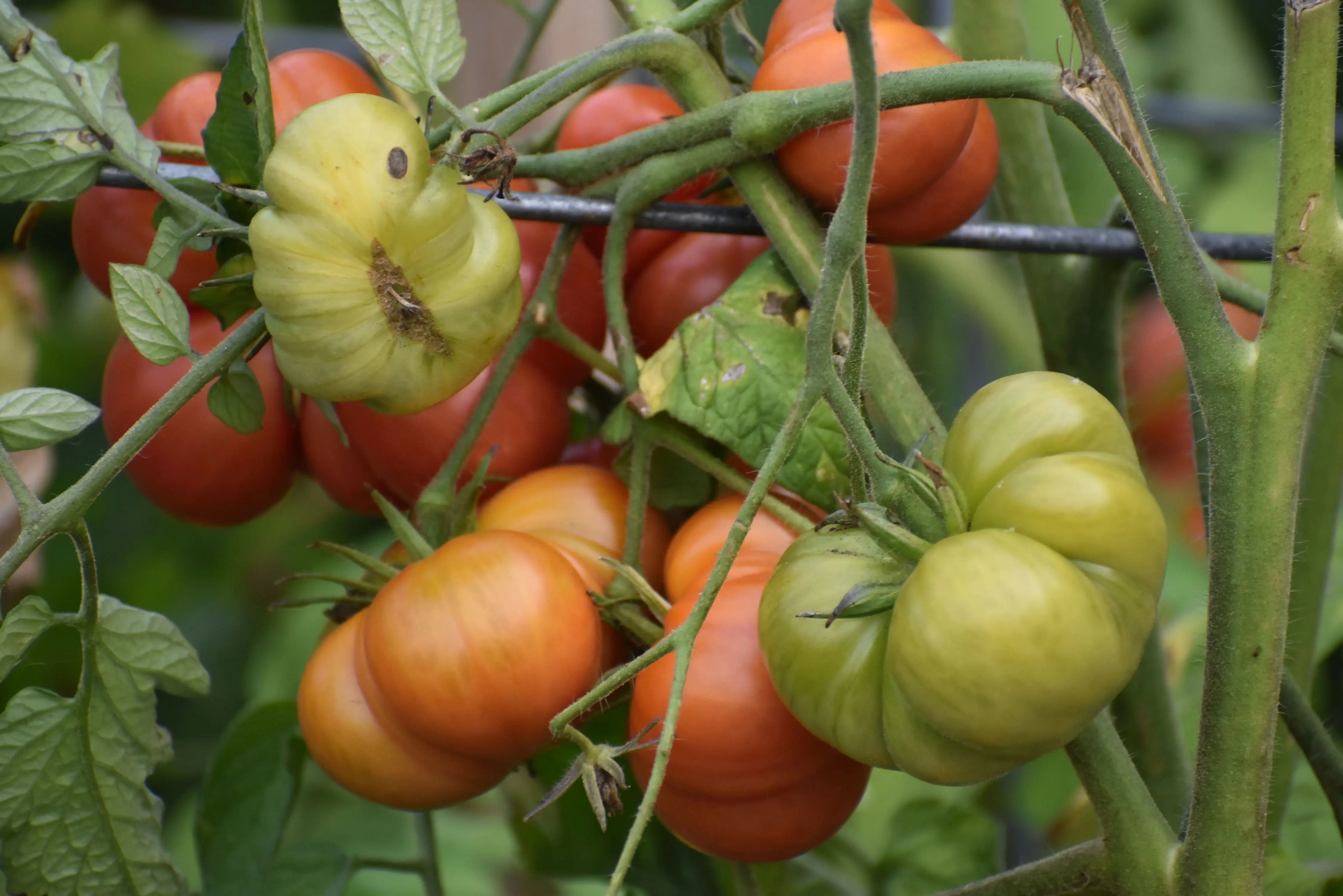
The most common reason is the fruit is not yet mature—count days from transplant. Heat above 90°F delays ripening; shade cloth can help by lowering fruit temperature. Cool nights below 55°F also slow ripening. Green shoulders are normal—if the bottom two-thirds feels soft and tastes sweet, the tomato is ripe even if the top is green. Uneven ripening often results from stress; to encourage even color, keep the plant healthy and well-watered. If you see a stripe of green on an otherwise pink fruit, it’s likely a temporary condition that will resolve with more time.
Late-Season Ripening: When to Pick, Top, or Bring Tomatoes Indoors
Tomatoes at the mature green stage (full-sized, starting a slight color change) can ripen indoors. Pick at the breaker stage (blush of pink/purple at the blossom end) and place in a paper bag at room temperature out of direct sun. Adding a ripe apple or banana releases ethylene and speeds ripening. If frost is near, top the plant by cutting off the main stem and new flowers to force energy into ripening existing fruit. Small hard green fruit unlikely to ripen well indoors can be used for fried green tomatoes, pickling, or salsa verde.
If Cherokee Purple Keeps Failing: Similar Heirlooms and Easier Tomatoes to Try
For similar flavor with better reliability, consider Black Krim (slightly smaller, more productive, with a similar smoky profile) or Brandywine (classic rich flavor but also tricky). Grow a Cherokee Purple alongside a reliable hybrid like Better Boy to balance flavor and yield. Dark-fruited cherry tomatoes like Black Cherry offer intense flavor with fewer problems in a compact plant. No alternative tastes exactly like Cherokee Purple, but a mix of varieties can satisfy both goals. If you’re short on space or patience, try the compact determinate heirloom ‘Black Sea Man’ for a similar dark color and good flavor.
Conclusion
Cherokee Purple lives up to its reputation for flavor but does not hide its challenges. Accept the dusky irregular fruit, the need for strong support, and the tendency to crack or develop blossom end rot. Focus on steady moisture, balanced feeding, and harvesting by feel rather than color. If the effort feels too high, similar-tasting alternatives exist. Either way, you’ll understand why this tomato inspires such strong loyalty and why a single perfect slice makes all the work worthwhile.
FAQ
Why are Cherokee Purple tomatoes hard to grow?
Cherokee Purple is harder than modern hybrids due to its large, thin-skinned fruit prone to cracking, blossom end rot, and slow ripening. It needs consistent watering, strong support, and moderate temperatures. Yields are often lower, and fruit may not ripen fully in short seasons. The plant is also more sensitive to heat stress, making it a challenging but rewarding choice for experienced gardeners.
How long does it take Cherokee Purple tomatoes to grow?
From transplant to first ripe fruit takes 75–85 days, depending on conditions. Cool summers or heat waves can delay ripening. Total time from seed to harvest is roughly 3–4 months. If you start seeds indoors 6 weeks before the last frost, you should see ripe fruit by early August in most regions.
Do Cherokee Purple tomatoes need a trellis?
Yes. As an indeterminate variety reaching 5 feet or taller with heavy fruit, it needs sturdy support like a stake, heavy-duty cage, or trellis installed at transplanting time. A flimsy cage will collapse under the weight. Use 6-foot stakes or a cage with at least 18-inch rings and set them deep in the ground.
Why is my Cherokee Purple tomato plant huge but not producing fruit?
Common causes: excess nitrogen (creates vines, few flowers), high heat (flower drop above 90°F day/70°F night), or young plant still maturing. Check fertilizer—switch to a bloom booster with low nitrogen. Provide afternoon shade, ensure airflow, and be patient. Sometimes the plant simply needs a few more weeks before setting fruit.
You Might Also Like