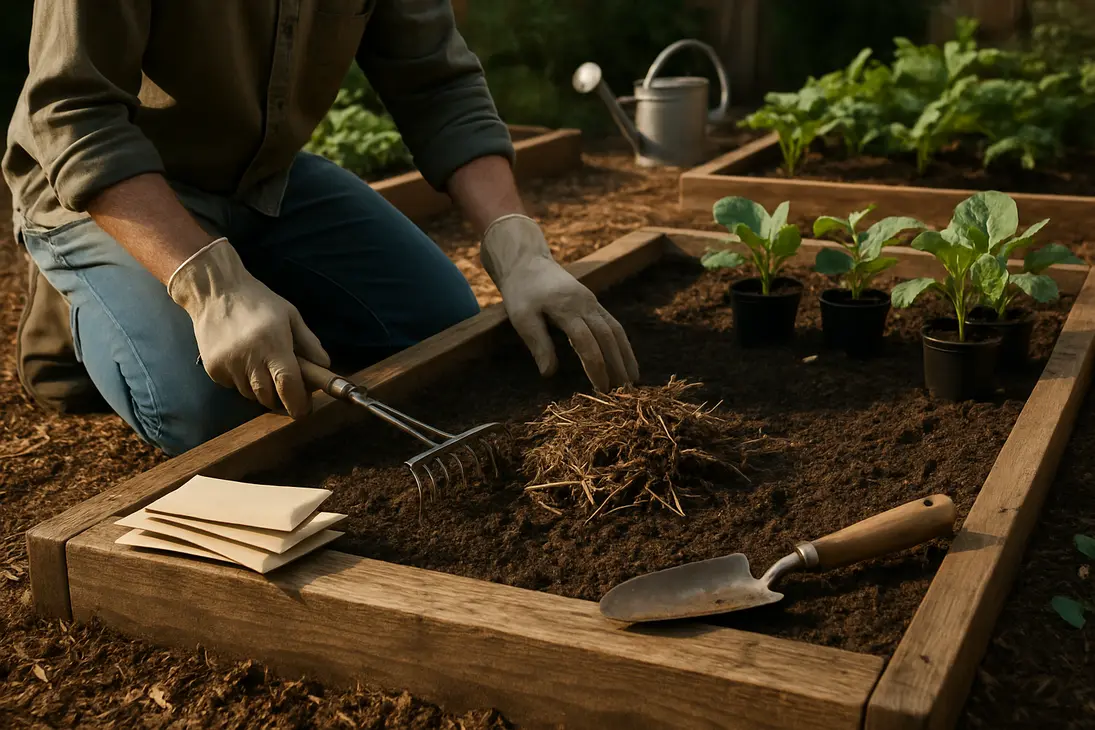
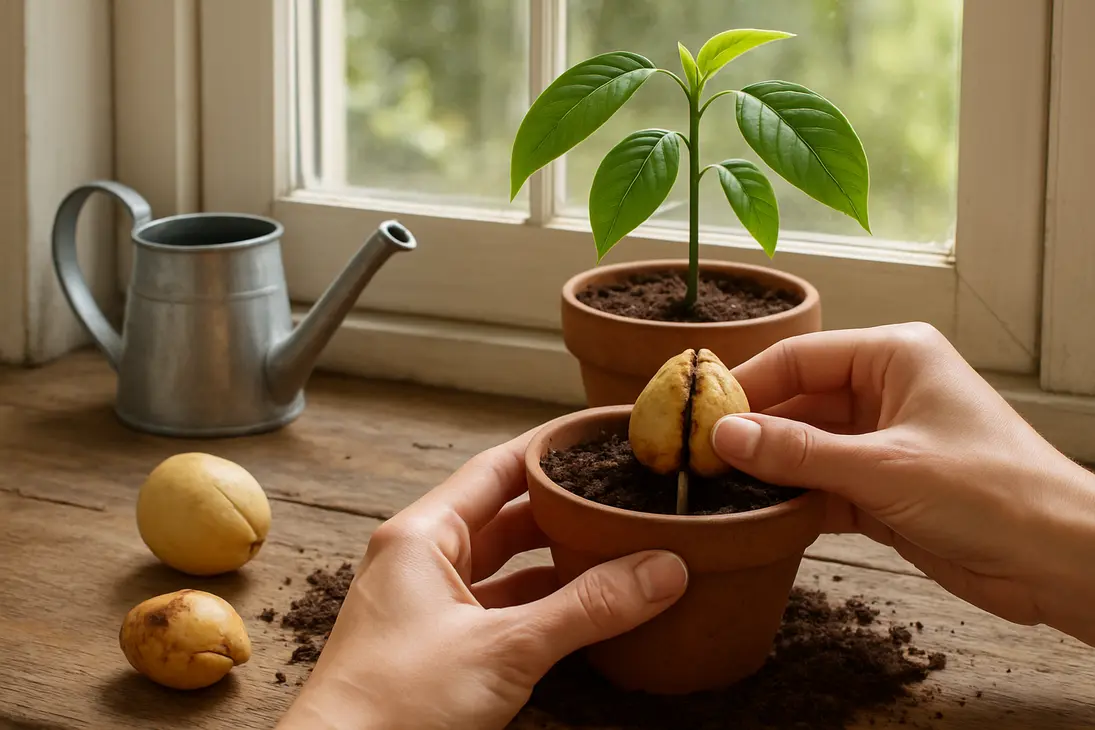
What Is Food Horticulture and Why Does It Matter Today?
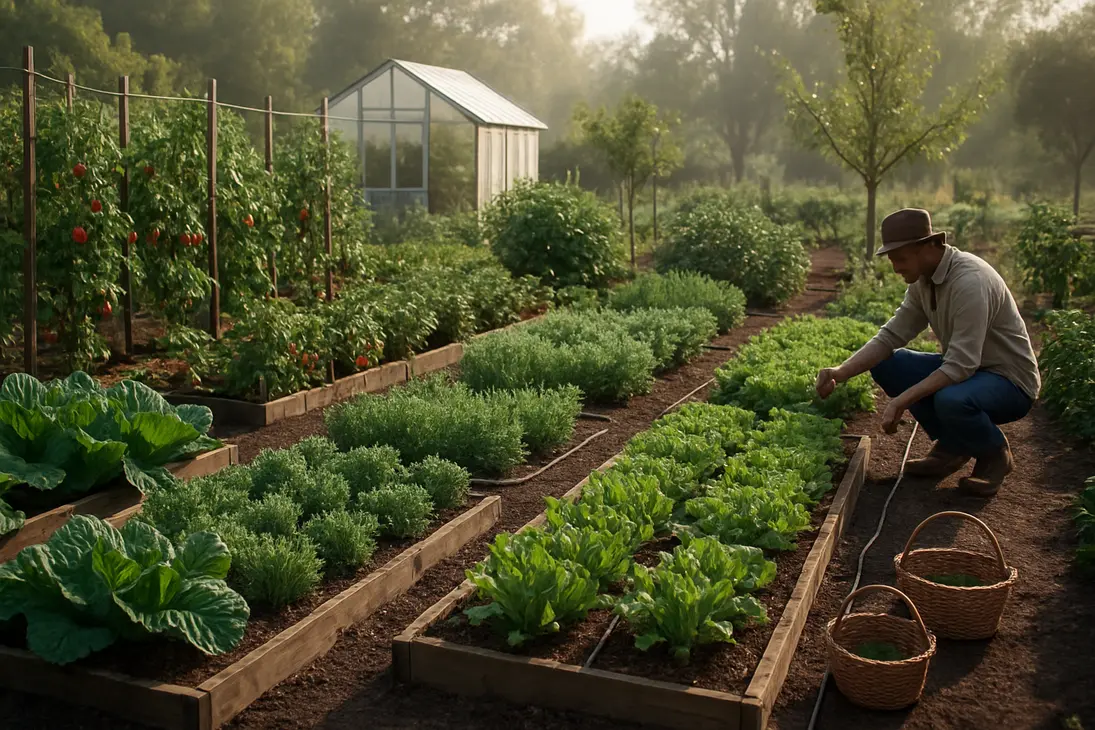
Food horticulture is the branch of horticulture focused on growing edible plants: fruits, vegetables, herbs, spices, nuts, mushrooms, microgreens, and other high-value crops. These crops are often managed intensively because freshness, flavor, harvest timing, storage life, safety, and appearance matter as much as yield.
It matters because food systems are not only about calories. People also need dietary variety, local resilience, skilled livelihoods, and growing methods that use land, water, labor, and energy wisely.
Defining Food Horticulture
Food horticulture is the science, art, and practice of growing edible horticultural crops. The science includes plant physiology, soils, water, propagation, climate, pests, and post-harvest handling. The art is the grower’s judgment: when to prune, transplant, thin fruit, harvest, or adjust irrigation. The practice happens in gardens, orchards, greenhouses, nurseries, market gardens, and commercial farms.
It is broader than casual “gardening.” A balcony herb pot and a large apple orchard both involve horticultural thinking, even though their tools and goals differ.
How Food Horticulture Fits Within Horticulture
Horticulture is a branch of plant agriculture focused on intensively cultivated plants used for food, medicine, beauty, environmental improvement, and cultural value. Food horticulture is the edible part of that field.
| Area of horticulture | Main focus | Food-related? |
|---|---|---|
| Pomology | Fruits and nuts | Yes |
| Olericulture | Vegetables | Yes |
| Herb, spice, medicinal, and aromatic crops | Culinary, therapeutic, and fragrant plants | Often |
| Floriculture | Flowers and flowering plants | Usually no |
| Landscape horticulture | Designed outdoor plantings | Sometimes |
| Nursery production | Propagating plants | Sometimes |
The branches often overlap. A nursery may sell grafted fruit trees, a greenhouse may produce herbs, and a landscape may include fruit trees, pollinator plants, and vegetables.
Common Food Horticulture Crops
Food horticulture includes many fresh, perishable, high-value, or intensively managed crops:
- Fruits: apples, peaches, citrus, berries, grapes, bananas, mangoes, melons
- Vegetables: tomatoes, lettuce, onions, carrots, peppers, cucumbers, broccoli, beans
- Herbs: basil, parsley, mint, cilantro, thyme, rosemary
- Spices and flavor crops: chilies, ginger, turmeric, coriander seed, fennel
- Nuts: almonds, walnuts, pecans, hazelnuts, pistachios
- Specialty crops: mushrooms, microgreens, edible flowers, baby greens, sprouts
- Food or tea plants: chamomile, lemongrass, lavender, holy basil
Some crops fit more than one category. Tomatoes are botanical fruits but treated as vegetables in horticulture and cooking. Herbs may be grown for leaves, seeds, oils, or teas.
Food Horticulture vs. Ornamental Horticulture
The difference is mainly the crop’s purpose.
Food horticulture grows plants for edible yield: fruits, leaves, stems, roots, seeds, flowers, bulbs, or nuts. Priorities include flavor, nutrition, food safety, yield, pest management, harvest timing, and storage.
Ornamental horticulture grows plants for beauty, structure, shade, cultural value, or landscape function. Priorities include appearance, bloom time, form, durability, and site performance.
They can overlap. A chili plant can be decorative and edible, and an edible landscape may combine fruit trees, herbs, vegetables, and flowers. But once a crop is intended for eating, pesticide choices, compost handling, irrigation water quality, harvest hygiene, and storage become more important.
Food Horticulture vs. Agriculture: What’s the Difference?
A common misunderstanding is that horticulture means small-scale gardening while agriculture means large-scale farming. Scale can matter, but it is not the defining difference.
Agriculture is the broad field of producing plants, animals, and other products for food, fiber, fuel, and raw materials. Horticulture is a specialized branch of plant agriculture focused on crops such as fruits, vegetables, herbs, nuts, flowers, ornamentals, and nursery plants.
A large commercial vegetable farm is still horticulture because of the crop type, management intensity, and quality requirements.
Scale, Crop Type, and Production Intensity
Food horticulture is often intensive per unit of land. Vegetable growers may use transplants, repeat plantings, drip irrigation, pest monitoring, hand harvest, and rapid cooling. Orchardists prune, train trees, thin fruit, manage pollination, graft varieties, and plan harvest windows. Greenhouse growers adjust temperature, humidity, fertility, airflow, and light.
Broadacre crops such as wheat, corn, soybeans, rice, and barley are often grown over larger areas with more mechanized planting and harvesting. They are essential, but their systems differ from strawberries, lettuce, vineyards, orchards, and herb greenhouses.
Horticulture, Field Crops, and Pastoralism
The main categories are:
| System | Main focus | Examples |
|---|---|---|
| Food horticulture | Intensive edible plant crops | Apples, tomatoes, herbs, salad greens, nuts |
| Field crop agriculture | Staple or commodity crops | Wheat, corn, rice, soybeans, pulses, oilseeds |
| Pastoralism / animal agriculture | Livestock and grazing | Cattle, sheep, goats, dairy |
| Mixed farming | Crops and animals together | Vegetables plus poultry, orchards plus grazing |
These systems complement each other. Field crops often provide calories and storage stability. Horticultural crops provide vitamins, minerals, fiber, flavor, and dietary diversity. Food security needs both.
When Large-Scale Vegetable or Fruit Growing Is Still Horticulture
A commercial almond orchard, greenhouse tomato business, vineyard, lettuce farm, or citrus grove may be large and mechanized, but it remains horticultural production.
Typical signs of food horticulture include:
- The crop is a fruit, vegetable, herb, nut, spice, or specialty edible plant.
- The crop needs intensive decisions about variety, spacing, pruning, irrigation, fertility, pests, or harvest timing.
- Quality is judged by freshness, appearance, flavor, size, maturity, storage life, or market grade.
- Post-harvest handling matters because many crops are perishable.
A small wheat plot is still field crop agriculture; a large berry farm is still horticulture.
Main Branches and Methods of Food Horticulture
Food horticulture includes several specialized branches, each with its own crops, tools, and challenges.
Pomology: Fruit and Nut Production
Pomology focuses on fruit and nut crops, including tree fruits, small fruits, vines, tropical fruits, and nuts. Examples include apples, pears, peaches, cherries, citrus, avocados, mangoes, bananas, grapes, strawberries, blueberries, almonds, walnuts, pecans, and pistachios.
Pomology often requires long-term planning. A vegetable crop can change next season; an orchard may remain for decades. Site choice, rootstock, pollination, training system, frost risk, pruning, and harvest labor all matter. Home growers should choose carefully: a dwarf apple may suit a small yard, while a full-size nut tree may not. Some fruits also need cross-pollination, winter chill, or protection from late frost.
Olericulture: Vegetable Production
Olericulture is the branch focused on vegetables, including crops grown for leaves, roots, stems, bulbs, flowers, fruits, and seeds.
Examples include lettuce, spinach, kale, carrots, beets, radishes, potatoes, onions, garlic, tomatoes, peppers, cucumbers, squash, broccoli, cauliflower, asparagus, green beans, and peas.
Vegetable production is fast-moving. Success depends on matching crops to the season and harvesting on time. Cool-season crops such as peas, spinach, cabbage, and carrots prefer mild weather. Warm-season crops such as tomatoes, peppers, cucumbers, beans, and squash need warmth and are sensitive to frost.
Herbs, Spices, Medicinal, and Aromatic Plants
Herbs and spices add flavor, cultural identity, and value to meals. They are also space-efficient, making them useful in containers, balconies, school gardens, and small farms.
Herbs such as basil, parsley, cilantro, dill, mint, and chives are usually grown for fresh leaves. Spices may come from seeds, roots, bark, fruits, or dried plant parts. Ginger and turmeric are rhizomes; coriander seed comes from the cilantro plant; chilies may be used fresh, dried, powdered, fermented, or preserved.
Some medicinal and aromatic plants overlap with food use, especially in teas or traditional preparations. But “natural” does not automatically mean safe for everyone or safe in any amount. Medicinal use requires caution, especially for pregnant people, children, or people taking medications.
Greenhouse, Urban, and Community Food Growing
Food horticulture is not limited to open fields.
Greenhouse horticulture extends seasons, protects crops, and allows control of water, nutrients, temperature, humidity, airflow, and light. It is common for tomatoes, cucumbers, peppers, leafy greens, herbs, transplants, and microgreens, but it requires investment and technical skill.
Urban food growing includes balcony containers, rooftops, indoor herbs, raised beds, vertical gardens, edible landscapes, and small plots. It rarely supplies all household food, but it can provide herbs, greens, tomatoes, peppers, strawberries, and culturally important crops close to home.
Community gardens provide growing space, education, fresh produce, and social connection. Their success depends on water access, rules, shared tools, compost management, and fair plot allocation.
Why Food Horticulture Is Important in Modern Food Systems
Food horticulture fills gaps that calorie-focused systems can leave behind. Staple crops are crucial, but people also need fresh, diverse, appealing foods that support health and cultural food traditions.
Better Diets and Nutritional Diversity
Fruits, vegetables, herbs, and nuts contribute fiber, vitamins, minerals, beneficial plant compounds, healthy fats, and flavor. A food system can produce enough calories and still leave diets monotonous or nutritionally weak.
Food horticulture supports diversity across seasons and climates. A garden might provide spring peas, summer tomatoes, autumn greens, potted winter herbs, and stored onions or squash. A regional industry might supply berries, orchard fruit, salad greens, brassicas, and greenhouse vegetables.
Fresh herbs, leafy greens, and seasonal fruits also make simple meals more appealing, which can help people use more whole foods.
Urban Gardening and Limited-Space Food Production
Urban gardening is popular for practical reasons: grocery access, produce prices, freshness, children’s education, and the satisfaction of growing food.
Small spaces need realistic crop choices. A balcony will not produce all household calories, but it can produce high-value foods used often, such as:
- Basil, mint, parsley, thyme, and chives
- Cut-and-come-again greens
- Cherry tomatoes in large containers
- Peppers in warm, sunny spots
- Strawberries in baskets or troughs
- Sprouts or microgreens indoors
- Dwarf citrus or figs where climate and light allow
The common mistake is growing large, hungry crops in containers that are too small. Tomatoes, cucumbers, and squash need more root space, water, and fertility than a small herb pot can provide.
Environmental Benefits: Biodiversity, Soil Health, and Reduced Waste
Food horticulture can support environmental goals when managed well. Diverse plantings can help pollinators and beneficial insects. Perennial fruit and nut systems can protect soil. Compost, mulching, cover crops, drip irrigation, and integrated pest management can improve resource efficiency.
Home and community growing can also reduce some food waste because people harvest only what they need. Herbs are a simple example: a living plant may replace store-bought bunches that spoil before use.
Still, horticulture is not automatically sustainable. Intensive systems may use significant water, plastic mulch, fertilizers, pesticides, heated structures, and packaging. Good practice considers soil health, water source, pest monitoring, energy use, worker safety, and waste reduction.
Local Economies, Jobs, and Horticulture Careers
Food horticulture supports many livelihoods: nursery workers, greenhouse managers, orchardists, vegetable growers, irrigation specialists, crop advisors, plant breeders, market gardeners, produce buyers, educators, edible landscapers, and community garden coordinators.
It can also create local businesses, from seedlings and grafted fruit trees to herbs, berries, microgreens, salad greens, preserves, and community-supported agriculture shares.
But enthusiasm is not enough. Food horticulture businesses involve perishable products, weather risk, labor peaks, pricing pressure, regulations, customer expectations, and physical work. Starting small, tracking costs, learning the market, and gaining production experience are usually wiser than investing heavily too early.
Challenges in Food Horticulture
Food horticulture is valuable, but fresh produce can be hard to grow, harvest, store, and distribute. Gardens fail. Commercial crops can be damaged by heat, frost, pests, disease, labor shortages, or market changes. Understanding these limits makes horticulture more useful.
Seasonal Shortages and Food Security Gaps
Many horticultural crops are seasonal and perishable. An August tomato glut does not solve January food access. Lettuce, berries, peaches, herbs, and cucumbers have short harvest windows unless growers use storage, processing, staggered plantings, or protected culture.
A home garden can improve food security, but it rarely provides a complete diet year-round without significant land, time, skill, storage, and planning. Pests, drought, illness, or work demands can interrupt production.
Ways to reduce seasonal gaps include planting quick crops and storage crops, growing both cool-season and warm-season vegetables, preserving surplus safely, using row covers or greenhouses, choosing suitable perennials, and coordinating gardens with food banks or local distribution groups.
Tools, Skills, and Production Knowledge
Food horticulture rewards observation. Many failures come from basic mismatches: wrong season, too little sun, poor drainage, overcrowding, inconsistent watering, weak seedlings, or late harvest.
Tools should fit the scale. A beginner may need a trowel, watering can or hose, pruners, gloves, compost, mulch, and supports. A market garden may need seeders, irrigation lines, wash stations, cool storage, harvest crates, and recordkeeping.
Useful skills include reading seed packets, starting seeds on time, hardening off transplants, identifying pests early, watering deeply, building soil with compost and mulch, harvesting at the right stage, and rotating crops where space allows. Even experienced growers lose crops; the difference is that they diagnose problems, adjust, and keep records.
Sustainability Concerns in Intensive Growing
Because food horticulture is often intensive, sustainability must be managed deliberately. High yields from small areas can be efficient, but not if the system wastes water, mines soil fertility, overuses pesticides, or relies heavily on disposable materials.
Key concerns include water use, soil depletion, pest pressure, plastic and packaging waste, and energy use. Drip irrigation, mulch, compost, soil testing, cover crops, resistant varieties, sanitation, beneficial insect habitat, reuse, and efficient structures can all help.
Sustainable food horticulture is not one fixed method. It is a set of decisions matched to the crop, place, people, and purpose.
Conclusion
Food horticulture is the edible side of horticulture: the skilled cultivation of fruits, vegetables, herbs, spices, nuts, and other high-value food plants. It can happen in a backyard, school garden, community plot, greenhouse, orchard, market garden, or large commercial farm.
Its value comes from more than production volume. It improves access to fresh produce, supports nutritional diversity, creates livelihoods, uses small spaces well, and can strengthen local food systems. It also requires knowledge, labor, water, planning, and honest attention to sustainability.
In simple terms, food horticulture links plant science with the food people put on their plates.
FAQ
Is food horticulture the same as gardening?
Not exactly. Gardening can be part of food horticulture when people grow edible plants, but food horticulture is broader. It includes home, commercial, educational, community, greenhouse, nursery, orchard, and vegetable production systems.
What foods are included in horticulture?
It includes fruits, vegetables, herbs, spices, nuts, mushrooms, edible flowers, microgreens, and some medicinal or aromatic plants used in food or drinks. Examples include apples, tomatoes, lettuce, carrots, basil, chilies, ginger, almonds, strawberries, and parsley.
Is horticulture better than agriculture?
No. Horticulture is part of agriculture. It is especially important for fresh produce, nutrition, and high-value crops, while other agricultural systems provide staple grains, animal products, fibers, oils, and other essentials.
Can food horticulture help with food security?
Yes, but with limits. It can improve access to fresh fruits, vegetables, and herbs through farms, gardens, schools, urban growing, and home production. But gardens alone rarely supply a complete year-round diet. Food security also depends on staple crops, storage, distribution, affordability, land, water, tools, and knowledge.
You Might Also Like