How Do You Establish a Mother Plant for Cloning?
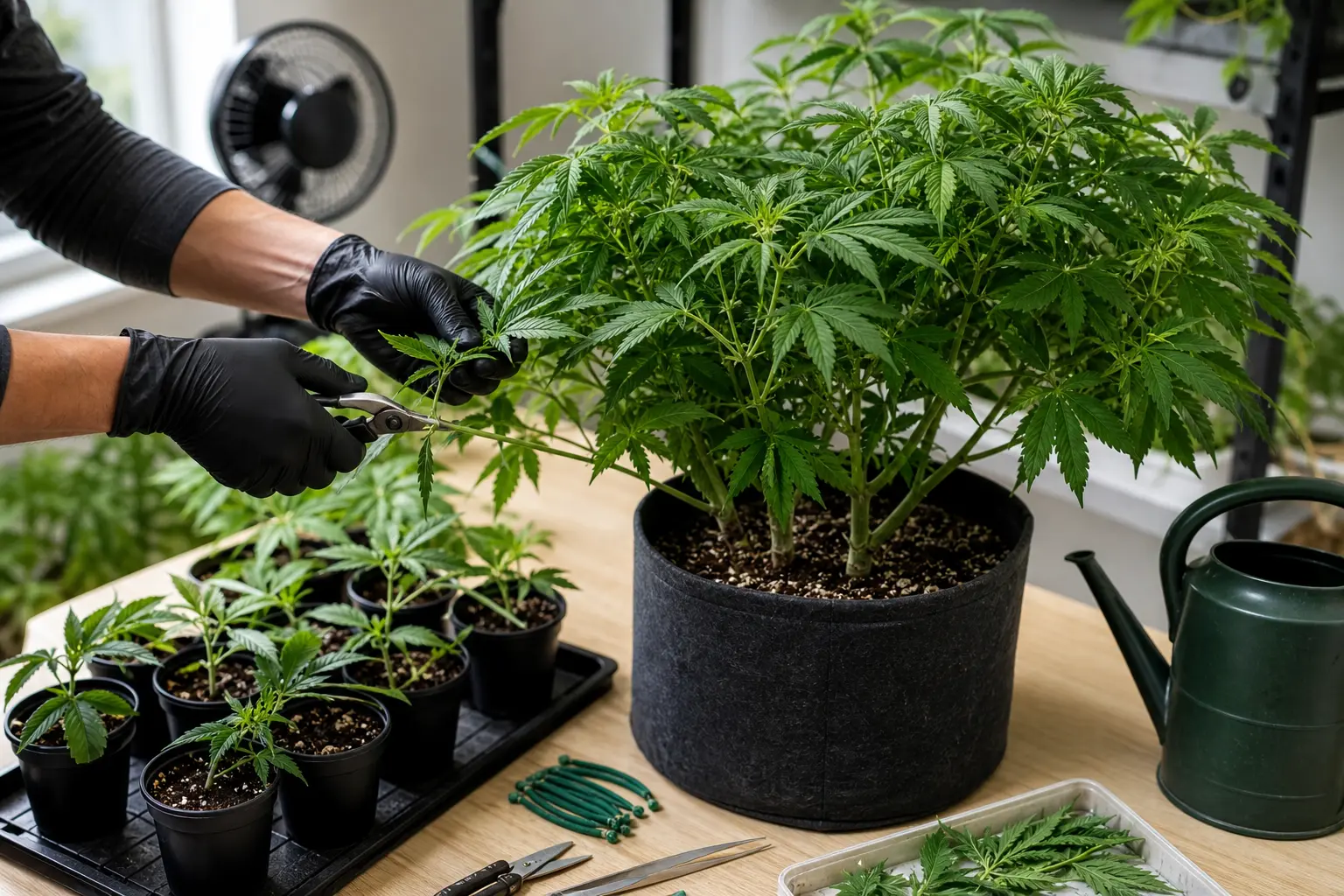
A mother plant for cloning is a healthy plant kept primarily to supply cuttings, rather than to produce flowers or fruit. Its value is consistency: every viable cutting carries the same genetics as the mother, so you can preserve traits you have already tested and liked.
Establishing a dependable mother takes more than simply keeping one plant alive for a long time. The plant needs to stay in active vegetative growth, have a manageable structure, maintain a healthy root system, and recover well after repeated pruning. Start with a strong candidate, create stable conditions, and replace the mother before declining vigor affects the quality of your clones.
Choose a Healthy Plant to Become a Mother
Choose a mother only after you have had enough time to judge the plant’s qualities. A cutting may root successfully from an average plant, but cloning is most useful when it preserves a plant that is genuinely worth repeating.
Look for the traits that matter in your garden. Depending on the species and your goals, that may include fast growth, compact form, strong stems, flavor, flower quality, fruit production, disease resistance, or tolerance of your local growing conditions. A clone reproduces the mother’s genetic potential, but its eventual performance will still depend on light, nutrition, root health, and general care.
Start With a Stable, Mature Plant
Use a plant that has established a solid root system and several healthy branches. It should be growing steadily, with normal leaf color and firm new shoots. Very young seedlings can sometimes be cloned, but they have not yet shown their mature structure, vigor, or resistance to stress.
For plants grown from seed, wait long enough to identify the individuals with the traits you want. If possible, observe the plant through a meaningful portion of its growth cycle before committing valuable space to it as a long-term mother.
A good mother candidate usually has:
- Consistent, vigorous new growth
- Short, sturdy internodes or a branch pattern suited to your space
- Leaves with even color and no unexplained spotting or distortion
- Strong lateral branching that responds well to pruning
- Traits you have already evaluated and want to preserve
Avoid choosing a mother solely because it is the largest plant at an early stage. Rapid early growth is useful, but it does not always predict long-term health, production, or quality.
Check for Pests, Disease, and Stress
Do not establish a mother from a plant with unresolved pest or disease issues. Cloning can carry problems forward along with the genetics. Small pests can hide beneath leaves, in stem joints, or around the rim of the container, while fungal and bacterial problems may spread through tools, water, or close plant contact.
Inspect the plant carefully before taking its first cuttings:
- Check leaf undersides for insects, eggs, webbing, or stippling.
- Look for distorted new growth, sticky residue, or blackened sooty patches.
- Examine stems for lesions, soft areas, cracking, or unusual discoloration.
- Check roots when repotting; healthy roots are generally firm and light-colored rather than dark, slimy, or sour-smelling.
- Rule out environmental stress, such as heat damage, overwatering, nutrient imbalance, or severe underwatering.
A plant recovering from stress may look acceptable for a few days but still make poor cloning material. Give it time to resume normal growth before using it as a mother.
Label and Track Each Mother Plant
A label prevents expensive confusion. This matters especially once you maintain more than one variety, phenotype, or species.
Record the plant’s name or identifier, date started, source, and notable traits. If you take cuttings regularly, add the dates and number of cuttings removed. Simple notes can reveal patterns, such as one mother rooting more reliably than another or declining after a particular feeding routine.
Useful label information includes:
| Record | Why it matters |
|---|---|
| Plant name or code | Prevents varieties from being mixed up |
| Start date | Helps track age and replacement timing |
| Source or parentage | Supports traceability |
| Growth notes | Identifies vigor, structure, and stress tolerance |
| Cutting dates | Helps avoid overharvesting |
| Pest or treatment history | Helps isolate recurring problems |
Use waterproof labels rather than relying on memory or temporary markers.
Set Up the Right Environment for a Mother Plant
A mother plant performs best in a stable environment. Sudden changes in temperature, light, watering, or feeding can slow growth and leave you without healthy shoots when you need cuttings.
The goal is not maximum size. It is steady, controlled vegetative growth and a structure that produces plenty of young, healthy branches.
Keep the Plant in Vegetative Growth
Most plants used as mothers are maintained in their non-flowering, vegetative phase. For photoperiod-sensitive species, that means providing a day length long enough to prevent flowering. The exact light schedule depends on the plant, so follow the needs of the species rather than assuming one schedule fits all crops.
If a mother begins flowering, its growth pattern changes. Shoots may become less suitable for cuttings, and returning the plant to vegetative growth can take time. Keep the lighting routine consistent and avoid light interruptions that could confuse photoperiod-sensitive plants.
Some plants are naturally short-lived, seasonal, or prone to flowering regardless of day length. In those cases, it may be more practical to take replacement clones frequently rather than attempting to maintain one plant indefinitely.
Use an Appropriately Sized Pot and Growing Medium
Keep the mother in a container large enough to support healthy roots but small enough to manage. An oversized pot can stay wet for too long, particularly with a small plant. A severely undersized pot can become root-bound quickly, causing rapid drying, nutrient issues, and reduced vigor.
Choose a pot with drainage holes and a growing medium appropriate to the plant. A quality potting mix, soilless blend, or other well-aerated medium should hold enough moisture for consistent growth without remaining waterlogged.
Container size is a practical control tool:
- Smaller containers limit plant size but require more frequent monitoring, watering, and root maintenance.
- Larger containers provide more root volume and buffering but allow the mother to become larger and harder to manage.
- Fabric or air-pruning containers can encourage branching roots, though they may dry faster than solid pots.
If you want to keep a mother compact for a long period, regular pruning and occasional root work are more reliable than allowing it to become severely pot-bound.
Provide Balanced Light, Water, and Nutrition
Mother plants need enough light to develop sturdy, well-lit shoots, but excessive heat or overly intense light can stress foliage and create hard, woody growth. Position the plant so all sides receive reasonable light, or rotate it periodically if the light comes mainly from one direction.
Water thoroughly when the medium has dried to the appropriate point for the species, then allow adequate air back into the root zone. Constantly saturated media invite root problems; repeated severe drying weakens growth and makes stems less suitable for cloning.
Feed for healthy vegetative growth, not maximum force. A mother that is heavily overfed may develop overly dark, soft foliage or nutrient burn. A starved mother produces pale, weak shoots. Use a balanced fertilizer appropriate to the species and growing medium, adjusting based on leaf color, growth rate, and watering frequency.
Good airflow is equally useful. Gentle air movement reduces stagnant humidity around foliage, strengthens stems, and helps you spot problems before they spread. Avoid directing harsh airflow continuously at one part of the plant, which can cause drying and leaf damage.
Train and Prune the Mother for More Cuttings
A mother plant should be shaped for access and repeatability. Left unpruned, many plants develop a dominant central stem and fewer usable side branches. Training encourages a broader, bushier structure with multiple young shoots that can become cuttings.
Prune gradually. The aim is to build a productive framework without repeatedly shocking the plant.
Top the Plant to Encourage Branching
Topping means removing the growing tip above a node or pair of leaves. This reduces apical dominance and encourages lower side branches to develop.
Wait until the plant is well rooted and actively growing before topping it. Make the cut with clean, sharp pruners or a blade, and leave enough healthy foliage for the plant to recover easily. As new branches lengthen, you can top selected shoots again to create more branching points.
For a compact mother, think in layers: establish a few strong main branches, then encourage each branch to produce several secondary shoots. This gives you a steady supply of similarly sized cutting material rather than one tall stem and a crowded interior.
Remove Weak or Crowded Growth
Not every shoot deserves to stay. Remove thin, shaded, damaged, or inward-growing branches that are unlikely to produce strong cuttings. Clearing some interior growth improves airflow and directs the plant’s energy toward healthier branches.
Do not strip the mother bare. Leaves are essential for recovery and continued growth. A useful rule is to remove growth selectively, preserving enough mature leaves and active shoots for the plant to keep photosynthesizing efficiently.
Tie down or gently spread flexible branches when needed to keep the canopy open. Soft plant ties are preferable to tight wire or string, which can cut into expanding stems.
Let the Mother Recover Before Taking More Cuttings
After major topping, pruning, transplanting, pest treatment, or environmental stress, allow the mother to resume active growth before taking another round of clones. New growth should look normal, with firm stems and healthy leaves.
Recovery time varies with species, growing conditions, and how much material was removed. Rather than following a rigid calendar, watch the plant. A recovered mother is producing fresh growth consistently and is not showing droop, discoloration, stalled development, or signs of nutrient stress.
Take Cuttings Without Weakening the Mother Plant
A well-managed mother can provide many rounds of cuttings, but repeated harvesting is still a stress. Taking every suitable branch at once may leave the plant sparse and slow its recovery. Plan cloning sessions around the mother’s growth rate instead of treating it as an unlimited source of material.
Choose Healthy, Flexible Shoots
Select young but developed shoots that are healthy, pest-free, and large enough to handle. The best cutting material is usually firm and flexible rather than extremely soft, wilt-prone new tips or old, heavily woody stems.
Before cutting, prepare your propagation area so shoots do not sit exposed while you search for supplies. Use clean, sharp tools, and disinfect them between plants or whenever disease is suspected.
Make clean cuts that do not crush the stem. Immediately place cuttings into the propagation system you are using. The exact rooting method may vary—such as water, rooting medium, plugs, or another suitable setup—but cleanliness and moisture management are always important.
Avoid Taking Too Many Cuttings at One Time
The number of cuttings a mother can support depends on its size, health, species, root volume, and recent pruning history. A large, vigorous mother may handle a substantial harvest; a smaller or recently stressed plant may only tolerate a few cuttings.
As a conservative practice, avoid removing so much foliage that the plant is left with little ability to photosynthesize. Take the strongest shoots, leave a balanced framework behind, and stagger larger harvests over time.
If you need many clones for a future planting, begin training the mother weeks ahead. This is far easier on the plant than trying to take a large number of cuttings from a mother that has not developed enough branch sites.
Care for the Mother After Cloning
After taking cuttings, return the mother to stable conditions. Check that it is watered appropriately, but do not overwater in an attempt to compensate for pruning. Keep light and temperature steady, and avoid stacking additional stressors such as major feeding changes or transplanting immediately afterward.
Remove any cut stubs that begin to die back, and inspect pruning points for signs of rot or disease. Healthy plants usually redirect growth into nearby buds and begin replacing harvested shoots.
Maintain and Replace Mother Plants Over Time
Mother plants are not necessarily permanent. Even with good care, older plants can become woody, overcrowded, root-bound, pest-prone, or less vigorous. Maintaining a younger replacement from a proven clone protects your genetics and avoids relying on one aging plant.
Monitor Plant Health Between Cloning Cycles
Inspect the mother routinely, not only when you need cuttings. Early detection is much easier than trying to rescue a heavily infested or stressed plant after it has supplied clones to other areas.
Check for:
- Pest activity beneath leaves and around stems
- Leaf yellowing, spotting, curling, or distorted growth
- Uneven drying or waterlogged areas in the pot
- Salt buildup on the medium surface or pot edge
- Roots growing densely from drainage holes
- Declining growth after normal care
Keep mothers separated from new arrivals when possible. Plants brought in from outdoors, nurseries, or other growing spaces can introduce pests that are difficult to eliminate once they reach a long-term mother plant.
Refresh the Root Zone and Manage Plant Size
A mother kept in one container too long may need either transplanting or root pruning. Transplanting into fresh medium and a slightly larger pot can restore room for roots if you want a larger mother.
For a compact long-term mother, root pruning may be more practical. Remove the plant from its pot, trim a modest amount of circling or densely packed outer roots with clean tools, and repot it in fresh medium. Pair root pruning with moderate top pruning so the remaining roots can support the canopy.
Do not perform aggressive root pruning and heavy branch removal repeatedly without recovery time. The plant needs a stable period afterward to rebuild roots and foliage.
Replace Older Mothers With a Proven Clone
The simplest renewal method is to keep one or more healthy clones from your best mother and select one as the next mother plant. Do this before the original plant is in obvious decline.
Replacing a mother does not mean the old one has failed. It is normal maintenance. A younger plant is often easier to shape, easier to inspect, and more responsive after pruning. Keeping a backup clone also protects you if the original mother develops pests, disease, or accidental damage.
Conclusion
To establish a mother plant for cloning, begin with a vigorous, pest-free plant whose traits you genuinely want to preserve. Keep it in stable vegetative conditions, develop a broad branching structure, and take cuttings selectively rather than stripping the plant at every opportunity.
The most reliable mothers are actively managed: labeled, inspected, pruned, fed appropriately, and given time to recover between cloning cycles. By starting replacement plants from proven cuttings before the original mother declines, you can maintain the genetics you value without depending on one plant forever.
FAQ
How old should a plant be before using it as a mother plant?
Use a plant as a mother once it has a well-established root system, several healthy branches, and enough mature growth for you to assess its vigor and traits. For seed-grown plants, it is usually wise to wait until you have confirmed that the individual is worth preserving rather than selecting it at the first sign of fast growth.
How many clones can one mother plant produce?
There is no fixed number. A healthy, well-trained mother can provide repeated rounds of cuttings over time, while a small or stressed plant may only support a few. The practical limit depends on plant size, branch development, root health, growing conditions, and how much recovery time it receives between harvests.
Can a plant become a mother plant after it has flowered?
Sometimes. Many plants can return to vegetative growth after flowering, but the process can be slow and the resulting growth may be irregular at first. For photoperiod-sensitive plants, revegetation requires the correct light conditions and patience. In most cases, starting a new mother from a healthy vegetative cutting is simpler and more predictable.
How often should a mother plant be replaced?
Replace a mother when growth becomes less vigorous, the plant is increasingly woody or difficult to manage, roots repeatedly become crowded, or pest and disease risk rises. Many growers keep a replacement clone ready before these problems appear. The best schedule depends on the plant species, container size, pruning routine, and the number of cuttings taken.
You Might Also Like