Do ZZ Plants Grow in Winter?
Short Answer: ZZ Plants Usually Slow Down in Winter
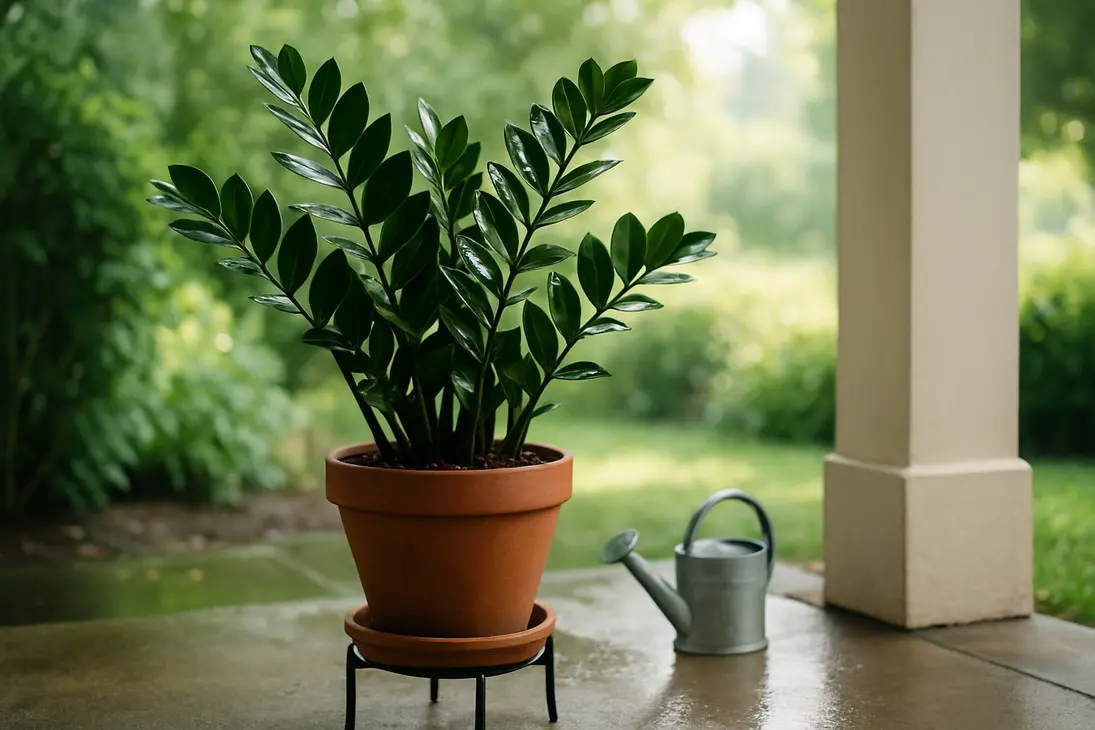
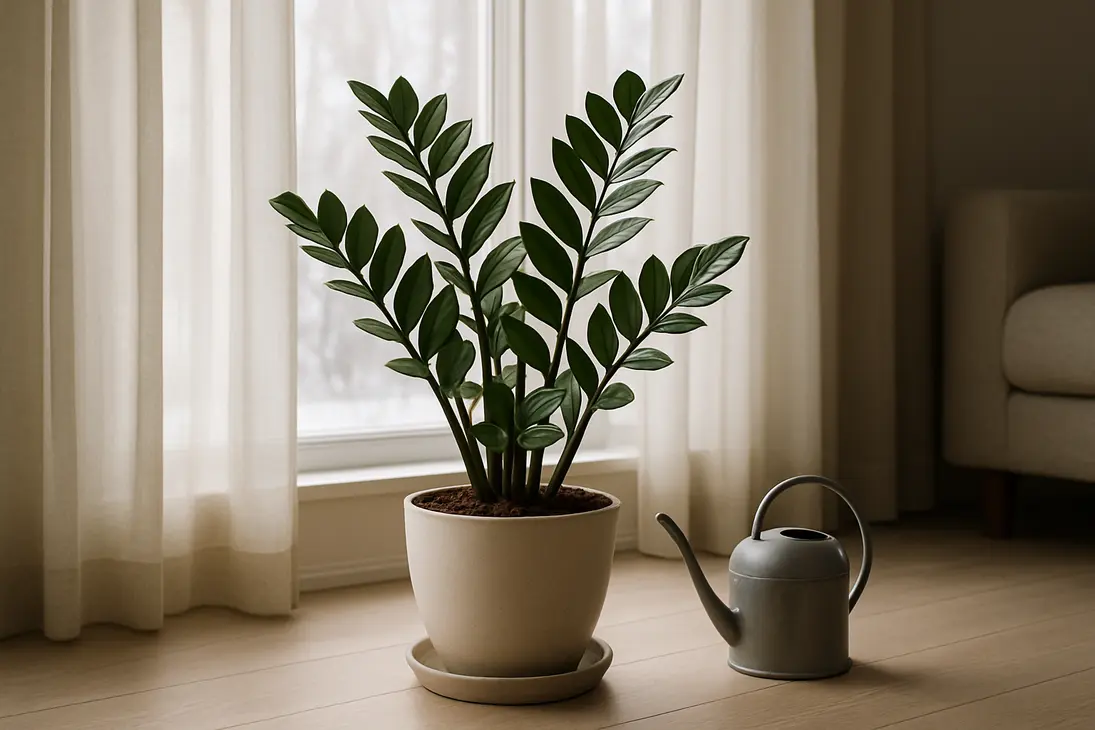
ZZ plants can grow in winter, but indoors, ZZ plants winter growth is usually slow, subtle, or completely paused. A healthy plant may go months without a new shoot, especially in a cool room or away from bright light. That alone is not a problem.
ZZ plants grow from thick underground rhizomes that store water and energy. During darker months, they conserve resources, use less water, and often rely on stored reserves instead of producing new leaves. In a warm home with bright indirect light, you may still see a new spear. In a dim or chilly room, visible growth may wait until spring.
The goal of winter care is not to force growth. It is to keep the roots, rhizomes, and existing stems healthy so the plant can resume active growth when light and warmth improve.
What “winter growth” typically looks like
Winter growth is usually modest. You might see:
- One pale green shoot emerging from the soil
- A new stem growing slowly
- Smaller leaflets in limited light
- A stem leaning toward the window
- New growth that starts light green, then darkens
ZZ plants grow in flushes, not constant daily movement. A plant may sit still for weeks, then send up one or two shoots. Mature plants in bright, warm spots are more likely to grow in winter, while recently repotted, divided, or propagated plants may focus on roots instead.
When no new growth is normal
No new growth is normal in winter if the plant otherwise looks healthy. Firm stems, glossy leaves, and stable color are good signs.
It is especially normal when:
- The plant is several feet from a window
- The room is cool at night
- Days are short and cloudy
- You live in a northern climate
- The plant was recently moved, repotted, or divided
- You have a slow cultivar, such as raven ZZ
A ZZ plant can be perfectly healthy while appearing inactive.
Why ZZ Plant Growth Slows in Winter
ZZ plants slow down in winter because indoor conditions change. Light is weaker, days are shorter, window areas are colder, and soil dries more slowly. These factors reduce the energy available for growth and increase the risk of overwatering.
Less light means slower photosynthesis
Light is the biggest reason for winter slowdown. ZZ plants tolerate low light, but tolerance is not the same as active growth. In dim conditions, they can survive for a long time while producing little or no new foliage.
A spot that was bright in summer may be much dimmer in winter. Plants placed across the room, behind blinds, or near shaded windows may stop growing until spring.
For better winter growth, provide bright, indirect light. Morning sun or filtered light near an east- or west-facing window often works well. Avoid suddenly moving a ZZ plant from deep shade into harsh direct sun, which can scorch leaves.
Cooler rooms slow root and rhizome activity
ZZ plants are tropical houseplants and prefer steady indoor warmth. Cool soil slows roots and rhizomes, so the plant takes up water more slowly.
This matters near windows, doors, and exterior walls. A room may feel comfortable during the day while the windowsill becomes much colder at night. Cold soil plus frequent watering is a common cause of winter stress.
Keep ZZ plants in normal household temperatures and away from cold drafts. They are not frost-tolerant. If a room regularly drops into the low 50s°F or below, the plant is unlikely to grow well and may decline.
ZZ plants are naturally slow growers year-round
Even in good conditions, ZZ plants are slow compared with pothos, philodendron, spider plants, and many other common houseplants. Their rhizomes store energy and send up shoots when conditions are favorable.
This slow habit makes ZZ plants forgiving, but it also means winter growth can be underwhelming. A small plant may take a long time to fill a pot, and a large plant may add only a few stems in a growing season.
How to Support Healthy ZZ Plant Growth in Winter
Winter care should support the plant without pushing it. More water and fertilizer will not make up for weak light and often cause more harm than good.
Place it in bright, indirect light
Move your ZZ plant to the brightest suitable winter spot you have. Near a window is usually better than a dark corner, as long as the plant is protected from cold glass and harsh direct sun.
Good options include:
- Near an east-facing window
- A few feet from a south- or west-facing window
- Near a bright window with sheer curtains
- Under a grow light in very dim homes
Rotate the pot every couple of weeks if stems lean toward the light. If the plant has been in a very dim spot, increase light gradually.
A grow light is optional. It can help maintain steadier growth, but a ZZ plant can also rest until spring.
Water less often and avoid soggy soil
ZZ plants use less water in winter. Lower light, cooler soil, and slower growth mean the potting mix stays wet longer. Watering on a summer schedule is one of the easiest ways to damage a ZZ plant.
Do not water by the calendar. Let the soil dry thoroughly first. In many homes, winter watering may be every three to six weeks, but timing depends on pot size, soil mix, temperature, light, and humidity.
Before watering, check:
- Are the top several inches of soil dry?
- Does the pot feel lighter than after watering?
- Are the stems firm, not shriveled?
- Is the plant in enough light to use water?
When watering, soak the soil until excess drains out, then empty the saucer. Deep, infrequent watering is usually better than small sips every few days.
Keep it away from cold drafts and heaters
ZZ plants dislike cold drafts and direct heat. Avoid placing them against cold glass, beside frequently opened doors, in unheated sunrooms on cold nights, or directly next to radiators and hot air vents.
A stable location is best. ZZ plants tolerate average indoor humidity, so you usually do not need a humidifier just for them. Warmth, light, and careful watering matter more.
Pause or reduce fertilizer until active growth returns
ZZ plants do not need much fertilizer, and winter is usually the wrong time to feed heavily. If the plant is not producing new growth, it will not use nutrients efficiently. Extra fertilizer can build up in the soil and stress roots.
For most homes, pause fertilizing in winter. If your ZZ plant is in a bright, warm location and actively producing new shoots, feed lightly with a diluted balanced houseplant fertilizer.
Do not use fertilizer to “fix” no winter growth. If the plant lacks light or warmth, feeding will not solve the problem.
Use well-draining soil and a pot with drainage
Good drainage is important all year, but especially in winter. ZZ rhizomes store water, which helps the plant handle dry spells. Those same tissues can rot if the mix stays wet too long.
Use a pot with drainage holes. If using a decorative cachepot, make sure the inner pot drains freely and remove standing water after watering.
A well-draining mix should hold some moisture while allowing air around the roots. Standard indoor potting mix can work if it does not stay soggy, but adding perlite, pumice, orchid bark, or a cactus-style amendment can help.
If the plant is in dense soil that remains wet for weeks, winter problems are more likely. For routine repotting, wait until spring unless you suspect rot.
Winter ZZ Plant Problems to Watch For
A winter pause is normal. Decline is different. Check leaf color, stem firmness, soil moisture, and recent changes in care.
| Symptom | Most likely cause | What to do |
|---|---|---|
| No new growth, green leaves, firm stems | Normal winter slowdown | Keep care steady |
| Yellow leaves with wet soil | Overwatering or poor drainage | Let soil dry and reduce watering |
| Mushy stems or soft rhizomes | Possible rot | Unpot and inspect |
| Long, leaning stems | Low or one-sided light | Move brighter and rotate |
| Drooping after cold exposure | Cold stress | Move to a warmer spot |
| Wrinkled stems with bone-dry soil | Underwatering | Water thoroughly |
Yellow leaves or mushy stems from overwatering
Overwatering is the biggest winter risk for ZZ plants. Yellowing leaves, soft stems, sour-smelling soil, fungus gnats, or a pot that stays wet for weeks can all point to excess moisture.
One older yellow leaf is not always alarming. Several yellowing stems with wet soil are more serious.
If you suspect overwatering:
- Stop watering.
- Check whether the soil is wet or sour-smelling.
- Slide the plant from the pot if stems feel soft.
- Remove mushy, blackened, or foul-smelling roots or rhizomes.
- Repot into fresh, well-draining mix if rot is present.
- Water less often afterward.
Do not fertilize a stressed, overwatered ZZ plant. Let it recover first.
Leggy or leaning growth from low light
ZZ plants tolerate low light, but winter darkness can still cause stretching. New stems may lean, grow thin, or point toward the nearest window.
Some arching is normal as ZZ stems mature. But if the whole plant reaches in one direction, light is likely uneven or too weak.
Move the plant closer to a bright window, rotate the pot regularly, and consider a grow light if natural light is very limited. Pruning will not make a leaning stem stand upright again, but better light can improve future growth.
Drooping or collapsing stems from stress
Drooping can come from different causes. Soil condition is the best clue.
Wet soil plus soft stems suggests overwatering or rot. Bone-dry soil plus wrinkled stems suggests dehydration. Sudden drooping after a cold night, repotting, or physical damage points to stress.
If a stem collapses at the base, gently check the nearby rhizome. Firm tissue is reassuring. Mushy tissue usually means rot.
Also consider pot stability. A top-heavy ZZ plant may lean or tip even when healthy. A heavier outer pot can help, but do not let water collect inside it.
No growth despite healthy leaves and firm stems
This is the most common winter concern, and often it is not a problem. If leaves are green, stems are firm, and the soil is not soggy, the plant is likely conserving energy.
Avoid repeatedly changing care for a healthy resting plant. Constant moving, watering, repotting, pruning, and fertilizing can create stress.
For an inactive but healthy ZZ plant, provide bright indirect light, stable warmth, thorough drying between waterings, little or no fertilizer, and patience until spring.
When ZZ Plants Start Growing Again
Most ZZ plants show more noticeable growth in spring or early summer. Timing depends on your home, climate, window exposure, and plant health. Some wake up in March or April; others wait until late spring.
Longer days, stronger light, and warmer soil help increase root and rhizome activity.
Signs your ZZ plant is entering active growth
Signs include:
- A pointed green shoot emerging from the soil
- Existing new growth expanding faster
- Soil drying a little more quickly
- Brighter green new leaflets
- Multiple new stems over a few weeks
New ZZ shoots often emerge as tight, upright spears before the leaflets open. They may be lighter green than older leaves at first.
Once growth begins, keep care steady. The plant may need water slightly more often, but it still should not sit in constantly wet soil.
When to restart fertilizing or repotting
Restart fertilizing when you see active growth and brighter conditions have returned. Use a diluted balanced houseplant fertilizer. ZZ plants are light feeders, so more is not better.
Spring and early summer are also the best times to repot if needed. Repot when:
- Roots or rhizomes crowd the pot
- The pot dries extremely fast during active growth
- The plant is top-heavy and unstable
- The soil has broken down
- Rhizomes are distorting or cracking the pot
Choose a pot only slightly larger than the current one. An oversized pot holds extra wet soil and can increase rot risk. If the plant is healthy and only slow-growing, repotting is not urgent.
Conclusion
ZZ plants may grow a little in winter, especially in warm rooms with bright indirect light, but slow or stopped growth is normal. Lower light, cooler temperatures, slower water use, and the plant’s naturally slow growth habit all contribute to the pause.
Give your ZZ plant bright indirect light, keep it warm and away from drafts, let the soil dry well between waterings, and avoid heavy fertilizer. Watch for warning signs such as yellowing in wet soil, mushy stems, or cold damage, but do not worry about a healthy plant that simply looks unchanged.
With steady winter care, most ZZ plants resume visible growth in spring or early summer.
FAQ
Is it normal for a ZZ plant not to grow in winter?
Yes. If the leaves are green, stems are firm, and the soil is not staying soggy, the plant is likely resting. ZZ plants are slow growers, and winter often slows them further.
Should I fertilize my ZZ plant during winter?
Usually, no. Pause fertilizer unless the plant is in a bright, warm spot and actively producing new growth. Fertilizer will not force growth in low light and may stress roots.
How often should I water a ZZ plant in winter?
Water only after the soil has dried thoroughly. In many homes, that may be every three to six weeks, but it depends on pot size, soil mix, temperature, and light. Always check the soil first.
Can a ZZ plant survive a cold room in winter?
A ZZ plant can tolerate slightly cool indoor conditions, but it should not face frost, freezing temperatures, or repeated cold drafts. Prolonged temperatures near the low 50s°F or below can stress the plant, especially if the soil is damp.
You Might Also Like