Tomato Plant with Lots of Leaves but No Fruit: Causes and Fixes
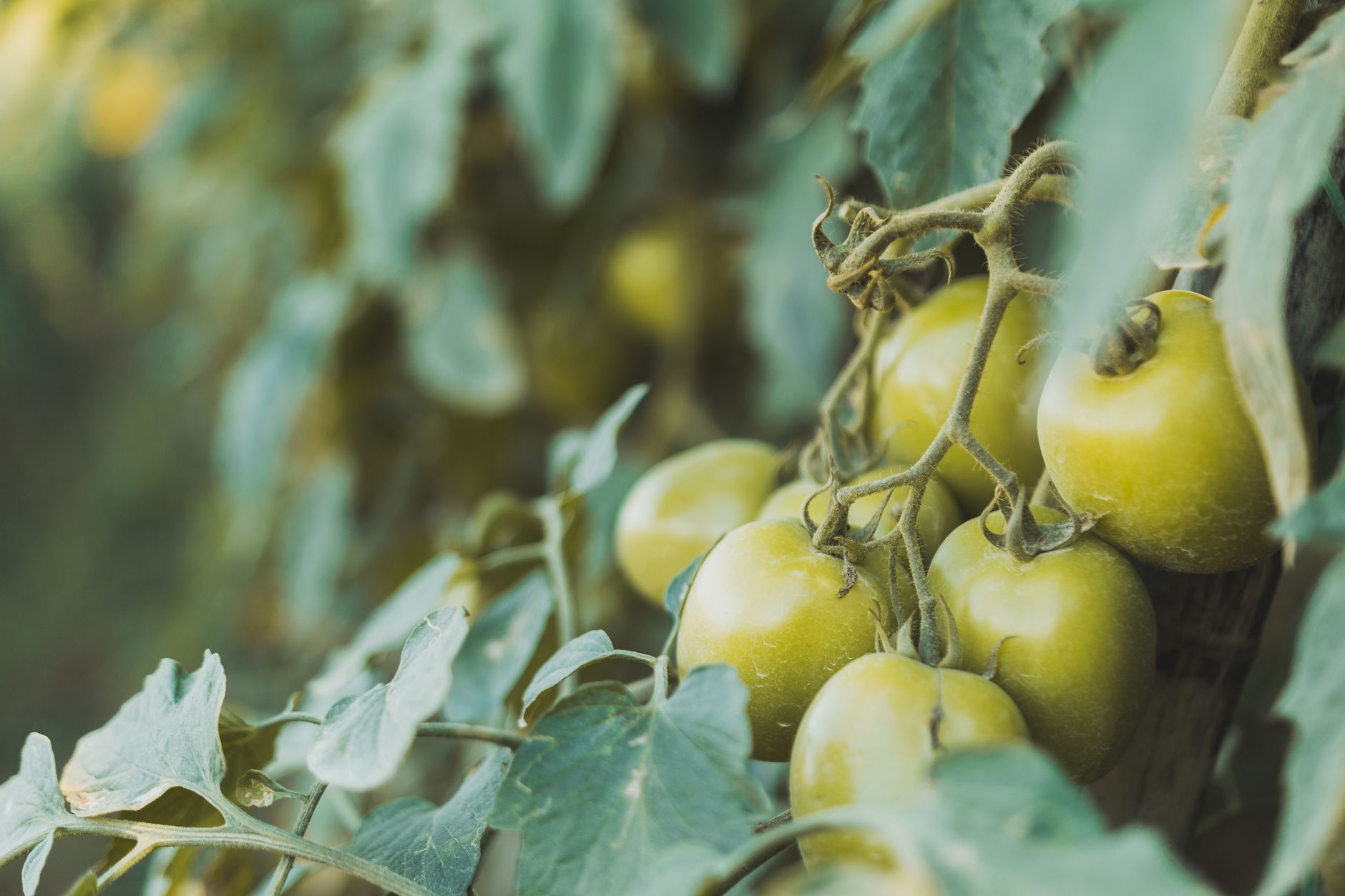
It’s frustrating to watch your tomato plant grow tall and lush while the harvest never shows up. Vigorous foliage does not guarantee fruit. A leafy tomato plant with no tomatoes is usually stuck at one of three stages: no flowers, blossom drop, or flowers that fail to swell. The first step is identifying where the process broke down.
The table below matches what you see with the most likely issue.
| What you see | Likely stage of failure | First things to check |
|---|---|---|
| Tall leafy plant with no flowers | Flower initiation delayed | Plant age, nitrogen, sunlight, temperature, variety |
| Flowers form, then flower stem yellows and drops | Blossom drop | Temperature, moisture stress, humidity, roots |
| Flowers stay but no tiny tomato develops | Pollination or pollen viability problem | Weather, flower dryness, wind or vibration |
| Tiny tomatoes form but stop growing or fall | Early fruit abortion | Water stress, root damage, plant health, fruit load |
Key Takeaways
- Diagnose the failure stage first: Inspect whether your plant has no flowers, blossom drop, flowers that never swell, or aborted young fruit. Each stage points to a different cause.
- Excess nitrogen delays flowering: Over-fertilizing with high-nitrogen products produces lush foliage at the expense of flowers. Stop feeding and test the soil.
- Temperature extremes disrupt fruit set: Daytime heat above 90°F, warm nights above 70°F, or cold below 55°F can damage pollen. Protect flowers with shade or covers.
- Poor pollination is fixable: Tomato flowers self-pollinate but need vibration. In calm conditions, gently tap dry flowers or use an electric toothbrush.
- Consistent moisture prevents blossom drop: Water based on soil moisture a few inches deep, not a fixed schedule, and mulch the root zone.
Why Is Your Tomato Plant Growing Leaves but No Fruit?
“All leaves, no fruit” is a symptom, not a diagnosis. The sections below cover common reasons in the order you should check them.
First Check: No Flowers, Blossom Drop, or Flowers but No Fruit?
Inspect your plant carefully. No flowers often points to nitrogen imbalance, insufficient light, or variety maturity. Blossom drop (yellowing flower stem) is triggered by temperature extremes or inconsistent watering. Flowers that stay but never swell indicate pollination or pollen viability issues—tomatoes self-pollinate but need vibration. Tiny tomatoes that stop growing and fall indicate fruit abortion from severe stress like water or root damage. Inspect several clusters; losing the first few flowers can be normal.
Too Much Nitrogen Produces Leaves Instead of Flowers
Excess nitrogen tells the plant to keep making stems and leaves instead of flowers. Signs: very dark green foliage, long internodes, huge bushy canopy, few flower clusters. Review your fertilizer habits—lawn fertilizer, high-nitrogen liquid feed, fresh manure, or multiple products. Stop adding any fertilizer for at least two weeks. A soil test is the best way to check levels. Resist adding bloom boosters without knowing if they are needed.
Heat, Cold, and Humidity Disrupt Tomato Fruit Set
Daytime temperatures above 90°F or below 55°F, and nights above 72°F, can prevent flower development and reduce pollen viability. High humidity makes pollen sticky; dry air desiccates the stigma. During a heat wave, maintain consistent moisture, shade roots with mulch, and protect flower clusters. The next cluster after temperatures moderate has a better chance.
Poor Pollination: Why Flowers Open but No Tomato Forms
Each tomato flower contains both male and female parts, but pollen must be released by vibration. In open gardens, wind and bees provide this. In greenhouses or calm weather, flowers may not be shaken enough. If flowers look healthy but never swell, hand-pollinate when flowers are dry: gently tap the stem or use an electric toothbrush briefly. Hand pollination only works if pollen is viable—extreme temperatures can kill it.
Inconsistent Watering and Root Stress Cause Blossom Drop
Alternating dry and wet soil stresses the plant and causes flower loss. Check moisture 3–4 inches deep; water when dry to the first knuckle. Add 2–3 inches of organic mulch around the base. For containers, ensure drainage and avoid dark pots in direct afternoon sun. Consistent watering will help the next cluster.
Not Enough Sun, Crowding, or Disease Limits Reproduction
Tomatoes need 6–8 hours of direct sunlight daily. Signs of low light: leggy stems, pale foliage, few flowers. Move container plants gradually to a sunnier spot. Avoid crowding—space plants and remove only leaves touching soil, yellow, dead, or diseased. For disease symptoms (leaf spots, wilting despite good moisture), contact your local Extension office.
How to Get Your Tomato Plant to Produce Fruit
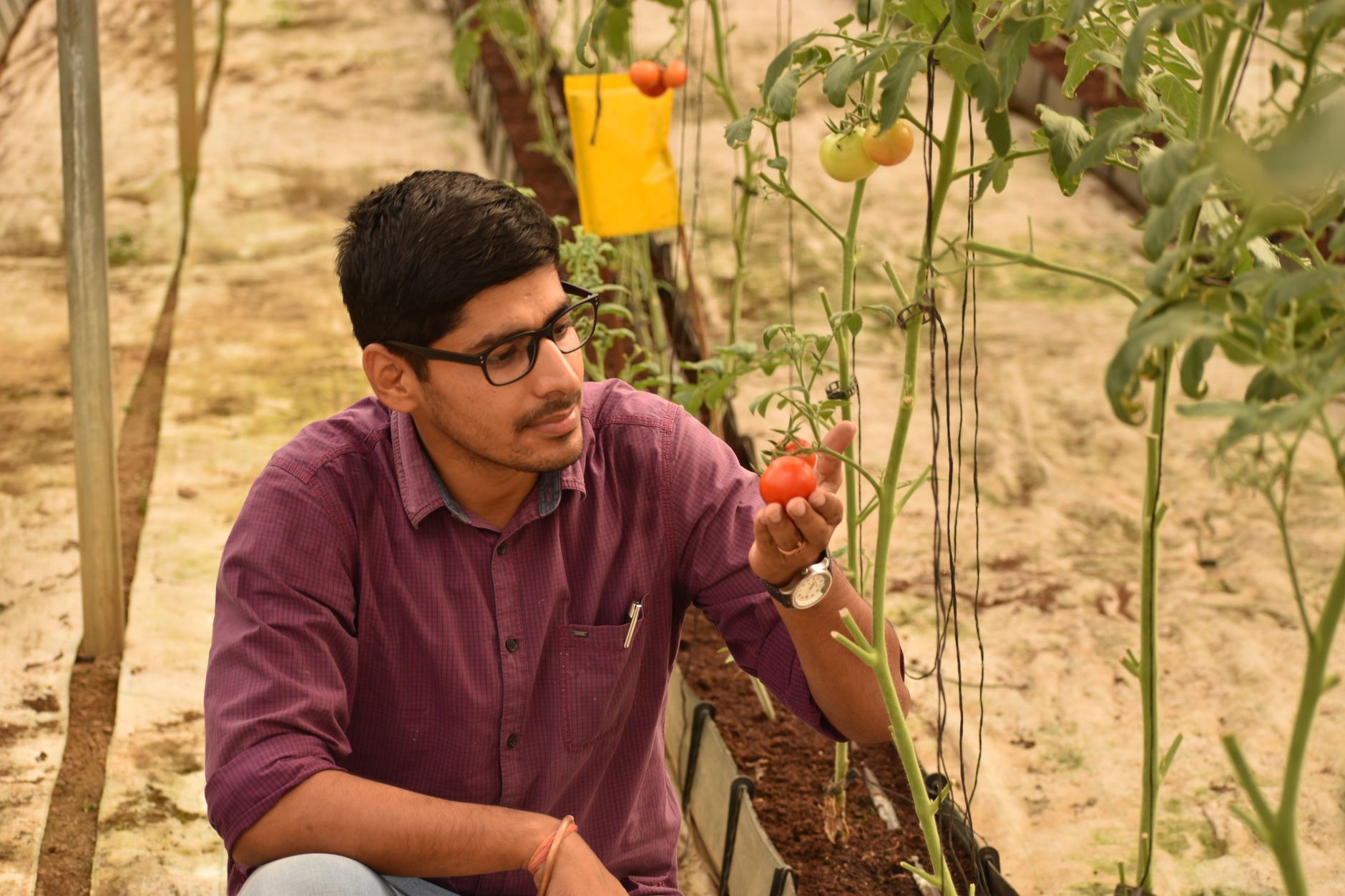
The fixes below are in the order to try. Remember, damaged flowers won’t recover—you’re protecting the next cluster.
| Problem found | Do this first | Avoid this |
|---|---|---|
| Possible excess nitrogen | Stop feeding and review all nutrient sources | Adding bone meal or bloom booster without a soil test |
| Flowers dropping during heat | Maintain steady moisture and protect from peak heat | Overwatering or repeatedly vibrating damaged flowers |
| Flowers present in sheltered location | Vibrate dry flower clusters gently | Pulling flowers apart or transferring pollen |
| Soil alternates between dry and wet | Correct watering frequency and add mulch | Following a rigid daily schedule |
| Plant is crowded | Improve support and selectively remove problem growth | Removing most healthy leaves |
| Container is undersized | Correct root-zone volume, water, and support | Compensating with concentrated fertilizer |
Stop Excess Nitrogen and Test the Soil Before Changing Fertilizer
Stop adding any nitrogen source for two weeks. Review all inputs—granular fertilizer, liquid feed, compost, manure. Check fertilizer labels: “all-purpose” or “lawn food” often has high nitrogen. A soil test is the only reliable way to know levels. Excess nitrogen cannot be flushed out; just stop feeding and wait for the plant to use it up. Resume with balanced fertilizer once flowering improves.
Stabilize Moisture and Protect the Root Zone
Check soil 3–4 inches deep. If dry, water deeply. Then wait until the top inch dries before watering again. Add 2–3 inches of organic mulch, keeping it away from the stem. For containers, ensure drainage and consider wrapping dark pots or moving to afternoon shade. Watch new flower clusters after adjusting watering.
Protect New Flowers From Temperature Stress
During a heat wave: keep soil consistently moist, apply mulch, provide temporary shade (still let in 6 hours of light), and do not fertilize. During a cool spell: cover plants if frost threatens, remove covers daily. Wait for night temperatures above 55°F before expecting new flowers to set. For future seasons, plant heat-tolerant or short-season varieties.
Hand-Pollinate Tomato Flowers at the Right Time
Choose fully open, bright yellow flowers when dry (mid-morning). Gently tap the flower cluster or touch with an electric toothbrush on low vibration. Do not tear the flower. Repeat every couple of days as new flowers open. Look for a small green swelling behind the flower after a few days. Hand pollination only helps when pollen is viable—it won’t fix heat-damaged pollen.
Improve Sunlight, Support, Spacing, and Airflow
Ensure 6–8 hours of direct light; move containers gradually. Secure tall plants to sturdy supports. Remove only leaves touching soil, yellow, dead, or diseased, plus dense suckers that block airflow. Keep most healthy leaves. If crowded by other plants, consider removing a less productive neighbor.
Avoid Quick Fixes That Can Make Fruiting Worse
- Don’t remove most leaves—they produce energy for fruit.
- Don’t add phosphorus without a soil test.
- Don’t water on a fixed schedule; water based on soil moisture.
- Don’t remove all suckers from determinate varieties.
- Don’t assume you need a second tomato plant—they are self-pollinating.
- Don’t rely on hand pollination if heat has killed pollen.
Pruning, Containers, Variety, and Timing
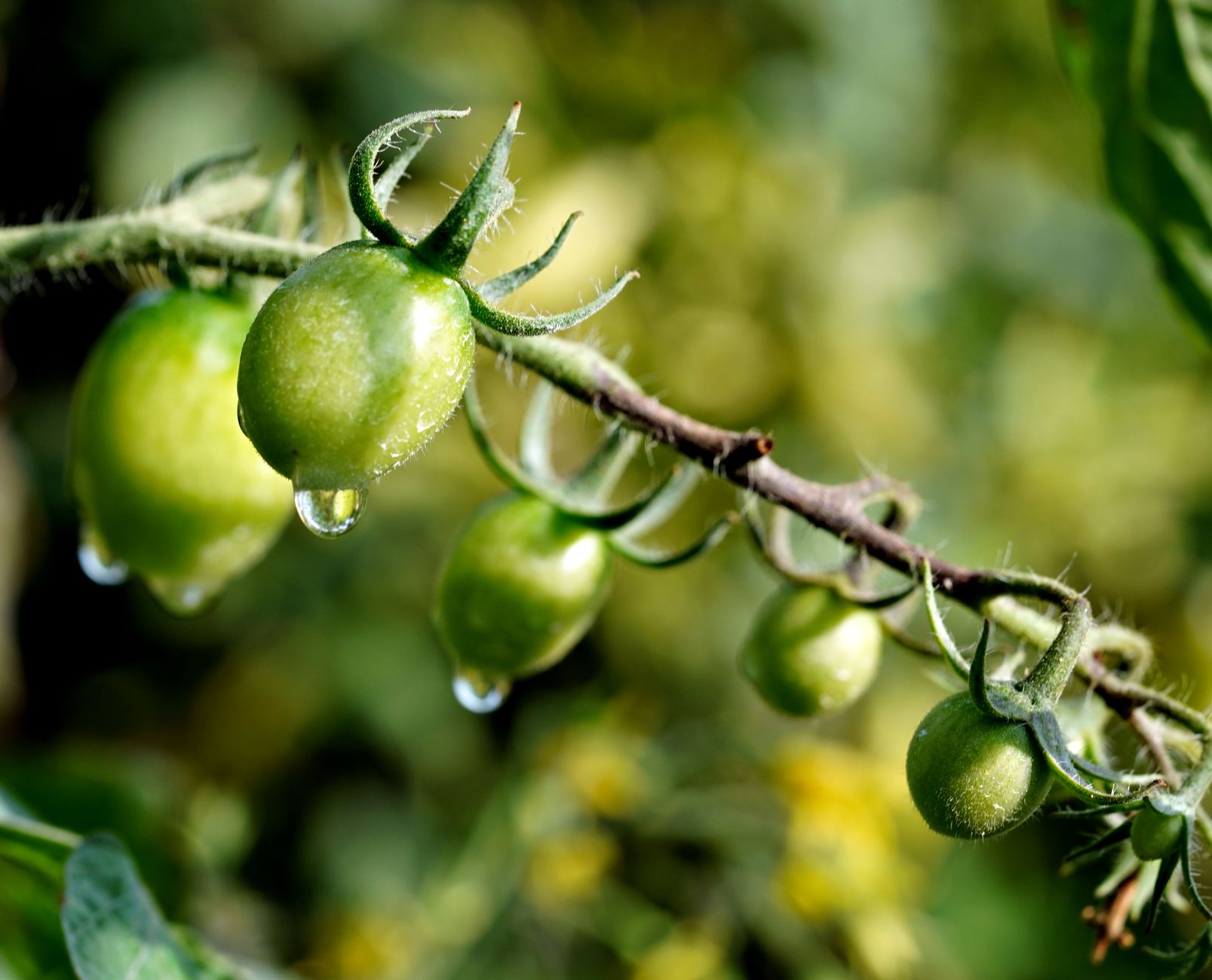
Sometimes the issue is simpler: growth habit, container size, or variety timeline.
Should You Prune a Leafy Tomato Plant?
Selective pruning helps only in certain situations. Know the difference between leaf, sucker, flower cluster, and main stem. Remove only diseased, dead, or yellowing leaves; leaves touching soil; growth that blocks airflow. For indeterminate varieties, you can remove some lower suckers but not all. For determinate varieties, leave suckers—they produce fruit. Avoid heavy pruning during hot weather.
Determinate vs. Indeterminate Tomatoes
| Feature | Determinate | Indeterminate |
|---|---|---|
| Growth habit | Reaches limited size | Continues growing until weather ends season |
| Flower/fruit pattern | Concentrated crop | Continuous along growth |
| Pruning | Minimal; preserve fruiting side shoots | Optional selective pruning |
| Main risk of over-pruning | Removing potential fruiting growth | Reducing leaf area and future flower sites |
| Best use | Containers, compact gardens | Trellises, longer harvest |
If you have a tall leafy indeterminate plant still producing flower clusters, that may be normal—check the seed packet.
Why Container Tomatoes Grow Leaves but No Fruit
Check: container size (minimum 5 gallons for full-size varieties); drainage; root congestion; watering frequency (small pots may need twice daily in heat); fertilizer history (high-nitrogen liquid feed); variety (choose compact determinate for containers). If repotting would damage roots, focus on careful watering and afternoon shade.
Days to Maturity: When No Fruit Is Still Normal
Factors that delay flowering: cool soil after transplanting, transplant shock, cloudy weather, extreme temperatures, root restriction, large-fruited varieties. Check expected days from transplant to first ripe fruit. If within that window and plant looks healthy, wait. Look for small flower buds.
Large Heirlooms vs. Cherry and Heat-Tolerant Varieties
Small-fruited types (cherry, grape) are quicker and more resilient to temperature swings. Large beefsteak and many heirlooms are more sensitive. For future seasons, choose varieties matched to your climate. For current plant, if late-maturing heirloom and frost is near, harvest green tomatoes and ripen indoors.
When to Wait and When the Plant Is Unlikely to Recover
Signs of possible recovery: green flexible stems, healthy new growth, no root rot, new flowers forming, recent stress was temporary, enough season left.
Signs to replace plant: persistent wilting despite moisture, brown stems, extensive rot, widespread disease, no new growth for two weeks, too little season left.
If you replace, note what went wrong. If you wait, provide consistent care and watch new clusters.
Conclusion
A tomato plant with abundant leaves and no fruit is often fixable once you identify the failure point. Remember: no flowers, blossom drop, or flowers with no fruit set. Common causes: excess nitrogen, unsuitable temperature, poor pollination, moisture/root stress. Troubleshooting order: inspect flowers, review fertilizer, check weather and night temps, assess root-zone moisture, correct controllable stresses, watch next cluster. Resist removing leaves or adding bloom fertilizer as first response. Most healthy plants can recover with the right conditions.
FAQ
Why Does My Tomato Plant Have Flowers but No Fruit?
Likely causes: unsuitable temperature, poor pollen release, humidity, or inconsistent watering. Flowers dropping soon after opening is blossom drop. Flowers that stay but never swell indicate pollination or pollen viability issues. Hand pollination helps but not if pollen is dead from extreme temperatures. Refer to the diagnostic table.
How Do I Encourage My Tomato Plant to Produce Fruit?
Diagnose first—don’t guess. Stop adding nitrogen if foliage is lush. Maintain consistent moisture and mulch. Ensure 6–8 hours of direct sun. Protect flowers from temperature extremes. Hand-pollinate dry flowers if sheltered. Don’t use bloom booster without a soil test. Judge progress by new flower clusters.
Should I Remove Leaves or Suckers From a Tomato Plant With No Fruit?
Remove only diseased, dead, soil-touching, or airflow-blocking leaves. Leave most healthy leaves. On determinate plants, leave all suckers. On indeterminate, selectively remove lower suckers if dense, but not all. Avoid heavy pruning in hot weather.
How Long After Flowers Appear Should Tomatoes Start Forming?
After successful pollination, petals fade and a small green swelling appears within a few days. Time to ripe fruit varies: cherry types 55–65 days, beefsteak 80–90 days or more from transplant. Look for the swelling ovary rather than waiting for ripe fruit.
Sources
- University of Minnesota Extension. (2023). Tomato [Fact sheet].
- Penn State Extension. (2023). Tomato Production [Fact sheet].
- North Carolina State Extension. (2023). Tomato Production [Fact sheet].
- University of Missouri Extension. (2023). Growing Tomatoes [Fact sheet].
- Oregon State University Extension. (2023). Growing Tomatoes in Home Gardens [Fact sheet].
You Might Also Like