How Do Professionals Water Plants Less Often Without Damaging Them?
Professionals water less often by making each watering count. They check the root zone, water deeply and evenly, then let the soil partially dry so roots can take in oxygen. The goal is not to follow a calendar but to respond to the plant, soil, container, and weather.
Healthy nurseries, greenhouses, and landscapes are often not watered daily. Their soil or potting mix holds moisture properly, plants with similar needs are grouped together, and water is applied where roots can use it. Just as important, professionals avoid adding water to soil that is already damp.
Professional Watering Starts With Soil Moisture, Not a Fixed Schedule
Plants do not use water on a fixed schedule. A pot in sun may dry in two days during warm weather and take a week in cool, cloudy conditions. A shrub in sandy soil may need frequent water, while the same shrub in clay may stay wet too long.
Professional watering starts with one question: is the root zone dry enough to need water? Not the surface alone, not the day of the week, and not whether the plant was watered yesterday.
Why “water every day” often causes damage
Daily watering often keeps soil too wet. When pore spaces fill with water, roots lose access to oxygen. Stressed roots stop functioning well and may rot, causing yellowing, wilting, weak growth, or leaf drop.
Frequent shallow watering also encourages shallow roots. In garden beds, this makes plants less resilient during heat and dry spells. In pots, the lower mix can stay soggy even when the surface looks dry.
This is why professionals check before watering again. A wilted or yellow plant may be thirsty, but it may also be suffering from wet, poorly aerated soil.
How to tell when soil is actually ready for water
Professionals use several quick checks:
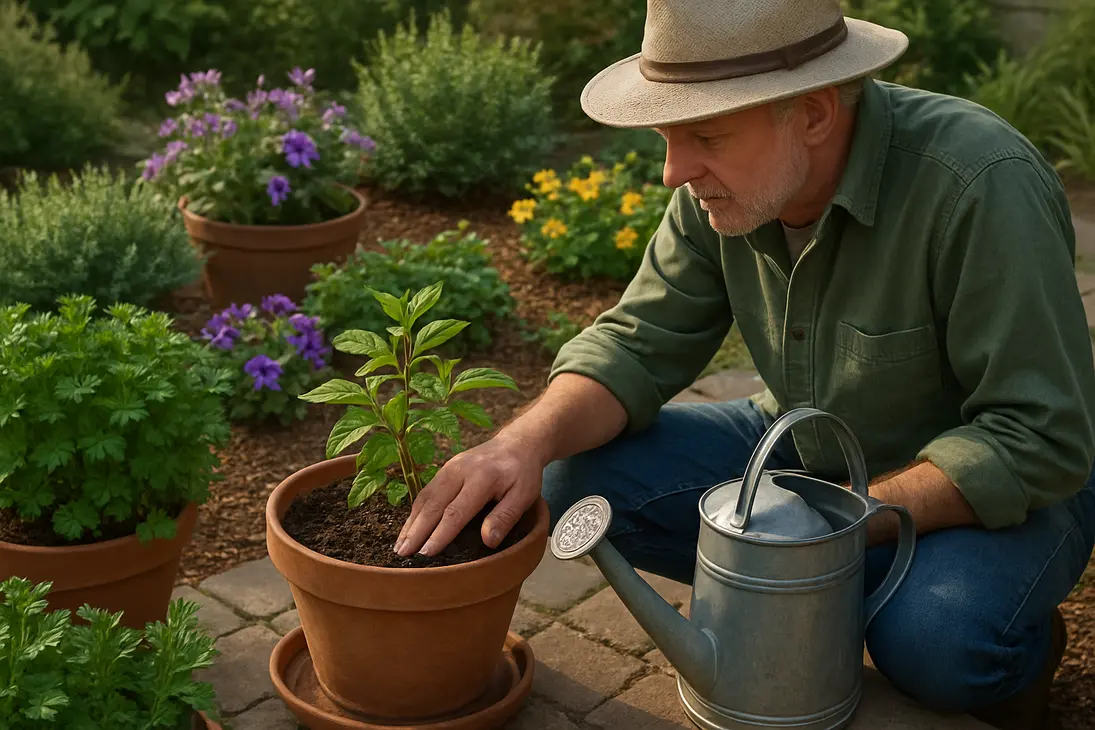
The finger test: Push a finger into the soil. For small indoor pots, check 1–2 inches deep. For larger pots or beds, check deeper. If it is still cool and damp at root depth, wait.
Pot weight: Lift a pot after thorough watering, then again when it is ready for water. With practice, the difference is obvious.
Moisture meters: These can help with large containers, but use them as a guide. Dense soil, salt buildup, or poor contact can affect readings.
Visual cues: Dry soil may look lighter, pull from the pot edge, or feel crumbly. Some plants lose firmness when dry. However, visual signs can mislead, especially when root rot causes wilting in wet soil.
A professional habit is simple: check soil before picking up the watering can.
Water Deeply, Then Let the Soil Breathe
The usual professional pattern is: water thoroughly, then allow an appropriate drying interval. This wets the root zone while preserving air between waterings.
The timing varies by plant and conditions, but the principle is consistent. A deep soaking is usually more useful than a quick surface sprinkle.
Deep watering vs. frequent shallow watering
Shallow watering wets the top layer but may not reach active roots. In beds, plants become dependent on frequent top-ups. In pots, the surface may look wet while the root ball stays dry, especially if the mix has become hydrophobic.
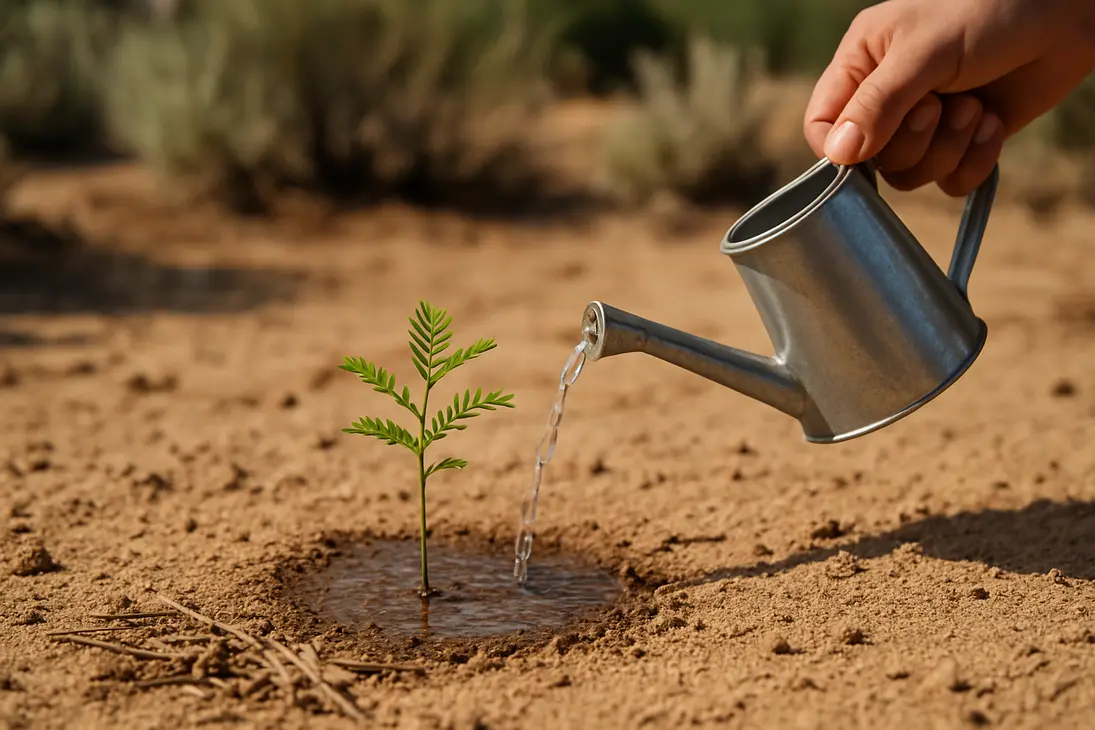
Deep watering means applying water slowly enough to soak in. For pots, water until excess drains from the bottom, then empty saucers after drainage. For beds, water long enough to moisten several inches down and check with a trowel if needed.
Dry potting mix often benefits from two passes: moisten the surface, wait briefly, then water again until drainage occurs. This helps water absorb instead of channeling down the sides.
Why roots need air between waterings
Healthy soil holds both water and air. After watering, excess water drains away. As soil dries, oxygen returns to pore spaces, supporting root function.
If soil never breathes, roots decline and the top growth may wilt, yellow, drop leaves, or grow weakly. These symptoms are often mistaken for thirst, leading to more watering and more damage.
This does not mean every plant should become bone dry. Ferns, vegetables, many tropicals, and newly planted trees dislike severe drying. Succulents, cacti, Mediterranean herbs, and many drought-adapted perennials prefer a stronger dry period. Match the drying interval to the plant.
When new or establishing plants need more frequent checks
New plantings need closer monitoring because their roots have not spread into surrounding soil. A new shrub’s root ball can dry faster than the bed around it. Newly planted annuals, vegetables, trees, roses, and perennials all need attention during establishment.
That does not automatically mean daily watering. It means checking often. In hot, windy weather, a new planting may need water every day or two at first. In cool, cloudy weather or heavy soil, it may not.
Match Watering Frequency to Soil Type, Plant Type, and Conditions
Professionals water less often because they adjust to conditions. The same routine will not work for every soil, plant, container, or season.
Sandy soil dries faster
Sandy soil drains quickly and does not hold water long. Plants in sandy soil usually need more frequent watering unless the soil has been improved with compost or other organic matter.
Deep watering matters because light sprinkling disappears quickly. Mulch helps slow evaporation and reduce temperature swings. Drought-tolerant plants often do well in sandy soil once established, while thirsty plants need more support.
Clay soil holds water longer
Clay soil holds water much longer, which can help during dry spells but also increases over-watering risk. In clay, watering less often is usually better than watering lightly and frequently.
Slow watering is best. Dry clay can repel water at first, while wet clay can stay saturated. Apply water gradually so it soaks in instead of running off. Compost can improve structure over time, but avoid working clay when very wet because it compacts easily.
Containers dry differently than garden beds
Containers have limited soil volume and are exposed to air and heat on all sides. Small pots may dry rapidly, while large pots can stay wet deep down even when the surface looks dry.
Pot material matters. Terracotta dries faster than plastic, glazed ceramic, or metal. Dark pots heat more in sun. Hanging baskets dry quickly because they are exposed to wind and have little mix.
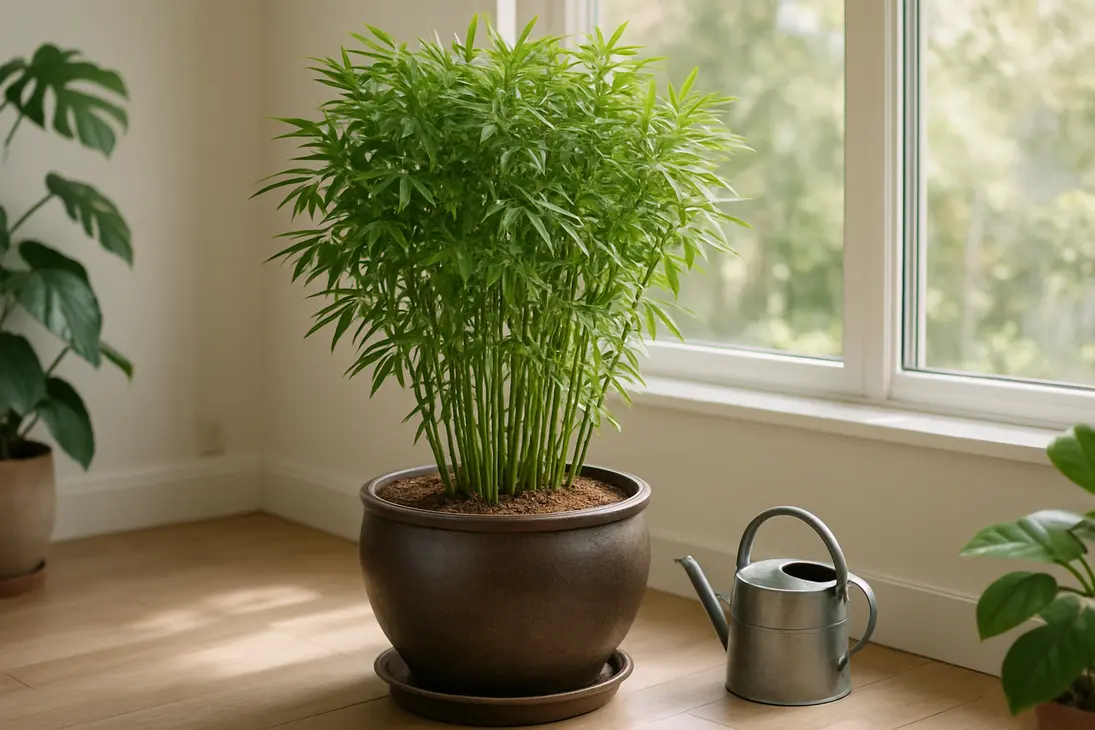
Choosing the right container size can reduce watering frequency. A slightly larger pot with drainage and suitable mix usually dries less quickly than a cramped pot. But a very large pot for a small-rooted plant can stay wet too long.
Drought-tolerant plants vs. thirsty plants
A lavender, jade plant, rosemary, or ornamental grass should not be watered like a hydrangea, basil, fern, or tomato.
Drought-tolerant plants often tolerate dry intervals and may be harmed by constant moisture. Thirstier plants, including many vegetables, leafy annuals, tropical houseplants, and moisture-loving perennials, need more consistent moisture. Even then, consistent moisture means avoiding extreme drying, not keeping soil soggy.
Weather changes the interval. Heat, wind, low humidity, full sun, and active growth increase water use. Cool temperatures, shade, humidity, rain, and dormancy reduce it.
Techniques Professionals Use to Water Less Often
Watering less often is not only restraint. It also means setting up soil, pots, and irrigation so moisture lasts without suffocating roots.
Mulch to slow evaporation
Mulch reduces evaporation, moderates soil temperature, and prevents crusting. Organic options include shredded bark, leaves, straw, pine needles, compost, and wood chips.
In beds, keep mulch slightly away from stems, crowns, and trunks. Piling it against bark or crowns can trap moisture and encourage disease. A moderate layer is usually enough.
Large outdoor containers can also benefit from light mulch, such as bark or gravel, as long as you can still check soil moisture underneath.
Compost and organic matter to improve water retention
Compost helps sandy soil hold more water and helps clay soil develop better structure. Over time, healthier soil lets roots explore more freely and access moisture more evenly.
This is a long-term improvement. Professionals build soil over seasons with compost, leaf mold, mulch, cover crops, and reduced disturbance.
For containers, use quality potting mix rather than garden soil. If a mix dries too fast, moisture-retentive ingredients may help. If it stays wet too long, the plant may need a freer-draining mix.
Drip irrigation and slow soaking
Drip irrigation, soaker hoses, and slow watering systems deliver water near roots with less evaporation and runoff. They are common in professional landscapes because they can water deeply without soaking foliage.
The system still needs management. A timer can over-water if it runs too often. Professionals adjust irrigation for season, rainfall, heat, and plant growth.
For trees and shrubs, slow soaking is usually better than blasting with a hose. For vegetables and annuals, drip lines under mulch keep moisture steadier and reduce leaf wetness.
Self-watering pots and reservoirs
Self-watering containers reduce watering frequency by storing water in a reservoir that the mix draws from. They are useful for thirsty plants, balcony containers, summer annuals, and travel.
They are not ideal for every plant. Succulents, cacti, and plants that need a dry period may suffer if the lower mix stays wet. Reservoirs also need cleaning and should not stay full in cool, low-light periods when plants use little water.
Grouping plants by water needs
Professionals group plants with similar water needs, often called hydrozoning. This makes watering more efficient and prevents one plant from being over-watered to satisfy another.
Mediterranean herbs such as rosemary, thyme, and sage fit a drier zone. Basil, parsley, and cilantro need more moisture. Indoors, keep thirsty tropicals together and succulents in a brighter, drier area where they will not be watered by mistake.
Avoiding Common Watering Mistakes
Many problems come from watering before diagnosing. Wilting, yellowing, browning, and leaf drop can be caused by too little water, too much water, poor drainage, heat, cold, pests, light stress, or fertilizer damage.
Signs of over-watering
Over-watered plants may show:
- Yellowing lower leaves
- Wilting while soil is wet
- Soft stems or crowns
- Fungus gnats
- Sour-smelling soil
- Green leaves dropping
- Slow growth despite frequent watering
- Brown, black, or mushy roots
The confusing part is that over-watered plants can look thirsty because damaged roots cannot absorb water. If the soil is wet, more water is not the answer.
Signs of under-watering
Under-watered plants may show:
- Dry soil pulling from the pot edge
- Crisp brown leaf edges
- Drooping that improves after watering
- Lightweight pots
- Dull, curled, or limp leaves
- Flower or fruit drop during dry spells
Severely dry potting mix may shrink and let water run down the sides. Water slowly in repeated passes or briefly soak the pot until the root ball rehydrates, then drain thoroughly.
Why fertilizer should not replace proper watering
Fertilizer and water solve different problems. Fertilizer supplies nutrients; water supports transport, cooling, and growth. Feeding a stressed plant can worsen damage if the real problem is drought, over-watering, root injury, heat, or poor drainage.
If a plant looks stressed, check moisture, drainage, light, temperature, and recent feeding before adding fertilizer. Use fertilizer according to the plant’s growth stage and product directions, not as a cure for every yellow leaf.
What to do if a plant has been over-watered
If you suspect over-watering:
- Check the soil depth. If the root zone is wet, stop watering.
- Improve drainage. Ensure pots have holes and are not sitting in water.
- Increase airflow and light if appropriate. Help soil dry without shocking the plant.
- Remove dead or rotting foliage. This lowers disease pressure.
- Inspect roots if decline continues. Healthy roots are firm and light; rotten roots are dark, mushy, and may smell bad.
- Repot if necessary. Use fresh, appropriate mix and trim clearly rotten roots.
- Resume watering only when ready. Let the soil dry to the right level for that plant.
In beds, stop irrigation, pull mulch back temporarily, redirect runoff, and improve drainage over time with organic matter and grading.
Conclusion
Professionals water less often because they do not water by habit. They check soil moisture, water deeply when the root zone needs it, and let soil breathe before watering again.
The interval depends on soil type, pot size, plant species, weather, sun, wind, and season. Sandy soil, small pots, heat, and thirsty plants shorten the interval. Clay soil, mulch, shade, larger root zones, and drought-tolerant plants lengthen it.
The best approach is simple: check before watering, soak thoroughly when needed, avoid constantly wet soil, and adjust as conditions change.
FAQ
How often should plants be watered professionally?
Professionals water when soil and plants indicate water is needed, not on a universal schedule. Some containers need daily water in heat, while established garden plants in moisture-holding soil may go much longer.
Is it better to water plants a little every day or deeply less often?
For most plants, deep watering less often is better. It moistens the root zone and allows oxygen to return between waterings. Seedlings, new plantings, and moisture-loving plants may need more frequent checks.
How do I know if I am over-watering my plants?
A major warning sign is wilting, yellowing, or decline while soil is still wet. Fungus gnats, soft stems, leaf drop, sour soil, and mushy roots also suggest over-watering.
How can I keep plants watered while I am away?
Water thoroughly before leaving, move containers out of harsh afternoon sun if appropriate, add mulch, group pots together, and consider drip irrigation or self-watering pots. For longer trips, ask someone to check soil moisture instead of watering everything on a fixed schedule.
You Might Also Like