How to Keep House Plants Alive: Match the Plant to Your Home, Then Water by Need
Identify the plant, match it to your home’s light and temperature, ensure drainage and pot size, check moisture before watering, and diagnose changes. Start with one or two easy plants and build skills gradually. Most houseplant problems come from misjudging light or watering frequency.
Key Takeaways
- Match the plant to your home’s actual light and your habits. Light is critical; a succulent fails in dim corners just as a fern wilts in strong sun. Assess your windows before buying.
- Water by checking the root zone, not by calendar. Use finger test, pot weight, skewer; avoid fixed weekly schedule. Learn how dry each plant needs to be between waterings.
- Start with one or two plants suited to your space. Build slowly, inspect new plants, and keep records. A pothos or snake plant is far more forgiving than a calathea.
- Diagnose the pattern before choosing a fix. A yellow leaf may mean many things; change one variable at a time. Look at the whole plant, not just one symptom.
- Build a simple routine: dust leaves, check roots, adjust for seasons. Skip leaf-shine and complex kits. Weekly five-minute checks prevent most emergencies.
- Quarantine new plants for one to two weeks. Pests often hide; catching them early saves existing plants.
Start With the Plant, the Light, and the Root Zone
Before any care routine, record the plant’s identity, pot size, drainage, potting mix, distance from window, and moisture level. Choose a plant that forgives your most likely mistake: forgetfulness points to drought-tolerant species like snake plant, ZZ plant, or pothos; frequent watering suits plants needing even moisture like peace lily or spider plant. Light is the most misunderstood factor. Evaluate window direction, distance, obstructions, and seasonal angle. Direct light means visible sun rays; bright indirect light casts a distinct shadow 12 inches from the window; lower light slows growth. Acclimate plants gradually when moving to brighter spots. Use a pot with drainage holes—nursery pot inside a decorative container works best. Only move up slightly in pot size (one to two inches larger). Inspect new plants for pests and quarantine them for one to two weeks.
Identify the Plant Before Following a Care Schedule
Correct identification determines light, water, soil, and pest advice. Read the botanical name on the tag and note key leaf features. Image-identification apps can suggest names but verify with a university extension or nursery description. For example, “dwarf umbrella tree” may be Schefflera arboricola, needing bright indirect light—not low light. Spend five minutes searching the name plus “care” from a trusted source.
Choose a Plant That Forgives Your Most Likely Mistake
Beginner-friendly depends on your habits. Snake plant, ZZ plant, pothos, cast iron plant, spider plant, and heartleaf philodendron are common, but each has tradeoffs. Drought tolerance does not compensate for darkness; low-light tolerance means slower growth. Check pet toxicity from ASPCA. If your home is dry in winter, avoid ferns needing humidity. If you overwater, choose a succulent or snake plant.
Read Indoor Light Without Trusting Your Eyes Alone
Light intensity drops rapidly with distance from a window. Practical categories: direct light (sun rays on leaves for at least 4 hours), bright indirect (shadow on hand 12 inches away), medium indirect (shadow faint), low light (no shadow). Leggy growth, smaller leaves, and loss of variegation indicate insufficient light. Bleaching or crispy patches signal too much. A phone lux app can help confirm your instinct.
Acclimate Plants Before Making a Large Light Change
Increase exposure over one to two weeks when moving to a brighter spot. Start with one hour of direct morning sun, then increase gradually. Protect from freezing transport and direct outdoor sun in summer. Damaged leaves will not recover; judge recovery from healthy new growth.
Give Roots a Drainage Hole, the Right Pot Size, and an Aerated Mix
Use a pot with drainage holes; empty saucers after watering within 30 minutes. Choose a pot only slightly larger than the root ball (one to two inches wider). Use container potting mix, not garden soil. Terracotta dries faster than plastic—useful for succulents. Rocks in the bottom do not improve drainage; they raise the water table. A well-draining mix includes perlite, bark, or coarse sand.
Inspect and Quarantine New Plants
Check leaves, stems, soil surface, and drainage holes for pests: sticky residue, tiny webs, white fuzz, or moving dots. Isolate new plants for one to two weeks. Keep the original tag. Common hitchhikers: fungus gnats, spider mites, mealybugs, and scale.
Water the Root Zone by Need, Not by Calendar
Watering problems come from frequency, not amount per watering. Check plants on a schedule but water each only when the root zone needs it. Different plants require near-complete drying (succulents, snake plant), partial drying (pothos, philodendron), or even moisture (fern, peace lily). Calendars are starting points, not rules.
What Overwatering Really Means
Overwatering means roots stay wet too long—from watering too soon, low light, oversized pot, dense mix, or blocked drainage. Signs: consistently wet soil, yellow lower leaves, soft stems, sour smell, mushy roots. Water draining out is normal; the problem is repeating too soon. Test pot weight: a heavy pot after several days means soil is still saturated.
Decide When to Water With More Than One Signal
Use finger test at appropriate depth (one inch for small plants, two inches for larger pots), wooden skewer inserted to bottom, pot weight, mix color, and plant-specific cues like slight leaf droop. Moisture meters can help but do not override observation. Do not rely on “one-inch dry” for all plants—cacti need the entire root ball dry, ferns need the surface barely dry.
Water Thoroughly, Then Let Excess Water Leave
Apply water until it drains from the bottom hole, then empty the saucer after 15–30 minutes. Small sips wet only the top layer and encourage shallow roots. If soil repels water, water slowly in several passes or bottom-water. Occasional top watering flushes salts. Avoid leaving water in saucers for more than 30 minutes.
Adjust Watering as Light, Season, and Plant Size Change
Water use increases with stronger light, active growth, higher temperature, smaller pots, and porous pots. It decreases in winter, low light, larger pots, and after pruning. Many plants need half as often in winter. Check soil moisture before watering—if still damp after seven days, wait longer. Mark your calendar with “check moisture” rather than “water.”
Keep Houseplants Alive While You Are Away
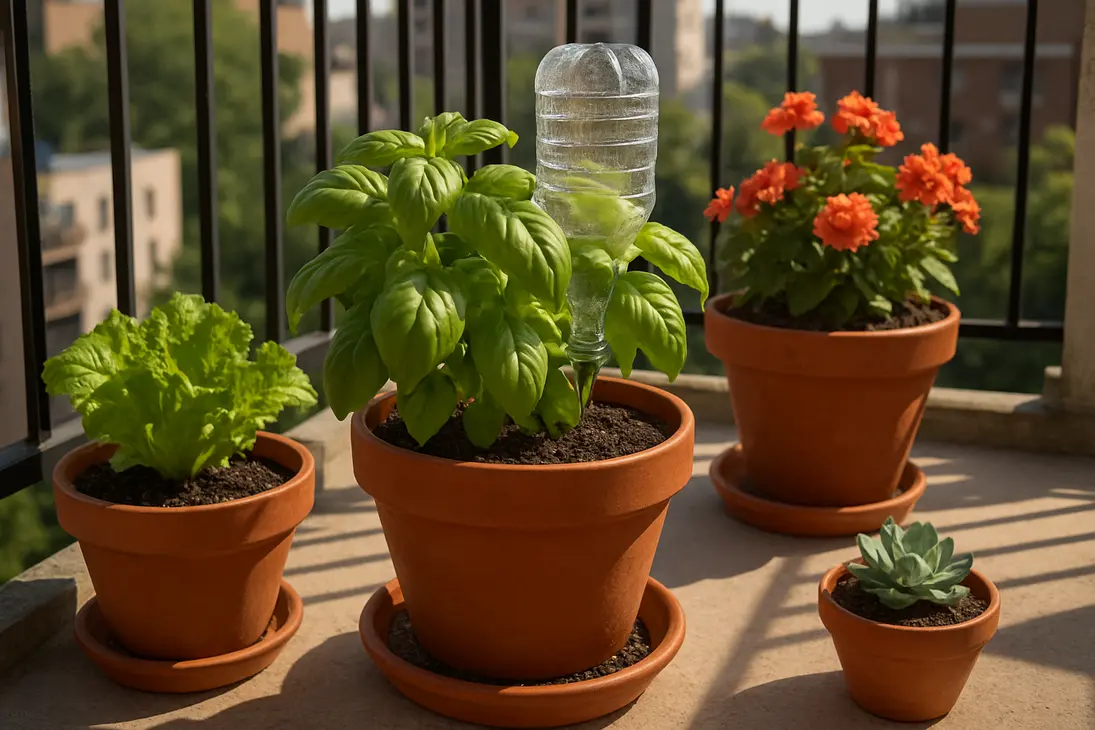
For about a week, most plants need no special treatment beyond normal watering before you leave. Water only those ready; empty saucers; move from extreme heat or cold drafts. For longer trips, leave written instructions for a helper. Test wicks or self-watering devices in advance. Cacti and succulents can go two to three weeks without water; moisture-loving plants like ferns may need a helper. Do not overwater before leaving.
Build a Simple Routine and Diagnose Changes Before Treating
Use weekly checks (touch soil, inspect leaves), monthly maintenance (dust leaves, check roots if plant seems slow), and seasonal reassessment (adjust watering, move plants if needed). Observation matters more than products.
Use a Check Routine, Not a Care Product Routine
Dust leaves with a damp cloth or gently rinse in the sink. Skip leaf-shine sprays—they clog pores. Rotate plants a quarter turn each week. Remove fully dead leaves with clean scissors. Once a month, check for salt buildup and flush if needed.
Manage Temperature and Humidity Without Relying on Misting
Keep plants away from heating vents, air conditioners, and cold drafts. Most houseplants thrive between 18–24°C (65–75°F). For humidity-sensitive plants, use a small humidifier or pebble tray; grouping plants helps. Misting raises humidity only briefly and can promote fungal disease. A bright bathroom naturally provides humidity.
Fertilize Active Growth, Not a Stressed Root System
Fertilize only when light is adequate, roots are healthy, and the plant is actively growing (spring through early autumn). Use a balanced liquid fertilizer at half strength every two to four weeks. Overfertilizing causes salt buildup. Flush pots periodically. Do not fertilize newly repotted plants for at least a month. In winter, stop fertilizing unless under grow lights.
Repot Only When the Plant or Media Shows a Reason
Signs: dense circling roots, fast drying after watering, unstable plant, soil breakdown, or root disease. Move up one pot size; use fresh container mix. Remove dead or rotten roots. Delay fertilizer for a month. Roots poking out of one drainage hole does not always require repotting.
Diagnose the Pattern Before Choosing a Fix
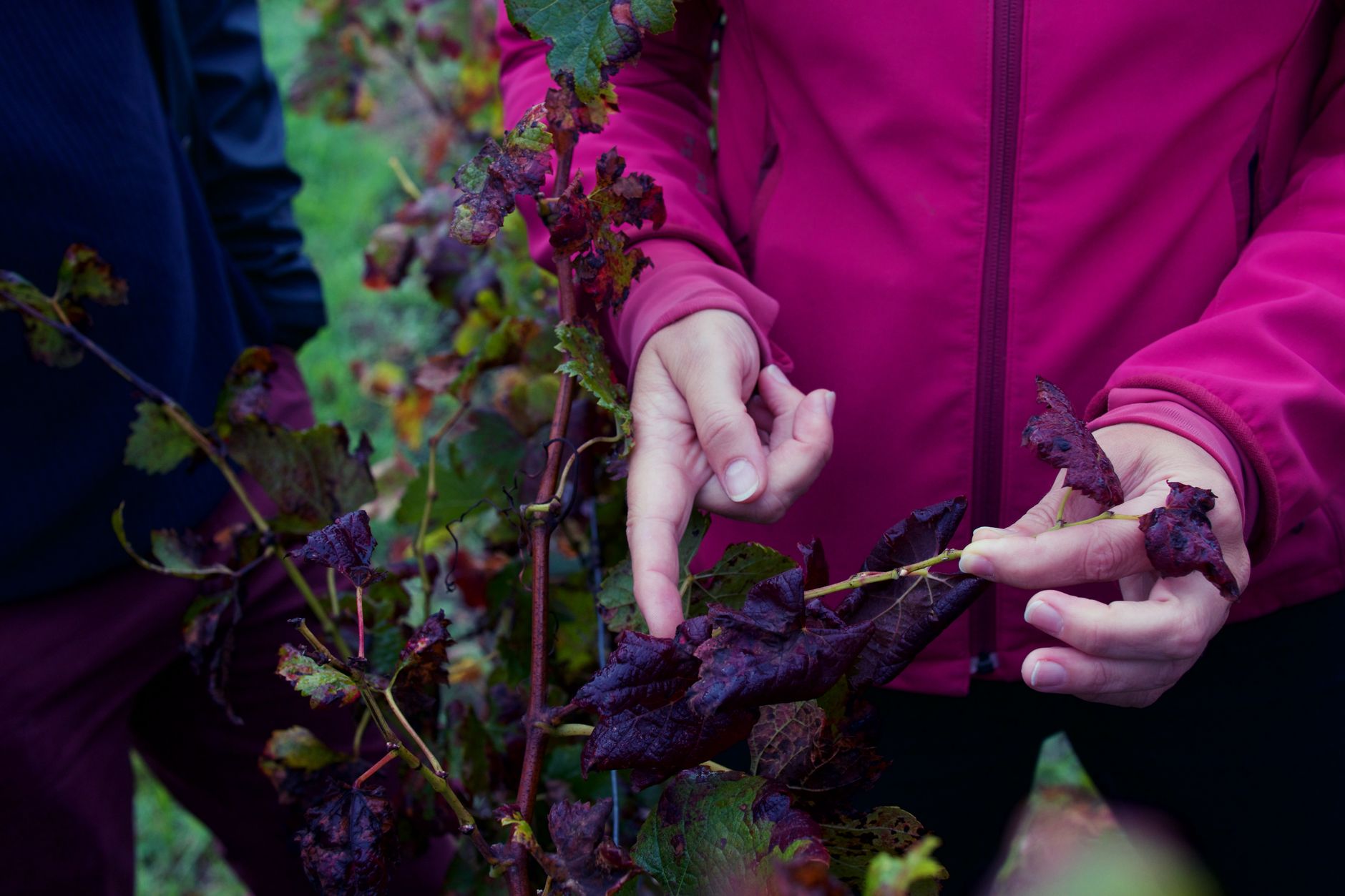
Leaf symptoms are clues, not diagnoses. Look at the whole plant: which leaves affected (old vs. new), how many, and soil moisture. Common patterns:
- Lower leaf yellowing: normal aging if rest is healthy.
- Many yellow leaves with wet soil: overwatering, low light, or root rot.
- Wilting with dry soil: underwatering; water thoroughly.
- Wilting with wet soil: root damage; check roots.
- Brown crispy tips: salt buildup, low humidity, or root stress.
- Pale new growth: insufficient light.
- Bleached patches: sudden excess light.
- Sticky leaves: aphids, scale, or mealybugs.
- Fine webbing: spider mites.
- Small flies: fungus gnats.
Change one variable at a time. Do not apply fertilizer and pesticide together. Damaged leaves will not recover; judge from new growth.
Use an Emergency Rescue Sequence
Isolate the plant. Confirm identity. Record symptoms and recent changes. Check moisture, inspect roots, examine for pests. Remove dead tissue with clean scissors. Correct the most likely cause. Keep stable in moderate light. Take a cutting of healthy growth as backup. Disposal may be needed for severe rot or fast-spreading pests.
Identify the Pest Before Selecting Neem, Soap, Oil, or Bti
Fungus gnats: reduce moisture at top inch, use yellow sticky traps for adults, apply Bti for larvae. Spider mites: rinse leaves with strong water spray, then apply insecticidal soap or horticultural oil; repeat every 3–5 days. Mealybugs and scale: remove manually with rubbing alcohol, then treat with soap or oil; repeat weekly. Neem oil works for some pests but not all. Household dish soap is not insecticidal soap—use a mild Castile soap solution (1 tsp per quart water). Test on one leaf first. Protect pets and food surfaces.
Conclusion
Keep house plants alive by identifying the plant, matching light and pot, watering by need, and diagnosing patterns. Start with one or two plants that suit your home, learn their dry-down rate, and expand gradually. Weekly observation prevents most emergencies. Adjust as you learn.
FAQ
How Do You Keep Houseplants Alive While Away for a Week or Two?
Many established plants tolerate a week without special care. Water only those ready, empty saucers, move from heat sources. For longer trips, leave written instructions and test self-watering devices in advance. Do not overwater before leaving. Group plants to increase humidity. Cacti and succulents can go two to three weeks; ferns and calatheas may need a helper.
How Long Can Houseplants Survive Without Water?
No single answer. Succulents like snake plant can survive two to four weeks; small pots with moisture-loving plants may show stress within days. Depends on species, pot size, soil, light, and temperature. A larger pot with dense soil holds moisture longer. When in doubt, check soil before leaving.
Which Houseplants Are Hardest for Beginners?
Plants needing high humidity (calatheas, ferns), even moisture (mimosa, Venus flytrap), strong light (fiddle-leaf fig, succulents in dim homes), or stable temperatures (orchids) are challenging. Start with pothos, snake plant, ZZ plant, or spider plant.
How Can I Save an Indoor Plant That Is Already Dying?
Isolate the plant, confirm identity, check moisture and roots, examine for pests, review recent changes. Correct one cause at a time: if overwatered, let soil dry and repot if rot; if underwatered, water thoroughly; if pests, treat appropriately. Remove dead tissue. Take a cutting if possible. Keep stable conditions and do not fertilize until recovery.
Sources
[S1] Iowa State University Extension. Indoor light and watering. https://www.extension.iastate.edu
[S2] University of Minnesota Extension. Lighting and acclimation. https://extension.umn.edu
[S3] Illinois Extension. Container and humidity guidance. https://extension.illinois.edu
[S4] UConn Extension. Watering and root zone. https://extension.uconn.edu
[S5] Penn State Extension. Repotting and drainage. https://extension.psu.edu
[S7] UC IPM. Pest management and quarantine. https://ipm.ucanr.edu
[S9] ASPCA. Plant toxicity database. https://www.aspca.org
You Might Also Like