How to Grow SunSugar Tomatoes
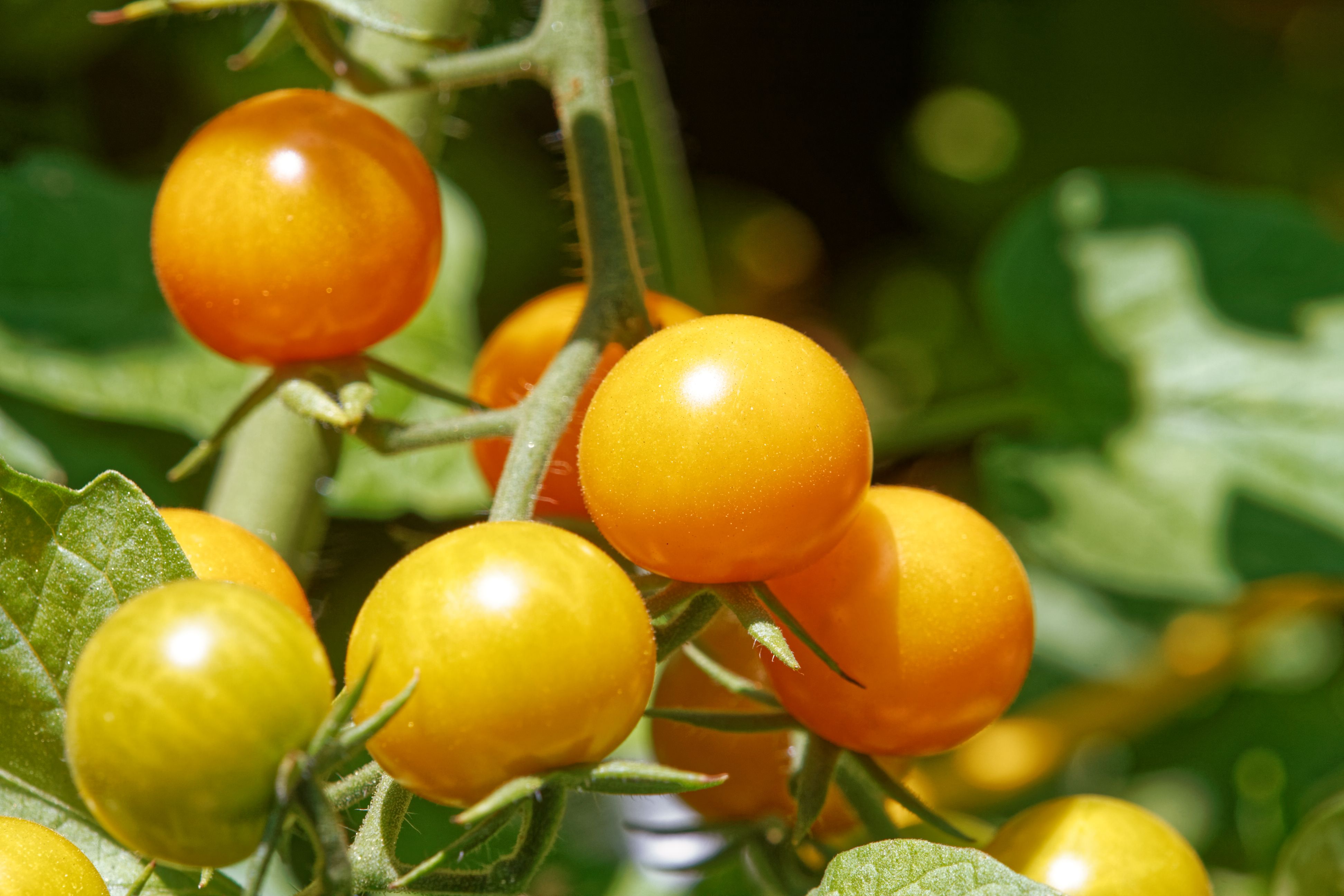
SunSugar is an F1 hybrid cherry tomato developed as a crack-resistant alternative to Sun Gold while keeping the sugary flavor that makes orange cherry tomatoes so popular. Gardeners describe it as a reliable, productive plant that delivers steady harvests of small golden fruits with a sweet, tangy taste. This article covers everything you need to know about SunSugar tomatoes: taste, comparison to Sun Gold, growing tips, authenticity verification, and cherry tomato lineup planning.
Key Takeaways
- SunSugar vs. Sun Gold decision: SunSugar was developed as a crack-resistant alternative to Sun Gold with similar sweet orange cherry flavor. Grow both if you have space, or choose SunSugar if splitting has been a problem — it handles inconsistent watering better.
- Verify plant authenticity: Mislabeling is common. Check for golden yellow to orange fruit that stays cherry-sized, vigorous indeterminate growth, and very sweet flavor when fully ripe. Red, large, or oddly shaped fruit suggests you got a different cultivar.
- Growing for best results: This vigorous indeterminate vine needs full sun, strong support installed early, consistent moisture with mulch, and regular picking. Avoid excess nitrogen. A well-supported plant produces cleaner, sweeter fruit over a long season.
- Harvest at peak ripeness: Pick SunSugar when fruit deepens to golden-orange and releases easily from the stem. Pale yellow fruit lacks full sweetness. Regular picking keeps clusters productive and prevents overripe splitting.
- Plan your cherry tomato lineup: One plant works for casual snacking; two or more for daily use. Pair SunSugar with Sun Gold for comparison, or with a red cherry for color diversity. Remember, SunSugar is an F1 hybrid — saved seeds won’t grow true-to-type.
SunSugar Tomato at a Glance
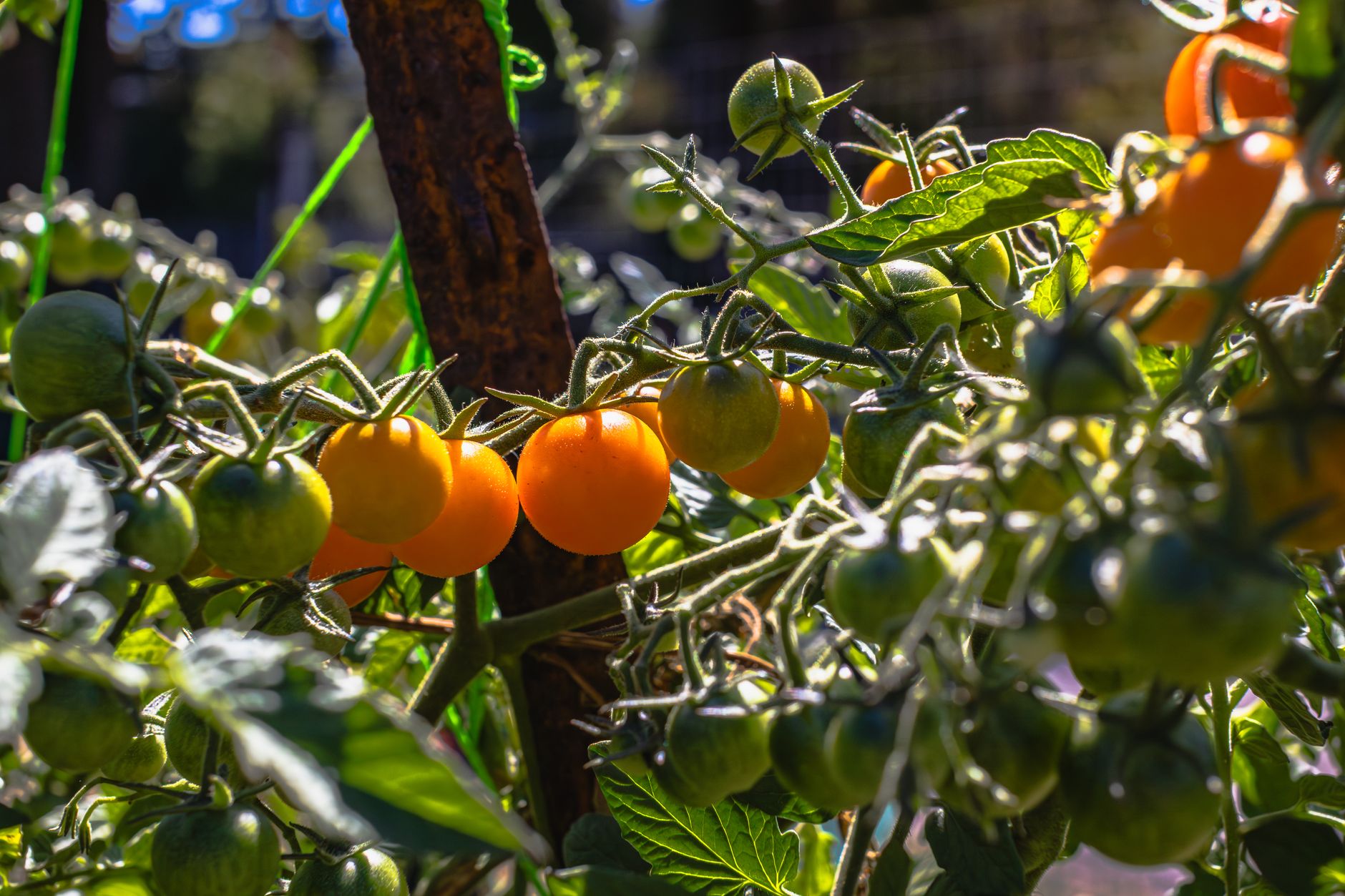
SunSugar is an indeterminate F1 hybrid cherry tomato bred for better crack tolerance than Sun Gold. It grows vigorously, produces long clusters of small cherry tomatoes, and needs strong support. Fruit ripens from golden yellow to deeper orange-gold at peak ripeness.
SunSugar Tomato Quick Facts
| Trait | SunSugar tomato details |
|---|---|
| Tomato type | F1 hybrid cherry tomato |
| Growth habit | Indeterminate |
| Days to maturity | Commonly listed around 60–65 days; verify seed source |
| Fruit size | Small cherry tomato, often around 1/2 oz where listed |
| Ripe color | Golden yellow to orange/golden-orange at peak ripeness |
| Flavor | Very sweet with tomato tang; do not give unsupported Brix numbers |
| Skin/cracking | Often described as thin-skinned yet crack-resistant, but not crack-proof |
| Support need | Strong cage, stake, trellis, or vertical support |
| Main challenges | Source accuracy, overgrown vines, splitting after water swings, ripeness confusion, saved seed variability |
SunSugar is sometimes listed as “Sun Sugar.” It is not an heirloom. Days to maturity, fruit size, and disease resistance can vary between seed companies.
What SunSugar Tomatoes Taste Like
SunSugar flavor is best described as very sweet with noticeable tomato tang — candy-like and fruity when fully ripe. Sweetness depends on growing conditions: a tomato picked after a week of full sun tastes different from one harvested during cloudy weather. Perceived sweetness involves both sugar and acidity balance. Brix meters measure soluble solids but not the full flavor picture. The best way to know how SunSugar tastes in your garden is to let fruit ripen fully on the vine and eat it fresh.
How to Tell If Your Plant Is Really SunSugar
Mislabeling is common. Use this checklist to verify your plant.
| Trait to check | What SunSugar usually looks like | Red flag |
|---|---|---|
| Fruit color | Golden yellow to orange/golden-orange when ripe | Red, purple, green-when-ripe, or striped fruit |
| Fruit size | Cherry-sized fruit | Large slicer, Roma/paste shape, or grape-only clusters |
| Growth habit | Vigorous indeterminate vine | Very compact bush unless seed source says otherwise |
| Fruit clusters | Many small cherry tomatoes | Few large fruits only |
| Flavor | Very sweet when fully ripe | Bland fruit may be underripe, stressed, or not true-to-type |
| Seed source | F1 hybrid seed or labeled plant | Saved seed or unclear packet may vary |
Do not rely on a single fruit. Cross-pollination affects the next generation from saved seed, not current fruit. If your plant produces fruit that looks right, it probably is the real thing.
Can You Save Seeds from SunSugar Tomatoes?
SunSugar is an F1 hybrid, so saved seeds will not grow true-to-type. The next generation can vary widely. For reliable plants, buy fresh seed or a trusted seedling each year. You can experiment with saved seed, but do not expect consistent results.
SunSugar vs. Sun Gold Tomatoes
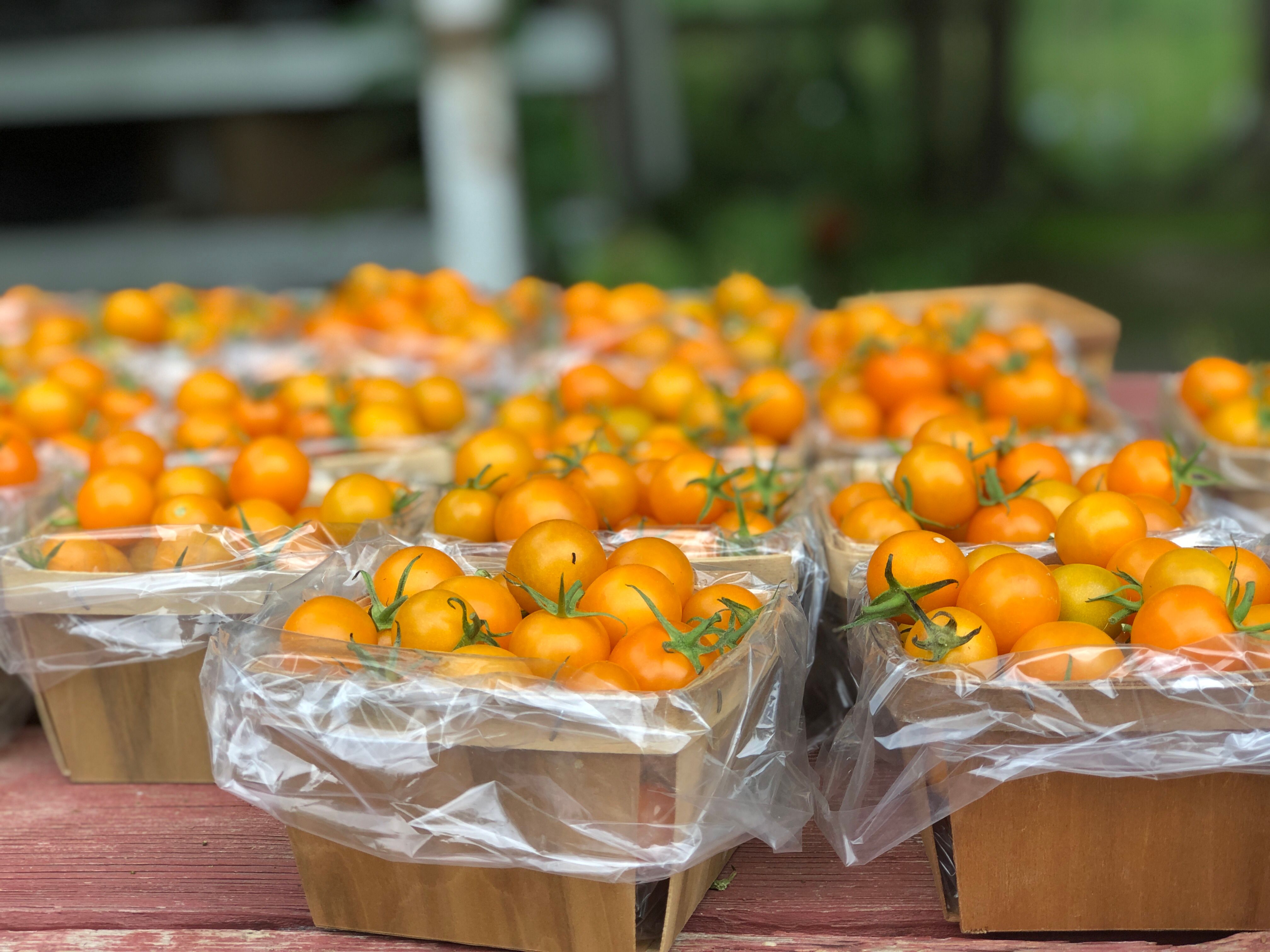
These are the two most popular sweet orange cherry tomatoes, and differences matter for gardeners choosing.
SunSugar vs. Sun Gold: Quick Comparison
| Feature | SunSugar | Sun Gold | What it means for gardeners |
|---|---|---|---|
| Fruit color | Golden yellow to orange/golden-orange | Golden-orange/deep gold | Both can be confused if harvested early |
| Flavor | Very sweet, fruity, tangy | Famous sweet/fruity flavor, often described as complex | Taste preference is personal |
| Cracking | Often reported as more crack-resistant | Often reported as more prone to splitting | SunSugar may be easier with inconsistent watering |
| Skin | Slightly thicker / more crack-resistant where reported | Often delicate | Affects texture and splitting |
| Growth habit | Indeterminate | Indeterminate | Both need strong support |
| Best fit | Sweet snacking, fewer split fruit, reliable harvest | Flavor-first gardeners who tolerate cracking | Grow both if you have space |
Neither is universally better. Sun Gold wins on flavor complexity; SunSugar wins on crack resistance and garden reliability.
Which One Is Sweeter?
Both are known for high sweetness. Rankings depend on personal taste and growing conditions. Ripeness, sun exposure, water stress, soil fertility, and harvest timing all affect sweetness. A simple home taste test with fully ripe fruit from each variety is the best judge.
Which One Cracks Less?
SunSugar was developed specifically for better crack resistance than Sun Gold. Gardeners consistently report less splitting, even during wet weather or irregular watering. However, crack resistance is not crack-proof — splitting can still happen after heavy rain or with overripe fruit. Consistent watering, mulch, and regular picking reduce cracking in both varieties.
Should You Grow Both SunSugar and Sun Gold?
If you have space, grow both. They provide a steady supply of sweet orange cherries while allowing side-by-side comparison. If you can grow only one: choose SunSugar if cracking has been a problem; choose Sun Gold if you value its classic flavor and can manage splitting. Pair either with a red cherry like Supersweet 100 for color and volume.
How to Grow SunSugar Tomatoes
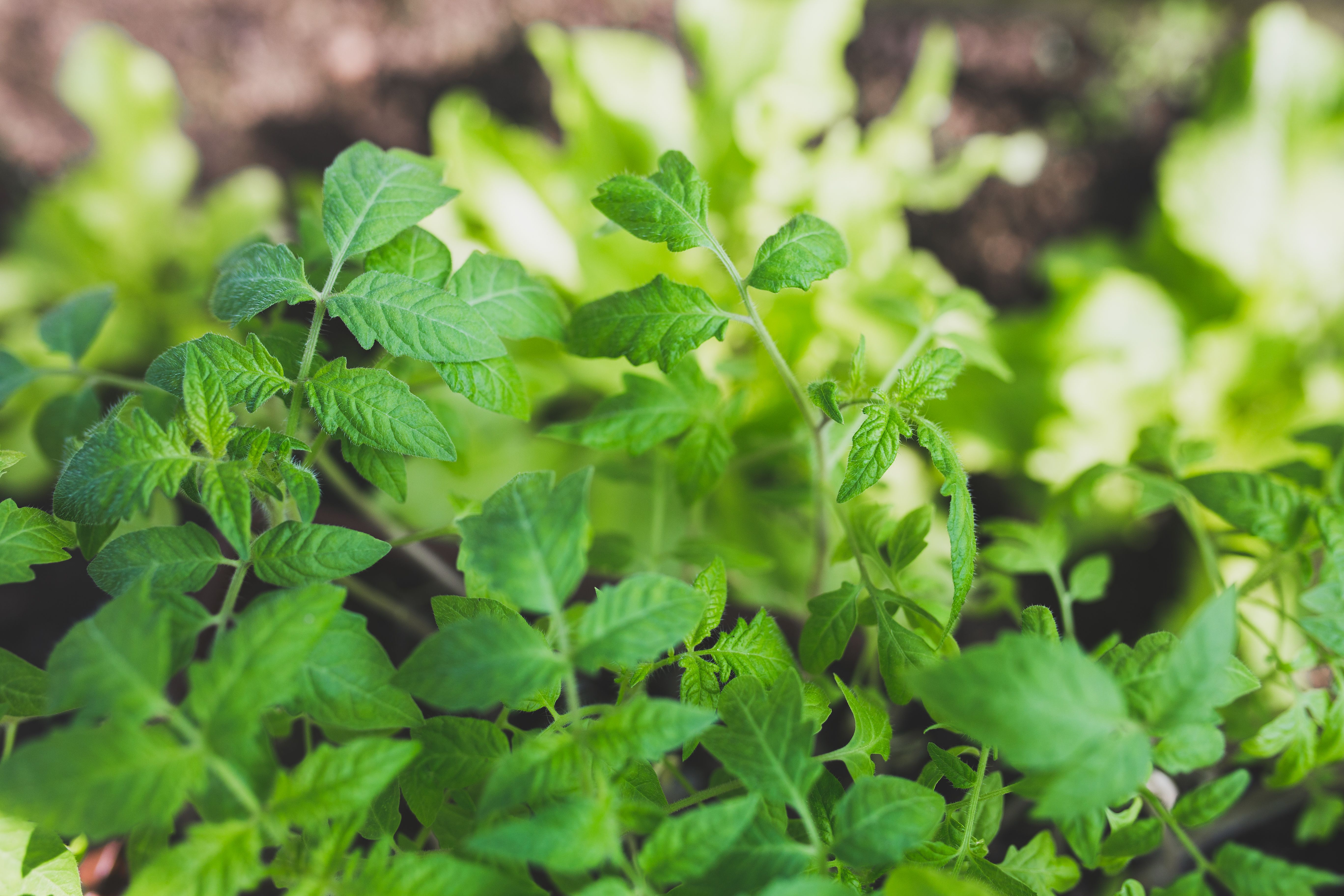
SunSugar is a vigorous indeterminate cherry tomato needing space, strong support, consistent water, and regular picking.
Planting SunSugar Tomatoes: Sun, Spacing, and Timing
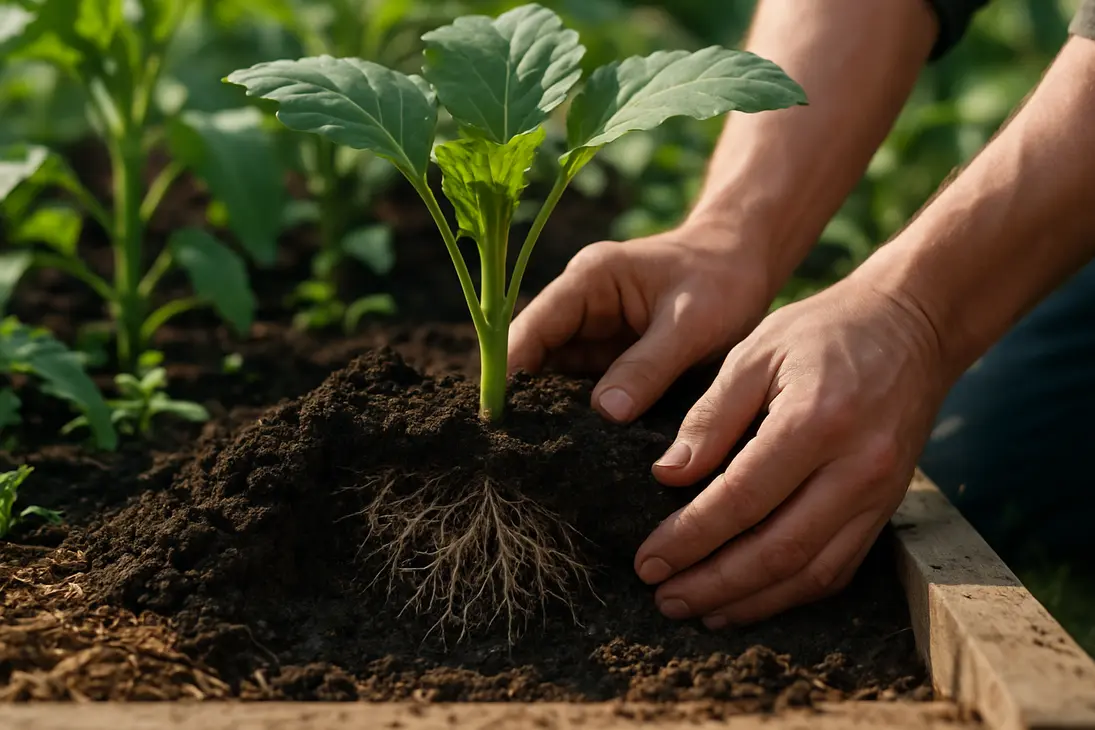
Plant after the last frost date in full sun (6–8 hours direct light daily). Start seeds indoors 6–8 weeks before last frost, or buy seedlings from a trusted nursery. Space plants 24–36 inches apart. Plant leggy seedlings deeply to encourage additional root growth.
Support for Vigorous Indeterminate Vines
Install strong support early — tall cage, sturdy stake, trellis, Florida weave, or vertical string system. Tie or clip the main stem as it grows. Unsupported plants become tangled, harder to harvest, and more prone to disease. A well-supported plant produces cleaner fruit.
Watering and Fertilizing for Sweet Fruit Without Splitting
Consistent moisture is critical. Wide swings between dry and wet encourage cracking. Mulch around the base to reduce moisture fluctuation. Avoid excess nitrogen, which produces huge vines with fewer fruits. Use a balanced tomato fertilizer or one slightly higher in phosphorus and potassium. Do not withhold water to boost sweetness — severe stress hurts plant health and yield.
Pruning SunSugar Tomatoes: How Much Is Enough?
Remove lower leaves that touch the soil to prevent soilborne diseases. Thin only enough to improve airflow and access. Do not strip heavily in hot sun — exposed fruit can sunscald. For vertical string systems, train to one or two main stems. In a cage, let the plant fill it and prune as needed.
Growing SunSugar Tomatoes in Containers
Use a large pot — at least 5 gallons, 7–10 gallons is better. Small pots dry out fast, increasing splitting risk. One plant per container. Container plants need more frequent watering and feeding than in-ground plants. Use high-quality potting mix and slow-release or liquid tomato fertilizer.
When to Pick and Use SunSugar Tomatoes
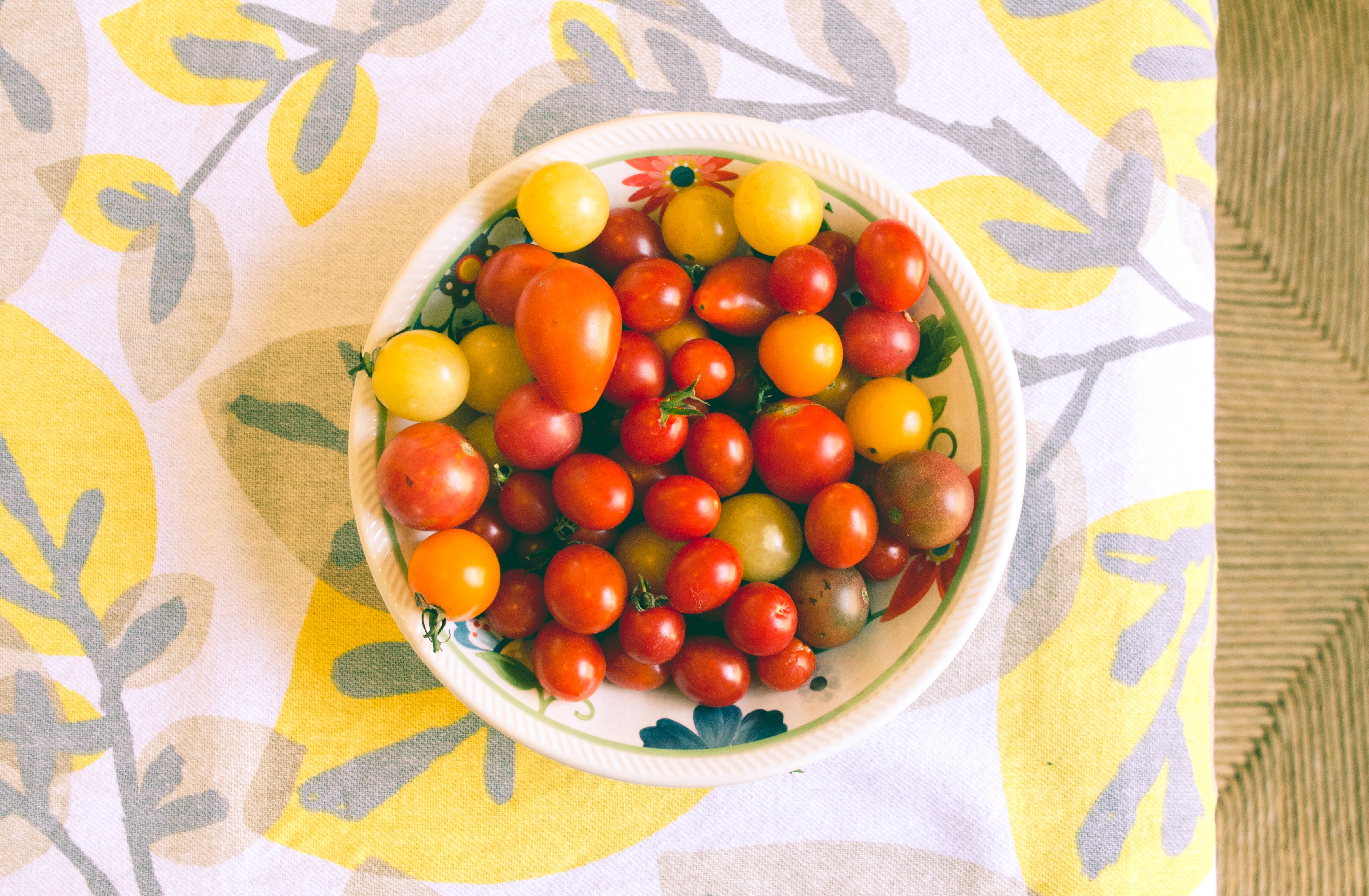
Harvest timing matters because ripeness is color-based.
How to Know When SunSugar Tomatoes Are Ripe
| Cue | What to look for | What it means |
|---|---|---|
| Color | Golden yellow deepening toward orange/golden-orange | Usually ripe or close |
| Feel | Slight give but not mushy | Ready to eat |
| Flavor | Sweet with tomato tang | Peak eating stage |
| Skin | Intact, not split or wrinkled | Best storage/eating quality |
| Stem attachment | Fruit releases easily when ripe | Good harvest timing |
Deeper orange color means sweeter, softer fruit. Do not pick at pale yellow unless you prefer a firmer, tarter texture. Check plants regularly during peak season.
Common Ripeness Mistakes
Picking too early is the most common mistake — pale yellow fruit lacks full sweetness. Waiting too long leads to soft, split fruit that can fall off. Regular picking keeps clusters productive. Color overlap between SunSugar and Sun Gold can cause confusion; use the source label and plant habit to confirm identity.
Best Ways to Use SunSugar Tomatoes
Best eaten fresh — in salads, lunchboxes, grain bowls, Caprese-style plates, or garden snacks. They also hold up to cooking: roasting concentrates sweetness, and they work in quick sauces, pasta dishes, soups, or frozen for later use. Harvest regularly and eat quickly.
How Many SunSugar Plants Do You Need?
One healthy plant provides a steady snacking harvest for a small household. Two or more plants supply daily use. If space is limited, grow one SunSugar plus one different cherry or slicer for variety. Yield depends on sun, support, plant health, season length, and harvest frequency.
SunSugar Tomato Problems and Variety Planning
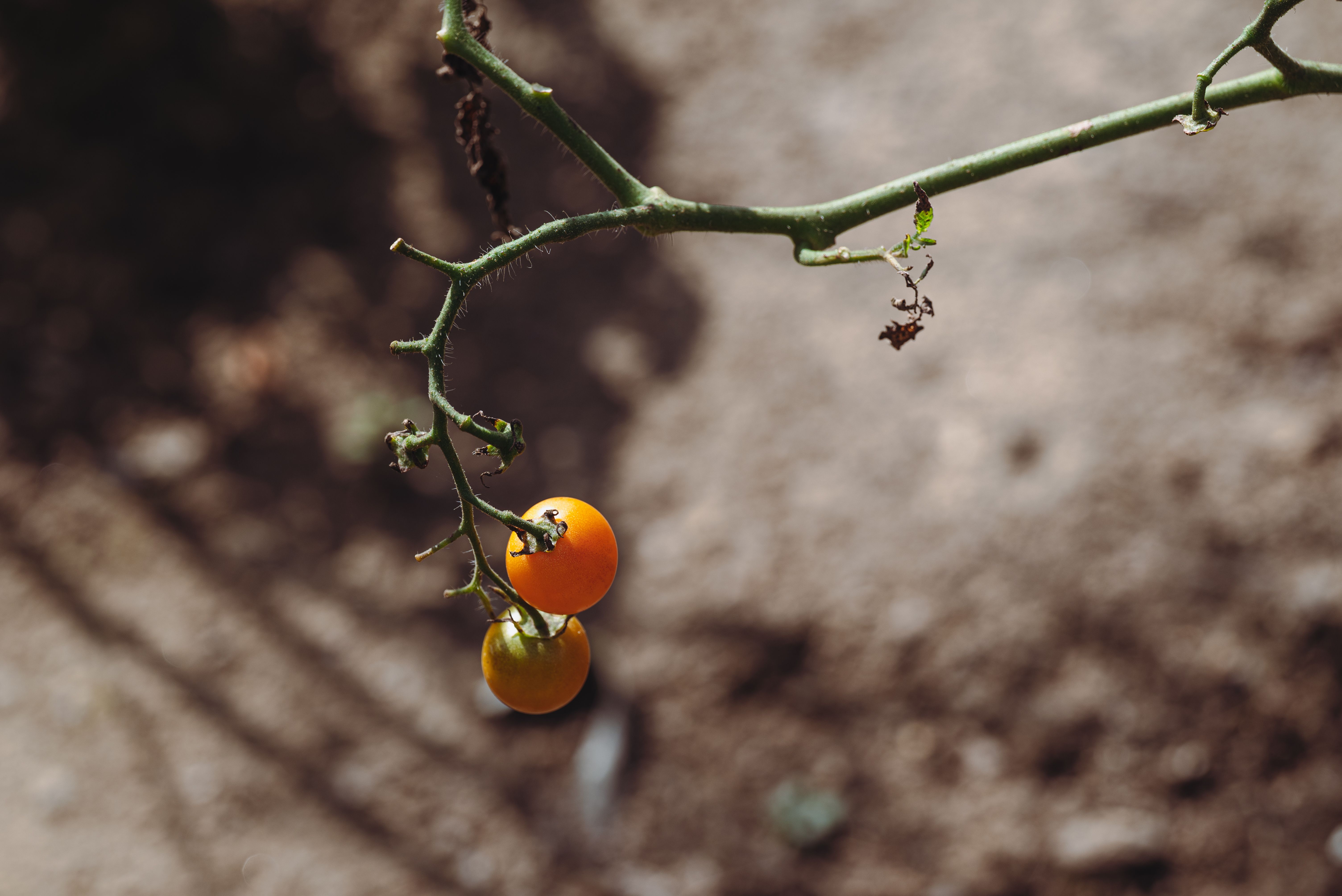
Even a crack-resistant cherry tomato can run into issues.
Why Are My SunSugar Tomatoes Splitting?
Crack-resistant is not crack-proof. Splitting can happen after heavy rain, inconsistent watering, overripe fruit, or container stress. Consistent soil moisture, mulch, and regular harvests are the best prevention. Discard moldy or rotten split fruit; sound split fruit can be used quickly.
Low Yield, Too Much Vine, or Few Sweet Fruits
| Problem | Likely cause | What to check | What to do |
|---|---|---|---|
| Huge vine, not many fruits | Too much nitrogen, not enough sun, pruning imbalance | Fertilizer, sun hours, flowers | Reduce nitrogen, improve light/support |
| Fruit not sweet | Picked too early, low sun, stressed plant | Color, ripeness, weather | Let fruit deepen color; improve care |
| Small harvest | Short season, poor support, container limits | Plant size, pot size, harvest frequency | Improve support and watering |
| Plant is tangled | Weak support or no pruning | Cage/trellis, lower leaves | Train vines and prune lightly |
| Fruit looks wrong | Mislabeling, saved seed, volunteer plant | Fruit color/shape, seed source | Compare to identity checklist |
Cherry tomatoes produce better when harvested regularly — pick often to encourage more fruit set.
Best Cherry Tomatoes to Pair With SunSugar
Pair SunSugar with Sun Gold for comparison, or with Supersweet 100 for red cherry volume. For color and flavor diversity, try Black Cherry, Chocolate Cherry, or Blush alongside SunSugar. If disease pressure is high or season short, consider a disease-resistant or early cherry variety as backup.
Should You Plant Only SunSugar?
If you want a reliable sweet orange cherry and are happy with the flavor, one or two plants can be enough. For flavor diversity, grow at least one contrasting variety — a red cherry for color contrast, a dark cherry for depth. Remember SunSugar is a hybrid, not a good seed-saving choice. If cracking has been a problem with Sun Gold, SunSugar is a smart alternative that still gives you sweet fruit.
Conclusion
SunSugar tomatoes are a practical, flavorful choice for home gardeners who want a sweet orange cherry tomato with better crack resistance than Sun Gold. The plant is vigorous and productive but needs space, support, consistent watering, and regular picking. Mislabeling and hybrid seed variability are real concerns — buy from a reliable source and use the identity checklist if unsure. Whether grown alone or alongside Sun Gold and other varieties, SunSugar is a solid addition for sweet, reliable harvests.
FAQ
What is the difference between SunSugar and Sun Gold tomatoes?
SunSugar and Sun Gold are both sweet orange-golden indeterminate cherry tomatoes. Sun Gold is famous for flavor, while SunSugar is often chosen for similar sweetness with better crack resistance. Taste preference is personal.
How do I know if my SunSugar tomato plant is the real thing?
Look for vigorous indeterminate growth and small cherry tomatoes that ripen golden yellow to orange-golden. Red, large, Roma-shaped, or grape-only fruit may suggest mislabeling, saved hybrid seed variation, or a volunteer plant.
How sweet are SunSugar tomatoes compared to other cherry varieties?
They are widely described as very sweet, but do not give a specific Brix number unless measured or sourced. Sweetness depends on ripeness, sunlight, weather, water, and growing conditions.
How many SunSugar plants do I need for a family?
One strong plant may be enough for casual snacking; two or more are better for families who eat cherry tomatoes daily. Yield depends on sun, support, season length, watering, and harvest frequency.
You Might Also Like