Do Cycads Produce Oxygen Indoors—and Are They Safe Houseplants?
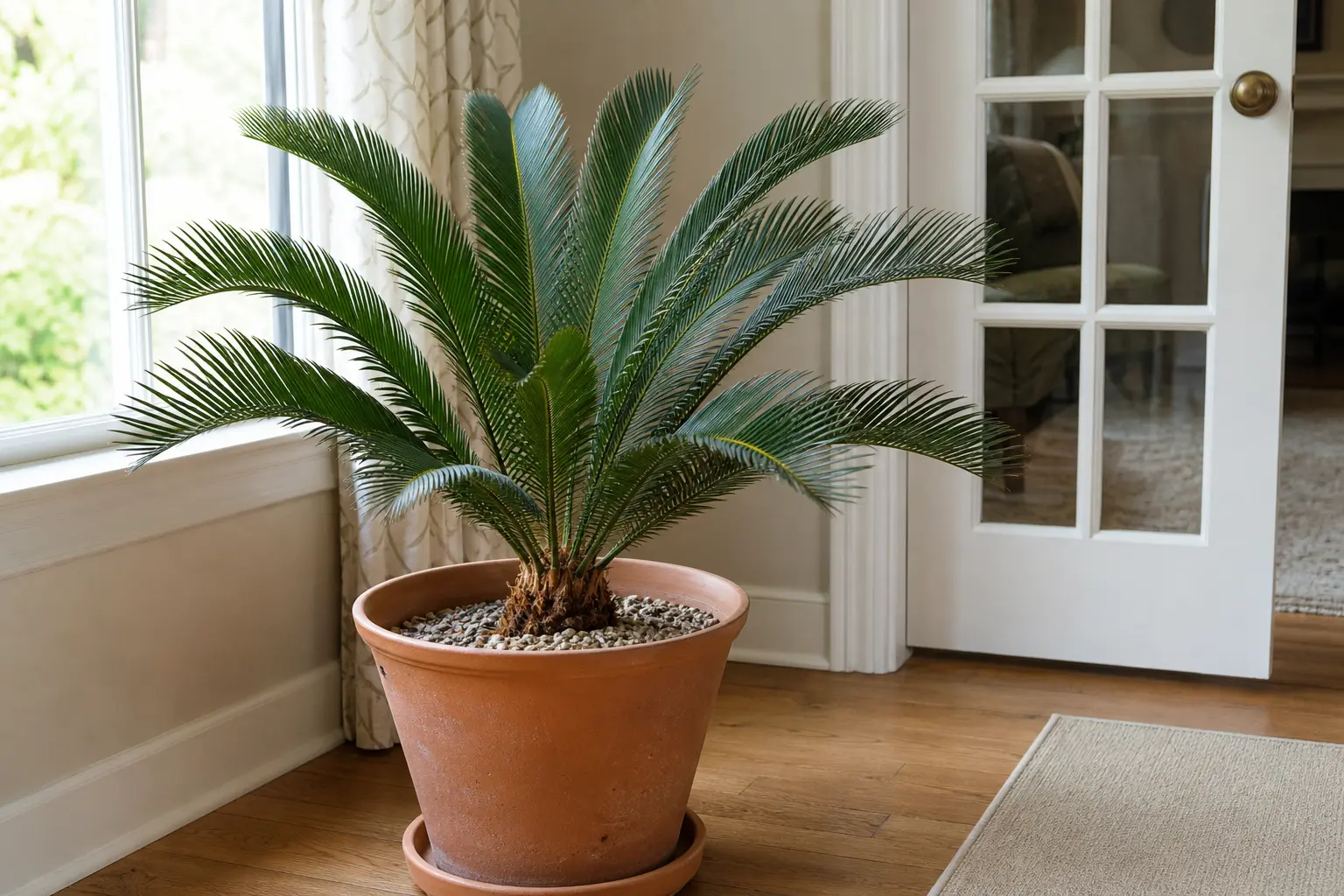
Yes, cycads produce oxygen indoors while they are actively photosynthesizing in adequate light. Like other green plants, they take in carbon dioxide and release oxygen during the day. At night, they respire, using a small amount of oxygen and releasing carbon dioxide.
That does not make a cycad an effective solution for stale indoor air. One plant has a very small effect compared with ventilation, people in the room, cooking, cleaning products, and outdoor-air exchange. More importantly, many cycads—especially the commonly sold sago palm—are seriously toxic if chewed or swallowed by pets or people.
For a bright, protected room in a pet-free household, a cycad can be an interesting architectural houseplant. In many homes, though, its safety risks and light requirements outweigh its modest oxygen-producing benefits.
How Cycads Produce Oxygen Indoors
Cycads are ancient seed plants with stiff, fernlike or palm-like leaves. Although they are not true palms, they use the same basic process as other green plants: photosynthesis.
In daylight, chlorophyll captures energy from light. The plant uses that energy to turn water and carbon dioxide into sugars, releasing oxygen as a by-product. Under suitable indoor conditions, cycads therefore produce oxygen.
Photosynthesis depends on usable light, healthy roots, leaf condition, temperature, water availability, and the plant’s overall health. At night, when photosynthesis stops, cycads respire by using stored sugars for energy. This normal process uses oxygen and releases carbon dioxide, but the amount from one potted cycad is very small.
Oxygen production depends on light and plant health
A cycad with firm green fronds in a bright position can photosynthesize during the day. A plant kept in a dim hallway, overwatered, or suffering root damage will do far less.
Key factors include:
- Light intensity: Bright light supports more photosynthesis than ordinary room light.
- Leaf area: More healthy green foliage means more potential photosynthesis.
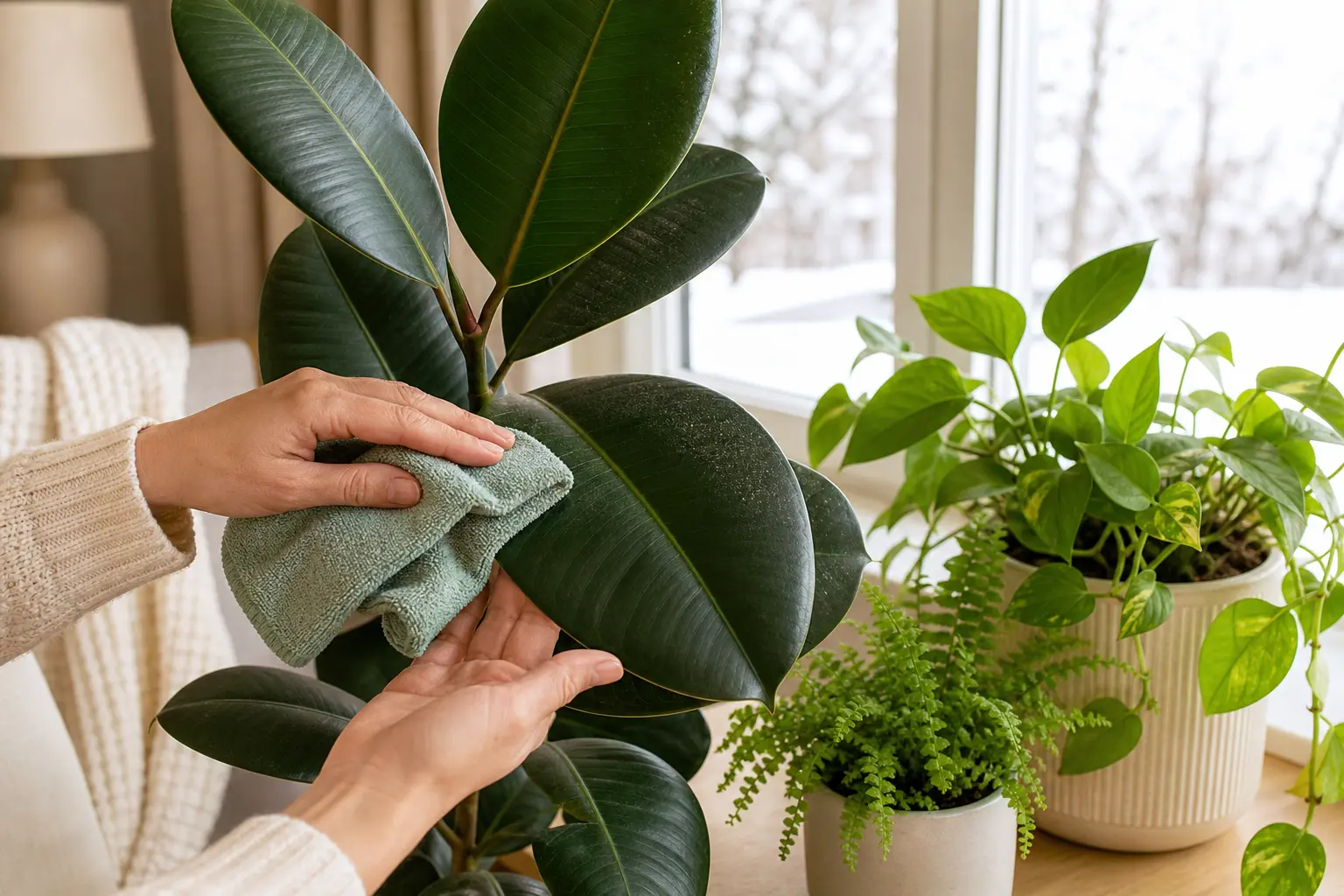
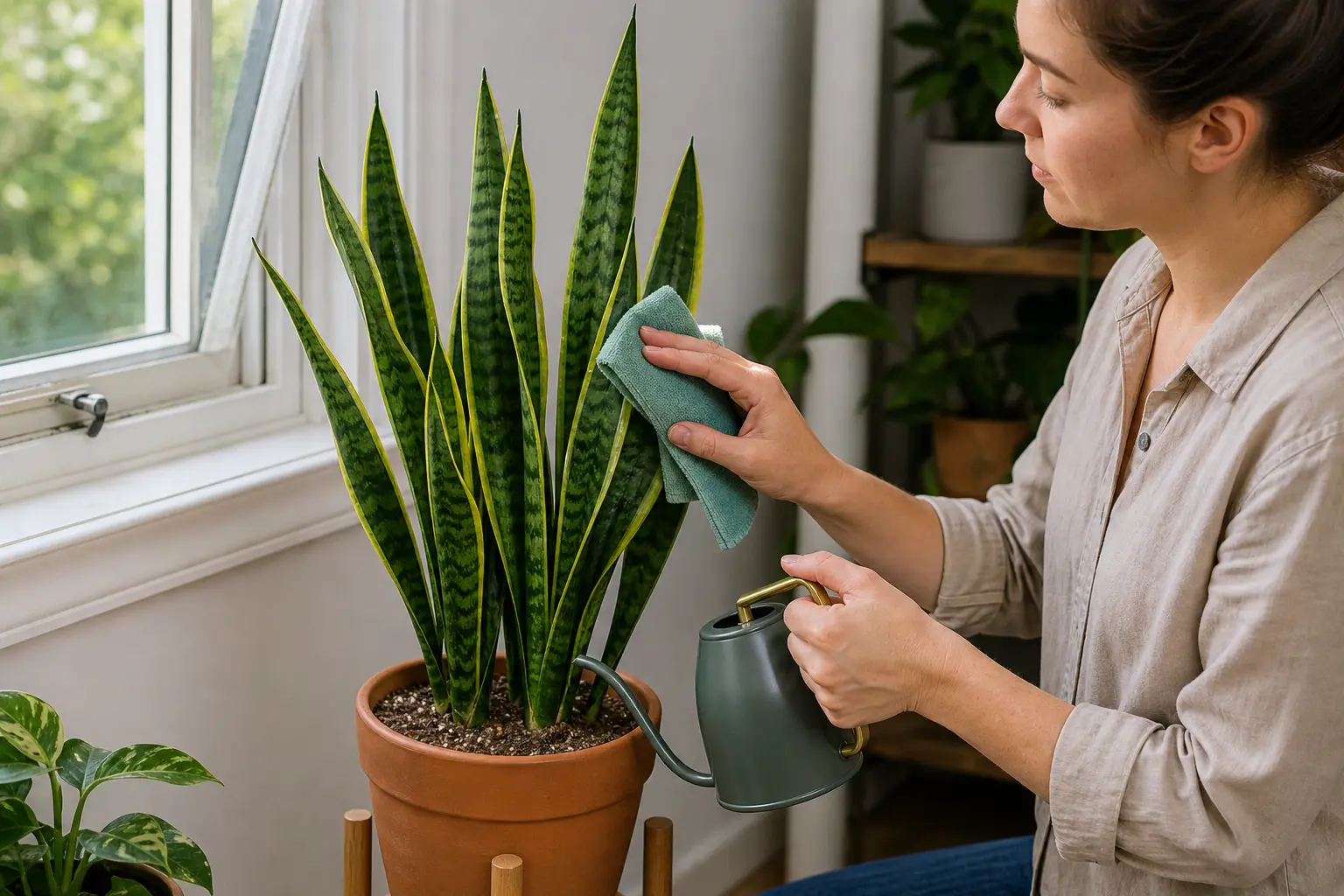
- Leaf cleanliness: Dust reduces the light reaching leaves; wipe fronds gently with a damp cloth when needed.
- Root health: Root rot, compacted soil, and poor drainage limit water and nutrient uptake.
- Season and temperature: Growth and photosynthetic activity often slow in cooler, darker months.
Cycads are naturally slow-growing. That can make them appealing indoors, but they also replace damaged foliage slowly.
Why one cycad will not noticeably change indoor air quality
Houseplants can make a room feel more pleasant, but one cycad will not noticeably change household oxygen levels or overall air quality.
A home contains far more air than a potted plant can meaningfully influence. People, pets, open doors, heating and cooling systems, kitchen activity, and ventilation have much larger effects on oxygen and carbon dioxide. Indoor air quality is also affected by humidity, mold, smoke, particles, and volatile chemicals—problems a cycad cannot solve.
If a room feels stuffy, more effective steps include:
- Open windows when conditions permit.
- Use kitchen and bathroom exhaust fans.
- Address moisture problems and visible mold promptly.
- Reduce smoke, strong fragrances, and unnecessary aerosol products.
- Maintain heating, cooling, and filtration systems as appropriate.
Choose a cycad because you want to grow it, not as an air-purifying device.
Why Indoor Conditions Can Limit a Cycad’s Benefits
Cycads can adapt to containers and indoor life, but they are not low-light foliage plants. They need a warm, bright, well-drained environment.
Because cycads look sturdy and grow slowly, they are often treated as if they can tolerate dark corners and frequent watering indefinitely. They cannot.
Low light reduces photosynthesis
A cycad may survive in moderate indoor light for some time, especially after greenhouse or outdoor growing. Survival is not the same as thriving.
In low light, photosynthesis slows, leaving the plant with less energy for roots, foliage, and new growth. It may become weaker or more vulnerable to pests and watering errors.
A good indoor location is usually close to a bright window with strong indirect light and, depending on the species and acclimation, some gentle direct sun. East-, west-, or south-facing windows may work well. Introduce stronger sun gradually, since intense midday sun through glass can scorch foliage.
Signs the position may be too dim include:
- No new growth over multiple growing seasons.
- Sparse or weak-looking fronds.
- Soil that remains wet for a long time.
- Gradual decline without an obvious pest or disease issue.
If natural light is inadequate, a suitable grow light can help. It should be strong enough for plant growth and positioned according to the manufacturer’s guidance.
Overwatering and poor drainage can damage cycads
Cycads tolerate dryness better than constantly wet roots. Their thick trunks and roots store resources, but saturated soil can still cause rot.
Use a pot with drainage holes and a coarse, fast-draining potting mix. Containers without drainage are risky because excess water remains around the roots, especially in lower-light rooms where soil dries slowly.
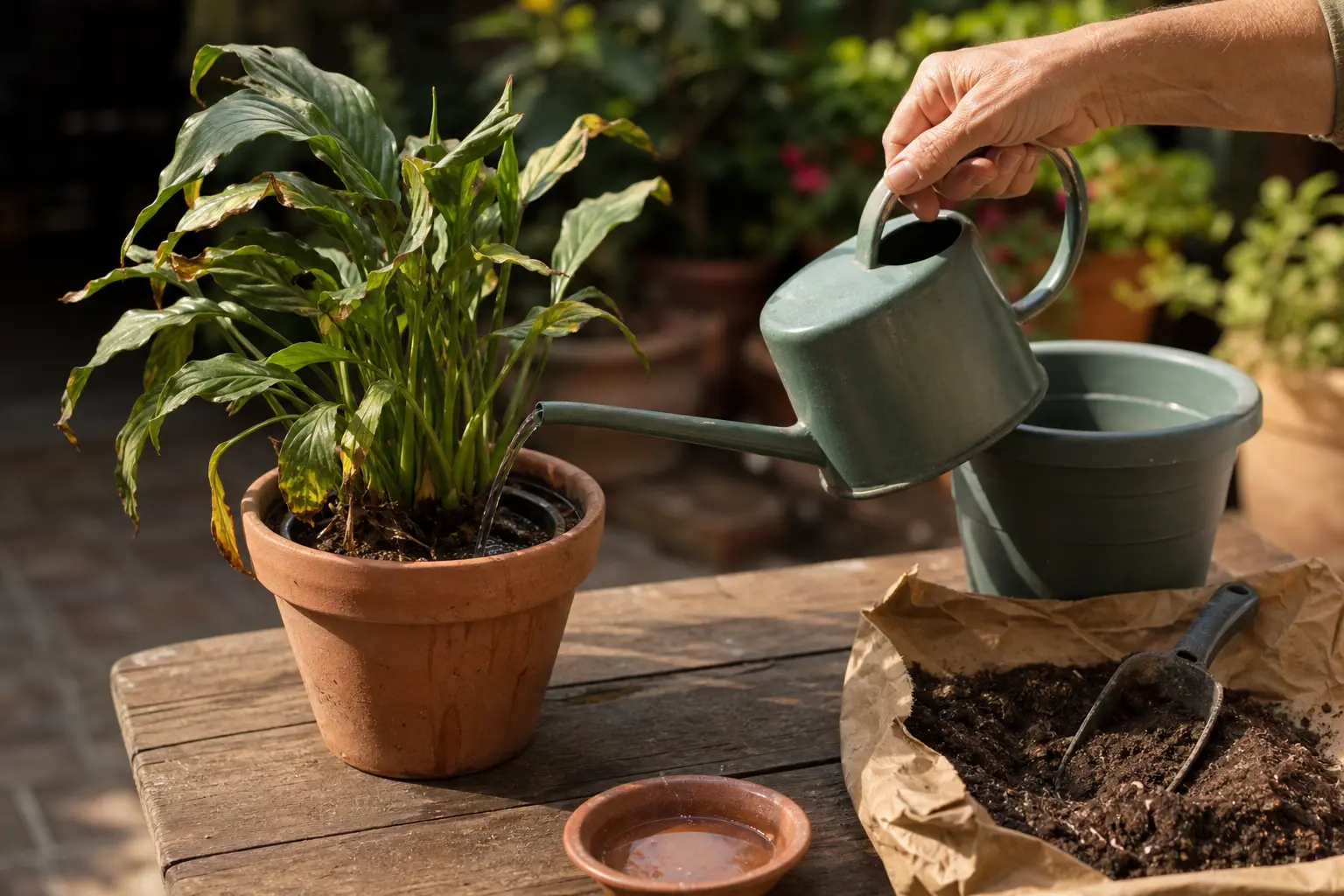
Water thoroughly, then allow the upper part of the potting mix to dry before watering again. The interval varies with light, temperature, pot size, and season, so check the soil rather than following a strict schedule.
| Symptom | Possible cause | Practical response |
|---|---|---|
| Yellowing lower fronds | Normal aging, overwatering, poor drainage, or low light | Check moisture and drainage before removing old fronds |
| Soft or darkened trunk area | Possible rot | Stop watering, inspect drainage, and seek plant-specific help quickly |
| Crisp brown leaflet tips | Irregular watering, root stress, dry air, or salt buildup | Review watering habits and avoid extremes |
| Pale, weak new growth | Insufficient light or nutrient limitation | Improve light first; do not fertilize damaged roots |
| Persistent wet soil | Dense mix, low light, oversized pot, or no drainage | Correct drainage and use a free-draining mix when repotting |
Avoid cold drafts, heating vents, and air-conditioning blasts. Gentle airflow is helpful, but repeated temperature swings are not.
Slow growth does not mean low-maintenance care
A cycad does not need constant pruning or frequent repotting, but slow-growing does not mean carefree. Problems can develop gradually, and severe root or trunk damage may be difficult to reverse.
Basic indoor care includes:
- Give bright light before increasing water or fertilizer.
- Use a draining pot and do not let it sit in water.
- Rotate it occasionally if light comes mainly from one direction.
- Remove fully dead fronds with clean tools.
- Inspect leaves and stems for scale insects and other pests.
- Repot only when the plant is root-bound or the mix has broken down.
New leaves may emerge in a flush rather than one at a time, so an unchanged appearance for months can be normal.
Why Cycads May Not Be Recommended as Houseplants
The biggest reason to think carefully before bringing a cycad indoors is toxicity.
A cycad placed on the floor or in a family room can be accessible to curious dogs, cats, toddlers, and visiting children. Its fronds and seeds may be tempting to chew.
Cycads are highly toxic to dogs, cats, and people
Cycads contain toxic compounds, and all parts should be treated as poisonous. Seeds are often especially hazardous, but leaves, stems, roots, and other plant material are not safe for chewing or ingestion.
Symptoms can include drooling, vomiting, diarrhea, weakness, loss of appetite, and signs of liver injury. Symptoms and timing vary, and apparent improvement does not rule out a dangerous exposure.
If a dog, cat, child, or other person may have chewed or swallowed any part of a cycad:
- Remove remaining plant material from the mouth if it can be done safely.
- Keep the plant or take a clear photo for identification.
- Contact a veterinarian, physician, poison service, or emergency provider immediately.
- Do not wait for symptoms to become severe.
- Do not induce vomiting unless a qualified professional instructs you to do so.
Cycads are not suitable for homes where pets or children can reach them. A stand is not always enough: cats climb, dogs can knock containers over, and fallen leaf pieces can be chewed.
Wear gloves when pruning or repotting if you have sensitive skin, and wash hands afterward. Keep removed fronds and old potting material away from pets and children.
Sago palms are cycads, not true palms
The common sago palm is generally Cycas revoluta, a cycad rather than a true palm.
Its thick trunk and crown of pinnate fronds give it a palm-like appearance, but cycads are an older group of seed plants with different growth habits and reproductive structures.
This matters when buying plants. A label that says “palm” does not guarantee the same care needs or safety profile as other palms. Check the botanical name when possible, particularly when looking for pet-safe plants.
Other cycads sold in garden centers include species in genera such as Zamia, Dioon, and Encephalartos. Their appearance varies, but the same caution is appropriate.
Large, stiff fronds and long-term size can be impractical indoors
A small cycad can look well suited to a side table, but its fronds may spread wider than expected over time. The leaflets are stiff and pointed, making them inconvenient near doors, beds, desks, or narrow walkways.
Consider the mature footprint, not just trunk height. A plant can remain short while occupying a broad circle of space.
Cycads are also long-lived. If conditions are right, they may eventually need a larger container, brighter placement, or outdoor summer placement in a suitable climate. Before buying, make sure you can provide enough space and keep the plant inaccessible for years.
When a Cycad Can Work Indoors
A cycad can work indoors when the home has strong natural or supplemental light, the roots can be kept from staying wet, and pets or children cannot access the plant.
It may suit an adult-only household, locked office, or bright enclosed conservatory with controlled access. Choose it for its sculptural appearance and because you are willing to meet its care needs—not for a boost in room oxygen.
Choosing a bright, protected placement
The best placement combines light, safety, and sufficient space for the fronds.
Look for a location that is:
- Bright for much of the day, ideally near a suitable window.
- Away from dark interior corners.
- Out of reach of pets and children, preferably behind a closed door or physical barrier.
- Far enough from walkways that fronds will not catch passersby.
- In a pot with drainage and no standing water.
- Protected from cold drafts, radiator heat, and abrupt temperature changes.
If you move a cycad outdoors for summer, acclimate it gradually to stronger light. Before bringing it indoors again, inspect carefully for pests and remove fallen leaves or seeds promptly.
Safer alternatives for indoor greenery and air-quality goals
For homes with cats, dogs, or young children, it is safer to choose non-toxic greenery rather than trying to keep a toxic cycad out of reach.
Common pet-friendlier options include:
- Parlor palm (Chamaedorea elegans): A compact true palm for moderate to bright indirect light.
- Areca palm (Dypsis lutescens): A fuller palm that prefers bright, indirect light.
- Spider plant (Chlorophytum comosum): Adaptable arching foliage for bright indirect light.
- Calathea and prayer plant types: Patterned foliage for warm rooms with indirect light.
- African violet: A flowering choice for bright indirect light.
- Boston fern: Soft foliage for humid, bright-indirect locations.
No houseplant should be treated as an air-cleaning appliance. For indoor-air goals, prioritize ventilation and moisture control, then choose plants based on light, maintenance needs, and household safety.
Conclusion
Cycads produce oxygen indoors when they receive enough light to photosynthesize, as other healthy green plants do. At night, they respire and use a small amount of oxygen. One houseplant will not noticeably alter a home’s oxygen level or solve poor air quality.
A cycad’s appeal is visual: its symmetrical crown, ancient-looking trunk, and bold foliage. But it needs bright light, careful watering, good drainage, and room to spread. More importantly, cycads, including sago palms, are highly toxic if eaten.
For a bright, access-controlled space without pets or children, a cycad may be a rewarding specialty houseplant. For most family homes, a safer indoor plant is usually the better choice.
FAQ
Do cycads release oxygen at night?
No. Cycads release oxygen mainly during daylight when photosynthesis is taking place. At night, they respire, using oxygen and releasing carbon dioxide. The amount involved from a single potted plant is very small and will not meaningfully affect oxygen levels in a normal room.
Is a sago palm safe to keep around cats and dogs?
No. A sago palm is a cycad and is highly toxic to cats and dogs if chewed or swallowed. All parts should be considered unsafe, including fronds, trunk material, roots, and seeds. If a pet may have eaten any part, contact a veterinarian immediately.
Can a cycad survive in a low-light room?
It may survive for a time, but it is unlikely to thrive. Low light reduces photosynthesis, slows growth further, and makes overwatering more likely because the potting mix dries slowly. For long-term success, cycads need a bright location or an appropriate grow light.
What are safer pet-friendly plants for indoors?
Pet-friendlier choices include parlor palms, areca palms, spider plants, African violets, Boston ferns, and many calathea or prayer plant varieties. Check the botanical name before buying, since common names can be confusing and safety can vary among similar-looking plants.
You Might Also Like