Colorado Native Plants for Transforming Your Yard
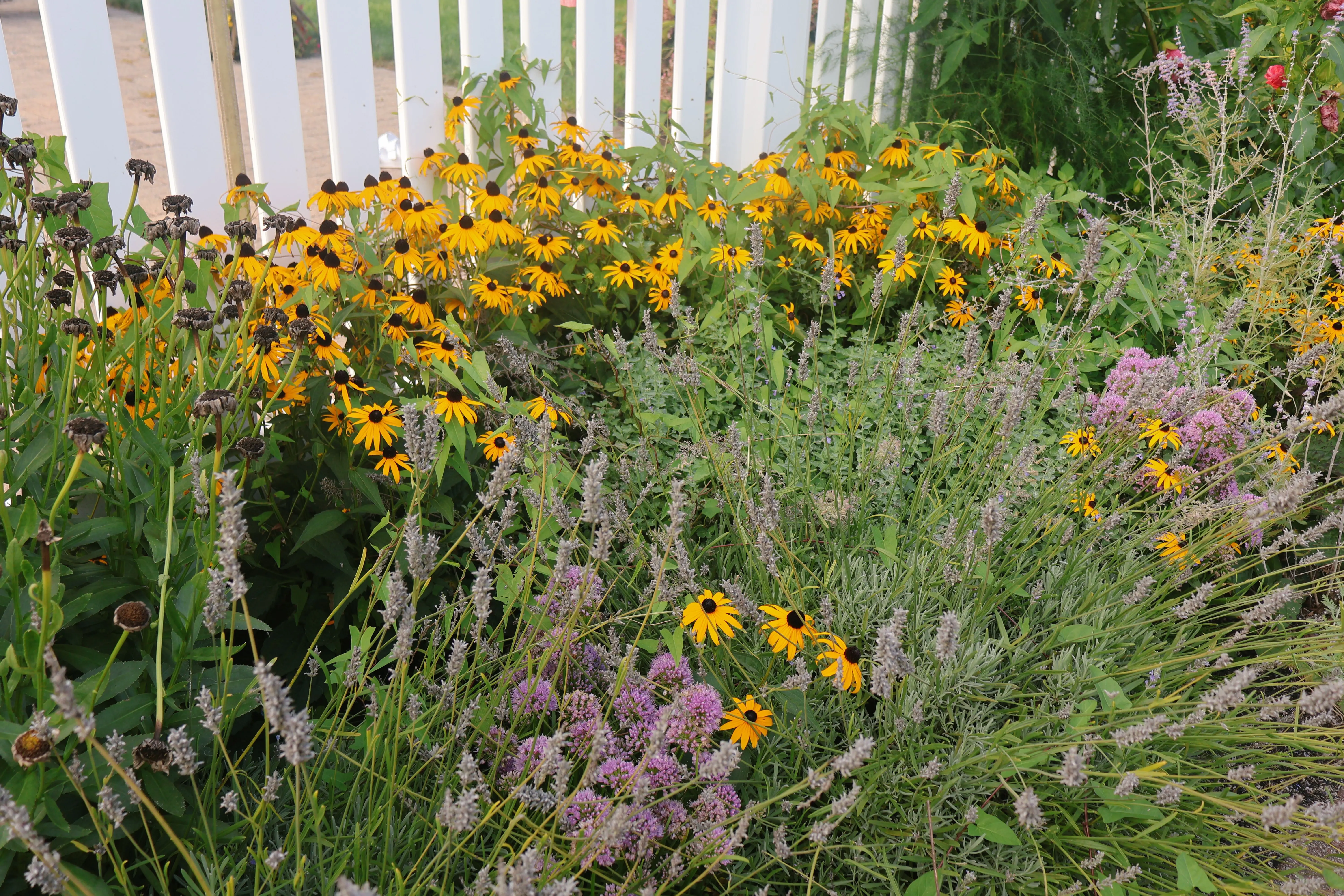
If you live in Colorado and want a landscape that thrives without constant watering and replanting, native plants are a practical solution. They adapt to the state’s climate, soil, and wildlife, reducing maintenance while supporting pollinators. This article covers what makes a plant truly native to Colorado, small-stature species for garden borders, and how to replace conventional landscaping step by step.
Key Takeaways
Colorado native plants offer a practical way to build a landscape that thrives with less water and maintenance. Here is what this article covers:
-
Choose Colorado-specific natives, not generic western natives: Plants native specifically to Colorado are adapted to the state’s low rainfall, alkaline soils, high elevation, and freeze-thaw cycles. A plant labeled “western native” may come from California or the Pacific Northwest and struggle in Colorado conditions.
-
Select compact, non-spreading species for formal borders: Blue flax, prairie coneflower, butterfly milkweed, showy goldenrod, and Rocky Mountain penstemon stay small and clump-forming. They provide pollinator support without taking over garden beds.
-
Plan for shade conditions with proven options: Coral bells, wild ginger, woodland strawberry, and smooth aster thrive in partial to full shade. These species expand possibilities for north-facing beds and areas under trees.
-
Expect a three-year establishment timeline: Year one requires consistent watering while roots develop. Year two allows reduced watering and better blooms. By year three, most natives are self-sufficient on natural rainfall except during severe drought.
-
Design for season-long interest with staggered bloom times: Combine spring bloomers like coral bells with summer flowers like penstemon and butterfly milkweed, then add late-season performers like goldenrod and smooth aster for color from spring through fall.
Use the plant comparison table and step-by-step replacement guide in this article to get started on your Colorado native garden.
Understanding Colorado Native Plants: Why They Work for Your Landscape
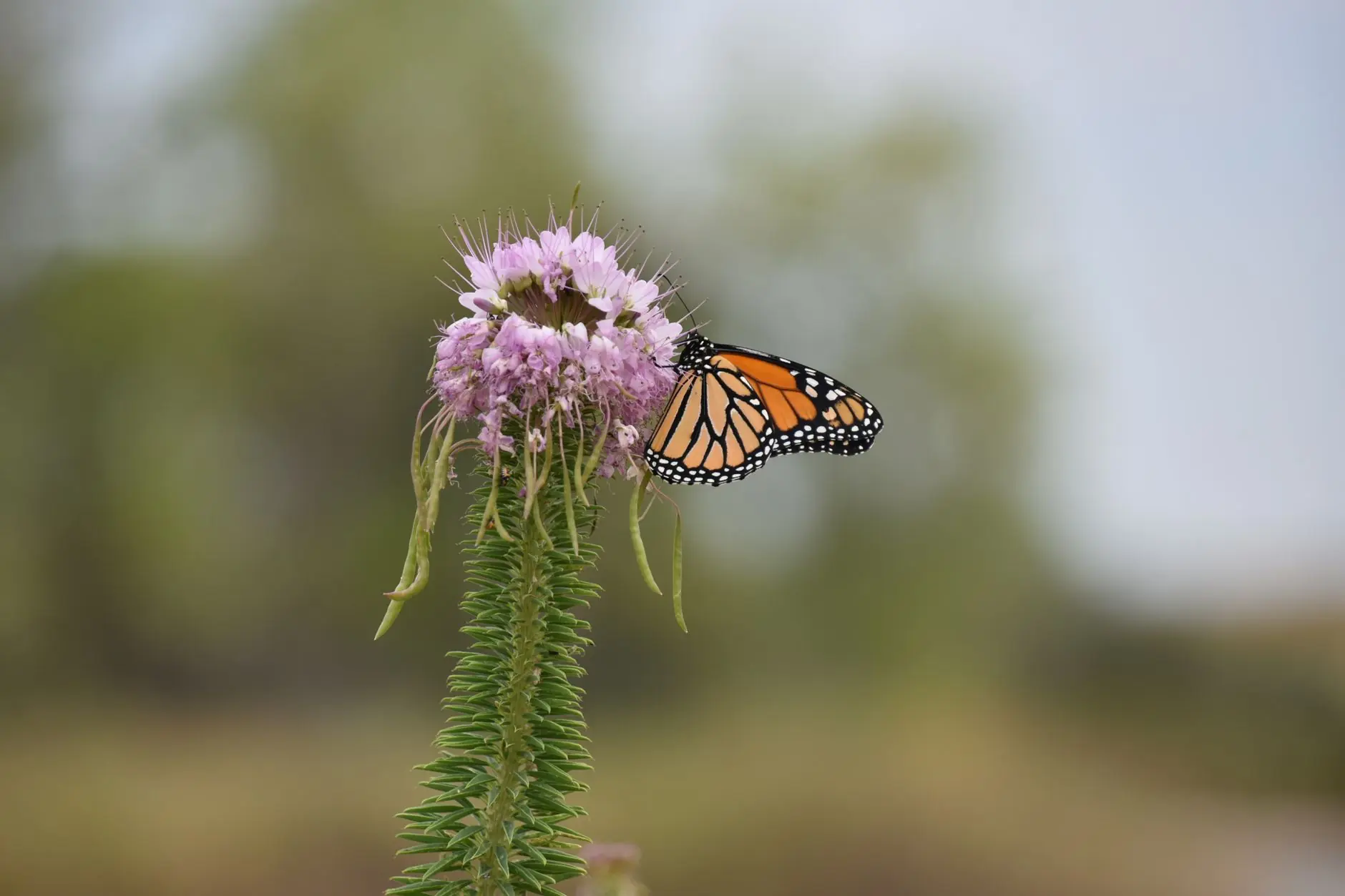
Colorado native plants evolved in the region long before European settlement. They are adapted to low rainfall, intense sun, wide temperature swings, and short growing seasons. Because they are already suited to local conditions, they generally need less water, fertilizer, and pest control than non-native ornamentals.
What Defines a Colorado Native Plant
A Colorado native plant is one that occurred naturally within the state before human introduction. This includes species from the plains, foothills, mountains, and plateaus. The Colorado Native Plant Society (CoNPS) maintains a verified list. True natives have co-evolved with local pollinators and soil microbes, giving them a survival advantage over plants from other regions.
Benefits of Native Plants: Drought Tolerance, Low Maintenance, and Pollinator Support
Once established, many Colorado natives need far less water than lawn grass or exotic perennials. Their deep roots access stored moisture, making them ideal for waterwise landscapes. They support local pollinators like native bees, butterflies, and hummingbirds. For example, milkweed is essential for monarchs, and goldenrod provides late-season nectar. Natives rarely need fertilizer or chemical sprays. However, not every native is equally drought tolerant during year one—establishment requires regular watering.
Colorado vs. Western US Natives: What’s the Difference?
“Western native” in catalogs may not fit Colorado’s cold winters, alkaline soils, or intense UV exposure. A plant from California’s coast or the Pacific Northwest often fails here. Colorado-specific natives are adapted to low humidity, high elevation, and freeze-thaw cycles. When shopping, look for Colorado provenance or check the CoNPS list. Species that work on the Front Range may not suit the Western Slope, so choose plants from your region.
Top Colorado Native Plants for Garden Borders (Small, Non-Spreading, Pollinator-Friendly)
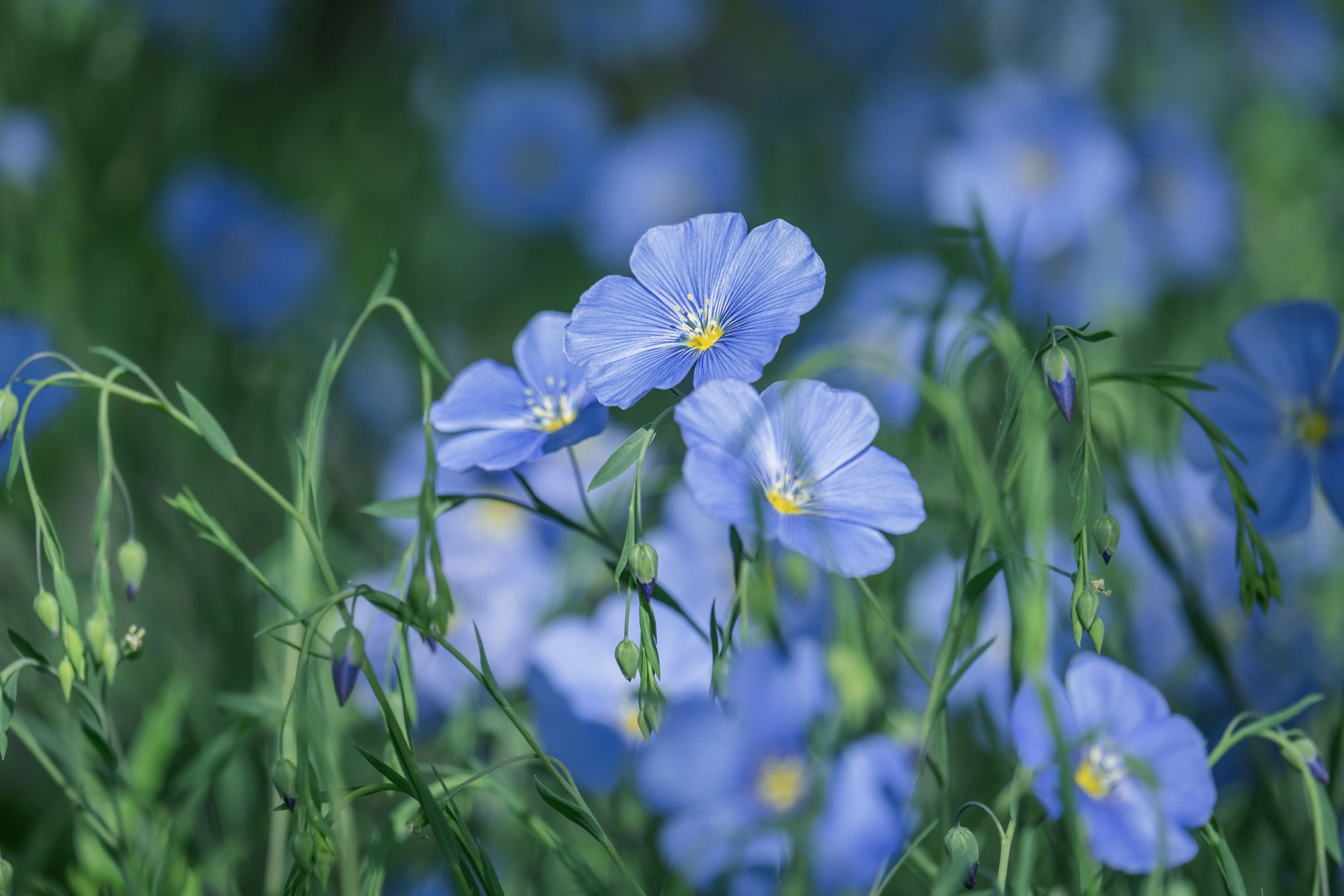
Many homeowners want ecological benefits but worry about plants taking over borders. Several Colorado natives stay compact, don’t spread aggressively by runners, and attract pollinators.
Best Small-Stature Colorado Natives for Full Sun
For areas with at least six hours of direct sunlight, these five are reliable:
- Blue Flax (Linum lewisii) – 18–24 inches tall, delicate blue flowers in late spring to early summer. Self-seeds lightly, not invasive.
- Prairie Coneflower (Ratibida columnifera) – About 2 feet tall, drooping red-and-yellow petals attractive to bees and butterflies.
- Rocky Mountain Penstemon (Penstemon strictus) – Spikes of deep blue flowers in early summer. Clump 12–18 inches tall, slowly spreads by underground stems but manageable.
- Butterfly Milkweed (Asclepias tuberosa) – Non-running, 1–2 feet tall, bright orange flowers. Critical host for monarch caterpillars. Best in sandy, well-drained soil.
- Showy Goldenrod (Solidago speciosa) – Tidy clump, blooms late summer to fall with yellow plumes. Attracts many pollinators.
Colorado Native Plants for Shade: Options That Thrive Without Full Sun
Several natives adapt to partial or dappled shade:
- Coral Bells (Heuchera parvifolia) – Clumping perennial, delicate pink or white flowers on tall stems. Evergreen leaves. Prefers afternoon shade and moist, well-drained soil.
- Wild Ginger (Asarum canadense) – Low-growing ground cover for deep shade with consistent moisture. Heart-shaped leaves, small maroon flowers near soil.
- Woodland Strawberry (Fragaria vesca) – Compact, spreads slowly by runners, 4–6 inches tall, small edible fruits. Partial shade with regular watering.
- Smooth Aster (Symphyotrichum laeve) – Tolerates partial shade, about 2 feet tall, blue-purple flowers in late summer. Not aggressive.
Comparison Table: Colorful, Non-Running Colorado Natives for Zone 5
| Plant Name | Sun/Shade | Mature Height | Bloom Season | Flower Color | Spreading Habit |
|---|---|---|---|---|---|
| Blue Flax | Full sun | 18–24 in | Late spring–early summer | Blue | Non-spreading |
| Prairie Coneflower | Full sun | 18–24 in | Summer–fall | Red/yellow | Non-spreading |
| Rocky Mountain Penstemon | Full sun | 12–18 in | Early summer | Deep blue | Slow clumper |
| Butterfly Milkweed | Full sun | 12–24 in | Summer | Orange | Non-spreading |
| Showy Goldenrod | Full sun | 2–3 ft | Late summer–fall | Yellow | Clump-forming |
| Coral Bells | Partial shade | 8–12 in | Spring | Pink/white | Clumping |
| Wild Ginger | Full to partial shade | 4–6 in | Spring (hidden) | Maroon | Non-invasive spread |
| Woodland Strawberry | Partial shade | 4–6 in | Spring–summer | White (fruit) | Slow runner |
| Smooth Aster | Sun to partial shade | 18–24 in | Late summer–fall | Blue-purple | Clumping |
All suit Zone 5 and won’t overrun your garden.
How to Replace Builder-Grade Landscaping with Colorado Native Plants
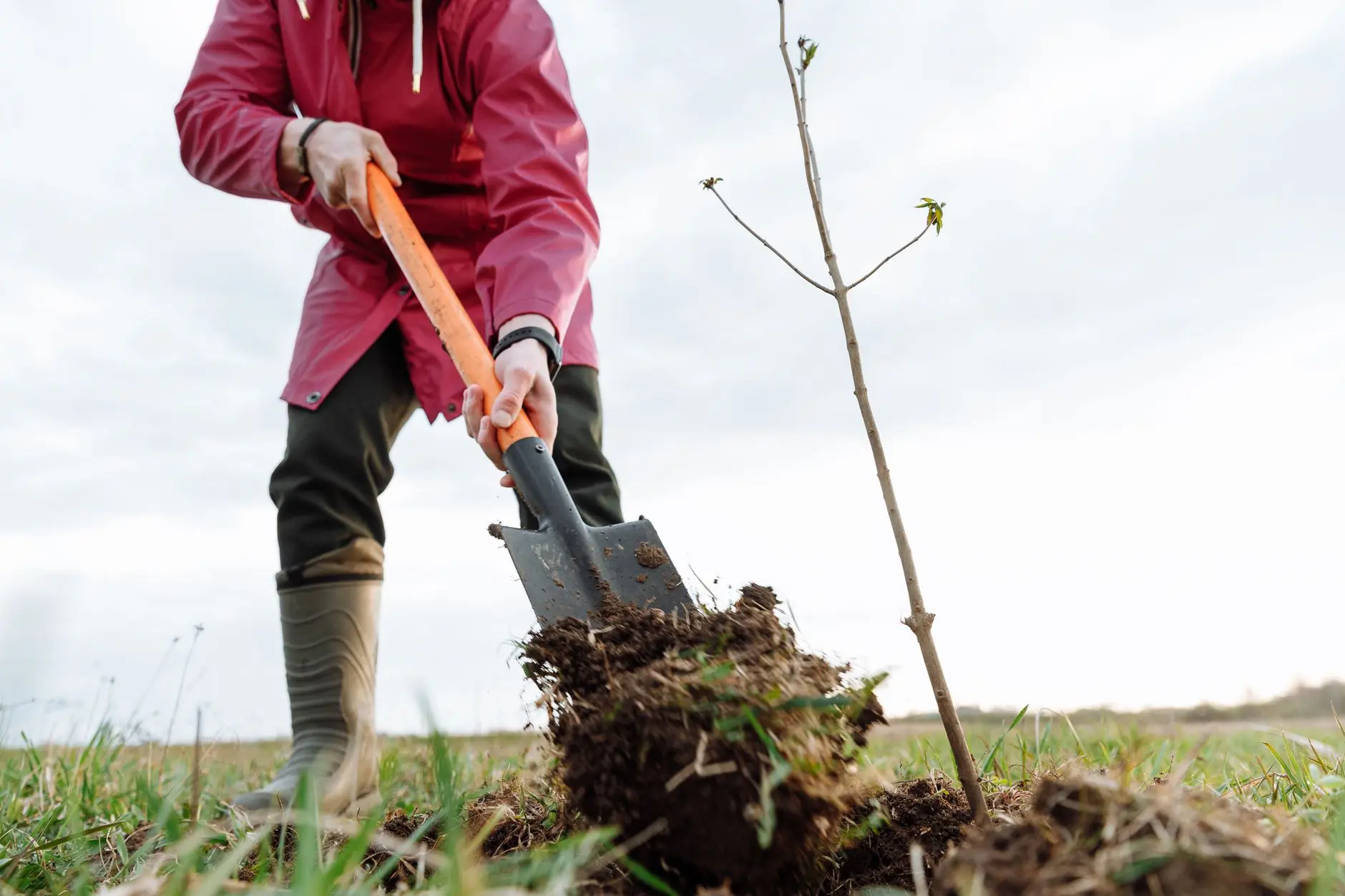
Many homes come with foundation plants chosen for quick impact rather than long-term performance. Replacing them with Colorado natives is manageable with careful planning.
Assessing Your Current Landscape and Choosing the Right Native Replacements
Identify which plants to keep and which fail. Note sun exposure, soil drainage, and nearby trees. Match plant options from the table to each bed’s conditions. For full sun with clay soil, consider penstemon or prairie coneflower. For a shady entryway, wild ginger or coral bells work. Avoid swapping without considering root competition or runoff.
Step-by-Step Guide to Removing Non-Natives and Planting Natives
- Remove existing plants. Dig out roots to prevent regrowth.
- Amend the soil if needed. Colorado natives prefer well-drained soil. For heavy clay, mix in compost or coarse sand. No fertilizer—natives prefer lean conditions.
- Dig planting holes twice as wide as the root ball. Place plant, backfill with native soil, water thoroughly.
- Water regularly for the first growing season. Even drought-tolerant natives need consistent moisture. Water deeply once or twice a week.
- Mulch with a 2-inch layer of shredded bark or gravel. Keep mulch away from stems to prevent rot.
Establishment Timeline: What to Expect in Years 1, 2, and 3
Year 1: Focus on consistent watering. Plants may look small; most energy goes to root growth. Don’t expect heavy flowers.
Year 2: Deeper roots allow longer dry spells. Water every 7–10 days during dry periods. Many species produce first good blooms.
Year 3: Plants are established, surviving on natural rainfall except in severe drought. Flowers are robust. Divide clump-formers if needed.
Designing a Low-Maintenance Native Plant Border from Scratch
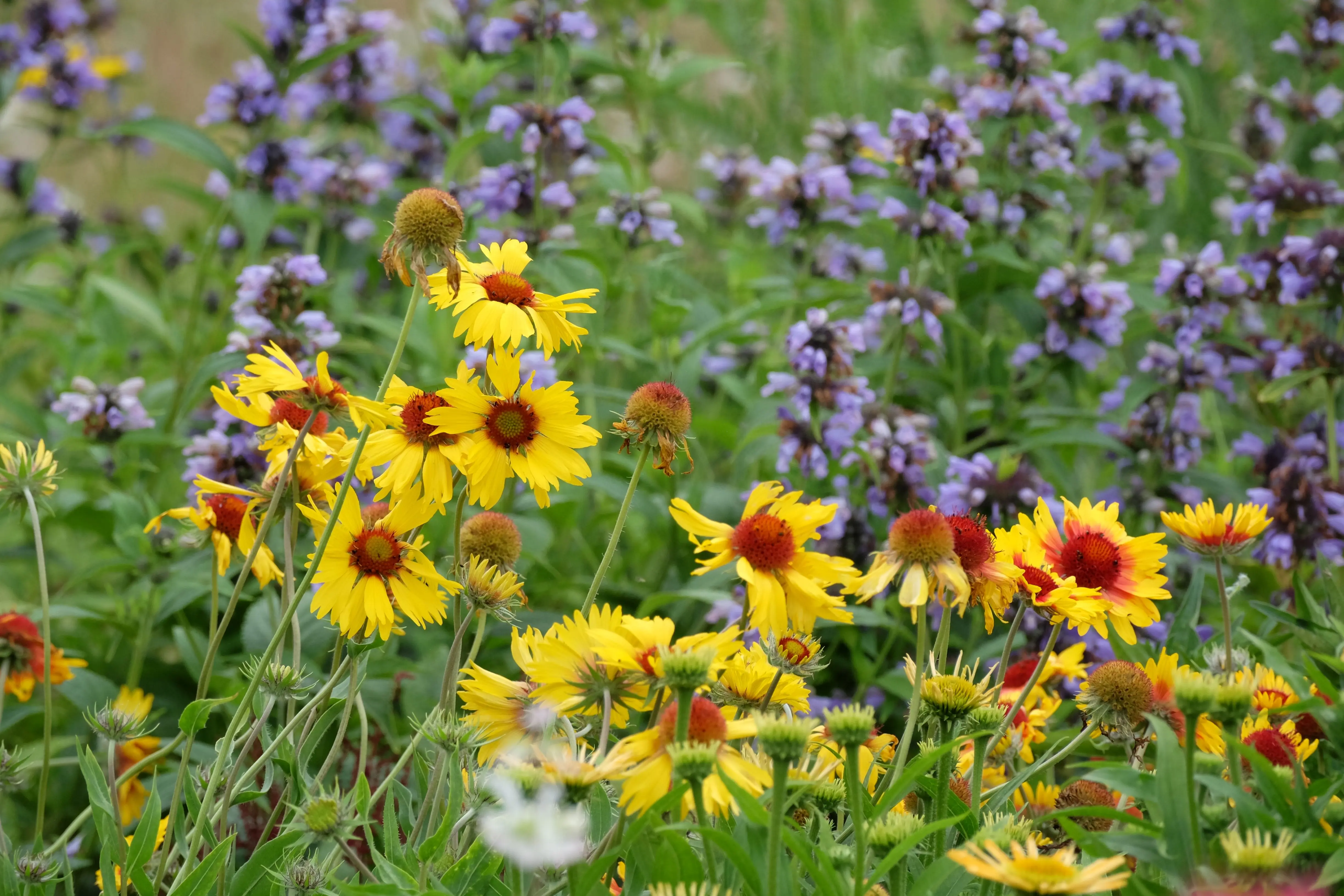
Building from scratch gives full control over design, blending curb appeal with pollinator support.
Planning Your Border: Layout, Spacing, and Color Schemes
Sketch the border shape. Group plants with similar sun and water needs. Place taller plants (showy goldenrod, smooth aster) in back, mid-height (penstemon, blue flax) in middle, low growers (coral bells, wild ginger) in front. Space 12–18 inches apart. For color, pair blue tones (flax, penstemon) with orange/yellow (butterfly milkweed, goldenrod) for contrast.
Combining Natives for Season-Long Interest (Spring, Summer, Fall)
Stagger bloom times: spring—coral bells, woodland strawberry; summer—blue flax, penstemon, butterfly milkweed; late summer/fall—prairie coneflower, smooth aster, showy goldenrod. Seed heads add winter texture. Include evergreen coral bells for winter greenery.
Keeping Your Garden Low Maintenance: Watering, Mulching, and Pruning Tips
- Watering: After year two, deep watering every two to three weeks during dry spells. Use soaker hoses.
- Mulching: Replenish annually to 2 inches. Suppresses weeds and moderates soil temperature.
- Pruning: Cut dead stems in early spring. Leave some seed heads for birds. Thin self-seeders like blue flax in early spring.
- Weeding: Pull weeds small. Natives are not competitive once established, but aggressive weeds like bindweed can still take over.
Where to Buy Colorado Native Plants and Get Expert Help
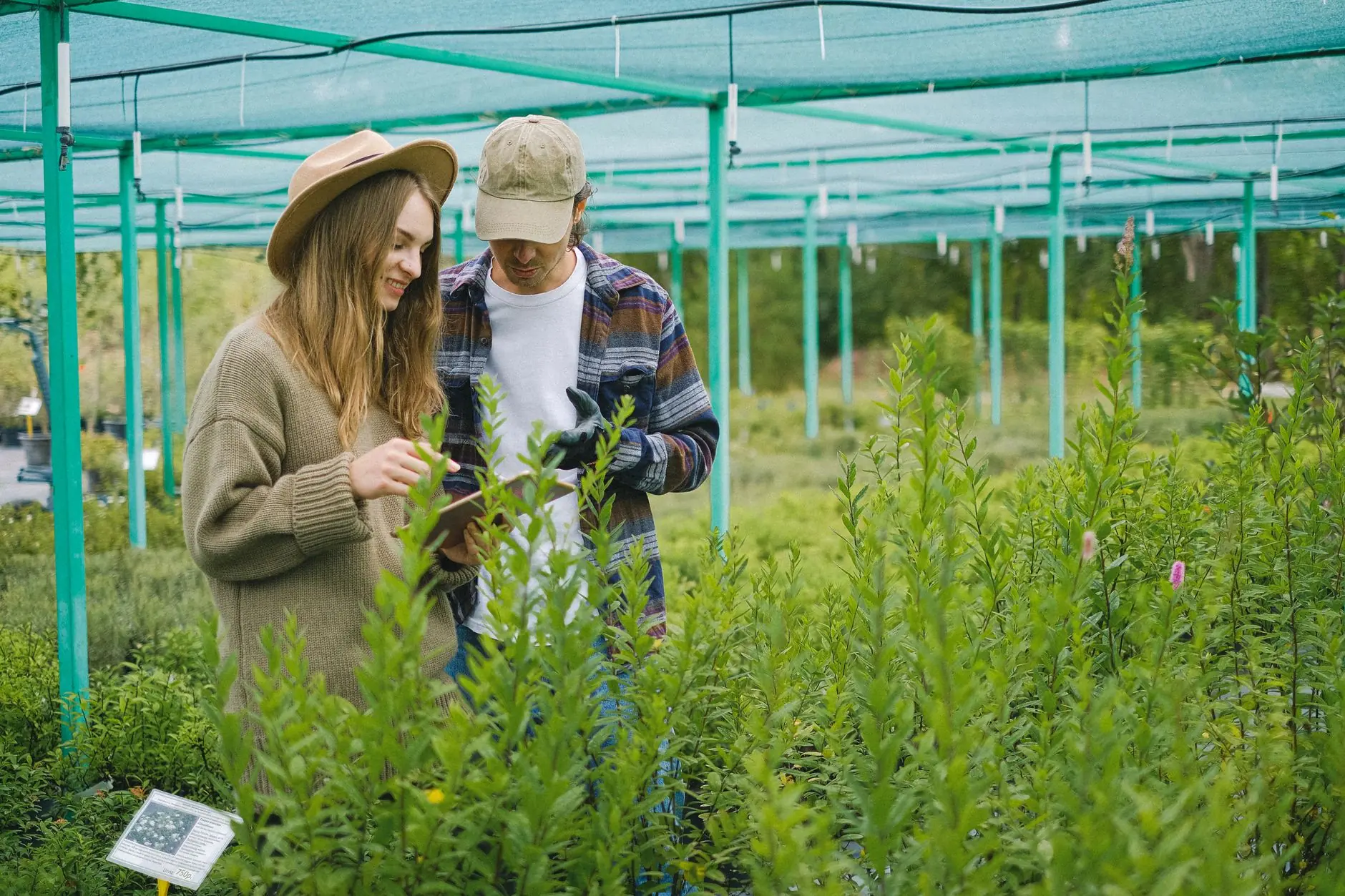
Sourcing true natives is key. Knowing where to look saves time.
Best Places to Buy Colorado Native Plants (Local Nurseries, Plant Sales, Online)
Local independent nurseries specializing in natives are most reliable. In Denver, High Country Gardens (online and retail) and Plant Select® (Denver Botanic Gardens/CSU collaboration) offer regionally adapted varieties. CoNPS chapters host annual plant sales. Online, check that the nursery uses Colorado seed stock. Avoid “wildflower mixes” containing non-native invasives.
Free Resources: Colorado Native Plant Society and CSU Extension Guides
CoNPS provides plant lists, growing guides, and nursery directories. Colorado State University Extension publishes fact sheets on native plants and waterwise gardening. Both are free and science-based.
Seasonal Planting Calendar: What to Plant in Spring, Fall, and Even October
Best planting windows: spring (April–May) and fall (September–October). Fall planting benefits from warm soil and rains. October works if planted at least six weeks before the ground freezes. Avoid midsummer heat unless you can water heavily.
Conclusion
Colorado native plants provide a practical, beautiful, and ecologically supportive way to transform your yard. By choosing small-stature, non-spreading species suited to your conditions, you create a low-maintenance garden that thrives with less water. Replacing builder-grade plants is straightforward, and designing from scratch balances curb appeal with environmental function.
FAQ
What grows easily in Colorado?
Many natives grow easily once established. For full sun, blue flax, prairie coneflower, and butterfly milkweed are reliable. For partial shade, coral bells and smooth aster do well.
What is the native flower of Colorado?
The state flower is Rocky Mountain columbine (Aquilegia coerulea), but it needs cool, moist conditions. Easier natives for typical gardens include penstemon and goldenrod.
Where can I buy Colorado native plants?
Local specialty nurseries, CoNPS plant sales, and online retailers like High Country Gardens. Check the CoNPS website for a list. Avoid generic wildflower mixes.
Can native plants grow in shade in Colorado?
Yes. Coral bells, wild ginger, woodland strawberry, and smooth aster thrive in partial to full shade with consistent moisture.
You Might Also Like