Why Are Some Oranges So Hard to Peel?
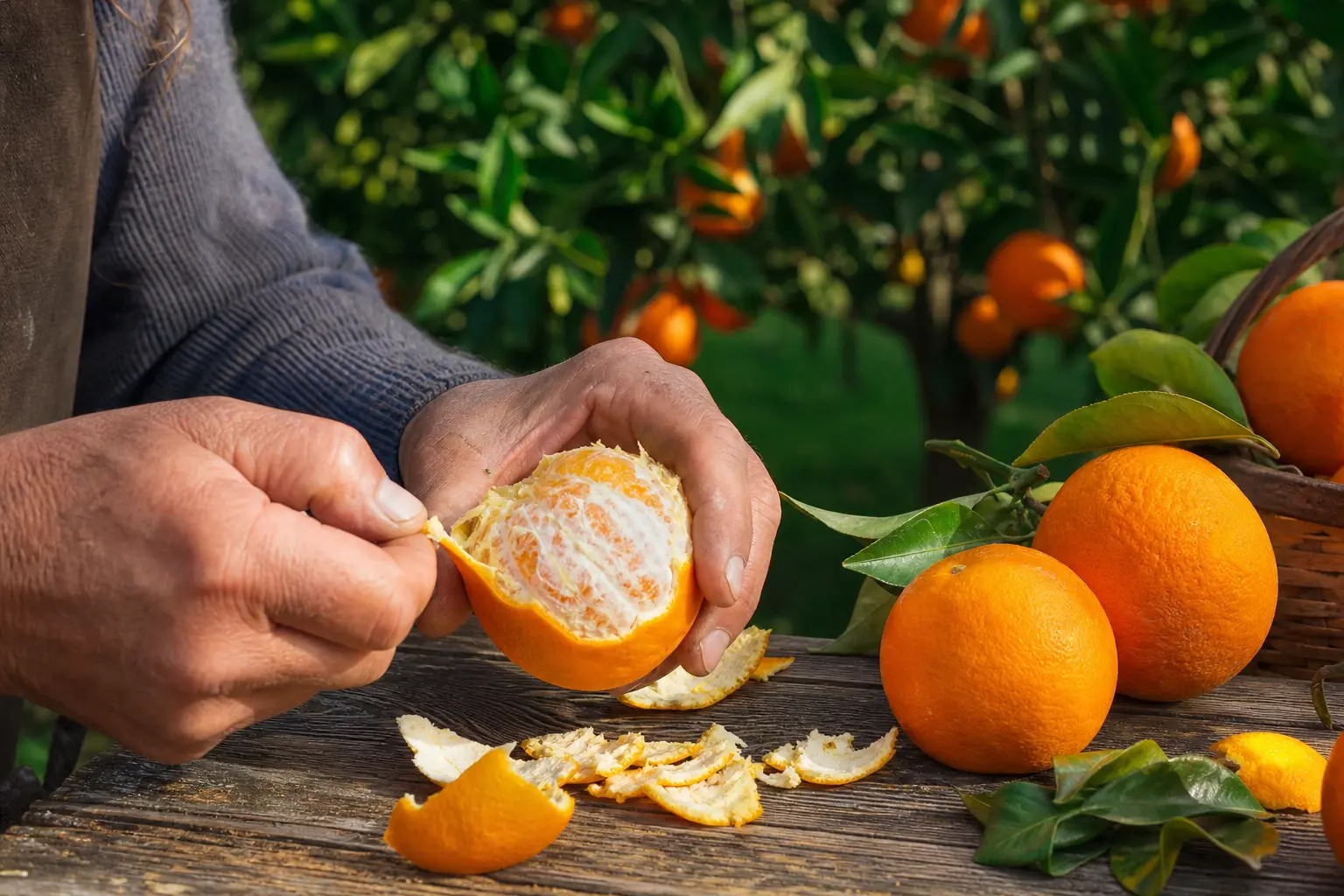
If you have ever fought with an orange that tears into tiny pieces, sprays juice, and leaves half its white pith behind, you are not alone. The main reason oranges are hard to peel is not simply that the skin is “thick.” Peelability depends on how the rind is built, how closely it adheres to the flesh, the variety of citrus, and the fruit’s condition when you buy it.
A hard-to-peel orange is usually still perfectly good to eat. In fact, some especially juicy oranges have a thin but stubborn, fibrous peel. The frustrating part is often a normal characteristic of that fruit rather than a sign that anything has gone wrong.
The Anatomy Behind a Hard-to-Peel Orange
An orange peel is more complex than it looks. Its ease of removal depends on several layers working together:
- Outer rind: The colored skin, rich in aromatic oils.
- White pith: The pale, spongy layer beneath the colored skin.
- Segment membranes: The thin walls that hold each juicy segment together.
- The separation layer: A natural boundary between the pith and the flesh. In easy-peeling citrus, this layer lets the rind pull away in large pieces.
When the rind, pith, and fruit separate cleanly, peeling feels effortless. When the pith is dense, dry, or tightly connected to the segment membranes, the peel tends to shred instead. You may pull off only a thumbnail-sized strip at a time while the juice sacs burst beneath it.
Thick Peel vs. Tightly Attached, Fibrous Peel
A thick peel does not automatically mean a difficult orange. In many easy-peeling mandarins, a relatively loose, puffy rind contains small air spaces between the peel and the fruit. That looseness is what allows the skin to lift away.
By contrast, a thin peel can be firmly bonded to the fruit. Some sweet oranges have a smooth, close-fitting rind with little or no loose space underneath. Their pith can be strong and fibrous, so pulling on the peel also pulls at the outer membranes of the segments.
Think of it as the difference between removing a loose jacket and removing a fitted glove. The thicker jacket may be easier to take off if there is room beneath it; the thin glove may cling tightly at every point.
A tough peel can also contain more noticeable fibrous strands. These strands are part of the fruit’s natural structure, not necessarily a defect. They can make the rind harder to start, harder to tear, and more likely to bring pith or membrane along with it.
Why a Thin Peel Can Still Be Tough to Remove
Thin-skinned oranges are often assumed to be easy to peel, but skin thickness is only one part of the equation.
A thin rind may be difficult when:
- The peel is tightly attached to the pith and fruit.
- The orange has very little air space under the rind.
- The pith is dense rather than soft and spongy.
- The fruit is extremely juicy, so pressure from your fingers bursts juice sacs before the rind releases.
- The rind has become dry or leathery during storage.
Thin-skinned oranges are frequently excellent for eating or juicing, but they may be better sliced than peeled. Trying to force the rind off can crush the fruit, make a mess, and leave you with torn segments.
How Juiciness and Peelability Can Be Related
A very juicy orange can be harder to peel because its flesh is plump and presses firmly against the inner rind. There may be little empty space in which to get a finger under the peel.
This does not mean juicy oranges are always difficult or that dry oranges are always easy. Rather, a tight, heavy, juice-filled orange often has less “give” than a looser mandarin. When you puncture its skin, the pressure can cause juice to escape before you have lifted a large section of peel.
The same trait that makes an orange satisfying to eat may make it inconvenient to peel by hand. If it feels heavy for its size and has a close-fitting rind, consider cutting it into wedges instead of treating it like a mandarin.
Orange Variety Makes a Major Difference
Variety is one of the biggest reasons some citrus fruits peel easily while others resist. Although grocery stores may casually label many fruits as “oranges,” sweet oranges and mandarins have different peel structures.
In broad terms, standard sweet oranges are often designed by nature and breeding history for juice, fresh slicing, or a balance of sweetness and acidity. Mandarins are generally known for their loose, easy-peeling rinds and conveniently separated segments.
Navel Oranges and Other Sweet Oranges
Navel oranges are popular eating oranges because they are sweet, usually seedless, and easy to section once cut. But they are not always easy to peel. Their rind can range from moderately thick to thin and smooth, often with a firm attachment to the flesh.
Other sweet oranges, including many Valencia-type oranges, may be even more challenging to peel by hand. Their skins can be thin, tight, and full of fibrous pith. These are often excellent juicing fruits, which is one reason they can feel disappointing if you expected a quick snack orange.
Here is a practical comparison:
| Citrus type | Typical peelability | Why |
|---|---|---|
| Navel orange | Moderate | Rind may be thick enough to grip but can cling closely to the flesh |
| Valencia and similar juice oranges | Often difficult | Thin, tight rind; very juicy flesh; firm pith |
| Mandarin | Usually easy | Loose rind and natural separation around the fruit |
| Clementine | Usually easy to moderate | Often loose-skinned, though individual fruit can be tight |
| Tangerine | Usually easy | Mandarin-type structure, often with a more pliable rind |
There are exceptions within every category. A navel orange can peel beautifully, while a mandarin can be surprisingly tight, particularly late in storage or when it has dried slightly.
Mandarins, Tangerines, Clementines, and Cuties
Mandarins are a group of citrus fruits generally prized for easy peeling. Tangerines and clementines are commonly treated as mandarin types or close mandarin relatives in everyday produce language. They tend to have a looser rind and segments that separate more readily than those of standard sweet oranges.
“Cuties” is a retail brand name, not a single citrus variety. Depending on the season and supplier, branded easy-peel fruit may be clementines, mandarins, or related hybrids. They are marketed as snackable citrus because they are typically small, sweet, and easier to peel than most full-sized oranges.
Still, “easy peel” is a tendency, not a guarantee. Small mandarins can be difficult when the rind is unusually tight, the fruit has been stored for a while, or the particular variety is less loose-skinned than expected.
A useful rule at the store is this: fruit with a little natural looseness in the rind is usually easier to peel than fruit with skin stretched tightly over the flesh. Avoid squeezing hard, which can damage citrus. Instead, gently assess whether the rind feels slightly separated or supple rather than rigidly tight.
Why Individual Fruits of the Same Type Can Peel Differently
Even oranges from the same tree can vary. Fruit position in the canopy, weather during development, irrigation patterns, harvest timing, and time in storage all influence the rind.
For example, a bag of clementines may contain several fruits that peel in one clean spiral and a few that require a knife. That does not necessarily mean the difficult ones are old or unsafe. It may simply reflect normal variation in peel thickness, pith development, or how tightly the rind has settled around each fruit.
Peelability also changes over a fruit’s season. Early fruit may have firmer, tighter rinds. Later fruit can become looser, though it may also be more prone to drying out if held too long after harvest.
Ripeness, Growing Conditions, and Storage Can Affect the Peel
Orange rind is living plant tissue while the fruit is on the tree, and it continues to change gradually after harvest. The balance of moisture in the rind and flesh matters as much as the original variety.
Citrus growers aim for fruit with good eating quality, but weather and handling cannot be controlled perfectly. A period of heat, uneven water supply, or prolonged storage can alter how the peel behaves in your hands.
Oranges Picked Before or After Peak Maturity
Citrus does not ripen in exactly the same way as fruits such as bananas or peaches after picking. Oranges may become less acidic over time, but they do not develop dramatically more sweetness once harvested. For that reason, harvest timing is important.
Fruit picked when the rind is firm and closely attached may feel more difficult to peel. On the other hand, fruit held longer on the tree can sometimes develop a looser rind. That looseness may make peeling easier, but excessive aging can reduce overall texture and freshness.
Color alone is not a reliable clue. An orange can be fully mature while still having patches of green, especially in warm climates. Conversely, a deeply orange rind does not guarantee that the fruit will peel easily.
Effects of Drying Out and Long Storage
As an orange loses moisture, its rind and pith can become tougher, drier, and more leathery. The interior may pull slightly away from the peel, but that does not always make peeling pleasant. Instead, the rind may crack, fragment, or feel difficult to puncture.
Signs that storage has affected the fruit include:
- A rind that looks dull, wrinkled, or shrunken.
- An orange that feels unusually light for its size.
- Dry, brittle pith that flakes away.
- Segments that are less juicy or have a cottony texture.
Proper storage can help preserve quality. Keep oranges at room temperature if you expect to eat them within a few days. For longer storage, refrigeration generally helps limit moisture loss. Let refrigerated oranges sit at room temperature briefly before eating if you prefer stronger aroma and flavor.
When a Tough Peel May Signal Poor Fruit Quality
A tough peel alone is not a warning sign. A firm, heavy orange with a stubborn rind may be juicy and delicious inside.
However, discard the fruit if peeling reveals signs of spoilage, such as:
- Fuzzy mold on the rind or inside the fruit.
- A fermented, musty, or otherwise unpleasant odor.
- Soft, wet, collapsing areas.
- Dark, slimy, or extensively discolored flesh.
- Juice that looks or smells abnormal.
A dry orange with a hard rind is not necessarily unsafe, but it may be past its best. If the segments are shriveled, bland, or dry, it is usually better for cooking, zesting, or composting than for fresh eating.
How to Make a Stubborn Orange Easier to Peel
You cannot turn a tight-skinned sweet orange into a loose mandarin, but you can reduce waste and avoid crushing the fruit. The goal is to create a controlled opening in the rind rather than digging aggressively into the flesh.
Wash the orange under running water before cutting or zesting it, especially if your knife will pass through the rind into the fruit.
Start at the Stem End or Score the Peel
The stem end is often the best place to begin because it usually has a slight indentation and less risk of immediately puncturing a segment.
Try this method:
- Hold the orange stem-end up.
- Press a thumbnail into the indentation, just deep enough to get beneath the colored rind.
- Lift a small flap of peel.
- Work around the fruit gradually instead of pulling hard in one direction.
- If the peel starts shredding, make a second opening rather than forcing the first one.
For a particularly stubborn orange, use a small paring knife to score the rind from top to bottom in four to six shallow lines. Cut through the rind and pith, but avoid cutting deeply into the flesh. Then lift each section away like a petal.
This method is especially useful for navels and thin-skinned juice oranges. It gives you control without sacrificing much edible fruit.
Warm the Orange Slightly With Your Hands
Cold citrus has a firmer rind and less flexible pith. If your orange came from the refrigerator, roll it gently between your palms for 20 to 30 seconds or leave it on the counter for a short time.
Do not squeeze hard or roll it forcefully against a countertop. That can burst juice sacs and make the rind even harder to remove cleanly. Gentle warming simply makes the peel slightly more pliable and easier to start.
This trick will not solve a fundamentally tight rind, but it can make an average orange more manageable.
When to Cut the Peel Instead of Forcing It
Use a knife when the fruit is fighting back. There is no prize for peeling every orange by hand.
Cutting is usually the better choice when:
- The rind is thin, smooth, and tightly attached.
- Your thumb cannot get beneath the peel without breaking segments.
- The orange is very juicy and starts leaking immediately.
- You want neat pieces for a lunchbox, salad, or dessert.
- You have sore hands, weak grip strength, or sensitive nails.
You can cut the orange into wedges, halve it and scoop out the flesh with a spoon, or remove the peel and pith with a knife before segmenting it. For salads, slicing away the rind and pith first also lets you separate clean, membrane-free segments.
Conclusion
Why oranges are hard to peel usually comes down to normal fruit structure: a rind that is tightly attached, dense or fibrous pith, very juicy flesh, and the characteristics of the particular variety. Standard sweet oranges often take more effort than mandarins, clementines, or tangerines because they do not have the same naturally loose peel.
A difficult rind does not automatically mean the orange is unripe, poor quality, or unsafe. If the fruit is firm, smells fresh, and looks sound inside, enjoy it. For especially stubborn oranges, a few shallow knife scores or simple wedges are often the cleanest solution.
FAQ
Why are mandarins easier to peel than oranges?
Mandarins generally have a looser rind and more natural separation between the peel, pith, and fruit. That allows the skin to lift away in larger pieces. Most standard sweet oranges, including many navels and Valencia-type oranges, have rinds that fit more tightly against the flesh.
Does a thick orange peel mean the orange will be easier to peel?
Not necessarily. A thick peel may be easy to grip, but it can still be firmly attached to the fruit. The key factor is looseness beneath the rind, not thickness alone. A thick, slightly puffy peel is often easier than a thin, tight one.
Are hard-to-peel oranges still safe to eat?
Usually, yes. Difficulty peeling is commonly a variety or texture issue. Eat the orange if it smells fresh and the interior is juicy and free from mold, slimy areas, or an off odor. Discard it if you see fuzzy mold, extensive soft rot, or abnormal-looking flesh.
Why is an orange peel thin but tough and fibrous?
A thin peel can still be tough when the pith is dense and tightly attached to the segments. Very juicy fruit may also press firmly against the rind, leaving little space to start peeling. Storage-related drying can make a thin rind leathery or brittle as well.
You Might Also Like