What Struggling Plants Can Teach Us
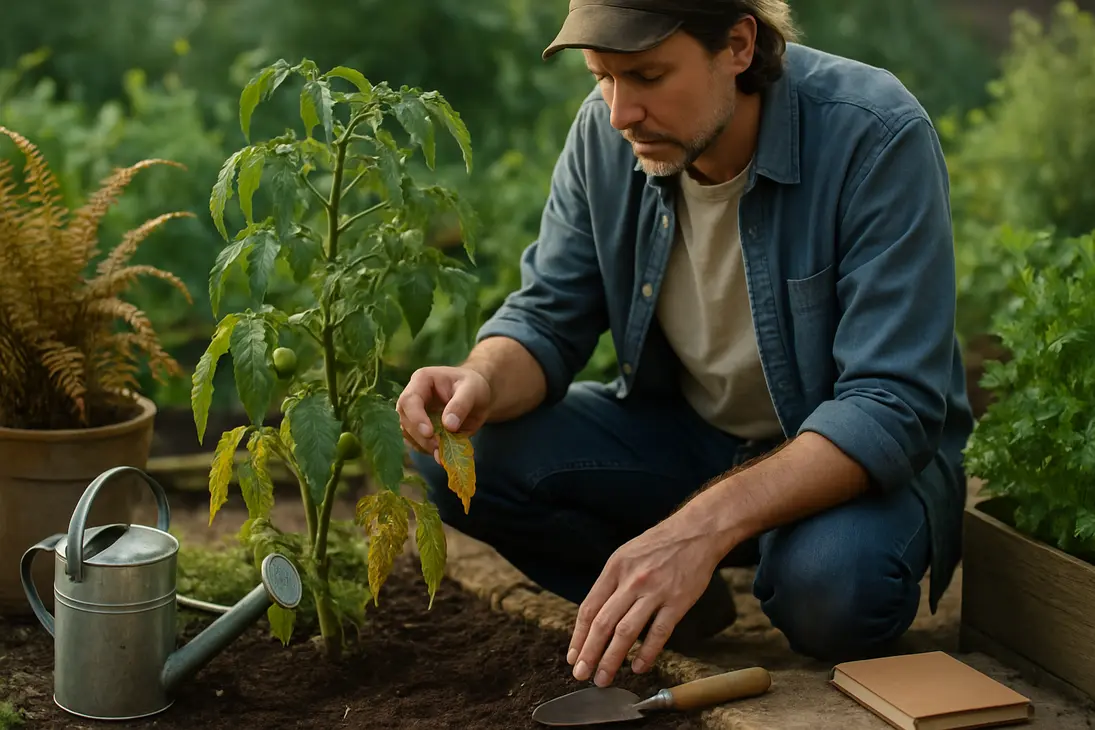
A struggling plant can feel personal. The tomato wilts after watering, the fern browns at the edges, the hydrangea refuses to flower, or the seedlings collapse overnight. It is easy to think, I’m bad at this.
But decline is information. Plants show stress through leaf color, posture, roots, pests, soil moisture, and timing. Yellow leaves might mean overwatering, low nutrients, poor drainage, shade, shock, or normal aging. Wilting may mean thirst, damaged roots, heat stress, or transplant shock.
The goal is not to save every plant. The goal is to become more observant, patient, and willing to adjust. Struggling plants teach us to garden with reality instead of expectation.
Start With Observation, Not Blame
Before deciding a plant is hopeless—or that you failed—slow down and gather clues.
Notice:
- Leaves: Are they yellow, brown, curled, spotted, limp, crisp, or dropping?
- Soil: Is it dry, soggy, compacted, crusted, or pulling from the pot edge?
- Growth: Is the plant stretching, stunted, flowering poorly, or growing one-sided?
- Light: Has the sun pattern changed because of season, shade, tree growth, or an indoor move?
- Watering: Are you watering by habit or by soil moisture?
- Pests: Do you see webbing, holes, sticky leaves, eggs, frass, or distorted new growth?
- Timing: Was it recently transplanted, repotted, divided, shipped, or exposed to heat or cold?
A plant problem is rarely a moral issue. It is usually a mismatch, stress response, or timing issue. Observation turns panic into diagnosis.
What the plant is trying to show you
Plants respond constantly to their conditions. They lean toward light, shed old leaves, slow down after root disturbance, wilt when water movement cannot keep up, and pause growth during stress or dormancy.
Common signals include:
| What you see | Possible lesson | Check first |
|---|---|---|
| Yellow lower leaves | Aging, overwatering, hunger, or shade | Soil moisture, drainage, fertilizer, light |
| Crispy brown edges | Water stress, dry air, heat, salt buildup, or root damage | Watering, humidity, pot size, recent feeding |
| Limp leaves in wet soil | Roots may be oxygen-starved or rotting | Drainage, soil texture, root smell and color |
| Pale, stretchy growth | Not enough light | Window direction, shade, spacing, grow light distance |
| Holes or distorted leaves | Pests may be feeding | Leaf undersides, new growth, stems, soil surface |
| No flowers | Wrong pruning, low light, excess nitrogen, immaturity, or season | Plant type, sun hours, pruning history, feeding |
These clues do not guarantee one answer, but they narrow the possibilities. The more you observe, the less you guess.
Why slow decline often teaches more than quick success
A plant that thrives immediately is encouraging, but it may only teach “this worked.” A plant that slowly declines invites better questions. Did the potting mix hold too much water? Did afternoon sun scorch a shade plant? Did you prune off flower buds? Did pests arrive unnoticed?
Slow decline gives you time to compare cause and effect. You water less and watch. You move the plant to brighter light and wait. You lift the root ball and discover circling roots or sour, wet soil.
Quick success is pleasant. Slow struggle builds skill.
Lessons Struggling Plants Can Teach Us
The best lessons from plants are practical: match the plant to the place, respond instead of panic, wait when waiting is needed, and let go when the situation is not working.
Lesson 1: The Right Environment Matters More Than Good Intentions
You can love a plant and still give it the wrong conditions. Lavender in heavy, wet soil may decline even with careful watering. A fern in dry afternoon sun may crisp no matter how much you fuss over it. A tomato in deep shade may live but never produce well.
Good intentions cannot replace light, drainage, air movement, root space, and seasonal fit.
Before adding more care, ask whether the plant is in a place where it can succeed:
- Does it receive the right amount of sun?
- Does the soil drain at the speed the plant prefers?
- Is the container large enough, with drainage holes?
- Is it crowded by roots, weeds, or neighboring plants?
- Is the climate suitable, or are you fighting heat, frost, humidity, or drought?
Many gardeners learn “right plant, right place” through disappointment. A nursery plant looked perfect, but the garden bed was too shady. A drought-tolerant plant was placed beside moisture-loving plants and watered too often. A fast spreader overwhelmed a small border.
This is not failure. It is site assessment. Over time, you stop asking only, “What plant do I want?” and start asking, “What plant wants this place?”
More care is not always better care. Beginners often respond to decline with more water, fertilizer, pruning, repotting, or attention. Sometimes that helps; often it adds stress. A houseplant in low winter light may need less water, not more food. A plant with root rot needs oxygen and drainage before encouragement.
Care is not measured by effort. It is measured by fit.
Lesson 2: Mistakes Become Useful When You Study Them
Every gardener makes mistakes. The difference between a discouraging mistake and a useful one is whether you study it.
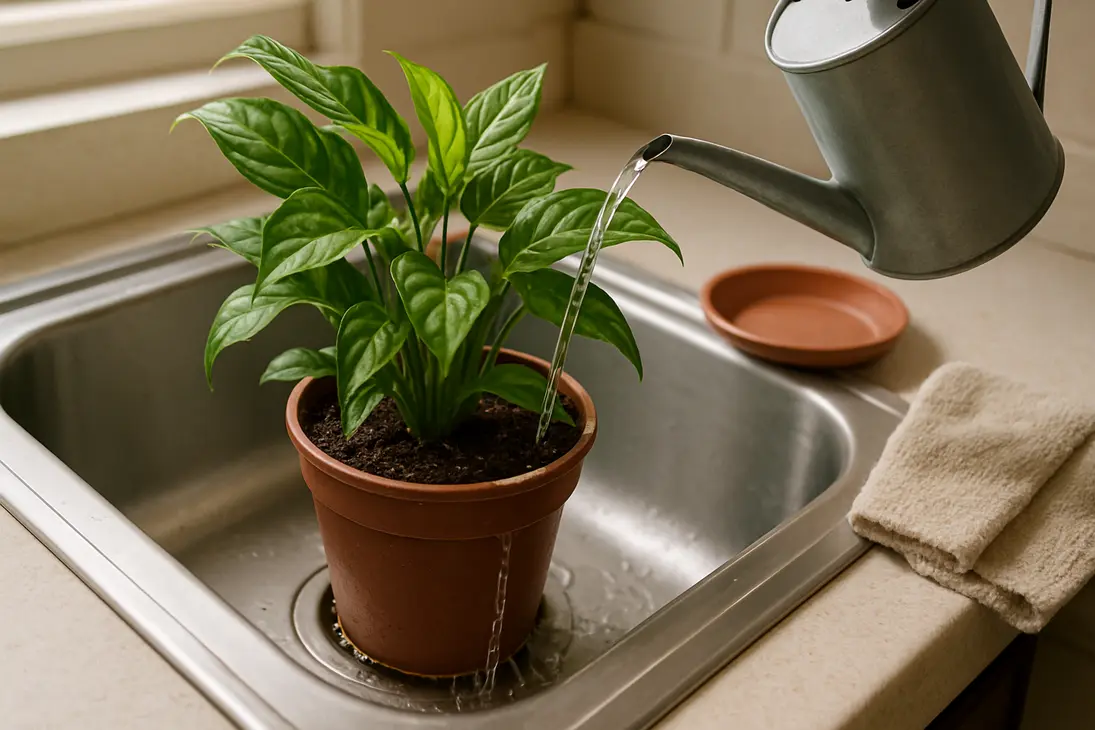
Overwatering teaches restraint. Watering feels helpful, but roots need oxygen as well as moisture. In constantly wet soil, roots weaken or rot. The plant may wilt even though the soil is wet, tempting you to water again. Instead, check first: feel the soil, lift the pot, or watch how a bed drains after rain. Water deeply when needed, then let the soil move toward the moisture level that plant prefers.
Wilting teaches attention to timing. A plant may wilt because it is dry, because roots are damaged, because the day is hot and bright, or because it was recently transplanted. Some large-leaved plants wilt in afternoon heat and recover by evening. Ask: Did it recover overnight? Is the soil dry several inches down? Was it planted recently? Has wind increased evaporation?
Pests and disease teach early intervention. A few aphids, faint webbing, mildew, or one chewed seedling may seem minor, but problems spread quickly. Inspect regularly, remove badly affected leaves, wash off small pests, improve airflow, isolate infested houseplants, and choose the least disruptive effective method first.
Failed crops teach planning and patience. Lettuce that bolts may point to timing. Forked carrots may mean compacted soil. Leafy tomatoes with little fruit may involve sun, variety, nutrition, pollination, or temperature. Collapsed seedlings may point to sanitation, airflow, or watering.
A notebook, photo folder, or simple list of “what I’ll do differently next year” turns mistakes into progress.
Lesson 3: Growth Is Not Always Visible Right Away
Visible growth is not the only kind of growth. Gardeners look for leaves, flowers, and fruit because they are easy to see, but plants often begin with roots.
After planting, many perennials, shrubs, trees, and houseplants spend energy rebuilding or expanding roots. Above ground, they may appear paused. This can look like failure if you expect instant growth. In reality, a stronger root system is preparing the plant for later resilience.
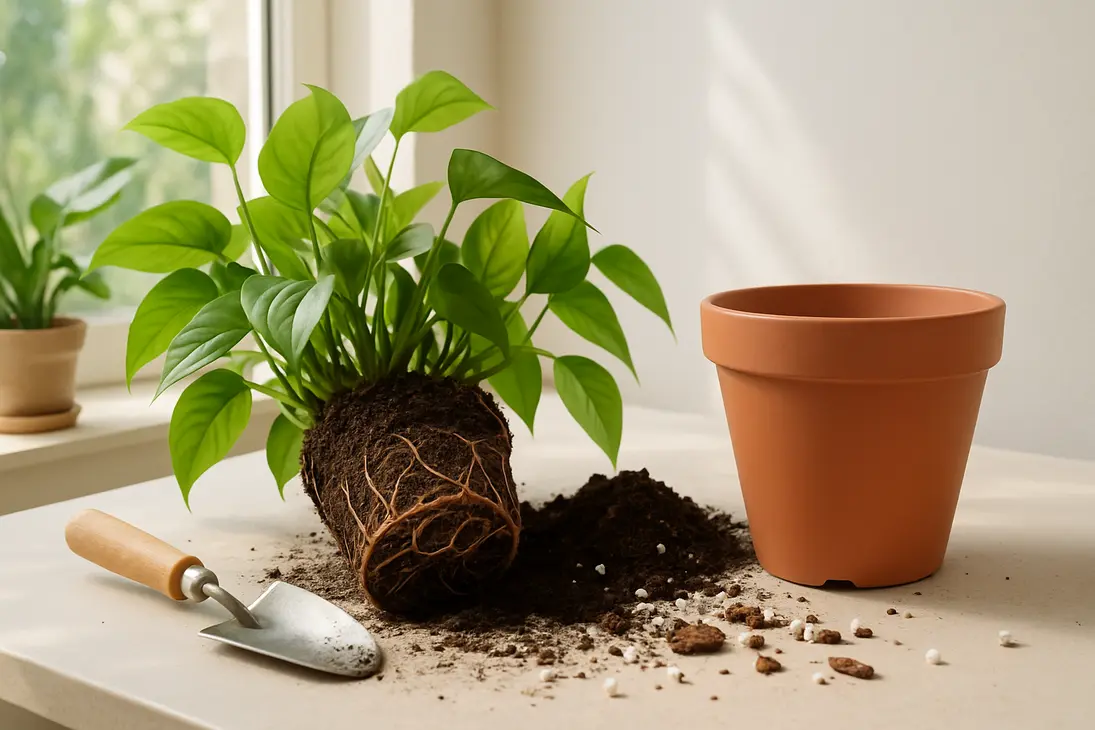
This is especially true after repotting or transplanting. Roots may have been disturbed, trimmed, dried briefly, or moved into a different soil environment. The plant must restore water uptake before it can support much new top growth.
Some plants also need a season to settle. Perennials may be modest the first year and stronger later. A shrub may take time to root into surrounding soil before flowering well. A divided plant may look smaller before regaining vigor.
This does not mean every struggling plant should be ignored. It means you should judge it by a realistic timeline. A newly planted tree should not behave like an established one. A bare-root plant may leaf out unevenly. A dormant bulb may look lifeless until its season arrives.
Recovery may not look like your expectations. A damaged plant may resprout from the base, drop older leaves, grow lopsided, or skip flowering. Look for direction: firm stems, healthy buds, living roots, improved color, or steady new growth.
Patience is not neglect. It is observation stretched over time.
Lesson 4: Sometimes the Best Care Is Letting Go or Starting Over
Not every plant should be rescued. This is hard when a plant was expensive, sentimental, or grown from seed, but good gardening includes editing. Removing, moving, pruning, dividing, or composting a plant can be care for the whole garden.
Rescue makes sense when there is living tissue and a realistic path forward. Try rescue when:
- The problem is identifiable and fixable.
- The plant is not spreading serious disease.
- It has sentimental or practical value.
- You have a suitable place or pot for recovery.
- The effort will not endanger nearby plants.
A root-bound houseplant may recover after repotting into a slightly larger container. A thirsty container plant may rebound after deep rehydration and better habits. A perennial crowded by neighbors may improve after being moved in the right season.
Sometimes the plant is not dying; it is misplaced or overgrown. A sun-loving perennial reaching toward light may need relocation. A shrub blocking a path may need pruning. A clump-forming perennial flowering poorly in the center may need dividing. A plant that outgrew its container may need root space more than fertilizer.
These choices have trade-offs. Moving causes temporary stress. Pruning at the wrong time can remove flowers. Dividing too often can weaken some plants. But leaving a plant in poor conditions can be worse.
Composting a plant can feel like defeat, but it is often sensible. Annuals finish their life cycle. Severely diseased plants may not be worth nursing. A plant that repeatedly fails in the same spot may be telling you the match is wrong.
It is okay to let go when the roots are mostly rotten, disease keeps spreading, the season is too short for recovery, the plant is wrong for your conditions, or you no longer enjoy caring for it. Starting over is not waste if you carry the lesson forward.
Lesson 5: Gardening Teaches Humility, Resilience, and Connection
Struggling plants teach practical skills, but they also shape the gardener. They remind us we are working with living systems, not machines. Weather changes. Soil varies. Seeds differ. Pests arrive. A method that worked last year may need adjusting this year.
Gardening can be calming because it gives the mind something tangible to do: notice, water, weed, prune, sow, wait, and try again. A struggling plant becomes a small practice in patience. You cannot force roots to grow by worrying or hurry a seedling by checking it every hour. You can improve conditions and return tomorrow.
That rhythm—observe, act, wait, learn—is one of gardening’s deeper gifts.
A green thumb is not magic. It is pattern recognition built through repeated seasons. Experienced gardeners are not people who never kill plants. They are people who have killed enough plants, revived enough plants, and watched enough seasons to recognize likely causes.
Struggling plants are also useful with children or new gardeners. A bean that wilts teaches water and timing. A sunflower leaning toward light teaches observation. A failed seed tray teaches that not everything grows—and trying again is normal.
“Let’s see what happened” is more useful than “We ruined it.” Pulling up a failed seedling to inspect roots or comparing a watered pot with a dry one turns disappointment into discovery.
Conclusion
The best lessons from plants often come from the ones that struggle. They teach attentiveness because small changes matter, patience because roots and recovery take time, flexibility because care must fit the plant and place, and compassion because blame rarely helps anything grow.
A struggling plant is not always a problem to solve perfectly. Sometimes it is a signal to read, a mistake to study, a plant to move, or a season to accept. Sometimes it is compost for the next attempt.
Every gardener loses plants. The real growth comes from noticing what those plants were trying to teach.
FAQ
What is the biggest lesson struggling plants teach?
The biggest lesson is to observe before reacting. A struggling plant is usually showing a mismatch between its needs and its conditions. Light, water, soil, space, temperature, pests, timing, and root health all matter. Once you learn to read those signals, you make calmer decisions.
How do I know if I made a gardening mistake or the plant is just adjusting?
Look at timing and direction. If the plant was recently transplanted, repotted, divided, shipped, or moved to different light, some adjustment is normal. Temporary wilting, slowed growth, or a few dropped leaves may happen.
It may be a mistake if decline keeps worsening, soil stays too wet or dry, leaves show spreading spots or pests, stems soften, roots smell rotten, or the plant is clearly in the wrong light. Change one condition at a time and watch the response.
Can a dying plant still be saved?
Sometimes. A plant may be worth saving if it has firm stems, healthy buds, living roots, or green tissue under the bark. Identify the likely cause first: too much water, too little water, poor light, pests, disease, root crowding, or transplant stress.
If roots are mostly rotten, the crown is mushy, disease is spreading, or the plant is badly mismatched to your conditions, starting over may be better.
How can beginners turn plant failures into better gardening habits?
Keep simple notes. Record the plant, location, light, watering pattern, what went wrong, and what you would change next time. Photos help you compare symptoms later.
Beginners also improve by checking soil before watering, choosing plants suited to their conditions, inspecting leaves regularly, starting with easier plants, and accepting that every season includes experiments. Plant failures are not proof that you cannot garden. They are how gardeners learn.
You Might Also Like