Why Are My Kentia Palm Leaves Curling or Bending?
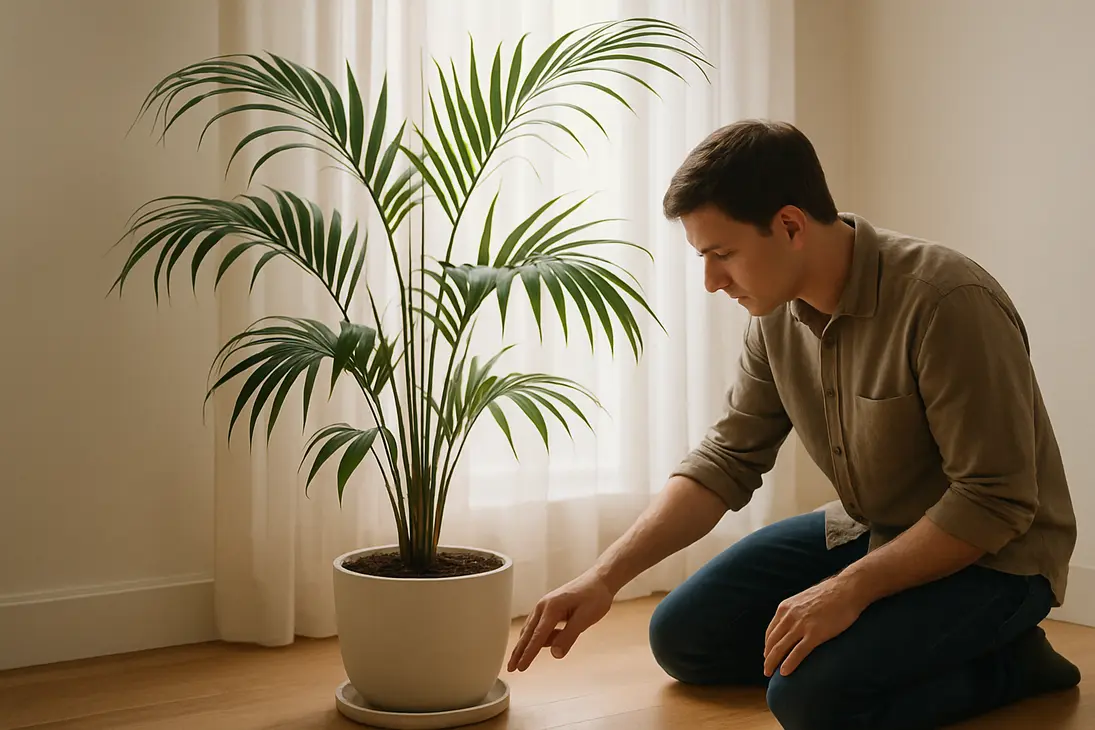
Kentia Palm leaves curling usually means the plant is stressed, not that it has one single disease. A Kentia Palm may curl, fold, bend, or droop because it is too dry, too wet, too hot, too cold, recently moved, root-stressed, or affected by pests.
The leaf shape gives clues, but the best diagnosis comes from checking the soil, drainage, roots, light, air movement, and leaves together. Kentia Palms are slow to react and slow to recover, so avoid panic-repotting or overwatering. Work through the likely causes and correct the one that fits best.
What Curling Kentia Palm Leaves Usually Mean
A healthy Kentia Palm naturally has long, arching fronds. Older fronds may hang lower than newer ones, and leaflets can angle slightly. Curling becomes more concerning when leaflets fold tightly, fronds collapse, tips turn brown, or new growth emerges distorted.
Curling inward or folding lengthwise
Leaflets that curl inward or fold lengthwise often point to moisture stress. The plant may be conserving water because the root ball is too dry, the air is very dry, or the palm is losing water quickly in hot, bright conditions.
Check the soil before assuming it needs water. Damaged roots from overwatering can also cause curling because unhealthy roots cannot take up moisture properly.
Leaves bending, drooping, or arching more than usual
Some bending is normal for Kentia Palms. A problem is more likely when a frond suddenly droops, bends sharply at the base, or looks limp instead of gracefully arched.
Dry soil can make fronds papery and weak. Wet soil can make them look heavy, dull, or soft. Recent moving, repotting, shipping, or exposure to a vent can also cause temporary drooping while the plant adjusts.
Curling with brown tips or crispy edges
Curling with dry brown tips usually suggests dryness or leaf stress. Common causes include:
- Underwatering
- Low indoor humidity
- Hot direct sun through glass
- Heat from vents, radiators, or fireplaces
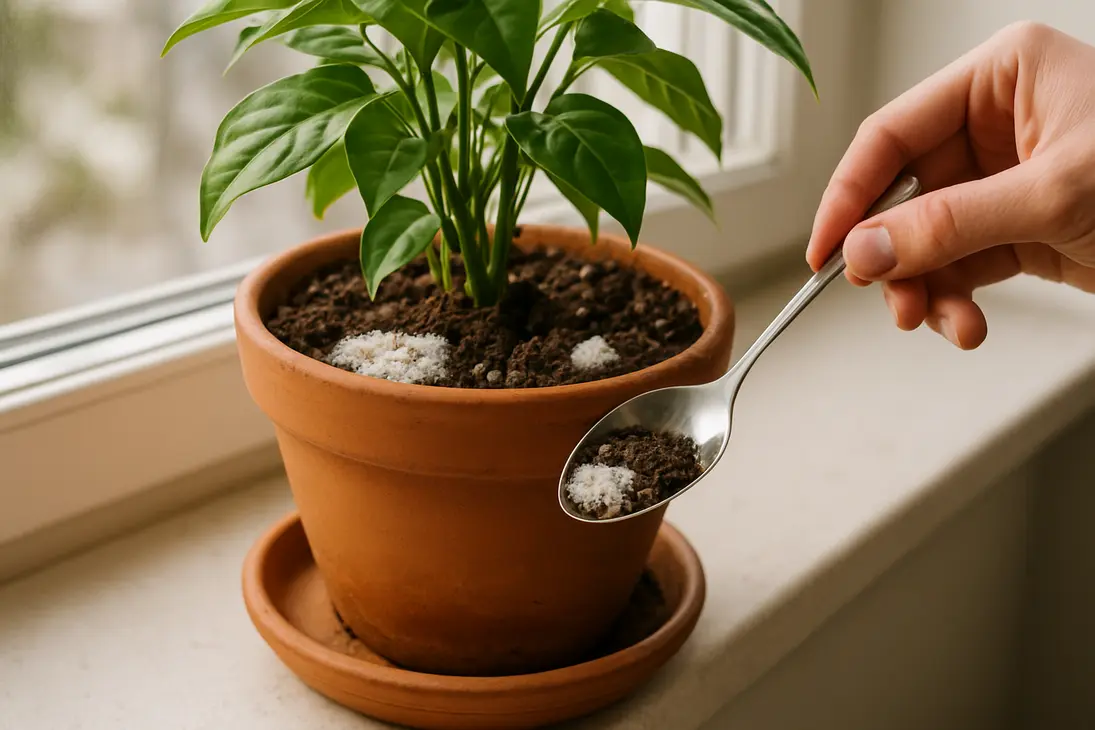
- Salt buildup from fertilizer or hard water
Brown tips will not turn green again. Focus on whether the browning stops spreading after care improves.
Curling with yellowing or soft, limp fronds
Curling with yellowing, limpness, or a soft base is more concerning. It often points to overwatering, poor drainage, or root damage.
If lower fronds yellow while the soil stays wet, check the pot immediately. A pot without drainage, standing water in a cachepot, dense soil, or a sour smell can mean the roots are short of oxygen. In that case, watering more will make the problem worse.
The Most Common Causes of Kentia Palm Leaf Curl
Most Kentia Palm leaf curl comes from inconsistent moisture, poor drainage, dry air, sudden environmental changes, or pests. More than one factor can be involved, especially in winter when homes are darker, drier, and cooler.
Underwatering or inconsistent watering
Underwatering is one of the most common causes of inward curling. Kentia Palms do not like being constantly wet, but they also dislike drying out completely for long periods.
Signs include:
- Folded, narrow-looking leaflets
- Crispy brown tips
- Potting mix pulling from the pot edge
- A very light pot
- Water running through without soaking in
- Curling after missed waterings
Inconsistent watering can be just as stressful. Repeatedly going from bone dry to soaked weakens root function and often leads to curling and tip burn.
Overwatering and poor drainage
Overwatering can mean watering too often, but it can also mean the potting mix stays wet too long. Low light, dense soil, no drainage hole, oversized pots, and saucers full of runoff can all keep roots too wet.
Possible signs include:
- Yellowing with curling
- Soft, limp, heavy-looking fronds
- Soil wet for a week or more
- Musty or sour smell
- Fungus gnats
- Soft brown patches rather than crispy edges
Waterlogged roots cannot breathe. Once roots decline, the plant may curl or wilt even though the soil is wet.
Low humidity or dry indoor air
Kentia Palms tolerate average homes better than many tropical plants, but very dry air can still cause curling, crispy edges, and brown tips. This is common in heated homes during winter or near air-conditioning.
Low humidity damage often appears as dry edges while the soil is still reasonably moist. If the palm sits near a vent or radiator, the side facing the airflow may look worse.
Too much direct sun or sudden light changes
Kentia Palms prefer bright, indirect light indoors. Strong direct sun through glass can overheat or scorch the leaves, especially if the plant was previously in lower light.
Sun stress is likely when curling appears on the window-facing side, edges look bleached or crispy, or the palm was recently moved into stronger light. Gentle morning sun may be fine, but harsh afternoon sun can damage adapted indoor foliage.
Cold drafts, heat vents, or temperature stress
Kentia Palms prefer stable indoor temperatures. Cold drafts from doors, windows, or air-conditioning vents can cause curling, drooping, or patchy damage. Heat vents dry the leaves and soil too quickly.
Temperature stress is often uneven. If only one side of the plant is curling, check for nearby drafts, hot air, or cold glass.
Root stress after repotting or moving the plant
Curling after repotting, shipping, or moving is common. Kentia Palms grow slowly and dislike frequent root disturbance. Even careful repotting can damage fine feeder roots.
Transplant shock may cause temporary drooping, slight curling, paused growth, yellowing lower fronds, or brown tips. Keep care steady and avoid fertilizing or repotting again unless there is a clear drainage or rot problem.
Spider mites, scale, mealybugs, or other pests
Pests can cause curling, especially if they feed on new growth or the undersides of leaflets. Indoor palms commonly attract spider mites, scale, and mealybugs.
Look for:
- Fine webbing
- Tiny moving specks
- Sticky residue
- Brown, tan, or white bumps on stems or leaf ribs
- Cottony white clusters
- Speckled or dull leaves
Do not assume all curling is pests. Inspect carefully before spraying repeatedly.
How to Diagnose the Problem Before You Treat It
Before repotting, fertilizing, or treating pests, inspect the palm. Kentia Palms respond best to targeted corrections, not multiple dramatic fixes at once.
| What you see | Check first | Most likely direction |
|---|---|---|
| Leaflets folded inward, crispy tips | Soil dryness and humidity | Underwatering or dry air |
| Curling with yellow, limp fronds | Drainage and soil wetness | Overwatering or root stress |
| Damage on window-facing side | Light and heat | Sun stress |
| One side curling near vent/window | Airflow and temperature | Draft or heat stress |
| Distorted growth, speckling, webbing | Leaf undersides and stems | Pests |
| Curling after repotting or moving | Recent changes | Shock or acclimation |
Check the soil moisture first
Start with the soil. The surface can be dry while the lower root zone is wet, especially in large pots.
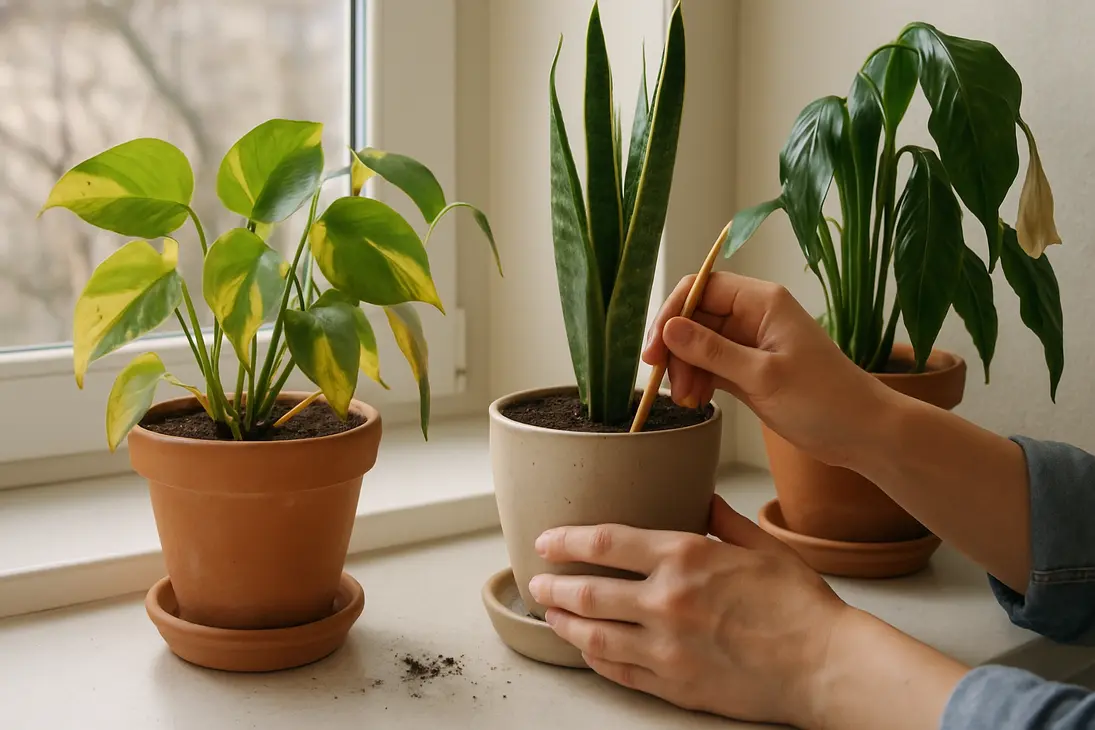
Use your finger, a wooden skewer, or a moisture meter to check below the surface. For many indoor Kentia Palms, watering is needed when the upper part of the mix has dried but the whole root ball is not bone dry.
Also lift the pot if possible. A very light pot suggests dryness. A heavy pot days after watering suggests the mix is staying too wet.
Inspect the undersides of leaves and stems for pests
Check closely in bright light. Inspect:
- Undersides of leaflets
- The central rib of each frond
- Leaflet joints
- Crown and stem crevices
- New emerging growth
Wipe a white tissue along the underside of a leaflet. Tiny dots, rusty streaks, or sticky residue may indicate pests. If you find pests, isolate the palm from nearby houseplants.
Look at where the palm is placed in the room
Location often explains the damage pattern. Ask:
- Is it in direct afternoon sun?
- Is it near a heater, fireplace, radiator, or vent?
- Do leaves touch cold glass at night?
- Is the room too dark, keeping soil wet?
- Is one side worse than the other?
A stable spot with bright, filtered light and no strong drafts is usually best.
Review recent changes in care, location, or potting
Think back over the last month. Curling may follow repotting, moving from a shop to your home, seasonal heating or air conditioning, missed watering, heavy watering after drought, fertilizing a stressed plant, or moving into stronger light.
This history matters because the right fix depends on the trigger.
Check whether the curled leaves are old fronds or new growth
Older lower fronds naturally age, arch, yellow, and eventually die. If only one old frond is curling while the rest of the palm looks healthy, it may be normal aging.
New growth is more important. If new fronds emerge curled, distorted, weak, or spotted, check watering, roots, pests, and light more carefully.
How to Fix Curling Leaves on a Kentia Palm
Once you identify the likely cause, correct it gradually. A stressed Kentia Palm needs the right stress removed, then time to recover.
Adjust watering without soaking the roots
If the soil is too dry, water thoroughly. Pour slowly until water runs from the drainage holes. If the mix was very dry and repels water, wait a few minutes and water again. Then let the pot drain completely.
Do not leave the pot standing in runoff. The goal is to rehydrate the root ball, not keep it saturated.
If the soil is wet, pause watering. Let the upper portion of the mix dry before watering again. Improve light gently if the palm is in a very dim spot, and make sure the pot has airflow around it.
Improve drainage and avoid standing water
A Kentia Palm needs drainage. The inner pot should have drainage holes, and the plant should not sit in a decorative pot full of water.
Check for:
- No drainage hole
- Blocked drainage holes
- Dense, compacted mix
- Oversized pot
- Saucer or cachepot holding runoff
- Very low light
If the plant is in a pot without drainage, move it to one with drainage. If root rot is suspected—sour smell, black mushy roots, persistent wetness, worsening yellowing—repot gently into a fresh, airy mix and remove only clearly rotten roots.
Raise humidity gently
For dry-air curling, increase humidity moderately. A humidifier is the most reliable option. You can also group plants together and move the palm away from vents.
Pebble trays help only slightly, and misting gives brief relief. If you mist, do it lightly and early in the day so leaves do not stay wet for long.
Higher humidity will not repair brown tips, but it can reduce new damage.
Move the palm to bright, indirect light
If sun or heat is causing curl, move the palm back from the window or filter the light with a sheer curtain. Bright, indirect light is ideal.
Do not move a low-light palm suddenly into strong sun. Increase light gradually over a week or two. If the palm is in very low light and soil stays wet, a brighter indirect spot can help it use water more effectively.
Treat pests safely and repeatedly
If you find pests, isolate the plant and remove as many as possible first:
- Rinse foliage with lukewarm water if manageable
- Wipe leaflets and stems with a damp cloth
- Remove visible mealybugs or scale by hand
Then use a houseplant-safe insecticidal soap or horticultural oil according to the label. Cover undersides, stems, and crevices. One treatment is rarely enough, so repeat as directed. Keep the palm out of harsh sun during treatment because oils and soaps can increase leaf sensitivity.
Reduce transplant shock after repotting
If curling began after repotting, keep conditions steady. Provide bright, indirect light, water only when the mix has partly dried, and avoid fertilizer until active growth resumes.
Do not repot again just to check the roots unless there are clear signs of rot. Repeated disturbance slows recovery. If the new pot is much larger and the soil stays wet, repotting into a more appropriate pot may be necessary.
Trim only dead or badly damaged fronds
Do not remove every curled frond. Green fronds still feed the plant. Cut only fronds that are fully brown, mostly dead, collapsing, badly pest-infested, or severely damaged.
You can trim brown tips with clean scissors, following the leaflet shape. Leave a tiny brown margin rather than cutting into healthy green tissue.
How to Prevent Kentia Palm Leaves From Curling Again
Prevention comes down to consistency. Kentia Palms are forgiving, but they dislike sudden extremes.
Keep a steady watering routine
Water by soil moisture, not a strict calendar. In warm, bright months, the palm may dry faster. In winter or low light, it may need water less often.
A simple routine:
- Check moisture below the surface.
- Water thoroughly when the upper portion has dried.
- Let excess water drain.
- Empty the saucer or outer pot.
- Wait until the soil is ready before watering again.
Use the right pot and soil mix
Use a pot with drainage holes and a mix that holds some moisture without staying soggy. A quality indoor palm mix can work well. Perlite, fine bark, or pumice can improve aeration if the mix is too dense.
Avoid garden soil indoors. Repot only when needed, such as when the plant is root-bound, dries too quickly, or the potting mix has broken down.
Avoid sudden location changes
Move the palm gradually when possible. A plant adapted to low light should not be placed abruptly in strong sun, and a palm from a humid greenhouse may react to dry indoor air.
After buying a Kentia Palm, choose a suitable location and let it acclimate.
Maintain moderate humidity and stable temperatures
Keep the palm away from heating vents, air-conditioning blasts, cold windows, and exterior doors. Moderate household humidity is usually enough, but a humidifier can help in very dry homes.
Stable, slightly imperfect conditions are better than frequent moves in search of perfection.
Clean and inspect leaves regularly
Dusty leaves are less efficient and make pests harder to notice. Wipe fronds gently with a damp cloth every few weeks, supporting the leaflets as you clean.
Regular inspection is especially useful in winter, when dry air can encourage spider mites and slow recovery.
Conclusion
Kentia Palm leaves curling usually means the plant is reacting to stress. The most common causes are underwatering, overwatering, low humidity, harsh light, temperature stress, root disturbance, or pests.
Start with the basics: check soil moisture, inspect for pests, review the plant’s location, and think about recent changes. Once the real stressor is corrected, new growth should be healthier. Existing curled or browned leaves may improve slightly, but damaged tissue will not fully return to normal. With steady care and patience, most Kentia Palms can recover their natural arching shape.
FAQ
Will curled Kentia Palm leaves uncurl again?
Sometimes. If the leaves curled because the plant was temporarily too dry, they may relax after proper watering. If the tissue is crispy, brown, sunburned, or pest-damaged, it will not fully repair.
Judge recovery by new growth and whether the curling stops spreading.
Should I cut off curled Kentia Palm leaves?
Do not cut off curled leaves just because they look imperfect. If they are still mostly green, they still help feed the plant.
Remove only fronds that are fully brown, mostly dead, badly damaged, collapsing, or heavily infested. Brown tips can be trimmed for appearance.
How often should I water a Kentia Palm with curling leaves?
Water based on soil moisture, not a fixed schedule. If the upper portion of the mix has dried and the pot feels lighter, water thoroughly and let it drain. If the soil is still wet, wait.
Curling does not always mean the plant needs more water. Wet, damaged roots can cause similar symptoms.
Are curling leaves on a Kentia Palm always caused by pests?
No. Spider mites, scale, and mealybugs can cause curling, but water stress, dry air, light changes, drafts, and root disturbance are just as common.
Always inspect for pests, but do not keep treating unless you actually find signs of them.
You Might Also Like