How to Keep Your Lawn Green in the Summer
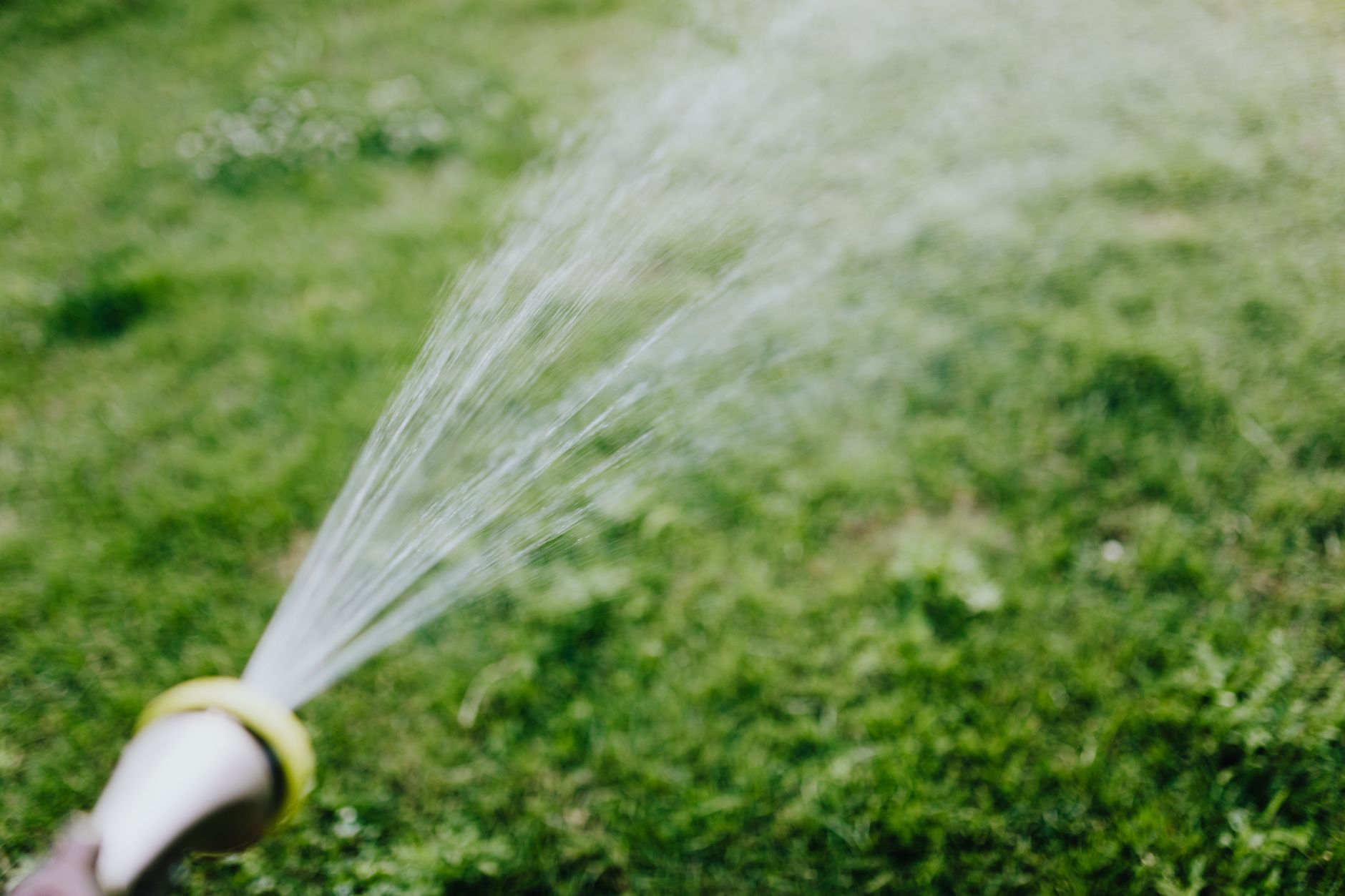
You water your lawn every day, but it still turns brown by mid-July. The solution is rarely adding more water. Keeping a lawn green during summer depends on identifying your grass type, delivering water to the root zone, mowing at the correct height, and avoiding unnecessary fertilizer or treatments when the lawn is stressed or dormant. Brown grass does not always mean the lawn needs more water—it could mean the grass is slowing down for the season, sprinklers are missing spots, soil is compacted, or a disease is developing.
Before adjusting your sprinkler timer or buying fertilizer, diagnose the problem. More water can make disease worse; fertilizer can burn drought-stressed grass; and mowing too short removes leaf area the grass needs to survive heat. Keeping grass alive, actively growing, and dark green are three different goals. Your first goal should be survival, then recovery, then deep color. A systematic approach that looks at water, mowing, soil, and pest factors will save time, money, and frustration.
Key Takeaways
- Diagnose before treating: Brown grass can result from drought, dormancy, disease, insects, irrigation gaps, or compacted soil. Identify the cause before adding water or products.
- Water deeply and evenly: Measure sprinkler output with a catch-can test and use cycle-and-soak watering to prevent runoff. Focus on reaching the root zone 4–6 inches deep.
- Mow at the right height for your grass type: Cool-season grasses benefit from taller summer mowing heights; warm-season grasses need their species-specific range. Never remove more than one-third of the blade in a single mowing.
- Fertilize only when grass is actively growing: Dormant or heat-stressed grass cannot use fertilizer effectively. Applying it can burn roots and increase water demand.
- Fix soil conditions before expecting recovery: Compacted clay, poor drainage, shade, and tree-root competition prevent grass from thriving. Address these long-term problems first.
- Test soil moisture before watering: Use a screwdriver or trowel to check a few inches down—if the soil is damp, watering is not the fix.
Find Out Why Your Lawn Is Turning Brown
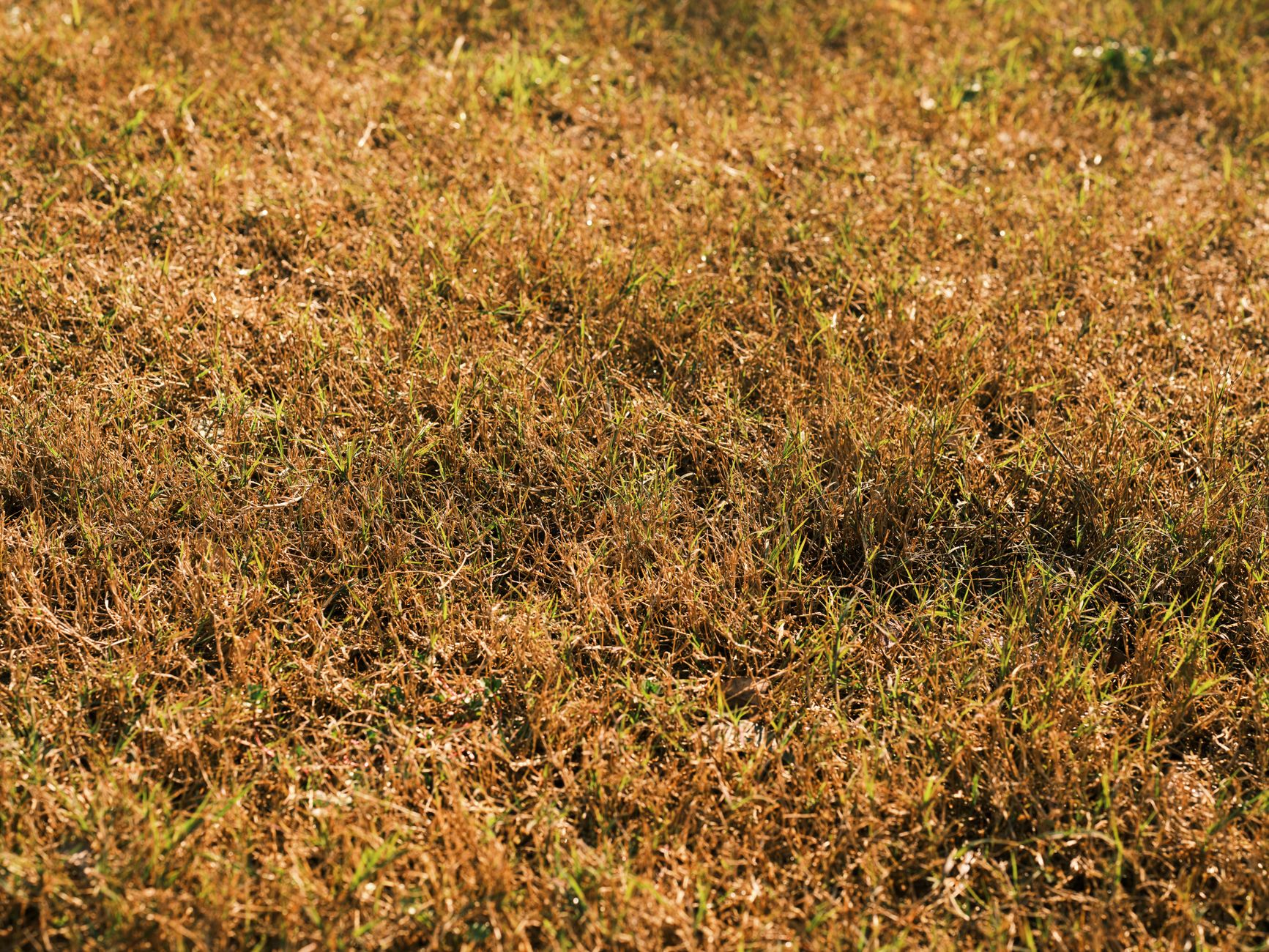
Before changing anything, walk the lawn and look closely. Straight strips of brown grass point to a blocked sprinkler head; circular patches may be pet urine, fungus, or grubs; even fading starting when temperatures hit 90°F may be natural summer dormancy. Also note whether brown patches appear in shade or full sun, near pavement, or in low spots—each gives a clue.
Identify Your Grass Type
Your grass type determines summer behavior, water needs, mowing height, and fertilizer timing. Cool-season grasses (Kentucky bluegrass, tall fescue, perennial ryegrass, fine fescue) slow down or go dormant in heat. Warm-season grasses (Bermudagrass, zoysiagrass, St. Augustinegrass, centipedegrass) thrive in hot weather. If unsure, check your regional Extension office. Kentucky bluegrass often goes dormant quickly, while tall fescue with deep roots stays greener longer. Fine fescue prefers cooler climates and may struggle in full southern sun. Knowing your type avoids misapplied care.
Check Whether Brown Grass Is Dormant or Dead
Dormant grass is still alive; dead grass will not turn green. Signs of drought stress: bluish-gray tint, folded leaves, visible footprints. Use the crown check: pull up a handful of grass; if the base is firm and white/pale yellow, it’s alive. The tug test: if blades pull away easily, roots may be dead. Do not fertilize dormant grass. After a rain or cooler spell, dormant grass will show new green growth at the crown; dead grass stays brown and pulls out easily.
Diagnose Brown Spots and Uneven Lawn Color
| Symptom | Possible cause | First check |
|---|---|---|
| Entire lawn fading evenly | Heat stress, drought, dormancy | Grass type, root-zone moisture |
| Straight strips or repeating dry areas | Poor sprinkler overlap, blocked heads | Run each zone, observe coverage |
| Brown grass beside pavement | Reflected heat, insufficient edge coverage | Soil moisture, sprinkler reach |
| Circular or irregular patches | Disease, insects, pet urine, localized dry soil | Blades, roots, patch pattern |
| Yellow or muddy grass | Overwatering, poor drainage | Soil saturation, irrigation runtime |
| Spongy lawn when walked on | Excessive thatch or overwatering | Thatch depth, soil drainage |
Why Is Your Lawn Brown Even Though You Water It Every Day?
Daily watering often wets only the top half inch, encouraging shallow roots. Other causes: clogged heads, poor overlap, compacted soil, water repellent soil, runoff, tree root competition, reflected heat, diseases, or grubs. Stop and inspect before increasing runtime. Check a few spots with a trowel: if the top inch is damp but deeper soil is dry, your watering duration is too short. Reorient sprinklers or adjust pressure to cover dry zones.
Water Your Lawn the Right Way
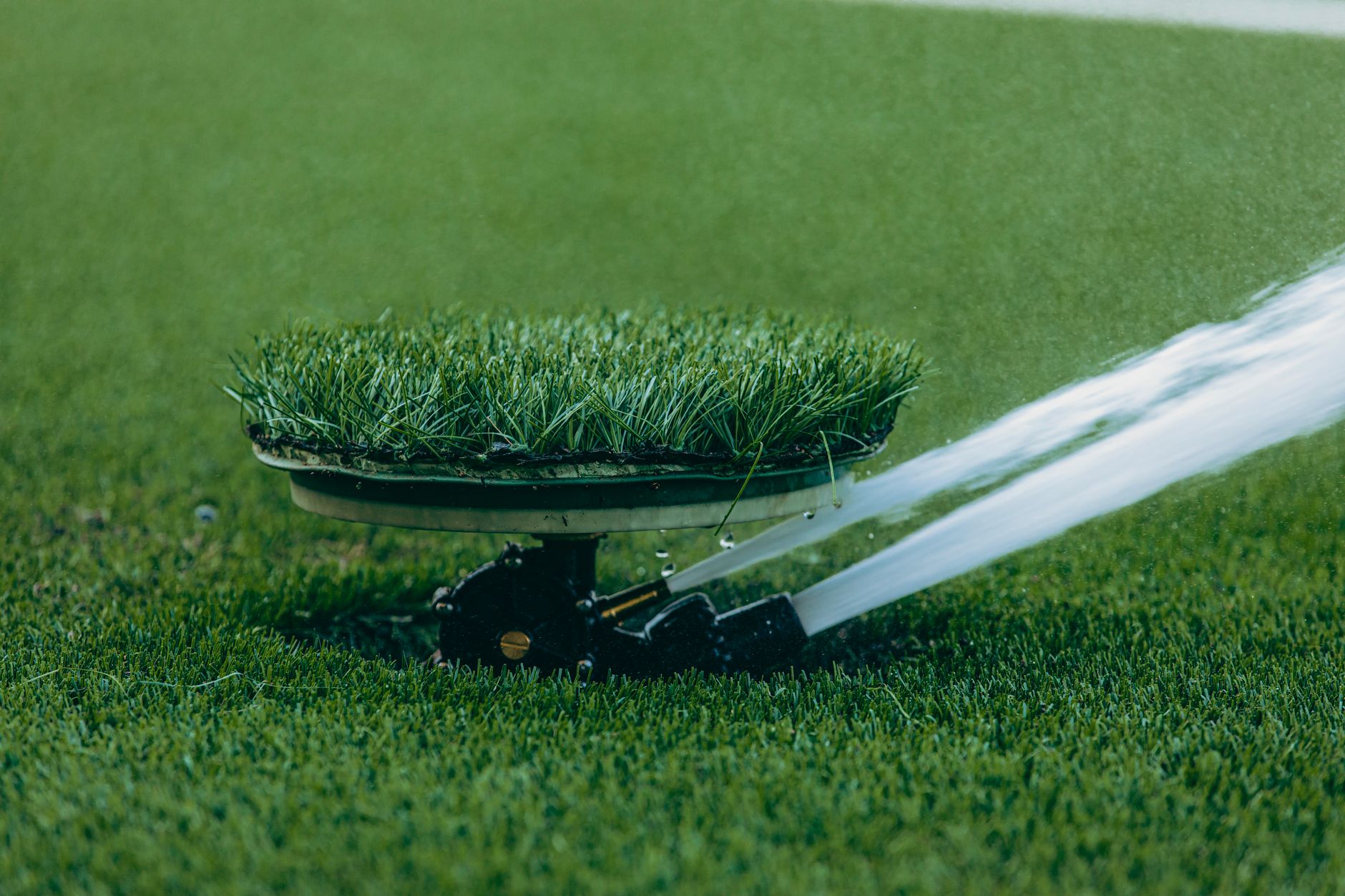
Deep, even irrigation matters more than frequency. Measure what you apply; don’t rely on a fixed schedule. Consistent watering that reaches 4–6 inches deep encourages roots to grow down, making the lawn better able to withstand heat.
How Often Should You Water Your Lawn in Summer?
Established lawns benefit from deep, infrequent watering to moisten soil 4–6 inches deep—typically once or twice per week, depending on grass type, soil texture, rainfall, temperature, and sprinkler output. New seed/sod needs more frequent watering until roots establish. Sandy soils may need more frequent, shorter cycles; clay soils hold water longer but absorb slowly.
Check Soil Moisture Before Watering
Use a screwdriver or trowel to check moisture a few inches down. If brown areas have moist soil, the problem isn’t water. After watering, check penetration depth. A simple test: push a 6-inch screwdriver into the soil; if it goes in easily with minimal resistance, moisture is adequate. If it’s hard to push, the soil may be dry or compacted.
Water Early in the Morning
Best time is 4–10 a.m. to reduce evaporation and allow blades to dry during the day, reducing disease risk. Avoid evening watering if grass stays wet all night. If morning isn’t possible, mid-morning is better than midday or night.
Measure Sprinkler Output with a Catch-Can Test
Place several identical containers (tuna cans or empty yogurt cups) across one zone. Run for 15 minutes, measure water in each, calculate average. Containers with much less water indicate dry spots. Adjust heads and retest. Aim for ½ to ¾ inch of water per session (adjust runtime to reach that depth in your soil). Different sprinkler types (rotary vs. spray) should not be on the same zone because they apply water at different rates.
Use Cycle-and-Soak Watering to Prevent Runoff
Break one long watering into shorter cycles with rest periods to let water soak in. Watch how long before runoff starts; divide total runtime by that number. For example, if runoff occurs after 8 minutes, run three 8-minute cycles with 30-minute soak intervals. Especially useful for clay, compacted, or sloped lawns. This method delivers water deeper without waste.
Mow and Fertilize Without Adding Summer Stress
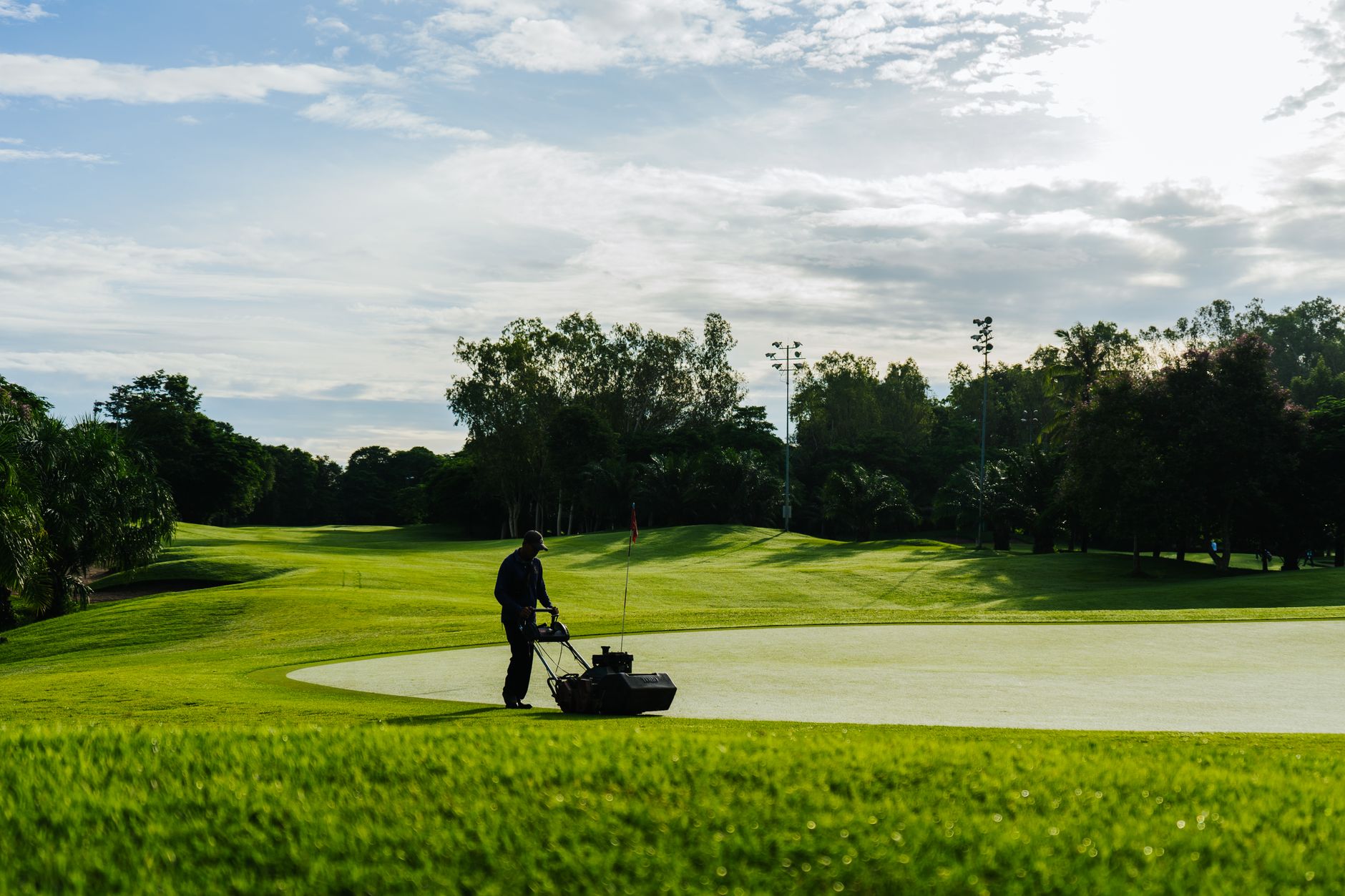
Mowing too short and applying unnecessary nitrogen turn a green lawn brown. The goal is healthy sustainable growth, not forcing color.
Choose the Right Summer Mowing Height
Cool-season grasses: mow near the higher end of their range. Warm-season grasses: use species-specific lower heights. Adjust gradually; never remove more than one-third of the blade at once.
| Grass type | Summer mowing direction |
|---|---|
| Kentucky bluegrass | Higher end of range (3–4 inches) |
| Tall fescue | Avoid mowing too short (3–4 inches) |
| Fine fescue | Reduce mowing during heat (2–3 inches) |
| Bermudagrass | Lower species-appropriate range (1–2 inches) |
| Zoysiagrass | Consistent mowing during growth (1–2 inches) |
| St. Augustinegrass | Cultivar-appropriate height (2–4 inches) |
Follow the One-Third Rule
Never remove more than one-third of the blade per mowing. If grass is too tall, raise mower and cut high first, then lower over several cuts. Mow based on growth, not a fixed schedule. In summer, cool-season grass may grow slowly, so mowing every 7–10 days is often enough.
Keep Your Mower Blade Sharp
A dull blade tears grass, causing frayed brown tips that look like drought. Sharpen regularly—at least once per season, more often if you hit rocks or dirt. A sharp blade also reduces water loss through torn leaf ends.
Leave Fine Grass Clippings on the Lawn
Short clippings decompose quickly and return nutrients. Long or wet clippings can smother grass; rake or collect if clumping. If grass is drought-stressed, collecting clippings may reduce additional stress from decomposition.
Avoid Mowing Heat-Stressed or Dormant Grass
Delay mowing when grass is wilted or dormant. Don’t mow dormant grass until it resumes growth. Mowing dormant grass can remove the crown and kill the plant.
Should You Fertilize Your Lawn in Summer?
Only fertilize actively growing grass. Heat-stressed or dormant cool-season grass should not be fertilized. Warm-season grass can be fertilized if moisture is adequate. Always base on soil test if unsure. Light topdressing with compost is safer than synthetic fertilizer during stress.
Choose the Right Summer Fertilizer
Use slow-release nitrogen for steady supply and lower burn risk. Quick-release (like urea) risks stress. Iron products temporarily deepen color but don’t fix underlying issues. Apply phosphorus, potassium, etc. only based on soil test. A 0-0-0 or low-N product with micronutrients may help without pushing growth.
Prevent Fertilizer Burn
Follow label exactly, calibrate spreader, avoid overlapping, sweep granules off hard surfaces, don’t apply to dry/dormant grass or before extreme heat unless label allows, water after if required. Watering in the fertilizer helps dissolve and move nitrogen into the soil instead of sitting on leaves.
Do Epsom Salt and Coffee Grounds Make Grass Greener?
Epsom salt provides magnesium/sulfur but most lawns aren’t deficient; excess salts may harm. Coffee grounds add organic matter slowly. Neither replaces balanced fertilizer. Focus on proper watering, mowing, and soil-test-based fertilization. These household remedies are not reliable substitutes for good basic care.
Know When Fertilizer Will Not Fix the Lawn
Fertilizer can’t fix problems from water, soil, light, or pests. Inspect irrigation, compaction, drainage, shade, root damage, or dormancy before fertilizing. Adding nitrogen to a heat-stressed lawn can cause rapid top growth that the roots cannot support, leading to more browning.
Prevent and Repair Summer Lawn Damage

Control Crabgrass and Broadleaf Weeds Correctly
Crabgrass is annual; pre-emergent in spring prevents germination. Post-emergent or manual removal needed if already growing. Perennial broadleaf weeds need post-emergent herbicide or digging. Spot-treat; avoid applying in extreme heat unless label allows. Hand-pulling is safest in summer to avoid chemical stress.
Identify Lawn Disease Before Applying Fungicide
Check individual blades for lesions, spots, mycelium, or patterns. Brown patch often creates circular sunken patches with gray/purple ring. Dollar spot causes small bleached patches. Increasing water on a fungal lawn worsens it. Consult Extension office if unsure. Fungicides are most effective when applied early and correctly timed for the specific disease.
Check for Grubs, Chinch Bugs, and Sod Webworms
Grubs: pull up dead turf like a carpet; look for C-shaped larvae. Chinch bugs: in hot sunny spots; part grass at damage edge; look for black/white insects; flush with water. Sod webworms: chew blades near base; moths seen at dusk. Confirm pest presence before applying insecticide. Beneficial nematodes can control grubs without chemicals.
Repair Compacted Clay and Builder-Grade Soil
Symptoms: water pools, hard dry soil, shallow roots, failed seed. Core aeration removes plugs, relieves compaction. Compost topdressing improves infiltration. Drainage correction may be needed for wet areas. Add organic matter; don’t rely on fertilizer. Aerate when soil is moist but not wet, and follow with overseeding if needed.
Core Aeration vs. Spike Aeration
Core aeration pulls plugs, relieving compaction. Spike aeration pokes holes and can worsen compaction by pushing soil sideways. Core aeration is better for hard clay. Aerate during active growth: early fall for cool-season, late spring/early summer for warm-season. For heavily compacted lawns, aerate twice per year for two years.
Improve Drainage and Stop Surface Runoff
Slow infiltration: use cycle-and-soak, add organic matter. Poor drainage (water collects): regrade, install French drain, or create rain garden. Check sprinkler precipitation rate; reduce runtime and add cycles if runoff occurs. Adding compost or gypsum can help break up clay.
Grow Grass Under Trees and in Shade
Most grasses need 4–6 hours of direct sun. Tree roots compete for water. Use shade-tolerant species (fine fescue, St. Augustinegrass), reduce traffic, raise mowing height, water root zone separately, prune lower branches carefully. In dense shade, consider groundcover or mulch. Also, thin tree canopy by removing lower limbs to let more light through.
Repair Thin or Bare Areas at the Right Time
Cool-season lawns: late summer/early fall. Warm-season lawns: late spring/early summer. Fix underlying problem (compaction, shade, drainage) before seeding. Choose cultivars suited to local conditions. Use starter fertilizer and keep seed moist until germinated.
Conclusion
Start by identifying grass type and diagnosing why the lawn is losing color. Measure sprinkler coverage and root-zone moisture before changing watering. Use cycle-and-soak to prevent runoff. Mow at correct height, keep blade sharp, follow one-third rule. Fertilize only when grass is actively growing. Correct soil compaction, drainage, and shade before expecting recovery. More products are not automatically the solution. Survival is a reasonable summer goal; deep color can wait for cooler weather. Base changes on measurements and visible symptoms, not a rigid calendar.
FAQ
How Often Should I Water My Lawn in the Summer?
No single schedule works for all. Established lawns benefit from deep, infrequent watering (moistening soil 4–6 inches deep), typically once or twice per week. Base timing on grass type, soil texture, rainfall, temperature, and measured sprinkler output. Water when grass shows drought stress and soil is dry below the surface. New seed or sod needs more frequent watering until established. In sandy soils, you may need two short sessions per week; clay soils may need only one deep session.
Should I Fertilize My Lawn During a Heatwave?
Generally, no. Dormant or heat-stressed grass cannot use fertilizer; applying it can burn roots and increase water demand. If your warm-season lawn is actively growing with adequate moisture, a slow-release fertilizer applied per label may be appropriate. For cool-season lawns, wait until temperatures drop in early fall. An exception: dilute liquid seaweed or kelp can provide micronutrients without forcing growth.
How Can I Tell Whether Brown Grass Is Dormant or Dead?
Check for firm, white/pale yellow tissue at the base (crown check). Gently pull; if grass lifts easily, roots may be dead. Look for new growth after rain or cooler weather. Even browning across the lawn often indicates dormancy; sharp patches suggest disease, insects, or sprinkler gaps. Also, dormant grass will usually start greening within a week of adequate moisture; dead grass remains brown.
Why Is My Lawn Brown Even Though I Water It Every Day?
Daily shallow watering wets only the surface, causing shallow roots. Other causes: sprinkler gaps, runoff, compacted soil, thatch, disease, insects, tree roots, reflected heat, or unsuitable grass species. Test soil moisture a few inches down; inspect sprinkler zones for dry spots and runoff. Diagnose first before increasing runtime. If soil is moist but grass is brown, look for grubs or disease.
You Might Also Like