The Ultimate Guide to Kentucky Native Plants: Best Picks by Region and Sunlight
If you’re looking to build a garden that thrives in Kentucky’s climate, supports pollinators, and saves time on watering, native plants are the answer. Kentucky sits at a crossroads of ecological regions: limestone-based Bluegrass, acidic Appalachia, and wetlands in the west. A plant that loves dry, rocky soil near Lexington may struggle in heavy clay floodplains. This guide covers what to plant, where to place it, and how to transition your yard without getting overwhelmed.
Key Takeaways
- Match plants to your specific light and soil conditions: Observe your garden’s actual sunlight exposure and soil moisture before buying. Full-sun species like butterfly milkweed will struggle in shade, while ferns need woodland conditions.
- Choose species suited to your Kentucky region: Bluegrass alkaline clay supports bur oak and Canada wild rye; Eastern Kentucky’s acidic slopes are ideal for flame azalea and hepatica; Western Kentucky gardeners should prioritize plants that tolerate wet conditions and summer heat.
- Transition gradually by replacing one bed at a time: Start with the highest-maintenance bed, remove invasive species like bush honeysuckle, and replace with native shrubs and perennials. Most Kentucky natives prefer lean, unamended soil.
- Expect slow top growth and deep root development in year one: Native perennials prioritize root growth over foliage the first year. Water deeply once a week during the first growing season; by year three many plants will double or triple in size.
- Source plants from local native nurseries and reputable online sellers: The Kentucky Native Plant Society, Yew Dell Botanical Gardens, and Izel Native Plants offer true straight species. Ask whether plants were grown from local seed sources.
How to Choose Kentucky Native Plants by Sun, Shade, and Soil
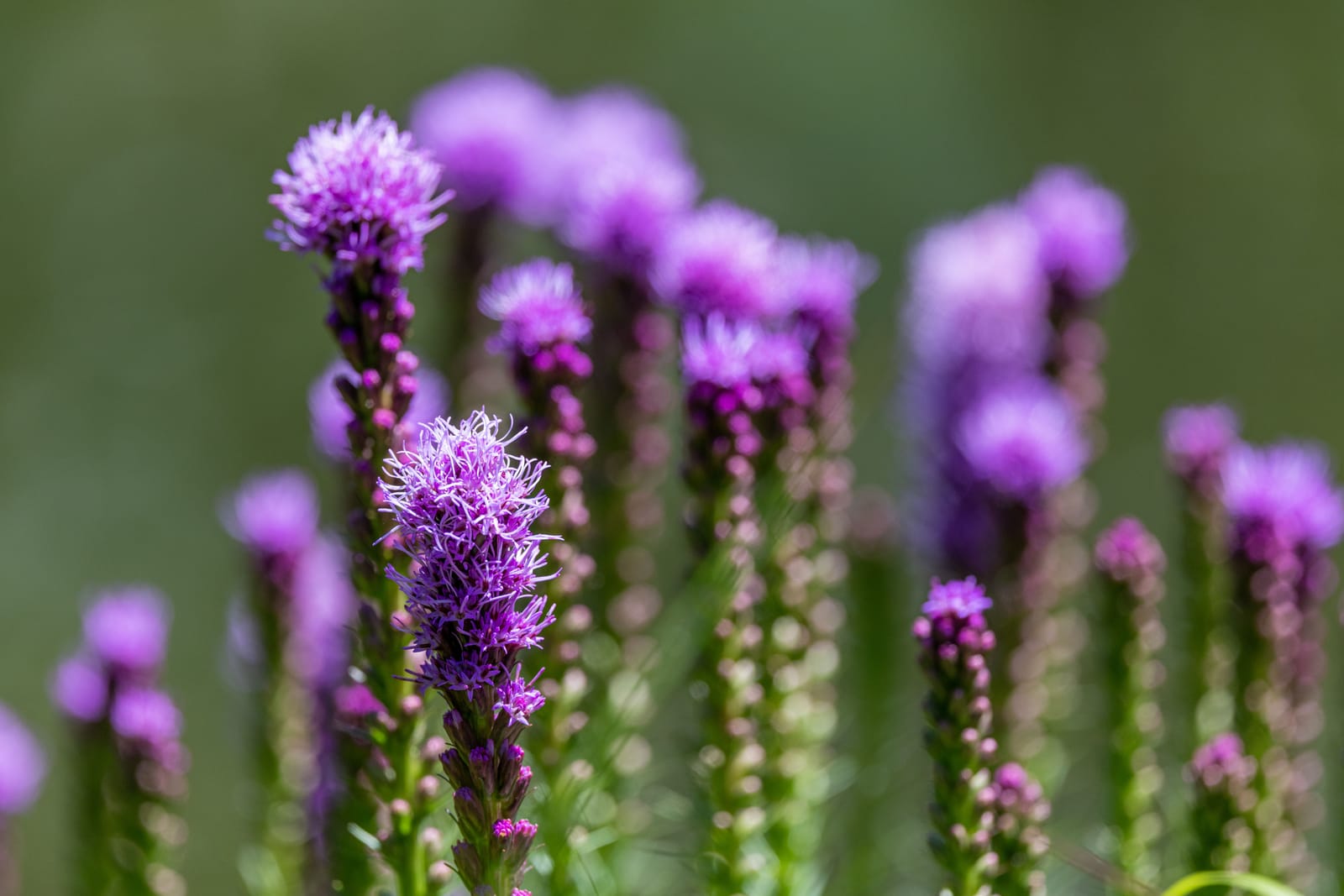
The most common mistake beginners make is picking a plant without checking light and moisture. Start by observing how much direct sunlight your garden beds actually get and whether the soil stays damp or dries out quickly.
Full Sun and Dry Soil Native Plants for Kentucky Gardens
Full sun means at least six hours of direct light per day. In Kentucky summers, that’s intense. You need plants that handle heat and lean, dry soil.
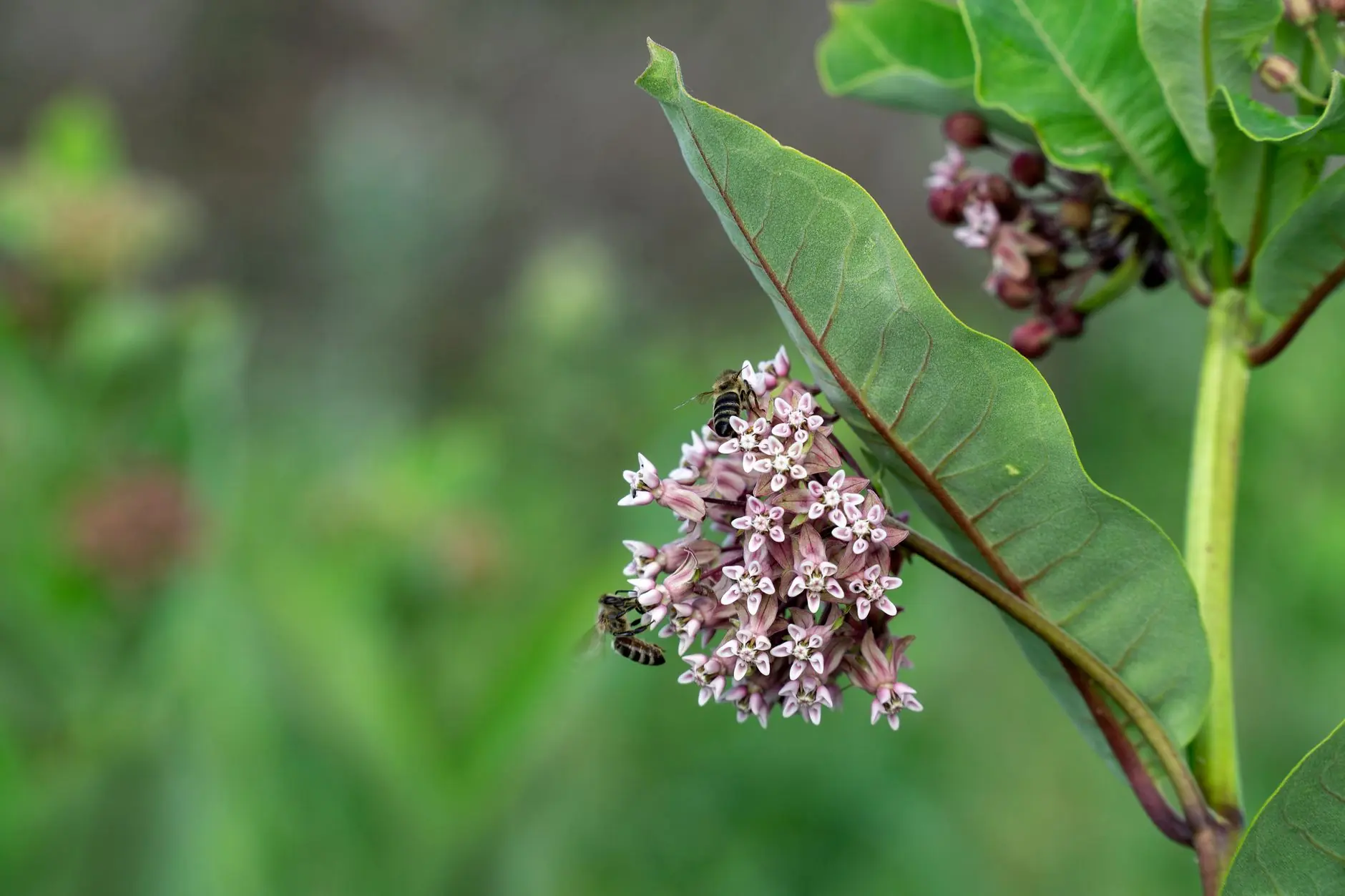
- Butterfly Milkweed (Asclepias tuberosa) — Essential for monarch butterflies. Bright orange flowers in mid-summer; very drought tolerant once established.
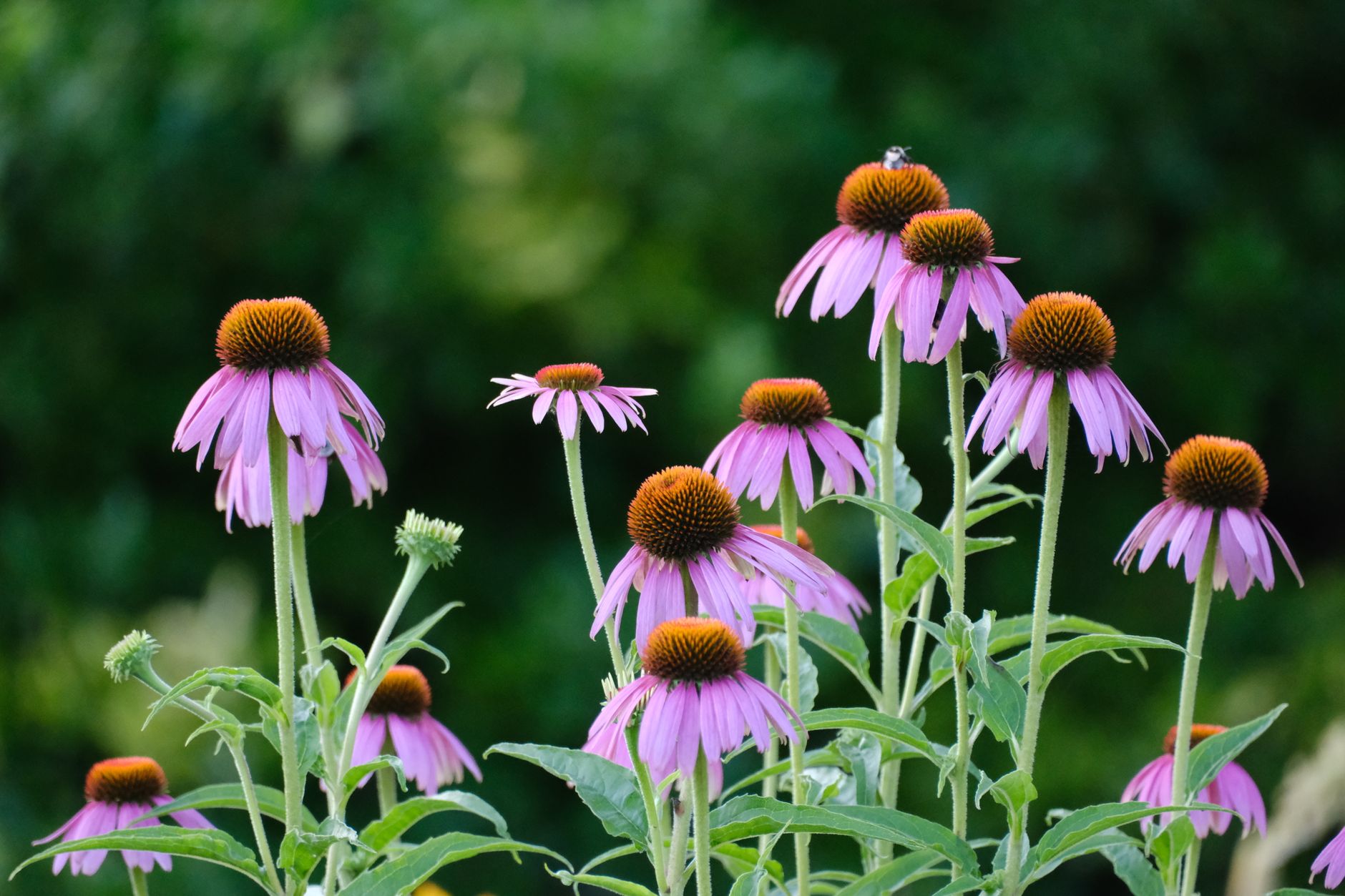
- Purple Coneflower (Echinacea purpurea) — Blooms for weeks, forgiving of neglect, and produces seed heads goldfinches love in fall.
- Black-eyed Susan (Rudbeckia hirta) — One of the easiest natives. Blooms June through September, self-seeds without becoming aggressive.
- Little Bluestem (Schizachyrium scoparium) — Warm-season grass with blue-green foliage turning copper-red in fall. Grows naturally in Kentucky’s savannas.
- Blazing Star (Liatris spicata) — Tall purple spikes that attract hummingbirds, bees, and butterflies. Prefers well-drained soil and full sun.
These plants do not want rich, amended soil. Plant them in unamended native soil.
Part Shade and Woodland Edge Native Plants for Kentucky Landscapes
Part shade means around three to five hours of sun, usually morning sun or dappled light under trees. This is common in many suburban Kentucky yards.
- Wild Columbine (Aquilegia canadensis) — Nodding red and yellow flowers in spring; constantly visited by hummingbirds.
- Wild Geranium (Geranium maculatum) — Excellent ground cover for dry or average shade. Pale pink to lavender flowers in May, spreads gently.
- Virginia Bluebells (Mertensia virginica) — Spring ephemeral with pink buds opening into true blue bells. Foliage goes dormant by early summer; pair with ferns.
- Heuchera (Alumroot) — Heuchera villosa is native to Kentucky, thrives in shade with average moisture. Evergreen in many winters.
- Spicebush (Lindera benzoin) — Host plant for spicebush swallowtail butterfly. Small shrub with yellow fall color and red berries.
These can handle average clay if you add compost at planting time.
Deep Shade and Moist Woodland Native Plants
Deep shade means less than two hours of direct sun. Common under mature trees on north-facing slopes.
- Ferns — Christmas fern (evergreen), maidenhair fern (delicate but tough), lady fern (moist, rich soil). All native to Kentucky woodlands.
- Wild Ginger (Asarum canadense) — Low-growing ground cover with heart-shaped leaves. Spreads slowly in rich, moist soil.
- Solomon’s Seal (Polygonatum biflorum) — Arching stems with paired leaves and small white bell flowers. Spreads at a gentle pace.
- Hepatica (Hepatica nobilis) — One of the earliest spring wildflowers. Blooms March or April with blue, pink, or white flowers. Prefers moist, rich soil and a few hours of early spring sun.
For deep shade, add leaf compost and leave fallen leaves in place.
Wet Soil and Rain Garden Native Plants
If you have a low area where water collects, plant rain garden natives.
- Swamp Milkweed (Asclepias incarnata) — Pink flowers; another host plant for monarchs. Likes wet feet.
- Cardinal Flower (Lobelia cardinalis) — Brilliant red spikes in late summer. Hummingbirds will find it. Short-lived but self-seeds in moist soil.
- Blue Flag Iris (Iris versicolor) — Blue-purple flowers in late spring; handles standing water for short periods.
- Buttonbush (Cephalanthus occidentalis) — Spherical white flowers that smell like honey. Attracts bees, butterflies, ducks. Can grow in standing water.
- Bald Cypress (Taxodium distichum) — Large tree that thrives in wet soil; feathery foliage turns russet in fall.
Even in a rain garden, these need consistent moisture during the first year.
Best Native Plants for Each Kentucky Region
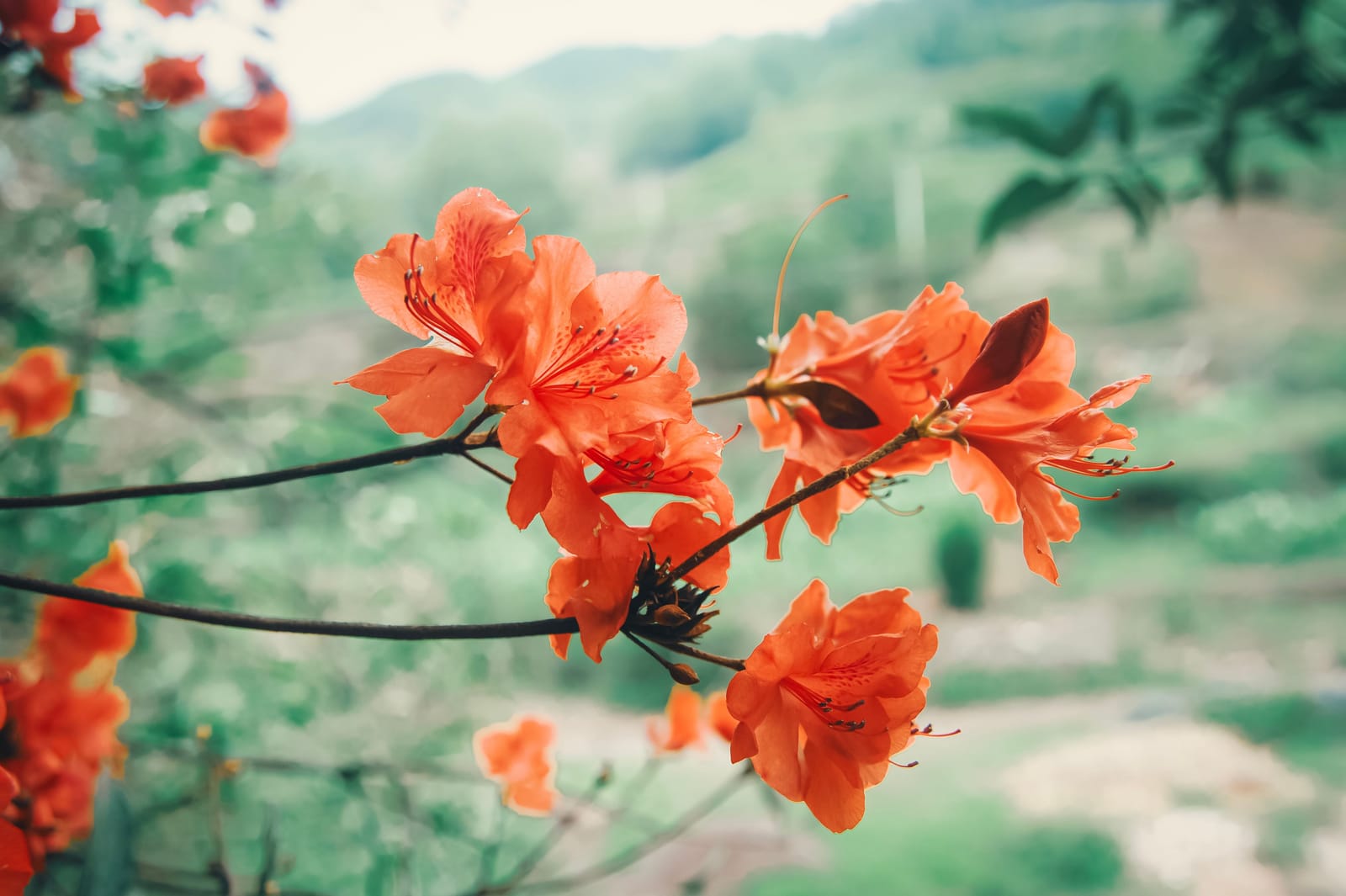
Kentucky spans several distinct ecoregions. Matching plants to your region improves survival rates.
Bluegrass Region: Central Kentucky Natives
Limestone-derived alkaline soils, historically savanna and woodland. Clay-based, fertile, drains slowly.
- Bur Oak (Quercus macrocarpa) — Majestic savanna tree; handles clay and alkaline soils. Large acorns support wildlife.
- Blue Ash (Fraxinus quadrangulata) — Tolerates alkaline soils better than other ashes. Emerald ash borer is a threat statewide.
- Canada Wild Rye (Elymus canadensis) — Cool-season grass for fertile loams. Stays green in spring and fall.
- New England Aster (Symphyotrichum novae-angliae) — Late-season purple flowers; very adaptable to clay soils.
Avoid amending individual planting holes; top-dress with compost.
Appalachian and Eastern Kentucky Natives
Steep slopes, acidic rocky soils, woodland shade and dry outcrops.
- Flame Azalea (Rhododendron calendulaceum) — Stunning orange to yellow blooms in late spring. Needs acidic soil and part shade.
- Ferns — Hay-scented fern and marginal wood fern are local favorites for dry shade.
- Hepatica — Signature Eastern Kentucky woodland wildflower. Best in rich, moist, acidic soil with early sunlight.
- Serviceberry (Amelanchier arborea) — Small understory tree with white spring flowers and edible berries.
- Native Rhododendron — Great laurel and catawba rhododendron thrive in cool, moist, acidic conditions.
If you have acidic soil, you can grow a wider range of acid-loving perennials than gardeners in the Bluegrass.
Western Kentucky and Wetland Natives
Mississippi River floodplain and Jackson Purchase region. Soils often sandy or silty; wetlands common.
- Bald Cypress (Taxodium distichum) — Iconic tree of Western Kentucky swamps; handles flooding and grows faster in moist bottomlands.
- Buttonbush (Cephalanthus occidentalis) — Must-have for rain gardens; handles flooding and moderate dry spells.
- Swamp Milkweed (Asclepias incarnata) — Great for monarch habitat in low-lying areas.
- Cardinal Flower (Lobelia cardinalis) — Native statewide, especially vigorous in wetter, warmer conditions.
- River Birch (Betula nigra) — Fast-growing with peeling bark; stabilizes banks and handles periodic flooding.
Prioritize plants that tolerate both wet periods and summer heat.
How to Transition Your Landscape to Kentucky Natives
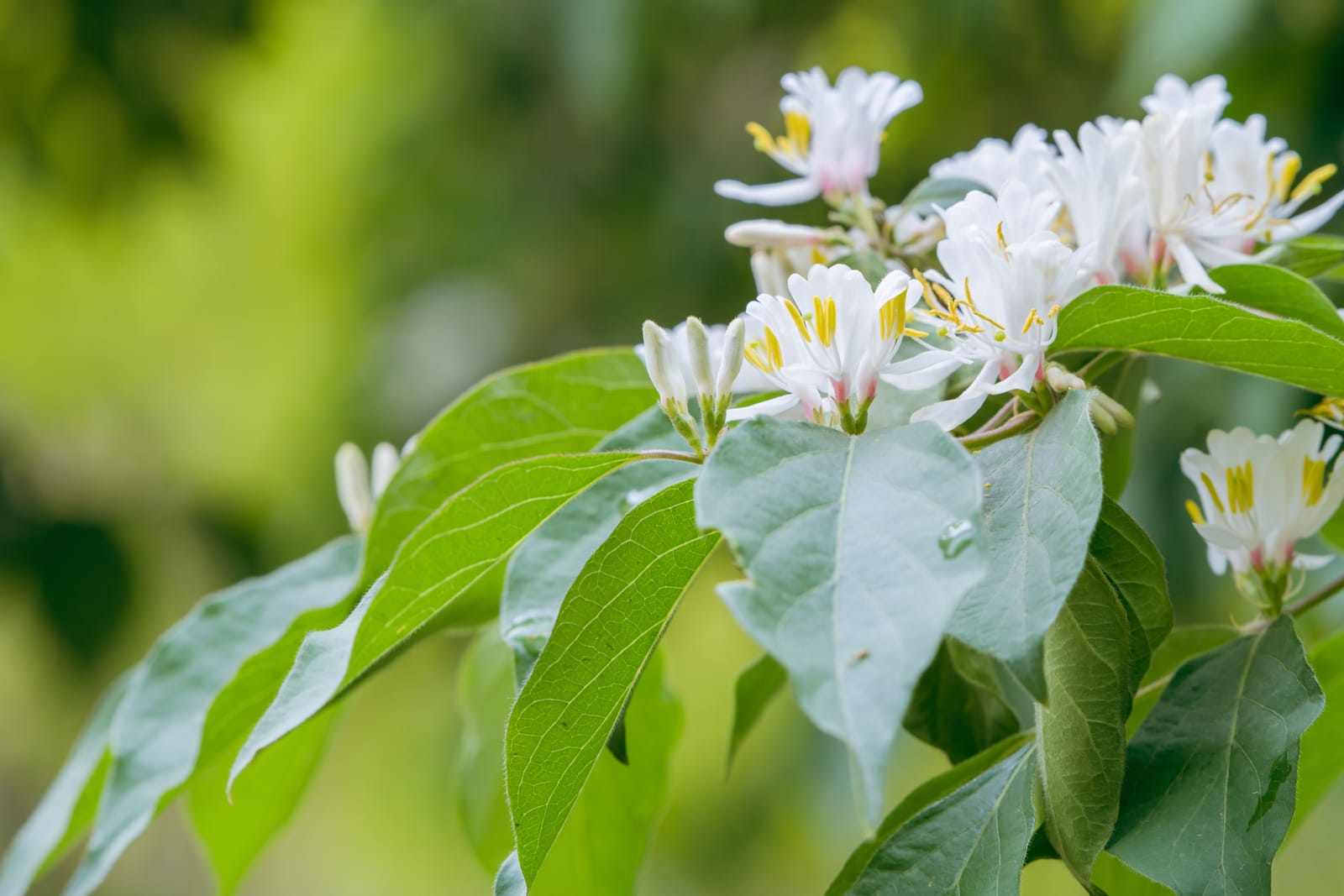
You do not need to rip out your entire yard. Transition gradually.
Start Small: Replace One Garden Bed at a Time
Pick the bed with the highest-maintenance plants or the one you see most. Remove invasive species (bush honeysuckle, burning bush, Japanese barberry). Replace with two or three native shrubs and a mass planting of perennials. Expand next year.
Soil Preparation and Site Selection
Most Kentucky natives prefer lean, unamended native soil. Remove turf grass completely before planting; grass roots will regrow and compete. A layer of cardboard or landscape fabric covered with mulch can smother grass in a season. For wet sites, do not try to “fix” drainage; just pick plants that tolerate wet feet.
Common Mistakes Beginners Make and How to Avoid Them
- Planting in the wrong light. Observe your bed for a full day before buying.
- Overwatering. Water deeply once a week in the first year; frequent shallow watering leads to weak roots.
- Deadheading everything. Leave seed heads on coneflower and black-eyed Susan for birds and self-seeding.
- Assuming all natives are equally easy. Some are picky: hepatica needs rich soil and specific light; flame azalea needs acidic conditions.
What to Expect in the First Year of a Kentucky Native Garden
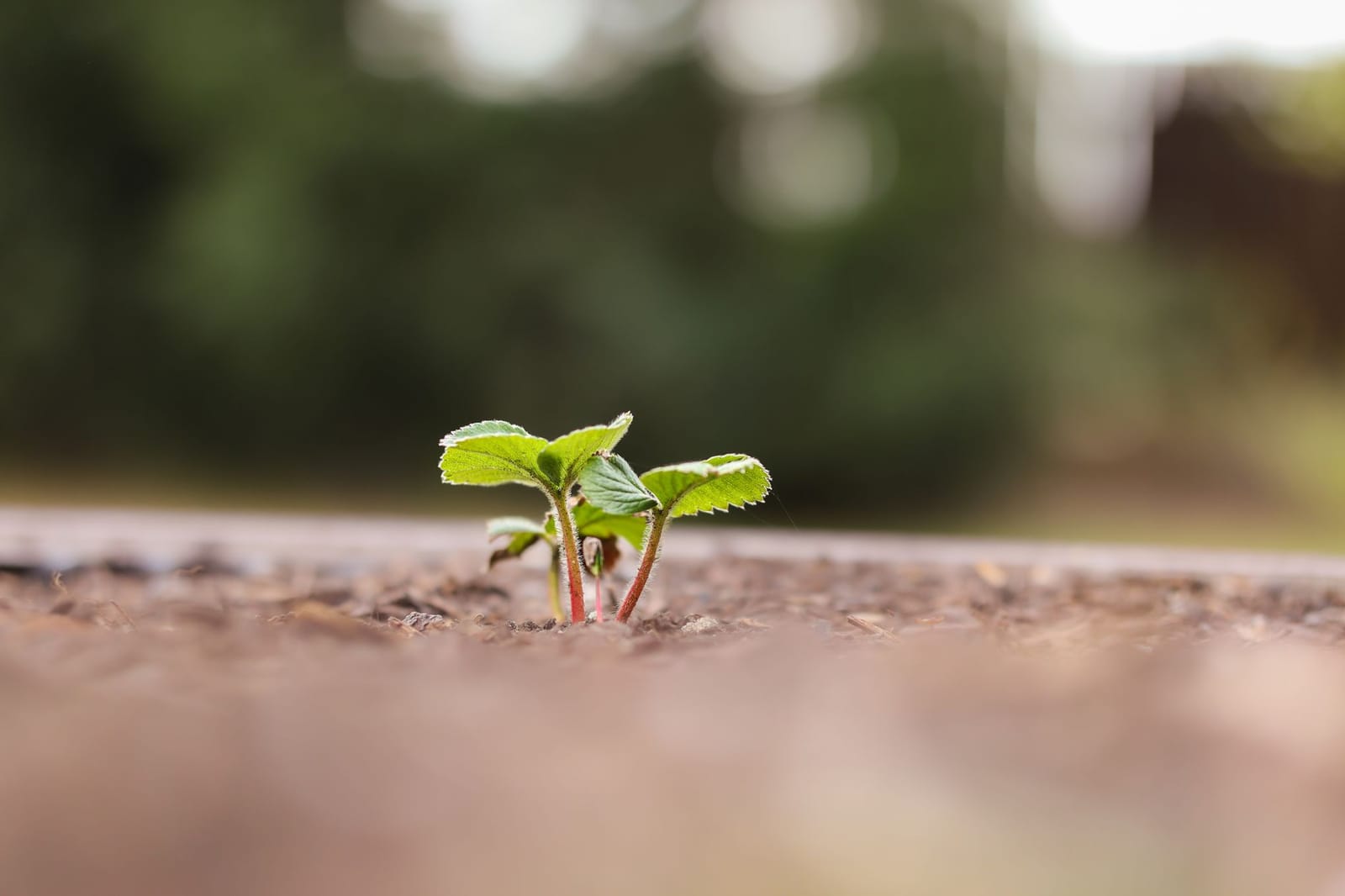
The first year is the hardest. Native plants prioritize root growth over top growth.
Small Plants, Big Roots, and Slow Top Growth
Many perennials spend year one growing a deep root system; above-ground growth may be minimal. This is normal. By year three, many will double or triple in size. Don’t give up on a plant that looked small in September.
How Often to Water New Native Plants
First year: water deeply once a week if no rain. Skip after a good soaking rain. Shrubs and trees may need watering every ten to fourteen days after a few months. After year one, most Kentucky natives are drought tolerant.
Weeds, Mulch, and When to Edit the Planting
Apply 2- to 3-inch organic mulch, keeping it away from stems. Hand-pull weeds after rain. Some natives like mountain mint spread aggressively; you may need to move them. Aggressive spreaders are not bad, but they need room.
Where to Find and Buy Kentucky Native Plants
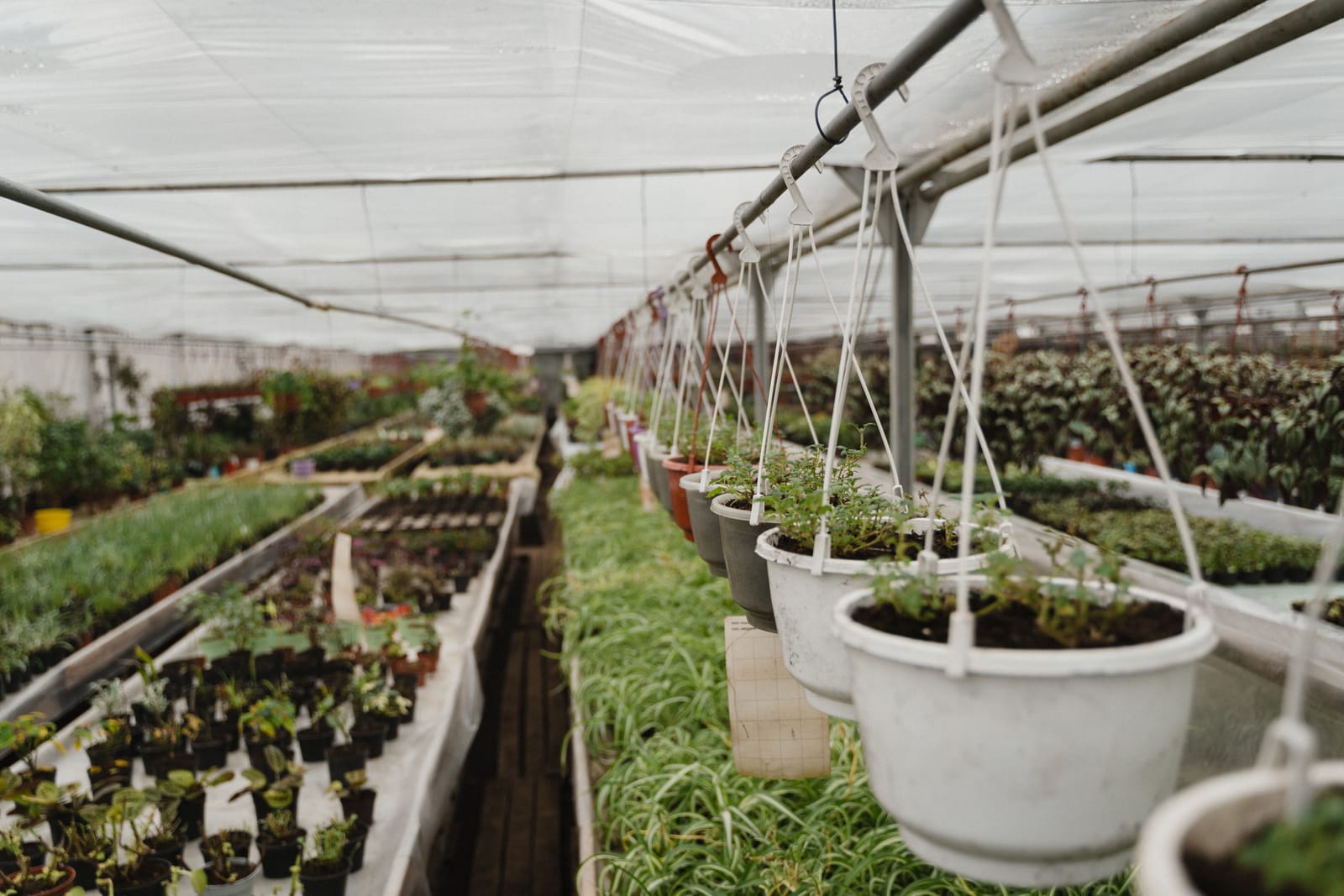
Big-box stores often carry non-native cultivars or “nativars.” Here is how to find the real thing.
Local Native Plant Nurseries and Garden Centers
Check with your county extension office for a list. The Kentucky Native Plant Society (KNPS) is a great resource. Yew Dell Botanical Gardens in Crestwood offers native plants at their sales.
Online Retailers and Native Plant Sales
Izel Native Plants ships straight species grown by regional nurseries. Prairie Moon Nursery ships to Kentucky with excellent germination guides. The KNPS holds an annual native plant sale. Many local Wild Ones chapters host plant swaps.
What to Look for When Buying Healthy Native Plants
Look for stocky plants with healthy leaves. Avoid pot-bound plants with circling roots. Ask whether plants were grown from local seed sources for best adaptation.
Conclusion
The key to a successful Kentucky native garden is matching the plant to your specific sunlight, soil, and region. Start small, pick species that suit your site, and buy from reputable sources. Once established, native plants outperform non-natives in resilience, wildlife support, and low maintenance.
FAQ
What is the easiest Kentucky native plant for a complete beginner?
Black-eyed Susan and purple coneflower are the easiest. They grow in average soil, bloom all summer, and tolerate drought once established.
Where can I buy native plants in Kentucky (both online and local)?
Start with the Kentucky Native Plant Society for local sales. Izel Native Plants is a reliable online source. Check independent garden centers for true native species.
Can I mix native plants with my existing non-native garden, or do I have to start from scratch?
You can absolutely mix them. Replace high-maintenance non-natives one bed at a time. Many native perennials blend well with typical shade garden plants like hostas.
What Kentucky native plants grow in full sun?
Butterfly milkweed, purple coneflower, black-eyed Susan, little bluestem, and blazing star are excellent full-sun choices. All tolerate Kentucky’s hot summers and lean soils.
You Might Also Like