How Can You Tell If a Cactus Is Growing Roots?
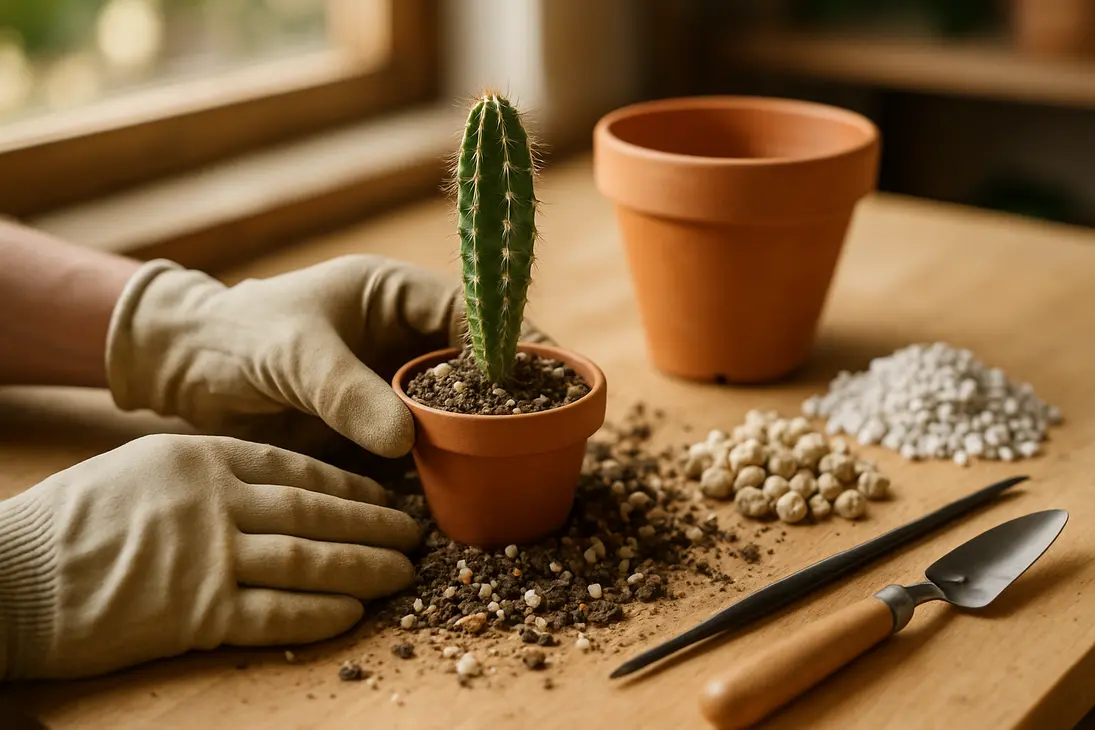
Cactus root growth signs are often subtle. Unlike leafy houseplants, a cactus may spend weeks building roots before you see new spines, ribs, pads, segments, or height above the soil. This is especially true after repotting, propagation from a cutting, shipping, or stress.
The safest clues are a firm plant body, gentle resistance when nudged, slight plumping after careful watering, and—if visible—healthy white, cream, or tan roots. The goal is to check without disturbing the fragile new roots you are trying to encourage.
What Cactus Root Growth Looks Like Above the Soil
Root growth usually shows indirectly. A cactus may become more stable and better hydrated before it makes obvious top growth. For a cutting or recently repotted cactus, “nothing happening” can be normal if the plant stays firm and shows no signs of rot.
Firm, Stable Plant Body
A cactus that is developing roots usually begins to feel anchored rather than loose. A newly potted cutting may start out wobbly, then gradually sit more securely as roots extend into the mix.
Look for:
- The cactus staying upright without extra support
- Less rocking when the pot is moved
- A base that feels settled in the mix
- No spreading softness at the soil line
This is especially useful for columnar cacti and cuttings. Check gently; young cactus roots are fine and brittle, and twisting or tugging can break them.
Slow or Paused Top Growth
A cactus can grow roots without showing new top growth. After repotting or propagation, the plant may focus on repairing root damage, forming new root tips, or anchoring itself before producing visible tissue.
A paused cactus is not automatically failing if:
- The plant remains firm
- The color is normal for the species
- There is no mushiness, sour smell, or blackening
- The soil dries appropriately between waterings
- The plant has bright light without scorching
Season also matters. Many desert cacti grow most actively in warm, bright conditions and slow down in cool months. A cutting started in autumn or winter may sit unchanged for a long time.
Slight Plumping After Watering
Once a cactus has enough roots to absorb moisture, it may plump slightly after careful watering. Ribbed or columnar cacti may look a little fuller, and shallow wrinkles may soften.
This does not mean you should keep watering to “test” it. A cactus without roots cannot use much moisture, and damp soil can cause rot. Instead, observe after an appropriate watering:
- Did the cactus become firmer a few days later?
- Did minor wrinkling improve?
- Did the soil dry again within a reasonable time?
If the cactus keeps shriveling while the soil is wet, roots may be absent, damaged, or rotting.
New Growth After a Quiet Period
New top growth is a strong sign that roots are working, but it often appears later. Depending on the cactus, it may look like:
- Brighter green tissue at the growing point
- New areoles or spines
- A fresh Opuntia pad
- A new holiday cactus segment
- A pup forming near the base
- A small increase in height or width
Do not expect dramatic growth immediately. Many cacti grow slowly even in good conditions.
How to Check for Healthy Root Growth Safely
Use indirect checks first. Repeatedly unpotting a cactus can snap new roots and delay establishment. Start with visual checks and gentle resistance, then inspect the root ball only if there is a reason.
Look Through Clear Pots or Drainage Holes
If the cactus is in a clear nursery pot, you may see pale roots along the sides or bottom. You can also tip the pot slightly and look through the drainage holes.
This is useful for:
- Seedlings
- Small cuttings
- Recently purchased plants
- Plants you do not want to disturb
Clear pots can be helpful during propagation, though they may encourage algae or heat up in direct sun. If using one, keep the root zone shaded while giving the top bright light.
Test for Gentle Resistance
A gentle resistance test can show whether roots have started anchoring the plant.
- Wear gloves or use folded paper, cardboard, or tongs.
- Hold the cactus lightly near the base.
- Nudge it side to side with very slight pressure.
- Stop as soon as you feel resistance.
If it moves freely, it may not have rooted yet. If it gives slightly but resists, roots are likely beginning to hold it. Do not pull upward, because fresh roots tear easily.
When to Unpot and Inspect
Unpotting should be occasional, not routine. It makes sense if the plant shows possible root problems or needs repotting.
Consider unpotting if:
- The cactus is soft, yellowing, blackening, or collapsing
- The soil stays wet too long
- There is a sour or rotten smell
- The plant keeps shriveling after proper watering
- Roots are circling heavily
- The nursery soil is dense, peaty, or water-retentive
Let the soil dry first. Dry mix falls away more easily and reduces root breakage. Tip the pot, support the cactus, and slide out the root ball instead of pulling the stem.
What Healthy Cactus Roots Look Like
Healthy cactus roots vary by species and age, but they generally look alive, firm, and clean.
Healthy roots are usually:
- White, cream, pale tan, or light brown
- Firm rather than slimy
- Slightly flexible, not mushy
- Branching into fine feeder roots
- Free from rotten smells
Older roots may naturally darken, so color alone is not enough. A tan, firm root can be healthy; a dark, soft, foul-smelling root is not. Rotten roots are often brown to black, slimy, limp, and unpleasant-smelling.
Root Growth in Cactus Cuttings and New Plants
Cactus cuttings test your patience. A cutting may look unchanged while the base calluses, root initials form, and the first roots explore the soil. The most important job during this stage is to avoid rot.
Recently purchased or repotted cacti can also pause while damaged feeder roots regrow.
Typical Rooting Timeline
Rooting time varies by warmth, season, cactus type, cutting size, and moisture.
| Situation | Common rooting expectation | Notes |
|---|---|---|
| Small offsets or pups | 2–6 weeks | Often faster during active growth |
| Columnar cactus cuttings | 4–12 weeks | Large cuttings may take longer |
| Opuntia pads | 2–8 weeks | Usually root readily in warmth |
| Holiday cactus segments | 2–6 weeks | Prefer slightly more moisture than desert cacti |
| Cool-season cuttings | Several months possible | Cool soil and low light slow rooting |
These are not deadlines. A firm cutting that is not rotting may still be viable even if slow.
Signs a Cutting Has Rooted
A rooted cactus cutting may show one or more signs:
- It resists a very gentle nudge
- It no longer tips over easily
- It plumps slightly after light watering
- New growth begins at the tip, areoles, or edges
- Roots appear near drainage holes
- The base stays dry and firm
Stability usually comes before top growth. Do not assume failure just because the top has not changed.
Why Some Cacti Root Slowly
Some cacti root slowly because they conserve energy and wait for suitable conditions. A cutting may survive a long time on stored water, but that does not mean it will root quickly.
Rooting can be slow when:
- Temperatures are cool
- Light is weak
- The cutting was taken outside active growth
- The cutting is large or woody
- The base was not allowed to callus
- The mix is too wet or too organic
- The plant is stressed from shipping, sunburn, pests, or previous rot
Species matters too. Some pads and offsets root readily, while other cacti are slower.
Soil, Warmth, and Light Conditions That Help
Cactus roots need moisture and air. Dense, wet soil may seem helpful, but for many cacti it suffocates roots and encourages rot.
Good rooting conditions usually include:
- A small pot with drainage holes
- A gritty, fast-draining cactus mix
- Bright light without harsh scorch
- Warm temperatures during active growth
- Careful watering only when appropriate
- A callused cutting base before planting
For desert cactus cuttings, avoid keeping an unrooted cutting wet. Some growers start in mostly dry mineral mix and water only after roots are likely forming.
Holiday cacti are different from desert cacti. They still need drainage, but usually root best with slightly more consistent, light moisture.
Root Growth vs. Root Problems
Root growth and root problems can look similar from above. A cactus may pause, wrinkle, or fail to grow in both cases. The difference is usually firmness, soil moisture, smell, and how the plant responds over time.
A cactus growing roots tends to remain stable or improve slowly. A cactus with root rot often declines even when the soil is moist.
Signs of Healthy Roots
Signs point toward healthy roots when:
- The cactus is firm
- The base is not mushy or discolored
- The plant resists a gentle nudge
- Soil dries between waterings
- Minor wrinkles improve after watering
- New growth eventually appears
- Visible roots are pale, tan, and firm
Healthy roots also need oxygen. If a cactus sits in compacted soil that stays wet for many days indoors, roots may struggle even if the plant looked healthy at first.
Early Signs of Root Rot
Root rot often begins below the soil before the top looks dramatic. Early warning signs include:
- Soil staying wet much longer than expected
- Softness near the base
- Yellowing, graying, or translucent tissue
- Sour, musty, or rotten smell
- Worsening shriveling despite damp soil
- Black or brown mushy roots
- The plant detaching easily because roots have decayed
Rot is usually linked to excess moisture, poor drainage, cool temperatures, and low light. If you suspect rot, stop watering and inspect. Remove rotten tissue if salvage is possible, let cut surfaces callus, and restart in dry, gritty mix.
Shriveled Cactus: Rooting, Underwatering, or Rot?
Shriveling is confusing because it can mean several things.
| Symptom pattern | Likely cause | What to check |
|---|---|---|
| Firm cutting, slight wrinkles, dry mix | Normal rooting phase | Wait and check gentle resistance later |
| Firm established cactus, dry soil, wrinkles improve after watering | Underwatering | Adjust watering during active growth |
| Shriveled cactus, wet soil, no plumping | Root damage or rot | Inspect roots and base |
| Soft, translucent, yellowing, or blackened tissue | Rot or severe stress | Unpot and act quickly |
| Firm wrinkling during cool dormancy | Seasonal slowdown | Keep drier until growth resumes |
Mild shriveling in a rooting cutting can be normal if the tissue stays firm. Severe shriveling, spreading softness, or discoloration is more concerning.
Common Watering and Drainage Mistakes
Many cactus root problems come from well-intentioned care. People often water because a cactus is wrinkled, then water again when it does not improve. If roots are absent or rotting, more water makes things worse.
Common mistakes include:
- Planting in a pot without drainage holes
- Using dense all-purpose potting soil
- Watering on a fixed weekly schedule
- Keeping a new cutting damp before roots form
- Repotting into a much larger pot than needed
- Watering heavily during cool, low-light months
- Letting decorative outer pots hold standing water
A good cactus watering routine is based on conditions, not the calendar. In warm, bright active growth, many cacti can take thorough watering followed by complete drying. In cool or dim periods, they need much less.
When Root Growth Means It’s Time to Repot
Root growth is good, but more roots do not always mean the cactus needs a larger pot immediately. Cacti often prefer snug pots, and oversized containers can leave too much damp soil around the roots.
Repot when the pot is limiting health, drainage, or stability—not simply because you see one root.
Roots Emerging From Drainage Holes
Roots coming from drainage holes can mean the cactus is well rooted. It may be time to repot if roots are numerous, circling under the pot, or blocking drainage.
A few roots peeking out are not urgent if the cactus is healthy, the soil dries normally, and the pot is stable.
Repot sooner if:
- Water drains poorly because roots clog the holes
- The pot dries extremely fast during active growth
- The cactus tips easily
- Roots are tightly circling the bottom
A Tight Root Ball
A tight root ball is a sign of strong root development. Some root binding is tolerable for cacti, but a severely compacted root ball can limit water absorption and growth.
Signs the pot is too tight include:
- Water skimming around the root ball instead of soaking in
- The cactus drying out much faster than usual
- Slowed growth in otherwise good conditions
- Dense circling roots with little visible mix
- The plant becoming unstable or top-heavy
When repotting, be conservative. Loosen the outer roots slightly, remove dead or rotten material, and move the cactus into a pot only a little larger.
Slow Drying Soil or Poor Drainage
Sometimes the soil—not the number of roots—is the reason to repot. Nursery mixes may hold too much water in a home environment.
Repotting may help if:
- The mix stays wet for many days indoors
- The pot has no drainage hole
- The soil is dense, peaty, or compacted
- Fungus, mushrooms, or sour smells appear
- The cactus looks healthy but the root zone stays too wet
Poor drainage can damage new roots just as they form.
Choosing the Right Pot and Cactus Mix
Choose a pot that fits the root system, not the size you hope the cactus will become. For most cacti, going up one pot size is enough.
A good cactus setup includes:
- Drainage holes
- A pot only slightly wider than the root ball
- A gritty, fast-draining mix
- Mineral ingredients such as pumice, perlite, coarse sand, lava rock, or fine gravel
- Enough structure that the mix does not collapse into a soggy mass
Terracotta helps soil dry faster, which is useful for many indoor growers. Plastic holds moisture longer but can work with a gritty mix and careful watering. After repotting, many growers wait several days before watering desert cacti so small root wounds can dry.
Conclusion
The main cactus root growth signs are firmness, stability, gentle resistance in the pot, slight plumping after appropriate watering, and eventually new top growth. If visible, healthy cactus roots are usually white, cream, pale tan, or light brown and feel firm rather than slimy.
Root growth often happens before visible top growth. A cutting or recently repotted cactus may look unchanged for weeks while roots develop below the surface. As long as it stays firm, clean, and free from rot, patience is usually better than repeated checking.
When in doubt, check gently, keep the mix airy and well drained, and avoid watering just because you are anxious. Healthy cactus roots need warmth, oxygen, suitable moisture, and time.
FAQ
How long does it take for a cactus to grow roots?
Many cactus cuttings root in about 2 to 12 weeks, but some take longer, especially in cool weather or low light. Small offsets and Opuntia pads may root faster, while large columnar cuttings can be slower. A firm cutting that is not rotting may still be viable even if it takes several months.
Can a cactus grow roots without showing new top growth?
Yes. This is common after repotting, shipping, stress, or propagation. A cactus may focus on root growth first, and top growth often appears only after the roots are strong enough to support it.
Should I pull on a cactus cutting to check for roots?
No. Do not pull upward on a cactus cutting. New roots are delicate and can tear easily. Use a very gentle side-to-side nudge instead. If the cutting offers light resistance, roots may be forming.
What color should healthy cactus roots be?
Healthy cactus roots are often white, cream, pale tan, or light brown. Older roots may be darker, so texture matters too. Healthy roots feel firm and clean. Rotten roots are usually mushy, slimy, dark brown or black, and may smell bad.
You Might Also Like