Is It Legal to Grow Belladonna?
The question of whether you can legally grow Atropa belladonna is one that home gardeners and plant enthusiasts ask often. Unlike cannabis or opium poppy, belladonna occupies a murky legal space that depends on where you live, how you acquire it, and your intended use. This article breaks down the legal layers, safety risks, and practical considerations so you can make an informed decision.
Key Takeaways
- Deadly nightshade is not a controlled substance: Unlike cannabis or opium poppies, Atropa belladonna is not scheduled under U.S. federal law because legal restrictions are based on abuse potential, not mere toxicity. However, state noxious weed lists, local ordinances, and property rules apply.
- Legality varies by your specific location: There is no single legal answer for every jurisdiction. Federal, state, county, and city rules all matter, as do HOA restrictions, seed import regulations, and public safety laws. Always check your local agriculture department and extension office before planting.
- “Belladonna” can mean two very different plants: Atropa belladonna (deadly nightshade) and Amaryllis belladonna (belladonna lily) share a name but belong to different families with different toxicity profiles. Confusing them can lead to serious safety and legal mistakes.
- The plant poses extreme risks to children and pets: The shiny black berries look like food, and all plant parts contain dangerous tropane alkaloids. Even one berry can be fatal. If children, pets, or livestock can access the area, removal is the safest choice.
- Safer alternatives exist for poison garden aesthetics: Plants like black mondo grass, dark coleus, and dark hellebore provide a similar visual effect without the extreme toxicity and legal uncertainty of growing belladonna at home.
Is Belladonna Legal to Grow?
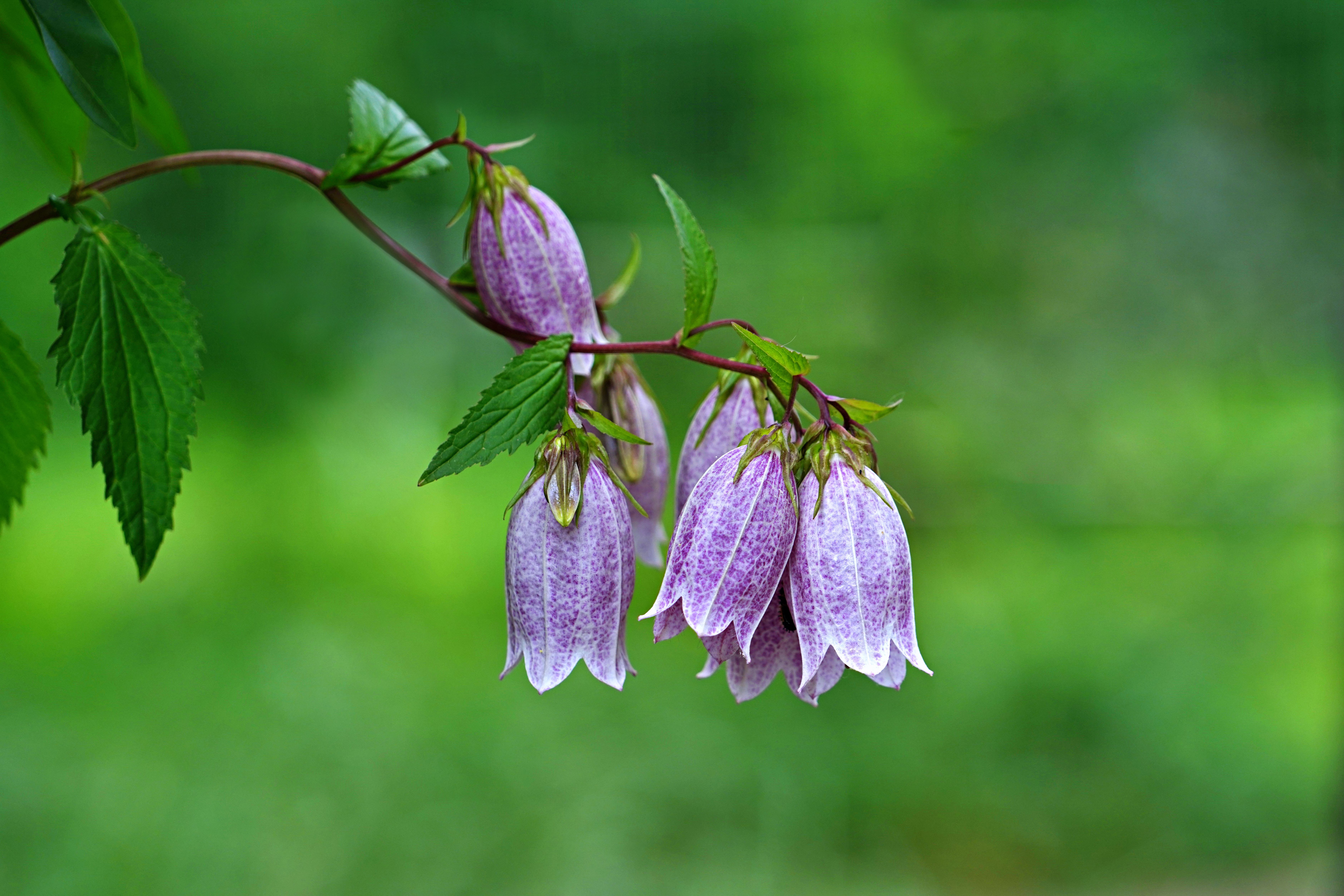
Atropa belladonna is not a federally controlled substance in the United States, but legality depends on multiple layers: federal drug laws, state agriculture regulations, local ordinances, and property rules. Controlled substances are scheduled based on abuse potential and dependence risk, not mere toxicity. Many highly toxic plants (foxglove, oleander, castor bean) are legal to grow in most jurisdictions. The key is to check the specific rules that apply to your situation.
Quick Answer: Usually Legal to Own, But Not Risk-Free
Simply owning or growing Atropa belladonna is not automatically illegal under controlled-substance law in many places. However, legality varies by country, state, county, HOA rules, nursery sales laws, and seed import regulations. “Legal to grow” does not mean “safe to grow”—the risks of handling a highly toxic plant, potential liability, and possible spread through seed dispersal are separate from legal questions.
Disclaimer: This article provides general information and is not legal advice. Laws change, and local regulations may vary. Consult a legal professional or your local agricultural extension office for guidance specific to your situation.
U.S. Law: Federal, State, Local, and FDA Rules
| Legal layer | What to check | Why it matters |
|---|---|---|
| Federal controlled-substance law | Whether Atropa belladonna is scheduled like cannabis/opium plants | Belladonna is not listed in the Controlled Substances Act schedules. |
| FDA drug rules | Belladonna alkaloid products, OTC drug claims, supplements, medical marketing | The FDA regulates belladonna alkaloids in OTC products, not the plant itself. |
| State agriculture law | Noxious weed, invasive plant, nursery/shipping restrictions | Some states list belladonna as noxious weed or restrict its sale or transport. |
| County/city ordinances | Public nuisance, dangerous plants, school/public access rules | Local rules may restrict dangerous plants in accessible areas or require permits. |
| HOA/rental/property rules | Landscaping restrictions, liability, insurance | Private property rules can be stricter than law and may prohibit toxic plants. |
| Import/shipping rules | Seed import, interstate shipping, phytosanitary rules | Buying seeds online may trigger different rules than owning a plant already in your garden. |
At the federal level, the DEA does not schedule belladonna because it lacks abuse potential. The FDA regulates belladonna alkaloids in OTC drug products (21 CFR §310.533), but growing the plant itself is not FDA-regulated. Restrictions are most likely at the state and local level—check with your state department of agriculture and local extension office.
Why Is Deadly Nightshade Legal if It Is Poisonous?
Controlled substances are regulated based on abuse potential, not toxicity. Many legal ornamental plants are highly toxic (foxglove, oleander, yew, lily-of-the-valley). Belladonna’s tropane alkaloids have legitimate medical uses, and the plant has no history of recreational abuse, so it does not meet the legal definition of a controlled substance.
UK, Canada, Australia, and Other Countries: How to Check
| Region | What to check |
|---|---|
| United Kingdom | Wildlife and Countryside Act Schedule 9, protected wild plants, local council rules |
| Canada | CFIA regulated pest list, provincial weed/invasive plant laws, seed import rules |
| Australia | State/territory biosecurity and prohibited plant lists |
| European Union / Europe | National plant, nursery, import, and medicinal-product rules |
| New Zealand / other biosecurity-heavy countries | Import permits and unwanted organism lists |
In the UK, Atropa belladonna is not automatically illegal to grow on private land, but check Schedule 9 for invasive non-native listings. Digging up wild belladonna may violate plant protection laws. In Canada, the CFIA maintains a regulated pest list; province-level weed laws are often more restrictive. Australia requires verification per state. Always confirm via official government websites.
Know Which “Belladonna” You Mean Before You Check the Law
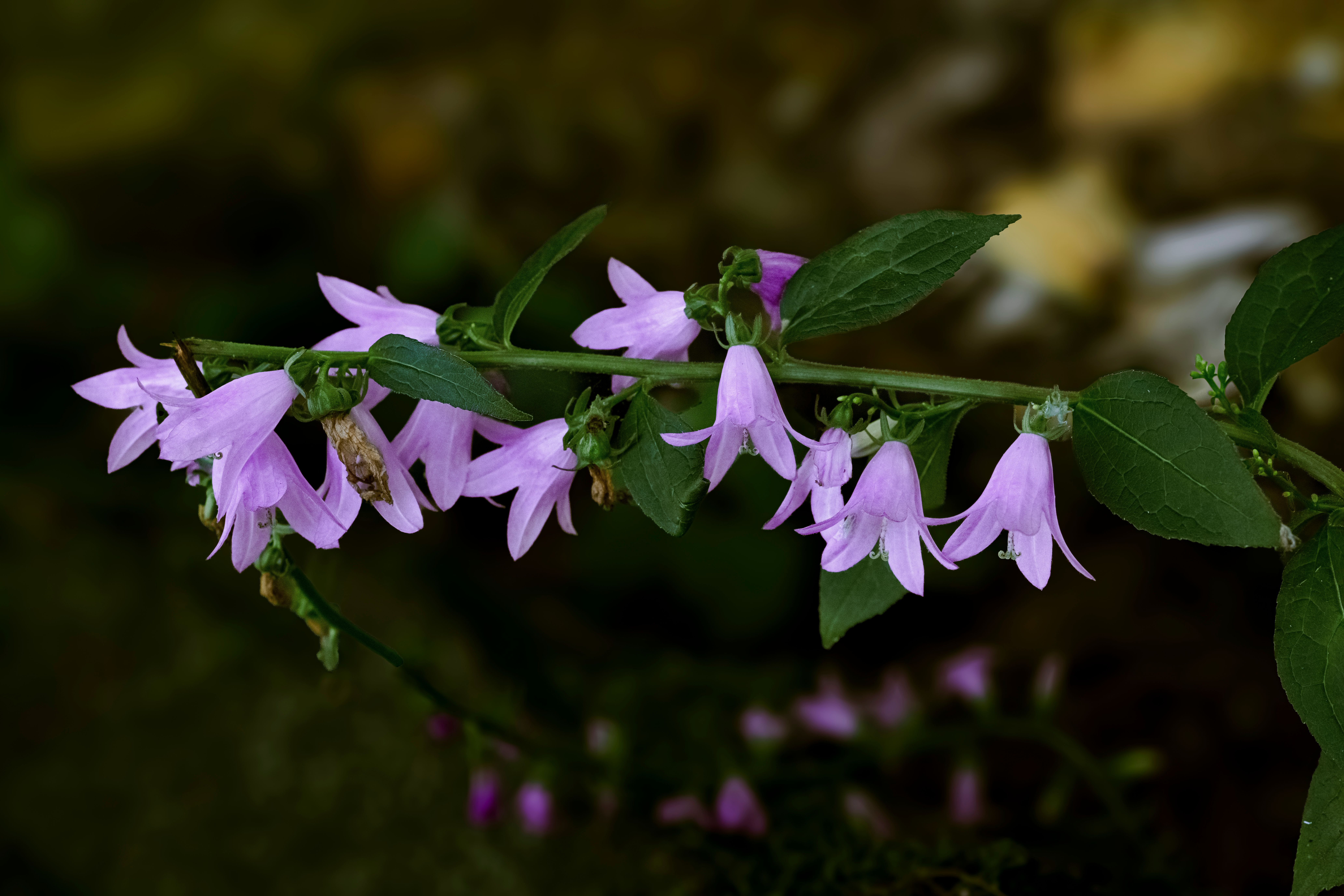
Many plants share the name “belladonna,” ranging from highly toxic to ornamental. Before checking legality, know which plant you mean.
Atropa belladonna vs. Amaryllis belladonna
| Feature | Atropa belladonna | Amaryllis belladonna |
|---|---|---|
| Common names | Deadly nightshade, belladonna | Belladonna lily, naked lady lily |
| Plant family | Solanaceae | Amaryllidaceae |
| Growth habit | Herbaceous perennial/shrub-like | Bulb-forming ornamental |
| Flowers | Dull purple/greenish bell-shaped | Pink lily-like on bare stems |
| Fruit/berries | Shiny black berries | Seed pods, not deadly-nightshade berries |
| Toxicity | Extremely toxic; all parts dangerous | Toxic if ingested but different profile |
| Relevance | Legal/safety focus | Name confusion only |
Atropa belladonna is the plant most people mean in a poison or legality context. Always check the botanical name before purchasing or drawing legal conclusions.
How to Identify Atropa belladonna
Accurate identification is critical. Distinctive features include:
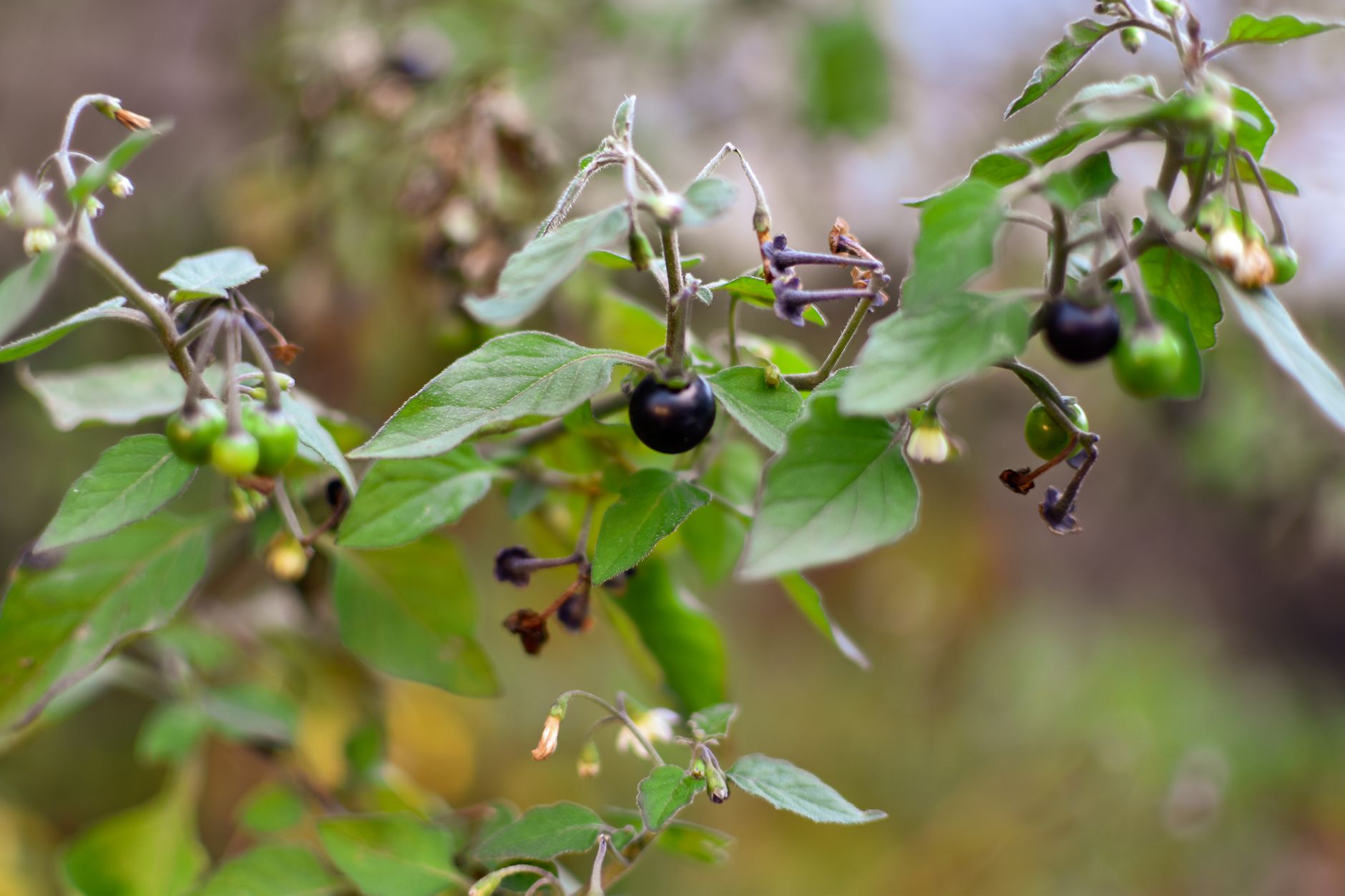
- Flowers: Dull purple to greenish, bell-shaped, ~1 inch, appearing singly in leaf axils.
- Leaves: Oval, 3–6 inches, darker green above, often unevenly paired on upper stem.
- Berries: Shiny black when ripe, size of a small cherry, with a persistent star-shaped calyx at base, typically borne singly.
- Growth habit: 3–4 feet tall, shrub-like, herbaceous perennial that dies back in winter.
Never rely on a single feature. If unsure, do not handle; contact a local extension office or botanical expert.
Belladonna Lookalikes: Black Nightshade, Bittersweet Nightshade, Honeysuckle, Blueberries
| Lookalike | Key difference | Safety note |
|---|---|---|
| Black nightshade / Solanum nigrum | Berries often in clusters; white star-shaped flowers | Some species/parts toxic; do not forage casually |
| Bittersweet nightshade | Climbing vine, red berries when ripe | Toxic, especially to children/pets |
| Twinberry honeysuckle | Berries in pairs; different flower color | Do not eat without expert ID |
| Blueberry / huckleberry | Different leaves, plant habit, fruit arrangement | Never assume a black berry is edible |
| Amaryllis belladonna | Bulb plant with pink lily-like flowers | Toxic but not deadly nightshade |
Do not rely on plant ID apps for toxic plants. If suspect Atropa belladonna, take clear photos and consult an expert.
How Dangerous Is Belladonna?
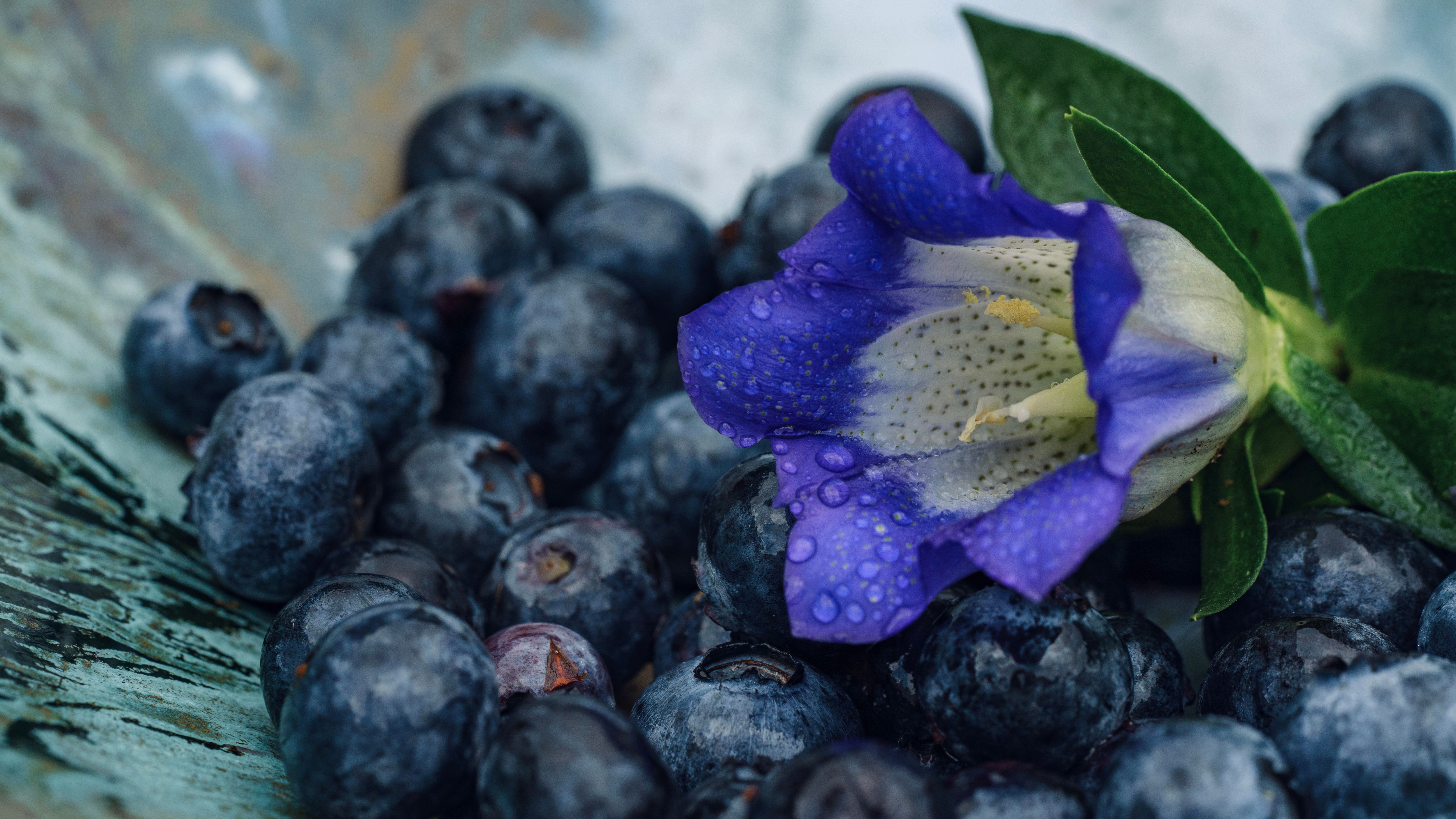
Atropa belladonna is among the most toxic plants in temperate regions. Understanding the risks helps you make responsible decisions.
What Makes Atropa belladonna Poisonous
The plant contains tropane alkaloids (atropine, scopolamine, hyoscyamine) that block acetylcholine in the parasympathetic nervous system. Effects include blurred vision, dry skin, confusion, hallucinations, rapid heart rate, difficulty breathing, and in severe cases, paralysis, coma, and death. All parts are toxic—leaves, stems, flowers, berries, and roots. The berries are especially dangerous because they are visually appealing and sweet-tasting. There is no safe amount to ingest.
Can You Touch Belladonna?
Casual brushing is less dangerous than ingestion, but handling is still unsafe. Skin can absorb alkaloids through cuts or open wounds. If removal is necessary, wear gloves, long sleeves, closed shoes, and eye protection. Wash skin and tools thoroughly afterward.
Belladonna Risks for Children, Pets, and Public Spaces
Children are at highest risk because the berries look like food; even one berry can be fatal. Dogs, cats, horses, and livestock can also be affected. If children, pets, or livestock are present, or if the plant is near a sidewalk, school, daycare, or public area, removal is strongly recommended. Liability is a practical concern—if someone is harmed, you could face consequences even if the plant was technically legal.
What to Do if Someone Eats Belladonna
Treat any suspected ingestion as a medical emergency. Contact poison control or emergency services immediately. In the U.S., call 1-800-222-1222. Do not induce vomiting unless instructed. Save a sample or take a clear photo if safe.
If Belladonna Is Already in Your Yard
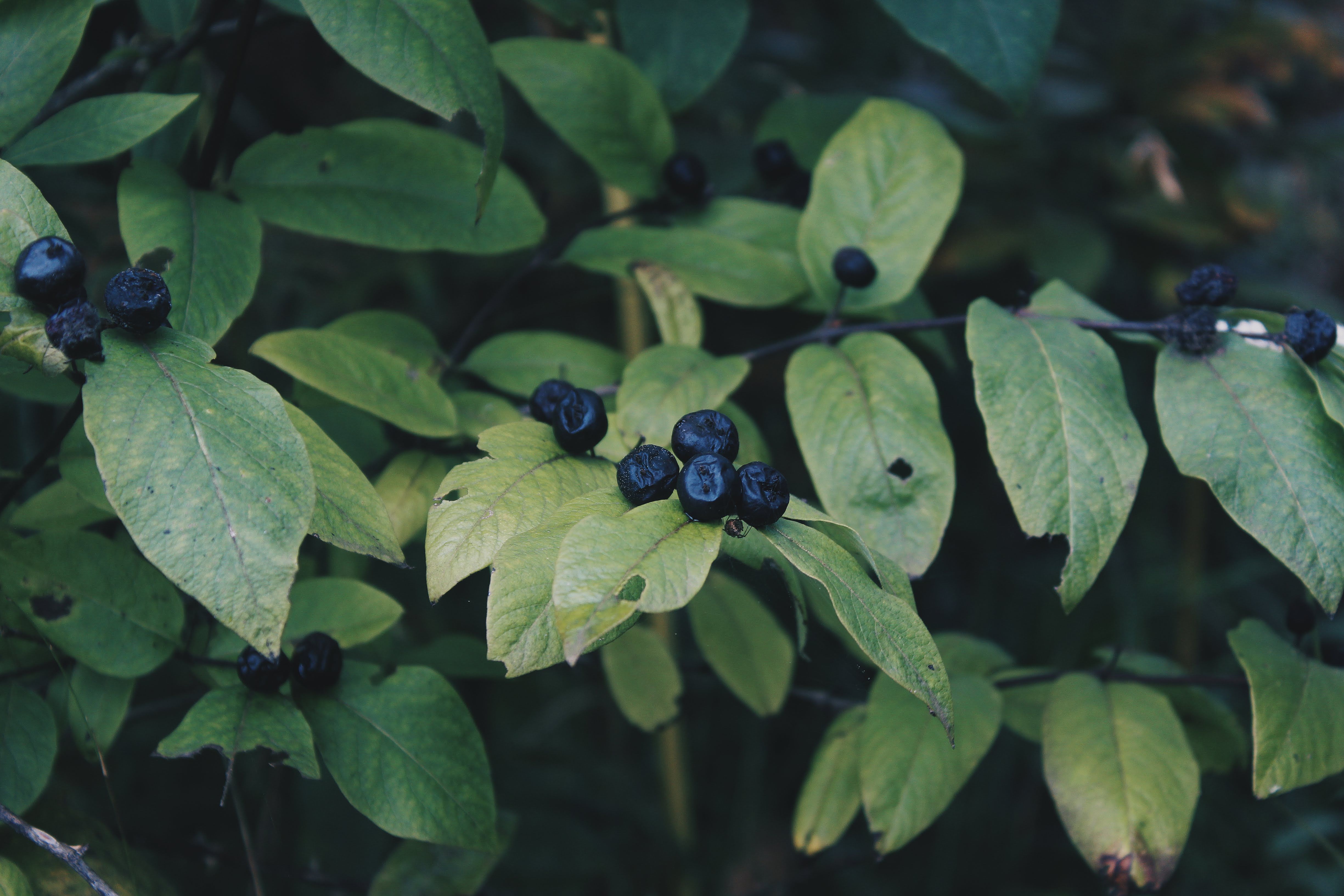
Finding belladonna on your property requires a practical, safety-first response.
Should You Keep It, Remove It, or Fence It?
| Situation | Best decision | Why |
|---|---|---|
| Children or pets use the area | Remove it | Berries and plant parts create unacceptable risk |
| Plant is near sidewalk/public access | Remove it | Liability and accidental exposure risk |
| Rental/shared garden/HOA property | Remove or get written approval | Property rules may apply |
| Controlled botanical/teaching collection | Only with strict labeling and access control | Educational value requires safety management |
| Remote private garden, no children/pets | Still risky; containment required | Seeds can spread; future visitors may not know the risk |
The safest recommendation for a home landscape is not to plant belladonna at all.
How to Remove Belladonna Safely
- Confirm identification before touching.
- Wear gloves, long sleeves, closed shoes, eye protection.
- Dig up the entire plant, including as much root as possible.
- Place all plant material (including berries and seeds) in a sealed bag for disposal.
- Do not leave berries or seeds on the ground.
- Clean tools thoroughly with soap and water; wash clothing separately.
Do not compost toxic plant material. For widespread growth, contact your local extension office for disposal guidance.
How to Prevent Belladonna From Spreading
If immediate removal is not possible, remove all flowers and developing berries before they ripen. Monitor for regrowth and seedlings. Birds can spread seeds over long distances, so even careful containment may not prevent spread. Keep records for reporting to local authorities if needed.
Before Buying or Planting Belladonna
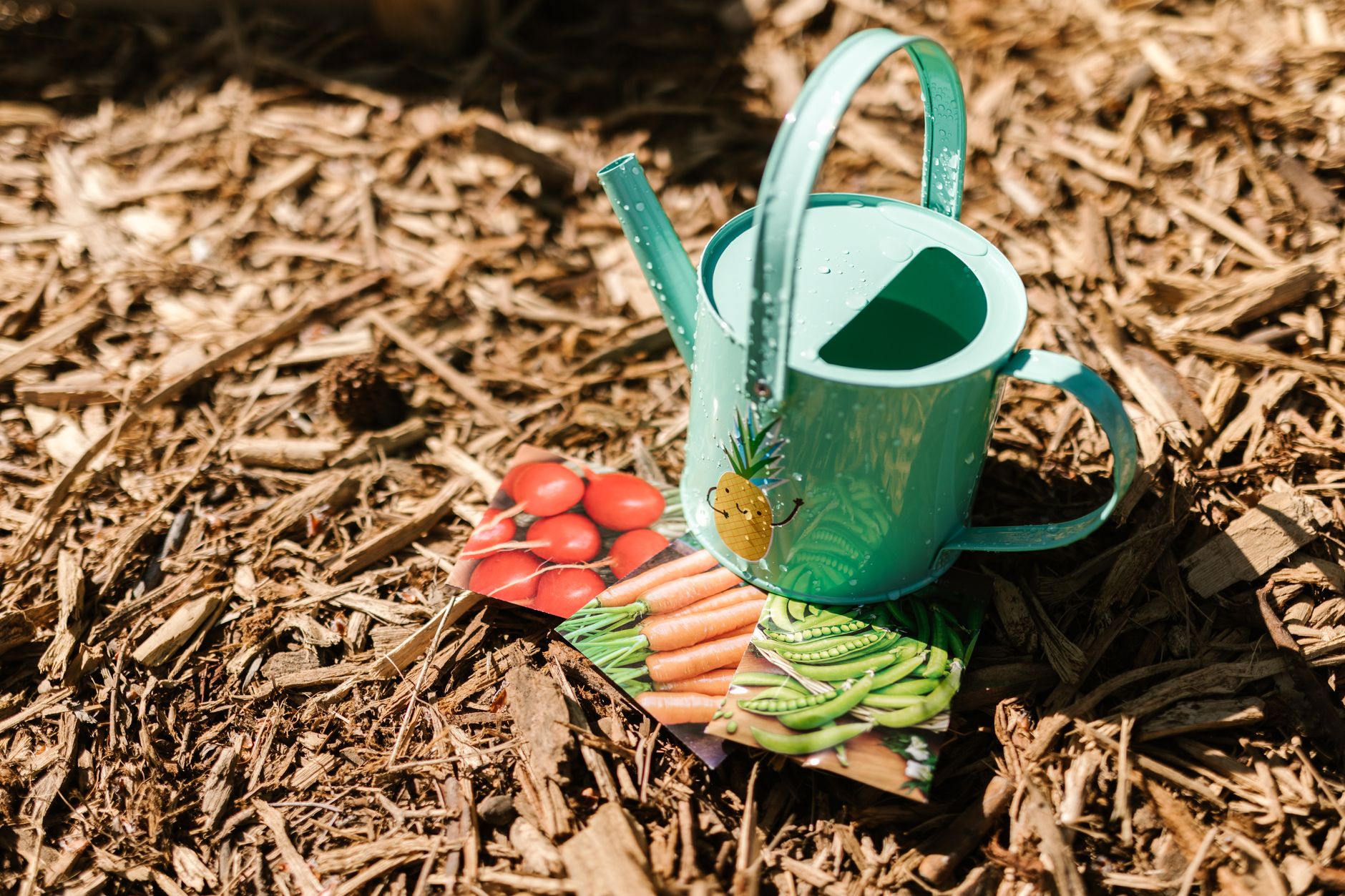
If you are considering acquiring belladonna, proceed with caution.
Legal and Safety Checklist Before You Buy Seeds
Complete this checklist before purchasing:
- Check federal/state/province/local rules for restricted or invasive plants.
- Verify if listed as noxious weed in your area.
- Check seed import and shipping restrictions.
- Review HOA, rental, or property rules.
- Confirm no children, pets, livestock, or public access.
- Plan to label the plant permanently and prevent berry/seed spread.
- Know how to safely dispose of plant material.
- Keep local poison control contact handy.
Seed availability online does not prove legality or safety. Responsibility to check regulations and manage safety falls on you.
Safer Alternatives for a Poison Garden or Dark-Berry Look
Consider safer alternatives with similar visual effect:
- Dark foliage: Black mondo grass, dark coleus, purple basil, dark heuchera.
- Gothic flowers: Black pansy, dark hellebore, dark dahlia.
- Educational poison-garden display: Use labeled, non-edible ornamentals with lower toxicity, kept behind barriers.
Safety labeling and access control remain important.
If You Need Belladonna for Research, Teaching, or Botanical Collection
For legitimate purposes, belladonna should only be grown in controlled, labeled, restricted-access settings. Follow institutional safety protocols, keep written records, maintain a safety data sheet, and do not distribute seeds or cuttings casually. Do not make medicinal, recreational, or edible claims about the plant.
Conclusion
Growing Atropa belladonna is not automatically illegal in many places, but legality is only part of the decision. The plant is extremely toxic, poses serious risks to children, pets, and the public, and can spread through seed dispersal. Before acquiring or keeping it, check your local laws, assess your property’s safety, and consider whether the interest is worth the risk. For most home gardeners, safer alternatives provide a similar aesthetic without the danger.
FAQ
Is it legal to own a belladonna plant?
In many places, private ownership is not automatically illegal, but rules vary by jurisdiction. Check controlled-substance law, noxious weed lists, local ordinances, seed import rules, and property rules.
Can you grow belladonna in the United States?
At the federal level, belladonna is not treated like cannabis, but FDA rules apply to belladonna alkaloid drug claims/products, and state and local noxious-weed rules may still apply.
Is it safe to touch a belladonna flower?
No. Handling is not safe. Wear protective clothing if removal is necessary—crushed plant material and open skin increase risk.
What should I do if someone eats a belladonna berry?
Treat as a medical emergency. Contact poison control or emergency services immediately. Do not induce vomiting unless instructed. Keep a plant photo or sample for identification if safe.
Sources
- U.S. Controlled Substances Act, 21 U.S.C. §812
- eCFR 21 CFR §310.533 – Belladonna alkaloids in OTC drug products
- NC State Extension Plant Toolbox – Atropa belladonna toxicity
- Missouri Botanical Garden – Plant toxicity and safety warnings
- UK Wildlife and Countryside Act Schedule 9 and gov.uk guidance
- CFIA Regulated Pest List – Canadian Food Inspection Agency
- Australian poisonous/invasive plant report (2018) – state variability evidence
You Might Also Like