When Should You Start Spring Planting?
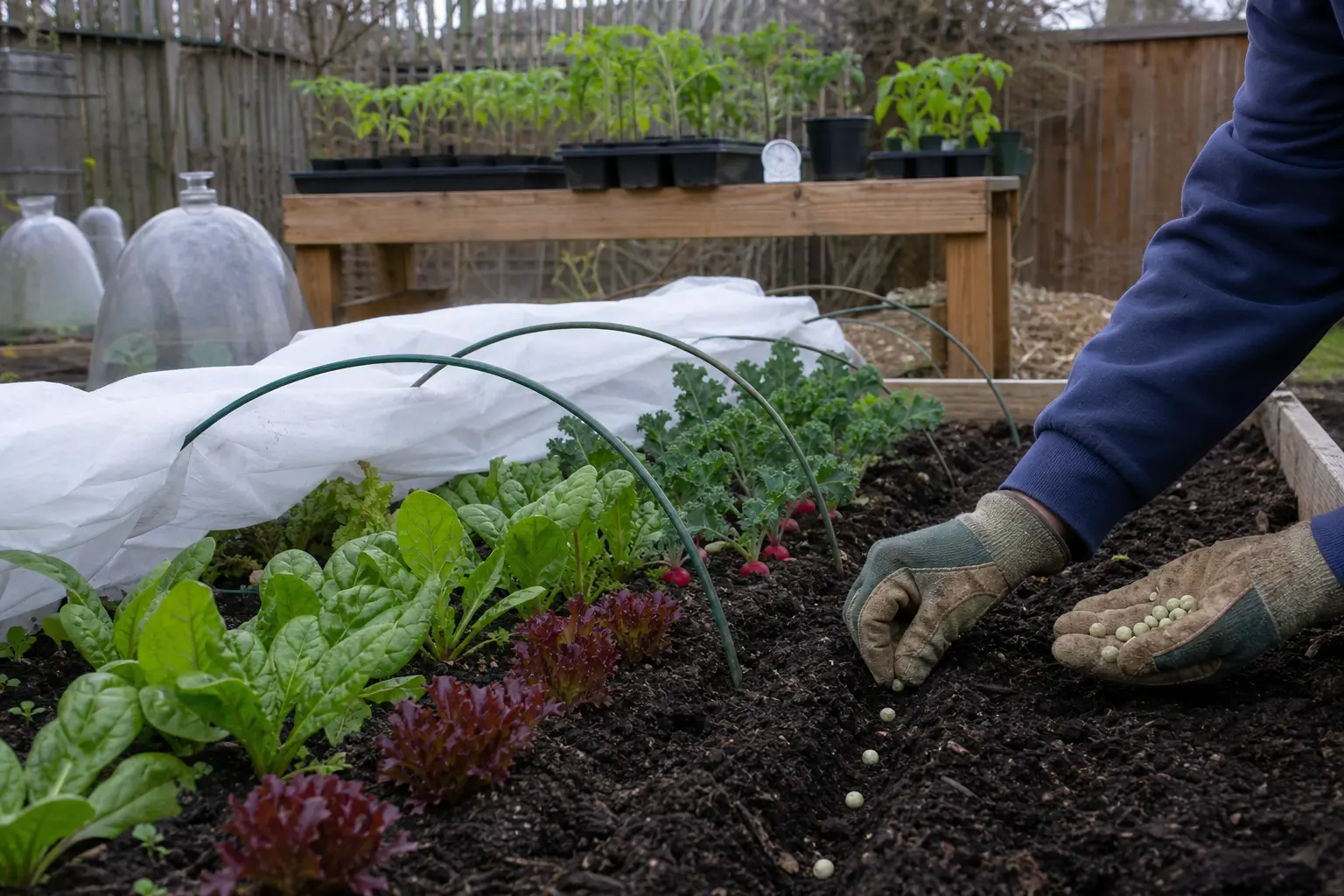
The best answer to when to start spring planting is not one calendar date. Spring planting happens in stages: hardy crops can go into the garden while frost is still possible, while tomatoes, peppers, basil, and other heat-loving plants must wait for warmer nights and soil.
Use three signals together:
- Your area’s average last spring frost date
- Soil temperature and moisture
- The cold tolerance of the specific crop
A packet that says “plant in spring” is only a starting point. In a cool, wet spring, waiting a week or two can produce better germination and healthier seedlings than planting on the first mild day. Conversely, gardeners with protected beds, row covers, or a warm urban microclimate may be able to start some crops earlier.
Use Frost Dates and Soil Temperature to Set Your Start Date
The last frost date is a planning tool, not a guarantee. It estimates when freezing temperatures become less likely in your area, helping you decide which plants can safely be planted outdoors. Soil temperature adds another layer: seeds and roots need suitable conditions below ground, even if the afternoon air feels pleasant.
Find Your Area’s Average Last Frost Date
Look up the average last spring frost date for your town, county, or postal code through a local extension service, garden center, or reliable weather resource. Then count backward or forward from that date according to the crop you want to grow.
As a general schedule:
| Plant type | Typical outdoor planting time relative to last frost |
|---|---|
| Very hardy vegetables, such as peas and spinach | 4–6 weeks before |
| Hardy greens, brassicas, and onions | 2–4 weeks before |
| Tender vegetables, such as beans and squash | Around or after the last frost, once soil warms |
| Tomatoes, peppers, basil, and eggplant | 1–3 weeks after, depending on night temperatures |
“Average” matters. A forecast frost can still occur after the listed date, especially in low-lying gardens, exposed sites, and colder rural areas. Keep an eye on overnight forecasts throughout spring rather than treating the date as permission to plant every crop at once.
Check Whether the Soil Is Warm and Workable
Cold, soggy soil is one of the most common causes of poor spring planting results. Seeds may rot, germinate unevenly, or remain dormant for weeks. Working wet soil can also compact it, damaging its structure for the season.
Before planting, squeeze a handful of soil from several inches below the surface:
- If it forms a shiny, sticky ball that will not crumble, it is too wet to work.
- If it crumbles apart with gentle pressure, it is usually workable.
- If the top is dry but the soil beneath is muddy, wait a few more days.
A soil thermometer gives a more reliable answer than air temperature. Cool-season seeds can germinate in relatively cool soil, though they often sprout more slowly. Warm-season crops need consistently warmer ground.
Useful minimum ranges include:
| Crop group | Soil conditions for better germination |
|---|---|
| Peas, spinach, lettuce, radishes | Cool soil; often workable once soil is thawed and not waterlogged |
| Beets, carrots, chard, brassicas | Cool to moderately warm soil |
| Beans, cucumbers, squash | Warm soil, generally around 60°F or warmer |
| Corn, melons, okra | Warm soil, preferably well above 60°F |
| Tomatoes, peppers, eggplant | Warm soil and warm nights; transplants dislike cold roots |
These are practical guidelines, not rigid thresholds. Seeds can sometimes germinate below their preferred range, but the wait is longer and losses are more likely.
Account for Microclimates and Unusual Weather
Your garden may not behave like the regional forecast. A south-facing wall can warm a bed early, while a valley, open lawn, or shaded backyard may stay colder than nearby neighborhoods. Raised beds also warm and drain sooner than in-ground beds, though they can lose heat quickly during a cold night.
Watch your own site for a season or two. Note where snow melts first, where frost lingers at dawn, and which beds remain wet after rain. These patterns are often more useful than a broad planting-zone label.
During an unusually cold or wet spring, delay planting rather than forcing the schedule. During an early warm spell, resist planting tender crops too soon unless you can protect them. Several warm days do not mean the danger of frost has passed.
Start Cool-Season Crops Before the Last Frost
Cool-season crops are the first plants most gardeners can sow or transplant in spring. They tolerate chilly weather, and many grow best before summer heat arrives. A light frost may slow them temporarily but usually will not kill established hardy plants.
Crops to Direct Sow in Early Spring
Direct sowing works well for crops that germinate in cool soil or dislike having their roots disturbed.
Good early-spring choices include:
- Peas
- Spinach
- Lettuce and mesclun mixes
- Radishes
- Arugula
- Carrots
- Beets
- Swiss chard
- Turnips
- Kale
- Cilantro
- Dill
Peas are often among the earliest crops planted, once soil can be worked. Radishes and leafy greens also provide quick results, making them useful for gardeners eager to begin before warm-season planting starts.
Carrots and beets tolerate cool conditions but can be slow and uneven in cold soil. Keep their seedbeds evenly moist until seedlings emerge. Avoid letting the surface form a hard crust, especially in heavy soil.
Seedlings That Can Be Transplanted Early
Transplants give you a head start on crops that take time to mature. Many hardy seedlings can be planted a few weeks before the average last frost if they have been acclimated to outdoor conditions.
Early transplant candidates include:
- Broccoli
- Cabbage
- Cauliflower
- Kale
- Collards
- Lettuce
- Swiss chard
- Onions
- Leeks
- Hardy herbs such as parsley and chives
- Pansies, violas, snapdragons, and sweet alyssum
Even hardy seedlings benefit from protection during a hard freeze or a cold, drying wind. A plant that survives low temperatures may still suffer leaf damage or stalled growth if it is suddenly moved from a warm indoor setting into harsh weather.
When to Start Seeds Indoors
Starting seeds indoors is most valuable for plants that need a long growing season or need warmth to germinate. The timing depends on how quickly each crop grows before transplanting.
Start hardy crops only a few weeks before they will go outside. Lettuce, kale, broccoli, and cabbage can become crowded or root-bound if started too early. Tomatoes, peppers, eggplants, and many flowers need more indoor growing time because they cannot be planted out until after frost danger has passed.
A practical approach is to start:
- Brassicas and lettuce about 4–6 weeks before outdoor transplanting
- Tomatoes about 6–8 weeks before outdoor transplanting
- Peppers and eggplants about 8–10 weeks before outdoor transplanting
- Cucurbits, such as cucumbers and squash, only 2–4 weeks before planting out, since they outgrow containers quickly
Strong light matters as much as timing. Pale, stretched seedlings are more vulnerable to transplant shock and wind damage than compact plants grown under adequate light.
Wait for Warm-Season Plants Until Frost Risk Has Passed
Warm-season plants are damaged by frost, but freezing temperatures are not their only problem. Many struggle when soil remains cold or nighttime temperatures regularly dip into the 40s°F. They may survive, yet sit still for weeks and become more susceptible to disease and pests.
Vegetables That Need Warm Soil
Wait for settled warmth before planting these crops outdoors:
- Tomatoes
- Peppers
- Eggplants
- Beans
- Cucumbers
- Summer and winter squash
- Pumpkins
- Melons
- Corn
- Okra
- Sweet potatoes
For tomatoes, peppers, and eggplants, wait until frost risk has passed and nights are consistently mild. Tomatoes can tolerate a cool night better than peppers, but neither thrives in cold soil. Peppers and eggplants are especially slow to recover after chilling.
Beans, cucumbers, squash, and melons are best direct sown or transplanted after the soil has warmed. Planting them early rarely creates an earlier harvest; it more often leads to missing seedlings, slow growth, or rotting seeds.
Black plastic, landscape fabric, or a clear protective cover designed for garden use can help warm soil in advance. Remove or manage coverings appropriately once heat builds so plants do not overheat.
Tender Annual Flowers and Herbs
Tender annual flowers should also wait until frost risk is past. This group includes:
- Zinnias
- Marigolds
- Cosmos
- Impatiens
- Petunias
- Celosia
- Nasturtiums
- Sunflowers
Basil is one of the most easily disappointed spring herbs. It dislikes cold soil, chilly rain, and low nighttime temperatures. Plant it after tomatoes are safe to set out, not alongside early parsley or cilantro.
Other warm-loving herbs include:
- Basil
- Thai basil
- Lemon basil
- Pineapple sage
- Mexican tarragon
Rosemary can survive mild cold in some climates, but it is not reliably winter-hardy everywhere. Treat it according to your local conditions rather than assuming it can handle a late freeze.
Hardening Off Indoor-Grown Seedlings
Indoor seedlings need a gradual transition to sun, wind, changing moisture, and cool nights. This process, called hardening off, reduces transplant shock.
Over about seven to 10 days:
- Place seedlings outside in bright shade for a few hours.
- Bring them indoors or into protected shelter at night.
- Increase their outdoor time each day.
- Introduce gentle morning sun before exposing them to strong afternoon sun.
- Leave them out overnight only when temperatures suit the crop.
Do not harden off tender plants during a cold, windy, or stormy stretch. If weather turns abruptly, pause the process and protect the seedlings rather than pushing them through stressful conditions.
Prepare the Garden Before You Plant
Planting at the correct time helps, but seeds and transplants also need a bed that drains, receives enough light, and has room for roots to develop.
Test and Improve Soil Conditions
A soil test is the most useful way to learn whether your garden needs lime, nutrients, or other amendments. Without one, it is easy to add fertilizer that is unnecessary or poorly matched to the soil.
At minimum, assess drainage, texture, and organic matter. Most vegetables grow best in loose, well-drained soil that holds moisture without staying saturated. If water pools after rain, address drainage before planting crops that dislike wet roots.
Avoid adding large amounts of high-nitrogen fertilizer to every bed by default. Excess nitrogen can encourage leafy growth at the expense of flowers and fruit, especially in tomatoes and peppers.
Clear Beds and Add Compost
Remove winter weeds before they establish deep roots or drop seed. Pull them when the soil is moist enough for roots to release easily, but not so wet that you compact the bed while walking on it.
Spread finished compost over the planting area and mix it lightly into the upper layer of soil if needed. Compost improves soil structure and supports steady growth, but it is not a cure-all for every nutrient problem.
Leave healthy plant debris where appropriate, but remove material showing signs of disease or heavy pest infestation. Clean beds reduce places for some pests and disease organisms to overwinter.
Plan Spacing, Sun Exposure, and Succession Planting
Before you sow, check mature spacing on seed packets or plant labels. Overcrowding is tempting in early spring, when plants look small, but poor airflow and competition can reduce harvests later.
Match crops to the available light:
- Fruiting crops such as tomatoes, peppers, squash, and beans generally need full sun.
- Lettuce, spinach, arugula, and many herbs can manage with partial shade, especially as weather warms.
- Tall crops should be positioned so they do not shade shorter crops unnecessarily.
For a longer harvest, sow small amounts of quick crops every one to three weeks instead of planting everything at once. Succession sow radishes, lettuce, spinach, and beans while the conditions suit them. As spring turns hot, replace fading cool-season crops with summer vegetables.
Protect Early Plantings From Late Cold Snaps
A late frost does not automatically mean lost plants. Protection is most effective when put in place before temperatures fall, especially on clear, calm nights when heat escapes quickly from the soil.
Use Row Covers, Cloches, or Cold Frames
Floating row cover is one of the simplest ways to shield crops from frost, wind, and light pest pressure. Lay it directly over low-growing plants or support it with hoops so leaves are not weighed down. Secure the edges with soil, stones, or clips to prevent cold air from blowing underneath.
Other useful options include:
- Cloches: Individual covers for a small number of plants
- Cold frames: Low enclosed structures that protect seedlings and extend the season
- Buckets or overturned pots: Temporary overnight covers for individual transplants
- Frost blankets: Fabric covers intended for plant protection
Remove covers or vent cold frames during sunny days. A protected bed can become surprisingly hot, even when outdoor temperatures feel cool.
Know When to Water and When to Cover
Moist soil holds more heat than dry soil, so watering the soil earlier in the day can help before a light frost. Do not soak already saturated beds, and avoid spraying foliage late in the day when temperatures are falling.
Cover plants before sunset whenever possible. The soil releases stored warmth overnight, and the cover traps some of that heat near the plants. Covering after frost has already formed is less effective.
Avoid relying on thin plastic placed directly on foliage. Plastic can transfer cold where it touches leaves and may trap damaging heat in sunshine. If plastic must be used temporarily, keep it supported above the plants and remove it promptly in the morning.
Replanting After Frost Damage
Do not rush to pull plants the morning after a frost. Frost-damaged leaves may look limp, dark, or water-soaked, but the growing point or roots may still be alive.
Wait several days for the extent of injury to become clear. Then:
- Remove only dead, mushy tissue once conditions improve.
- Keep soil evenly moist but not saturated.
- Delay heavy fertilizing until plants show new growth.
- Replant annuals or warm-season vegetables if the growing point is dead or the plant has collapsed beyond recovery.
Hardy greens often recover from cosmetic leaf damage. Tender plants such as basil, peppers, cucumbers, and squash are less likely to rebound after a true freeze.
Conclusion
Spring planting starts before the garden is warm enough for every crop. Begin with hardy greens, peas, roots, and cool-season transplants once the soil is workable. Hold tender vegetables, warm-season herbs, and annual flowers until frost risk has passed and the soil and nights have warmed reliably.
Your average last frost date provides the framework, but local weather and soil conditions make the final decision. By planting in stages and keeping protection ready for late cold snaps, you can start early without gambling the whole garden on one optimistic weekend.
FAQ
What can I plant before the last frost date?
Before the last frost date, plant cool-season crops that tolerate light frost and cool soil. These include peas, spinach, lettuce, radishes, arugula, kale, carrots, beets, onions, broccoli, cabbage, and chard. Pansies, violas, snapdragons, parsley, and chives are also suitable for early planting in many gardens.
Check the forecast before planting. A light frost is different from a hard freeze, and newly transplanted seedlings may still need row cover or another layer of protection.
Is it too early to plant if temperatures still drop at night?
It depends on the crop and the expected low temperature. Cool-season vegetables can often tolerate chilly nights, including temperatures near freezing. Warm-season plants cannot. Tomatoes may be stressed by cold nights, while peppers, basil, cucumbers, and squash should wait for reliably mild conditions.
If nights are cold but daytime soil is workable, use that time for peas, greens, brassicas, and root crops rather than tender summer plants.
What soil temperature is warm enough for vegetable seeds?
Cool-season seeds such as peas, spinach, lettuce, radishes, and many brassicas can germinate in cool soil, although they emerge faster as temperatures rise. Beans, cucumbers, squash, and corn generally need soil around 60°F or warmer for dependable germination. Melons and okra prefer even warmer ground.
Use a soil thermometer several inches deep in the morning for a realistic reading. A single warm afternoon does not mean the soil has warmed through.
When should I plant tomatoes, peppers, and other warm-season crops?
Plant tomatoes, peppers, eggplants, basil, beans, cucumbers, squash, melons, and similar crops after the average last frost date, once the forecast shows stable warmth. For tomatoes, wait until nighttime temperatures are regularly mild. For peppers, eggplants, basil, and melons, waiting a little longer is often worthwhile because they are more sensitive to cold soil and chilly nights.
Harden off indoor-grown seedlings first, and keep row cover, cloches, or temporary covers ready if an unexpected cold night is forecast.
You Might Also Like