Benefits of Pot Plants: Why They Can Be Better Than Pets
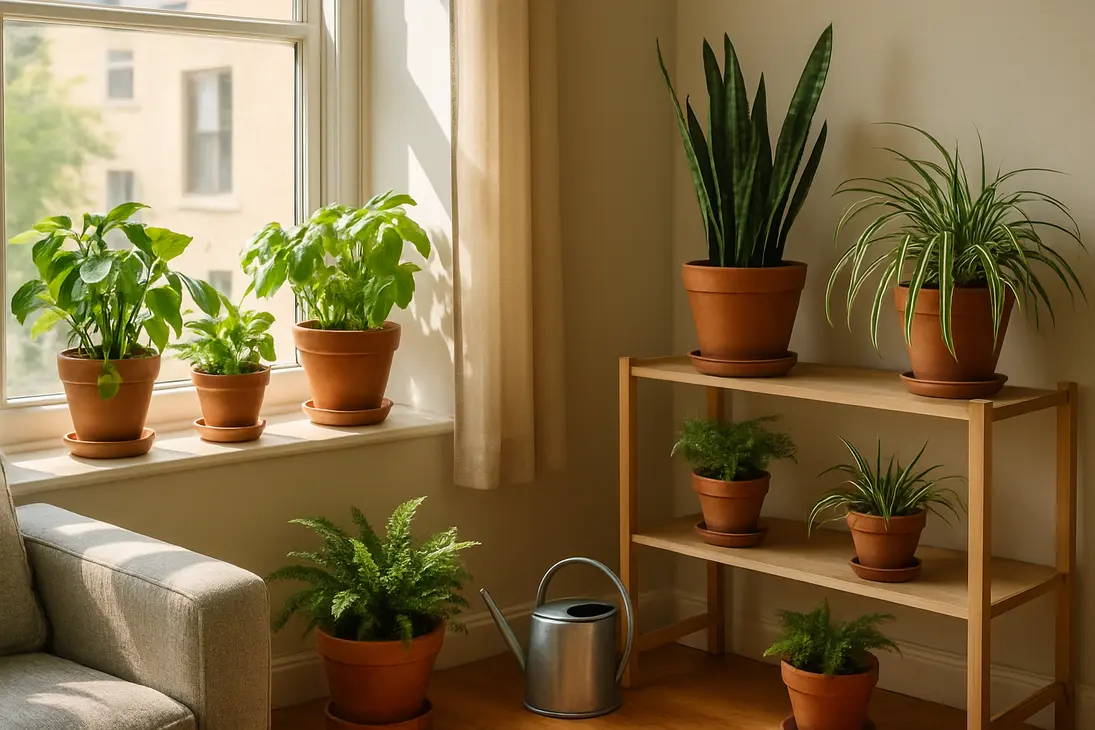
The benefits of pot plants are easy to overlook until you live with a few. A basil pot in the kitchen, a trailing pothos on a shelf, or a fern in the bathroom can make a home feel alive without the commitment of a pet.
Plants cannot replace the affection of dogs, cats, rabbits, or birds. But for renters, students, apartment dwellers, frequent travelers, busy professionals, or anyone who wants a gentler responsibility, pot plants offer routine, care, growth, and a living presence with fewer complications.
Pot Plants Offer Companionship Without Pet-Level Responsibility
Pot plants give you something living to look after, but they do not reorganize your day. There is no feeding twice a day, litter tray, training, barking, chewing, or guilt when you stay out late.
That lighter responsibility is why plants can feel “better than pets” for certain lifestyles. They bring warmth into a home without becoming a dependent animal that needs daily supervision.
A calming presence at home
A room with plants often feels softer and more settled. Green leaves add shape, texture, color, and seasonal change. New growth, flowers, or fresh herbs give you small things to notice, which can be grounding after a busy day.
Unlike pets, plants do not wake you at night, scratch doors, beg for food, or become anxious when visitors arrive. Their companionship is quiet, which is exactly what some people want.
A simple daily or weekly care routine
Plant care gives structure without taking over your schedule. You might check the soil, turn a pot toward the light, remove a yellow leaf, or harvest herbs for dinner.
Many indoor plants need attention weekly rather than daily. Snake plant, jade plant, aloe, ZZ plant, and many cacti may need watering only after the mix dries well. Peace lilies and ferns need more regular checking, but still far less attention than pets.
This routine suits people who like caring for something but do not want high-stakes responsibility. If you forget once, a plant may droop; a pet cannot be treated that casually.
No behavioral problems, allergies from fur, or pet restrictions
Pot plants do not bark, bite, shed fur, scratch floors, bring fleas indoors, need toilet training, chew cables, or upset neighbors.
They also avoid pet fur and dander, which matters where cats or dogs trigger discomfort. Plant owners still need common sense: constantly wet soil can grow mold, and some flowering plants may bother people sensitive to pollen. Good ventilation, careful watering, and foliage plants reduce those issues.
Rentals are another advantage. Many landlords ban pets or require deposits. Pot plants are usually acceptable if they do not stain floors, damage walls, block exits, or attract pests.
Practical Advantages: Cost, Space, and Flexibility
Pets are rewarding, but food, veterinary care, grooming, insurance, equipment, boarding, and time add up. Pot plants are not free, and rare houseplants can be expensive, but ordinary container gardening is easier to scale to your budget and space.
Lower ongoing costs than most pets
The basic cost of a pot plant is simple: the plant, a suitable pot, potting mix, and occasional fertilizer or replacement soil. After that, many plants need little.
A pet’s costs are continuous and less predictable: food, bedding, toys, vaccinations, parasite prevention, emergency care, grooming, and travel care. Plants can die too, but replacing a common pothos, spider plant, herb seedling, or succulent is usually not comparable to a veterinary bill.
| Practical factor | Pot plants | Pets |
|---|---|---|
| Daily time | Often low | Usually daily |
| Noise | Silent | Varies |
| Travel | Many tolerate short absences | Often needs sitter or boarding |
| Damage risk | Water marks, soil spills | Scratches, chewing, odors, fur |
| Costs | Mix, fertilizer, replacements | Food, vet care, supplies |
| Rentals | Usually accepted | Often restricted |
Suitable for small balconies, windowsills, and indoor corners
Pot plants are ideal when space is limited. A sunny windowsill can support herbs, succulents, aloe, or small flowering plants. A shaded corner may suit snake plant, ZZ plant, pothos, or philodendron. A balcony can hold flowers, dwarf vegetables, strawberries, salad greens, or herbs.
Containers also let you use vertical space with hanging baskets, railing planters, shelves, stands, and tiered racks. Avoid crowding plants so tightly that air cannot circulate or watering becomes difficult.
Easier to leave during short trips
Many pot plants can be left alone for a few days. A well-watered snake plant, ZZ plant, cactus, succulent, pothos, or rubber plant can usually manage a short absence, especially away from intense direct sun.
Longer trips still need planning. You might water thoroughly, move plants out of harsh light, group humidity-loving plants, use self-watering inserts, or ask a friend to check them. Herbs and balcony pots dry out faster than indoor foliage plants.
Even so, travel is usually simpler with plants than with pets. You are not arranging walks, feeding visits, medication, litter cleaning, or boarding.
More acceptable in rental homes and shared housing
For renters, pot plants add life without breaching pet clauses. They are also less likely to cause conflict with housemates because they do not shed, make noise, or require shared care.
Responsible plant keeping still matters. Use saucers or cachepots, but do not leave water sitting in them. Lift pots occasionally to check for moisture marks, avoid heavy containers on weak shelves, and secure outdoor pots against wind.
Health, Mood, and Home Benefits of Pot Plants
The health benefits of plants are sometimes overstated. Pot plants will not magically purify a whole home or solve stress. But they can make surroundings more pleasant, create a calming routine, and offer small moments of satisfaction.
They can make a room feel fresher and more inviting
Plants make rooms feel tended and personal. A healthy plant can soften a plain rental, office corner, dorm room, or balcony without major decorating.
Some plants can absorb certain airborne compounds under controlled conditions, but in ordinary homes the air-quality effect is usually modest. Ventilation, cleaning, humidity control, and reducing pollutant sources matter more. Enjoy plants for greenery and atmosphere, not as a replacement for fresh air or an air purifier.
Caring for plants can reduce stress and support mindfulness
Plant care encourages attention. You notice dry soil, a new leaf, a stem leaning toward light, or a plant that needs turning. These small observations pull you into the present.
For people who find pets too demanding, plants offer gentler care. There is satisfaction in seeing a cutting root, a herb recover after pruning, or a new leaf unfold. The reward is quiet but real.
Plants can also build confidence. Many people who think they “kill every plant” simply started with the wrong plant, pot, light, or watering habit.
Growing herbs or small edibles adds a practical reward
Pot plants can also be useful. Good container options include basil, parsley, mint, chives, thyme, rosemary, lettuce, baby greens, strawberries, and dwarf tomatoes.
Edibles usually need more light and water than foliage plants. Basil in a dim kitchen will struggle no matter how carefully you water it. For reliable harvests, give edible containers the brightest suitable spot you have.
Pot Plants Are Beginner-Friendly When Chosen Well
“Pot plant” includes plants from deserts, rainforests, woodlands, wetlands, and Mediterranean climates. They do not all want the same care.
The easiest way to succeed is to choose plants that match your home instead of forcing a difficult plant into poor conditions.
Start with easy-care indoor plants
Beginner-friendly plants tolerate occasional missed watering, average indoor temperatures, and imperfect light. Good choices include:
- Snake plant: Tolerates low to bright indirect light and infrequent watering.
- ZZ plant: Very tolerant of neglect and lower light.
- Pothos: Fast-growing, adaptable, and easy to propagate.
- Spider plant: Resilient and good for shelves or hanging baskets.
- Philodendron: Similar to pothos, with many easy varieties.
- Jade plant: Long-lived if given bright light and careful watering.
- Aloe vera: Good for sunny windowsills and dry conditions.
- Peace lily: Tolerates lower light but likes regular watering.
If you have pets or young children, check toxicity before buying. Some common houseplants, including peace lily, pothos, philodendron, aloe, and jade, can be harmful if chewed.
Match the plant to your light conditions
Light is often more important than watering. A plant in the wrong light will struggle even if everything else is right.
- Bright direct light: Good for many succulents, cacti, aloe, jade, and herbs.
- Bright indirect light: Ideal for many tropical foliage plants.
- Medium light: Often suits pothos, philodendron, spider plant, and peace lily.
- Low light: Only tolerant plants such as snake plant or ZZ plant will cope, and growth will be slow.
“Low light” does not mean no light. If you cannot comfortably read there during the day without a lamp, most plants will not thrive.
Use potting soil, not garden soil, for containers
Containers need a mix that drains well while holding enough moisture. Garden soil is usually too dense for pots. It can compact, drain poorly, exclude air, and bring in weeds or pests.
Use the right mix for the plant. Many foliage plants do well in general houseplant mix. Cacti and succulents need a grittier mix. Orchids need bark-based orchid mix. Herbs and vegetables usually prefer a container mix that holds moisture without becoming soggy.
Choose pots with drainage holes
Drainage holes are essential for most plants because they let excess water escape. Without drainage, water collects at the bottom, roots suffocate, and rot becomes likely.
Decorative pots without holes can be used as outer covers. Keep the plant in a nursery pot with drainage, place it inside the decorative pot, and empty any water that collects after watering.
Water according to the plant, not a fixed schedule
“Water once a week” is easy but unreliable. Water needs change with light, temperature, pot size, season, plant type, and growth rate.
Check the potting mix instead. Many tropical houseplants like water when the top few centimeters dry. Succulents and cacti should dry much deeper. Moisture-loving plants should not dry completely, but they should not sit soggy. Herbs and balcony pots may need frequent checks in hot or windy weather.
When watering, soak thoroughly until a little drains out, then empty the saucer.
Common Pot Plant Mistakes to Avoid
Most pot plant problems come from a few repeated mistakes. Once you know the signs, they are usually easy to correct.
Overwatering and letting plants sit in water
Overwatering usually means watering too often, especially with poor drainage, dense soil, low light, or an oversized pot.
Signs include yellow leaves, mushy stems, fungus gnats, sour-smelling soil, wilting despite wet mix, or soft brown roots. If this happens, stop watering until the mix dries to the right level. Check drainage, empty saucers, and repot into fresh mix if roots are rotting.
A slightly underwatered plant is often easier to rescue than one with rotten roots.
Using the wrong soil or pot size
A pot that is too large holds more water than the roots can use. A pot that is too small dries quickly and restricts growth. When repotting, move up gradually, usually one pot size.
Soil matters too. Succulents in moisture-retentive mix may rot. Ferns in gritty cactus mix may dry too fast. Herbs in compacted garden soil may struggle. Match the growing medium to the plant.
Placing plants in unsuitable light
Many struggling plants are simply in the wrong place. A stretched, pale succulent usually needs more light. A fern with crispy edges may have too much direct sun or too little humidity. A pothos in a dark corner may survive but barely grow.
Move plants gradually. A plant used to low indoor light can scorch if suddenly placed in harsh sun. Watch its response over a few weeks.
Ignoring pests, disease, or dust on leaves
Indoor plants can get fungus gnats, spider mites, mealybugs, scale, and aphids. Check under leaves, along stems, and near new growth. Sticky residue, webbing, tiny specks, cottony clusters, or distorted leaves need attention. Isolate affected plants while treating them.
Dust is another common issue. Dusty leaves receive less light and look dull. Wipe broad leaves with a damp cloth every few weeks, and avoid oily leaf-shine products.
Conclusion
Pot plants are not a direct emotional replacement for pets. They will not greet you at the door or curl up beside you. But they do offer pet-like joys: care, routine, growth, companionship, and a livelier home.
For people who cannot or do not want pet-level responsibility, pot plants can be a better fit. They are quieter, cheaper, easier to house, more flexible for travel, and suitable for small spaces.
Start with one or two easy plants, learn your light, use proper potting mix and drainage, and water by need rather than habit. That is enough to enjoy the benefits of pot plants without turning plant care into stress.
FAQ
Are pot plants better than pets?
Pot plants can be better than pets for people who want a living presence without daily feeding, walking, training, grooming, noise, or major costs. They suit renters, small apartments, busy schedules, and occasional travel.
They are not emotionally the same as pets. If you want affection and interaction, a plant will not replace an animal. If you want calm, beauty, routine, and low-pressure care, pot plants may be better.
What are the easiest pot plants for beginners?
Easy indoor pot plants include snake plant, ZZ plant, pothos, spider plant, philodendron, jade plant, aloe vera, and peace lily. For sunny windowsills, herbs such as basil, chives, thyme, and rosemary can work well.
The best beginner plant is one that fits your conditions. Match it to your light, use a pot with drainage, and choose the right potting mix.
Can pot plants improve indoor air quality?
Pot plants can make a room feel fresher and more pleasant, but their air-purifying effect in a normal home is usually modest. Ventilation, cleaning, humidity control, and reducing pollution sources matter more.
Enjoy plants for beauty, calm, and care. Treat air-quality benefits as a bonus.
How often should I water indoor pot plants?
Water according to the plant and potting mix, not a fixed weekly schedule. Many tropical houseplants like water when the top layer dries. Succulents and cacti need to dry much more. Herbs and balcony pots may need more frequent checks.
Use pots with drainage, water thoroughly when needed, and empty saucers so roots are not sitting in water.
You Might Also Like