Does Talking to Plants Help Them Grow?
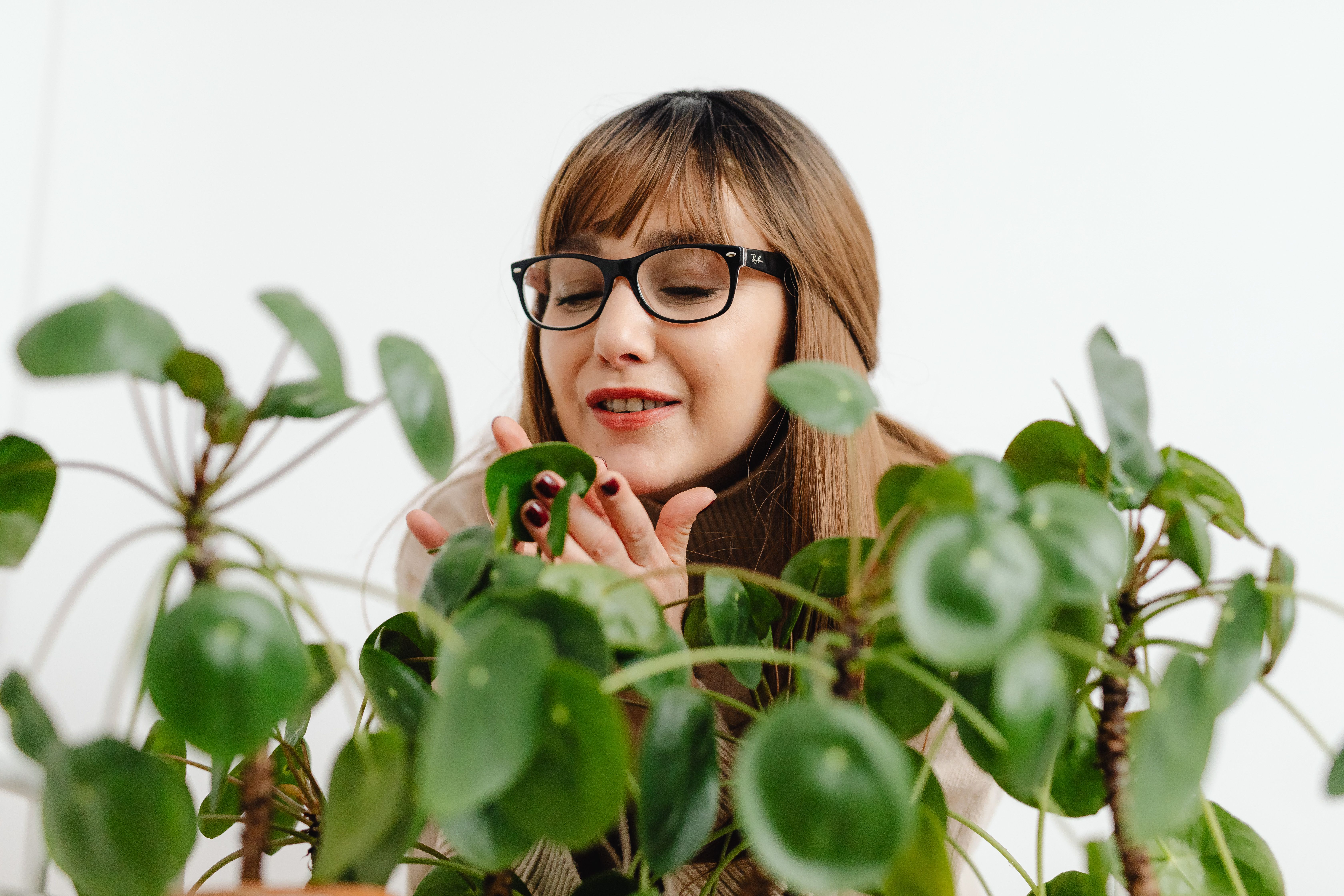
You have probably heard the advice before: talk to your houseplants, and they will reward you with bigger leaves, faster growth, and a happier life. The idea shows up in gardening magazines, social media posts, and even classroom experiments. But is there real science behind it, or is it just a comforting habit?
The answer is more interesting than a simple yes or no. Talking to plants may have some effect on growth, but not for the reasons most people assume. The evidence points to sound vibration, better care habits, and the gardener’s own well-being as the real factors, not the meaning of the words themselves.
Key Takeaways
- Talking helps observation, not understanding: Plants do not understand human words or emotions, but talking encourages closer inspection and better care habits that can improve growth indirectly.
- Sound vibration is plausible; word meaning is not: Plants detect vibration through mechanosensitive cells, but no peer-reviewed study shows they benefit from the emotional content of kind or harsh words.
- Better care habits matter more than conversation: Light, water, temperature, and nutrition drive plant growth. Talking cannot fix poor conditions, but it can make you a more attentive gardener.
- A home experiment can test the effect yourself: Use two similar plants with identical care and a silent control group. Track growth, new leaves, and photos weekly for four to eight weeks.
Does Talking to Plants Actually Help Plants Grow?

Let’s start with the clearest possible answer. There is some evidence that plants can respond to sound or vibration, but no strong evidence that they understand human words, kindness, or insults. The most likely benefit of talking to your plants is that it makes you a more attentive gardener, and attentive gardeners usually grow healthier plants.
Quick Answer: Maybe, But Not for the Reason People Think
Talking to plants may help them grow, but the mechanism is not what most people imagine. Plants do not have ears, brains, or language comprehension. They do not understand praise or criticism.
What plants can do is sense vibrations. Some studies suggest that certain sound frequencies can trigger physiological responses, such as changes in gene expression or root growth. But these responses are not the same as understanding speech.
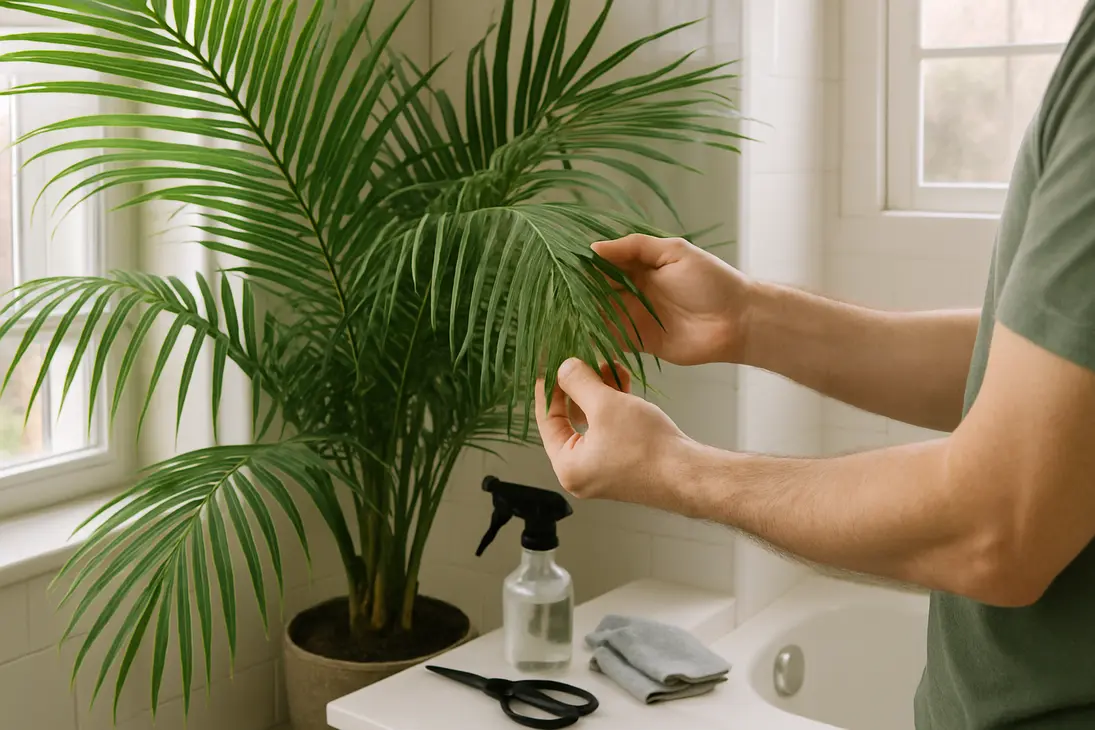
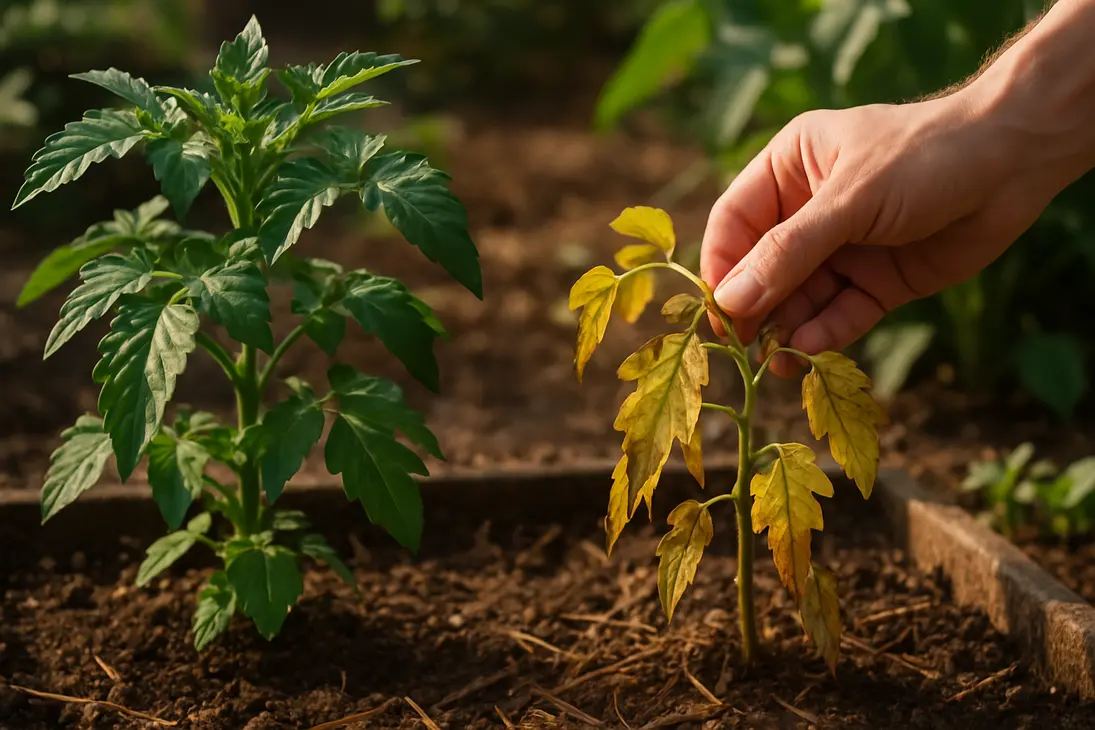
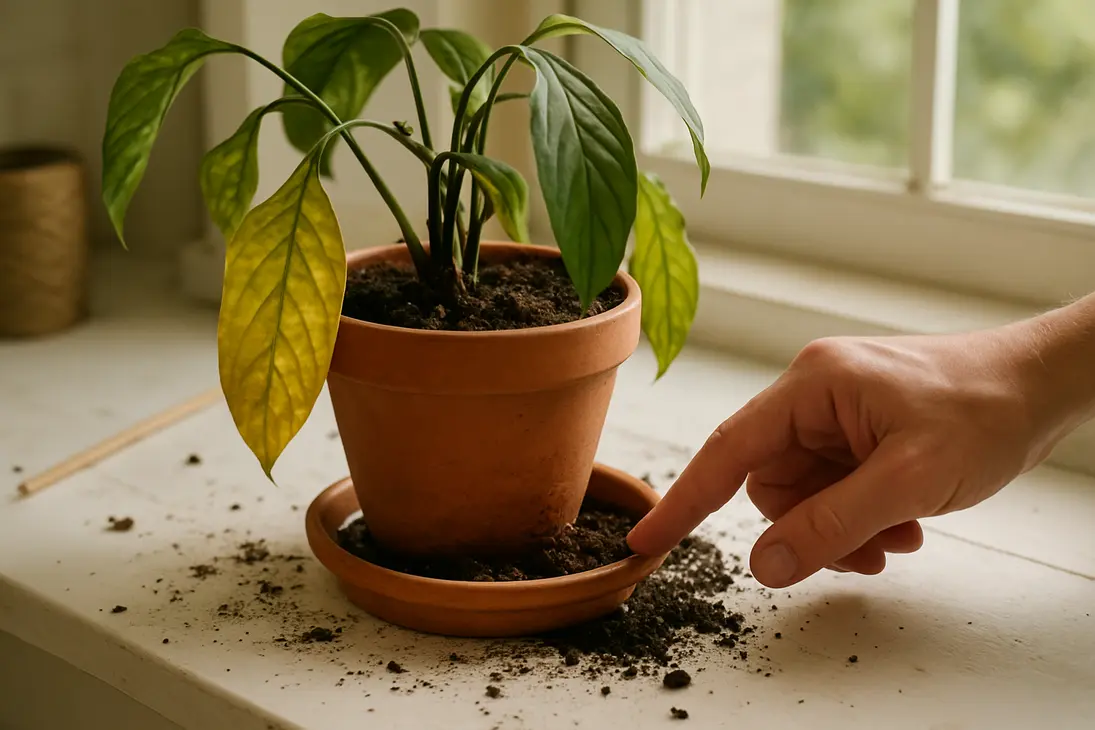
The indirect benefits are more meaningful. People who talk to their plants tend to spend more time near them. They check soil moisture more often, notice yellow leaves, pests, or dry spots earlier, and adjust care. Light, water, temperature, airflow, and proper nutrition matter far more than conversation. Talking cannot fix poor growing conditions.
What Talking Might Do: Sound, Vibration, CO₂, and Better Care
| Possible reason | How plausible is it? | Summary |
|---|---|---|
| Sound vibration | Plausible, but depends on frequency, volume, duration, and plant context | Plants may sense vibration, but human speech is not proven as a universal growth booster |
| Meaning of words | Not supported | Plants do not understand praise or insults |
| Carbon dioxide from breath | Weak for normal home talking | CO₂ diffuses quickly; casual talking does not raise concentration enough |
| Better observation | Very plausible | Talking makes you check plants more often and fix care problems sooner |
| Stress relief for people | Strong practical benefit | The habit helps the gardener even if plant growth changes are small |
Sound vibration has received the most serious scientific attention. Plants have mechanosensitive channels that detect touch and vibration. Some research shows that specific vibrations—like a pollinator’s buzz or chewing herbivores—can trigger defensive or reproductive responses. Human speech falls within a range plants could theoretically detect, but whether those vibrations are meaningful for growth is still open.
The meaning of words has no scientific support. No peer-reviewed study shows that plants can distinguish kind words from harsh words. Experiments claiming insulted plants performed worse are almost always flawed by small sample sizes or lack of controls.
Carbon dioxide from your breath is a commonly repeated theory that does not hold up. The amount you exhale during a few minutes of talking is tiny compared to the air volume in a typical room. CO₂ diffuses rapidly, so the concentration does not increase enough to matter.
Better observation is the most plausible indirect benefit. When you stand near a plant and talk, you are more likely to notice dry soil, yellow leaves, or pests. That attention leads to better care, which leads to better growth.
Stress relief for the gardener is a genuine benefit. Gardening reduces stress, and talking to plants can be a calming ritual that encourages consistent, thoughtful care.
Do Plants Understand You When You Talk?
No. Plants do not have ears, a central nervous system, or a brain. They cannot process language. When you say “good morning” to your monstera, it does not register as a greeting. Responding to sound is not the same as understanding speech. A plant that closes flowers in response to vibration is reacting to a physical stimulus, much like it would react to wind.
But this does not mean talking to plants is pointless. The habit is harmless and may help you build a better care routine. Just be honest about why you are doing it.
What the Science Says About Sound, Music, and Plant Growth
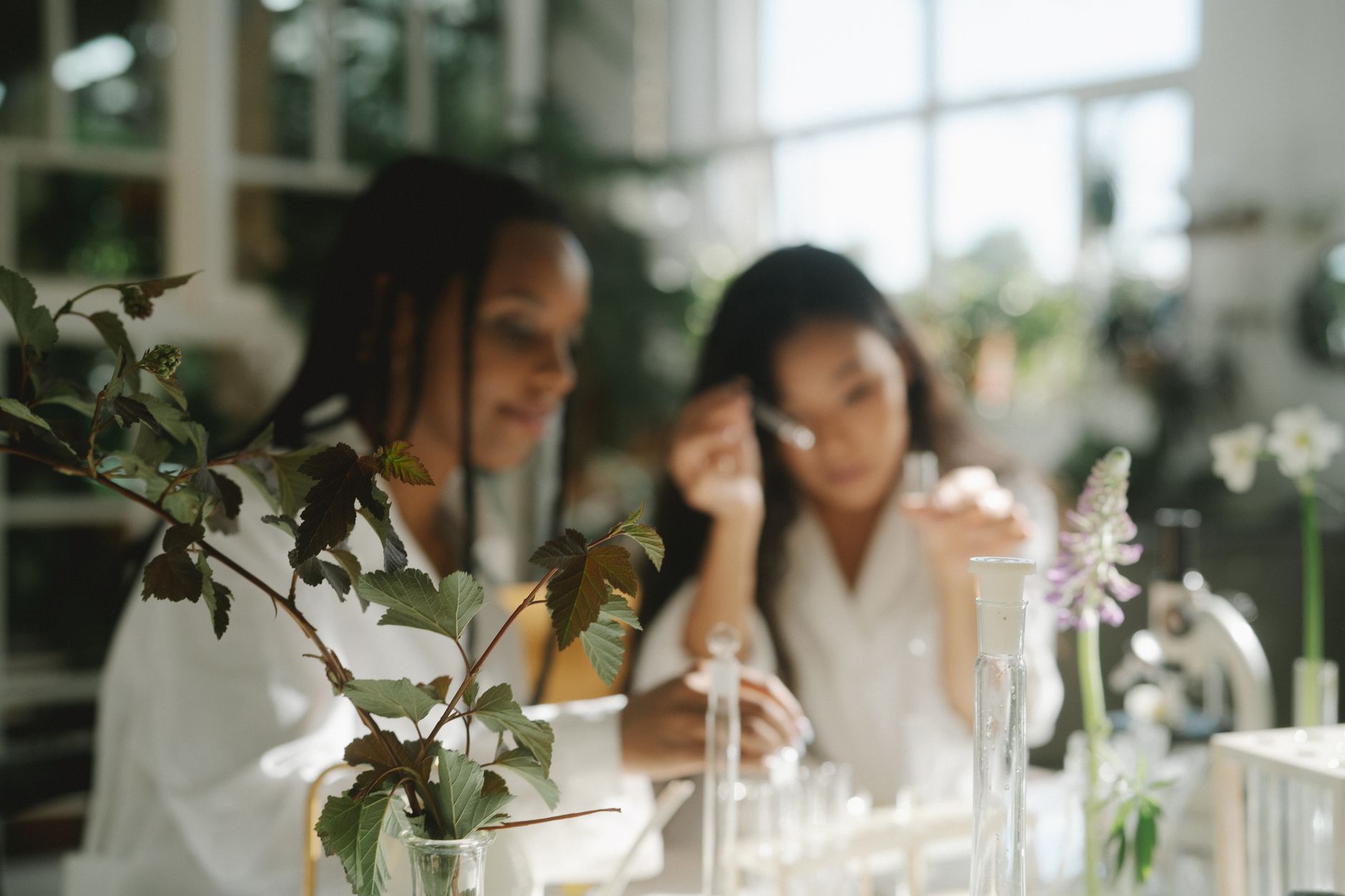
The scientific literature is mixed. Some studies show interesting effects; others fail to replicate them. The key is to separate entertaining experiments from stronger peer-reviewed research.
The Royal Horticultural Society Tomato Voice Experiment
One famous experiment involved playing recordings of people reading to tomato plants. Results reportedly showed that plants exposed to female voices grew taller than those exposed to male voices, and both groups outperformed a silent control. Sarah Darwin recorded a reading, and her plant grew tallest.
But this was a publicity-style trial, not a rigorously controlled scientific study. The sample size was small, and conditions may not have been identical. It is interesting but not proof.
MythBusters, Positive Talk, Negative Talk, and Music
MythBusters tested seven groups of pea plants: positive speech, negative speech, classical music, heavy metal, and three silent controls. Sound-exposed plants performed better. This result is often cited as proof, but it was an entertainment demonstration, not published in a scientific journal. Notably, positive speech did not outperform negative speech, supporting the idea that vibration matters more than meaning.
Modern Research: Plants Can Respond to Vibrations and Ecological Sounds
Current research focuses on vibration, frequency, and ecological relevance. Plants detect mechanical stimuli through mechanosensing, affecting gene expression, defense responses, root growth, and pollination interactions.
A well-known study found that evening primrose flowers increased nectar sugar concentration when exposed to bee buzzing, but not to higher- or lower-frequency sounds. This suggests plants detect ecologically relevant sounds and adjust behavior.
Another review in Frontiers in Plant Science noted that sound treatment can alter enzyme activity, hormone levels, and gene expression. Effects depend heavily on frequency, intensity, and duration. These results do not mean your pothos understands your voice, but plants are not completely indifferent to sound.
Why “Classical Music vs Rock Music” Is Hard to Prove
Music genres are not biologically precise. Different experiments use different plants, speakers, distances, volumes, and timeframes. Without standardized methods, we cannot say one genre is better. Loud or continuous noise could stress plants. Moderation is sensible if you experiment with music.
If You Want to Try Talking to Plants, Do It This Way
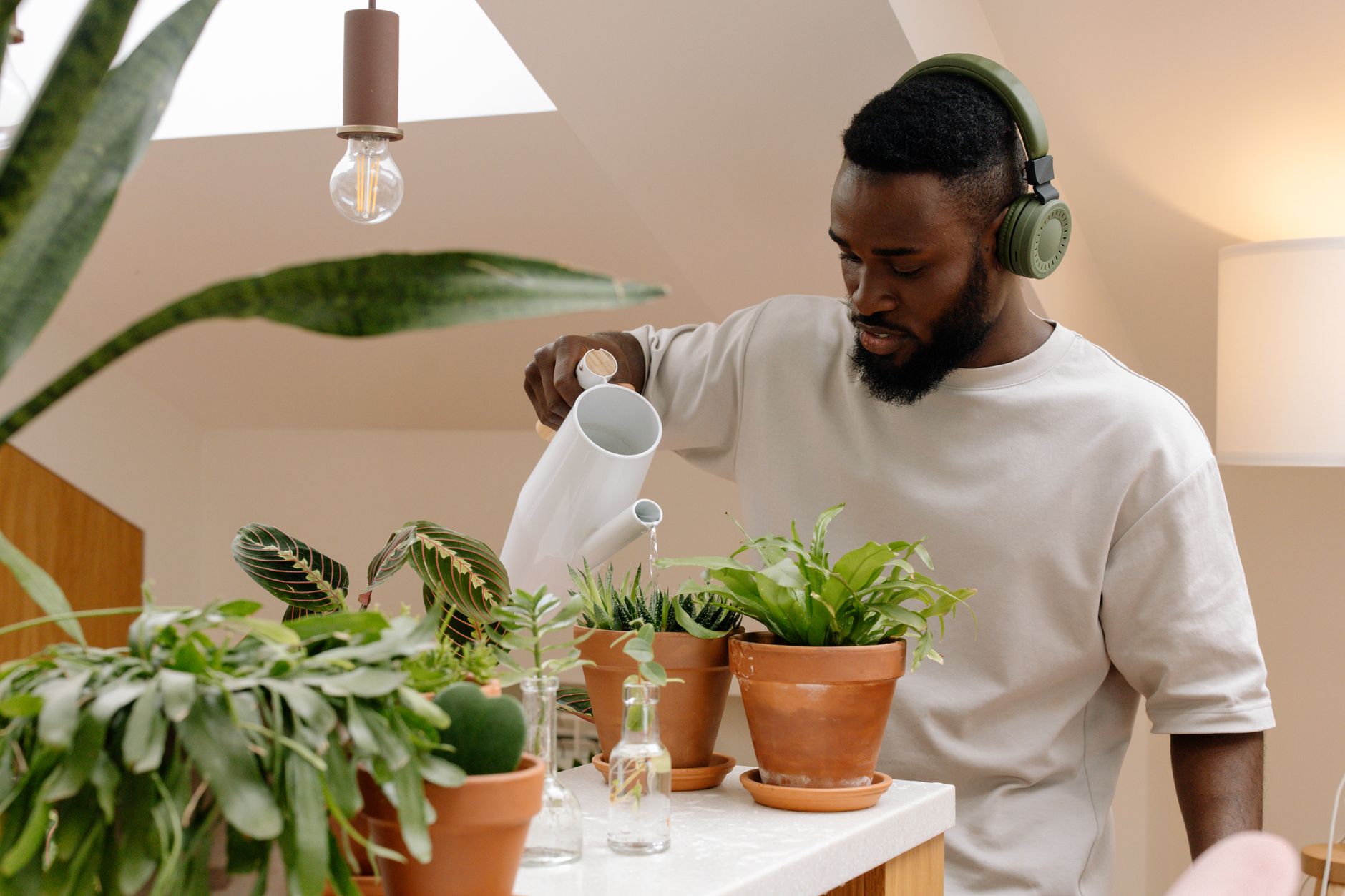
If you enjoy talking to your plants, there is no reason to stop. Think of it as a care ritual rather than a guaranteed growth hack.
A Simple Plant-Talking Routine That Also Improves Care
The real value is the attention while you speak.
- Check the plant while you talk. Look at leaves, stems, soil, drainage, and pot position. Notice dryness, new leaves, or pests.
- Keep volume normal. Do not shout or place speakers too close. Loud sound could cause vibration stress.
- Use it as a care reminder. Water if needed, rotate the pot, remove dead leaves. The talking itself is not the care; the actions are.
- Keep it short and consistent. A few calm minutes each day or every other day is enough. Do not let talking replace fundamentals: proper light, watering, drainage, temperature, and fertilizer.
Talking, Singing, or Playing Music: Which Should You Try?
| Method | Best use | Potential benefit | Watch-out |
|---|---|---|---|
| Talking | Daily plant check-in | Helps you observe care needs | Words themselves not proven |
| Singing | Same as talking, more enjoyable | Similar vibration/attention benefit | Keep volume moderate |
| Soft music | Background experiment | Easy to test passively | Do not blast speakers near plants |
| Silence plus observation | For people who feel silly talking | Still improves care | Works if you actually inspect plants |
| Loud sound | Not recommended | No clear home-garden benefit | Could be stressful |
Silent observation is equally useful if you feel awkward speaking. The key is attention, not sound.
Indoor vs Outdoor Plants: Where Talking Might Matter Less
Indoor plants live in a quiet environment. Your voice introduces a vibration they would not otherwise experience. Outdoor plants are already exposed to wind, rain, insects, and neighborhood sounds—your voice adds little. If you want to experiment, indoor plants are better because you can control conditions.
How to Test Whether Talking to Plants Works at Home
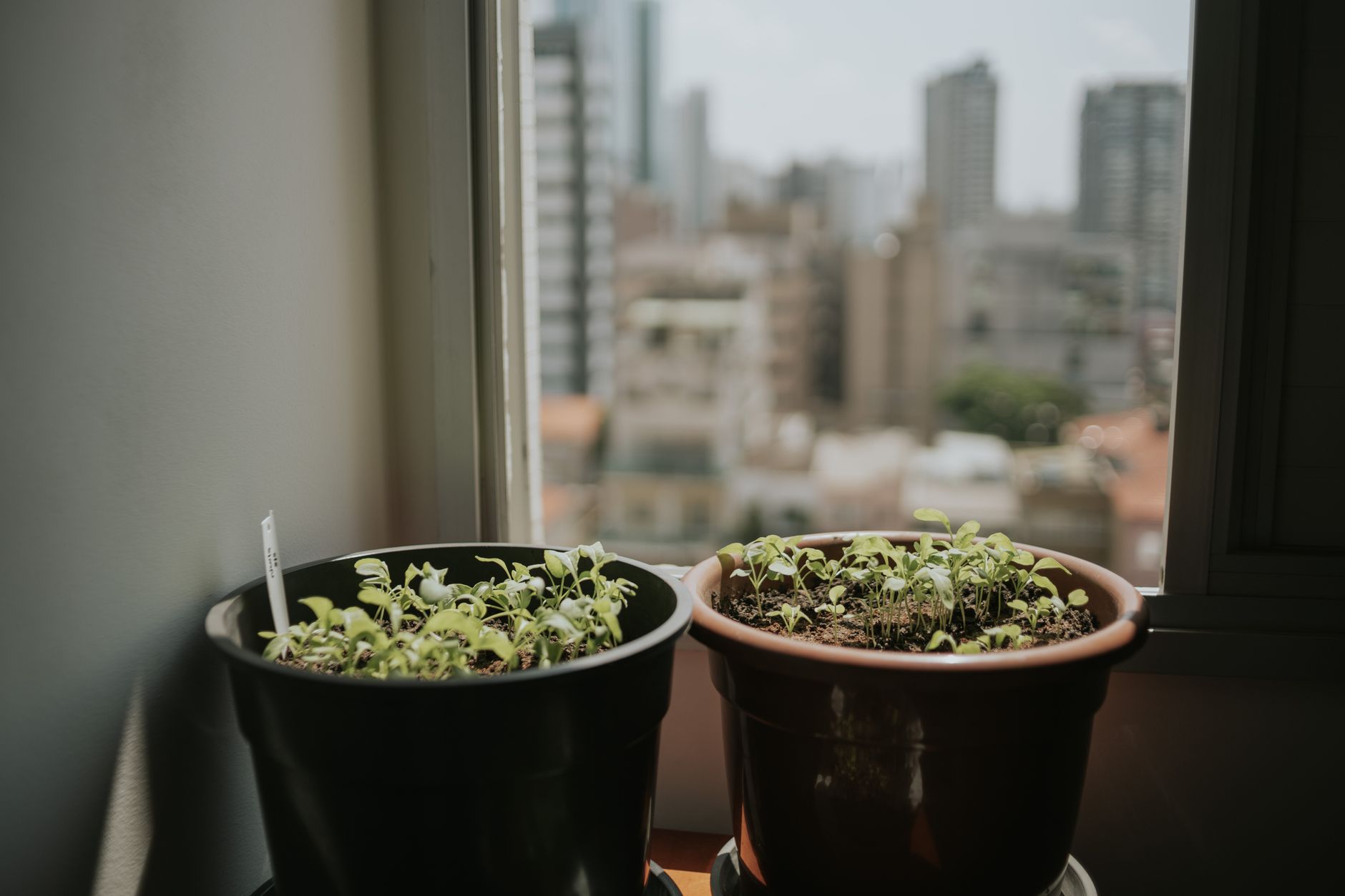
A home experiment can help you observe any difference.
A Simple Home Experiment With a Control Plant
- Choose two or more plants of the same species, similar in size and health.
- Use identical pot size, potting mix, light, watering, fertilizer, and temperature.
- Talk to one plant daily for the same amount of time.
- Keep the other plant as a silent control with no extra attention.
- Do not give extra care to only the talking plant.
- Track results weekly for four to eight weeks.
This has limitations—one plant per group is not statistically reliable—but it gives personal observation.
What to Measure Besides Height
| Measurement | Why it matters |
|---|---|
| Height | Easy but not always meaningful |
| New leaves | Good for houseplant growth tracking |
| Leaf size | Shows vigor |
| Flower buds or blooms | Useful for flowering plants |
| Soil moisture and watering dates | Prevents care bias |
| Pest or disease notes | Shows whether attention helped |
| Photos from same angle | Helps compare visual progress |
Take a photo from the same angle at the same time each week.
Common Experiment Mistakes
- Do not put the talking plant closer to the window. Light differences will override any sound effect.
- Do not water the talking plant more often just because you like it more.
- Do not use different species. One may grow faster regardless.
- Do not compare a healthy plant with a stressed plant.
- Do not conclude from a single week. Plant growth takes time.
- Do not confuse correlation with causation.
What Talking to Plants Can and Cannot Do
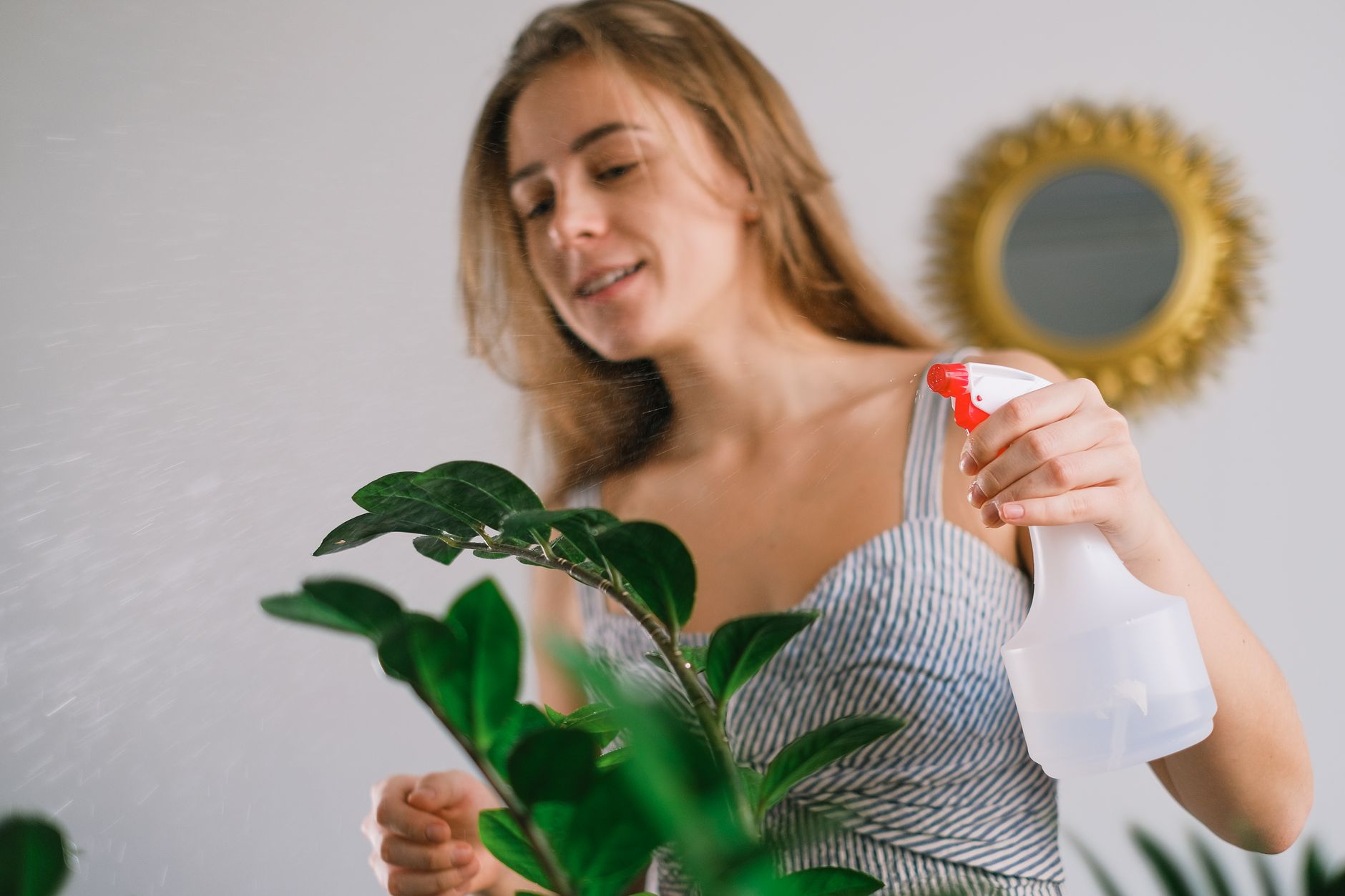
What Talking Might Help With
- Makes you more observant. Standing near a plant gives you reason to look closely.
- Creates a consistent care routine. Daily check-ins help catch problems early.
- Reduces stress for the gardener. Plant care is calming.
- Exposes the plant to mild sound vibration. Whether that helps is uncertain but not harmful.
- Helps you notice pests, yellow leaves, dry soil, or new growth earlier.
What Talking Cannot Replace
- Cannot fix low light.
- Cannot replace water or proper drainage.
- Cannot correct nutrient deficiency.
- Cannot cure root rot, pests, or disease.
- Cannot make a plant understand praise or instructions.
Best Plants for a Talking Experiment
Choose fast-growing plants: basil, beans, peas, pothos cuttings, spider plant offsets, tomato seedlings, or microgreens. They produce noticeable new growth quickly. For flowering response, note that research like the evening primrose study involved pollinator sounds, not casual speech. Foliage plants are simpler to measure.
Conclusion
Talking to plants is a harmless and enjoyable habit, but the evidence for a direct growth benefit is thin. The most likely explanation is that talking helps you pay closer attention to your plants’ needs, and that attention drives better care. Sound vibration may play a small role, but it is not the main factor. If you enjoy talking to your plants, keep doing it. Just remember that light, water, soil, and temperature matter far more than any words you say.
FAQ
Do plants understand when you talk to them?
No. Plants do not understand human language, but they may respond to sound vibration, and they benefit when talking makes you more attentive to their care.
Is it true that speaking kindly to plants helps them grow?
Kind words themselves are not proven. The likely benefits are mild sound vibration, lower stress for the gardener, and better observation and care habits.
Is plant growth helped by the carbon dioxide in your breath?
Not much in normal home conditions. CO₂ matters for photosynthesis, but casual talking does not usually raise CO₂ around a plant long enough to meaningfully change growth.
How can I test if talking to my plants works?
Use two or more similar plants, keep care conditions identical, talk to only one group, keep a silent control, and track height, new leaves, photos, and watering for several weeks.
Sources
- Penn State News. “Is That Bullshit? Talking to Your Plants.” https://www.psu.edu/news/research/story/bullshit-talking-your-plants
- The Guardian. “Talking to plants: Does it actually help them grow?” https://www.theguardian.com/lifeandstyle/2020/may/22/talking-to-plants-does-it-actually-help-them-grow
- OurHousePlants. “Does talking to plants help them grow?” https://www.ourhouseplants.com/guides/does-talking-to-plants-help-them-grow
- Jung, J., Kim, S. K., Kim, J. Y., Jeong, M. J., & Ryu, C. M. (2018). “Beyond chemical triggers: Sound vibration as a new player in plant physiology.” Frontiers in Plant Science, 9, 1303. https://www.frontiersin.org/articles/10.3389/fpls.2018.01303
- Del Stabile, F., et al. (2022). “Plant sound perception: An active but still developing research area.” International Journal of Molecular Sciences, 23(19), 11850. https://www.mdpi.com/1422-0067/23/19/11850
- Veits, M., Khait, I., Obolski, U., et al. (2019). “Flowers respond to pollinator sound within minutes by increasing nectar sugar concentration.” Ecology Letters, 22(9), 1483-1492. https://onlinelibrary.wiley.com/doi/abs/10.1111/ele.13331
- The Atlantic. “The Surprising Secret to Making Your Plants Grow Better.” https://www.theatlantic.com/science/archive/2019/07/evening-primrose-flowers-hear-bees/593746/
- Kim, J. Y., et al. (2021). “Sound wave treatment promotes Arabidopsis root growth through regulation of auxin signaling.” Plant Cell Reports, 40, 1047-1058. https://link.springer.com/article/10.1007/s00299-021-02700-y
You Might Also Like