What Can You Plant in USDA Zone 6b?
USDA zone 6b is cold enough for lilacs, peonies, apples, daffodils, hostas, and many hardy perennials, but warm enough for tomatoes, peppers, beans, cucumbers, basil, annual flowers, and a productive fall vegetable garden.
The best plants for zone 6B are not just winter-hardy. They also fit your frost dates, sun exposure, soil drainage, rainfall, deer pressure, and maintenance level.
Understanding Zone 6b Before You Plant
USDA zone 6b is defined by average annual extreme minimum winter temperatures of about -5°F to 0°F. That helps you choose perennials, shrubs, trees, vines, and bulbs likely to survive winter.
Hardiness is only a starting point. A sheltered city garden, windy hillside, wet clay yard, and low frost pocket can all be zone 6b but behave very differently.
What Zone 6b Means for Plant Hardiness
When a plant tag says “hardy to zone 6,” it generally means the plant can survive average winter lows in zones 6a and 6b with proper planting and care. Examples include coneflower, daylily, hosta, sedum, lilac, serviceberry, daffodils, and many hydrangeas.
USDA zones mostly measure winter cold. They do not tell you summer heat, frost dates, drainage, wind, sun, shade, or pest pressure. Hardy plants can still fail if placed poorly: lavender may rot in wet soil, hostas may scorch in afternoon sun, and Japanese maples may suffer in drying wind.
Typical Last and First Frost Timing
Many zone 6b gardens have a last spring frost sometime in April or early May and a first fall frost sometime in October, though local dates vary.
Use frost timing as a planting guide:
| Plant group | General zone 6b timing |
|---|---|
| Cool-season vegetables | Early spring and late summer/fall |
| Warm-season vegetables | After frost danger passes |
| Hardy perennials | Spring or fall |
| Shrubs and trees | Spring or fall |
| Spring-blooming bulbs | Fall |
| Tender annuals | After frost |
Do not rush tomatoes, peppers, basil, zinnias, begonias, or impatiens outdoors. Lettuce, spinach, kale, parsley, snapdragons, and hardy perennials tolerate cool spring weather better.
Why Local Conditions Still Matter
Before buying plants, study your yard. A south-facing wall may be warmer. A low spot may frost early. Clay soil may stay wet for days, while sandy soil dries quickly. Mature trees may create more shade by midsummer than they do in spring.
If you are unsure, start with forgiving plants such as coneflower, black-eyed Susan, daylily, sedum, daffodils, beans, lettuce, parsley, spirea, and serviceberry, matched to the right light and soil.
Best Plants for Zone 6b Gardens
Zone 6b supports a wide range of ornamentals and edibles. These choices are practical and widely grown when planted in suitable conditions.
Perennials for Zone 6b
Reliable zone 6b perennials include:
| Perennial | Best conditions | Notes |
|---|---|---|
| Coneflower | Full sun, well-drained soil | Drought tolerant; pollinator-friendly |
| Black-eyed Susan | Full sun to light shade | Long bloom season; easy |
| Daylily | Full sun to part sun | Tough and adaptable |
| Hostas | Part shade to shade | Great foliage; protect from deer and slugs |
| Salvia | Full sun, well-drained soil | Good for bees; dislikes wet soil |
| Sedum | Full sun, lean soil | Very drought tolerant |
| Bee balm | Sun to part sun, moist soil | Attracts hummingbirds; needs airflow |
| Coreopsis | Full sun | Long-blooming |
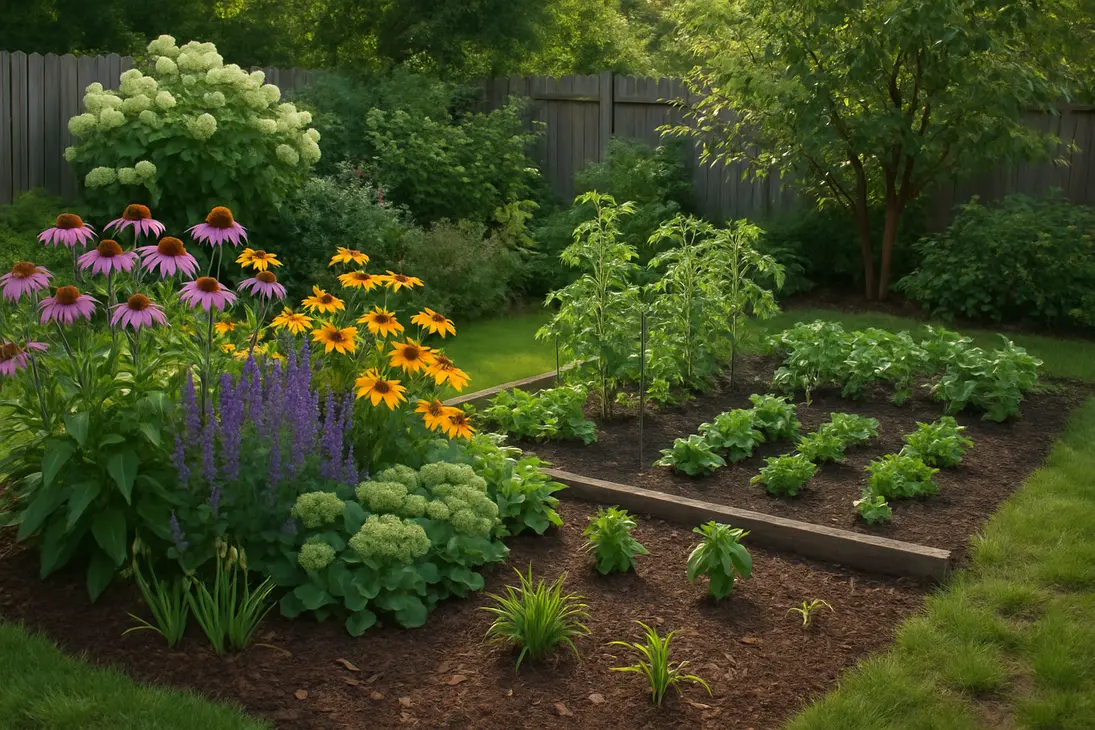
For sunny borders, combine coneflower, black-eyed Susan, sedum, salvia, and coreopsis. For shade, use hostas with ferns, coral bells, or spring bulbs. Bee balm is excellent for pollinators but can spread, so give it room or choose compact cultivars.
Annual Flowers for Zone 6b
Annuals give quick color in containers, borders, and gaps between perennials. Good choices include marigolds, zinnias, petunias, impatiens, snapdragons, begonias, and cosmos.
Use marigolds, zinnias, cosmos, and petunias in sun. Use impatiens and begonias in shade or morning sun. Snapdragons prefer cool spring or fall weather and can usually go out earlier than tender annuals.
Vegetables and Herbs for Zone 6b
Zone 6b has a long enough season for most common vegetables, especially when warm-season crops are grown from transplants.
Plant after frost:
- Tomatoes
- Peppers
- Cucumbers
- Beans
- Basil
Plant in spring and again for fall where timing allows:
- Lettuce
- Spinach
- Kale
- Carrots
- Parsley
- Thyme
- Chives
Tomatoes and peppers are usually best from transplants. Beans and cucumbers can be direct-sown after soil warms. Lettuce, spinach, kale, carrots, and parsley can be planted early and often perform well as fall crops.
Basil is tender and dies with frost. Parsley is usually grown as an annual or biennial. Thyme and chives are hardy perennials in many zone 6b gardens.
Shrubs and Small Trees for Zone 6b
Good zone 6b shrubs and small trees include hydrangea, lilac, boxwood, spirea, forsythia, dogwood, Japanese maple, and serviceberry.
Panicle hydrangeas are hardy and sun-tolerant; bigleaf types may need more protection and moisture. Lilacs need sun and airflow. Boxwood prefers well-drained soil and some winter wind protection. Japanese maples do best away from hot afternoon sun and drying winds. Serviceberry offers spring flowers, berries, and fall color.
Check mature size before planting. A small nursery shrub can become a five- to eight-foot plant, so avoid crowding foundations, walkways, and driveways.
Bulbs for Zone 6b
Spring-blooming bulbs are usually planted in fall after soil cools but before it freezes. Good choices include tulips, daffodils, crocus, hyacinths, alliums, and irises.
Daffodils, crocus, alliums, and many irises often return well. Tulips are less dependable long-term and may be treated as annuals, especially in heavy soil or wet summer conditions. For a longer spring display, mix early crocus, midseason daffodils and hyacinths, late tulips, and alliums.
When to Plant in Zone 6b
Good timing prevents two common mistakes: planting tender crops too early and missing the fall window for bulbs, perennials, shrubs, and cool-season crops.
Early Spring Planting
In early spring, focus on plants that tolerate cool soil and chilly nights:
- Lettuce
- Spinach
- Kale
- Carrots
- Parsley
- Snapdragons
- Hardy perennials
- Bare-root shrubs or trees, if available locally
You can also clean beds, top-dress with compost, divide perennials, and prepare vegetable beds. Avoid digging soggy soil, especially clay, because it compacts easily.
Do not plant tomatoes, peppers, basil, zinnias, or impatiens outside in early spring unless they are protected.
After the Last Frost
After frost danger has passed and soil has warmed, plant tender annuals, warm-season vegetables, and frost-sensitive herbs such as tomatoes, peppers, cucumbers, beans, basil, marigolds, zinnias, petunias, impatiens, begonias, and cosmos.
Harden off indoor-grown seedlings before transplanting by gradually exposing them to outdoor light, wind, and temperature changes over several days.
Summer Succession Planting
Zone 6b summers are long enough for succession planting. Instead of planting everything at once, sow small rounds of beans, cucumbers, lettuce, kale, carrots, and basil where timing allows.
By mid- to late summer, start fall crops. Cool weather often improves flavor and reduces bolting in leafy greens.
Fall Planting for Perennials, Shrubs, and Bulbs
Fall is an excellent planting season in zone 6b because air is cooler while soil often remains warm enough for root growth.
Plant spring bulbs such as daffodils, tulips, crocus, hyacinths, alliums, and irises. Fall is also good for many perennials, shrubs, small trees, garlic, and cool-season greens, depending on frost timing.
Water new fall plantings until the ground freezes if rainfall is lacking. Even hardy plants can fail if they enter winter dry and poorly rooted.
How to Choose the Right Zone 6b Plants for Your Yard
The best plant list is the one that fits your actual site. Evaluate light, soil, water, and maintenance before buying.
Match Plants to Sun and Shade
Most vegetables and many flowering perennials need full sun, usually at least six hours of direct sun daily. Tomatoes, peppers, cucumbers, beans, basil, zinnias, marigolds, coneflowers, black-eyed Susans, salvia, sedum, and coreopsis all perform best in sun.
Part shade is better for hostas, impatiens, begonias, some hydrangeas, Japanese maples, and lettuce during hot weather. Deep shade is more limiting, so use foliage, texture, and spring bulbs rather than expecting heavy summer bloom.
Consider Soil Type and Drainage
Drainage is often more important than winter temperature. Many zone 6b plants tolerate cold but not constantly wet roots.
Puddles that linger after rain suggest poor drainage. Hard cracking in summer may indicate heavy clay. Very fast drying may indicate sandy soil. Dense tree roots can compete for moisture and nutrients.
Compost improves many beds, but sedum, salvia, cosmos, and Mediterranean herbs prefer lean, well-drained soil. Raised beds can help vegetables and herbs where native soil drains poorly.
Choose Plants for Your Maintenance Level
For a lower-maintenance zone 6b garden, choose plants that do not need constant watering, staking, spraying, or deadheading. Good choices include sedum, daylily, black-eyed Susan, coneflower, coreopsis, spirea, forsythia, serviceberry, daffodils, chives, and thyme.
Higher-maintenance plants can still be worth growing. Tomatoes need support and steady water. Container petunias may need frequent watering and feeding. Bigleaf hydrangeas can be more sensitive than panicle hydrangeas.
Also consider deer. Hostas, daylilies, tulips, and many hydrangeas are often browsed. Daffodils, alliums, salvia, and aromatic herbs are usually less appealing, though no plant is completely deer-proof.
Plan for Bloom Time, Harvest Time, and Mature Size
Plan for interest across the season:
- Early spring: Crocus, daffodils, hyacinths, forsythia
- Mid to late spring: Tulips, alliums, lilac, irises
- Summer: Daylilies, coneflowers, black-eyed Susans, bee balm, zinnias, tomatoes, basil
- Late summer to fall: Sedum, coreopsis, serviceberry fall color, kale, carrots, fall greens
Check mature height and width. Put tall plants toward the back, keep shrubs away from foundations unless truly compact, and leave airflow around mildew-prone plants like bee balm.
Common Zone 6b Planting and Care Mistakes
Many problems blamed on the zone are actually caused by watering, soil, light, timing, or fertilizer.
Watering Too Often or Too Shallowly
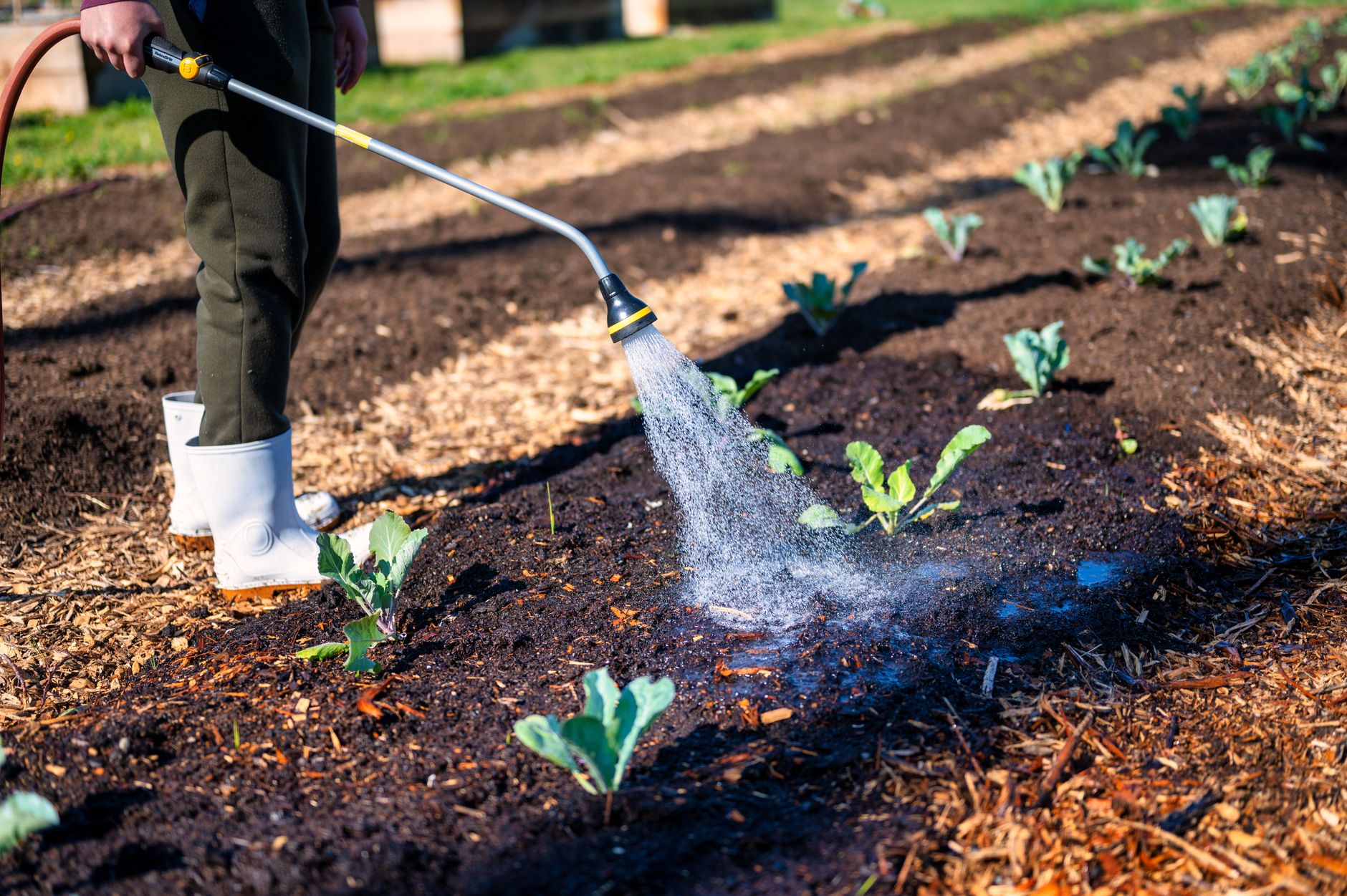
Shallow daily watering encourages shallow roots and may leave deeper soil dry. Most established in-ground plants prefer deeper, less frequent watering, adjusted for rainfall, soil type, heat, and plant age.
Check soil with your finger or a small trowel. If the root zone is dry, water slowly and deeply. Containers dry faster and may need daily watering in hot weather, especially hanging baskets, potted tomatoes, and small annual containers.
Over-Fertilizing New or Stressed Plants
More fertilizer does not always help. Too much can burn roots, brown leaf edges, produce weak growth, or worsen stress when plants are dry, hot, or newly transplanted.
Before feeding a struggling plant, check sun exposure, moisture, drainage, planting timing, roots, tree competition, and soil pH if problems persist. A stalled vegetable garden often has cold soil, compaction, poor light, inconsistent watering, or nutrient imbalance—not simply a lack of fertilizer.
Planting Too Early in Spring
A warm week in March or April can be misleading. Zone 6b can still get cold snaps. Tomatoes, peppers, basil, zinnias, cucumbers, beans, impatiens, and begonias can be damaged or killed by frost.
Even without frost, cold soil can stunt warm-season plants. Use frost dates, forecasts, and soil warmth as guides. If you plant early, have row cover, cloches, or temporary protection ready.
Ignoring Soil Health and Drainage
Poor drainage, compaction, and low organic matter can weaken plants even when the climate is right. Drainage problems may cause yellowing leaves, root rot, sour-smelling soil, or wilting despite wet soil. Compaction may cause runoff, poor root growth, and stunting.
For vegetables, annuals, and many perennials, loosen compacted beds and add compost. For shrubs and trees, plant at the correct depth and avoid burying the root flare. Do not create a deep, heavily amended hole in clay soil that acts like a soggy bathtub.
Not Knowing Which Plants Return Each Year
In zone 6b, perennials usually return from the roots each year, while annuals complete their life cycle in one season. Tender perennials may live in warm climates but die in zone 6b winters. Biennials often grow leaves the first year, flower the second, then decline.
Tomatoes, peppers, basil, marigolds, zinnias, petunias, impatiens, begonias, and cosmos are typically grown as annuals. Coneflower, black-eyed Susan, daylily, hosta, salvia, sedum, bee balm, coreopsis, thyme, chives, many hydrangeas, lilac, spirea, serviceberry, daffodils, and many irises can return when planted well.
Conclusion
Zone 6b supports spring bulbs, hardy perennials, flowering shrubs, small trees, cool-season vegetables, summer crops, herbs, and colorful annuals. Use the USDA zone as a starting point, then choose plants based on frost dates, sunlight, drainage, water needs, mature size, and maintenance level.
For dependable results, plant cool-season crops early, wait until after frost for tender plants, use fall for bulbs and many woody plants, and choose hardy perennials and shrubs that fit your site.
FAQ
What plants grow best in zone 6b?
Good zone 6b plants include coneflower, black-eyed Susan, daylily, hosta, salvia, sedum, bee balm, coreopsis, hydrangea, lilac, spirea, serviceberry, daffodils, alliums, tomatoes, beans, lettuce, kale, basil, parsley, thyme, and chives.
Use sun-loving plants like tomatoes, zinnias, coneflower, and sedum in full sun. Use hostas, impatiens, begonias, and some hydrangeas in part shade.
Can tomatoes grow in zone 6b, and do they come back every year?
Yes. Tomatoes grow well in zone 6b when planted after frost in full sun, warm soil, steady moisture, and with support.
Tomatoes do not come back every year in zone 6b. They are tender plants killed by frost, so they are grown as annuals and replanted each spring.
How often should I water plants in zone 6b?
Water based on weather, soil, plant type, and root establishment. New plants need closer attention. Established in-ground plants usually prefer deep watering when the root zone begins to dry rather than light daily sprinkling.
Containers dry much faster and may need daily watering in hot, dry weather. Check the soil before watering if unsure.
What should I plant in fall in zone 6b?
Plant spring-blooming bulbs such as daffodils, tulips, crocus, hyacinths, alliums, and irises. Fall is also good for many perennials, shrubs, and small trees if they have time to root before winter.
You can also plant cool-season vegetables for fall harvest, such as lettuce, spinach, kale, carrots, and parsley, depending on local frost timing.
You Might Also Like